Skip to content

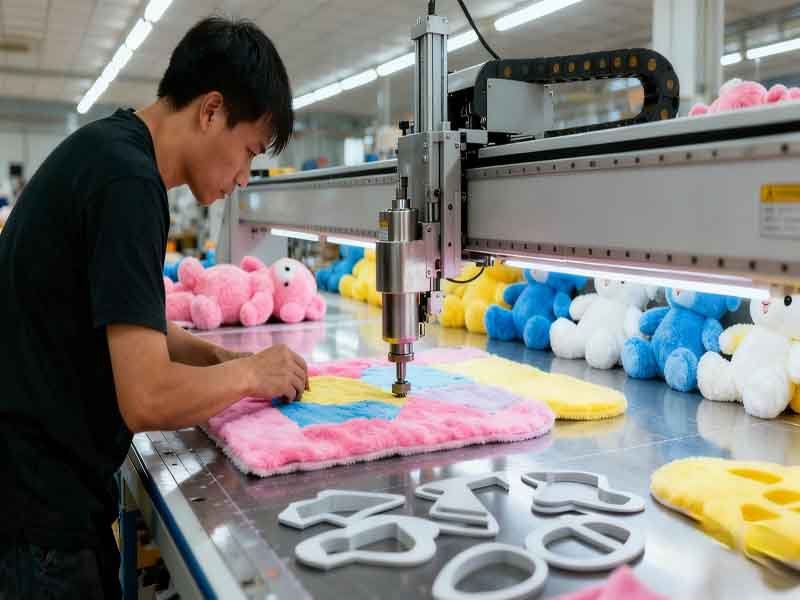
A collectible plush can look simple from a distance: soft fabric, filling, embroidery, and a few carefully placed details. In practice, it is one of the easiest products to underestimate. A face positioned only a few millimeters too low can change the character’s expression. A fabric with the wrong pile direction can make the approved silhouette disappear. A series that looks consistent in digital artwork can feel disjointed when every character is developed by a different sample maker or produced from loosely controlled specifications. These are not small cosmetic problems. For an IP owner, toy brand, designer, game studio, or retailer, they affect approval time, fan response, product reviews, reorder potential, and the value of the character itself. Finding a manufacturer therefore means looking beyond a supplier’s product gallery and quoted unit price. The real task is to identify a team that can translate character artwork into a repeatable product, manage several connected SKUs, control the sample-to-production transition, and deliver packaging and documentation that work in the target market.
The right collectible plush manufacturer can interpret artwork, develop stable patterns, preserve character-defining details, document materials and measurements, manage revisions, control mass production, coordinate packaging, and support market-specific compliance work. Selection should be based on relevant samples, engineering evidence, factory transparency, quality records, communication, and reorder discipline. The lowest quotation is useful only when every supplier is pricing the same approved specification.
A common sourcing mistake appears only after the team thinks the difficult work is finished. The prototype is attractive, the launch campaign is ready, and production has begun. Then the first bulk units arrive with flatter faces, mixed accessories, inconsistent stuffing, or packaging that hides the character’s strongest feature. At that point, the supplier has already been selected, deposits have been paid, and the launch calendar is under pressure. The sections below focus on the decisions that prevent that situation before it becomes expensive.
What Makes Collectible Plush Different?
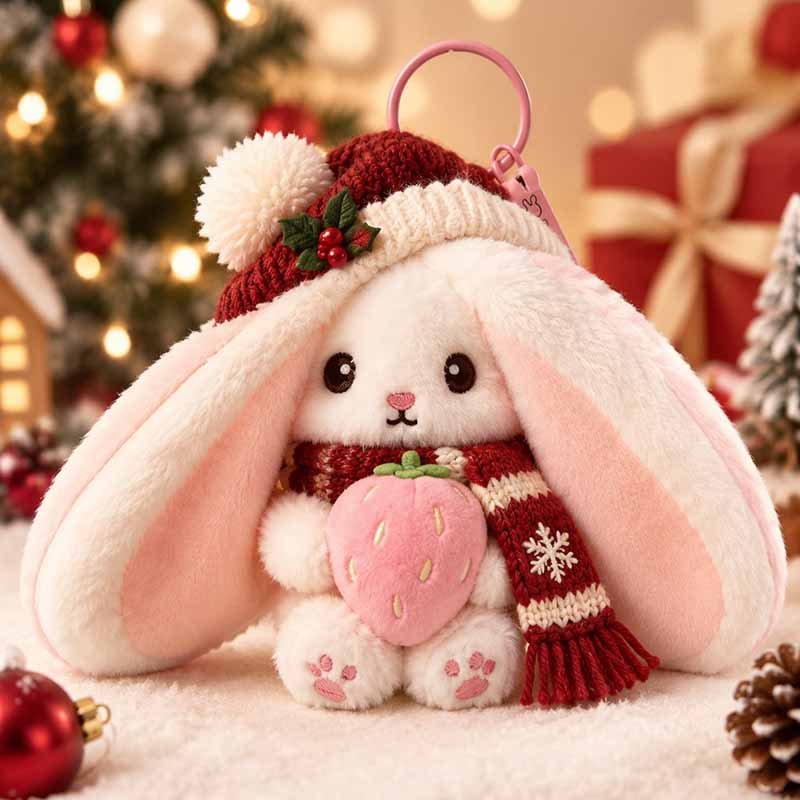
Collectible plush is developed as part of a character, brand, or product series rather than as a generic soft toy. Its value depends on recognition, controlled details, series consistency, presentation, scarcity, and repeat-production accuracy. A product can be safe and neatly sewn yet still fail commercially when its expression, proportions, materials, or position within the wider collection do not meet fan expectations.
Collector Value
Ordinary plush is often judged by softness, durability, safety, and price. Collectible plush is judged by those basics plus emotional accuracy. Fans already know how the character should feel before they open the package. They notice whether the eyes carry the right mood, whether the body proportions match the artwork, whether the fabric supports the intended personality, and whether the product looks deliberate beside other items in the series. A manufacturer therefore has to understand more than sewing. It needs to understand which visual and tactile features create recognition and which changes would weaken the character even when they make production easier.
Collector value is rarely created by adding expensive materials everywhere. It usually comes from controlling a small number of high-impact details. A clean face, accurate silhouette, consistent filling, well-fitted costume, and thoughtful package can feel more premium than a product overloaded with accessories. Before sampling begins, the development team should identify the features that cannot move, the features that may be simplified, and the areas where cost can be reduced without damaging the character. That conversation protects both the design and the budget because it prevents late revisions to details that should have been treated as essential from the beginning.
| Product Type | Main Purchase Motivation | Critical Production Controls |
|---|---|---|
| Promotional plush | Brand exposure or event distribution | Delivery date, logo accuracy, basic durability, cost |
| Core retail plush | Comfort, gifting, and repeat sales | Hand feel, safety, packaging, replenishment consistency |
| Licensed character plush | Fan recognition and official merchandise value | Facial accuracy, approvals, copyright details, traceability |
| Blind box plush | Surprise, repeat purchase, and collection completion | SKU concealment, assortment ratios, coding, anti-mixing |
| Limited-edition plush | Scarcity, exclusivity, and display value | Edition control, numbering, premium details, release timing |
| Multi-character series | Completing a coordinated collection | Scale consistency, shared standards, SKU and packaging control |
Character Fidelity
Character fidelity is not the same as making a plush that is generally similar to the artwork. Two-dimensional illustrations use visual shortcuts that cannot always be copied directly into fabric. The manufacturer must convert those drawings into paper patterns, seam positions, embroidery files, filling zones, and support structures while protecting the features that carry the character’s identity. For one design, the critical element may be a broad head and low-set eyes. For another, it may be the angle of the ears, the shape of the mouth, or the way a costume creates the outer silhouette. These features should be named and measured instead of being left to personal interpretation.
Facial construction usually deserves the tightest control because small changes are highly visible. Eye spacing, eye height, pupil direction, mouth width, cheek volume, nose projection, and head contour can all change the mood of the product. The effect is especially strong on mini plush, where a movement of two or three millimeters may be obvious. Useful specifications can include overall height, head width, eye-to-eye distance, eye position from a seam reference, ear angle, head-to-body ratio, and accessory placement. Measurements do not replace visual approval, but they make the approved appearance easier to reproduce across operators, lines, and future orders.
Materials and Structure
Material choice changes appearance, touch, sewing behavior, production loss, and reorder risk. Short plush and velboa usually preserve clean silhouettes and visible embroidery. Minky can create a softer hand but may stretch during sewing if its backing is unstable. Long-pile faux fur can add richness and volume, yet it may hide seams, cover facial details, and require careful trimming. The best-looking swatch is not automatically the best production material. A qualified team will discuss pile length, stretch direction, backing strength, weight, shedding, dye-lot variation, color availability, and whether the same material can be sourced again when a successful SKU needs replenishment.
Internal construction deserves the same attention. A collectible display piece may need firmer support around the face and body than a product designed mainly for hugging. A bag charm needs controlled weight and a reinforced hanging point. A seated character needs enough support in the base to remain stable. Some designs require foam, support sheets, pellets, internal bags, or different filling densities in separate zones. Filling should be treated as a specification with a material type, target weight or range, distribution method, and approved firmness. Without that information, the same paper pattern can produce faces that look collapsed, overfilled, uneven, or noticeably different from the sample.
Series and Scarcity
A single plush can be approved largely on its own. A collectible series must also work as a system. The characters should share a recognizable design language even when they have different shapes, colors, clothing, or accessories. That may require common rules for apparent scale, eye style, embroidery density, stuffing firmness, label position, package size, and the relationship between head and body. A six-character collection often looks more professional when those rules are established early, rather than allowing each sample to be developed as an isolated project.
Scarcity creates additional operational responsibilities. Hidden editions, chase characters, numbered products, and limited colorways need a confirmed ratio, controlled coding, and packing procedures that prevent accidental disclosure or mixing. A range of ten characters can involve separate patterns, embroidery programs, fabrics, accessories, hangtags, barcodes, inserts, boxes, and carton markings. The safest approach is to build a SKU master that links every product to its approved files, components, package, and carton information. That system becomes even more valuable when the collection returns for a second wave and the team must reproduce successful items while adding new variations.
Where Can You Find Qualified Manufacturers?

Qualified collectible plush manufacturers can be found through targeted Google searches, toy and licensing exhibitions, professional referrals, sourcing platforms, and experienced product-development companies. The strongest channel is the one that provides enough evidence to evaluate relevant products, engineering ability, factory relationships, quality control, packaging support, and communication. Discovery produces names; qualification determines which suppliers deserve access to artwork and commercial information.
Targeted Search
Broad searches such as “plush toy factory” produce a large number of suppliers, but many specialize in generic animals, promotional products, or existing designs. More specific searches reveal manufacturers that are closer to the actual project. Useful combinations include “collectible plush manufacturer,” “blind box plush manufacturer,” “licensed character plush supplier,” “designer plush production,” “mini plush manufacturer,” and “multi-SKU plush production.” Add the intended market or product form when relevant, such as bag charms, anime characters, retail boxes, or game merchandise. This reduces the time spent screening companies whose core work is unrelated to collector products.
A supplier’s website should be read as evidence of how the company thinks. Look beyond the hero banner and product gallery. Useful pages explain artwork review, pattern development, material decisions, sample revisions, quality checkpoints, packaging, target-market requirements, and repeat orders. A site filled with hundreds of unrelated product images may show broad sourcing access, but it does not prove deep collectible-plush development. Start with a working list of roughly 15 to 30 candidates, then reduce it by checking whether each supplier has relevant examples, clear manufacturing relationships, professional communication, and enough information to support a technical conversation.
Trade and Licensing Events
Toy fairs, gift exhibitions, licensing events, and sourcing shows let teams handle samples and speak directly with supplier representatives. Physical inspection quickly reveals details that photography often hides: filling consistency, fabric quality, seam visibility, embroidery stiffness, accessory strength, and package durability. Licensing-focused events can be particularly useful for projects involving established IP because exhibitors are more likely to understand style guides, approval stages, copyright lines, confidentiality, territory restrictions, and launch deadlines. Even so, exhibition participation is not automatic proof of manufacturing ability. Some booths represent sales companies, agents, or brands rather than the teams that develop and produce the item.
Use event meetings to ask operational questions that are difficult to answer with sales language. Find out who makes the paper patterns, where prototypes are developed, which steps are internal, which specialists handle embroidery or packaging, how approved samples become production standards, and how multiple characters are kept separate. Record the answers, photograph relevant samples with permission, and note the name of the person who would manage the project after the show. Teams often meet dozens of suppliers in a few days, and memories become unreliable quickly. A structured meeting note makes later comparison far more useful than collecting a thick stack of business cards.
Referrals and Platforms
Referrals from toy brands, designers, packaging companies, testing laboratories, licensing agencies, and sourcing professionals can reduce early-stage uncertainty. The value of a referral depends on how closely the previous project matches the new one. A factory that performed well on a simple 30-centimeter mascot may not be equally strong at a 10-centimeter blind-box series with detailed facial embroidery, twelve SKUs, and individual retail packaging. Ask the referrer what the supplier actually produced, how many revisions were required, whether bulk production matched the sample, and how the team handled delays or defects. Specific experience is more useful than a general statement that the supplier was “good.”
B2B platforms are helpful for market mapping, business-history checks, and access to a broad supplier pool. Platform badges, audits, reviews, and transaction records can support screening, but they should not replace project-specific verification. A five-star review may relate to fast communication or a basic promotional order rather than character accuracy. Sourcing companies can also be valuable when the customer lacks local language support or factory-audit experience. Their role should be transparent: how suppliers are selected, whether the sourcing firm receives factory commissions, who owns the product files, and who remains accountable for quality and delivery.
Supplier Brief
A manufacturer cannot provide a responsible quotation from one front-view image and the sentence, “Please make this as a 20-centimeter plush.” Before contacting suppliers, prepare a brief that explains what the product must achieve commercially. Include front, side, and back artwork where available, target dimensions, estimated quantity per SKU, total number of characters, target market, intended age or audience, sales channel, packaging format, launch date, and a realistic cost range. Mark any features that cannot be changed, such as the face, signature costume elements, logo placement, or a licensed color standard.
Artwork does not have to be production-ready before the first discussion. A capable manufacturer should identify missing views and explain what must be decided before sampling. However, the customer should separate open questions from non-negotiable requirements. A professional supplier will normally respond with questions about dimensions, quantities, materials, packaging, market, approvals, and timing rather than sending only a unit price. Those questions are a positive sign. They show that the team is evaluating the entire project instead of trying to secure the inquiry with an attractive number that may not survive the first prototype.
- Character artwork, style guide, and authorized reference images
- Target height, seated height, or total hanging length
- Estimated quantity for each character, color, and package version
- Target market, intended audience, and planned sales channel
- Preferred fabric texture, filling firmness, and structural requirements
- Embroidery, printing, clothing, hardware, or electronic details
- Retail package type, barcode needs, carton expectations, and launch date
Which Manufacturing Capabilities Matter?

The most important capabilities are character interpretation, pattern engineering, fabric and color control, accurate embroidery and printing, structured sampling, stable sewing and filling, multi-SKU coordination, packaging integration, and repeat-order management. Equipment capacity matters, but skilled people and controlled information matter more. The supplier must show how approved artwork becomes documented instructions that production workers and inspectors can repeat at scale.
Artwork Engineering
Character artwork communicates appearance, not manufacturing structure. A development team must decide where seams can be placed without changing the expression, how many panels are needed, which details should be embroidered or appliqued, how the fabric pile will affect the silhouette, and whether the product can be turned, filled, and closed efficiently. It also has to consider center of gravity, attachment strength, costume construction, and package fit. A visually impressive prototype that depends on constant hand correction may become unstable or too expensive in production, so the engineering discussion should begin before the first pattern is cut.
Experienced pattern makers can explain the reason behind their choices. A head seam may be moved away from the face to protect the expression. A narrow arm may need a small adjustment so it can be turned consistently. A large head may require neck reinforcement or zoned filling. A long ear may need a support layer so it holds the approved angle. These changes should not be accepted blindly, but neither should every engineering suggestion be treated as a compromise. The right question is whether the proposed solution preserves the character-defining features while making the product repeatable, inspectable, and suitable for the intended quantity.
Face and Proportion Control
The face is normally the highest-risk area because many problems begin before sewing, during embroidery placement, cutting, or panel alignment. Once the face panels are joined and filled, correcting the feature position is difficult. Manufacturers should use positioning templates, seam references, trial embroidery, and first-piece approval. The review may include eye spacing, vertical position, angle, thread density, mouth width, nose alignment, and the way the fabric stretches around the embroidery. A sample can look acceptable in one photograph and still have measurable asymmetry, so front, side, and top views should be reviewed under consistent conditions.
Proportions should be recorded beyond the total product height. A 20-centimeter plush can still feel wrong if the head is too narrow, the legs are too long, or the ears sit at the wrong angle. Important dimensions may include standing height, seated height, head width, body depth, eye-to-eye distance, limb length, tail length, costume position, and hanging length. Tolerances should reflect visual importance. A small variation in an internal body seam may have little commercial effect, while a similar variation around the eyes may be a major defect because collectors notice it immediately.
Material Control
Material control continues from selection through purchasing, incoming inspection, cutting, storage, production, and reorders. The same general fabric name can describe materials with very different weights, pile lengths, stretch, backing quality, color, and hand feel. “Minky” or “short plush” is not a complete specification. A useful material record identifies the supplier, material code, color reference, usable width, pile direction, approved swatch, and batch information. For custom colors, the approval method should be clear because Pantone references communicate a direction but cannot fully predict how color will appear on textured fabric under different lighting.
Future availability should be discussed before a long-term SKU is approved. A specialty fabric bought from available stock may be perfect for a limited edition but risky for an evergreen product if the mill cannot reproduce it. Accessories require the same discipline. Metal chains, plastic clips, zippers, molded parts, sound modules, and internal supports should be specified by size, weight, finish, strength, and intended use rather than purchased only because they look similar. Material and accessory substitutions should be approved before production, because small changes in weight, stiffness, or color can alter the appearance and function of the finished plush.
Filling and Shaping
Filling is a product specification, not simply the last step of putting fiber inside the sewn shell. Type, weight, density, and distribution influence facial shape, posture, softness, shipping recovery, and consistency. A display plush may need firmer support around the face and body, while a product intended for hugging may require a softer center. Bag charms need controlled weight, and seated characters need enough support at the base to remain stable. Some products use different densities in separate zones, foam for shape retention, pellets for weight, or support pieces for ears and limbs.
A practical filling standard can include a target weight or range, separate instructions for the head, body, limbs, and base, an approved firmness comparison, and periodic production weight checks. Shaping should also be treated as a controlled process. Experienced workers make small adjustments to cheeks, limbs, ears, clothing, and fur direction, but those decisions should be linked to the approved sample rather than one person’s memory. When filling and shaping are poorly controlled, products made from identical patterns can appear noticeably different, and the problem often becomes visible only after the final face and posture are complete.
How Do You Verify a Plush Manufacturer?

Verify a plush manufacturer by checking its legal identity, production relationships, development team, relevant samples, manufacturing processes, quality records, confidentiality controls, and willingness to support inspection. No single certificate, factory video, platform badge, or attractive prototype is enough. Reliable verification combines documents, live observation, sample performance, technical communication, and consistent answers from the people responsible for development, production, and delivery.
Company and Factory
Begin with the legal company that will sign the agreement, issue the invoice, receive payment, manage customer files, and accept responsibility for delivery. The name on the quotation, contract, payment instructions, and business documents should make sense as one commercial relationship. Next, map the company’s connection to the production site. It may own a factory, invest in or manage several facilities, work with dedicated long-term partners, or operate as a trading company. Any of these structures can function well, but the supplier should explain who develops the product, where production occurs, who controls quality, and who is accountable when a problem appears.
Request a live video walkthrough or on-site audit rather than relying only on a polished prerecorded tour. Ask to see the sample room, pattern development, cutting, embroidery coordination, sewing, filling, inspection, packaging, approved-sample storage, and material identification. Observe whether the production boards, sample labels, and storage systems show project or SKU control. A credible supplier does not need to pretend that every fabric, accessory, box, and test is made inside one building. It should know which specialist performs each step and how those external processes remain connected to the approved specification and quality plan.
Evidence Chain
Finished product photographs show that one acceptable item existed, but they do not explain how it was developed or whether it was repeated successfully. A stronger evidence chain includes annotated sample revisions, measurement sheets, bills of materials, fabric approvals, embroidery-position standards, Golden Sample identification, in-process inspections, package checks, and final reports. The aim is not to demand confidential customer files. Redacted documents, authorized cases, internal training samples, and generic records can demonstrate the system while protecting client information. In fact, a supplier that casually shares unreleased products may be revealing a confidentiality weakness rather than impressive experience.
Evidence also needs to be relevant. Experience with simple teddy bears does not prove that a team can manage an anime character with layered clothing, a mini plush with dense facial embroidery, or a blind-box series with twelve separate packages. Ask to see products that share the difficult parts of the planned design: similar scale, face construction, fabric behavior, accessories, hanging hardware, support structures, or retail packaging. Then ask what changed between the first sample and the approved version. The explanation often reveals more technical depth than the finished product itself.
Quality System
Quality control should begin with materials and early production steps, not only with a final inspection. Incoming fabric needs identity, color, visible-defect, and batch checks. Embroidery and printed panels should be approved before they are sewn into products. Cutting, pile direction, seam strength, feature placement, filling, accessories, labels, barcodes, and packaging all need defined checkpoints. Final inspection cannot economically repair thousands of faces after the eyes were embroidered in the wrong position. Ask the supplier to explain who checks each stage, what reference is used, how results are recorded, and what happens when the result falls outside the approved range.
Defects should be classified according to actual product risk. Critical defects involve safety, legal, or severe functional concerns. Major defects affect appearance, function, brand standards, or saleability. Minor defects are limited variations that do not materially reduce customer acceptance. The supplier should also have a method for segregation, root-cause analysis, rework approval, corrective action, and reinspection. A statement such as “our QC checks everything” is too vague. A practical system identifies the inspection point, responsible person, sampling method, acceptance criteria, and evidence retained for the project.
IP and Red Flags
Collectible plush often involves unreleased characters, licensed style guides, future launch dates, and confidential packaging. Ask how digital files, sample photographs, rejected components, and production records are protected. Useful controls include NDAs, restricted project folders, limited access for specialist suppliers, approval before case-study publication, and controlled disposal or storage of rejected samples. The manufacturer should also require the customer to confirm that it owns or is authorized to use the character, artwork, logo, and other protected assets. Professional confidentiality protects both sides and reduces the risk that sensitive material will be reused or displayed without permission.
Red flags include prices far below comparable quotations, immediate promises before artwork review, vague material descriptions, no questions about market or intended audience, unlimited free revisions, unclear factory relationships, and pressure to approve a sample quickly. Another warning sign is a supplier that agrees with every request without discussing conflicts between appearance, cost, timing, packaging, safety, and production stability. Experienced manufacturers sometimes say that a feature needs testing, a deadline is risky, or a requested material may not be available for reorders. A carefully explained limitation is usually more trustworthy than an effortless yes.
| Verification Area | Strong Signal | Warning Signal |
|---|---|---|
| Legal identity | Consistent company, contract, invoice, and payment information | Names or accounts change without a clear explanation |
| Relevant experience | Comparable collectible or character products and revision evidence | Only generic stock plush images |
| Development | Pattern, measurement, material, and sample-control records | Every design is described as easy without technical discussion |
| Factory relationship | Clear ownership, management, or partner responsibilities | Avoids explaining where production occurs |
| Quality control | Defined in-process checks, defect criteria, and corrective action | Relies only on final inspection |
| Confidentiality | NDA, restricted access, and controlled case publication | Unreleased client products are displayed freely |
| Packaging | Barcode, insert, box, carton, and assortment controls | Packaging is considered only after the plush is finished |
What Should You Check During Sampling?
During sampling, check character likeness, measurements, material identity, color, embroidery, printing, seam placement, filling, posture, accessories, labels, packaging fit, and production feasibility. The goal is not only to receive an attractive prototype. It is to create an approved, documented standard that purchasing, production, quality, packaging, and future reorder teams can follow consistently without relying on memory.
Sample Stages
Sampling should begin with a feasibility review. The manufacturer examines the artwork, target size, quantity, materials, accessories, market, packaging, and launch date. Missing views, unstable structures, likely cost drivers, and possible compliance concerns should be discussed before pattern development. The first prototype then tests the basic shape, proportion, construction, and character impression. It should be treated as a physical question rather than a final beauty sample: does the proposed pattern and material combination work, and which parts need to change before the design is ready for production-intent materials and processes?
Complex projects may use a first prototype, revision sample, engineering sample, packaging-fit sample, pre-production sample, and Golden Sample. The names vary between suppliers, so define what each stage approves. One sample may confirm appearance while using substitute fabric. Another may test a difficult accessory or support structure. The pre-production sample should use intended materials and methods, while the Golden Sample becomes the approved visual and tactile reference. Not every project needs six physical rounds, but every project needs clarity about what has been approved, what remains conditional, and which version can release mass production.
Review Method
Review samples in a fixed order so the excitement of seeing the first physical character does not hide technical gaps. Begin with the overall silhouette and recognition from the front, side, back, top, and intended display position. Compare the sample with the authorized artwork and identify whether the head, body, limbs, ears, tail, and costume create the same personality. Then measure the overall height and critical proportions. A sample may meet the stated 20-centimeter height while still looking wrong because the head is too narrow, the legs are too long, or the costume sits too low.
Next, inspect the face under consistent lighting. Check eye height, spacing, angle, mouth width, nose alignment, cheek fullness, embroidery density, and symmetry. Review the fabric against an approved physical swatch rather than only a screen image. Feel the pile direction, stretch, backing, seam visibility, and trimming. Handle clothing and accessories to see whether they twist, lift, detach, or hide important details. Finally, place the sample inside the intended packaging and confirm that the face remains visible, the product does not rotate, the costume is protected, and compression does not damage the shape.
- Photograph the front, sides, back, top, seated position, and packaged position
- Record measurements on a dated specification sheet instead of relying on memory
- Compare embroidery and color with physical references under stable lighting
- Test hanging direction, seating stability, package fit, and accessory security
- Separate approved details from open issues before requesting the next revision
Revision Control
Sample revisions become inefficient when comments arrive from several departments at different times. Design, purchasing, licensing, marketing, management, and compliance may all have valid concerns, but their feedback should be consolidated into one approved revision file. Use numbered versions such as V1, V2, and V3, with dated photographs, marked comments, requested measurements, material changes, approval responsibilities, and a list of open items. A single project owner should release the comments to the manufacturer so that an already approved feature is not changed again because another stakeholder reviewed an outdated sample.
Comments should be specific enough to produce action. “The face looks strange” leaves the development team guessing. “Raise both eyes by three millimeters, reduce the mouth width, add filling to the cheeks, and restore the approved head-to-body ratio” creates a measurable revision. Changes should also be reviewed for secondary effects. Increasing head width may affect eye spacing, ear position, costume fit, product weight, and package dimensions. Unlimited revisions are not necessarily a sign of good service. A better measure is whether each round solves the identified cause, moves the project forward, and preserves previously approved details.
Production Standard
A Golden Sample is necessary, but it cannot communicate every hidden specification. The approved physical sample should be supported by paper patterns, a measurement chart, tolerances, a bill of materials, fabric and color references, embroidery and printing files, filling instructions, accessory placement, labels, package artwork, carton information, inspection criteria, and a dated version record. This package turns the sample from one attractive object into a repeatable production standard. It also allows different departments to work from the same information rather than using separate photographs, messages, or assumptions.
Before the full order begins, ask for first production pieces made with intended materials, equipment, workers, and packaging methods. Sample-room craftsmanship can hide difficulties that appear at line speed, so the first pieces are a valuable bridge between development and production. The same records protect reorders. Fabric lots, workers, equipment, and production lines may change months later, but retained samples, patterns, material codes, filling weights, and previous inspection reports make drift easier to detect. A successful sample is valuable only when its approved decisions survive beyond the sample room and remain usable in the next production wave.
How Do You Compare Quotes and Plan Production?
Compare suppliers by normalizing every quotation to the same specification and evaluating total project risk, not only unit price. Development quality, character fidelity, materials, packaging, testing, quality control, SKU allocation, communication, and reorder stability all affect the final cost. Production should be planned backward from the warehouse or launch date, with realistic time for sampling, approvals, materials, manufacturing, inspection, and transportation.
Quote Scope
A quotation is useful only when its assumptions are visible. Two suppliers can quote very different prices because one includes final fabric, embroidery, retail packaging, inspection, and accessories while the other assumes a simplified product in a polybag. A complete quotation should state dimensions, quantity per SKU, material assumptions, filling, embroidery, printing, clothing, hardware, labels, individual packaging, retail boxes or inserts, carton assumptions, sample fees, development charges, production lead time, payment terms, trade terms, validity, and excluded services. The objective is not to create the longest quotation; it is to make the commercial comparison honest.
Early prices should be treated as estimates when the design is still changing. The final cost may move after the prototype confirms fabric consumption, number of pattern pieces, embroidery stitch count, accessory construction, filling weight, package size, and production difficulty. Ask the supplier to separate confirmed costs from provisional allowances. Packaging, testing, and freight often remain provisional until the physical product and carton are finalized. A transparent manufacturer explains why a number changes. It should not secure the project with an incomplete low quotation and introduce unavoidable charges only after the team has invested in sampling.
MOQ and Cost
MOQ is not one universal number. A project can have a total-order minimum, a minimum per design, color, size, material, embroidery program, or package version. A 5,000-piece collection may still be inefficient when divided into twenty unique characters at 250 pieces each because every character requires separate cutting, embroidery, sewing instructions, labels, boxes, inspection, and line changes. Many commercial custom projects are evaluated from several hundred pieces per design, and a working reference around 500 pieces per SKU is common, but the actual requirement depends on structure, material availability, process complexity, and packaging.
Ask which component sets the minimum. A regular stock fabric may support a smaller run, while custom dyeing or printed boxes may require more. A rare edition may be practical at a lower quantity when it shares the body, fabric, and package structure of a standard character. It may become expensive when almost every component is unique. Early collections usually benefit from a manageable number of strong SKUs. Proving demand, stabilizing shared construction, and adding later waves is often safer than spreading the budget across too many designs with low quantities and insufficient room for sampling or quality control.
| Planning Item | What to Normalize | Common Cost or Schedule Risk |
|---|---|---|
| Product specification | Size, pattern complexity, materials, filling, processes | Quotes describe visibly different products |
| SKU allocation | Quantity per character, color, size, and package version | High total quantity hides low quantity per unique design |
| Decoration | Embroidery area, stitch density, printing, applique, costume details | Artwork detail is priced as simple decoration |
| Accessories | Hardware, molded parts, support pieces, electronics, attachment method | Accessory tooling or safety work is excluded |
| Packaging | Tag, polybag, insert, blind box, retail box, carton, assortment | Package cost and dimensions are not yet confirmed |
| Testing and compliance | Target market, intended audience, materials, sample scope | Laboratory and corrective-work costs are assumed away |
| Delivery | Production lead time, inspection, freight method, destination date | A short quote lead time ignores approvals and transport |
Compliance and Packaging
Compliance planning should begin before final materials and accessories are ordered. The applicable path depends on the destination market, intended audience, product classification, materials, small parts, electronics, labels, packaging, and marketing claims. A manufacturer can support bills of materials, sample preparation, label files, corrective action, and coordination with a qualified third-party laboratory. The laboratory determines the test scope and issues its report, while the brand, importer, or other responsible party must understand its obligations in the target market. These responsibilities should be discussed rather than hidden behind a broad promise that the product is “fully certified.”
Do not assume that describing a product as an adult collectible automatically resolves every classification question. The actual design, audience, sales channel, advertising, warnings, and local interpretation may affect the requirements. Packaging should also be developed at the same time as the plush. Check product orientation, face visibility, internal support, compression, barcode placement, copyright information, SKU identification, assortment, carton quantity, warehouse labels, and shipping volume. A larger box can improve presentation but raise freight and retail-space costs. A tightly compressed package can save volume but damage the face, costume, or posture. The best solution balances display, protection, compliance, logistics, and cost.
Final Selection
The final supplier decision should combine technical, commercial, and operational evidence. Establish the scoring method before reviewing the final prices so that a low quotation does not quietly override important risks. A practical model may give 20 percent to character fidelity, 15 percent each to relevant experience, sampling and engineering, and production control, 10 percent each to multi-SKU management and compliance readiness, and the remaining weight to packaging, communication, transparency, and reorder support. The exact percentages can change, but the principle should remain: score demonstrated capability, not presentation language.
Production planning should work backward from the required warehouse or launch date. Include time for brief clarification, pattern development, first sampling, revisions, material approval, packaging development, testing, pre-production confirmation, material purchasing, mass production, inspection, corrective work, packing, freight, customs, and warehouse receiving. The fastest supplier during the quotation stage is not always the supplier that delivers the fastest completed project. The better partner identifies risks early, communicates realistic dates, controls approved versions, and leaves enough time to correct problems before they threaten the launch.
- Confirm the artwork, dimensions, quantity per SKU, market, package, and launch date before comparing final prices
- Review a relevant prototype and the documents that will control production, not only the sales quotation
- Score character fidelity, engineering, QC, compliance, packaging, communication, and reorder support separately
- Build the schedule backward from warehouse receipt and include approval, inspection, and corrective-work time
- Select the supplier that offers the clearest controlled path from artwork to repeatable retail product
Conclusion
Finding a collectible plush manufacturer is not a matter of gathering the largest supplier list or choosing the company that replies with the lowest number. It is a controlled selection process that begins with a clear product brief and continues through relevant evidence, engineering discussion, sample review, production documentation, packaging, and realistic planning. The strongest partner understands that collectible plush is simultaneously a sewn product, a character asset, a retail item, a packaging system, and part of a longer product line. That broader view is what protects the approved expression, keeps multiple SKUs organized, supports market requirements, and makes successful products easier to reproduce.
Before sending an RFQ, organize the artwork, target dimensions, quantities by SKU, intended market, package concept, launch date, and the features that cannot be compromised. A serious manufacturer should respond with questions, assumptions, risks, and a clear development path rather than only a price. For teams planning a licensed character, blind-box collection, designer plush, mini series, or retail-ready program, an early project review with an experienced development team can reveal structural, material, packaging, and MOQ issues before they become expensive revisions. The goal is not merely to produce one attractive sample, but to create a product system that can be approved, manufactured, delivered, reordered, and expanded with confidence.
Frequently Asked Questions
What is a collectible plush manufacturer?
A collectible plush manufacturer develops and produces character-based soft products intended for retail, fandom, licensing, art-toy, or series-based programs. Unlike a generic plush supplier, it must usually manage character fidelity, pattern engineering, controlled materials, sample approvals, multiple SKUs, collector packaging, and repeat production. The strongest manufacturers can explain how an approved prototype becomes a documented mass-production standard rather than treating sampling and production as separate activities.
How much does it cost to manufacture collectible plush?
Cost depends on size, pattern complexity, fabric, filling, embroidery, printing, clothing, accessories, SKU count, packaging, testing, quantity, and delivery terms. A simple mini plush using regular stock materials will not cost the same as a limited-edition character with custom-dyed fur, layered clothing, hardware, and a printed retail box. Early quotations should be compared only after every supplier uses the same assumptions, because a low number may exclude essential details that appear later during sampling.
What is the typical MOQ for custom collectible plush?
There is no universal MOQ because the practical minimum can be set by fabric purchasing, custom dyeing, embroidery setup, sewing preparation, accessories, or packaging. Many commercial projects begin from several hundred pieces per design, and approximately 500 pieces per SKU is a common working reference for evaluation, but the actual number may be lower or higher. A large total order can still be difficult when it is divided across many unique characters with very small quantities each.
How long does collectible plush sampling take?
The schedule depends on artwork completeness, product complexity, material availability, number of SKUs, revision rounds, packaging, and approval requirements. A simple product with clear references can move quickly, while a licensed series with difficult facial geometry, custom materials, accessories, and several approval groups may take multiple rounds. The more useful question is whether the supplier provides a clear stage plan, consolidates revisions, and distinguishes the first prototype from the pre-production and Golden Sample approvals.
How can I check whether bulk production will match the sample?
Ask how the supplier converts the approved sample into paper patterns, measurements, tolerances, material codes, embroidery files, filling instructions, accessory standards, packaging files, and inspection criteria. Review first production pieces made under line conditions before the full order proceeds. During production, confirm early-stage checks for embroidery, cutting, sewing, filling, and packaging rather than relying only on final inspection. Retained samples and documented records are especially important when the product will be reordered later.
Can a manufacturer produce blind box and hidden-edition plush?
Yes, but the supplier needs stronger SKU, ratio, coding, packing, and confidentiality controls than a standard single-product order. The hidden-edition ratio should be approved before production, and the internal identification method must support traceability without revealing the character to the consumer. Product, insert, box, carton, and assortment records should be linked carefully so that standard and rare editions are not mixed, mispacked, or accidentally disclosed during warehouse handling.
What files should I send for a collectible plush quotation?
Send the clearest artwork available, including front, side, and back views where possible, plus close-ups of the face, clothing, accessories, and protected brand details. Include target dimensions, estimated quantity per SKU, target market, intended audience, preferred material and firmness, package concept, launch date, and a practical cost range. When information is still open, label it clearly. A capable manufacturer can help close the gaps, but it cannot price responsibly when the basic product, quantity, and market remain undefined.