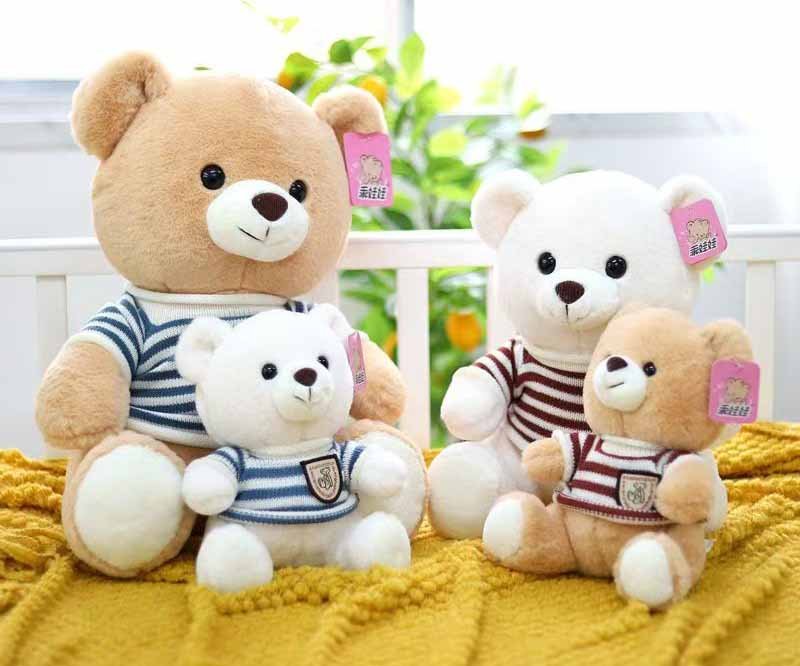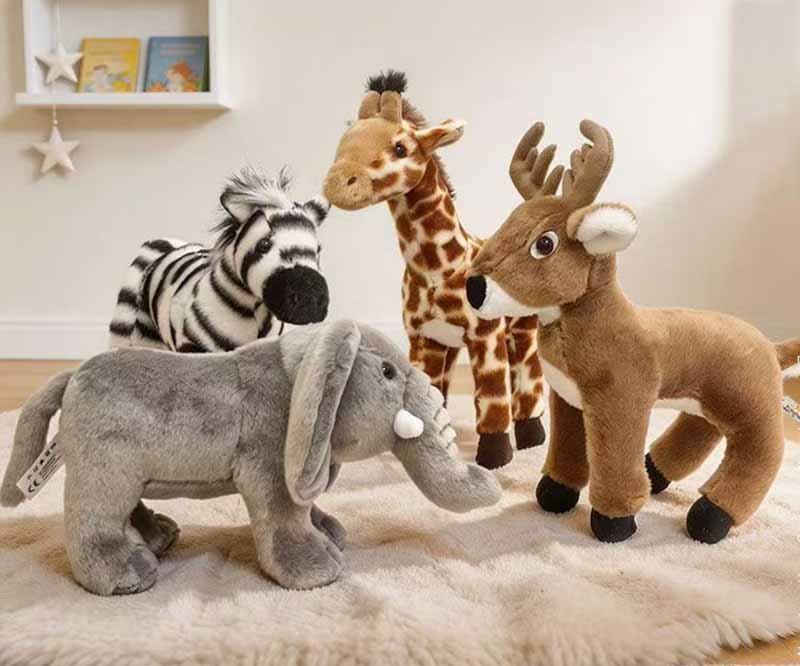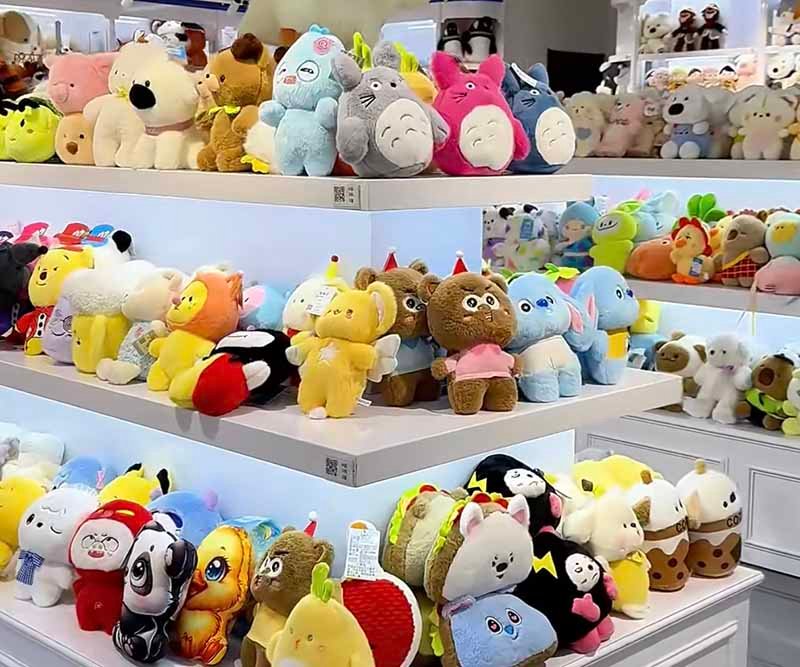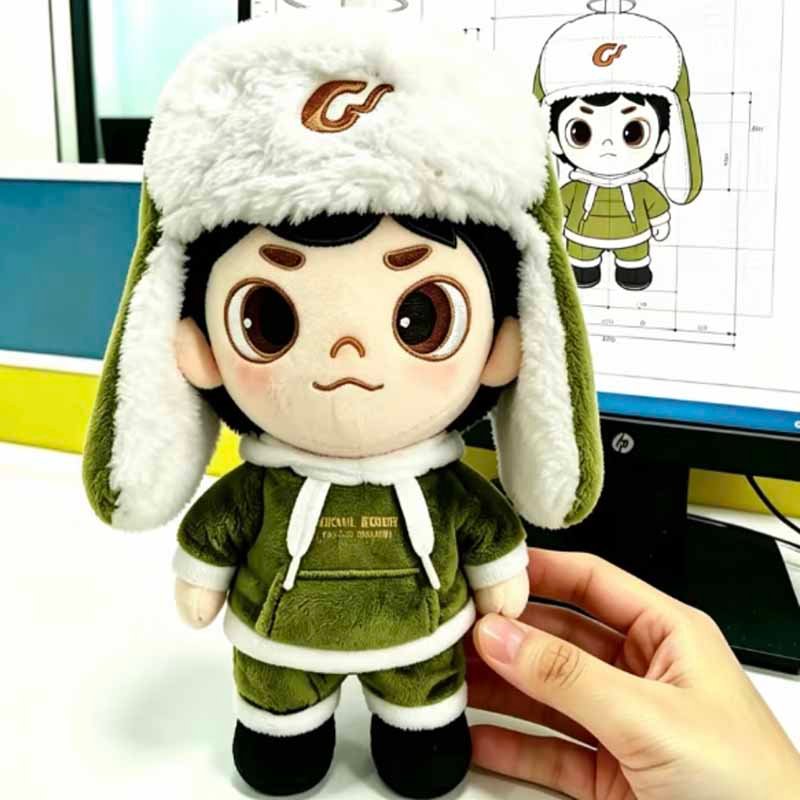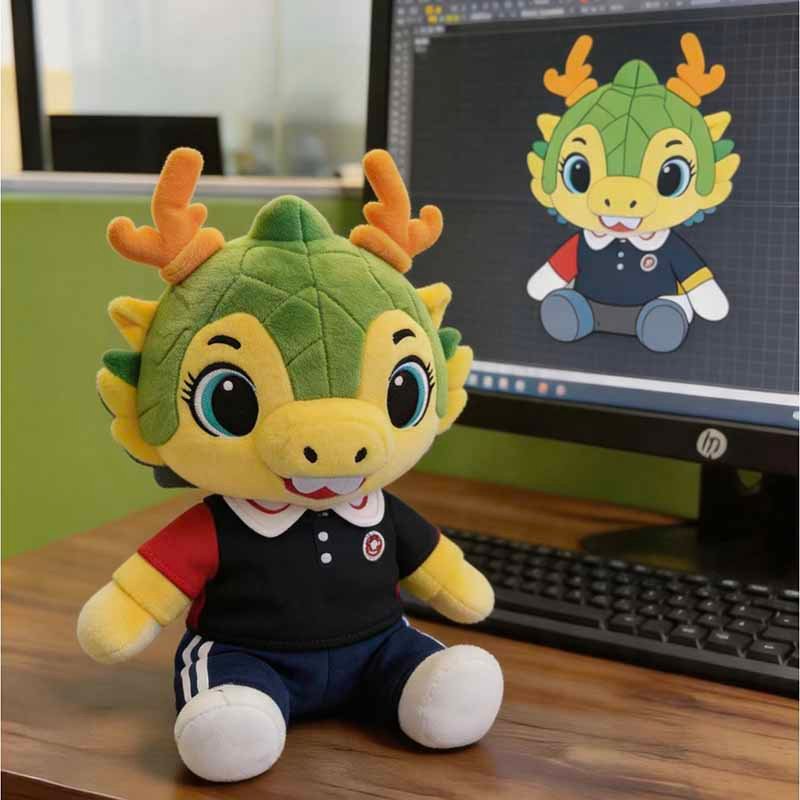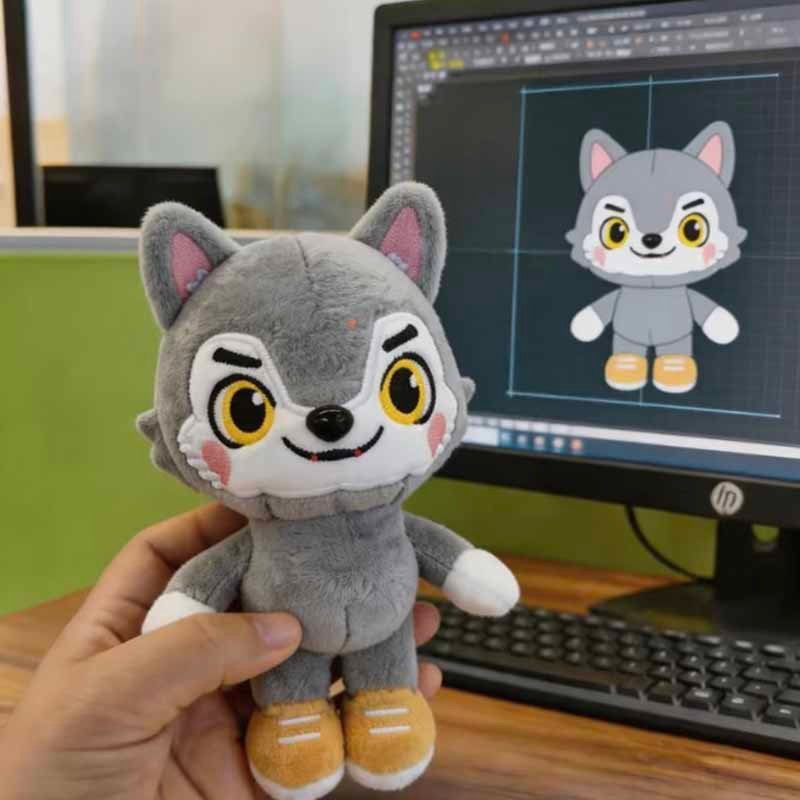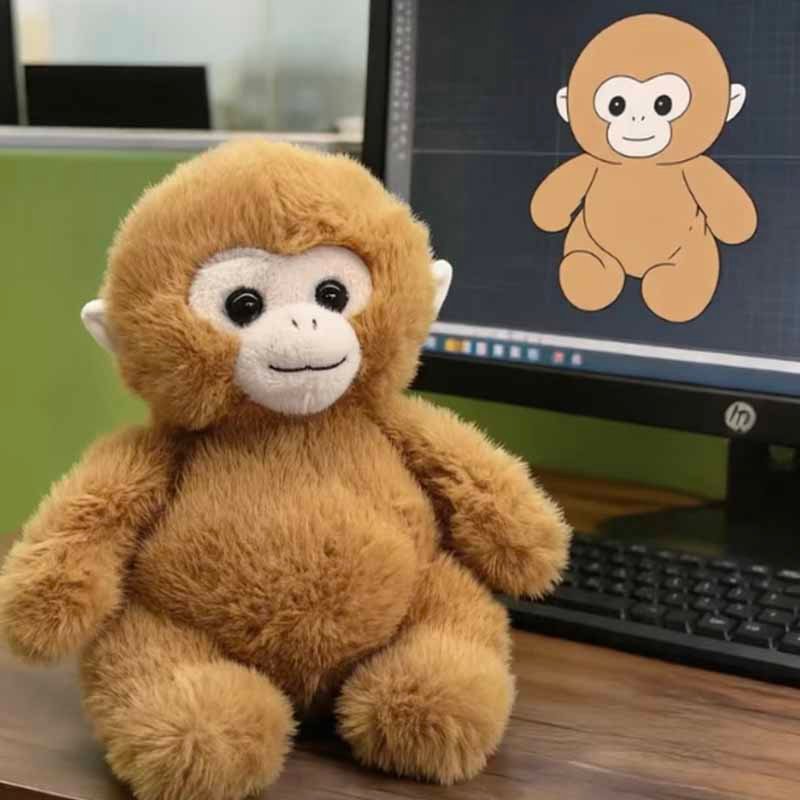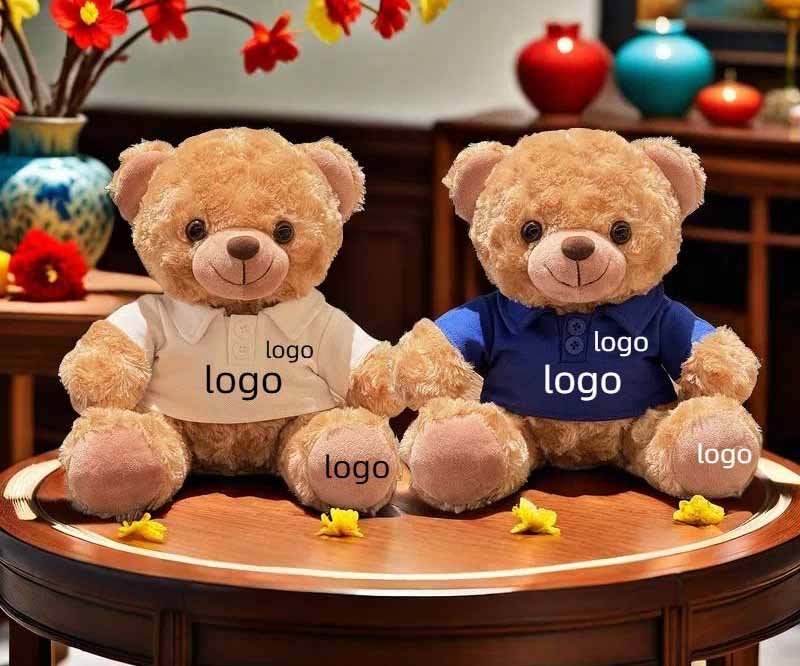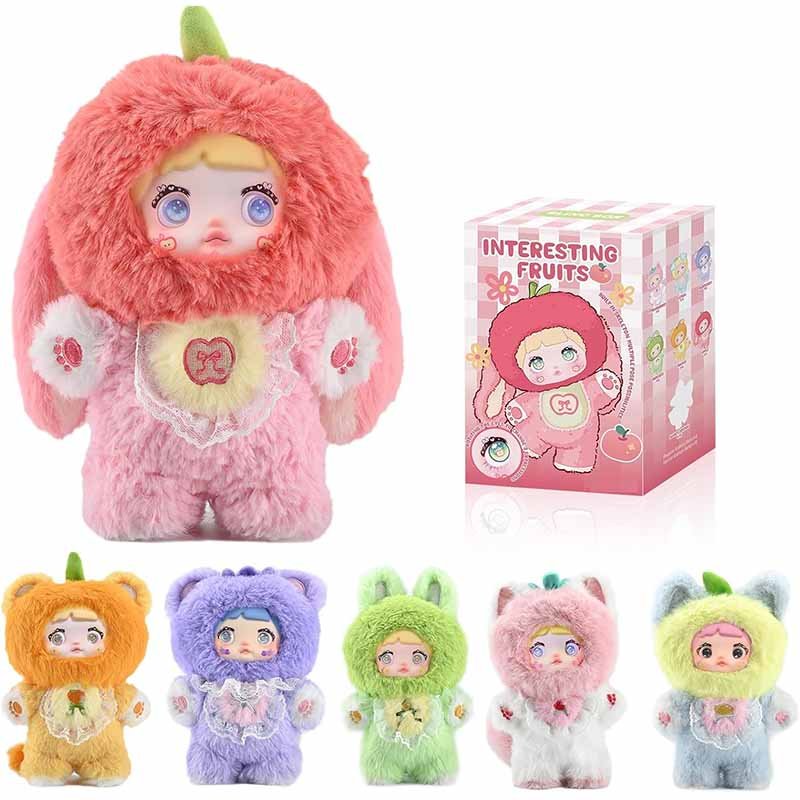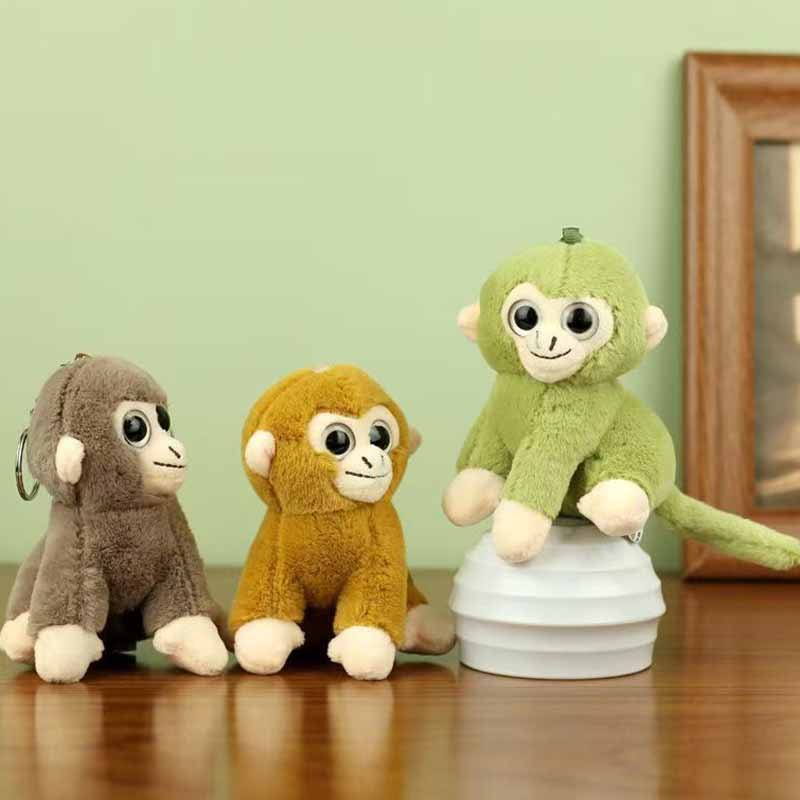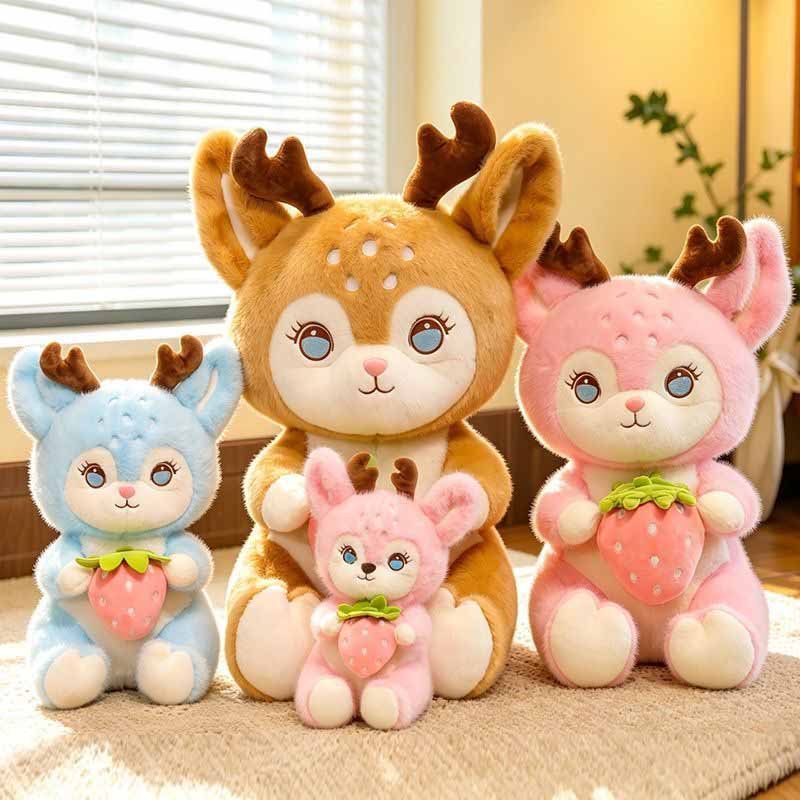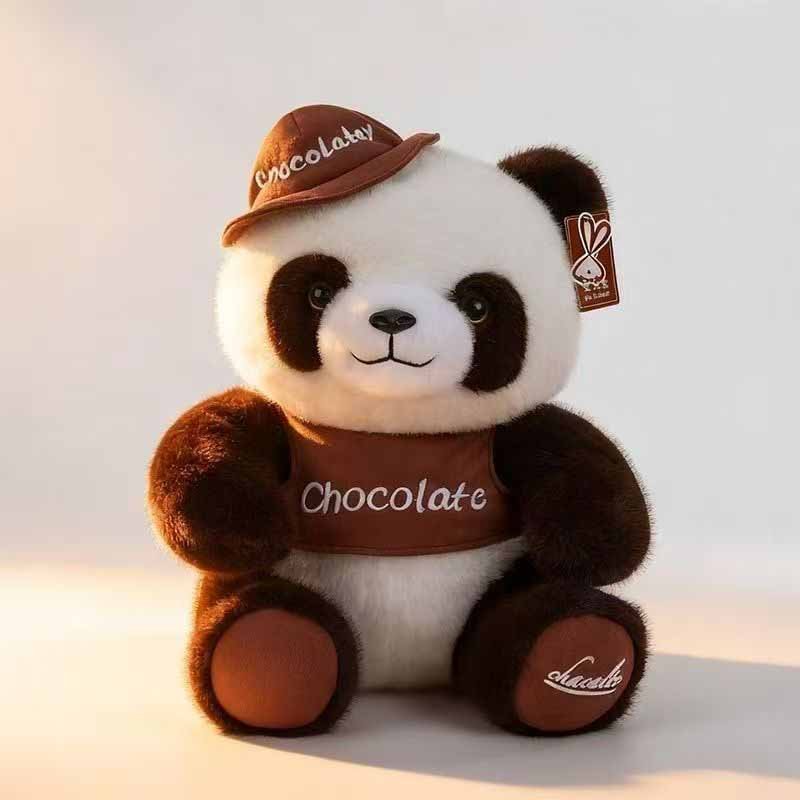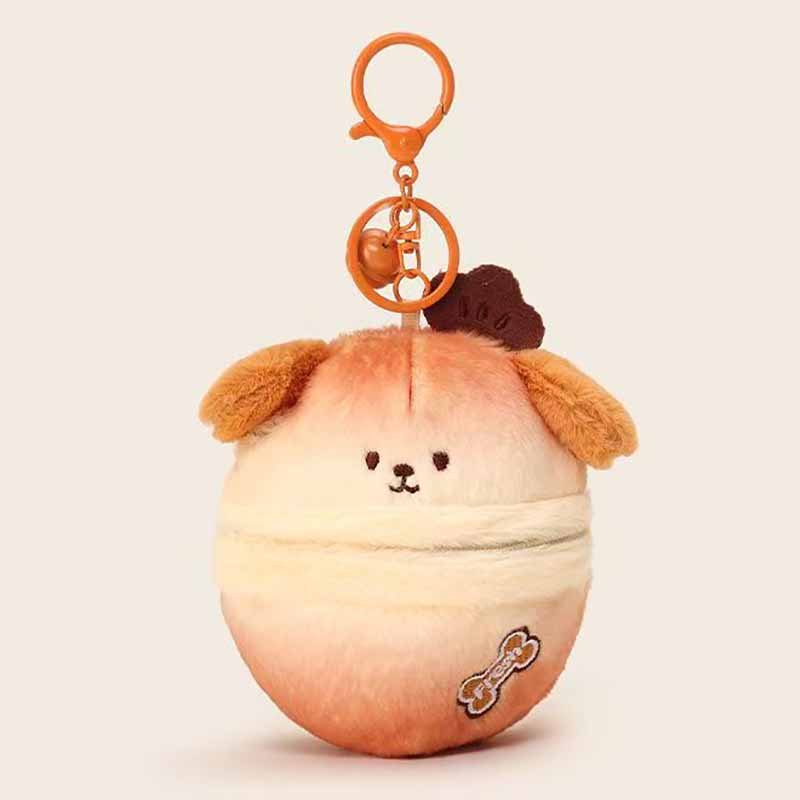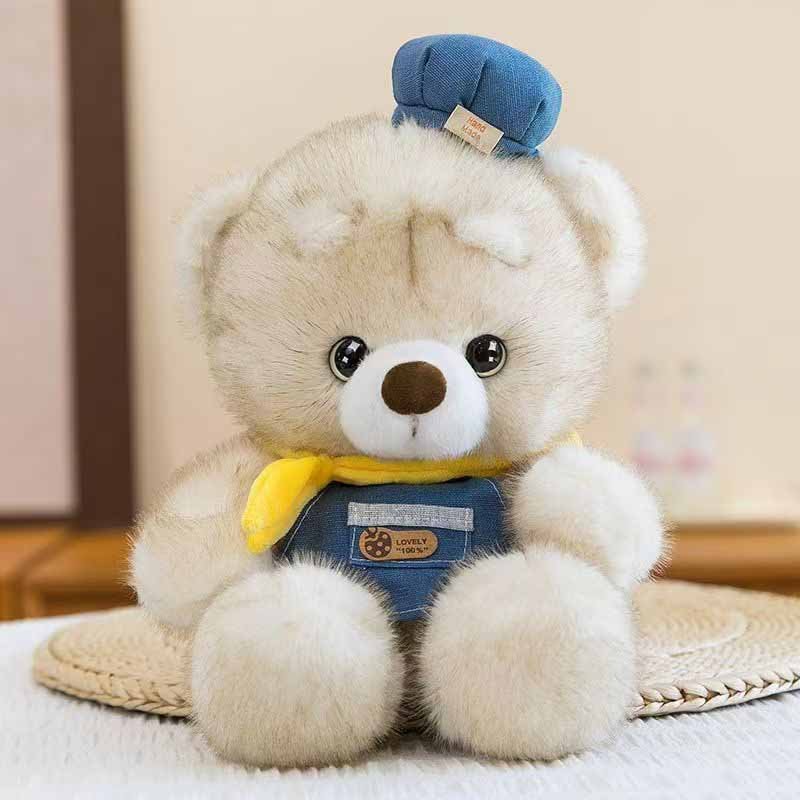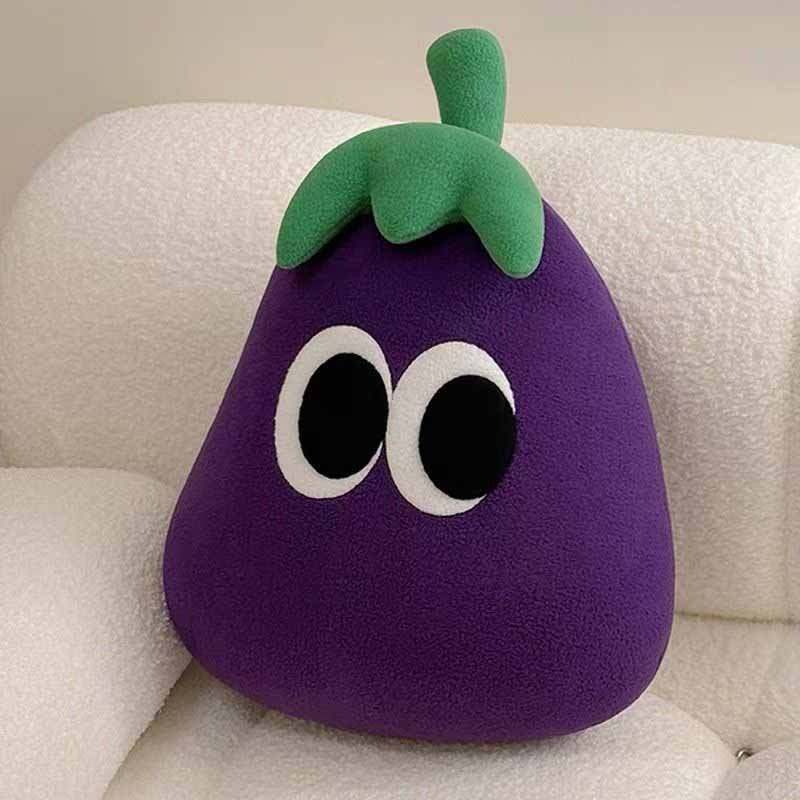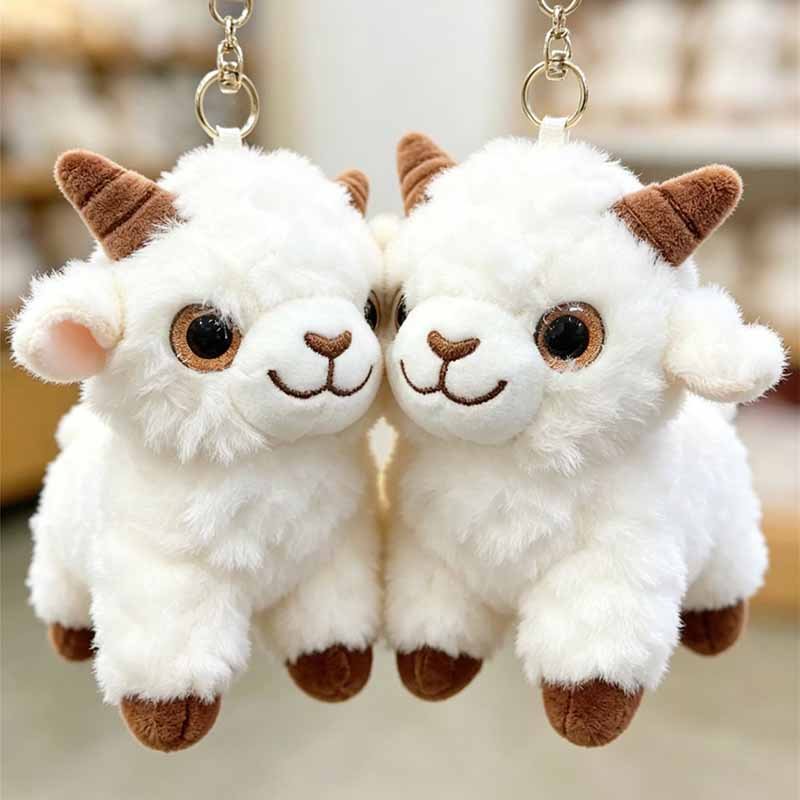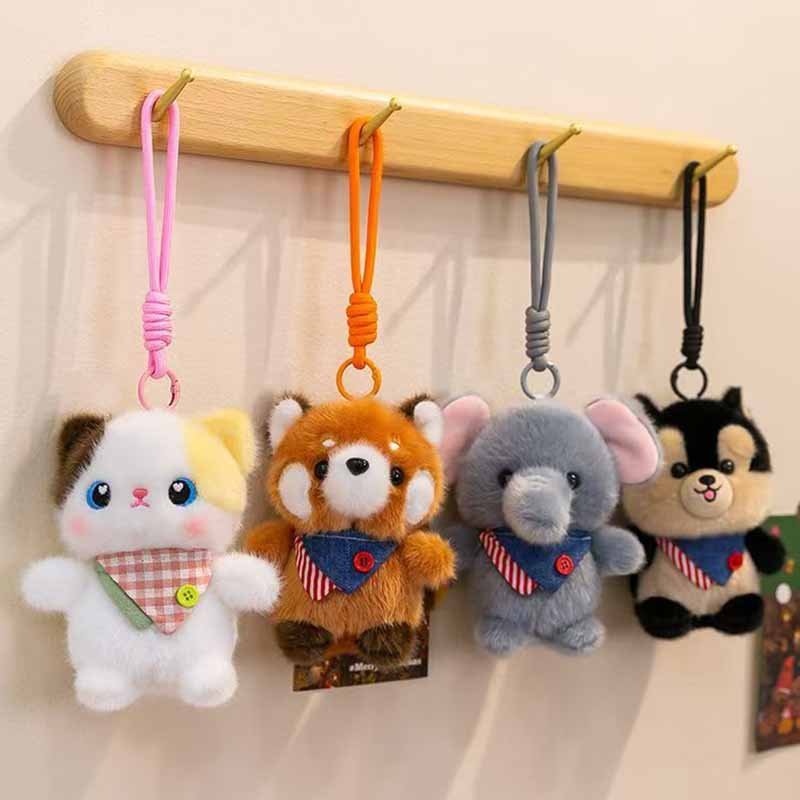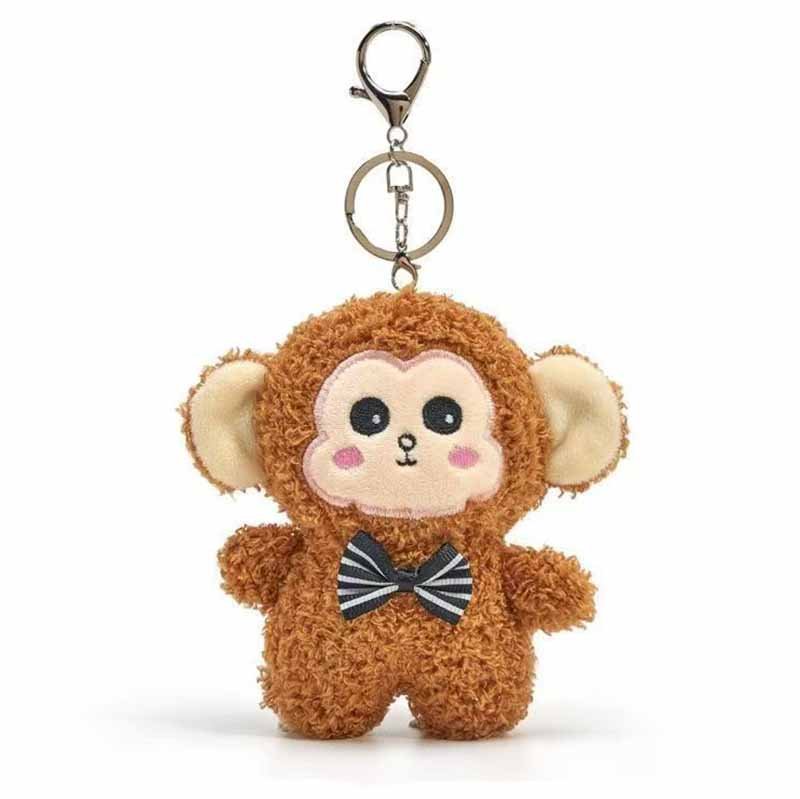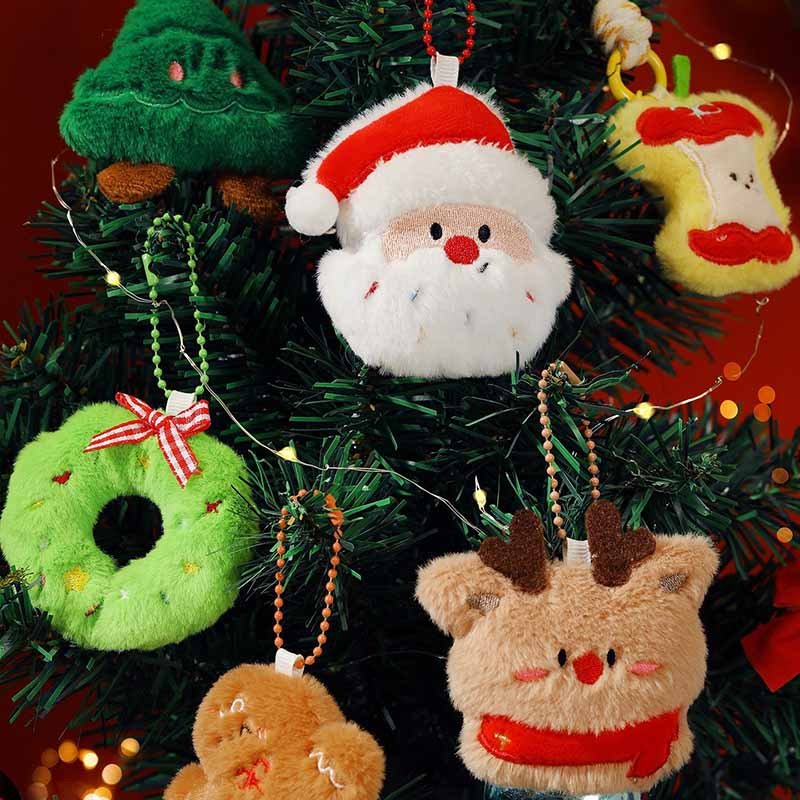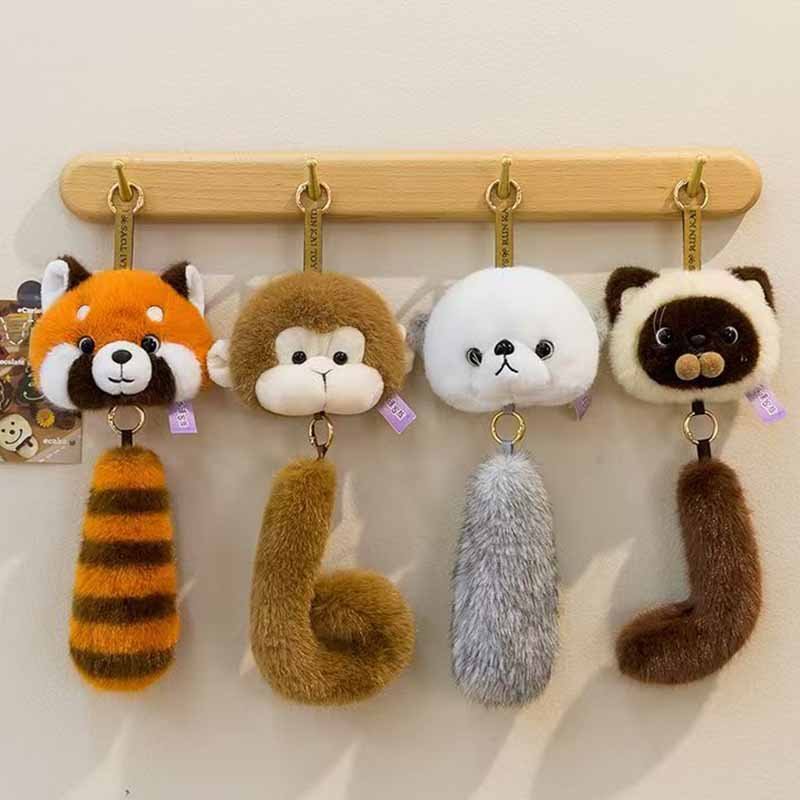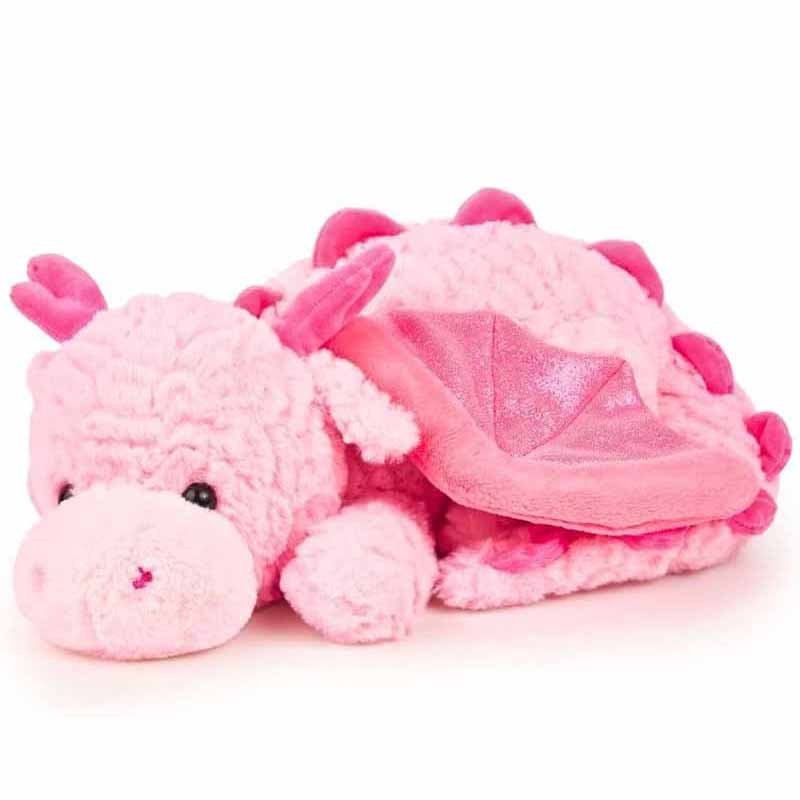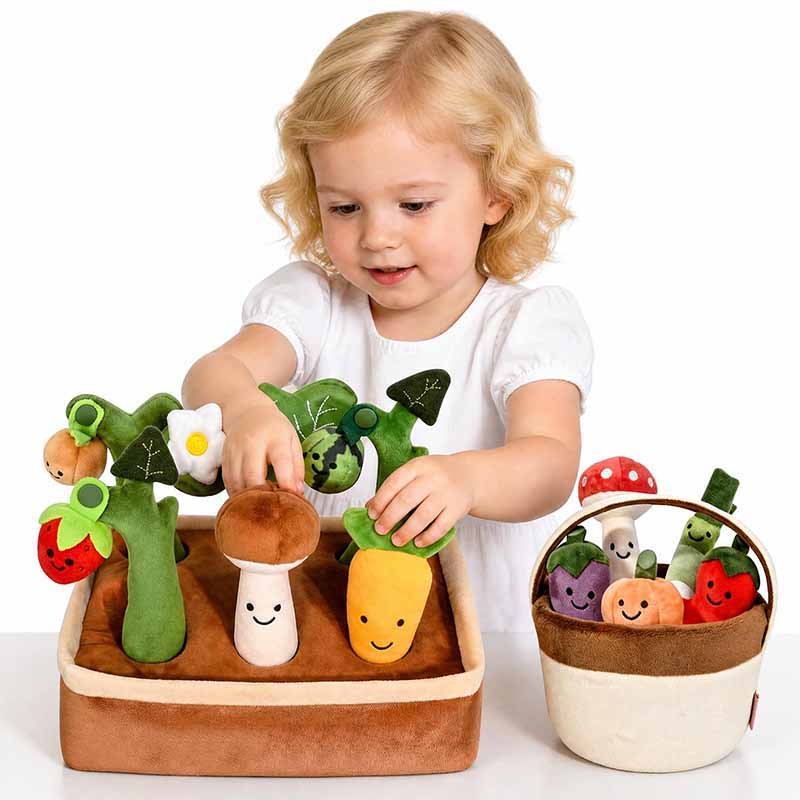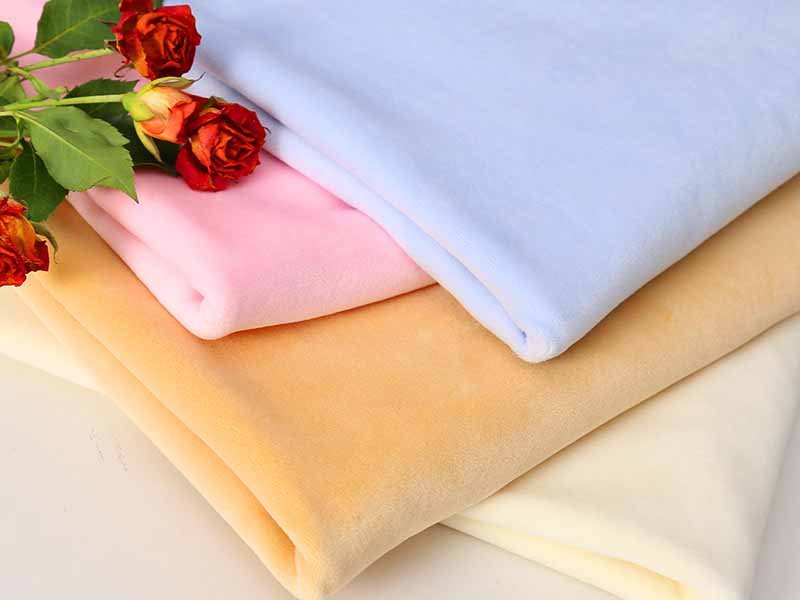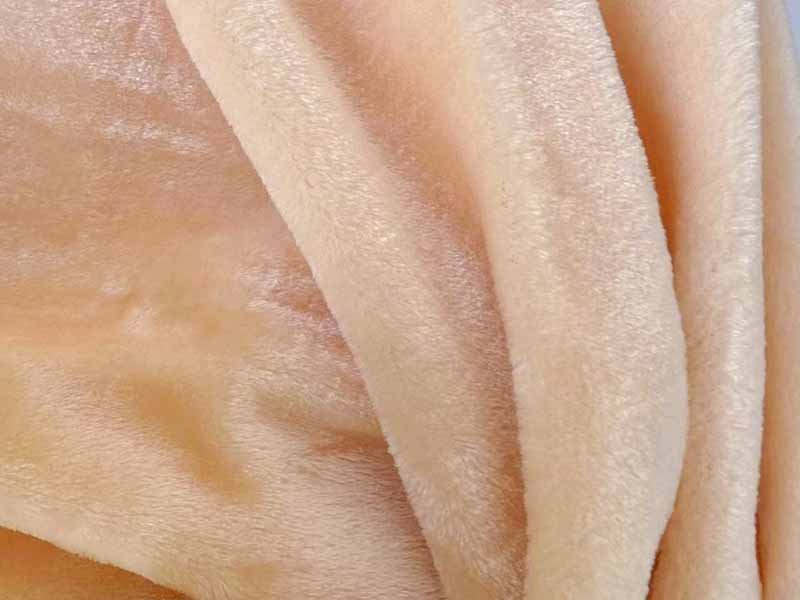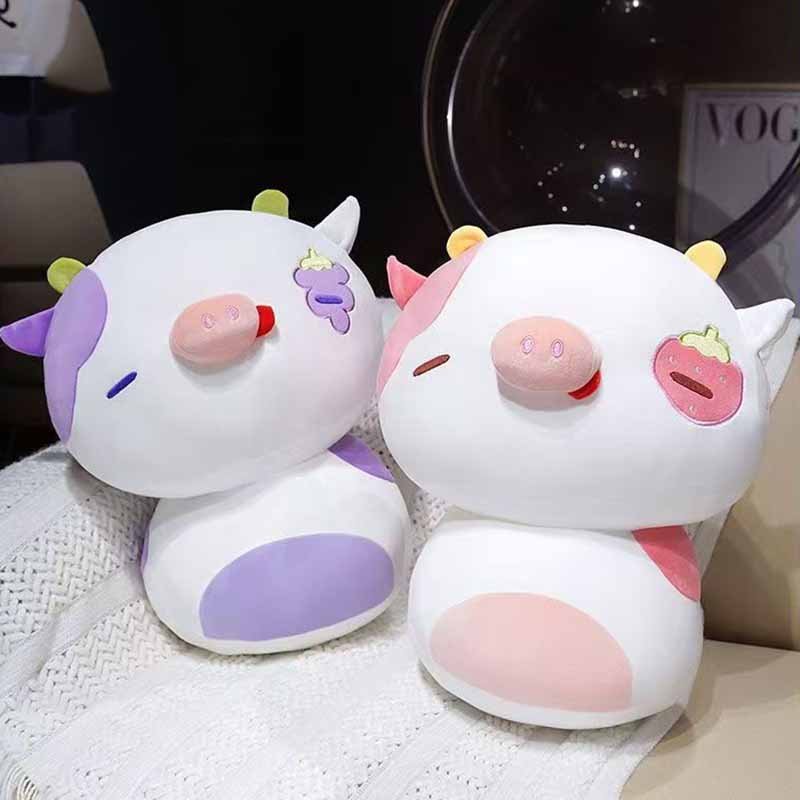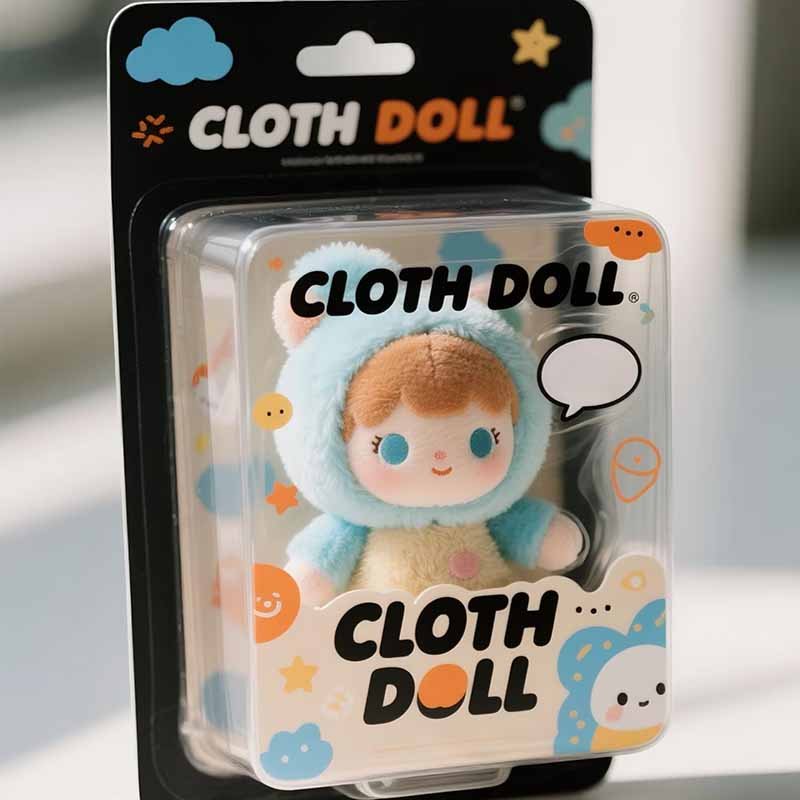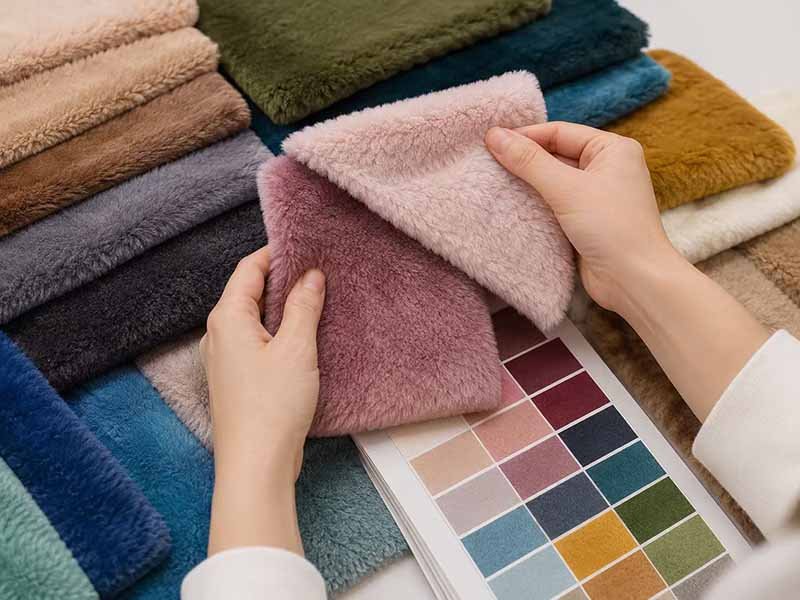
A reliable plush product development and manufacturing partner For brands Since 2007!

Custom Plush Products for Brands, IP and Retail Programs

A Structured Product Collection Built for Commercial Plush Programs

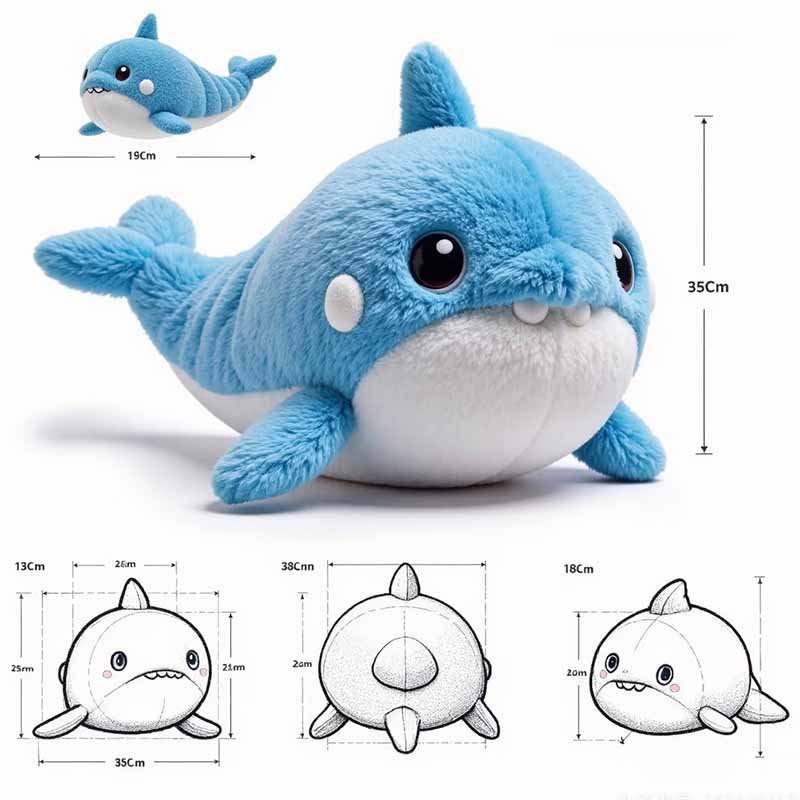
Pufumi develops a broad range of custom plush products for IP owners, entertainment companies, toy and collectible brands, lifestyle brands, and established retail programs.

Each product line is developed through controlled pattern engineering, material evaluation, embroidery positioning, filling guidance, accessory planning, and construction review to maintain recognizable shapes, stable workmanship, and production consistency.

Supported by Oneier-invested plush manufacturing resources in Dongguan and Foshan, Pufumi supports character plush, mascot plush, collectible series, blind-box plush, bag charms, keychains, retail-ready products, and coordinated multi-SKU collections.

Approved patterns, material codes, Golden Samples, production files, inspection records, and retained references help control repeat orders, seasonal releases, packaging versions, and continuing product-line expansion.

Choose Products Based on Your Starting Asset
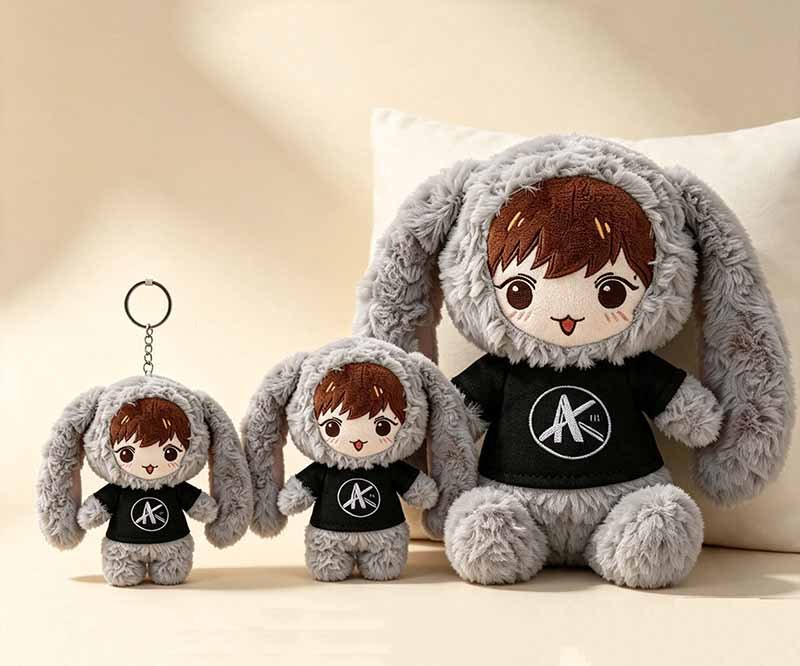
Begin with the creative or commercial asset already available. Each route leads toward suitable product formats, engineering priorities, packaging directions and dedicated product categories.

I Have a Character

Original artwork, licensed entertainment assets, game models, illustrations and creator-owned characters can become several product formats rather than one isolated plush item. Pufumi first reviews the character silhouette, expression, dimensions, colors, clothing and signature features before recommending the most suitable form. Possible directions include:
  • Licensed Character Plush
  • Anime Plush
  • Game Character Plush
  • Film & TV Character Plush
  • Plush Doll
  • Mini Collectible Plush
  • Plush Bag Charm
  • Collector Gift Set
The selected format depends on recognizable detail, target size, number of SKUs, sales channel, packaging and launch plan.

I Have a Mascot

Brand mascots, corporate icons, university characters, sports figures and destination identities can be developed as retail products, event merchandise or long-term gift programs. A mascot solution normally requires more than adding a logo to an existing stuffed shape. Possible directions include:
  • Custom Mascot Plush
  • Corporate Gift Plush
  • University Mascot Plush
  • Sports Mascot Plush
  • Destination Plush
  • Theme Park Plush
  • Museum Plush
  • Zoo Plush
Pufumi reviews the mascot’s front, side and back structure, brand colors, required pose, clothing, logo method and intended distribution channel before pattern development begins.

I Need a Collection

A coordinated collection should define the commercial role of every character, size and packaging version. Hero products, entry formats, premium editions and limited variants can share a visual system while remaining separately controlled during manufacturing and packing. Possible directions include:
  • Collectible Plush
  • Blind Box Plush
  • Mini Collectible Plush
  • Series Plush
  • Limited Edition Plush
  • Hidden Edition Plush
  • Numbered Edition Plush
  • Designer Art Plush
Collection planning also covers shared patterns, unique faces, quantity allocation, assortment ratios, barcode mapping, individual packaging and later release waves.

I Need a Format

Some projects begin with a required physical format rather than a specific character category. Pufumi can evaluate whether the available design suits a small accessory, core retail item, large display piece, weighted product or interactive structure. Possible directions include:
  • Plush Keychain
  • Plush Bag Charm
  • Plush Pillow
  • Weighted Plush
  • Sensory Plush
  • Interactive Plush
  • Large Plush
  • Sitting or Standing Plush
Every format changes pattern scale, attachment design, filling, packaging, quality checkpoints and freight volume. A successful format should match its intended handling and channel.

See the Complete Pufumi Plush Product Portfolio

Product FamilyRepresentative ProductsMain Commercial UseMain Development Focus
Character PlushLicensed Character, Anime, Game, Film & TV, Plush DollEntertainment merchandise, fan products and licensed retailCharacter fidelity, expression, clothing and approval
Mascot PlushBrand, Corporate, University, Sports, DestinationBranding, retail, events, gifting and venue merchandiseRecognizable silhouette, brand colors and repeatability
Collectible PlushBlind Box, Mini Collectible, Series, Limited, NumberedCollection drops, fan engagement and repeat purchaseSKU architecture, assortment, packaging and version control
Accessory PlushKeychain, Bag Charm, Clip-On, PendantFashion, impulse retail, merchandise and portable formatsAttachment strength, balance, small-scale detail and hardware
Retail PlushRetail-Ready, Private Label, Seasonal, Gift SetStores, ecommerce, distribution and replenishmentLabels, barcodes, packaging, case packs and carton data
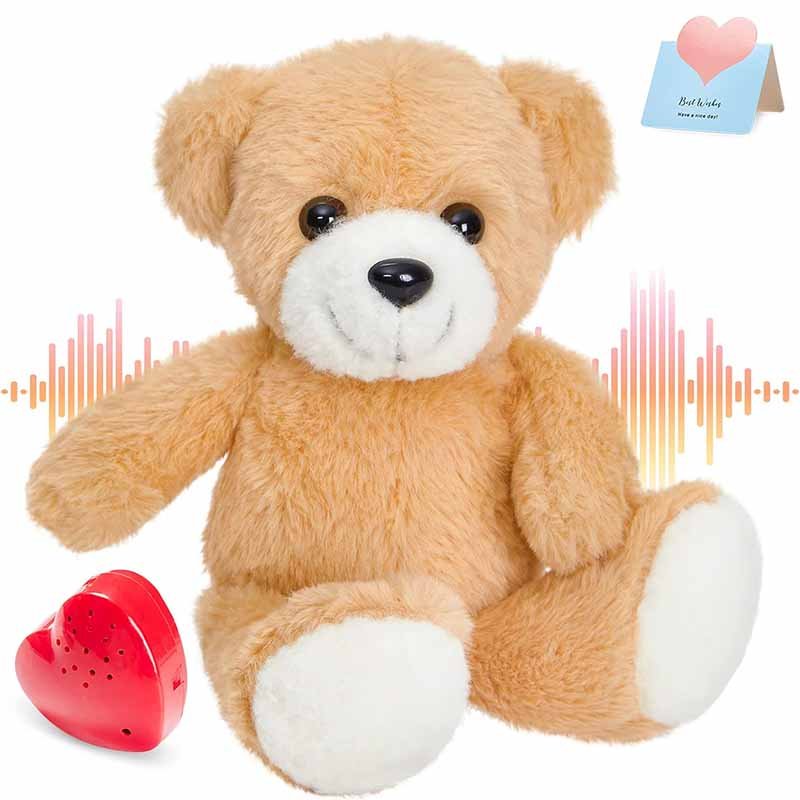
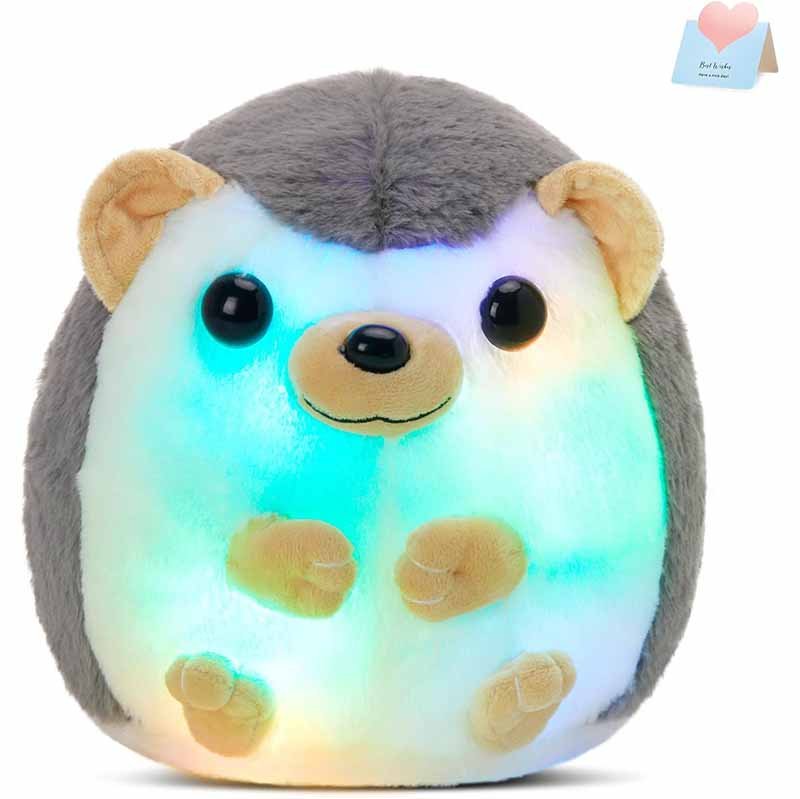
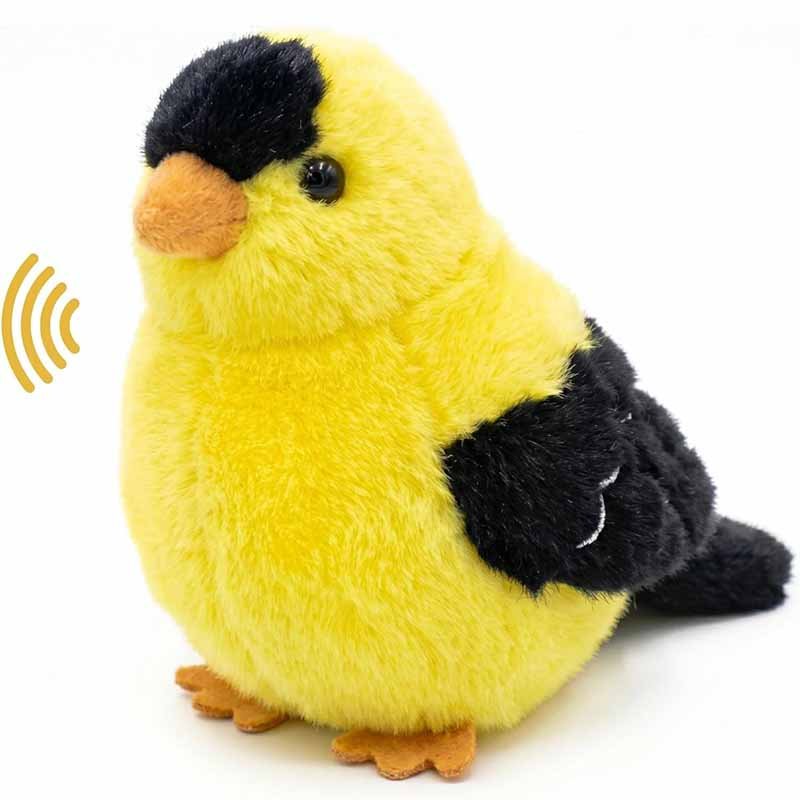
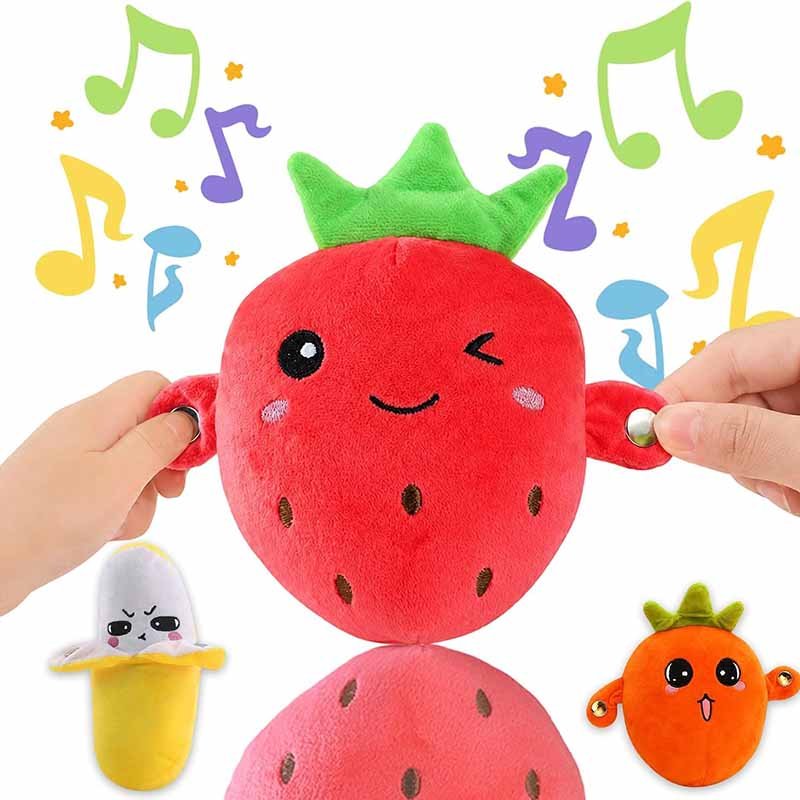
Functional PlushTalking, Recording, Light-Up, Sound, SensorInteractive merchandise and experience-led productsModule cavity, battery access, switches and functional testing
Comfort PlushWeighted, Sensory, Pillow, HuggingLifestyle, tactile and comfort-oriented collectionsFilling zones, internal bags, surface textures and recovery
Structural PlushSitting, Standing, Jointed, Supported, LargePremium display, pose-led characters and event programsCenter of gravity, internal structure, shape and packaging

One product can belong to several categories. A licensed game character may become a 10 cm bag charm, a 22 cm retail plush and a 40 cm premium display edition. Separate product specifications and approvals are required for each physical version.

Develop Character Plush Around Recognizable Design Assets
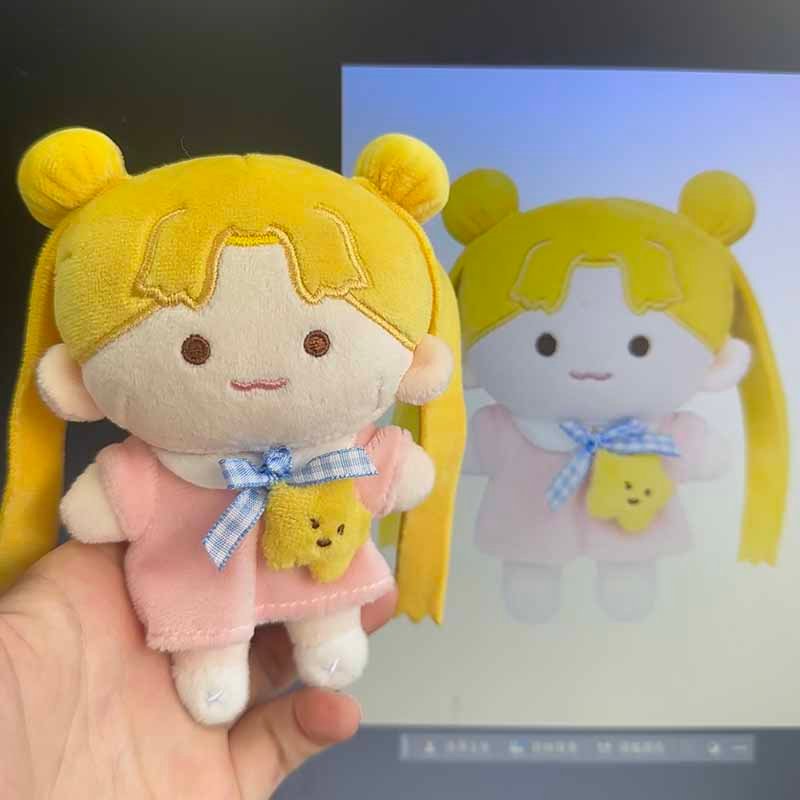
Character products require controlled interpretation of artwork, proportions, facial features, clothing and signature details. Each category introduces different engineering and approval priorities.

Cartoon Character Plush

Cartoon Character Plush suits original illustrations, animation assets, picture-book characters and brand-created figures. Development begins by separating visual identity from decorative details. Silhouette, head-to-body ratio, eye spacing, mouth shape and signature color blocks usually deserve the strongest control. Planning may cover:
  • Front, side and back structure
  • Facial embroidery or appliqué
  • Clothing integration
  • Color-block construction
  • Tail and ear support
  • Intended sitting or standing pose
  • Core and mini sizes
  • Retail or gift packaging
Simple-looking cartoon artwork can require complex pattern work when proportions are highly stylized or unsupported shapes extend away from the body.

Anime Plush

Anime Plush depends heavily on facial expression, hairstyle, head proportions, costume layers and recognizable accessories. Standard animal-plush construction cannot simply be applied to a human-style character without adjusting panel shape, embroidery scale and filling distribution. Development may address:
  • Eye shape and highlights
  • Mouth and eyebrow position
  • Hair panel direction
  • Head depth
  • Costume thickness
  • Removable accessories
  • Small-scale simplification
  • Character-specific poses
Short, stable fabrics often help preserve facial embroidery, while longer pile may be reserved for selected hair or costume areas. Every change should support recognition rather than add unnecessary complexity.

Game Character Plush

Game Character Plush can include human figures, creatures, pets, monsters, weapons, armor and alternate skins. Development should identify which game elements carry the strongest recognition and which digital effects require a manufacturable interpretation. Product planning may cover:
  • Core character version
  • Alternate costume or skin
  • Game-launch edition
  • Companion creature
  • Mini collectible
  • Bag charm
  • Premium display size
  • Collector gift set
Rigid-looking equipment may use embroidery, appliqué, foam, fabric reinforcement or detachable components. Release schedules and approval ownership should be established before packaging and production dates are committed.

Film and TV Plush

Film & TV Character Plush often follows release calendars, licensing approvals and regional packaging requirements. Character assets may continue changing while product development is underway, making version records and milestone approval especially important. Programs may include:
  • Main cast characters
  • Supporting characters
  • Event exclusives
  • Seasonal costumes
  • Cinema or streaming promotions
  • Gift-with-purchase editions
  • Retail assortments
  • Follow-up character waves
Pufumi can connect approved character samples with copyright lines, packaging artwork, barcodes and production files. Unreleased assets can be handled under agreed confidentiality controls.

Creator Character Plush

Creator Character Plush supports artists, illustrators, authors, studios and professional content creators who own or control original characters. A credible program converts audience recognition into a product line capable of repeat manufacturing, not a one-time novelty item. Development can include:
  • Character landmark review
  • Core retail size
  • Mini or bag-charm format
  • Limited color editions
  • Artist signature labels
  • Numbered packaging
  • Collection cards
  • Reorder documentation
The creator remains responsible for artwork ownership, commercial approvals and final brand decisions. Pufumi manages engineering, sampling and manufacturing within the confirmed commercial scope.

Book Character Plush

Book Character Plush can support picture books, educational publishing, novels and story-based merchandise. Illustrations often provide expressive front views but limited information about body depth, back construction, clothing closures or physical balance. Development may involve:
  • Missing-view questions
  • Illustration-to-pattern conversion
  • Color and texture matching
  • Book-and-plush bundle planning
  • Retail box or paper band
  • Educational inserts
  • Age-positioning review
  • Series character consistency
The plush should remain recognizably connected to the published artwork while using construction suitable for repeated sewing, filling, inspection and packing.

Turn Mascots Into Recognizable Commercial Plush Products
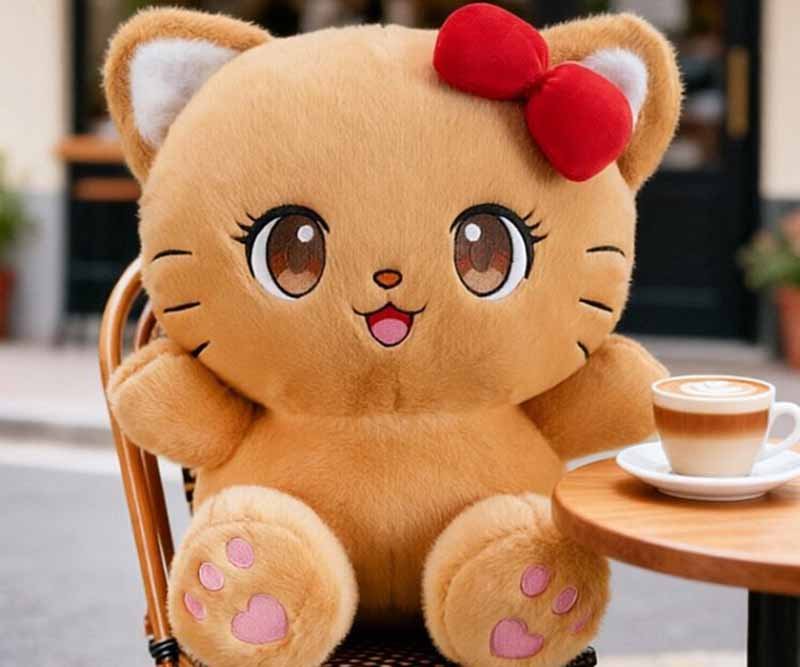
Mascot products translate brand identity into forms suitable for retail, gifting, events and long-term replenishment. Recognition, color control and use context guide every format.

Brand Mascot Plush

Brand Mascot Plush converts a company character, visual icon or product personality into a physical merchandise asset. The product should preserve the approved silhouette and brand expression rather than resemble a generic plush carrying a printed logo. Development can include:
  • Mascot landmark mapping
  • Brand-color matching
  • Logo embroidery or appliqué
  • Clothing and signature accessories
  • Core, mini and keychain formats
  • Retail hangtags
  • Campaign packaging
  • Reorder records
Physical swatches and samples are important because digital brand colors can appear different on pile fabrics, embroidery thread and printed packaging.

Corporate Mascot Plush

Corporate Mascot Plush supports internal culture, partner gifting, public campaigns, events and branded retail extensions. Technology, hospitality, food, finance and lifestyle companies may require a more controlled presentation than ordinary promotional merchandise. Programs can cover:
  • Employee gift editions
  • Conference products
  • Membership gifts
  • Brand-launch merchandise
  • Corporate anniversary versions
  • Partner gift sets
  • Reception display products
  • Long-term core mascots
The project brief should identify whether the item will be sold, gifted or distributed, since packaging, labels, quantity planning and product complexity can change accordingly.

University Mascot Plush

University Mascot Plush can support campus stores, alumni programs, athletics, admissions, graduation, fundraising and institutional gifting. Legitimate authorization is required for university names, crests, team graphics and mascot assets. Development may include:
  • Official mascot proportions
  • School-color matching
  • Uniforms and team numbers
  • Embroidered university marks
  • Core campus-store size
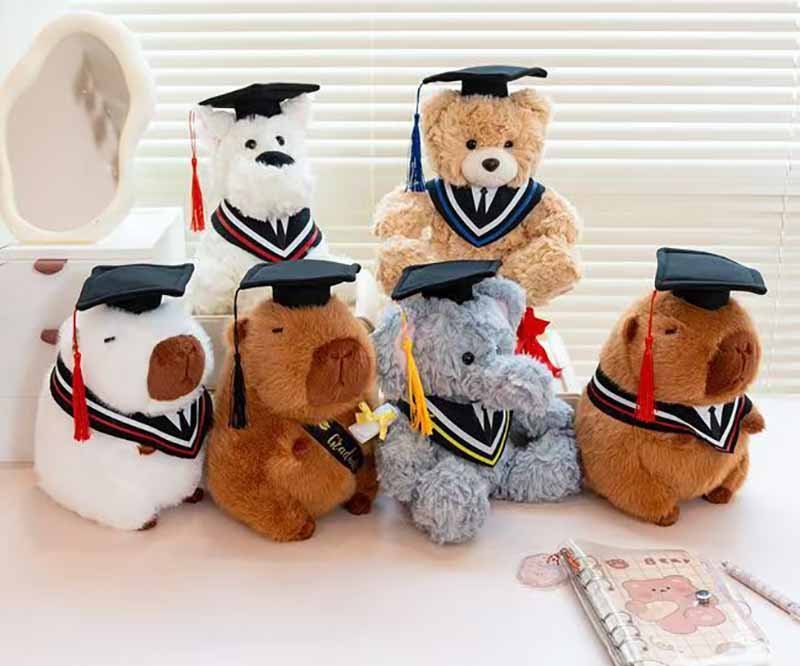
  • Graduation edition
  • Mini keychain
  • Alumni gift packaging
Seasonal dates, licensing approval and bookstore receiving requirements should be confirmed early. Different departments may require separate packaging or logo versions.

Sports Mascot Plush

Sports Mascot Plush can be developed for professional clubs, tournaments, leagues, local teams and licensed fan merchandise. Products may need to reproduce uniforms, sponsor marks, numbers, hats, footwear and energetic poses. Planning can include:
  • Core fan plush
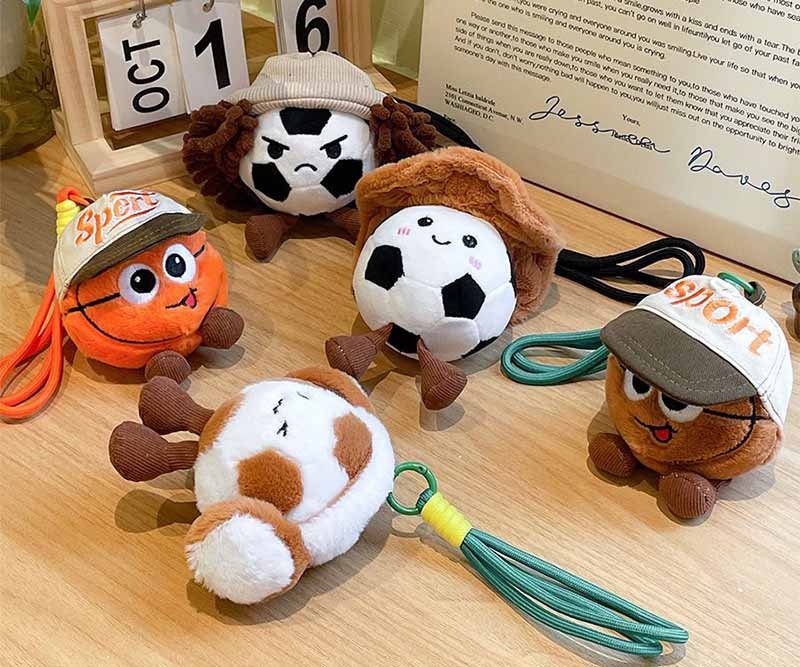
  • Stadium bag charm
  • Player or mascot variants
  • Event-limited edition
  • Youth merchandise
  • Gift-box set
  • Regional packaging
  • Seasonal uniform changes
Attachment security and embroidery clarity become especially important on small accessories. Every protected team mark or sponsor logo requires authorized use.

Destination Mascot Plush

Destination Plush serves theme parks, museums, zoos, attractions, cities and tourism programs. Products often need strong shelf recognition, repeat replenishment and packaging suitable for high-frequency store handling. Possible formats include:
  • Theme Park Plush
  • Museum Plush
  • Zoo Plush
  • City Mascot Plush
  • Attraction-exclusive characters
  • Seasonal venue editions
  • Small impulse products
  • Premium gift items
Venue programs can require price tags, retail hangers, destination-specific labels, case packs and store allocation. The archive should support future replenishment without changing the approved character.

Event Mascot Plush

Event Mascot Plush supports exhibitions, festivals, corporate anniversaries, sporting events, product launches and conferences. Fixed dates make approval deadlines and delivery planning especially important. Programs may include:
  • Main event mascot
  • VIP gift edition
  • Attendee giveaway
  • Speaker gift
  • Limited numbered product
  • Sponsor collaboration
  • Multi-location distribution
  • Post-event retail edition
The quantity, product format and packaging should match the distribution method. A large boxed gift and a high-volume mini mascot require different production and logistics structures.

Build Plush Collections With Clear SKU Roles
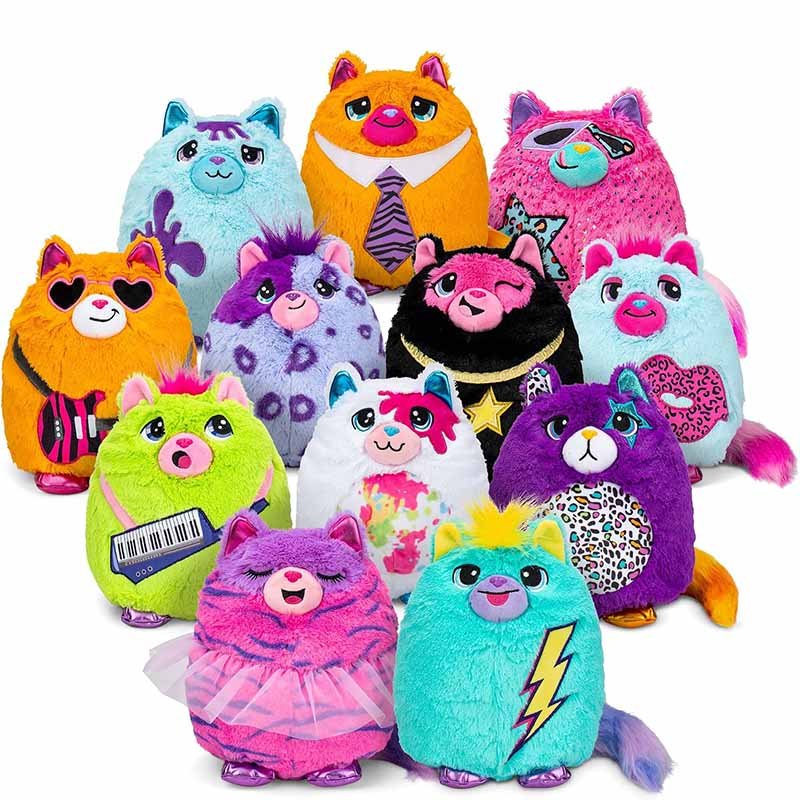
Collectible programs combine character differences, shared design language, controlled quantities and packaging systems. Every SKU needs a commercial purpose and production identity.

Collectible Plush

Collectible Plush is designed around a coordinated series rather than a single isolated character. The collection may combine core characters, premium editions, seasonal releases and later waves while preserving consistent proportions, material language and packaging. Planning can define:
  • Collection theme
  • Hero SKUs
  • Entry products
  • Premium products
  • Character count
  • Shared components
  • Packaging system
  • Replenishment potential
A collection should establish how characters relate before individual samples are developed. Shared body engineering can improve visual unity, but unique character landmarks remain separately controlled.

Blind Box Plush

Blind Box Plush combines small plush products with sealed packaging, assortment rules and variant concealment. Development includes both the product and the packing system used to protect SKU identity and intended ratios. Planning may cover:
  • Regular editions
  • Limited edition
  • Hidden edition
  • Character cards
  • Individual sealed boxes
  • Display carton
  • Inner assortment
  • Master-carton mapping
Every product, card and box needs an identifiable code. Packing teams should follow written ratios and carton maps rather than relying on memory during final assembly.

Mini Collectible Plush

Mini Collectible Plush commonly uses dimensions between approximately 8 and 15 cm. Small scale requires careful decisions about facial embroidery, clothing thickness, ear structure, filling access and accessory size. Development may include:
  • Enlarged essential facial details
  • Simplified hidden construction
  • Short-pile facial fabric
  • Shared body pattern
  • Character-specific ears and tails
  • Collection boxes
  • Display cartons
  • SKU-level quality references
Shrinking a larger plush pattern rarely produces a stable mini product. New pattern engineering is normally required to preserve proportions and manufacturability.

Series Plush

Series Plush supports multiple characters using one recognizable design system. A series can include different personalities, colors and accessories while maintaining common proportions, material quality and packaging presentation. Series controls may include:
  • Shared head-to-body ratio
  • Common color palette
  • Consistent embroidery language
  • Standardized label placement
  • Packaging grid
  • SKU naming
  • Launch sequence
  • Repeat-order files
The visual system should be defined before later characters are added. New SKUs can then extend the collection without looking disconnected from earlier releases.

Limited Edition Plush

Limited Edition Plush can use a controlled quantity, special color, exclusive costume, premium material or event-specific package. Limited status should be supported by documented quantity and product differences rather than marketing language alone. Possible features include:
  • Special fabric
  • Embroidered edition mark
  • Exclusive accessory
  • Event date
  • Artist signature
  • Limited packaging
  • Collection certificate
  • Controlled production quantity
Material minimums and packaging setup should be reviewed before the announced edition quantity is finalized. Replacement and inspection allowances also need planning.

Hidden Edition Plush

Hidden Edition Plush requires stronger secrecy, identification and assortment control than a standard color variant. The hidden product may use a separate face, fabric, accessory or complete character design. Controls can include:
  • Restricted artwork access
  • Separate sample code
  • Limited production access
  • Packaging concealment
  • Unique internal SKU
  • Controlled ratio
  • Separate holding area
  • Final carton verification
Marketing secrecy should not interfere with accurate production records. Authorized team members still need enough information to manufacture, inspect and pack the hidden SKU correctly.

Numbered Edition Plush

Numbered Edition Plush connects each unit or package with an individual sequence. Numbering can appear on certificates, labels, metal plates, hangtags or packaging, depending on product design and collection strategy. Planning may cover:
  • Number range
  • Printing method
  • Duplicate prevention
  • Damaged-number replacement
  • Certificate matching
  • Package matching
  • Retained records
  • Final reconciliation
Individual numbering adds administrative and packing work. The system should define how rejected units and replacement packages affect the final sequence.

Designer Art Plush

Designer Art Plush translates distinctive artistic forms into collectible soft products. Extreme proportions, unusual surfaces and sculptural shapes may require more engineering trials than conventional character products. Development can include:
  • Artist landmark mapping
  • Sculptural panel engineering
  • Custom-dyed materials
  • Mixed surface textures
  • Limited-edition packaging
  • Signature elements
  • Numbered certificates
  • Gallery or design-store presentation
The approved sample should preserve the artist’s visual language while establishing seams, filling and materials suitable for repeated production and controlled inspection.

Develop Small Plush Formats for Fashion and Everyday Use
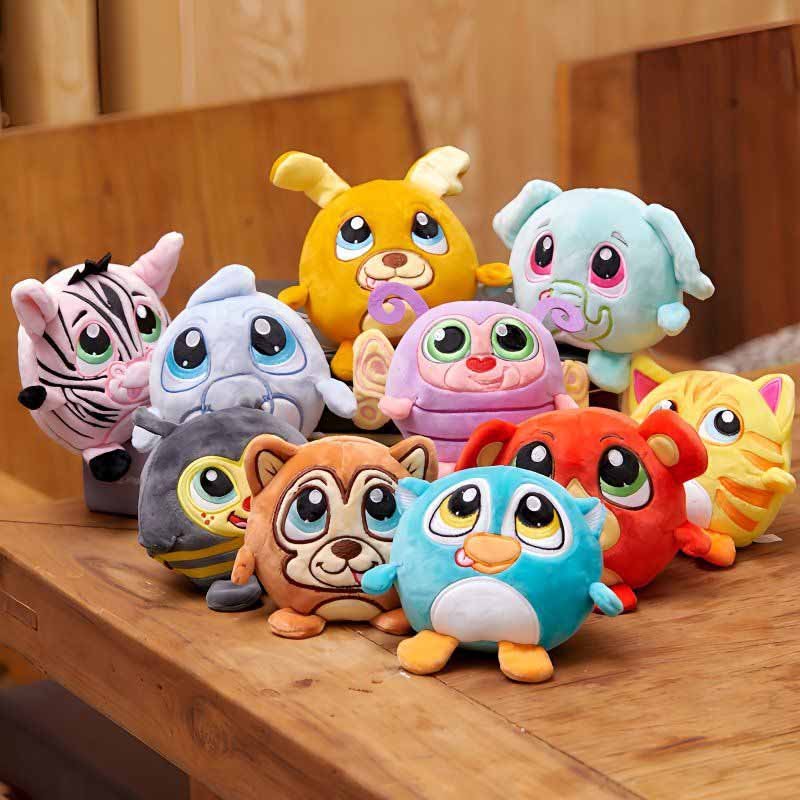
Mini accessories combine character detail with hardware, movement and frequent handling. Attachment strength, hanging balance and compact packaging require dedicated engineering.

Mini Plush

Mini Plush offers a portable product format for collections, events, ecommerce and retail impulse purchases. Common dimensions range from approximately 8 to 15 cm, although final size depends on character detail and packaging. Development priorities include:
  • Recognizable silhouette
  • Enlarged facial embroidery
  • Simplified clothing
  • Stable ear and tail construction
  • Controlled filling
  • Compact unit packaging
  • Shared collection proportions
  • SKU-level inspection
A successful mini product should feel intentionally designed at small scale rather than appear as a compressed version of a larger plush.

Plush Keychain

Plush Keychains combine a small character with a metal ring, chain, cord or hook. The connection point must withstand repeated movement and pulling without distorting the product or opening a seam. Engineering can include:
  • Internal reinforcement
  • Loop length
  • Hardware size
  • Attachment direction
  • Product balance
  • Metal-surface protection
  • Load testing
  • Packaging clearance
The keychain should hang in an approved orientation. Heavy hardware can overpower a very small plush or cause the face to rotate away from the intended display direction.

Plush Bag Charm

Plush Bag Charms function as fashion accessories as well as character merchandise. Visual presentation while hanging is as important as appearance on a flat inspection table. Development may cover:
  • Hanging pose
  • Clip or lobster clasp
  • Strap or chain
  • Reinforced anchor
  • Character-facing direction
  • Clothing movement
  • Metal finish
  • Retail card or box
Bag contact, friction and frequent movement can affect long pile, printed details and accessories. Materials and decoration should suit the expected use rather than display only.

Clip-On Plush

Clip-On Plush may attach to backpacks, accessories, strollers or display fixtures. The clip type, intended age, load direction and opening force require review before the structure is approved. Possible controls include:
  • Clip dimensions
  • Internal reinforcement
  • Fabric loop
  • Product weight
  • Opening resistance
  • Pinch areas
  • Market positioning
  • Unit packaging
A clip supplied for one market or age group may not suit another. Final components should be included in testing preparation where applicable.

Plush Ornament

Plush Ornaments suit seasonal retail, home decoration, tree hanging and destination merchandise. They are usually lighter than keychains but still require a secure loop and balanced orientation. Development can include:
  • Ribbon or cord
  • Hanging-point placement
  • Seasonal colors
  • Embroidered year
  • Flat or dimensional structure
  • Gift packaging
  • Set presentation
  • Carton protection
The loop should support the product without pulling facial panels or decorative seams. Packaging should prevent ribbons from tangling or creasing.

Plush Pendant

Plush Pendants are lightweight decorative formats used on phones, accessories, garments or merchandise systems. Their small dimensions require careful simplification and secure component attachment. Planning may include:
  • Cord or strap
  • Lightweight filling
  • Reduced panel count
  • Embroidered features
  • Product orientation
  • Connector durability
  • Multipack options
  • Display packaging
The intended attachment surface and use frequency should be defined before choosing cords, rings or clips.

Prepare Plush Products for Retail and Gifting Programs

A finished plush becomes a complete commercial item through labels, packaging, barcodes, case packs and channel-specific presentation. Product and packaging development should move together.

Retail-Ready Plush

Retail-Ready Plush Products include the information and packaging needed for store, ecommerce or distribution operations. Requirements vary by retailer and market, so active instructions should be reviewed for every program. Preparation may include:
  • Woven or care labels
  • Hangtags
  • UPC or EAN
  • FNSKU where applicable
  • Polybag or retail box
  • Case pack
  • Master-carton marks
  • Warehouse data
The physical product, package, barcode and SKU description should remain aligned. A correct plush inside the wrong package can still create a commercial failure.

Private Label Plush

Private Label Plush involves controlled brand integration across the product, labels and packaging. It should not be reduced to placing a logo on an unchanged generic shape. Development can include:
  • Product-shape adaptation
  • Brand colors
  • Embroidered logo
  • Woven labels
  • Care labels
  • Hangtags
  • Retail packaging
  • Barcode system
The responsible brand approves its identity, legal wording and market positioning. Product structure and materials are confirmed through sampling before production.

Collector Gift Sets

Collector Gift Sets combine multiple plush products or supporting items inside one coordinated package. The set should protect every component and present a clear collection story. Possible components include:
  • Two or more plush SKUs
  • Character cards
  • Numbered certificate
  • Printed booklet
  • Display box
  • Inner tray
  • Limited accessory
  • Protective shipping carton
Set assembly requires component-count control, SKU verification and packaging trials. Missing one card or accessory can make an otherwise correct set unsellable.

Corporate Gift Plush

Corporate Gift Plush supports employee recognition, partnerships, membership programs, conferences and executive gifting. Product quality and presentation should reflect the organization’s brand position. Programs may include:
  • Core mascot
  • Premium materials
  • Embroidered branding
  • Personalized card
  • Gift box
  • Multi-item kit
  • Event allocation
  • International delivery
Recipient lists and individual personalization should be planned separately from normal bulk manufacturing when required. Privacy and data access need clear control.

Seasonal Plush

Seasonal Plush can support holidays, anniversaries, cultural events, tourism seasons and limited retail windows. Development needs enough time for sample revisions, packaging printing, production and delivery before the selling period begins. Possible formats include:
  • Holiday costume
  • Seasonal colors
  • Dated edition
  • Ornament
  • Gift set
  • Venue exclusive
  • Retail display
  • Limited packaging
Late delivery can eliminate the commercial value of a seasonal product even when manufacturing quality is acceptable. Approval deadlines should be treated as firm milestones.

Product Bundles

Plush Product Bundles combine a plush item with books, apparel, accessories, cards or other authorized goods. The complete set needs one defined sellable identity and packaging structure. Planning can cover:
  • Included components
  • Set quantity
  • Outer packaging
  • Internal positioning
  • Barcode identity
  • Component protection
  • Carton count
  • Warehouse requirements
Pufumi can coordinate the plush and set assembly when responsibilities, supplied items and inspection criteria are confirmed in writing.

Integrate Functions Into the Plush Structure From Development
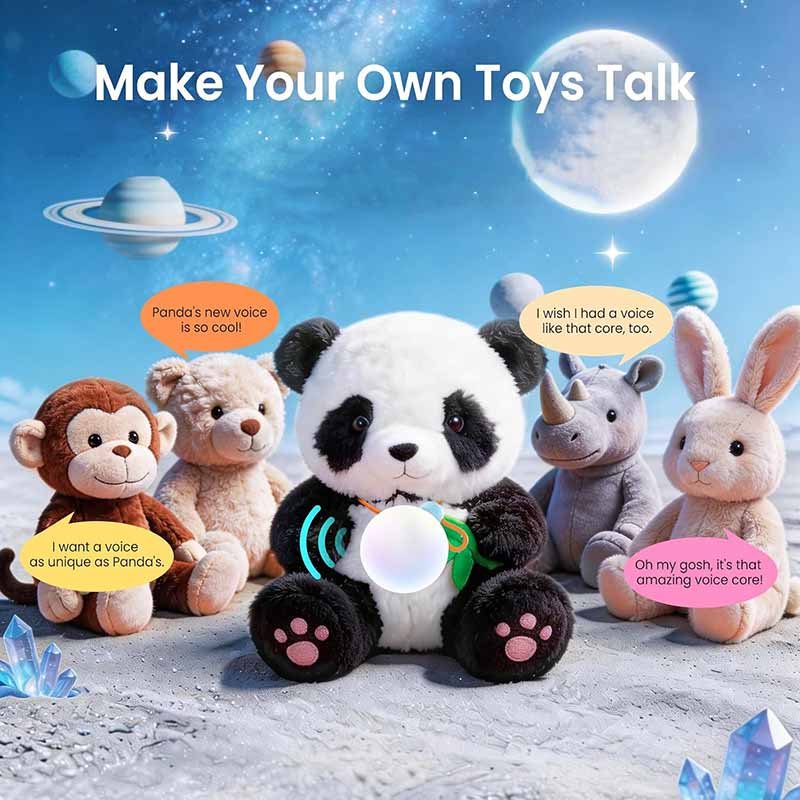
Electronic functions influence patterns, internal cavities, switches, battery access, filling and packaging. Functional modules must be planned before the outer shell is finalized.

Talking Plush

Talking Plush uses a sound module containing approved dialogue, phrases or character audio. The module position should allow clear playback without creating an uncomfortable hard area or distorting the product. Development may include:
  • Audio-file format
  • Speaker position
  • Activation method
  • Internal pocket
  • Filling separation
  • Module access
  • Volume review
  • Functional inspection
Rights to voices, music and dialogue remain the responsibility of the submitting organization. Audio content should be approved before module programming begins.

Recording Plush

Recording Plush allows the user or program operator to capture and replay audio. The recording mechanism, microphone, playback control and access method need to suit the intended user and market. Engineering may cover:
  • Recording duration
  • Button position
  • Microphone opening
  • Speaker path
  • Replaceable or fixed module
  • Battery arrangement
  • Instructions
  • Functional testing
The product description should state the actual module capabilities. Recording time, sound quality and memory function should not be overstated.

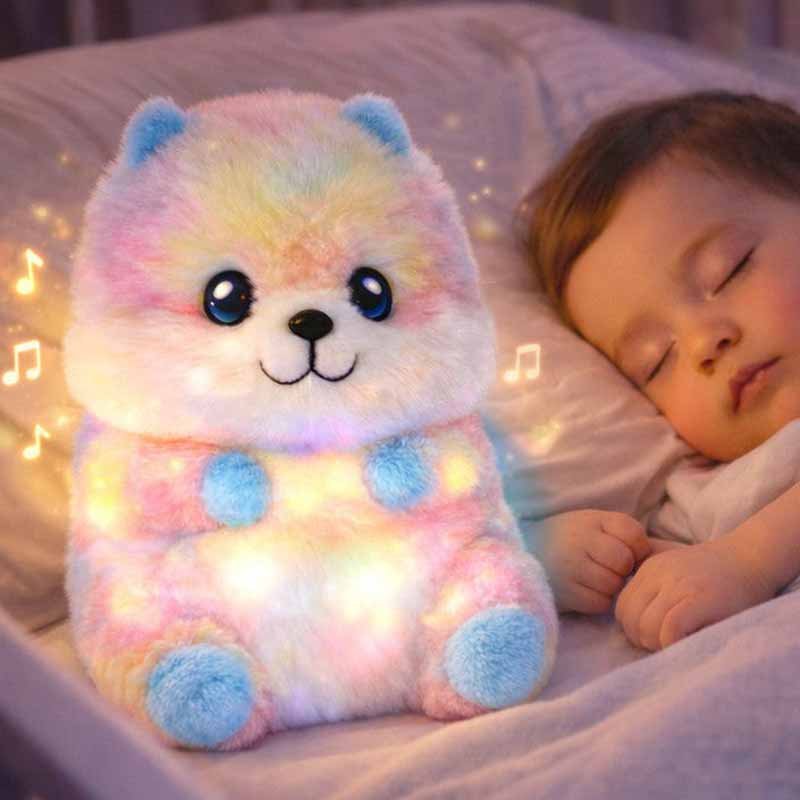
Light-Up Plush

Light-Up Plush uses LEDs or illuminated components inside or on the surface. Fabric thickness, color, filling and internal positioning influence brightness and visibility. Development can include:
  • LED color
  • Light path
  • Translucent fabric
  • Switch position
  • Internal wiring
  • Battery access
  • Heat review
  • Repeated function test
A bright LED behind dense dark fabric may not create the intended effect. Physical function samples are required before bulk materials and modules are released.

Sound Plush

Sound Plush can play music, effects, animal sounds or branded audio through button, squeeze or motion activation. The outer plush structure should direct pressure toward the control without damaging the module. Planning may include:
  • Sound length
  • Activation pressure
  • Speaker position
  • Module cavity
  • Filling zones
  • User instructions
  • Battery type
  • Inspection sequence
Every production unit may require functional activation during quality inspection according to the agreed plan.

Sensor Plush

Sensor Plush may respond to touch, pressure, movement or another confirmed input. Sensor location and sensitivity should be verified through actual product testing rather than assumptions from the standalone electronic component. Development may address:
  • Sensor type
  • Trigger area
  • Sensitivity
  • Internal support
  • Cable routing
  • False activation
  • Battery access
  • Packaging movement
Transport vibration or compression can affect some sensor systems, so packed-product evaluation may be needed.

Interactive Character Plush

Interactive Character Plush combines several functions, such as sound, light, touch or removable components. More functions increase the importance of structured engineering, testing and repair planning. The program can require:
  • Functional specification
  • Module diagrams
  • Prototype electronics
  • Outer-shell engineering
  • Access method
  • Instructions
  • Market review
  • Production test procedure
The term “interactive” should describe confirmed functions rather than vague technology claims. Final scope follows actual module performance and product approval.

Create Controlled Tactile and Weighted Plush Experiences
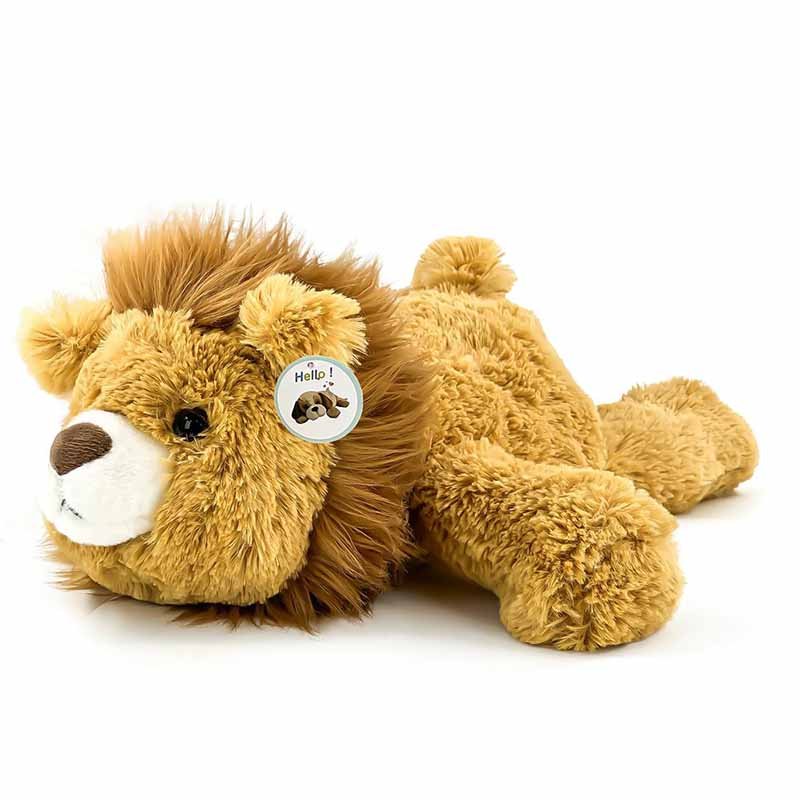
Comfort-oriented products rely on filling, weight distribution, surface texture and recovery. Product descriptions should focus on physical experience without unsupported medical claims.

Weighted Plush

Weighted Plush uses pellets, beads or another approved filling system to create a defined total weight and distribution. Weighted material should normally remain inside a separate reinforced internal bag rather than mix freely with polyester filling. Development can include:
  • Target total weight
  • Weight zones
  • Internal bag
  • Double seams
  • Product balance
  • External softness
  • Drop handling
  • Packaging limits
The intended age, market and product use influence component and testing preparation. Therapeutic or medical effects should not be claimed without appropriate substantiation.

Sensory Plush

Sensory Plush combines selected textures, tactile elements, sounds or movable features to create varied physical interaction. Features should remain purposeful and suitable for the intended age and use environment. Possible elements include:
  • Short and long pile
  • Ribbed fabrics
  • Crinkle material
  • Fabric tags
  • Textured embroidery
  • Squeeze elements
  • Removable components
  • High-contrast colors
Every added feature introduces attachment, cleaning, labeling or testing considerations. Sensory language should describe the actual experience rather than promise treatment outcomes.

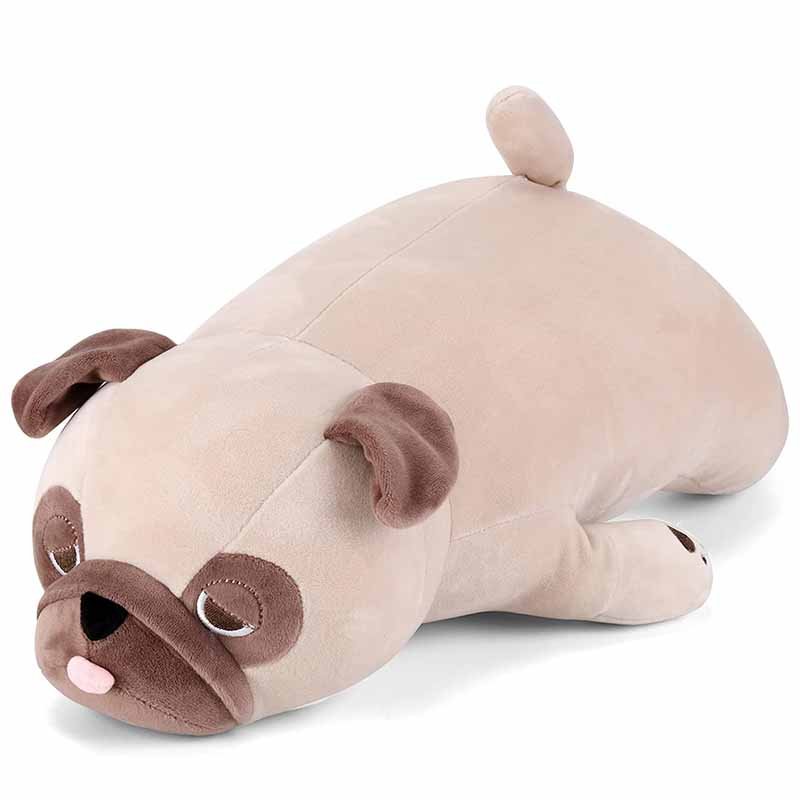
Plush Pillow

Plush Pillows combine character or object styling with a broader support surface. Pattern shape, filling density, seam placement and compression recovery affect comfort and appearance. Development may cover:
  • Flat or sculpted form
  • Face embroidery
  • Edge construction
  • Filling density
  • Removable cover
  • Decorative limbs
  • Retail packaging
  • Vacuum or compression review
A pillow intended for decoration, travel or general lifestyle use should be described accurately. Infant sleep positioning requires separate safety and regulatory review.

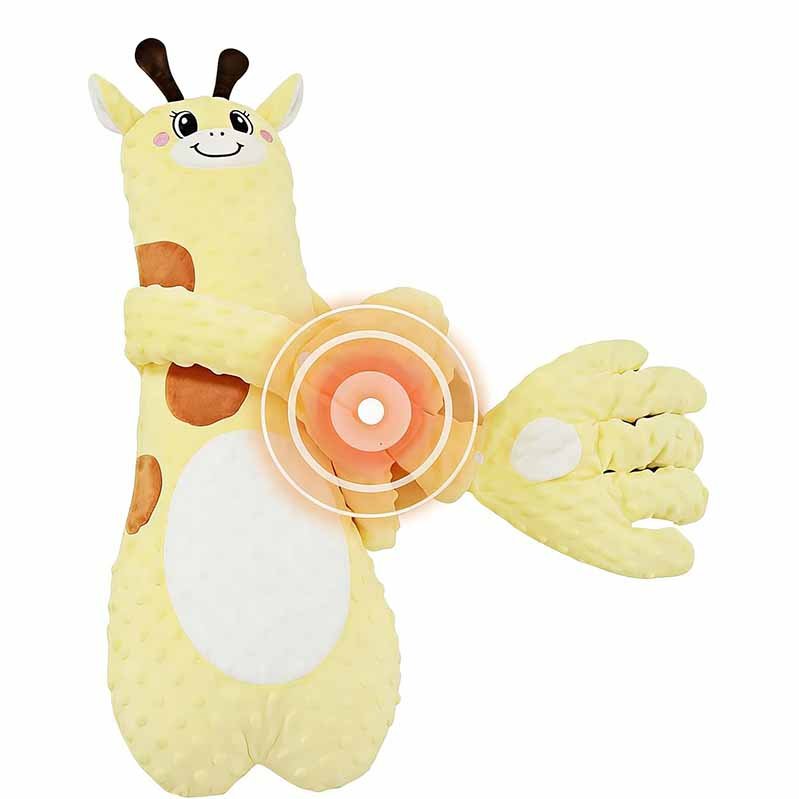
Hugging Plush

Hugging Plush uses elongated, rounded or body-supporting shapes designed for carrying and embracing. Larger dimensions can increase filling consumption, carton volume and shape-recovery requirements. Planning may include:
  • Product length
  • Body diameter
  • Filling zones
  • Limb position
  • Surface softness
  • Carrying balance
  • Compression trial
  • Shipping carton
The character artwork may need adjustment to remain recognizable across a long body shape. Facial proportions should be reviewed at the actual size.

Textured Plush

Textured Plush uses controlled differences in fabric, quilting, embroidery, ribbing or surface elements. Material combinations can create a richer tactile product while increasing sewing and inspection requirements. Development can include:
  • Fabric compatibility
  • Stretch differences
  • Seam transitions
  • Pile direction
  • Quilted panels
  • Raised embroidery
  • Wash or care review
  • Surface inspection
Several materials should be tested together because one fabric may stretch or recover differently after filling and packing.

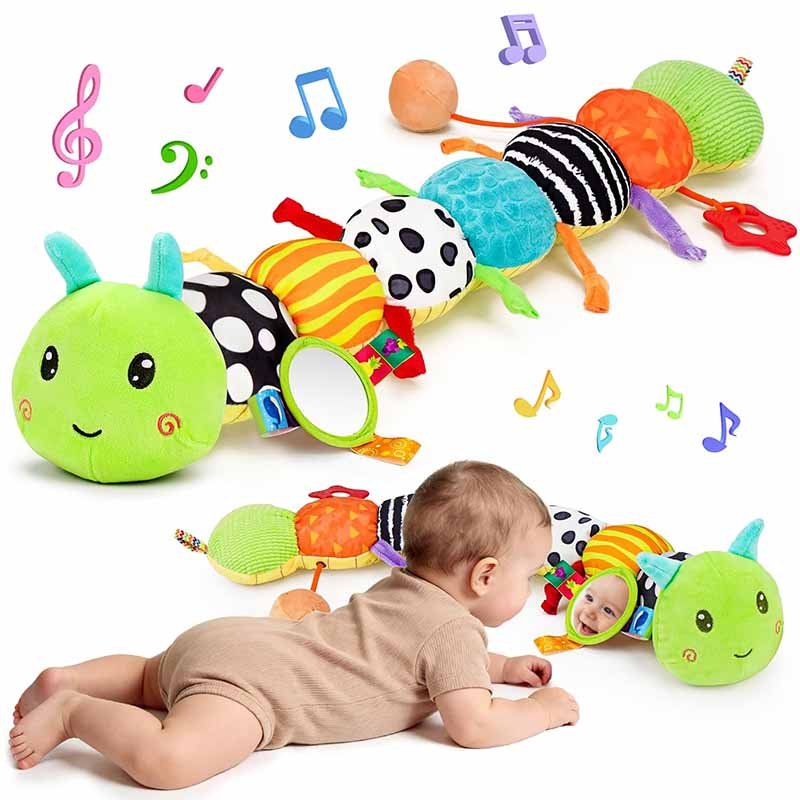
Activity Plush

Activity Plush adds manipulable elements such as fabric pages, tabs, pockets, zippers, removable parts or crinkle panels. The product structure should match the intended age and supervision conditions. Engineering may cover:
  • Feature attachment
  • Small-component risk
  • Page construction
  • Pocket depth
  • Zipper protection
  • Crinkle placement
  • Cleaning instructions
  • Functional inspection
Every activity should be demonstrated clearly in the sample and documented for production. Features not included in the approved specification should not be added informally.

Choose Plush Structures Based on Pose and Display Needs

Pose, balance and structural support should be defined before pattern engineering. Filling alone cannot correct every sitting, standing or display requirement.

Sitting Plush

Sitting Plush uses body shape, leg angle, base area and filling distribution to maintain a stable seated pose. The approved posture should be evaluated on the intended display surface. Development can include:
  • Bottom-panel shape
  • Hip width
  • Leg direction
  • Tail support
  • Head weight
  • Zoned filling
  • Clothing interaction
  • Packing recovery
A large head or heavy accessory can move the center of gravity forward. Pattern and filling adjustments may be required to prevent tipping.

Standing Plush

Standing Plush requires sufficient foot area, leg structure, body balance and head control. Soft character proportions can make unsupported standing difficult, especially when the head is large or the legs are narrow. Engineering may include:
  • Foot-panel size
  • Leg reinforcement
  • Body center
  • Internal support
  • Tail counterbalance
  • Shoe structure
  • Surface requirements
  • Stability checks
The product description should clarify whether the plush stands independently, stands with adjustment or requires a display support.

Jointed Plush

Jointed Plush uses rotating joints, discs, internal connectors or another articulated structure to allow controlled movement. Joint selection depends on product size, intended age and desired range. Development can cover:
  • Joint type
  • Joint diameter
  • Panel reinforcement
  • Movement range
  • Assembly method
  • Internal access
  • Durability review
  • Applicable testing
Jointed structures create hard internal components and should be evaluated separately from standard soft plush construction.

Supported Plush

Internal Support Plush may use foam, fabric reinforcement, wire, plastic components or structural inserts to maintain ears, limbs, tails or display poses. Support should remain protected from normal contact. Planning may include:
  • Support material
  • Internal position
  • Endpoint protection
  • Flexibility
  • Product recovery
  • Inspection access
  • Intended age
  • Packaging pressure
Not every illustrated pose requires internal wire. Pattern shape and filling should be considered before adding harder components.

Display Plush

Display Plush is developed for windows, exhibitions, venue installations, retail fixtures or fixed-position merchandising. Appearance at viewing distance may matter more than frequent handling. Programs can include:
  • Fixed pose
  • Large character scale
  • Weighted base
  • Hidden support
  • Removable costume
  • Transport crate
  • On-site assembly
  • Installation notes
Display use should be stated clearly so the product is not represented as a general children’s toy without appropriate evaluation.

Large Plush

Large Plush commonly begins around 50 cm and can extend far beyond standard retail dimensions. Scaling affects patterns, seam stress, filling, internal support, handling, packing and freight. Development can include:
  • Sectioned patterns
  • Reinforced seams
  • Filling access
  • Support zones
  • Removable parts
  • Compression trial
  • Carton or crate
  • Destination handling
A large product should receive its own prototype and logistics review rather than a simple enlargement of a smaller approved pattern.

Match Plush Size With Detail, Channel and Packaging

Product dimensions influence recognizable detail, pattern complexity, packaging, filling, hardware and freight. Select size according to product role rather than visual preference alone.

Mini Format

Mini products usually range from approximately 8 to 15 cm and suit blind boxes, keychains, bag charms, ornaments and entry collectibles. Small dimensions limit seam space and the thickness of clothing or accessories.
Development priorities include:
  • Enlarged facial features
  • Short, stable fabrics
  • Reduced panel complexity
  • Lightweight hardware
  • Compact packaging
  • Character-specific simplification
  • Small embroidery trials
  • SKU-level inspection
The mini version normally requires independent patterns. Reducing a core plush file by percentage can distort seams, limbs and facial proportions.

Core Format

Core products commonly range from approximately 18 to 28 cm and suit character plush, mascots, main collection SKUs and retail programs. The size offers room for recognizable expression, moderate clothing and product labels without excessive carton volume.
Planning can support:
  • Complete facial embroidery
  • Defined head and body volume
  • Simple garments
  • Character accessories
  • Retail hangtags
  • Individual polybags
  • Standard case packs
  • Long-term replenishment
Core size often becomes the main reference for later mini and premium versions, although every size still needs separate engineering.

Premium Format

Premium products commonly range from approximately 30 to 45 cm. Larger dimensions provide more room for long-pile materials, layered clothing, detailed accessories and stronger shelf presence.
Development should consider:
  • Zoned filling
  • Head support
  • Garment fit
  • Product weight
  • Retail or gift packaging
  • Carton recovery
  • Carrying and handling
  • Freight volume
Premium format can justify a higher visual and packaging level, but added size alone does not create premium quality. Materials and workmanship still need appropriate specification.

Large Format

Large products measure approximately 50 cm or above and may serve events, displays, premium gifting or destination merchandise. Product engineering and logistics must be reviewed together.
Planning may include:

  • Reinforced patterns
  • Multiple filling openings
  • Internal supports
  • Removable components
  • Controlled compression
  • Large cartons
  • Sea or airfreight impact
  • Destination handling

Sample and production timing can extend because pattern correction, material use and packing trials are more involved. Final feasibility depends on actual dimensions and structure.

Choose Materials Around Product Appearance and Construction
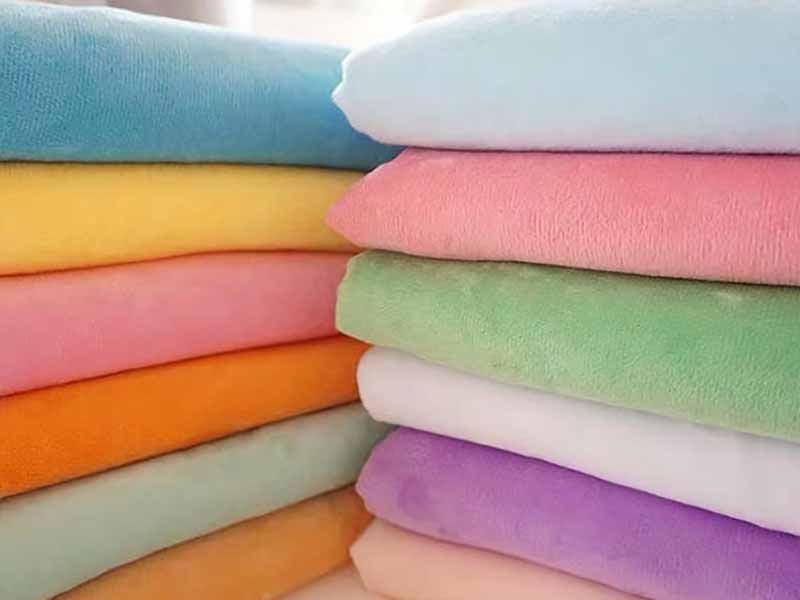
Fabric and surface methods influence silhouette, embroidery, softness, sewing, packing recovery and repeat-order consistency. Material names alone do not establish suitability.

Short-Pile Plush

Short-pile plush supports clear outlines, facial embroidery, small collectible products and dense character details. The lower surface height reduces visual interference around eyes, mouths and seams. Selection should compare:
  • Pile height
  • Density
  • Surface sheen
  • Stretch
  • Backing stability
  • Embroidery visibility
  • Seam appearance
  • Finished shape
Short pile can reveal seam and filling defects more clearly than long pile, so precise cutting, sewing and shaping remain important.

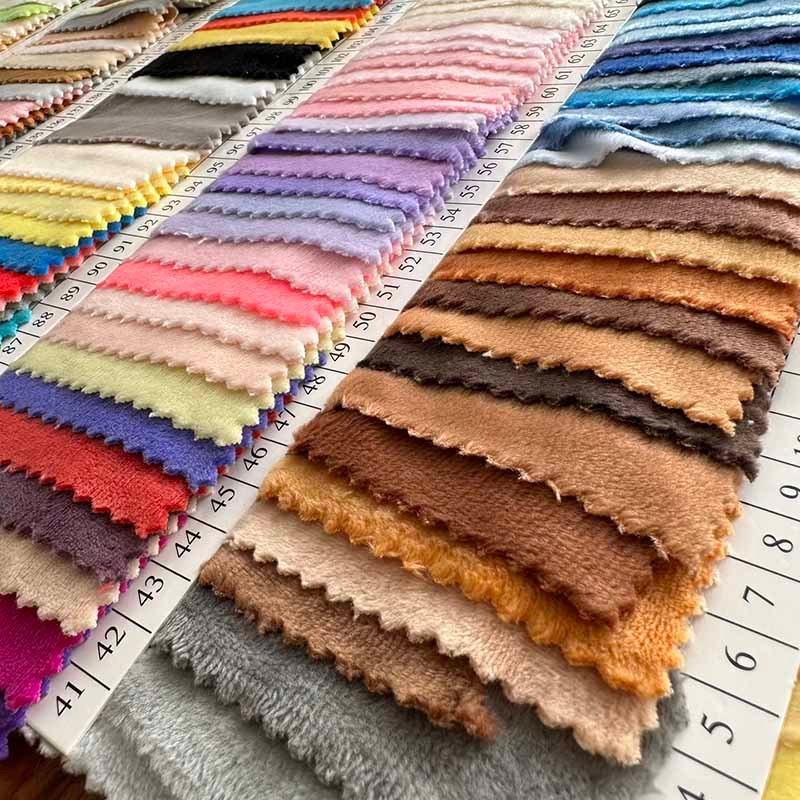
Minky and Velboa

Minky and velboa are common descriptions covering fabrics with different weights, densities, stretch and surface finishes. One supplier’s material cannot be replaced by name alone. Evaluation may include:
  • Hand feel
  • Pile length
  • Backing strength
  • One-way or multiway stretch
  • Sheen
  • Color availability
  • Embroidery behavior
  • Packing recovery
Physical swatches and sample application should be approved before bulk purchasing. A stable fabric can be more suitable than a softer option when shape definition is critical.

Faux Fur

Faux Fur supports realistic animals, long-haired characters, premium gifts and strong tactile products. Longer pile changes cutting, seam cleaning, embroidery visibility, grooming and packaging. Material review can cover:
  • Pile length
  • Fiber density
  • Color blending
  • Backing
  • Shedding
  • Direction
  • Trimming
  • Recovery after packing
Small facial details may need shorter companion fabric or controlled trimming. Long fur should not cover character landmarks or barcodes on attached labels.

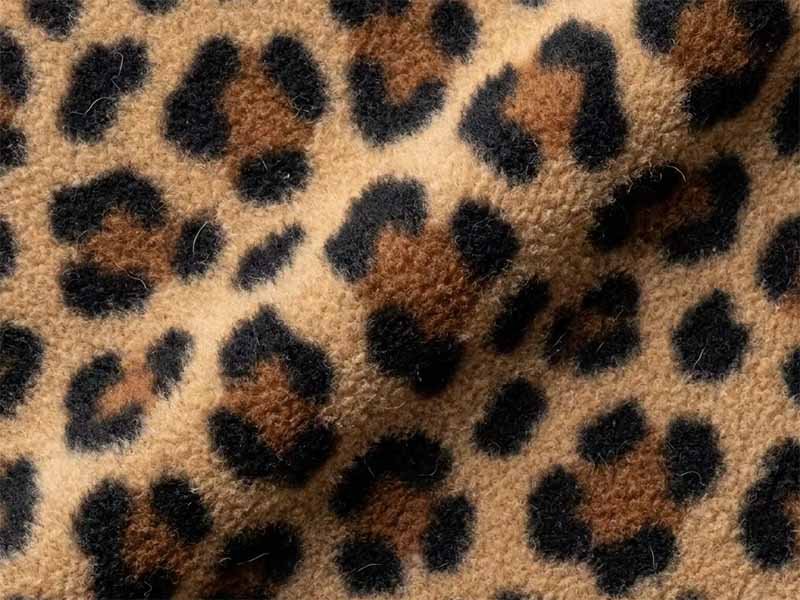
Printed Fabrics

Printed fabrics can reproduce gradients, patterns, scales, markings or graphics difficult to achieve through separate fabric panels. Print quality depends on fabric surface, stretch and selected process. Development may include:
  • Artwork scale
  • Repeat pattern
  • Color proof
  • Fabric compatibility
  • Print position
  • Panel registration
  • Durability review
  • Batch comparison
Printing can reduce panel count in some designs but may introduce alignment requirements. Production panels should be checked against approved print references.

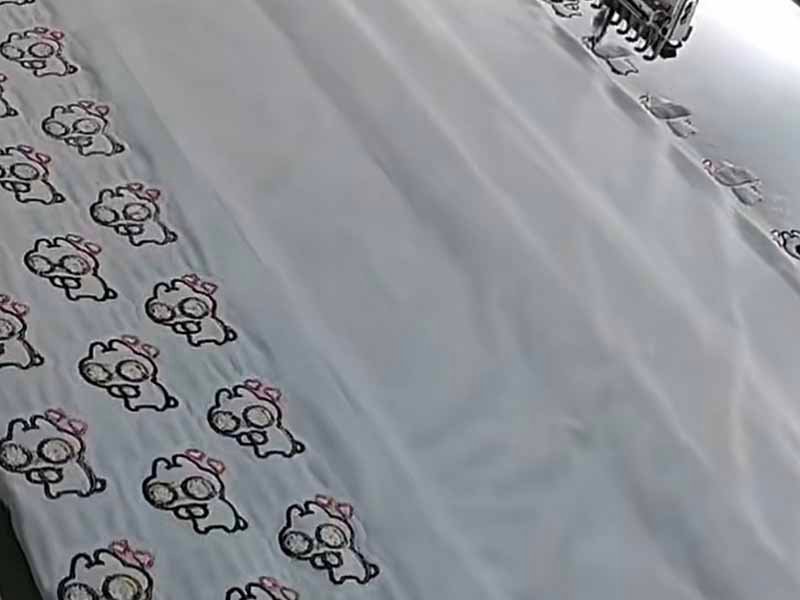
Embroidery and Appliqué

Embroidery creates textured, durable lines and is widely used for faces, logos and small details. Appliqué creates larger fabric shapes with a softer surface and visible edge construction. Selection should consider:
  • Line width
  • Stitch density
  • Fabric stretch
  • Pile height
  • Color count
  • Position
  • Hand feel
  • Production quantity
A combination of embroidery and appliqué can preserve detail while controlling excessive stitch areas. Trial panels should be reviewed after sewing and filling.

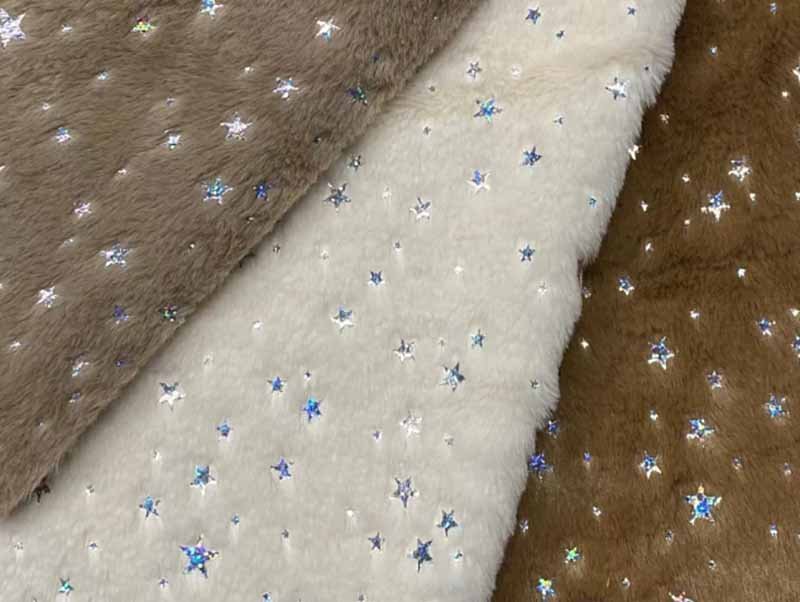
Special Materials

Special materials may include sherpa, metallic fabrics, reflective textiles, quilted panels, synthetic leather, mesh, transparent components or project-specific surfaces. Every material introduces different cutting, sewing, labeling and test considerations. Review can cover:
  • Surface durability
  • Edge finishing
  • Stretch compatibility
  • Color stability
  • Needle marks
  • Cleaning
  • Skin contact
  • Packaging protection
Special materials may require qualified partner sourcing or processing. Pufumi should identify the execution relationship and approval route clearly.

Customize Product Features Without Losing Manufacturing Control
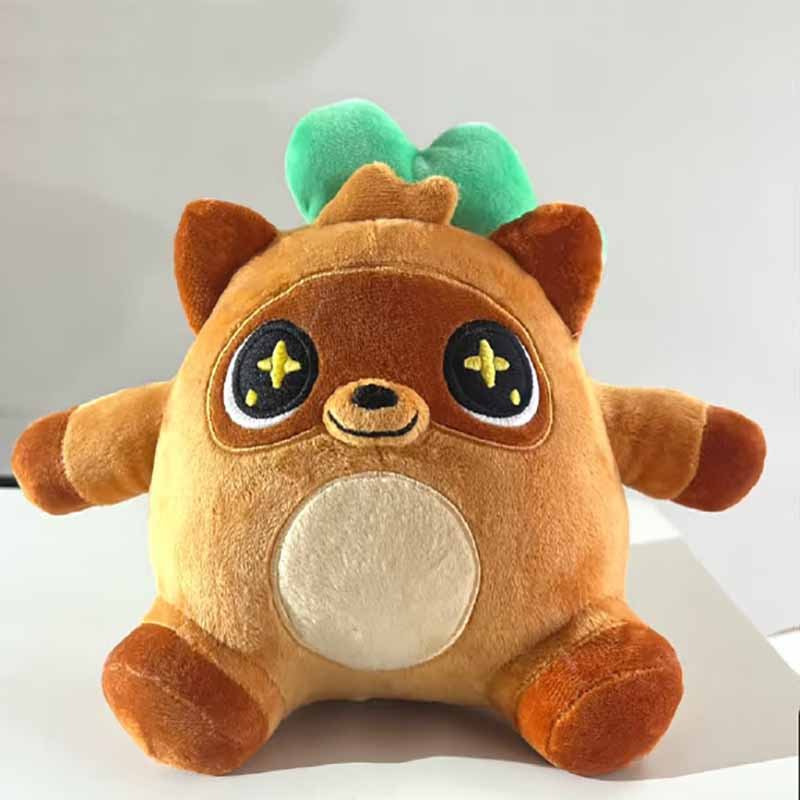
Every customization affects engineering, files, approvals or production identity. Controlled changes protect the approved design across samples, SKUs and repeat orders.

Character Shape

Character shape includes silhouette, proportions, facial volume, limbs, ears, tails and pose. Significant shape changes require pattern revisions and a new physical sample because flat artwork cannot confirm the final three-dimensional result. Changes can affect:
  • Panel structure
  • Seam location
  • Filling zones
  • Product balance
  • Dimensions
  • Packaging
  • Quality checkpoints
  • SKU identity
A different pose or head proportion should not be treated as a simple artwork update after production files are released.

Product Size

Changing size affects more than fabric consumption. Embroidery, seams, accessories, filling openings, hardware and packaging may all need redesign. A new size can require:
  • New patterns
  • New embroidery files
  • Revised clothing
  • Different hardware
  • New packaging
  • New carton plan
  • Updated testing scope
  • Separate SKU
The amount of shared development depends on the difference between sizes and the complexity of the original product.

Fabric and Color

Fabric changes can alter stretch, surface direction, embroidery placement, shape and hand feel. Color changes may also create separate material minimums and SKU records. Approval can include:
  • Physical swatch
  • Dye-lot reference
  • Thread matching
  • Printed proof
  • Sample application
  • Lighting comparison
  • BOM update
  • Reorder status
Screen colors and Pantone references guide sourcing but do not replace physical material approval.

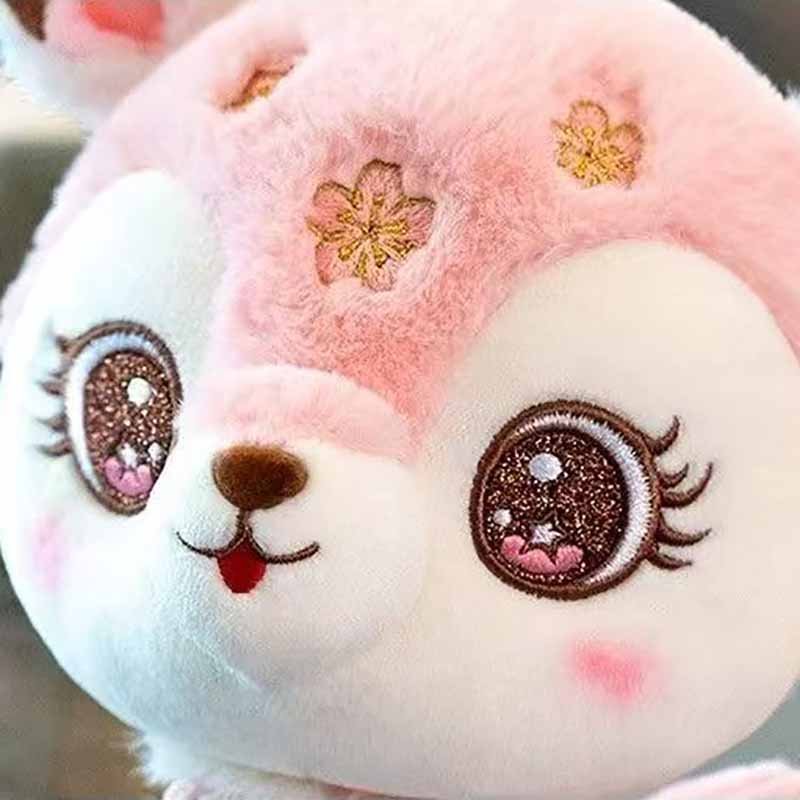
Facial Decoration

Faces can use embroidery, printing, appliqué, plastic components or combined processes. Method selection depends on design detail, pile height, intended age and desired surface. Changes can affect:
  • Expression
  • Fabric distortion
  • Stitch count
  • Setup
  • Test preparation
  • Sample timing
  • Unit cost
  • Inspection criteria
Facial files require strict version control because small position differences can noticeably change character identity.

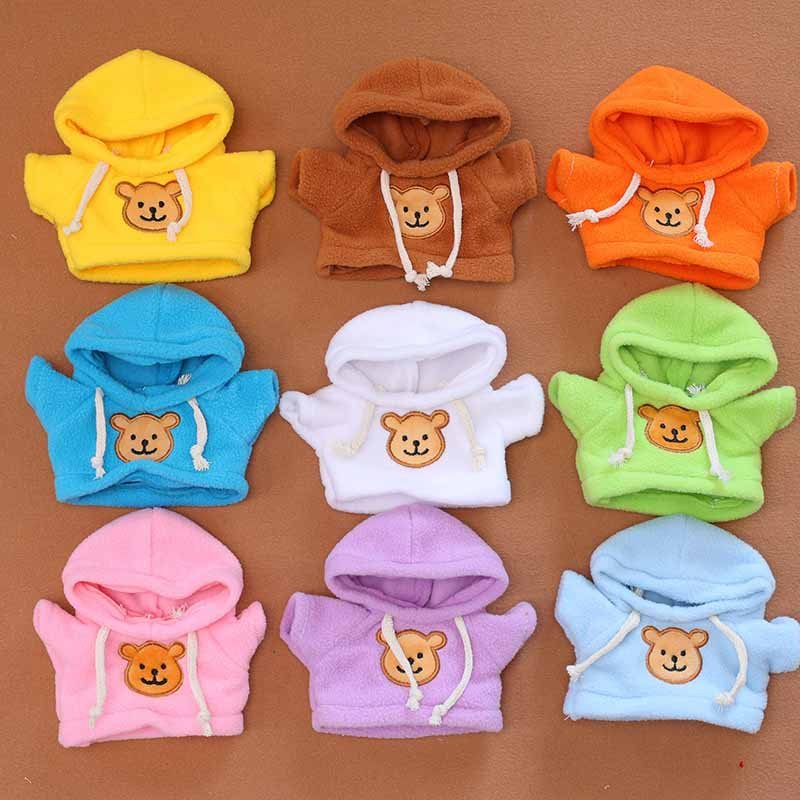
Clothing

Clothing can be integrated, partially attached or removable. Fabric thickness, closures and seam allowance must suit the plush body and product size. Clothing changes can create:
  • New patterns
  • Additional materials
  • New accessories
  • Dressing labor
  • Fit risks
  • Separate packaging
  • New SKU
  • Additional sample approval
Removable clothing should be evaluated for intended age, small components and repeated handling.

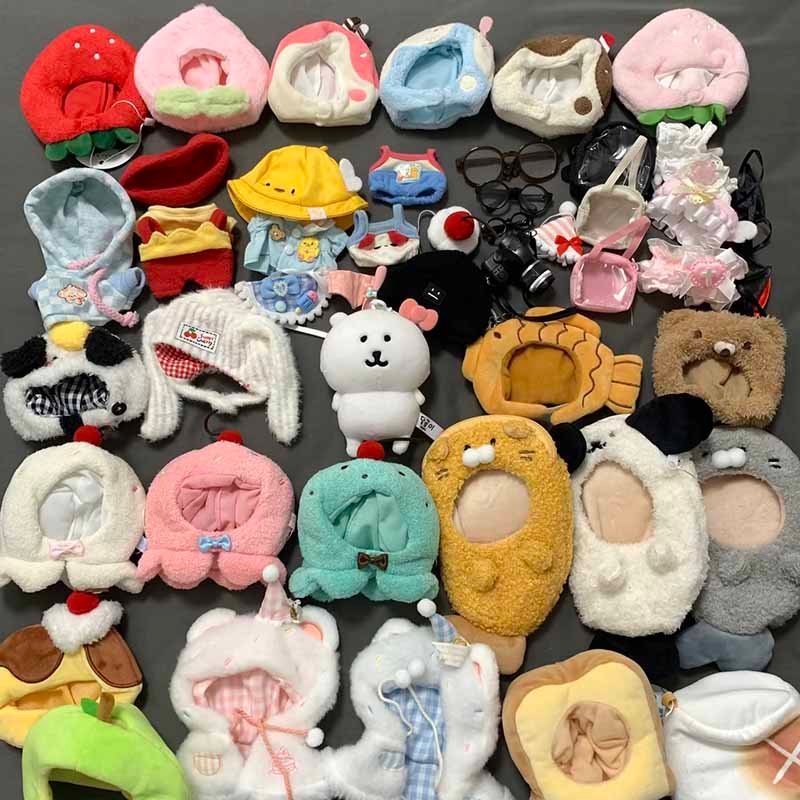
Accessories and Hardware

Accessories include hats, bags, glasses, badges, keychain clips, straps, buttons and character props. Decorative parts and load-bearing parts require different engineering. Review can cover:
  • Attachment method
  • Internal reinforcement
  • Load direction
  • Sharp or hard surfaces
  • Product balance
  • Packaging contact
  • Intended age
  • Functional inspection
A hanging accessory should be tested in its real-use direction, not only inspected on a table.

Filling and Structure

Filling determines softness, shape, posture and weight distribution. Additional structure may use internal bags, foam, reinforcement, joints or electronic cavities. Changes can affect:
  • Hand feel
  • Facial shape
  • Sitting stability
  • Total weight
  • Packaging recovery
  • Test scope
  • Sewing sequence
  • Quality criteria
Total filling weight alone cannot control local shape. The approved sample and zoned filling reference should work together.

Packaging and Labels

Packaging and labels turn a plush item into a specific retail or distribution SKU. Changing the package can affect dimensions, barcodes, case packs, freight and warehouse preparation. Customization may include:
  • Polybag
  • Paper band
  • Retail box
  • Blind box
  • Gift box
  • Hangtag
  • Barcode
  • Market language
Packaging artwork, product version and destination should remain synchronized. An old box cannot be used merely because the physical plush has not changed.

Select Product Formats for Different Commercial Objectives

Commercial ObjectiveRecommended Product FormatsPlanning Priorities
Licensed MerchandiseCore Character Plush, Mini Plush, Bag CharmCharacter approval, copyright, SKU control and launch timing
Collectible DropBlind Box, Limited Edition, Hidden EditionAssortment, secrecy, packaging codes and edition quantities
Retail AssortmentEntry Plush, Core Plush, Premium PlushPrice ladder, packaging, barcodes and replenishment
Brand CampaignMascot Plush, Keychain, Corporate Gift PlushBrand recognition, fixed dates, distribution and cost structure
Corporate GiftingPremium Mascot, Boxed Plush, Gift SetPresentation, recipient experience, packing and delivery
Destination RetailMini Plush, Core Plush, Seasonal EditionsVenue identity, case packs, store allocation and repeat orders
EcommerceBag Charms, Boxed Plush, BundlesUnit protection, product dimensions, parcel handling and labels
Long-Term ProgramStable Core SKUs, Mini Extensions, Seasonal WavesArchived files, material continuity, version control and forecasting

For example, one approved mascot may become a 9 cm keychain, a 20 cm core retail product and a 35 cm premium gift edition. Each format needs separate patterns, packaging and commercial identification.

Turn Individual Products Into a Coherent Product Line

A strong product line gives every SKU a commercial role while controlling shared structures, unique features, packaging and production separation.

Collection Objective

The first decision is what the collection must achieve. Retail assortments, campaign products, licensed launches and gift programs require different product mixes. The objective should define:
  • Sales channel
  • Target audience
  • Price range
  • Launch date
  • Collection duration
  • Replenishment plan
  • Number of characters
  • Packaging system
A collection created for repeated retail sales should not use the same architecture as a one-time event distribution program.

Hero SKU

The Hero SKU carries the strongest character recognition and usually receives the most complete product treatment. It can become the main marketing image and development reference for related formats. Hero planning may cover:
  • Core size
  • Signature materials
  • Complete clothing
  • Main packaging
  • Priority quantity
  • Launch photography
  • Golden Sample
  • Replenishment status
The Hero SKU should not absorb every possible feature if complexity prevents stable manufacturing or suitable retail pricing.

Entry SKU

Entry SKUs offer a smaller, simpler or more accessible format, such as a mini plush, keychain or bag charm. They extend character reach without copying the Hero SKU mechanically. Planning can include:
  • Small-scale redesign
  • Essential character landmarks
  • Simplified clothing
  • Shared materials
  • Compact packaging
  • Impulse retail placement
  • Higher unit count
  • Separate quality reference
Entry products often become volume drivers, making attachment strength and production efficiency especially important.

Premium SKU

Premium SKUs can use larger size, specialized materials, additional clothing or elevated packaging. The premium difference should be visible and meaningful. Possible features include:
  • Larger dimensions
  • Longer pile
  • Complex costume
  • Exclusive accessory
  • Numbered certificate
  • Gift box
  • Limited color
  • Display structure
Premium products can carry higher material and freight costs. Packaging and carton planning should begin before the final retail position is approved.

Limited SKU

Limited SKUs support events, artist collaborations, anniversaries and controlled edition releases. Quantity, identifying features and replacement rules should be documented. Planning may cover:
  • Edition quantity
  • Unique fabric
  • Exclusive embroidery
  • Dated label
  • Special packaging
  • Numbered certificate
  • Restricted distribution
  • Archive records
Limited production requires enough additional materials and packaging for quality replacements without undermining the announced sellable quantity.

Shared Components

Shared components can improve consistency and reduce fragmented sourcing across related SKUs. Suitable shared items may include body patterns, filling, base fabrics, hardware, labels or master cartons. Shared planning should identify:
  • Common body
  • Common limbs
  • Base fabric
  • Filling
  • Hardware
  • Care label
  • Inner packaging
  • Quality criteria
Character-specific faces, ears, colors, clothing and accessories remain individually controlled. Sharing should never erase important differences.

Prepare Every Product for Its Intended Use and Market

Quality and compliance priorities change with product age, components, structure and channel. Market preparation must follow the actual product rather than a generic claim.

Intended Age

Intended age influences construction, components, labeling and third-party test planning. A children’s toy, infant-oriented item and adult collectible can require different evaluation even when they share similar artwork.
Review can include:
  • Product use
  • Age grade
  • Marketing language
  • Small parts
  • Cords and loops
  • Hard components
  • Filling access
  • Warnings
The responsible brand or importer confirms the final intended-age position and applicable market route.

Accessible Components

Eyes, buttons, hardware, magnets, electronic modules, pellets and removable accessories require product-specific review. Internal components should remain protected according to the approved construction.
Inspection may address:
  • Attachment
  • Seam access
  • Component size
  • Hard edges
  • Battery access
  • Internal bags
  • Closure methods
  • Product damage
A component described as “safety” by a supplier does not remove the need for finished-product evaluation and applicable testing.

Attachment Strength

Plush Keychains, Bag Charms, Clip-On Plush and removable accessories experience pulling, swinging and repeated handling. Attachment points should be engineered for the expected load direction.
Controls can include:
  • Internal reinforcement
  • Loop material
  • Stitch pattern
  • Hardware connection
  • Directional pull
  • Repeated movement
  • First-piece checks
  • Production inspection
Decorative attachments and load-bearing attachments should not use the same assumptions without review.

Structural Inspection

Sitting, Standing, Jointed, Weighted and Interactive Plush require checkpoints beyond ordinary appearance inspection. The quality plan should follow the product’s functional structure.
Checks may include:
  • Balance
  • Joint movement
  • Support position
  • Internal bag
  • Total weight
  • Filling zones
  • Module function
  • Battery closure
The approved sample, technical files and measurable criteria should work together during production.

Packaging Readiness

Unit packaging, labels, barcodes, case packs and cartons need to match the intended channel. Retail, Amazon, destination stores and gift programs use different preparation.
Readiness can include:
  • Product protection
  • Barcode scan
  • Label version
  • Pack quantity
  • Case pack
  • Carton dimensions
  • Shipping marks
  • Warehouse instructions
Packaging is part of the commercial product and should receive approval before full production packing.

Third-Party Testing

Independent testing may be required according to market, age, product structure and sales channel. Pufumi can coordinate BOM information, representative samples and corrective follow-up.
Support may include:
  • Market identification
  • Test-scope communication
  • Sample preparation
  • Material information
  • Label files
  • Laboratory dispatch
  • Result review
  • Corrective sampling
Independent laboratories issue reports. No product should be described as automatically passing every market standard before the applicable scope is confirmed.

Who we serve

Pufumi develops product ranges around each organization’s characters, commercial goals, sales channels, packaging requirements, and long-term collection plans. From licensed character plush to retail-ready assortments, every category can be adapted through size, material, structure, accessories, branding, and presentation.

IP Owners and Licensing Agencies

IP owners, licensors, and licensing agencies can develop licensed character plush, mini plush, plush keychains, bag charms, blind-box collections, limited editions, and multi-character series. Product development focuses on recognizable silhouettes, facial expression, official colors, signature clothing, copyright information, packaging approval, and consistency across different sizes, markets, and launch waves.

Animation and Game Companies

Animation studios, game publishers, film companies, streaming platforms, and entertainment teams can transform heroes, companions, creatures, pets, props, and virtual characters into commercial plush products. Suitable formats include standard character plush, sitting plush, chibi-style plush, costume variants, in-game item plush, anniversary editions, fan-event merchandise, and coordinated character collections.

Toy and Collectible Brands

Toy brands, blind-box companies, designer-toy studios, and collectible labels can build structured ranges featuring mini collectible plush, mystery-box characters, hidden editions, numbered editions, bag charms, keychains, gift sets, and premium display products. Shared proportions, differentiated details, SKU coding, assortment planning, and repeatable packaging help support continuing collection releases.

Fashion and Lifestyle Brands

Fashion labels, accessory brands, designer companies, and lifestyle businesses can develop plush bag charms, handbag accessories, keychains, mini mascots, wearable plush details, seasonal characters, and limited collaboration pieces. Product planning considers finished weight, hardware, tactile materials, fashion colors, compact detailing, attachment strength, packaging presentation, and compatibility with bags or apparel.

Beauty and Consumer Brands

Beauty, fragrance, personal-care, beverage, food, café, technology, and established consumer brands can create mascot plush, product-shaped plush, promotional characters, gift-with-purchase items, loyalty rewards, PR package additions, event merchandise, and retail collectibles. Each product can incorporate brand colors, logos, campaign graphics, custom tags, themed packaging, and social-media-friendly presentation.

Global Retailers and Private Labels

Retail groups, department stores, private label teams, Amazon brands, and established e-commerce channels can source retail-ready plush animals, character toys, seasonal collections, baby plush, pillows, keychains, gift sets, and exclusive assortments. Product programs can include barcodes, FNSKU labels, care labels, branded packaging, shelf-ready cartons, warehouse marks, and replenishment documentation.

Theme Parks and Destination Retail

Theme parks, museums, zoos, aquariums, hotels, resorts, cultural attractions, and tourism destinations can develop signature mascots, animal plush, educational characters, location-exclusive souvenirs, seasonal merchandise, story-card products, gift-shop collections, and premium keepsakes. Product ranges can reflect local animals, landmarks, exhibitions, attractions, cultural stories, and destination branding.

Sports Clubs and Universities

Sports teams, leagues, events, universities, campus stores, alumni groups, schools, and institutional organizations can create mascot plush, uniformed characters, supporter keychains, graduation editions, commemorative products, fan merchandise, and event-exclusive collections. Accurate official colors, logos, uniforms, accessories, numbers, and packaging help protect institutional identity across different product sizes.

Creative Agencies and Corporate Teams

Creative agencies, design studios, advertising companies, event organizers, and corporate brand teams can develop campaign mascots, branded plush gifts, conference products, anniversary characters, employee gifts, client merchandise, and promotional collections. Products can be prepared from sketches, campaign concepts, visual identities, 3D references, or existing mascots, with formats selected around distribution and presentation needs.

See How Product Families Work Inside Commercial Programs
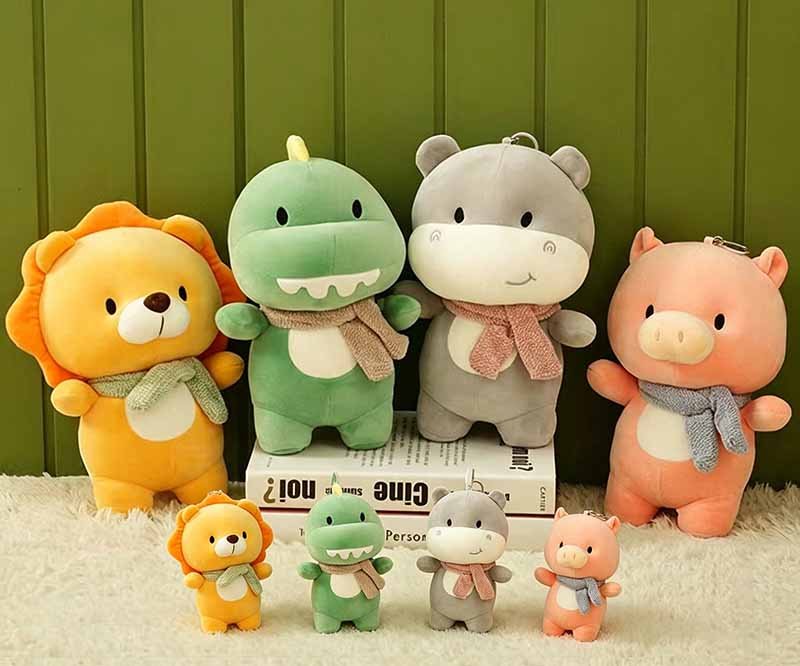
Licensed Character Family

A licensed entertainment program converted four approved characters into two commercial formats: a 20 cm Core Character Plush and a 10 cm Plush Bag Charm. The order included 7,200 pieces across eight sellable SKUs, with separate embroidery files, hangtags and barcode records.
  • Characters: 4
  • Product formats: 2
  • Sellable SKUs: 8
  • Total quantity: 7,200 pieces
  • Core Plush: 20 cm
  • Bag Charm: 10 cm
  • Sample planning: approximately 18–25 days
  • Bulk planning: approximately 40–55 days after full release
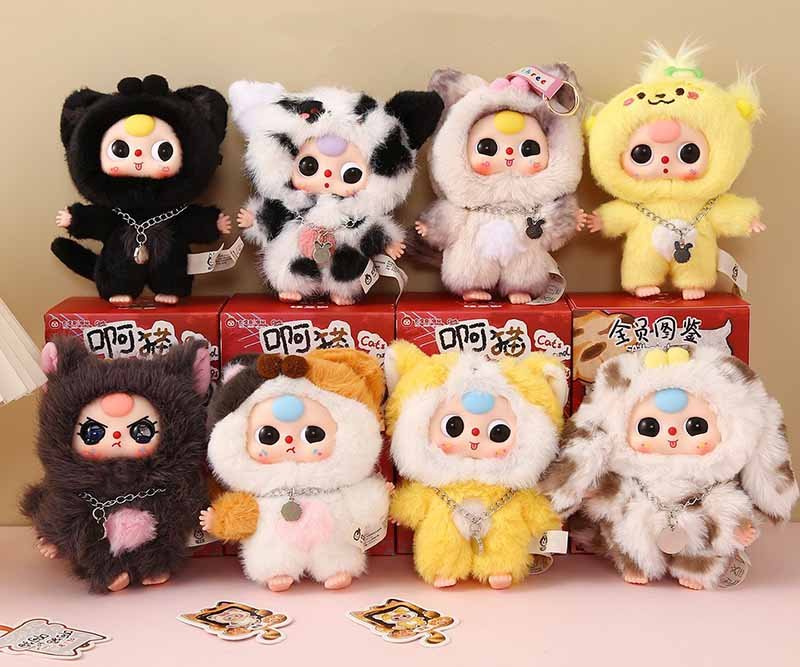
The core products preserved complete clothing and body proportions. Bag charms used redesigned patterns, simplified garments and reinforced hanging points rather than scaled-down core files. Shared color references and embroidery language maintained family recognition, while each format retained its own Golden Sample, BOM and packaging specification.

Blind Box Collection

An eight-SKU Blind Box Plush collection included 12,000 products between 10 and 12 cm. Seven regular characters and one limited variant shared a base body direction while using separate faces, ears, colors and accessories.
  • Total quantity: 12,000 pieces
  • SKUs: 8
  • Average quantity: 1,500 pieces per SKU
  • Product size: 10–12 cm
  • Regular variants: 7
  • Limited variant: 1
  • Packaging: individual sealed boxes
  • Sample planning: approximately 18–25 days
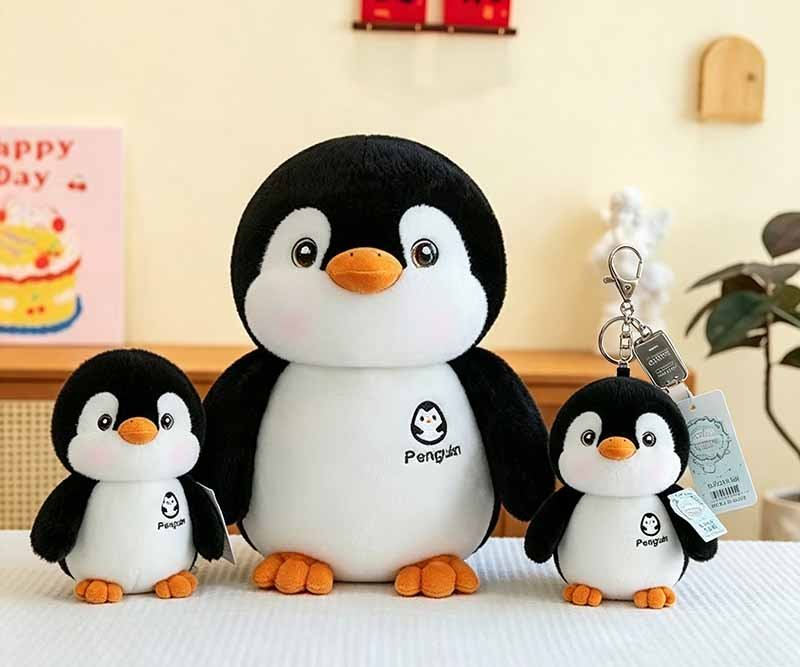
The program used a Master SKU Matrix, eight embroidery files, character-specific component kits, collection cards and controlled box codes. Production and packing areas separated each variant. Written assortment instructions connected individual boxes, inner displays and master cartons, reducing the risk of incorrect ratios or limited-edition mixing.

Brand Mascot Line

A consumer brand expanded one mascot into three product formats serving retail, events and gifting. The order included 5,400 pieces across a 28 cm Core Mascot, a 12 cm Mini Plush and a 9 cm Plush Keychain.
  • Character assets: 1 mascot
  • Product formats: 3
  • Sellable SKUs: 3
  • Total quantity: 5,400 pieces
  • Core Mascot: 28 cm
  • Mini Plush: 12 cm
  • Keychain: 9 cm
  • Bulk planning: approximately 35–50 days after approval
Each format used independent patterns and filling references. Brand colors, facial embroidery and logo placement remained consistent. The core product used retail hangtags, the mini format used compact ecommerce packaging, and the keychain used reinforced hardware with a display card. Archived files supported later replenishment without treating the three products as interchangeable sizes.

Frequently Asked Questions

Pufumi develops licensed characters, mascots, anime and game characters, collectibles, blind boxes, mini plush, keychains, bag charms, weighted plush, sensory plush, interactive products, pillows, destination merchandise, gift products and retail-ready collections. Feasibility depends on the artwork, structure, quantity, market and packaging.

Yes. One character can become a core plush, mini collectible, bag charm, premium edition or gift set. Each size and format normally requires separate patterns, decoration files, packaging and approval references.

Size should reflect character detail, sales channel, intended price, packaging and freight. Mini formats suit accessories and collectibles, while core and premium sizes provide more space for clothing, facial detail and structural features.

Yes. Collection support can include SKU architecture, shared engineering, individual character files, material allocation, sample versions, component kits, packaging codes, assortment ratios, carton mapping and reorder records.

Yes, when the submitting organization owns the assets or holds legitimate authorization. Pufumi does not knowingly manufacture counterfeit characters, unauthorized logos or protected merchandise without a valid rights basis.

Mini Plush describes a small plush product format. A Plush Bag Charm also includes load-bearing hardware and must be engineered for hanging orientation, repeated movement, internal reinforcement and accessory contact.

Sound, recording, light and sensor functions can be evaluated. Module size, controls, battery access, internal cavities, wiring, product age, testing and packaging must be considered during development.

Yes. Packaging support can include polybags, paper bands, retail boxes, blind boxes, gift boxes, hangtags, barcodes, case packs and master cartons. Final content requires authorized approval.

No. MOQ is evaluated by design, size, color, material, decoration, hardware and packaging version. A total quantity divided across many unrelated SKUs creates different conditions from one coordinated product.

Provide artwork, target size, estimated quantity, number of characters, target market, intended age, sales channel, packaging direction and required warehouse date. Pufumi will review feasibility and missing information.
Build a Plush Product Line Around Your Commercial Goal

Share the available character assets, preferred product formats and commercial requirements so Pufumi can review which products belong in the first development stage. A clear submission helps the team compare size, engineering, materials, SKU structure, packaging and delivery before pattern work begins. Confidential artwork and launch plans can be reviewed under an NDA.

Formal sample scope, costs, MOQ, production timing and delivery responsibilities are confirmed after the artwork and specifications are evaluated. Product-category guidance does not replace a project quotation or technical review.

Please provide:

  • Company name and business email
  • Artwork or character assets
  • Rights or authorization status
  • Preferred product family
  • Product format
  • Target dimensions
  • Estimated quantity
  • Number of characters
  • Number of SKUs
  • Target market
  • Intended age
  • Sales channel
  • Material direction
  • Clothing and accessories
  • Functional requirements
  • Packaging requirements
  • Required warehouse date
  • Target cost when available
  • Existing sample or reference
  • NDA requirement

Start Your Custom Plush Project

Plush Product Development & Manufacturing Support for Global Brands

Share your character artwork, product concept, target size, estimated quantity, destination market, launch timeline, packaging requirements, and any special functions or compliance needs.

Our project team will review your request and recommend a tailored development and manufacturing approach based on character complexity, materials, construction, sample requirements, production planning, packaging, and delivery schedule.

From Character Artwork to Retail-Ready Plush Products

Pufumi supports IP owners, entertainment companies, toy and collectible brands, lifestyle brands, and major retailers with structured plush product development and manufacturing.

Your artwork, unreleased characters, packaging files, target costs, and commercial information are handled as confidential project materials and are not used for other customer projects or public marketing without authorization.

Need Direct Assistance?