
Custom Plush Development and Manufacturing Services
From Character Assets to Retail-Ready Plush Programs
Pufumi manages a complete custom plush workflow—from early concept evaluation and sample engineering to controlled bulk production and global delivery preparation.
Supported by Oneier-invested plush manufacturing resources in Dongguan and Foshan, Pufumi serves IP owners, entertainment companies, collectible brands, lifestyle brands, and major retail programs.
Our integrated system covers:
Concept and artwork review
Pattern engineering
Material and color selection
Structural development when required
Embroidery and printing preparation
Prototype development and revision
Controlled bulk manufacturing
Multi-stage quality inspection
Retail and export packaging
Market-specific compliance coordination
Choose a Service Model Matching Your Starting Point
OEM Manufacturing
- Artwork and specification review
- Pattern engineering
- Material matching
- Prototype development
- Production-file preparation
- Bulk manufacturing
- Quality inspection
- Packaging and delivery coordination
ODM Development
- Product-format recommendations
- Size and detail planning
- Material and hand-feel direction
- SKU architecture
- Construction concepts
- Prototype engineering
- Packaging direction
- Cost-driver review
Private Label Programs
- Product-structure adaptation
- Fabric and color selection
- Embroidered or printed branding
- Woven and care labels
- Hangtags and inserts
- Retail packaging
- Barcode coordination
- Master-carton preparation
Co-Development Programs
- Shared development milestones
- Defined approval ownership
- Character-feature mapping
- Sample-version control
- Commercial and technical reviews
- Packaging coordination
- Change-order records
- Production-release criteria
See Our Services Across Every Project Stage
Pufumi organizes services around defined inputs, actions, outputs and approvals. Execution may use core factory resources, managed manufacturing capacity, qualified specialists or independent third parties.
| Project Stage | Service Area | Main Input | Pufumi Action | Controlled Output | Execution Structure |
|---|---|---|---|---|---|
| Project Definition | Brief Review | Artwork, references, size, quantity, market and timing | Organize requirements and identify missing information | Structured project brief | Pufumi-led |
| Commercial Planning | Product and SKU Planning | Product goal, channel, target cost and collection direction | Review product formats, quantities and launch structure | Product and SKU framework | Pufumi-led |
| Feasibility | Engineering Review | Character assets, dimensions, materials and functions | Evaluate structure, processes, risks and alternatives | Feasibility notes | Core factory and Pufumi |
| Material Development | Fabric and Component Matching | Appearance, hand feel, color and market needs | Source, compare and prepare sample materials | Material proposal and swatches | Own, managed and partner |
| Prototype Development | Pattern and Sampling | Approved direction and sample scope | Create patterns, trial decoration, sew, fill and finish samples | Version-controlled prototype | Core Dongguan resources |
| Revision | Sample Improvement | Written feedback and marked images | Convert feedback into measurable actions and verify results | Revised sample and record | Core factory and Pufumi |
| Production Release | File Freeze | Approved sample, quantities and packaging direction | Release BOM, patterns, decoration files and quality criteria | Production package | Pufumi-led |
| Bulk Manufacturing | Production Execution | Released files, materials and schedule | Control cutting, decoration, sewing, filling and assembly | Finished production batch | Own and managed resources |
| Quality | Inspection and Correction | Golden Sample and quality plan | Inspect stages, record findings and verify corrective actions | Inspection and release records | Pufumi quality system |
| Compliance | Testing Coordination | Market, age, BOM and representative samples | Prepare information and coordinate independent testing | Test-support file and reports | Third-party laboratory |
| Packaging | Retail Preparation | Product, artwork, labels and channel requirements | Develop packaging, verify codes and control case packs | Approved packaging system | Pufumi and specialist partners |
| Delivery | Freight Coordination | Final cartons, destination and trade term | Prepare data, coordinate route and manage handover | Shipment file | Logistics partners managed by Pufumi |
| Reorder | Project Archive | Approved history and new order information | Compare versions, materials, packaging and current conditions | Reorder release record | Pufumi-led |
Define the Product Before Engineering Work Begins
Product Format
- Intended use
- Sales channel
- Display or carrying requirements
- Character detail
- Product weight
- Packaging needs
- Required arrival date
Size Planning
- Can the face remain recognizable?
- Are clothing details large enough to sew?
- Will hardware overpower the product?
- Can the item fit the intended box?
- How many units may fit each carton?
- Does the size match the planned channel?
SKU Architecture
- Core character
- Entry-size product
- Premium edition
- Bag-charm version
- Limited variant
- Seasonal release
- Gift set
- Market-specific packaging
Quantity Allocation
- Pieces per design
- Shared fabrics
- Unique embroidery programs
- Custom accessories
- Packaging quantities
- Assortment ratios
- Replenishment priority
Cost Engineering
- Simplifying hidden structures
- Sharing body patterns
- Reducing unnecessary panel changes
- Replacing unsuitable decoration methods
- Adjusting packaging volume
- Separating premium and entry versions
- Consolidating materials
Launch Scheduling
The required warehouse date should drive the project schedule. Pufumi works backward through transport, final inspection, packaging, production, material purchasing, testing and sample approval. A project schedule may include:
- Artwork and brief review
- First prototype
- Revision rounds
- Packaging development
- Golden Sample approval
- Materials and production
- Final inspection
- Freight and receiving
Sample development, material preparation and packaging often overlap, but irreversible work should wait for the correct approval. Seasonal programs need enough time for revisions and delivery uncertainty.
Convert Character Assets Into Manufacturable Plush Structures
Pufumi combines character interpretation with pattern engineering, material behavior and production planning so approved visual features can survive physical sampling and repeated manufacturing.
Review Assets and Protect Character Identity
Development can begin from character guides, front-view artwork, multiple-angle drawings, 3D models, photographs or physical references. Pufumi first organizes the available assets and separates confirmed design information from assumptions. Missing side depth, back construction, clothing closures or accessory attachment points are recorded before sample work begins.
Character landmarks are then identified. Those landmarks can include the outer silhouette, head-to-body ratio, eye spacing, mouth angle, muzzle projection, hairstyle, costume and signature markings. They receive greater attention than details with limited effect on recognition.
The review may produce:
- Asset register and file versions
- Missing-information questions
- Character-landmark list
- Color and material notes
- Dimensional assumptions
- Approval responsibilities
- Confidentiality classification
A two-dimensional drawing cannot always be copied mechanically. Thin floating shapes, extreme proportions and unsupported accessories may need engineering interpretation. Pufumi explains proposed changes rather than silently altering the design. The responsible design or licensing team remains the final authority for character approval.
Only original, owned or properly authorized assets are accepted for commercial development. Unreleased materials are used only for evaluation, sampling, manufacturing, testing, packaging, delivery and approved repeat-order work.
Engineer Patterns, Seams and Internal Structure
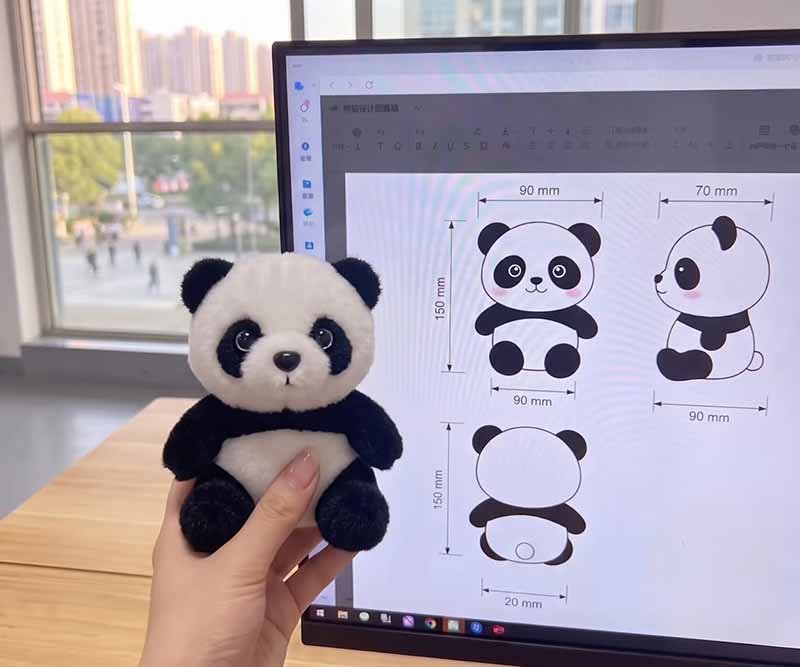
Pattern engineering converts visual information into panels, seam lines, volumes and filling zones. Engineers consider fabric stretch, pile direction, backing, seam allowance, embroidery position, turning openings, assembly order and center of gravity. A small change to cheek, forehead or muzzle panels can noticeably alter expression after filling.
The engineering stage can address:
- Head and facial volume
- Body proportions
- Limb position
- Sitting or standing balance
- Ear and tail support
- Clothing integration
- Detachable parts
- Reinforced hanging points
- Foam or internal support
- Electronic-module placement
Decoration must also be engineered around the finished form. Eye embroidery that appears correctly positioned on a flat panel may move visually after the face is sewn and filled. Trial embroidery should therefore be evaluated on the intended fabric and reviewed in the assembled sample.
Patterns carry version identification, panel names, quantities and direction information. Development drafts remain separate from released production patterns. Multi-SKU programs can share stable base structures while retaining controlled files for each character’s unique features.
Resolve Manufacturability Before Production
Feasibility review asks whether the proposed product can be produced repeatedly, inspected consistently and packaged without losing its intended appearance. The result is not simply “possible” or “impossible.” Pufumi can recommend construction alternatives and explain the effect on visual result, cost, timing and quality risk.
Possible solutions include:
- Embroidery for stable facial lines
- Appliqué for larger color blocks
- Printing for gradients or fine graphics
- Foam for localized volume
- Internal fabric supports
- Reinforced accessory anchors
- Removable clothing
- Simplified hidden construction
- Grooming instructions for long pile
Engineering also considers downstream work. A beautiful accessory may interfere with retail packaging. A dense embroidered area may distort elastic fabric. A very soft body may not support a large head. A compressed carton may damage a carefully shaped hairstyle.
Controlled outputs can include feasibility notes, pattern versions, construction sketches, material direction, embroidery files and prototype instructions. Those outputs create a traceable route from creative intent to physical product.
Match Materials With Product and Market Requirements
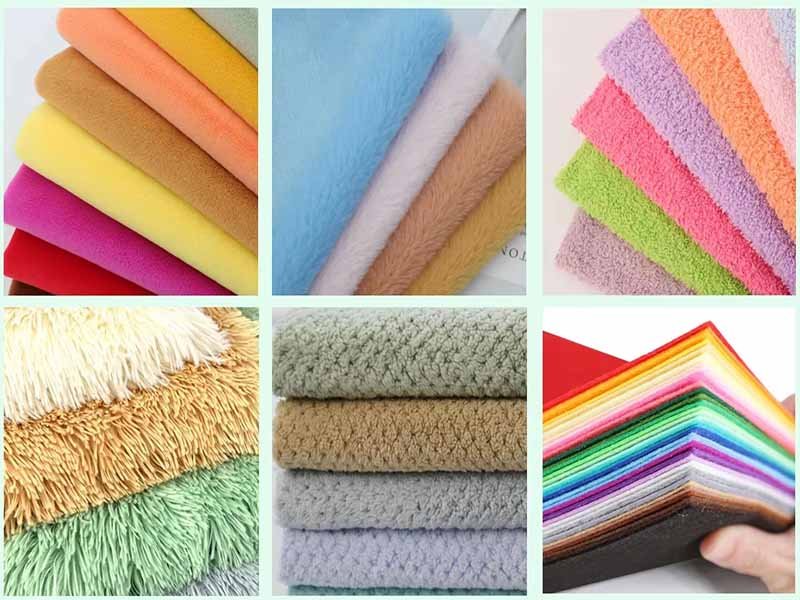
Plush Fabrics
- Character style
- Detail visibility
- Embroidery clarity
- Pattern stability
- Grooming needs
- Packing recovery
- Current availability
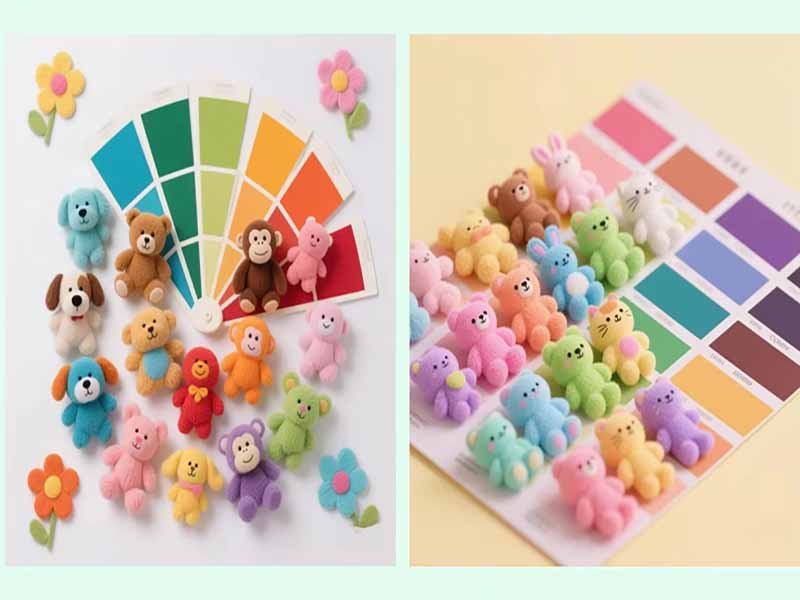
Color Development
- Existing color-card review
- Physical swatches
- Close-color comparison
- Thread and fabric matching
- Packaging-color coordination
- Project-specific dyeing evaluation
- Batch approval

Filling Systems
- Standard polyester filling
- Zoned facial filling
- Firmer body support
- Softer limb filling
- Weighted inserts
- Foam components
- Internal fabric supports
- Recovery evaluation after packing
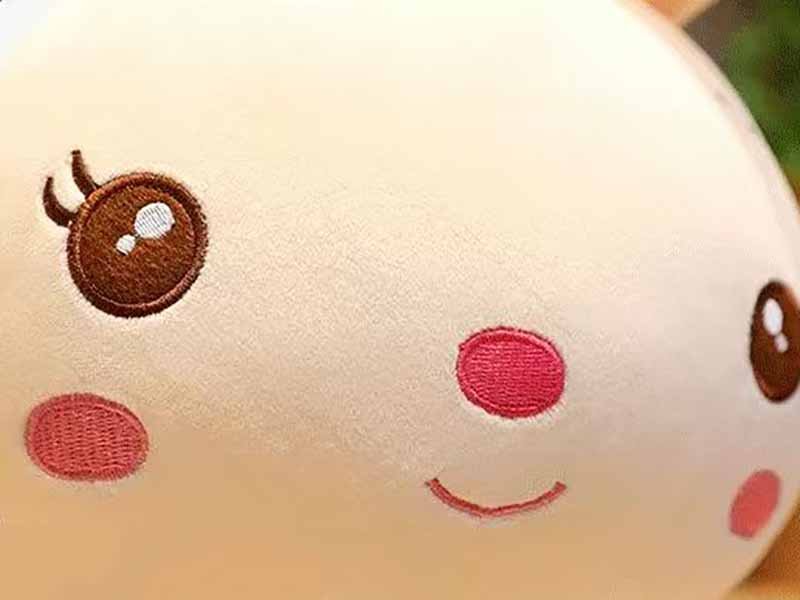
Surface Decoration
- Embroidery digitizing
- Thread selection
- Trial stitching
- Print-method evaluation
- Position templates
- Appliqué development
- Production sample approval
- Final appearance checks
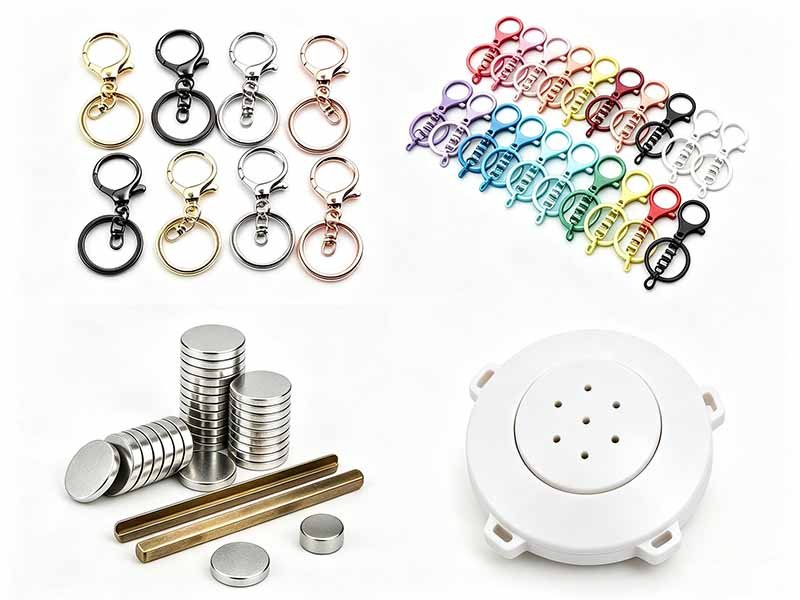
Hardware and Electronics
- Hardware selection
- Load-direction review
- Internal reinforcement
- Module positioning
- Wire and switch planning
- Function-sample review
- Surface protection
- Packaging compatibility
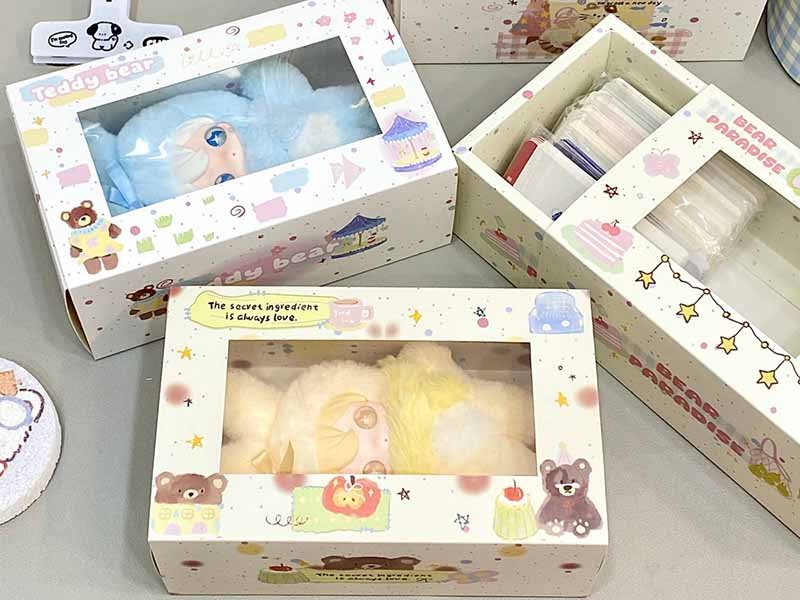
Packaging Materials
- Paper and board selection
- Print finishing
- Windows and inserts
- Protective sleeves
- Barcode labels
- Carton strength
- Tape and closure
- Current supplier requirements
Use Physical Samples to Resolve Product Decisions
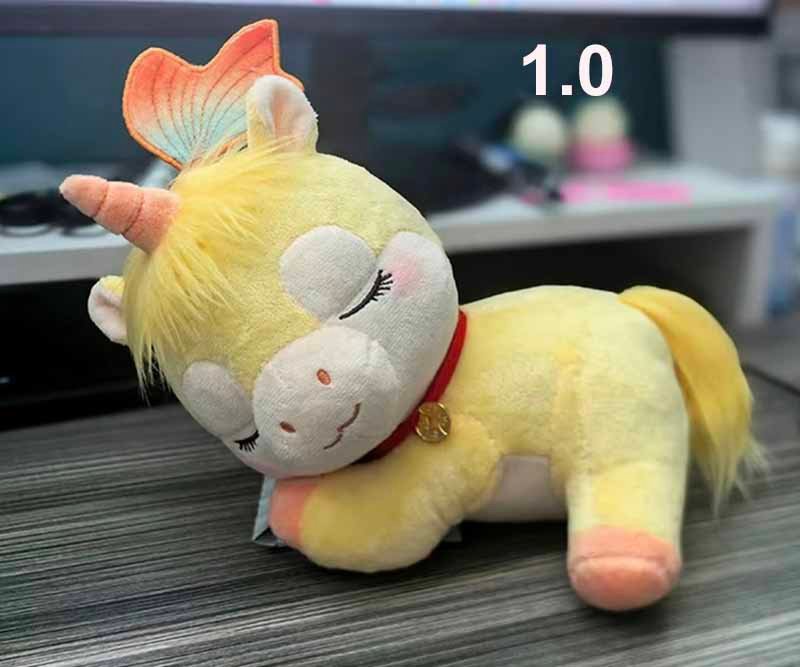
Build the First Development Prototype
A first prototype converts the approved development direction into a physical object. Pattern makers prepare panels, sample teams coordinate materials and decoration, and technicians sew, fill, shape and finish the product. Internal review checks whether the sample is ready for external evaluation. A standard character prototype is often evaluated within approximately 7 to 15 days after required artwork, dimensions, materials, payment and development decisions are sufficiently confirmed. Timing can extend for:
- Complex removable clothing
- Long-pile or uncommon fabrics
- Special internal structures
- Multiple linked SKUs
- Molded components
- Electronic modules
- Retail packaging samples
- Custom-dyed materials
The first sample validates the overall approach. It may use temporary elements when final materials or packaging are not yet available, but every temporary element should be identified. A prototype should not be called production-ready until materials, construction and supporting files reflect the intended bulk product. The review focuses on silhouette, expression, dimensions, material, embroidery, filling, balance, clothing, accessories and workmanship. Clear findings become the starting point for controlled revision rather than informal redesign.

Control Revisions by Version
- Move eyes 3 millimeters inward
- Reduce muzzle projection
- Increase cheek volume
- Shorten the arms
- Change fabric pile
- Adjust ear angle
- Reinforce a keychain loop
- Reduce clothing tension
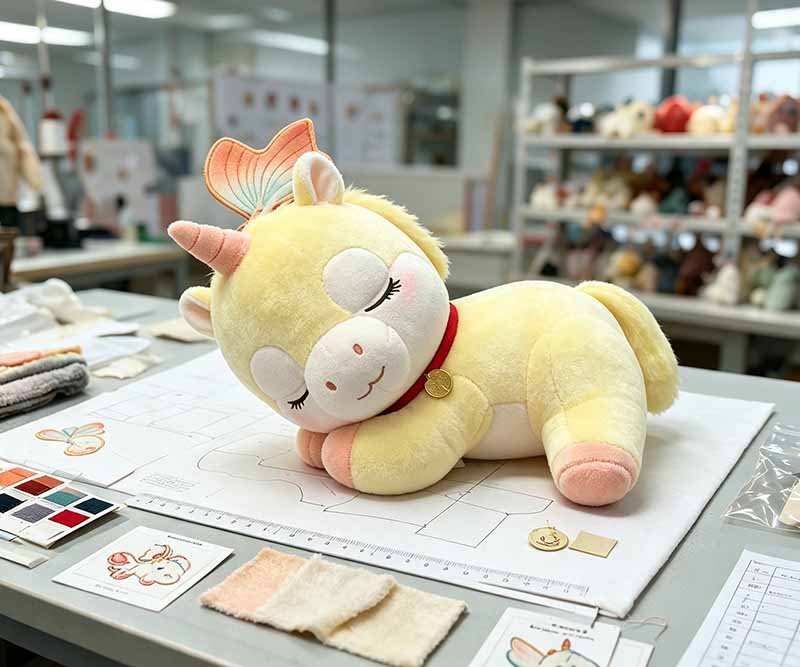
Release Production References Carefully
A Pre-Production Sample or Golden Sample can be prepared when the product direction is stable and production-representative materials are available. Its purpose must be defined because the terms are used differently across organizations. A production reference can confirm:
- Product dimensions
- Fabric and colors
- Embroidery or printing
- Filling and hand feel
- Clothing and accessories
- Workmanship
- Labels
- Unit packaging
- Approved visual appearance
The physical sample does not replace patterns, BOMs, decoration files, packaging artwork or inspection criteria. Production release requires alignment between the sample and supporting documents. Before approval, open exceptions should be listed clearly. For example, a final barcode may still be pending even when the plush product is approved. Production should begin only for the areas covered by the released commercial and technical package.
Translate Approved Samples Into Controlled Production Files
Golden Sample
Key controls include:
- Sample ID
- Approval date
- Applicable SKU
- Approved exceptions
- Storage responsibility
- Retained reference
Pattern Release
Release information includes:
- Pattern version
- Panel names
- Cut quantities
- Left and right identification
- Pile or grain direction
- Effective date
Bill of Materials
A useful BOM records:
- Material description
- Supplier reference
- Color or batch direction
- Quantity per unit
- Applicable SKU
- Approved substitution rules
Decoration Files
Release controls include:
- Artwork version
- Program reference
- Thread or ink colors
- Position template
- Approved trial
- Applicable fabric
Workmanship Notes
Effective notes use:
- Clear photographs
- Measurable instructions
- Critical checkpoints
- Approved alternatives
- Defect examples
- Responsible process
Quality and Packaging Files
The released package may include:
- Quality plan
- Defect classification
- First-piece checklist
- Packaging artwork
- Barcode map
- Carton specification
- Shipment-mark instructions
Scale Approved Designs Without Losing Character Consistency
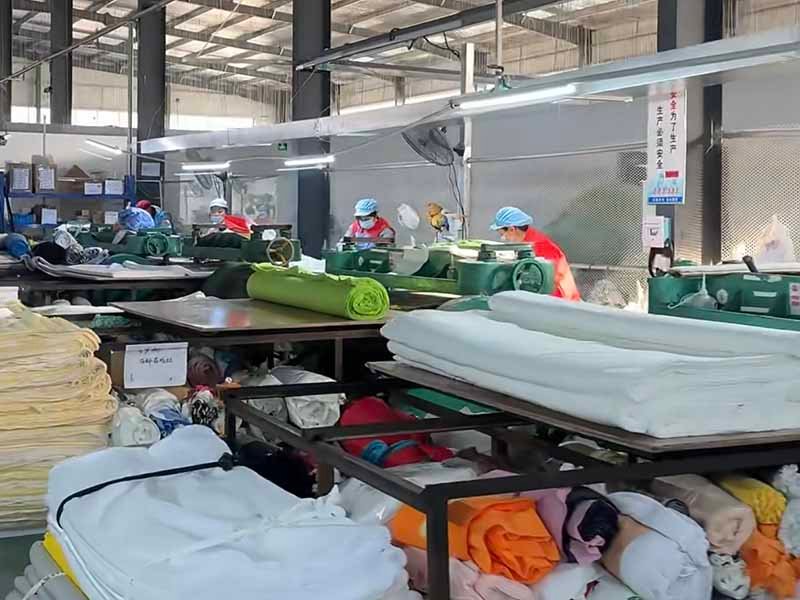
Material Release
Controls can include:
- Approved material status
- Roll and lot identification
- Project allocation
- SKU allocation
- Issue quantities
- Hold or rejection status
- Remaining material records
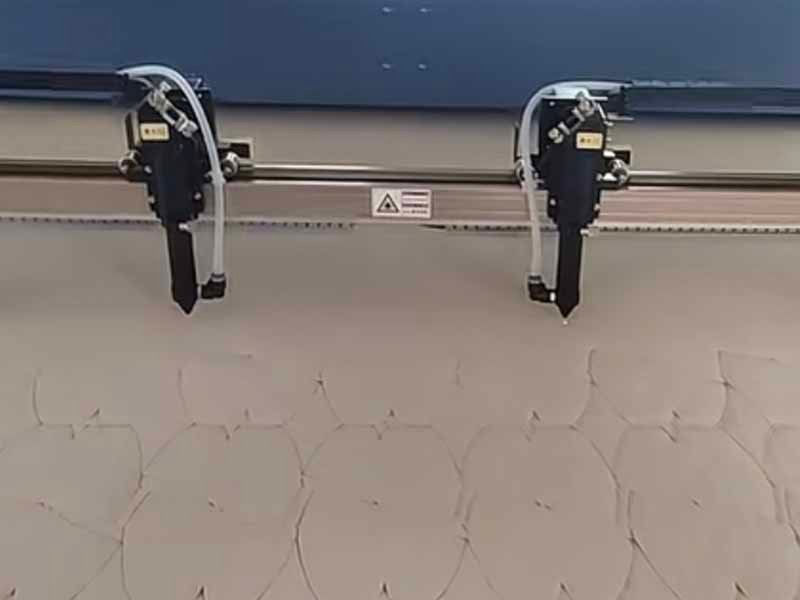
Controlled Cutting
Cutting controls include:
- Current pattern verification
- Fabric-face marking
- Pile and stretch direction
- Layer suitability
- Panel counting
- Defect isolation
- Bundle identification
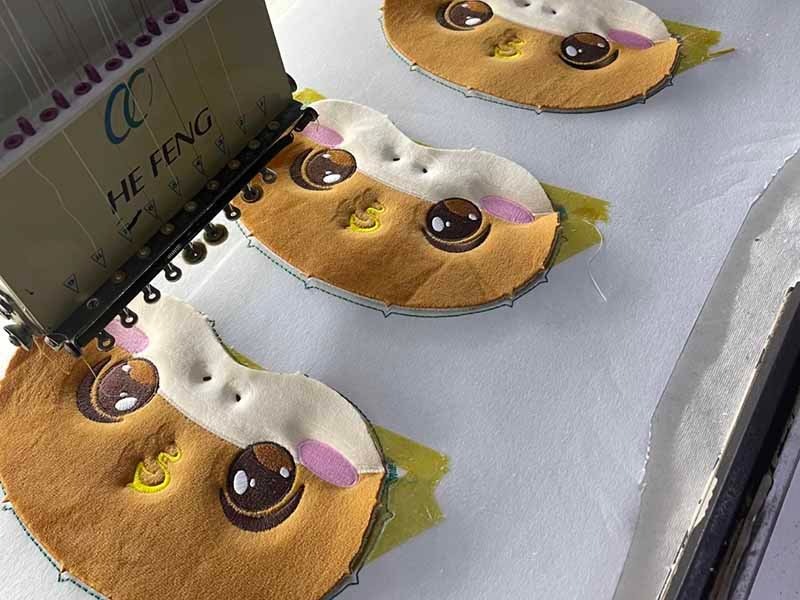
Embroidery and Printing
Control areas include:
- Program version
- Thread or ink color
- Stitch density
- Position
- Fabric distortion
- Surface damage
- SKU separation
- Defective-panel isolation
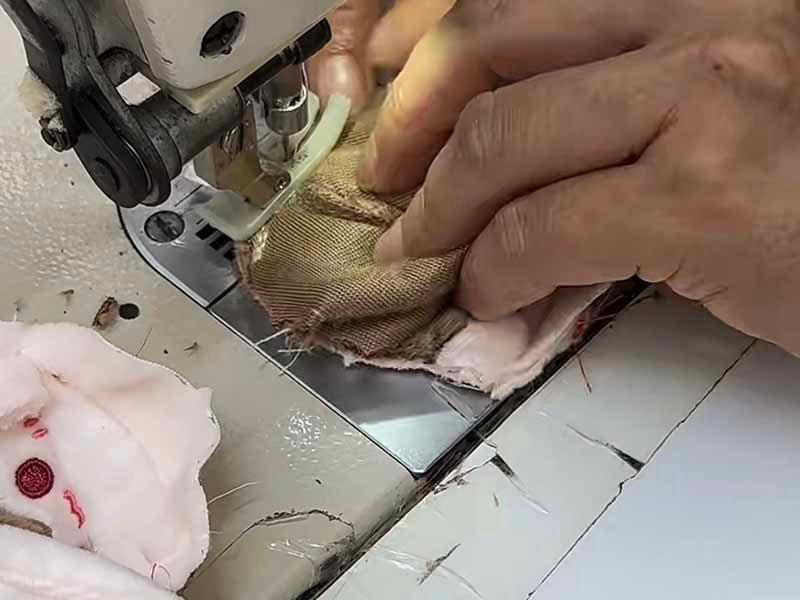
Sewing and Assembly
Manufacturing controls include:
- First-piece approval
- Seam allowance
- Stitch consistency
- High-stress reinforcement
- Accessory direction
- Loose-thread control
- Work-in-process identification
- Repair and reinspection
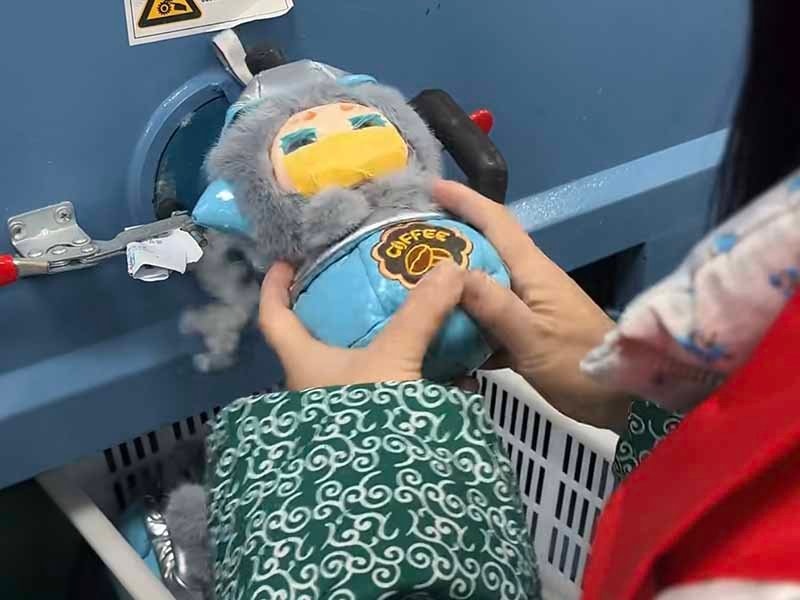
Filling and Shaping
Control areas include:
- Filling material
- Head and facial zones
- Body support
- Limb softness
- Product weight
- Closure quality
- Grooming
- Final silhouette
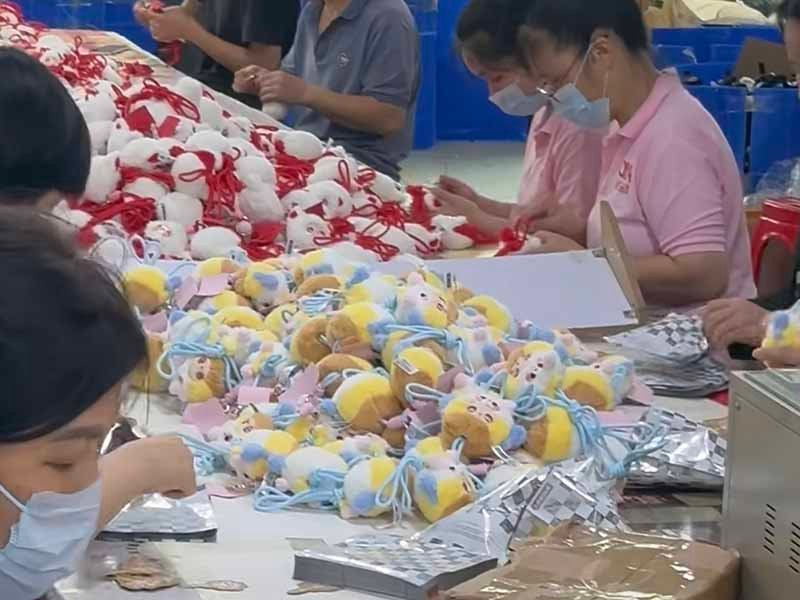
Multi-SKU Separation
Collections require additional controls for characters, colors, embroidery, accessories, labels, boxes and carton ratios. Pufumi can use bundle labels, component kits, workstation references and changeover clearance.
Multi-SKU controls include:
- Individual work orders
- Character-specific bundles
- Accessory kits
- Separate holding areas
- Packaging-code verification
- Changeover records
- Carton mapping
- Assortment checks
Control Quality From Materials Through Shipment Release
Incoming Quality Control
Materials are compared with approved swatches, BOMs, purchase information or test requirements. Items with unclear status remain held until a recorded decision is made. Early control reduces the risk of producing thousands of units with the wrong color, component or packaging version.
Typical evidence includes:
- Incoming inspection record
- Material batch identification
- Approved swatch comparison
- Hold or rejection status
- Corrective supplier follow-up
In-Process Quality Control
The control sequence can include:
- Record the defect
- Identify affected quantity
- Isolate affected work
- Review root cause
- Correct the process
- Reinspect output
- Approve controlled restart
Finished Product Control
Different products require different emphasis:
- Character plush: expression and silhouette
- Bag charms: hardware and hanging balance
- Weighted plush: insert control and total weight
- Electronic plush: function and module placement
- Retail products: labels and presentation
Outgoing Quality Control
Outgoing quality control connects the approved product with unit packaging, barcodes, case packs, cartons and shipping data. A correct plush item can still create a delivery failure when placed in the wrong box or labeled as another SKU.
Outgoing checks can include:
- Packaging version
- Barcode scan
- SKU mapping
- Units per carton
- Assortment ratio
- Carton number
- Gross weight
- Shipping marks
- Packing-list reconciliation
Release follows the agreed quality and commercial conditions rather than a general promise of zero defects.
Prepare Products for Market-Specific Testing and Documentation
Market Definition
- Target countries
- Sales channels
- Import arrangement
- Product type
- Market-specific versions
- Required documents
Target Age
Review areas include:
- Small components
- Long cords or loops
- Hard accessories
- Filling access
- Battery features
- Label statements
- Intended use
- Marketing presentation
Product Risk Review
Potential areas include:
- Detachable parts
- Sharp or hard components
- Magnets
- Metal hardware
- Battery access
- Sound modules
- Weighted inserts
- Long-pile shedding
- Seam access
- Packaging warnings
BOM Preparation
Information can include:
- Fabrics
- Filling
- Thread
- Printing
- Plastic parts
- Metal components
- Labels
- Batteries
- Electronic modules
- Packaging materials
Test Sample Coordination
Coordination covers:
- Sample identity
- Production representation
- Required quantities
- Supporting documents
- Courier arrangements
- Laboratory communication
- Report recipient
- Status follow-up
Corrective Follow-Up
When a test identifies a problem, Pufumi reviews the affected material, structure, label or component and coordinates corrective options. Changes are recorded before new samples are prepared.
Follow-up can include:
- Result review
- Root-cause discussion
- Material replacement
- Structural modification
- Label correction
- New sample preparation
- Retest coordination
- Production-file update
Final legal and market responsibilities remain with the applicable responsible parties.
Develop Packaging Around Product and Channel Requirements
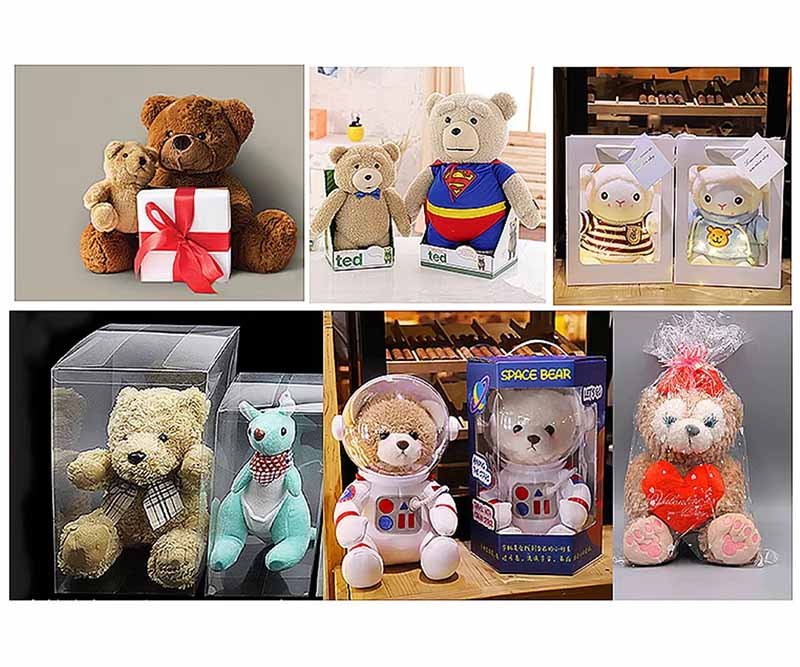
Packaging Strategy
- Product protection
- Retail visibility
- Unboxing experience
- Warning requirements
- Barcode needs
- Packing labor
- Freight volume
- Warehouse handling

Structural Development
- Product fit
- Ear and accessory clearance
- Window position
- Inner support
- Box opening
- Display stability
- Compression risk
- Case packing
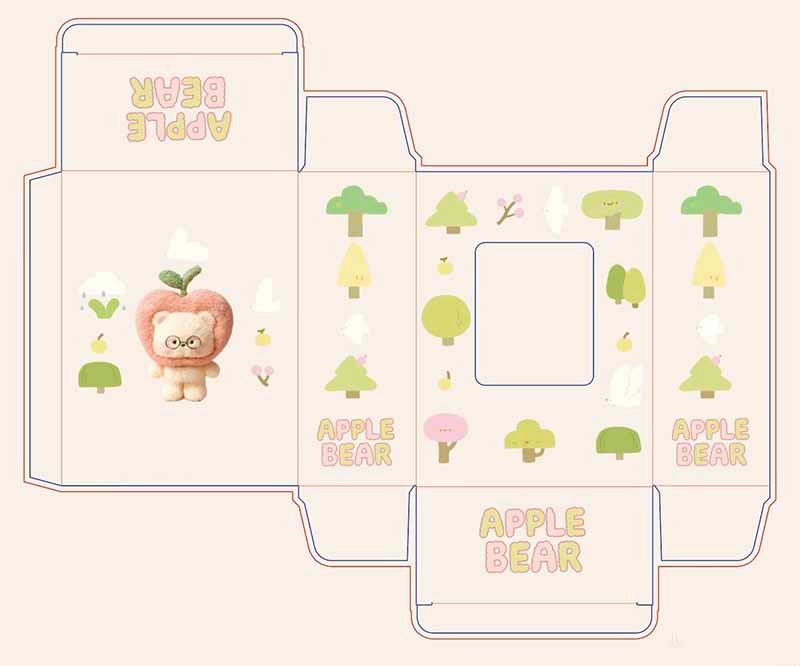
Artwork Coordination
- Character graphics
- Brand logo
- Product name
- Copyright line
- Warnings
- Languages
- Barcode area
- Recycling marks
- Importer information
- SKU code
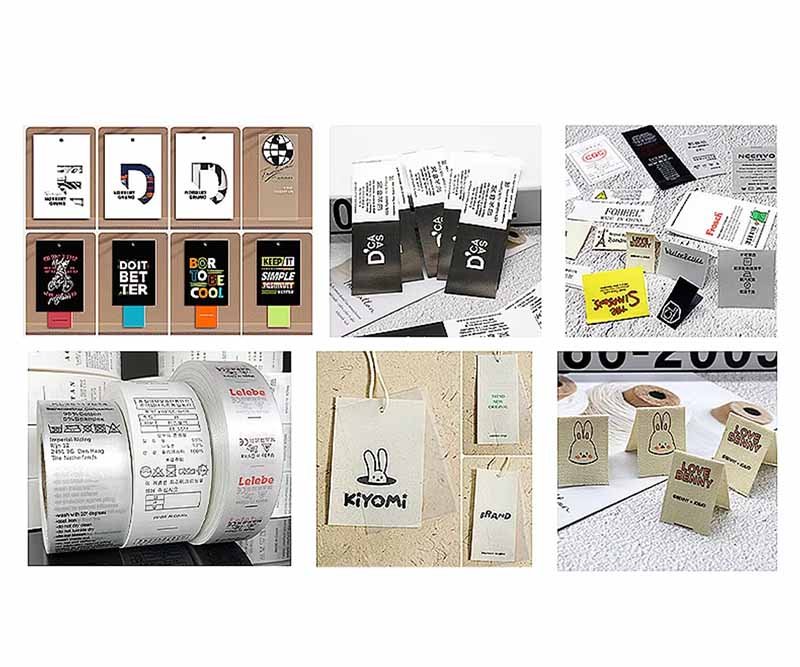
Barcode and Labels
- Code-to-SKU mapping
- Barcode position
- Print quality
- Scan verification
- Label adhesion
- Obsolete-code removal
- Market version
- Carton consistency
Case-Pack Planning
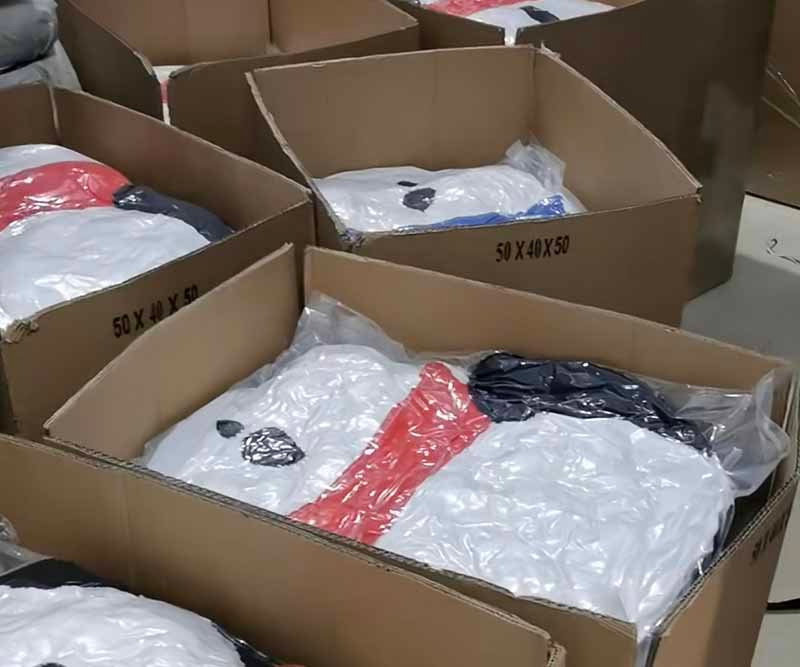
- Units per inner pack
- Units per master carton
- SKU ratios
- Display-carton quantity
- Carton numbering
- Destination allocation
- Pallet requirements
- Warehouse limits
Packaging Trial
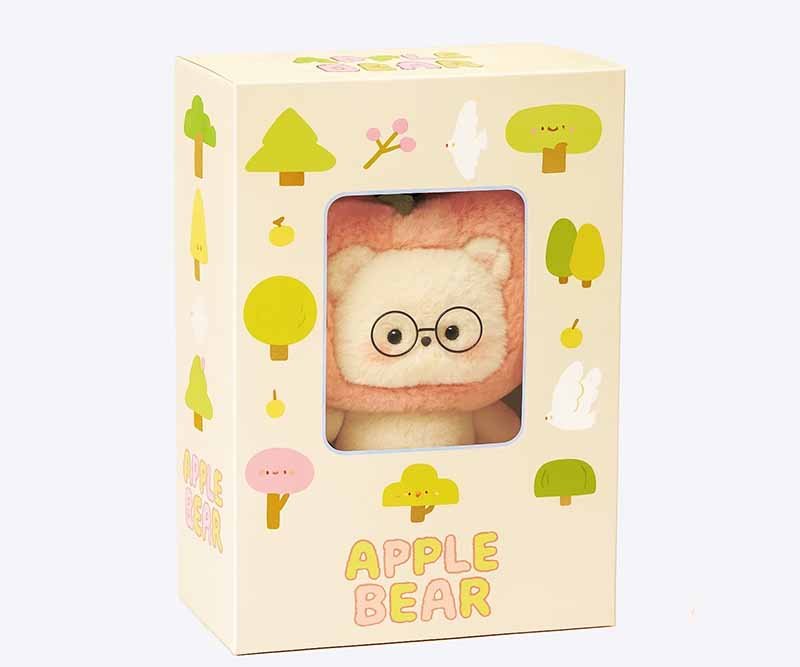
The trial uses the production-representative product and packaging to check fit, protection, appearance and logistics. Large heads, long ears, clothing and rigid accessories can create issues not visible in a flat dieline. Trial review can cover:
- Product insertion
- Shape recovery
- Window alignment
- Creasing
- Surface abrasion
- Accessory movement
- Barcode visibility
- Sealed-carton dimensions
- Case-pack efficiency
Coordinate Freight With Product and Warehouse Requirements
Sample Courier
Planning considers:
- Parcel dimensions
- Gross weight
- Sample value
- Destination
- Import contact
- Tracking information
- Delivery urgency
- Local charges
Air Freight
Planning considers:
- Carton count
- Gross weight
- Volumetric weight
- Product value
- Required arrival date
- Airport or door delivery
- Customs arrangement
- Warehouse appointment
Sea Freight
Pufumi coordinates:
- Final carton data
- Booking information
- Export documents
- Loading preparation
- Container or shipment references
- Handover records
- Destination requirements
- Document follow-up
Split Shipment
Planning requires:
- Quantity by route
- SKU allocation
- Packaging separation
- Carton numbering
- Document separation
- Destination timing
- Inventory priorities
- Cost comparison
Warehouse Preparation
Preparation can include:
- FNSKU labels
- Carton labels
- Case packs
- Mixed-SKU restrictions
- Shipment references
- Pallet requirements
- Gross-weight limits
- Appointment information
Freight Documents
Information can include:
- Commercial invoice
- Packing list
- Carton count
- Net and gross weight
- Total CBM
- Shipping marks
- Product description
- Destination information
- Carrier handover
- Export documentation
Protect Assets, Approvals and Commercial Project Information
Rights and Authorization
- Ownership confirmation
- Licensing information
- Authorized product scope
- Market limitations
- Approval contacts
- Copyright wording
- Trademark requirements
NDA and Confidentiality
- NDA review
- Restricted file access
- Separate project storage
- Controlled sample display
- Photography restrictions
- Authorized communication channels
- Public-case permission
- Access removal after completion
Version Management
- File naming
- Revision date
- Approval status
- Applicable SKU
- Effective version
- Obsolete-file separation
- Change description
- Approver record
Communication Governance
- Main project contact
- Design approver
- Licensing approver
- Commercial approver
- Packaging approver
- Quality contact
- Milestone schedule
- Change-order process
- Urgent escalation path
Protect Product Consistency Beyond the First Order
Project Archive
- Golden Sample
- Pattern versions
- Material references
- Embroidery programs
- Packaging artwork
- Barcode mapping
- Inspection reports
- Carton data
Reorder Review
- Has the design changed?
- Are materials still available?
- Does the supplier use the same batch?
- Has packaging artwork changed?
- Are barcodes still active?
- Have regulations changed?
- Is the destination unchanged?
- Does the previous carton plan still work?
Batch Comparison
- Fabric and dye lot
- Product dimensions
- Facial position
- Filling and weight
- Hardware
- Labels
- Packaging
- Carton configuration
Version Expansion
- Shared body patterns
- New character heads
- New fabric colors
- Alternative accessories
- Premium materials
- New packaging
- Market-specific versions
- Collection launch waves
Delivery Feedback
- Photographs and videos
- Quantity reconciliation
- Packaging condition
- Warehouse issues
- Product findings
- Root-cause review
- Corrective action
- Updated QC criteria
- Revised carton plan
- Reorder recommendations
See How Services Work Inside Commercial Plush Programs
Licensed Character Series
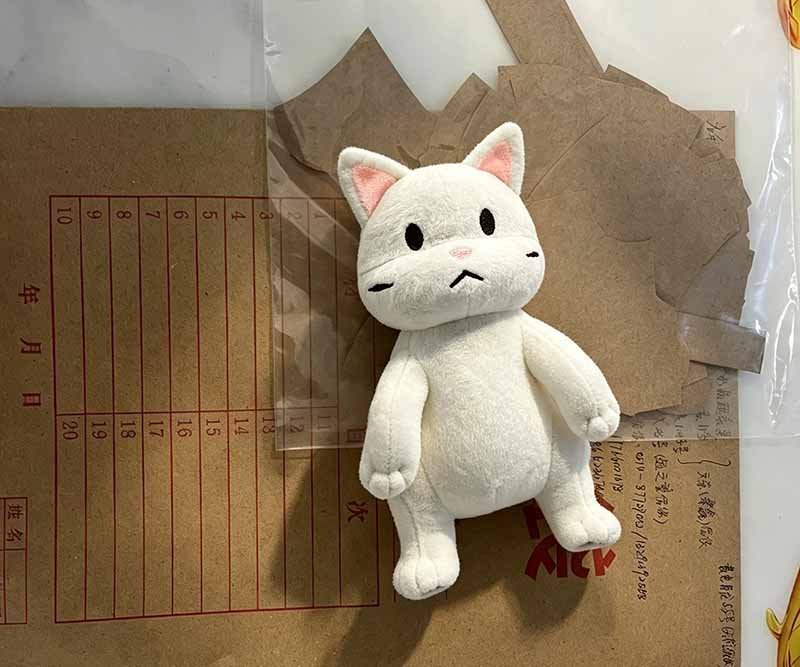
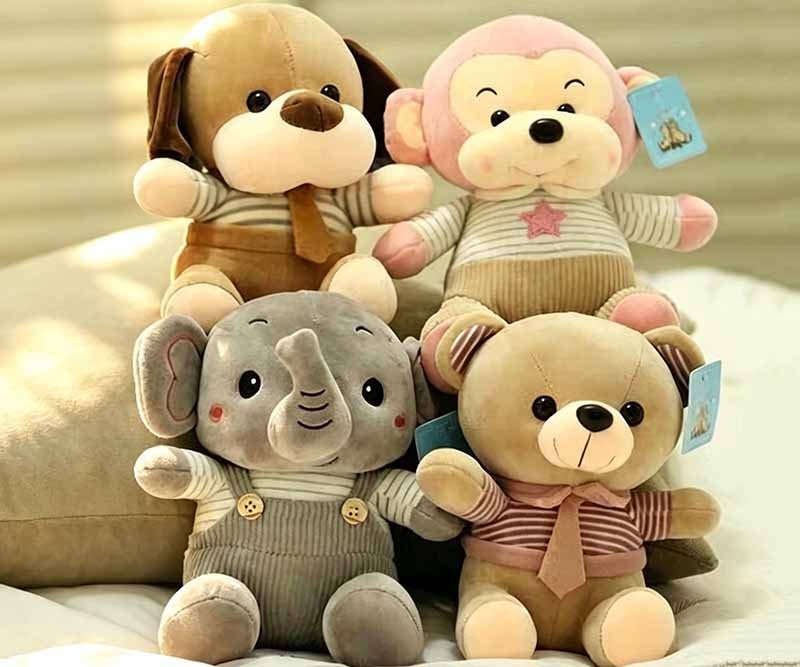
A four-character entertainment program included 4,800 plush products at 22 cm. Each character used an embroidered face, fabric clothing and an individual hangtag. The supplied artwork contained strong front views but limited side and back construction information.
Pufumi first organized the asset package and mapped the facial proportions, head depth, clothing closures and signature features. Pattern engineers created a shared body direction with separate head, ear and clothing files. The first sample stage was planned within approximately 12 to 18 days after artwork, dimensions, materials and development conditions were confirmed.
Revisions addressed eye spacing, cheek width, clothing fit and filling distribution. Production preparation connected Golden Samples with four embroidery programs, BOMs, labels and packing information. Bulk planning required approximately 30 to 45 days after complete product and packaging release.
Program data:
- Quantity: 4,800 pieces
- SKUs: 4 characters
- Size: 22 cm
- Decoration: embroidered faces
- Packaging: hangtag and individual polybag
- Services: engineering, sampling, production, QC and delivery
Collectible Plush Collection
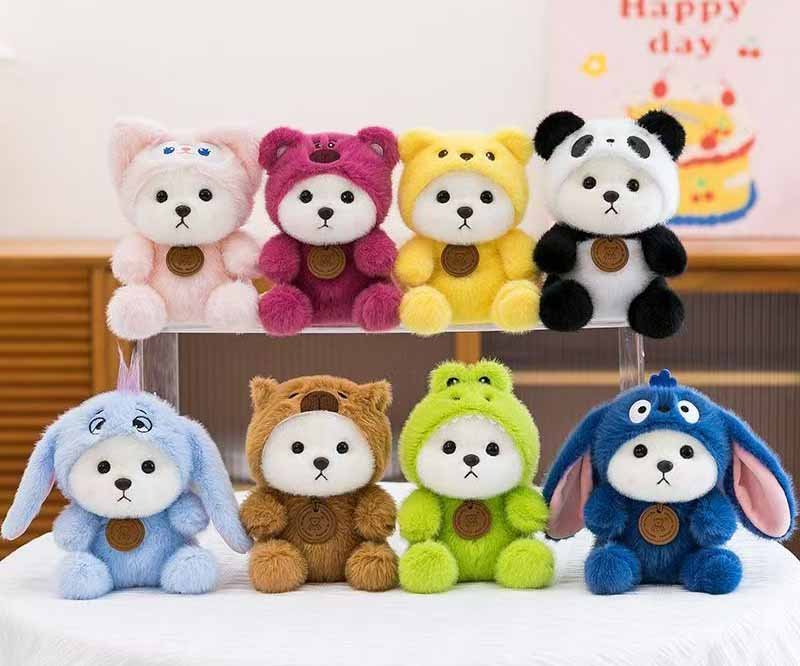
An eight-SKU collectible program included 12,000 mini plush products between 10 and 12 cm. Seven regular characters and one limited variant shared a common body concept but used different faces, ears, colors and accessories. Every item required an individual collection box and controlled assortment.
Pufumi supported SKU architecture, shared-component planning, pattern engineering, eight embroidery programs and packaging-version control. Sample development was planned within approximately 18 to 25 days because all eight designs, collection cards and boxes needed linked approval.
Production used SKU-specific cutting bundles, accessory kits, workstation references and separate finished-product holding areas. Packaging checks verified product identity, box code, barcode and carton ratio. Bulk planning required approximately 40 to 55 days after final sample, assortment, material and packaging release.
Program data:
- Quantity: 12,000 pieces
- SKUs: 8 variants
- Size: 10–12 cm
- Packaging: individual collection boxes
- Assortment: regular and limited variants
- Services: collection planning, development, packaging and multi-SKU control
Retail Mascot Program
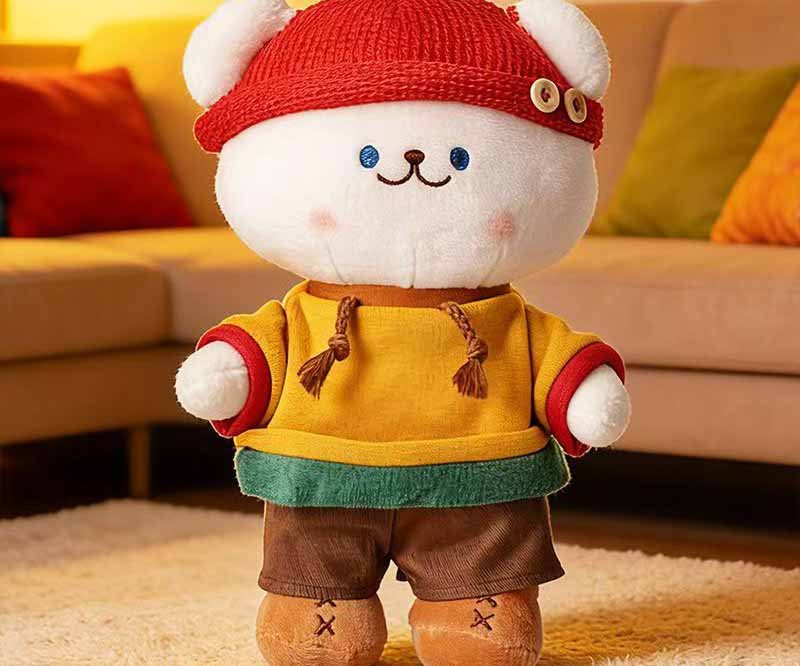
A destination-retail mascot program included 3,600 pieces at 30 cm. The product used short-pile fabric, embroidered branding, a removable costume and a printed retail tag. The recognizable head profile needed to survive international packing without excessive post-arrival reshaping.
Pufumi coordinated character engineering, material selection, zoned filling and packaging trials. The first physical sample was planned within approximately 15 to 22 days after design, size and material direction were confirmed. A carton trial compared case-pack quantity, product recovery and costume creasing.
Production preparation included the Golden Sample, filling reference, costume-attachment method, tag file and barcode mapping. Final checks covered shape, clothing, barcode scans, case packs and sealed-carton dimensions. Bulk planning required approximately 35 to 50 days after complete release.
Program data:
- Quantity: 3,600 pieces
- SKUs: 1 core mascot
- Size: 30 cm
- Packaging: retail tag and individual polybag
- Delivery: sea-freight preparation
- Services: engineering, material, production, packaging and logistics
Trust, Compliance & Production Assurance
Confidence for global brands and complex plush programs
Pufumi evaluates each project according to its target market, age grade, materials, construction, labeling, and packaging requirements. Depending on the assigned production site and project scope, our team can support ISO 9001 quality-management documentation and coordinate testing to EN71, ASTM F963, CPSIA, REACH, and other applicable standards. Factory audits, certifications, and test reports are verified by issuing body, validity period, facility, and product scope, giving brands greater transparency from sample development through controlled production and delivery.














Frequently Asked Questions
Pufumi supports product planning, artwork review, character engineering, pattern development, material sourcing, sampling, bulk manufacturing, quality control, packaging, testing coordination, freight preparation and repeat-order management. Final scope depends on the product, quantity, market and project stage.
OEM normally begins with a developed design or specification supplied by the commissioning organization. ODM involves broader product planning and development support before manufacturing. Many complex plush programs combine elements of both models.
Yes. Development can begin from artwork, character guides, 3D models, photographs or physical references. Pufumi reviews missing information, character landmarks, dimensions, materials and structural risks before creating patterns and prototypes.
A standard first prototype is often evaluated within approximately 7 to 15 days after required files, materials, payment and development decisions are confirmed. Complex structures, multiple SKUs, electronics, custom materials or packaging can require more time.
Yes. Multi-SKU support can cover shared engineering, individual embroidery files, material allocation, sample versions, accessory kits, packaging codes, assortment ratios, production separation and carton mapping.
No. Independent laboratories perform testing and issue reports. Pufumi can help prepare BOM information, representative samples, labels and corrective work according to the agreed market and test scope.
Yes. Packaging services can cover structure, dielines, artwork coordination, labels, barcodes, blind boxes, retail boxes, gift boxes, case packs and master cartons. Final artwork and commercial information require authorized approval.
Pufumi can coordinate delivery to approved 3PL, Amazon or retail warehouse destinations when route and receiving requirements are confirmed. Availability depends on country, shipment size, trade term and logistics arrangement.
NDA arrangements, access controls, version records, restricted sample display and photography rules can be applied. Unreleased artwork, packaging, costs, quantities and launch information are not published without applicable permission.
Pufumi compares new orders with archived patterns, BOMs, material references, Golden Samples, packaging files and quality records. Current material availability, quantities, regulations and delivery conditions are also reconfirmed before release.
Build Your Plush Program With the Right Services
Share the available artwork, product objective and current development stage so Pufumi can identify the services required before quotation, sampling or production begins. A useful review connects creative direction with size, quantities, materials, market requirements, packaging and the required warehouse date. Missing information can be listed and resolved through a structured development plan rather than hidden inside assumptions.
For confidential programs, an NDA can be discussed before detailed character assets or launch information are transferred. Formal costs, sample scope, production milestones and delivery responsibilities are confirmed in the quotation, Proforma Invoice and applicable agreement.
Please provide:
- Company name and business email
- Artwork or character references
- Product type
- Target size
- Estimated quantity
- Number of SKUs
- Target market
- Intended age
- Material direction
- Packaging requirements
- Required warehouse date
- Current project stage
- Services required
- Target cost when available
- Testing requirements
- NDA requirement