Skip to content

Private Label Plush Manufacturer
Build distinctive plush collections around your brand, channel, and customer.
- 58+ specialists translate brand positioning into manufacturable plush product structures.
- 6 sample lines support parallel concepts, revisions, and assortment approvals.
- Custom labels, hangtags, packaging, and barcodes strengthen retail identity.
- Golden Samples and controlled BOMs preserve approved private-label specifications.
- 35+ quality specialists verify workmanship, branding details, and packing accuracy.
- Multi-SKU planning supports coordinated launches, replenishment, and seasonal extensions.
What Private Label Plush Manufacturing Really Means
Private Label
- Product identity belongs to the commissioning brand.
- Specifications are created around the intended channel.
- Approved files become the basis for production and reorders.
- Branding extends beyond placing a logo on an existing toy.
White Label
- Development work is relatively limited.
- Similar products may be offered to multiple brands.
- Product differentiation depends mainly on presentation.
- White label suits programs where speed matters more than exclusive construction or character ownership.
OEM Manufacturing
OEM production follows a design, character asset, specification or reference supplied by the commissioning brand. Pufumi translates those inputs into patterns, embroidery files, material selections, samples and controlled production documents.
- The brand defines the product direction.
- Pufumi evaluates manufacturability and production risks.
- Prototype approval precedes production release.
- Final output follows approved specifications rather than a generic catalog product.
ODM Development
ODM development gives Pufumi a broader role in shaping the product. A brand may begin with a concept, mood board, market position or partial artwork rather than a completed technical specification.
- Product architecture is developed collaboratively.
- Materials, sizes and construction methods are recommended.
- Prototype findings guide design refinement.
- Ownership, confidentiality, exclusivity and approval rights are defined through the project agreement.
Private Label Programs for Established Brand Teams
Toy Brands
- Core plush, mini plush and collectible editions
- Shared construction across related characters
- Entry, core and premium price tiers
- Seasonal additions and continuing replenishment
Retail Programs
- UPC, EAN or channel-specific barcode placement
- Legal, care and brand label control
- Carton marks and packing quantities
- Packaging versions for different markets or channels
Lifestyle Brands
- Signature colors and material textures
- Mascots, bag charms and gift products
- Packaging aligned with existing brand guidelines
- Premium surface treatments and accessory details
Entertainment Companies
- Character proportion and expression control
- Style-guide and approval tracking
- Copyright line and trademark placement
- Confidential handling of unreleased assets
Mature Online Brands
- Branded inserts and presentation packaging
- 3PL, marketplace or direct warehouse preparation
- Product and carton labeling
- Reorder files for continuing inventory programs
Destination Retail
- Destination-exclusive characters
- Core and souvenir-size collections
- Gift-shop-ready tags and packaging
- Seasonal, anniversary and event editions
What a Complete Private Label Program Delivers
Approved Prototype
Production-Ready Files
Production requires released information covering pattern pieces, materials, embroidery, printing, filling, accessories, labels, packaging and market versions. Verbal approvals and scattered email comments are not enough for stable manufacturing. Pufumi organizes project codes, SKU codes, sample versions, released BOM information and approved artwork so production teams work from the same controlled version.
Retail Presentation
Repeatable Supply
Private Label Plush Products We Develop

Character Plush

Mascot Plush

Collectible Plush

Blind Box Plush

Mini Plush

Plush Keychains

Plush Bag Charms

Retail Gift Plush
Customize More Than a Logo

Shape and Proportion
- Character-defining proportions are identified early.
- Two-dimensional details are translated into sewable forms.
- Balance and sitting stability are reviewed.
- Critical dimensions are added to the specification.

Size and Position
- Embroidery and small details must remain producible.
- Hardware should stay proportional to the plush body.
- Packaging dimensions follow the finished product.
- Positioning is checked from standard viewing angles.

Fabric and Texture
- Pile length affects visible detail.
- Stretch affects finished dimensions.
- Sheen changes color appearance.
- Density influences softness and shape retention.

Color and Embroidery
- Thread numbers are recorded.
- Embroidery position is measured.
- Color samples are approved before bulk use.
- Dense embroidery is evaluated for surface distortion.

Clothing and Accessories
- Decorative and load-bearing components are separated.
- Removable parts are reviewed against the intended age.
- Layering and seam thickness are evaluated.
- Final assembly order is documented.

Filling and Handfeel
- Face volume supports expression.
- Body density supports posture.
- Limbs require consistent filling.
- Weighted areas need separate containment.

Hardware and Functions
- Hardware material and finish are specified.
- Attachment points receive reinforcement.
- Electronic cavities protect wiring.
- Functional checks are defined before packing.

Packaging and Presentation
- Product movement inside the pack is reviewed.
- Barcode locations remain scannable.
- Market information matches the SKU.
- Carton configuration supports delivery requirements.
Build a Complete Plush Branding System
Woven Brand Labels
Printed Care Labels
Custom Hangtags
Copyright Markings
Story and Insert Cards
Branded Product Details
Retail Packaging
Carton Identification
From Brand Concept to Production-Ready Plush
Organizing the Product Brief Before Pattern Development
A reliable program starts with a clear set of inputs. Pufumi reviews available character files, product purpose, intended size, quantity, target market, age positioning, packaging, budget direction and required delivery date. Front artwork alone may show the face and color, but it rarely explains depth, rear construction, side profile or how a product should sit.
Useful inputs can include:
- Front, side and rear views
- Expression references and close-up details
- Brand color standards
- Logos and approved copyright wording
- Intended size or retail price position
- Material preferences
- Packaging references
- Market and age information
- Planned quantities by SKU
- Launch or warehouse arrival date
When complete files are unavailable, Pufumi identifies missing decisions before pattern work begins. A character may need clarification around ear thickness, tail position, clothing layers or whether a graphic detail should become embroidery, printing, appliqué or a separate fabric panel.
The first engineering goal is not to reproduce every drawn line. The goal is to preserve the product’s recognizable identity in a soft, three-dimensional structure. Features considered essential are separated from details that can be simplified without damaging recognition. Early clarification reduces unnecessary sample revisions and prevents important commercial requirements from appearing after cost, pattern and packaging decisions have already been made.
Translating Two-Dimensional Artwork Into Sewable Geometry
- Which forms require separate pattern pieces
- Where seams can be hidden or used constructively
- How facial panels create cheeks, muzzle or forehead volume
- Whether ears, tails or wings need internal support
- How clothing interacts with the plush body
- Where embroidery should sit before assembly
- Which details become unsafe or unstable at smaller sizes
Converting Surface Details Into Controlled Production Files
Eyes, mouths, markings, logos and garment graphics often determine whether a branded plush looks accurate. Surface details cannot be managed only by eye. Artwork must be converted into files suited to the selected fabric, product size and manufacturing process.
Embroidery development covers:
- Finished dimensions
- Thread colors and sheen
- Stitch density and direction
- Registration points
- Placement relative to seams
- Distortion caused by filling
- Minimum line thickness
Printed graphics require evaluation of fabric type, ink system, color behavior, pattern alignment and handfeel. Appliqué or layered fabric may work better for large solid areas, while embroidery may be preferable for small durable features. Long-pile materials may require trimming or alternative construction so details remain visible.
Before production release, approved embroidery, printing and appliqué files are linked to the correct SKU and pattern version. Placement references are built into cutting or assembly instructions. During production, first pieces are compared with the approved sample so facial features and brand marks do not drift because of panel positioning, stretch or operator interpretation.
Releasing a Product for Controlled Manufacturing
Prototype approval is followed by production preparation, not immediate sewing. Pufumi converts approved decisions into a Production File Package covering product, material, process, packaging and inspection information.
A release package may include:
- Final pattern version
- SKU and project codes
- Approved BOM
- Critical dimensions and tolerances
- Fabric codes and pile directions
- Embroidery and print files
- Filling targets
- Accessory attachment details
- Label and packaging artwork
- Carton configuration
- Quality checkpoints
- Approved sample references
Unresolved information is kept out of production release. A pending barcode, unapproved color, missing warning or changed packaging size can affect multiple downstream steps. Any modification after release should enter a documented change process covering cost, timing, quality, compliance and affected quantities.
Production readiness means the approved design can be understood by cutting, embroidery, sewing, filling, inspection and packing teams without relying on the memory of a single sample maker. The result is a product system capable of supporting hundreds or thousands of pieces, later replenishment and controlled SKU extensions.
Materials Selected for Product Positioning

Minky and Microfiber
- Pile and stretch are recorded by material code.
- Embroidery density is tested on the selected surface.
- Color appearance is reviewed under real lighting.
- Filling is adjusted to avoid overstretching.

Short Plush
- Short pile exposes seam and embroidery accuracy.
- Pattern quality cannot be hidden by long fur.
- Color matching remains visually important.
- Surface direction is controlled during cutting.

Velboa Options
- Weight and density affect perceived quality.
- Surface pattern can influence character appearance.
- Batch color and handfeel are compared.
- Suitability depends on price position and use.

Faux Fur
- Pile direction is marked on every panel.
- High-detail facial zones may use shorter materials.
- Loose-fiber and grooming performance are checked.
- Compression and shape recovery need evaluation.
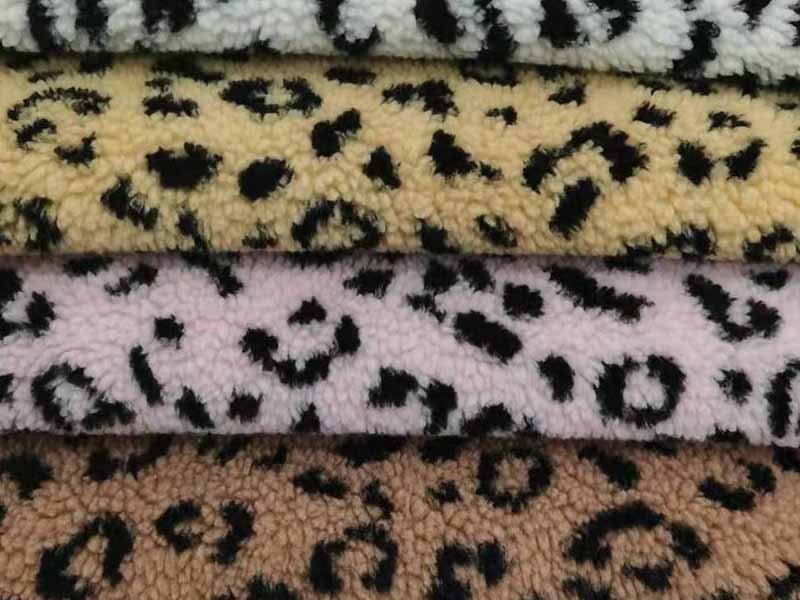
Printed and Dyed Fabrics
- Custom-dyed materials commonly require Pantone review.
- Printed panels need direction and placement control.
- Colorfastness is assessed according to product needs.
- Reorders require renewed batch comparison.

Specialty Components
Velvet, fleece, sherpa, garment fabrics, ribbons, webbing and specialty textures can create product differentiation. Selection should consider sewing behavior, fraying, thickness, color, care and compatibility with the main plush material.
- Premium appearance must remain producible.
- Thick layers affect seam allowance.
- Mixed materials may require separate inspections.
- Substitutions are submitted for approval before use.
Pattern, Structure and Sewing Engineering Behind Every Plush
Pattern Pieces Create the Product’s Three-Dimensional Form
- Main head and body panels
- Facial and muzzle panels
- Limb, ear, wing and tail panels
- Clothing and accessory panels
- Decorative appliqué panels
- Internal support or reinforcement parts
Seam Placement Balances Appearance and Manufacturing Stability
Seams shape the product, join materials and carry load. Their position influences visual cleanliness, turning access, filling, embroidery alignment and long-term strength. A seam hidden in artwork may need to move slightly for stable production, while a visible seam can sometimes support a deliberate facial or costume line. Engineering decisions include:
- Seam allowance suitable for the fabric
- Curves that can be sewn consistently
- Reinforcement at limbs, tails and attachments
- Turning and filling openings
- Joining order for layered components
- Thread type and stitch control
- High-risk seams requiring extra checks
Faces require close attention because small seam changes affect expression. Eye level, mouth angle and cheek volume are influenced by panel alignment and filling pressure. Clothing also introduces intersection points where several layers meet, increasing thickness and sewing difficulty. Load-bearing attachments require more than surface stitching. Bag-charm hardware, large tails, handles and accessories may use internal webbing, reinforced seams or hidden structural connections. The expected load direction is considered during development and inspection. Seam design is then transferred into sewing instructions, first-piece approval and process checks. Operators should not need to decide individually how much fabric to take at a critical curve or where a reinforcement begins. Controlled methods reduce shape drift and improve the relationship between the approved sample and bulk output.
Filling and Internal Support Complete the Engineered Shape
- Filling material and resilience
- Total target weight
- Regional filling density
- Filling sequence
- Face and muzzle shaping
- Base stability
- Internal supports or weighted inserts
- Opening closure and final seam finish
A Structured Sampling and Revision Process
Feasibility Review
First Prototype
Revision Sample
Engineering Sample
Pre-Production Sample
Golden Sample
MOQ, Cost and Timeline Planning
MOQ and lead time depend on the complete product system, including SKU structure, materials, manufacturing steps, packaging, testing and the required delivery destination.
| Planning Factor | Manufacturing Impact | Typical Planning Reference |
|---|---|---|
| Core Plush Quantity | Pattern setup, line balance, material allocation and packing efficiency | Core plush is commonly evaluated from 500 pieces per SKU |
| Mini Plush and Charms | Small pattern pieces, embroidery precision, hardware and higher handling frequency | Mini plush, keychains and bag charms are commonly evaluated from 1,000 pieces per SKU |
| Standard Prototype | Pattern work, stocked materials, sewing, filling and internal review | Common internal reference: 7–12 working days |
| Complex Prototype | Custom structure, clothing, electronics, special materials or multiple revisions | Common internal reference: 12–20 working days |
| Multi-SKU Sample Group | Parallel pattern work, shared standards and separate approval records | Common evaluation range: 15–30 working days |
| Stocked Fabric | Existing colors may shorten material preparation | Availability and lot consistency must still be verified |
| Custom-Dyed Fabric | Color sampling, dye-lot approval and larger material commitments | Common material MOQ: 500–1,000 meters |
| Printed Fabric | Artwork calibration, print testing and panel direction | Common material MOQ: 100–300 meters |
| Woven Labels | Artwork, yarn, fold and production setup | Common supplier MOQ: 1,000–3,000 pieces |
| Retail Boxes | Structural development, print proof, production and assembly | Common supplier MOQ: approximately 1,000 pieces |
| Multi-SKU Programs | More patterns, files, materials, changeovers and packing controls | Quantity is evaluated per design, color, size and packaging version |
| Peak-Season Production | Material, factory, packaging and freight schedules tighten together | Major programs should normally lock plans 8–12 weeks earlier |
Final quotation begins after product size, SKU quantity, target market, materials, branding, packaging and delivery target are reviewed together. A total project quantity cannot automatically replace the minimum required for every unrelated design.
Plan a Scalable Private Label Plush Collection
Hero SKU
- Clear retail identity
- Balanced size and margin structure
- Strongest brand or character expression
- Designed for continuing availability when appropriate
Entry SKU
- Simplified without losing recognition
- Compact packaging
- Suitable for add-on and impulse purchases
- Hardware and embroidery scaled carefully
Premium SKU
- Distinct material or finish
- Stronger unboxing experience
- Additional engineering and QC
- Separate margin and packaging review
Limited SKU
- Clear edition boundaries
- Separate SKU and artwork control
- Material availability reviewed
- Reorder eligibility stated in advance
Replenishment SKU
- Retained samples and files
- Approved material alternatives
- Forecast and material planning
- Version continuity across batches
Shared Architecture
- Shared and unique components mapped
- SKU codes remain separate
- Common materials planned together
- Packing controls prevent cross-mixing
Controlled Production from Material to Final Packing

Material Inspection

Cutting Preparation

Embroidery and Printing

Sewing Assembly

Filling Control

Shaping and Assembly

Product Inspection

Packing Release
How Approved Samples Become Stable Bulk Production
Golden Sample Control
- Sample photographs do not replace the physical reference.
- Critical features are marked.
- Approved changes create a new controlled version.
- Reorders are compared with retained records.
Released Production Files
- Every SKU receives a clear code.
- Pending information is excluded from release.
- Departments use synchronized files.
- Changes require documented approval.
First-Piece Approval
- Critical dimensions are measured.
- Expression and silhouette are compared.
- Sewing and attachment risks are reviewed.
- Approved first pieces guide continuing production.
Tolerance and Inspection
- Character-defining features receive tighter control.
- High-risk attachments may require full checks.
- General appearance can use structured sampling.
- Out-of-limit findings trigger correction and segregation.
Quality Control Across Every Production Stage
Incoming Material Control
- Incorrect lots are separated.
- Replacement materials need approval.
- Material codes remain linked to production batches.
- High-risk components receive stronger verification.
Cutting Verification
- Critical face pieces may use templates.
- Pile direction is reviewed.
- Similar colors are separated.
- Bundled quantities match planned production sets.
Embroidery Inspection
- First pieces are approved.
- Thread codes are documented.
- Distorted fabric is rejected.
- Incorrect files are blocked before larger runs.
Sewing Checks
- Defects are corrected near the source.
- Repeated defects trigger process review.
- Line findings are recorded.
- Accepted output moves to filling.
Filling and Shape
- Face volume supports expression.
- Limbs remain consistent.
- Bases support intended sitting position.
- Weighted inserts receive separate checks.
Attachment and Function
- Components match the correct SKU.
- Functions are tested before packing.
- Loose or missing parts are segregated.
- Electronic modules may require full functional checks.
Final Inspection
- Inspection level follows project risk.
- Findings are classified consistently.
- Failed lots require corrective action.
- Records remain linked to the production batch.
Traceability Records
- Material issues can be traced to affected production.
- Production batches can be traced to cartons.
- Market and packaging versions remain identifiable.
- Reorder comparisons use prior records.

Compliance Planning for Your Target Markets
Product Classification
- Intended age and foreseeable use are reviewed.
- Small parts and detachable elements are identified.
- Electronic, weighted or functional features are documented.
- Classification guides testing and label decisions.
United States Programs
- Applicable sections depend on the product.
- Samples must represent intended production.
- Pufumi supplies manufacturing and BOM information.
- Certificate responsibility remains with the legal issuing party.
European and UK Programs
- Destination is confirmed before packaging approval.
- Market versions receive separate codes.
- Test and technical files follow the agreed route.
- Current requirements are reviewed before final print.
Manufacturing Support
- Factory support does not replace legal responsibility.
- Audit certificates do not equal product compliance.
- Every report must match the correct SKU and version.
- Changes after testing may require renewed assessment.
Retail-Ready Packaging Under Your Brand

Woven and Care Labels

Custom Hangtags

Protective Polybags

Paper Sleeves

Display Boxes

Gift Packaging

Barcode Systems

Shipping Cartons
Prepared for FBA, 3PL and Retail Distribution
Amazon FBA
- FNSKU version matches the product.
- Carton content is recorded.
- Mixed and single-SKU rules are followed.
- Shipment labels are applied in the required position.
Third-Party Logistics
- Warehouse instructions are collected early.
- Carton numbering supports reconciliation.
- Pallet or parcel requirements are confirmed.
- Proof of delivery enters the shipment record.
Retail Distribution Centers
- Routing instructions become project requirements.
- Market and store programs remain separated.
- Carton and pallet data are checked.
- Final delivery targets include receiving time.
Direct Brand Warehouses
- Packing configuration is approved.
- Destination and contact details are recorded.
- Split shipments receive separate shipment codes.
- Signed receiving or delivery records close the batch.
Protecting Your Brand, Designs and Product Files
NDA and Confidentiality
- Legal entity and signing authority are confirmed.
- Confidential scope and permitted use are defined.
- Access is limited to relevant project personnel.
- An NDA becomes effective only after proper execution.
Rights Confirmation
- Rights holder or authorization source is identified.
- Product category and territory are reviewed.
- Copyright and trademark instructions are recorded.
- Counterfeit or unauthorized projects are not accepted.
File and Sample Control
- Project codes connect related files.
- Old versions remain archived.
- Golden Samples receive controlled retention.
- Restricted materials are separated from public media libraries.
Exclusivity Terms
- Exclusive and shared elements are identified.
- Tooling or development ownership is clarified.
- Duration and territory are recorded.
- Commercial conditions are agreed before production.
A Manufacturing System Built for Brand Programs
Shenzhen Project Management
Dongguan Core Factory
Foshan Production Support
Specialist Supply Network
From Private Label Brief to Retail Delivery
Eight-SKU Collection Developed From One Brand World
A North American direct-to-consumer brand planned an eight-SKU private label collection based on a unified character world. The assortment included four core plush products, two mini plush products and two bag charms. Finished sizes ranged from approximately 10 cm for the smaller accessories to 18 cm for the core products. Planned production totaled 4,800 pieces, with quantity distributed according to product role rather than divided evenly.
The initial brief included front artwork, brand colors, product names and packaging references, but side profiles, rear construction and accessory attachment methods were incomplete. Pufumi organized the program into shared and SKU-specific decisions.
Shared standards included:
- Core facial embroidery style
- Main fabric family
- Filling handfeel
- Brand label construction
- Hangtag dimensions
- Carton identification format
SKU-specific work covered body patterns, costume details, hardware, color combinations and final dimensions. Shared architecture reduced unnecessary variation, while each character retained a distinct silhouette and identifying features.
The engineering review also found that two planned costume details were too thick for the 10 cm products. Those features were converted into embroidery and appliqué rather than using the same layered construction planned for the 18 cm products. The change preserved recognition, reduced seam bulk and improved repeatability at smaller scale.
Sampling Resolved Expression, Scale and Material Differences
The eight-SKU sample group moved through a structured development cycle over approximately 24 working days after files, sample arrangements and key material direction were confirmed. The first sample review focused on proportion, facial identity, fabric behavior and hardware scale.
Two major issues appeared during V1 evaluation. First, the long-pile fabric proposed for one character covered the mouth and reduced the visual contrast around the eyes. Second, the bag-charm hardware pulled the fabric attachment point upward, changing the head angle when the product was suspended.
Pufumi revised the construction by:
- Replacing long pile around the face with a compatible short-pile material
- Adjusting embroidery position after the material change
- Adding a hidden internal reinforcement for the hardware
- Moving the attachment point closer to the product’s center of gravity
- Reducing filling near the upper head to improve hanging posture
A second sample round confirmed the revisions. Final approval records covered dimensions, embroidery, materials, handfeel, accessories and branding. Golden Samples and retained references were organized by SKU. Production files also distinguished the two hardware types and three packaging sizes used across the collection.
The approval process avoided treating a visually attractive sample as automatically ready for production. Small-scale sewing access, reinforcement, filling and packaging fit were reviewed before release.
Production and Packing Prepared for 3PL Receiving
Bulk production followed released patterns, BOM information, embroidery files, filling targets and packaging versions. Similar colors were separated during cutting and bundled by SKU. First production pieces were compared with Golden Samples before continuing output.
Quality control emphasized:
- Facial embroidery position
- Head and body proportion
- Hardware attachment
- Filling consistency
- Woven label orientation
- Hangtag and barcode version
- Product-to-packaging match
The packing plan used distinct SKU labels, carton numbers and a master packing list aligned with the appointed United States 3PL. Every carton identified product code, quantity, carton sequence and destination information. Barcode samples were scanned before full packing, and carton data were checked again before handover.
The 4,800-piece program completed final inspection and shipment preparation under the approved quality plan. The result was not only a delivered order. The brand also received a controlled basis for replenishment: Golden Samples, retained product references, approved packaging files, SKU records and documented material standards.
The next production discussion could therefore begin with verified prior data rather than rebuilding the collection from scattered emails and photographs.
Trust, Compliance & Production Assurance
Confidence for global brands and complex plush programs
Pufumi evaluates each project according to its target market, age grade, materials, construction, labeling, and packaging requirements. Depending on the assigned production site and project scope, our team can support ISO 9001 quality-management documentation and coordinate testing to EN71, ASTM F963, CPSIA, REACH, and other applicable standards. Factory audits, certifications, and test reports are verified by issuing body, validity period, facility, and product scope, giving brands greater transparency from sample development through controlled production and delivery.















Private Label Plush Frequently Asked Questions
Private label plush manufacturing creates products sold under your own brand identity. The scope can include original shapes, exclusive specifications, custom materials, woven labels, care labels, hangtags, packaging, barcodes and market versions. Pufumi supports both OEM programs based on completed designs and ODM-style programs requiring broader development input.

Start Your Private Label Plush Program
A useful initial review begins with enough information to evaluate product feasibility, development effort, material direction, packaging, compliance preparation and delivery planning. Please provide your company name and website, product category, available artwork or reference files, planned SKU count, target dimensions, estimated quantity per SKU, intended market, age positioning, branding requirements, packaging format, target cost direction and required arrival date.
Files can include front, side and rear artwork, character guides, logos, Pantone references, packaging dielines, retail routing requirements or a previous physical sample. Unknown details may remain marked for later confirmation; product type, quantity, destination and timing should be as clear as possible.
Pufumi will use the brief to review:
- Product and pattern complexity
- Recommended sample stages
- Material and accessory requirements
- MOQ conditions by SKU
- Brand label and packaging scope
- Market and testing preparation
- Production and delivery timing
- NDA or restricted-file requirements
Complex collections, licensed assets, multi-market packaging and fixed launch dates should be identified at the beginning so the correct project path can be prepared.