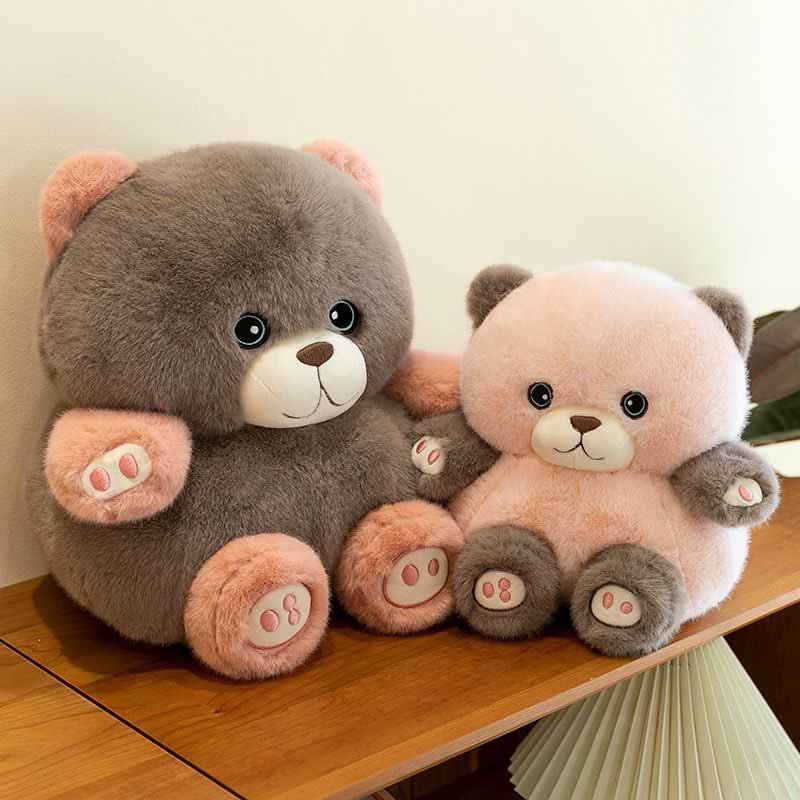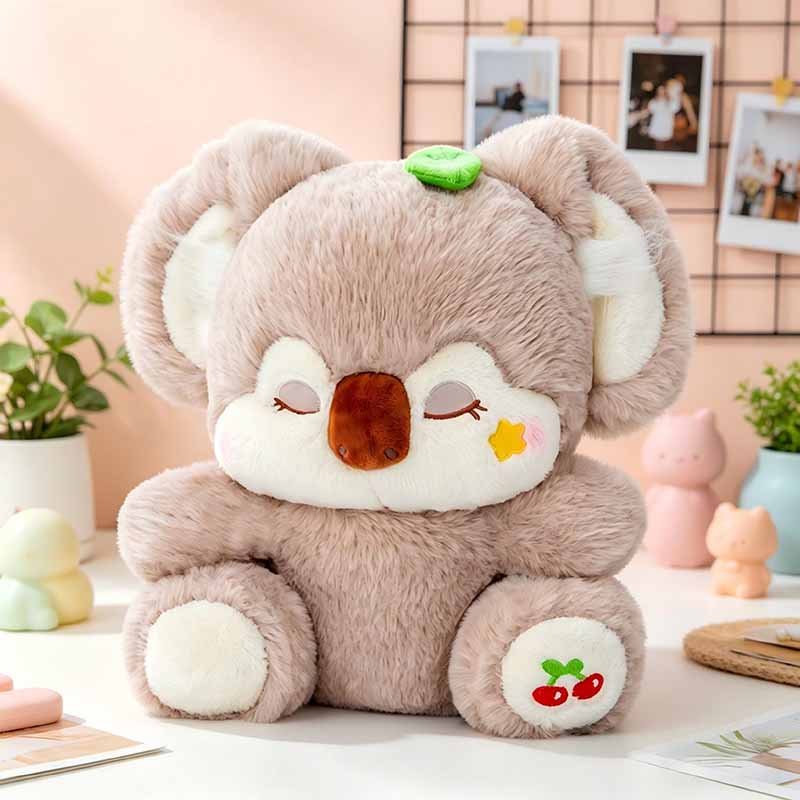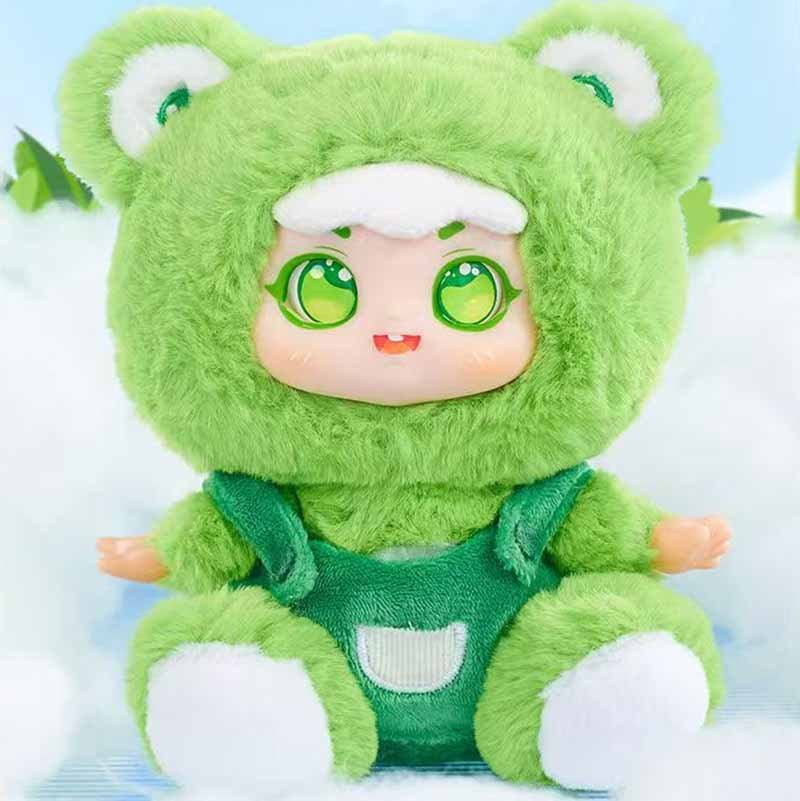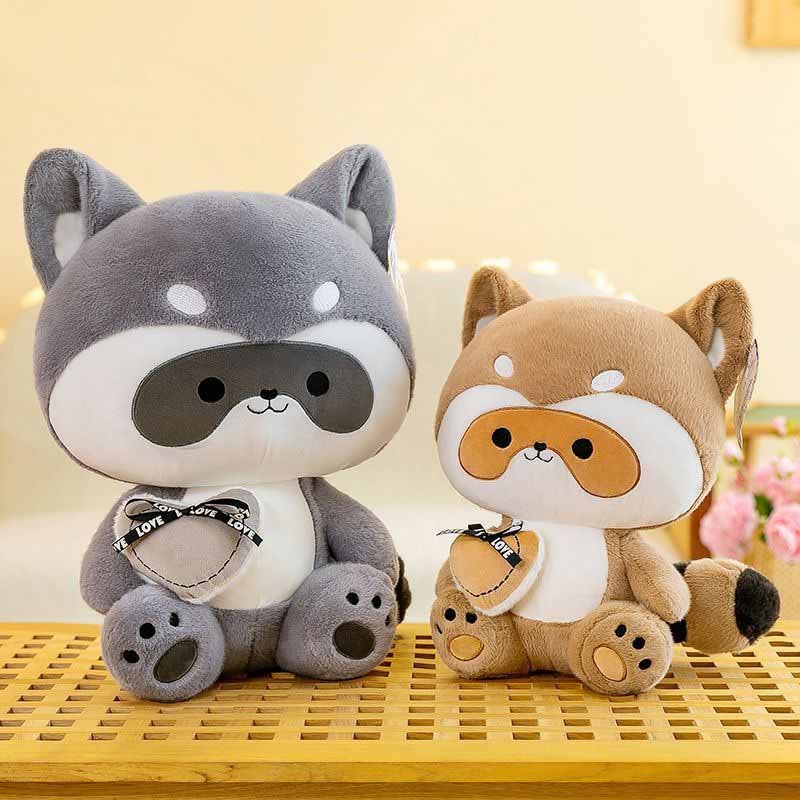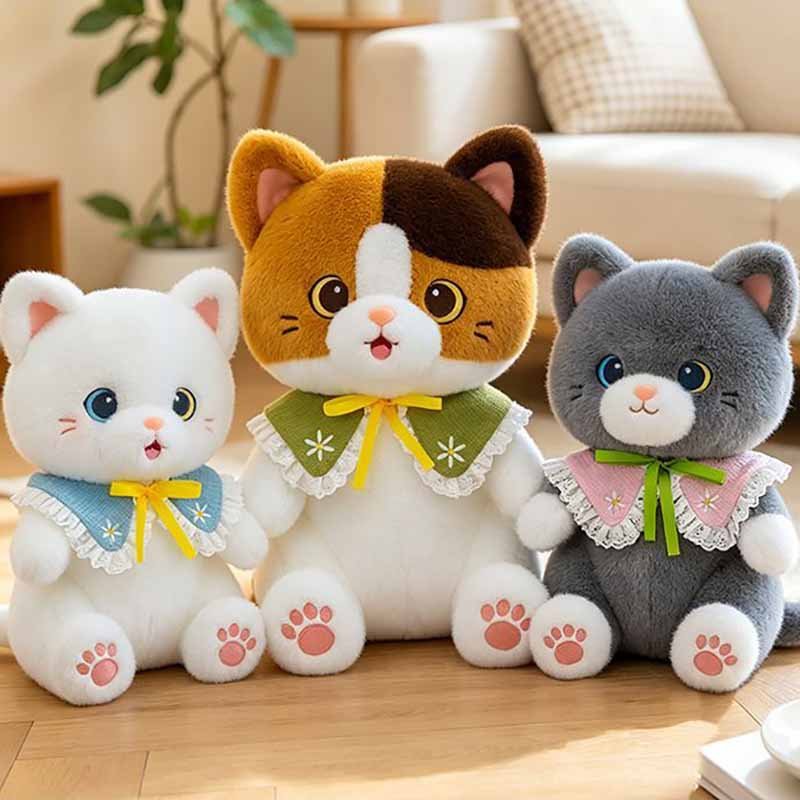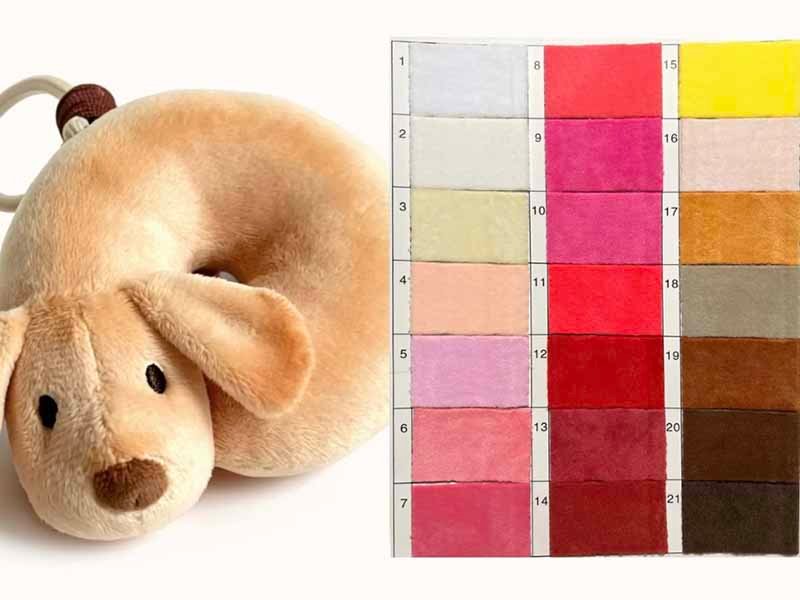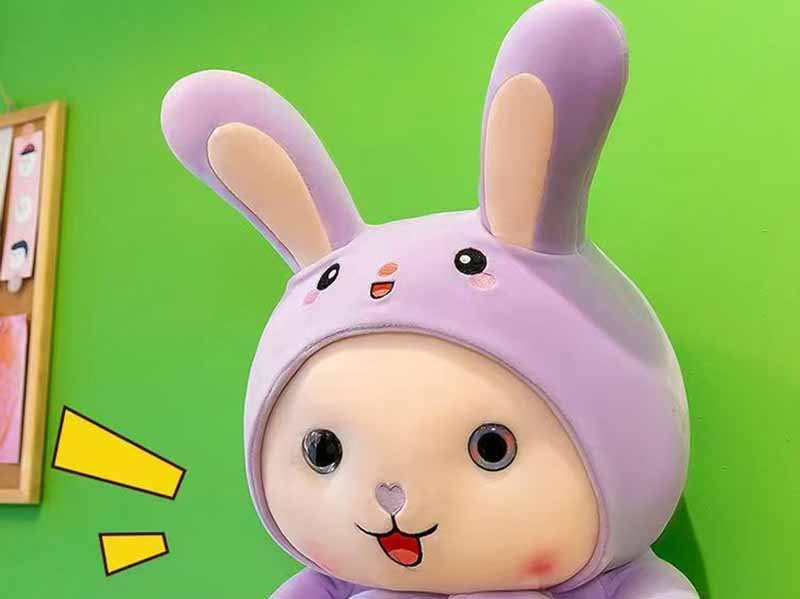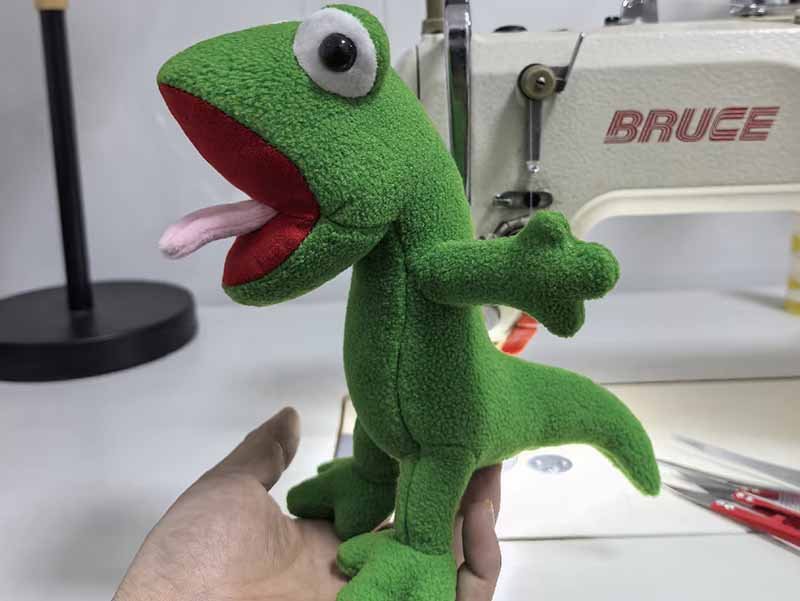
A reliable plush product development and manufacturing partner For brands Since 2007!

Our Story | Plush Development & Manufacturing

From Manufacturing Foundations to an Enterprise Plush Development Brand

Pufumi was established by Shenzhen Oneier Technology Co., Ltd. to serve global brands, IP owners, entertainment companies, collectible brands, and retailers with structured plush product development and manufacturing.

Its production foundation includes manufacturing resources in Dongguan and Foshan, More than 58 plush designers and pattern makers support character development, sampling, engineering, and production, with approximately half bringing over 15 years of experience.

Today, Pufumi combines character fidelity, controlled sampling, quality management, retail packaging, and long-term supply support for complex brand-level plush programs.

Why Another Plush Factory Was Not Enough

Pufumi was created because advanced plush programs require more than production space, sewing capacity, product photographs, and a basic quotation.

The Industry Gap

Traditional plush suppliers often present factories, product categories, prices, and finished samples without explaining how complex character projects are controlled. Brand teams still face uncertainty around artwork interpretation, sample revisions, approval records, material versions, multi-SKU packing, compliance preparation, and repeat-order stability.
A capable sewing operation can manufacture a product after every decision is settled. Many commercial programs need support much earlier, while character proportions, materials, construction, packaging, quantities, and launch schedules remain under discussion. Pufumi was created to manage those connected decisions as one structured program.

The Project Risk

Plush development failures rarely come from one dramatic mistake. More often, several small gaps accumulate: an eye position changes after filling, a fabric behaves differently in production, an outdated embroidery file reaches one SKU, a hangtag enters the wrong package, or a repeat order uses a slightly different material.
Pufumi’s operating model was shaped around reducing those avoidable gaps through controlled samples, approved files, material records, production checkpoints, packaging verification, retained references, and clearer responsibility across development, manufacturing, quality, and delivery.

The Foundation Existed Before The Pufumi Name

Pufumi grew from manufacturing investment, international project experience, supply-chain coordination, and the need for a more focused plush development identity.

International Project Experience

Before Pufumi became a dedicated brand, Shenzhen Oneier had already developed experience in cross-border communication, custom-product coordination, quotation management, production follow-up, packaging preparation, export documentation, and international delivery. Those activities created a broader understanding of what global brand teams expect from a manufacturing partner: accurate information, defined responsibilities, controlled files, reliable updates, commercial transparency, and a clear path from first discussion to shipment.

Manufacturing Investment

Shenzhen Oneier invested in and organized plush manufacturing resources in Dongguan and Foshan to support development, sampling, commercial production, multi-SKU programs, packaging, and continuing replenishment. The investment model provided more control than simply forwarding orders to unrelated factories. It allowed project requirements, sample decisions, production files, quality expectations, and delivery information to remain connected under one managed system.

Supply Chain Coordination

Plush products often require specialized support beyond cutting and sewing. Custom-dyed materials, embroidery, printing, metal hardware, electronic modules, molded parts, retail packaging, laboratory testing, and international logistics may involve separate professional resources. Pufumi’s foundation includes coordinating those resources while keeping the approved design, BOM, SKU, packaging, quality, and delivery requirements aligned throughout the project.

A Core Manufacturing Foundation Established In 2007

The Dongguan core self-owned factory forms the most important development and manufacturing base behind Pufumi’s complex character and multi-SKU plush programs.

The Dongguan Core Factory

The Dongguan plush factory was established in 2007. It supports paper-pattern development, sample making, revision execution, embroidery preparation, cutting, sewing, filling, shaping, quality inspection, packing, and commercial production.
The Dongguan facility is especially important for:

  • Licensed or confidential character development.
  • Complex faces, proportions, outfits, props, and accessories.
  • Projects requiring several sample revisions.
  • Multi-character and multi-size collections.
  • Programs needing close sample-to-production control.
  • Repeat orders requiring retained references and version comparison.

Supporting Resources In Foshan

Oneier-invested and managed resources in Foshan provide supplementary support for selected commercial production, packaging workloads, production balancing, repeat orders, and projects with different quantity or scheduling requirements.
Project allocation is based on engineering difficulty, materials, quantity, SKU count, confidentiality, workmanship, packing requirements, capacity, and delivery schedule. The Foshan resources do not replace the Dongguan development base; they extend the managed production system.
Qualified specialist partners also support:

  • Fabric sourcing and custom dyeing.
  • Embroidery and printing.
  • Metal and plastic accessories.
  • Electronic functions.
  • Retail and export packaging.
  • Third-party testing coordination.
  • Freight and destination delivery.

Why Shenzhen Oneier Created Pufumi

Pufumi was established to give enterprise plush development a clearer identity, stronger communication structure, and more complete project-management system.

A Focused Brand

Shenzhen Oneier needed a specialized brand capable of communicating plush development in greater depth. Pufumi brings product engineering, sampling, manufacturing, quality, packaging, compliance preparation, and delivery support into one recognizable business identity. The brand allows every product, solution, process, resource, and inquiry route to remain focused on commercial plush programs rather than a broad mix of unrelated custom products.

A Clearer Service Model

Pufumi was designed for organizations needing more than a finished product quote. The service model begins with artwork, target size, quantity, market, intended age, packaging, approvals, launch dates, and commercial objectives. Those inputs are converted into a development plan, sample route, material direction, production structure, quality checkpoints, packaging requirements, and delivery schedule.

A Stronger Evidence System

A professional manufacturing brand must prove its statements. Pufumi therefore places increasing emphasis on approved samples, material records, technical files, inspection records, packaging examples, anonymized cases, factory photographs, compliance documents, and controlled operational data. Evidence is intended to replace unsupported claims such as “best quality,” “perfect reproduction,” or “fastest delivery.”

A Long-Term Direction

Pufumi was not created only to win individual orders. The brand is intended to support annual development plans, multi-wave collectible collections, retail replenishment, additional character releases, new size ranges, seasonal editions, and continuing product-line expansion. The long-term goal is to become a dependable plush development and manufacturing partner rather than a short-term order processor.

A Brand Built Around Complete Plush Programs
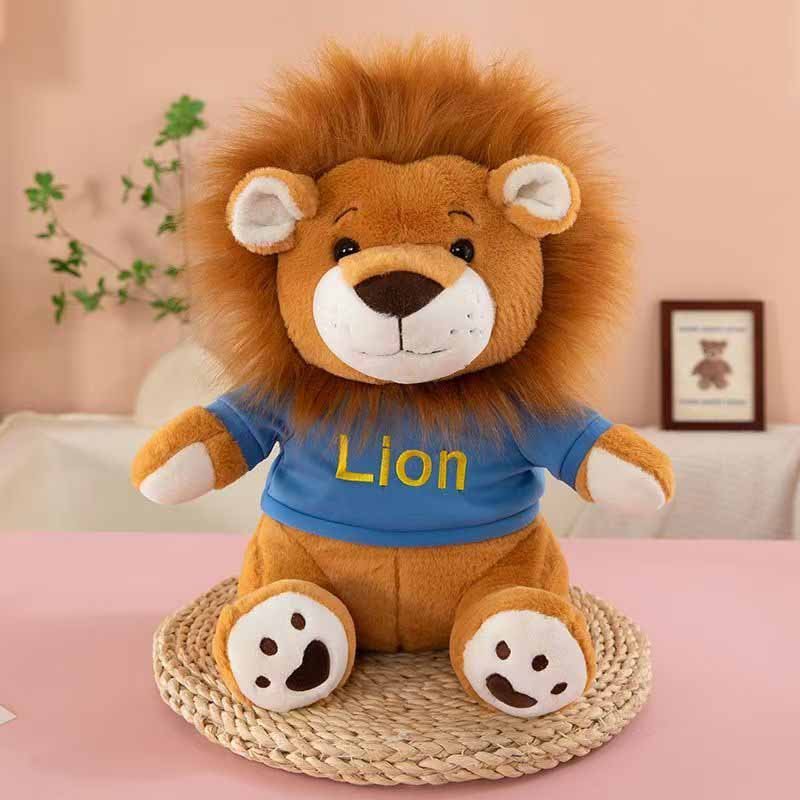
Pufumi looks beyond isolated products and helps organizations build coordinated ranges that can be approved, manufactured, packed, delivered, replenished, and expanded.

Character Plush

Licensed characters, animation properties, game assets, film and television characters, creator-owned IP, and brand icons require accurate silhouettes, facial features, official colors, clothing, accessories, and approval records. Pufumi supports the transition from character assets into structured plush products while respecting authorization, confidentiality, and defined approval responsibilities.

Mascot Programs

Corporate, sports, university, destination, technology, hospitality, and event mascots often need several product formats rather than one standard toy. A mascot program may include mini plush, standard plush, keychains, bag charms, gifts, retail editions, event products, and seasonal variations built around a common identity.

Collectible Series

Collectible programs can involve blind-box plush, hidden editions, limited releases, numbered products, character waves, miniature formats, premium versions, and coordinated packaging. Pufumi manages shared product standards alongside clear SKU differences, packaging identity, assortment rules, and repeat-order references.

Fashion Accessories

Plush bag charms, keychains, handbag accessories, wearable pieces, and limited fashion collaborations require compact engineering, controlled weight, appropriate hardware, attachment strength, tactile materials, and retail presentation. Small dimensions often increase development difficulty because facial details, clothing, seams, and accessories have less physical space.

Retail-Ready Products

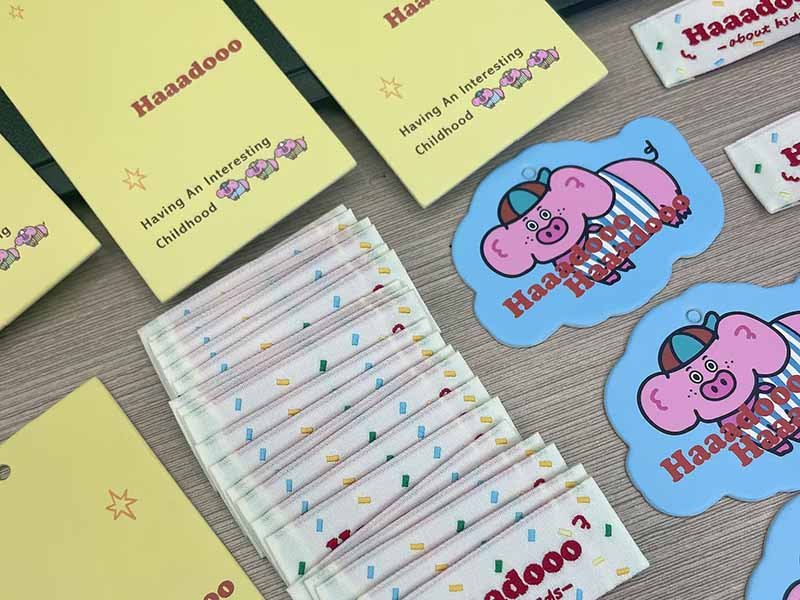
Commercial products must arrive prepared for handling, scanning, storage, display, and replenishment. Retail programs can involve woven labels, care labels, hangtags, copyright information, barcodes, FNSKU labels, retail boxes, master cartons, and warehouse marks. Product and package versions must remain connected throughout production.

Multi-SKU Collections

Pufumi supports collections containing multiple characters, sizes, colors, product formats, packaging versions, and market requirements. Each variation needs controlled artwork, patterns, BOM records, labels, quantities, inspection points, and carton allocation. The objective is a coordinated product line rather than a loose group of unrelated items.

How Our Role Expanded Beyond Production

Pufumi operates across development, manufacturing, project management, and supply-chain coordination to keep commercial plush programs aligned from artwork through delivery.

Product Developer

Pufumi participates before bulk manufacturing begins. Artwork, character guides, sketches, photographs, 3D references, and physical samples are reviewed for proportion, structure, materials, seams, embroidery, filling, accessories, packaging, and production feasibility. The output is not merely a visual proposal. Development must produce paper patterns, sample versions, material decisions, construction methods, and enough technical clarity for production.

Plush Manufacturer

Pufumi organizes sample development, pre-production confirmation, material preparation, cutting, specialist processes, sewing, filling, shaping, inspection, labeling, packing, and shipment release through Oneier-invested resources and qualified partners. Manufacturing proceeds against approved samples, active files, BOM records, quality points, and packaging requirements rather than scattered messages.

Project Manager

Commercial plush programs involve design, licensing, procurement, quality, packaging, finance, logistics, and management roles. Pufumi converts decisions from those groups into milestones, responsibilities, approvals, schedules, change records, and release points. Project management reduces the risk of one department approving information that another department has not received.

Supply Chain Coordinator

Certain materials, components, decorations, packages, tests, and delivery routes require specialist support. Pufumi identifies the responsible resource, releases the approved specification, follows progress, checks incoming output, and integrates the result into the wider program. Coordination remains connected to the approved product rather than operating as disconnected purchasing activity.

Built Around Experienced Plush Development Specialists

Pufumi’s engineering foundation comes from people who understand how character shape, paper patterns, materials, stitching, filling, and production behavior influence one another.

More Than Fifty-Eight Development Specialists

The Dongguan core factory has more than 58 plush designers and pattern makers. Approximately half bring over 15 years of relevant experience in plush research, design interpretation, paper-pattern development, sample making, revision work, or engineering evaluation. Their role begins before a product reaches a sewing line. They study:
  • Character silhouettes and signature features.
  • Front, side, back, and perspective references.
  • Head-to-body proportion.
  • Facial geometry and embroidery placement.
  • Fabric pile, stretch, thickness, and recovery.
  • Seam positions and turning access.
  • Filling distribution and finished posture.
  • Clothing layers and accessory attachment.
  • Production repeatability and inspection access.

Experience Applied To Real Decisions

Long experience matters when a two-dimensional character cannot be reproduced literally. A line may need to become a seam, embroidery, appliqué, fabric edge, printed detail, or separate accessory. Certain small elements may need enlargement, simplification, reinforcement, or repositioning to remain recognizable and manufacturable.
Experienced developers help distinguish between:

  • Features that cannot change without weakening character identity.
  • Details that need adjustment during 2D-to-3D translation.
  • Materials that support or obscure important shapes.
  • Structures that work in one sample but are unstable in production.
  • Decorative ideas that require a different construction method.
  • Sample feedback affecting appearance, production, cost, or testing.

The development team’s value lies in creating products that can be reviewed as samples and reproduced as commercial goods.

Six Lessons That Shaped Our Method

Years of development and production work revealed recurring principles behind clearer approvals, stronger manufacturing files, stable bulk output, and more reliable repeat orders.

Artwork Needs Engineering

A strong illustration communicates visual identity but does not define paper patterns, seams, thickness, fabric direction, filling, clothing construction, accessory attachment, or packing behavior. Engineering translates visual intentions into physical decisions.

First Samples Start Dialogue

Complex products rarely benefit from the promise of an automatically perfect first sample. The first prototype tests interpretation, proportion, structure, material, filling, expression, clothing, and production feasibility. Clear review creates the path toward approval.

Feedback Needs Structure

Comments such as “make it cuter” or “the face feels wrong” are difficult to execute consistently. Marked photographs, measurements, reference views, ranked priorities, and consolidated comments help the sample team understand the intended change.

Approval Needs Records

A visually approved sample is not enough for production. The approved result needs corresponding patterns, embroidery files, materials, filling guidance, accessories, labels, packaging files, and quality points.

Collections Need Governance

A collection containing 10–30 SKUs needs controlled codes, shared standards, product-specific differences, package relationships, carton plans, and approval records. More products create more opportunities for mixing and version errors.

Reorders Need Archives

Repeat production should begin with the Golden Sample, active patterns, BOM, material codes, embroidery files, packaging version, quality history, and previous carton data. Memory alone cannot protect long-term consistency.

From Character Recognition To Retail-Ready Products
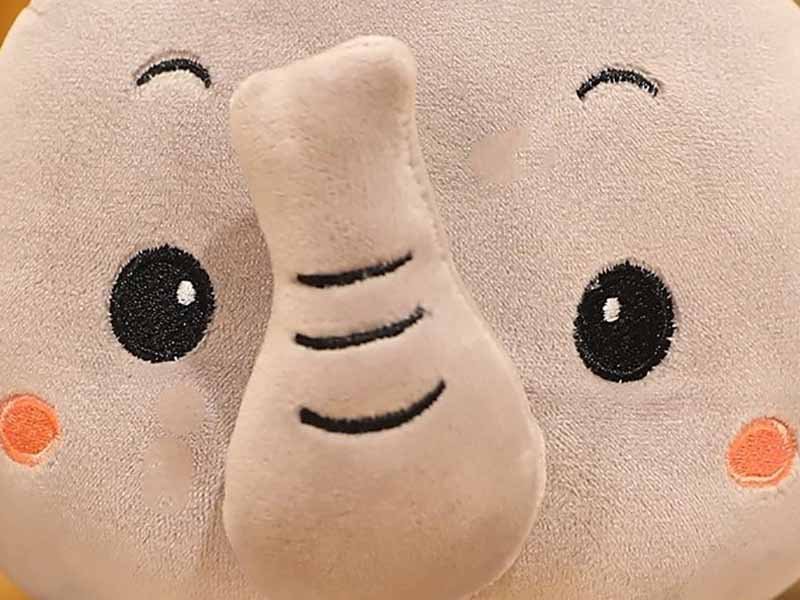
Pufumi evaluates a plush program through character fidelity, material suitability, structural stability, production repeatability, packaging completeness, channel preparation, and replenishment potential.

Protect Character Recognition

Every character has features that carry most of its identity. Eye spacing, face shape, mouth position, silhouette, head proportion, hairstyle, clothing, colors, props, or posture may be more important than dozens of minor lines. The development team identifies those priorities before simplifying or translating details into fabric and stitching.

Select Materials By Function

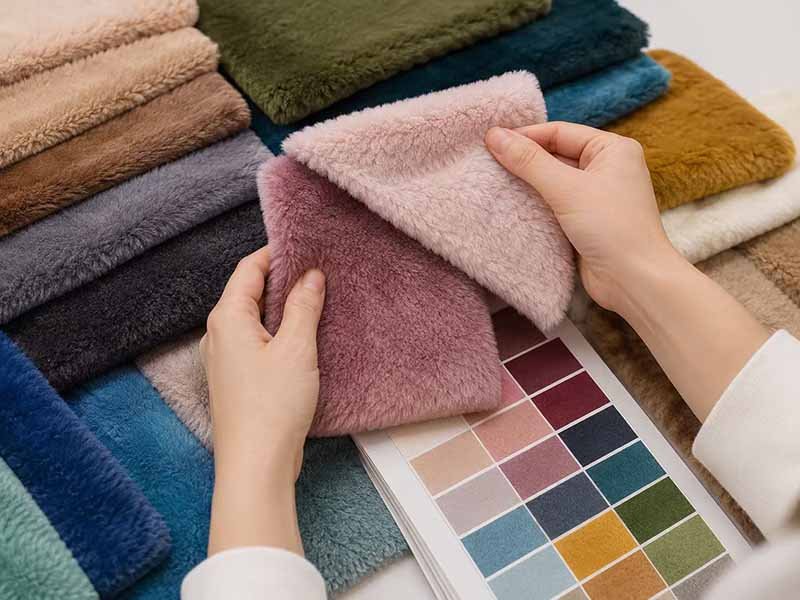
Material choice affects far more than softness. Pile length changes the visible outline. Stretch changes finished dimensions. Surface density affects embroidery. Long fur can cover seams and small details. Clothing fabrics influence drape, thickness, and assembly. Material evaluation considers:
  • Visual compatibility.
  • Pile length and direction.
  • Stretch and recovery.
  • Embroidery and printing performance.
  • Seam behavior.
  • Color availability.
  • Handfeel.
  • Durability.
  • Repeat-order availability.
  • Intended market and age group.

Engineer Structure And Filling

The paper pattern establishes the product’s underlying geometry, while filling gives the sewn shell its final volume, handfeel, balance, and expression. The same pattern can look different when filling distribution changes. Engineering records may define:
  • Pattern-piece identity.
  • Seam sequence.
  • Filling material.
  • Total weight range.
  • Firmer and softer areas.
  • Face and muzzle shaping.
  • Sitting or standing balance.
  • Internal module location.
  • Accessory reinforcement.

Build Controlled Samples
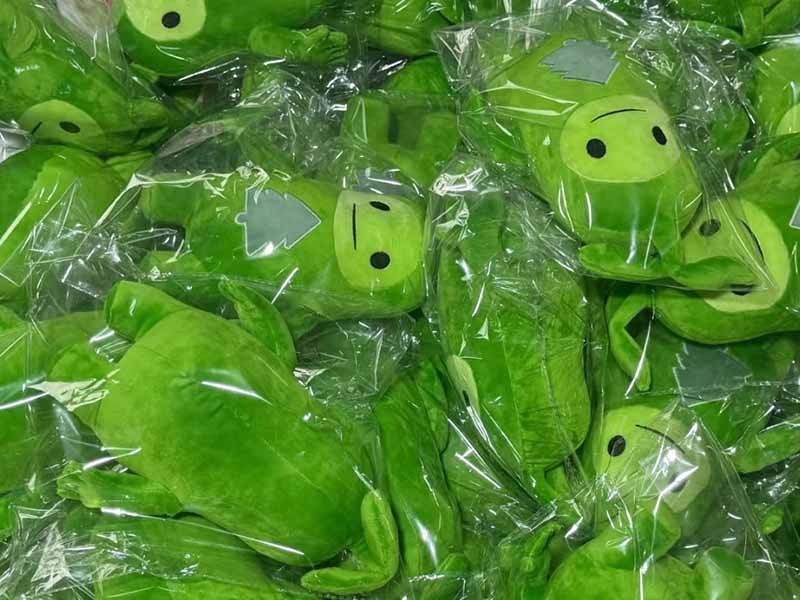
A sample path can include V1 prototypes, revision samples, engineering samples, pre-production samples, Golden Samples, packaging samples, and retained references. A normal first-sample benchmark may be approximately 7–15 working days after complete artwork, payment, and critical material confirmation. Complex outfits, multiple SKUs, special fabrics, electronics, custom accessories, or approval requirements may extend the schedule.

Translate Approval Into Production

Production begins from controlled information rather than the sample alone. Approved patterns, embroidery files, BOM versions, materials, workmanship instructions, packaging files, SKU codes, and quality points are released to the relevant teams. First-piece review and in-process inspection help identify differences before they spread through large quantities.

Prepare For Retail And Replenishment

A retail-ready product needs more than good workmanship. It may require woven labels, care labels, copyright lines, barcodes, hangtags, inserts, retail boxes, master cartons, warehouse marks, and accurate packing records. Pufumi archives approved references so successful products can return for replenishment or expand into new formats and seasonal editions.

Seven Principles That Guide Every Pufumi Project

Pufumi’s values are expressed through authorization checks, factual communication, engineering decisions, production controls, confidentiality boundaries, and long-term project behavior.

Legal Authorization

Pufumi accepts original, owned, licensed, or otherwise legitimately authorized characters, logos, artwork, and brand assets. Unlicensed copies, counterfeit products, unauthorized characters, and projects without a credible rights basis are not accepted.

Honest Communication

Company identity, factory relationships, team information, production conditions, sample schedules, certifications, cases, and delivery capabilities must be described accurately. Unverified claims remain outside public communication until evidence is available.

Character Fidelity

The team works to protect the silhouette, proportion, expression, color, clothing, and signature details that make a character recognizable. Plush translation may require adjustment, but the important identity should remain visible.

Engineering Feasibility

A visually attractive idea must also be cut, sewn, filled, inspected, packed, shipped, and reproduced. Engineering decisions balance design intent with material behavior, construction access, quality control, and commercial production.

Production Stability

Golden Samples, BOM records, active files, material codes, process checks, packaging verification, retained references, and repeat-order comparison help reduce drift between samples, bulk production, and later replenishment.

Client Confidentiality

Unreleased characters, packaging, quantities, prices, launch dates, licensing information, technical files, and commercial briefs remain controlled. Unauthorized projects are not displayed publicly or reused for unrelated work.

Long-Term Cooperation

Pufumi values stable replenishment, product-line expansion, annual development plans, additional character waves, seasonal editions, and continuing improvement. A successful relationship should create more value than a single completed order.

Every Plush Program Adds Another Chapter

A lifestyle and entertainment brand planned a coordinated plush collection containing 22 SKUs. The program included compact bag charms, mini collectible plush, and core retail products ranging from approximately 10 cm to 28 cm.

Quantities varied by commercial role. Entry products and key characters received higher allocation, while premium or secondary designs received more focused quantities. The complete order contained 52,000 pieces, with individual SKU quantities between 1,500 and 4,000 units.

Program ElementRecorded Project Structure
Total Product Styles22 SKUs
Total Commercial Quantity52,000 pieces
Quantity Per SKU1,500–4,000 pieces
Product FormatsBag charms, mini collectibles, and core retail plush
Approximate Size Range10–28 cm
Development InputsCharacter files, product architecture, target pricing, packaging, and launch plan
Initial Sample BenchmarkApproximately 12 working days after complete files and materials
Revision BenchmarkApproximately 8 working days after consolidated comments
Bulk Production BenchmarkApproximately 40 working days after deposit, approval, and material readiness
PackagingHangtags, individual packaging, barcode labels, and SKU-specific carton marks
Production ControlsApproved patterns, BOM records, embroidery files, SKU codes, Golden Samples, and packing plans
Delivery StructureSplit shipment to a regional 3PL and retail distribution warehouse

The development team first identified shared collection standards: head-to-body proportion, material family, embroidery language, filling feel, hardware finish, hangtag layout, and package presentation. Each character then received its own pattern, face, color, clothing, accessory, barcode, and carton record.

Our Commitment to the Future

Building a Responsible, Precise & Globally Ready Plush Development System

As global brands expect faster development, stronger traceability, responsible materials, and clearer compliance support, Pufumi will continue improving its product development, manufacturing coordination, and project management systems.

Technology for Greater Accuracy

Pufumi will strengthen:

  • Digital pattern and sample-version management
  • Linked BOM, approval, and quality records
  • Production traceability and defect tracking
  • Coordination across factories and specialist partners

These improvements support consistent execution for complex characters, licensed projects, and multi-SKU programs.

Responsible Materials & Packaging

Our future direction includes:

  • Evaluating recycled fabrics and fillings where suitable
  • Improving material documentation and traceability
  • Reducing cutting waste and unnecessary packaging
  • Optimizing cartons to lower shipping volume
  • Using environmental claims only when supported by evidence

Global Compliance & Service Readiness

Pufumi will continue improving:

  • EN71, ASTM F963, CPSIA, and REACH testing coordination
  • BOM, labeling, and packaging documentation
  • Confidential project and file management
  • Market-specific support for the US, EU, Japan, and South Korea
  • Reorder control and long-term supply planning

Our goal is to build a more transparent, reliable, and globally prepared plush development system for long-term brand partnerships.
A Message From Our Project Lead

Pufumi was created with a clear belief: custom plush products should be developed with careful character interpretation, practical engineering, controlled production, and responsibility.

“A plush product carries more than fabric and filling—it carries a character, a brand, and the client’s trust.”

Our Promise to Quality

Quality begins with artwork review, pattern development, material selection, and sample approval. It is proven through character fidelity, workmanship, production consistency, and accurate packaging.

Our Responsibility to Clients

Every project represents valuable IP, commercial plans, and launch commitments. Pufumi protects confidential materials, communicates risks clearly, and manages production according to approved specifications.

Our Commitment to Craft

Experienced designers and pattern makers refine expressions, proportions, seams, filling, and structure through hands-on development.

“Engineering makes a product manufacturable; craftsmanship makes the character recognizable.”

Looking Ahead

Pufumi will continue strengthening:

  • Character and pattern development
  • Quality and compliance coordination
  • Confidential project management
  • Sustainable material options
  • Global delivery and reorder support

Trust, Compliance & Production Assurance

Confidence for global brands and complex plush programs

Pufumi evaluates each project according to its target market, age grade, materials, construction, labeling, and packaging requirements. Depending on the assigned production site and project scope, our team can support ISO 9001 quality-management documentation and coordinate testing to EN71, ASTM F963, CPSIA, REACH, and other applicable standards. Factory audits, certifications, and test reports are verified by issuing body, validity period, facility, and product scope, giving brands greater transparency from sample development through controlled production and delivery.


Frequently Asked Questions

Pufumi’s main manufacturing resources are organized across Dongguan and Foshan in Guangdong. The Dongguan core self-owned factory forms the primary development and production foundation. Oneier-invested and managed Foshan resources provide supplementary production, packaging, capacity balancing, and project allocation. Qualified external partners support materials, embroidery, printing, hardware, electronics, testing coordination, packaging, and logistics.

No.?Pufumi does not claim every material, component, decoration, package, test, and logistics activity occurs in one building. Core development and manufacturing are supported by Oneier-invested factories, while certain specialist processes use qualified professional partners. Pufumi manages specifications, file release, supplier coordination, incoming checks, quality requirements, packaging, and final delivery across the system.

The Dongguan core factory has more than 58 plush designers and pattern makers. Approximately half bring over 15 years of relevant experience in plush development, design interpretation, paper patterns, sample making, revision work, or engineering evaluation. Team numbers are treated as managed facts and should be reviewed when staffing or organizational conditions change.

Pufumi is especially suited to IP owners, licensing agencies, animation and game companies, entertainment organizations, toy and collectible brands, lifestyle brands, fashion companies, major retailers, theme parks, museums, universities, sports organizations, established e-commerce brands, and agencies managing commercial plush programs. Projects generally require legitimate assets, structured development, meaningful quantities, approvals, packaging, and long-term commercial value.

Pufumi was created because advanced plush programs require more than sewing and filling. Brands need support with character interpretation, paper patterns, samples, revisions, materials, multi-SKU control, production files, inspection, retail packaging, compliance preparation, global delivery, and replenishment. Pufumi brings those connected responsibilities into one clearer development and manufacturing system.

The name carries associations with puffy, fun, mini, soft, and plush. It reflects softness, warmth, playfulness, and collectibility while also representing engineering development, project management, production control, retail preparation, and long-term supply. The standard internal pronunciation is “pu-fu-mi.” The core message is “From character ideas to retail-ready plush programs.”

Unreleased artwork, character files, packaging, quantities, prices, launch dates, licensing information, samples, and commercial documents are managed within controlled project access. An NDA can be arranged before detailed review. Projects without public-use authorization are not displayed as named cases, reused for unrelated programs, or published through open marketing channels.
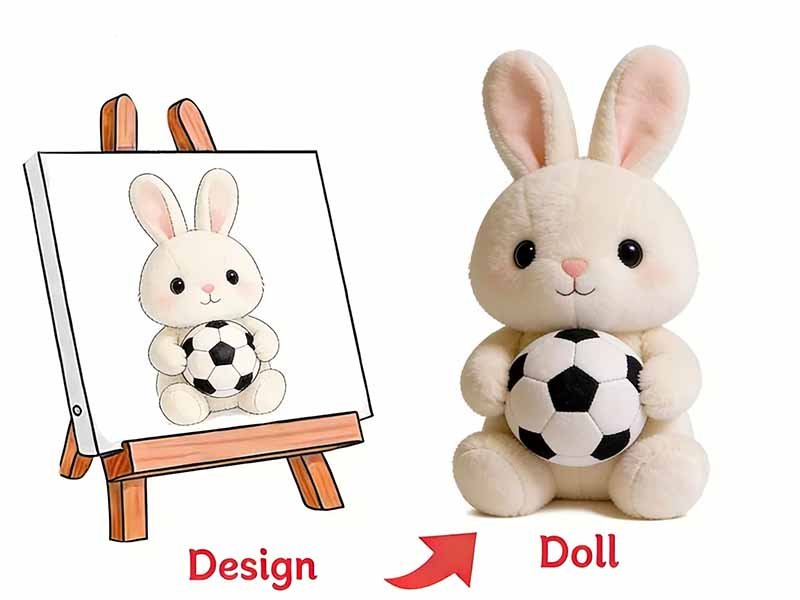
Bring The Next Plush Story To Life

Pufumi’s story is built around a clear belief: valuable characters and brand ideas deserve a development and manufacturing system capable of protecting their identity, controlling production, preparing retail requirements, and supporting long-term growth.

Share enough information for the team to understand the next chapter:

  • Company and brand name
  • Artwork, character guide, sketch, 3D file, or physical reference
  • Product type and intended use
  • Target size or size range
  • Number of designs and product formats
  • Estimated quantity per SKU
  • Total program quantity
  • Target markets and intended age group
  • Materials, clothing, accessories, or functional requirements
  • Packaging and retail-channel needs
  • Approval and licensing structure
  • Target sample, shipment, or launch date
  • Delivery destination
  • NDA or confidentiality requirements

Start Your Custom Plush Project

Plush Product Development & Manufacturing Support for Global Brands

Share your character artwork, product concept, target size, estimated quantity, destination market, launch timeline, packaging requirements, and any special functions or compliance needs.

Our project team will review your request and recommend a tailored development and manufacturing approach based on character complexity, materials, construction, sample requirements, production planning, packaging, and delivery schedule.

From Character Artwork to Retail-Ready Plush Products

Pufumi supports IP owners, entertainment companies, toy and collectible brands, lifestyle brands, and major retailers with structured plush product development and manufacturing.

Your artwork, unreleased characters, packaging files, target costs, and commercial information are handled as confidential project materials and are not used for other customer projects or public marketing without authorization.

Need Direct Assistance?