Skip to content

Custom Mascot Plush Manufacturer for Brands
Mascot plush built for recognition, storytelling, and repeatable brand growth.
- 58+ specialists refine proportions, poses, expressions, and signature details.
- 6 sample lines speed approvals across characters, sizes, and revisions.
- 80+ embroidery machines reproduce logos, eyes, and branded accents.
- Pattern engineering balances softness, silhouette, stability, and shelf appeal.
- Golden Samples lock approved mascot identity before bulk production.
- 35+ quality specialists verify attachments, labels, packaging, and finishing.

Mascot Plush Programs Built for Established Organizations
Global Consumer Brands
Sports Clubs and Leagues
Universities and Schools
Entertainment and IP Companies
Destinations and Attractions
Corporate and Event Teams
Where Mascot Plush Projects Commonly Lose Control
Identity Changes After Stuffing
- Eye line and center line references
- Mouth angle and brow position
- Face volume after full stuffing
Brand Assets Drift
- Pantone or physical color references
- Logo size and placement records
- Approved costume and accessory versions
Bulk Differs From Approval
- Released production file package
- Golden Sample comparison
- In-line and final verification
Versions Become Mixed
- Current and superseded file status
- SKU-specific packing instructions
- Carton and shipment traceability
Deliverables Needed for a Repeatable Mascot Program

Approved Mascot Prototype
- Version-controlled approval record
- Confirmed non-negotiable features
- Documented open items, if any

Production-Ready Specifications
- Released pattern and BOM
- Material and color standards
- Process and inspection references

Retail or Event Readiness
- Channel-specific labeling
- Packing and carton plan
- Delivery destination requirements

Reorder-Ready Project Records
- Golden Sample and retention sample
- Prior material and packaging records
- Revised approval when specifications change
Preserve Mascot Identity Through Measurable Character Engineering
Define the Features That Cannot Move
Mascot recognition rarely depends on every line in the original artwork. Recognition usually comes from a smaller group of non-negotiable features: the outer silhouette, head-to-body ratio, eye spacing, mouth angle, ear shape, signature color blocks, uniform, emblem, tail, prop, or distinctive pose. Pufumi records those features before sample construction so development does not simplify away the identity that fans, employees, students, or visitors already know.
- Silhouette mapping: Front, side, and back views reveal volume changes hidden in a single illustration. A broad head, narrow neck, forward muzzle, oversized shoes, or angled ears must be translated into sewable forms without losing the visual rhythm.
- Facial landmarks: Eye line, center line, eyebrow position, mouth width, nose height, and cheek volume create the expression. Small positional changes can make a confident mascot appear sleepy, angry, or unfamiliar.
- Brand-controlled details: Official colors, crest size, lettering, uniform trim, badges, and prohibited changes are recorded as controlled references rather than informal comments.
- Pose and personality: An energetic sports mascot may need an open stance and lifted arms, while a premium corporate character may require a calmer seated pose and cleaner surface treatment.
A Plush Interpretation Sheet can connect visual priorities to pattern, material, embroidery, filling, and inspection decisions. The goal is not mechanical duplication of every two-dimensional line. The goal is a soft product that remains immediately recognizable from front, side, shelf, hand-held, and photographed views.
Translate Flat Artwork Into Stable Volume
Illustrations can ignore gravity, seam lines, fabric thickness, internal support, and manufacturing access. Plush engineering must account for all five. A narrow ankle may not support an oversized head. A flat printed jacket may require separate clothing panels. A sharp graphic horn may need a softer, wider construction. A floating accessory may need a concealed attachment point. Pufumi evaluates where artistic intent can be retained directly and where a controlled structural interpretation is necessary.
- Pattern segmentation: More panels can improve contour control, yet excessive panel count increases sewing time, alignment risk, and visible seams. Each panel should contribute a clear shape function.
- Seam placement: Seams are positioned to support volume and remain visually quiet. Facial seams require special care because a few millimeters can alter symmetry or expression.
- Fabric behavior: Stretch, pile direction, thickness, backing stability, and surface friction influence final dimensions. A pattern developed in one fabric cannot always move unchanged into another.
- Internal support: Large heads, long limbs, tails, hats, props, and backpacks may require localized filling zones, internal fabric supports, or revised weight distribution.
- Production access: Components must be sewable, turnable, fillable, closable, inspectable, and repairable. A concept that can only be assembled by one sample expert is not ready for reliable bulk production.
Engineering proposals are reviewed against character identity before cost optimization. Signature features remain protected; hidden seams, internal supports, or non-visible panel changes can then improve stability and manufacturing control.
Approve the Finished Expression, Not a Flat Test
Embroidery and printed details should be judged on the finished three-dimensional face. Fabric stretch, curved panels, seam tension, fill pressure, and embroidery pull compensation can move features after assembly. Pufumi therefore compares the original artwork, flat stitch test, sewn face panel, stuffed head, and approved product rather than approving only a digital embroidery preview.
- Flat stitch testing: Thread colors, density, underlay, edge clarity, small text, and fine line behavior are reviewed on the intended fabric.
- Sewn panel review: Curvature and nearby seams can distort a design that looked correct while flat. Position marks must follow the released pattern, not visual estimation.
- Stuffed face review: Eye spacing, pupil direction, mouth angle, cheek shape, and brow relationship are checked after the head reaches the intended filling condition.
- Photo-angle verification: Front, three-quarter, side, and top views reveal asymmetry that a single front photograph may hide.
- Approval language: Feedback such as “more friendly” is converted into actions: lower the brow, shorten the eye spacing, raise the mouth corners, reduce cheek volume, or enlarge the pupil highlight.
After approval, facial landmarks, embroidery file references, material, pattern version, and filling standard remain linked. Bulk inspection then compares finished expressions against the approved sample and measurable landmarks rather than relying on personal judgment.
From Mascot Artwork to Production-Ready Plush

Artwork and References
- Preferred files: AI, EPS, PDF, layered artwork, high-resolution views
- Helpful references: mascot costume photos, material samples, prior products
- Protected files: confidential review and NDA options

Engineering Interpretation
- Pattern and seam strategy
- Fabric and color translation
- Attachment and support decisions

Prototype and Revision
- Version-numbered sample rounds
- Structured Revision Brief
- Updated files after each approved change

Production Approval
- Written approval and scope
- Released production documents
- Controlled change process
Build a Complete Mascot Plush Product Range

Core Mascot Plush

Mini Mascot Plush

Plush Keychains

Plush Bag Charms

Large Display Plush

Seasonal Outfit Editions
Match Mascot Design to the Final Use
Size, materials, detail level, packaging, and delivery planning should follow the intended commercial use, channel, audience, and replenishment model rather than a single universal mascot specification.
| Use | Common Format | Product Priority | Packaging Priority | Reorder Pattern |
|---|---|---|---|---|
| Retail Merchandise | 18–35 cm core plush, mini plush | Tactile quality, shelf recognition, stable shape | Hangtag, barcode, retail box or shelf-ready pack | Ongoing replenishment |
| Stadium or Campus Retail | Core plush, keychain, uniform edition | Official colors, crest, jersey, fan identity | SKU labels, season version, easy display | Seasonal and event-based |
| Corporate Gifting | Core plush, premium set | Brand restraint, material quality, memorable presentation | Gift box, story card, event message | Annual or campaign-based |
| Event Giveaway | Mini plush, simplified mascot | Portability, clear identity, efficient production | Compact individual pack, fast distribution | Fixed event batch |
| Theme Park or Destination | Mini, core, gift edition | Place recognition, story, travel-friendly size | Gift-shop display, story card, multilingual needs | Seasonal replenishment |
| Media and PR Kits | Premium mini, boxed character | Photography, unboxing, accurate branding | Branded insert, fitted presentation, shipping protection | Launch-based |
Select Fabrics by Shape, Detail, and Brand Position

Short Plush
- Strong for defined silhouettes
- Clear facial embroidery
- Suitable for mini and core formats
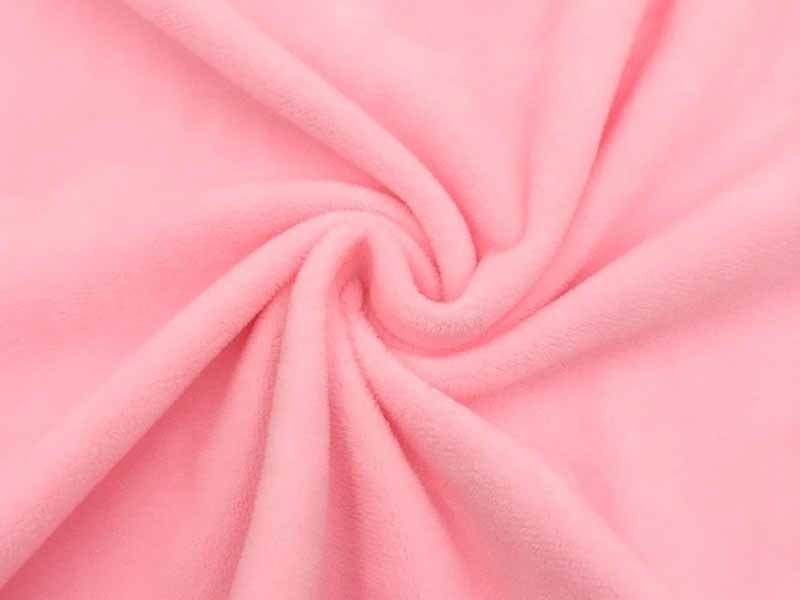
Minky Fabrics
- Soft hand feel
- Broad character application
- Requires stretch compensation

Velboa Options
- Smooth surface definition
- Good color and print potential
- Suitable for controlled volume programs

Faux Fur
- Strong tactile and visual impact
- Higher trimming and sewing control
- Increased packaging volume

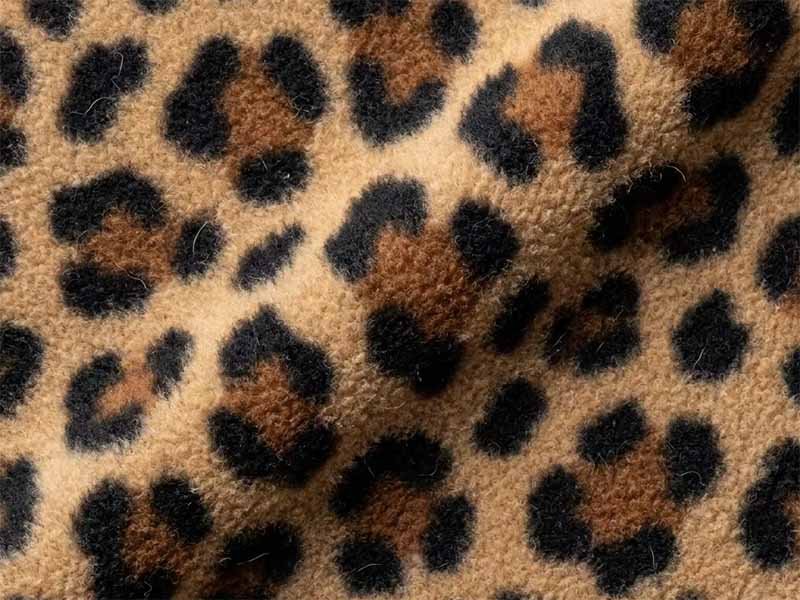
Fleece and Sherpa
- Distinctive lifestyle texture
- Suitable for broad simple forms
- Detail scale must be tested
Custom and Certified Materials
Brand-specific colors, printed fabric, recycled content, organic claims, specialty textures, or client-nominated materials require separate supply review. Pufumi evaluates evidence scope, supplier availability, batch risk, material MOQ, testing effect, sample availability, and reorder continuity. Environmental or certification language should match valid documents and the actual material used in the finished SKU. Substitutions require evidence and appearance review before production release.
- Custom color and print review
- Evidence and supplier verification
- Reorder and substitution planning
Engineer Structure Before Decorative Details Are Added
Pattern Segmentation
- Released pattern version
- Grain and pile direction
- Match marks and seam allowances
Pose and Balance
- Center-of-gravity review
- Primary and secondary support zones
- Final-use pose testing
Filling Zone Control
- Filling weight and sequence
- Defined support areas
- Compression and recovery review
Attachments and Accessories
- Reinforced load points
- Concealed or visible attachment choice
- Pull and handling review
Control Embroidery, Printing, and Applied Brand Details

Facial Embroidery
- Flat test and stuffed review
- Separate file reference by size
- Landmark-based inspection

Logo Embroidery
- Official source file
- Test stitch on final fabric
- Approved size and position

Applique Construction
- Material and edge selection
- Placement template
- Bulk alignment check

Printed Surfaces
- Method matched to material
- Color and rub review
- Panel registration control

Woven and Printed Labels
- Market-specific content
- Approved artwork version
- Placement and orientation standard

Costume and Surface Details
- Detail hierarchy
- Production sequence planning
- Secure attachment method
Sewing Control Protects Shape, Symmetry, and Durability
Prepare Accurate Cut Panels Before Sewing Starts
- Pile direction: Reversed pile can produce visible color change, texture mismatch, or inconsistent brushing across the face and body. Direction arrows should remain visible through cutting and bundling.
- Pair control: Ears, arms, feet, wings, shoes, and costume panels require left-right identification. Mirrored pieces should be checked before bundles move to sewing.
- Match marks: Notches, center lines, embroidery references, and attachment positions reduce visual estimation. Operators align released marks rather than adjusting shape by eye.
- Cut-edge condition: Fraying, melted edges, damaged backing, excessive compression, or trapped fur can weaken seams or change the final surface.
- Bundle separation: Each bundle carries SKU, color, size, lot, quantity, and operation information. Similar mascot versions require stronger separation and line-clearance rules.
Sew for Controlled Volume, Not Only Closed Seams
A plush seam creates shape. Stitch type, stitch length, seam allowance, tension, curvature, and operator handling determine whether the finished head is symmetrical, the muzzle projects correctly, the body sits straight, and clothing follows the intended contour. Critical curves around eyes, cheeks, noses, ears, hands, feet, and joints require consistent feeding because small alignment errors become larger after turning and filling.
- Seam allowance control: Too narrow can weaken the product; too wide can reduce internal volume and alter proportion. Critical areas should be measured against released specifications.
- Stitch and tension: Loose stitches can open under filling pressure, while excessive tension can gather fabric or distort embroidery. Settings must match fabric thickness, stretch, backing, and pile.
- Curve handling: Concave and convex seams may need clipping, notching, controlled easing, or slower sewing. Uncontrolled easing creates wrinkles or asymmetry.
- Fur management: Long pile should be cleared from seam allowances and released after turning. Trapped fur creates visible seam channels and changes surface appearance.
- Reinforcement: Hanging points, tails, wings, backpack straps, horns, and frequently handled accessories need defined backstitching, reinforcement pieces, or extended seam engagement.
- Turning and closing: Turning openings must allow full shaping without damaging embroidery or accessories. Closing stitches should match surface appearance and withstand handling.
Sewing instructions can be supported by Seam Maps, critical operation samples, photographs, and first-piece approval. Production quality improves when the required shape is built into the process rather than corrected only during final grooming.
Finish Every Seam Through Stuffing and Grooming
A seam cannot be judged only from the inside. After turning, filling, closing, brushing, trimming, and clothing assembly, the same seam influences visible shape, hand feel, and durability. Pufumi checks completed products against the Golden Sample and defined critical points, especially around facial symmetry, limb angle, ear position, costume alignment, and high-load attachments.
- Stuffing interaction: Fill pressure can expose weak seams, spread facial panels, twist limbs, or create hard ridges. Filling sequence and local density should support seam geometry.
- Closing quality: Ladder stitching or other closing methods must secure the opening without creating a hard lump, visible gap, trapped pile, or uneven surface.
- Seam grooming: Fur and pile are released from seam channels. Long pile may require controlled brushing or trimming based on an approved finish reference.
- Symmetry review: Left-right ear height, eye relationship, arm angle, shoe position, and body center line are compared after full assembly.
- Attachment review: Clothing, badges, tails, accessories, and hardware are handled or tested according to project requirements. Loose decorative parts are separated for rework.
- Needle and sharp control: Production areas follow needle management and broken-needle procedures; finished goods can receive metal detection when specified for the project.
Final sewing quality combines strength with appearance. A seam may remain closed yet still be unacceptable if it changes the mascot’s expression, creates a twisted pose, exposes backing, traps pile, or causes discomfort during handling.
Develop and Approve Mascot Samples With Control
Feasibility Review
- Design and rights inputs
- Manufacturing risk list
- Initial development path
Pattern Engineering
- Pattern version record
- Panel and seam logic
- Material-specific adjustments
First Prototype
- Front, side, back, and detail views
- Measured sample information
- Open decision list
Revision Sample
- Structured Revision Brief
- Before-and-after comparison
- Updated file references
Pre-Production Sample
- Formal component verification
- Production risk confirmation
- Written approval before release
Golden Sample
- Physical and digital records
- Controlled storage status
- Revised sample when specifications change
Follow a Controlled Mascot Plush Project Workflow
Submit Project Brief
Review Feasibility
Confirm Quotation
Develop Prototype
Revise and Approve
Release Production
Produce and Inspect
Pack and Deliver
Understand MOQ and Quotation Before Development Begins
MOQ and price follow the actual SKU, materials, process, packaging, market version, production conditions, and delivery scope rather than one universal quantity or price list.
| Cost or MOQ Driver | Standard Evaluation Logic |
|---|---|
| Core Mascot Plush | Commonly evaluated from 500 pcs per SKU when structure, materials, and packaging are conventional |
| Complex Character Plush | Clothing, accessories, high-fidelity construction, special materials, or retail packaging are commonly prioritized from 1,000 pcs per SKU |
| Mini Plush, Keychains, Bag Charms | Commonly evaluated from 1,000 pcs per SKU because small parts, hardware, detailed sewing, and packing efficiency affect production stability |
| Multiple Sizes | Keychain, mini, core, large, and display sizes require separate patterns, filling, costing, and packaging evaluation |
| Multiple Characters or Uniforms | Each independently stocked, barcoded, packed, or sold version is evaluated as a separate SKU |
| Shared Materials or Body Patterns | Shared fabrics, body structures, packaging platforms, and processes may improve project efficiency without removing SKU control |
| Custom-Dyed Fabric | Brand colors or exclusive shades require material supplier MOQ, color approval, dye-lot planning, and additional lead time |
| Embroidery and Printing | Stitch count, coverage, file quantity, small text, gradient handling, testing, and setup affect cost and development work |
| Clothing and Accessories | Additional panels, trims, fasteners, props, hardware, manual assembly, and reinforcement increase labor and inspection |
| Retail Packaging | Printed boxes, inserts, display structures, language versions, barcodes, and retailer rules have separate setup and MOQ conditions |
| Target Market | Labeling, age grading, testing preparation, documentation, and packaging language can create separate market versions |
| Delivery Method | Plush products are volume-sensitive; carton efficiency, retail box size, air freight, sea freight, and split shipments affect landed cost |
Convert an Approved Sample Into Stable Bulk Production
Release a Complete Production Standard
- Product identity: Project code, SKU, size, color, market, and packaging version define the exact product being released.
- Material standard: Main fabric, secondary fabric, filling, thread, clothing, accessories, hardware, labels, and packaging are listed with approved references or controlled alternatives.
- Visual standard: Golden Sample images, critical angles, facial landmarks, color swatches, logo position, and costume details identify the features that must remain stable.
- Dimensional standard: Critical dimensions and tolerances focus on points influencing identity, fit, assembly, packing, and channel acceptance.
- Process standard: Seam maps, operation notes, filling sequence, attachment instructions, finishing method, and packing order convert the sample into executable steps.
- Change control: Material substitution, artwork revision, label edit, packaging update, or market change cannot enter production without review and updated release status.
Confirm First Pieces and Critical Operations
- Cutting confirmation: Verify fabric lot, pile direction, color, panel dimensions, print registration, embroidery orientation, component count, and bundle identification.
- Embroidery confirmation: Compare thread colors, density, placement, facial landmarks, logo readability, and sewn-panel behavior against the approved sample.
- Sewing confirmation: Review seam allowance, tension, symmetry, curves, component orientation, reinforcement, and construction sequence on completed subassemblies.
- Filling confirmation: Check target weight, local distribution, neck support, face volume, limb firmness, balance, hand feel, and compression recovery.
- Assembly confirmation: Confirm clothing fit, accessory position, hardware direction, label insertion, and secure attachment.
- Packing confirmation: Verify correct SKU, product grooming, tag, barcode, insert, box, polybag, carton quantity, carton mark, and destination.
Retain Records for Inspection and Reorders
A repeat program needs traceability beyond shipment. Pufumi can retain Golden Samples, approved photographs, material references, production lots, quality records, retention samples, packaging versions, carton data, and shipment links. When a material becomes unavailable or a new market version is introduced, the replacement is compared against the retained standard before release.
- Golden Sample status: Active, superseded, revised, or archived status prevents an old sample from guiding a new specification.
- Material lot link: Fabric, filling, thread, hardware, electronic components, labels, and packaging can be linked to production lots when project requirements call for traceability.
- Retention sample: A retained finished product supports comparison with the approved sample, shipped batch, and future reorder.
- Inspection record: Findings, nonconformance, rework, corrective action, and final release evidence remain associated with the relevant SKU and lot.
- Shipment link: Carton numbers, quantities, destination, transport mode, shipment date, and delivery status connect production records to actual deliveries.
- Reorder review: Original materials, current supply, approved alternatives, prior issues, packaging files, and new quantity are checked before repeat production begins.
Reorders are not treated as automatic copies when materials, artwork, packaging, regulations, or channel requirements have changed. The retained record makes those changes visible and provides a controlled path to a revised Golden Sample when necessary.
Inspect Mascot Details at Every Critical Production Stage

Material Inspection
- Approved reference comparison
- Lot and quantity record
- Nonconforming material control

Facial Landmark Inspection
- Front and three-quarter comparison
- Measured critical locations
- Expression and symmetry review

Sewing and Structure Inspection
- Critical seam review
- Shape and pose verification
- Reinforcement and closure checks

Filling and Shape Inspection
- Target weight and tolerance
- Local support zones
- Final pose and hand feel

Branding and Packaging Inspection
- Active artwork version
- Barcode and label match
- Carton quantity and mark check

Final Release Inspection
- Golden Sample comparison
- Project-specific inspection plan
- Release evidence and records
Plan Safety and Compliance Before Final Sampling
Define Age and Market
- United States, European Union, United Kingdom, Canada, Japan, or other markets
- Intended age and use
- Retailer or licensor requirements
Review Product Risks
- Small-part and attachment review
- Material and construction inputs
- Functional feature assessment
Prepare Testing Materials
- Product-specific sample preparation
- BOM and material support
- Laboratory coordination when requested
Separate Roles Clearly
- Defined manufacturing support
- Third-party laboratory role
- Market responsibility confirmation
Prepare Packaging and Delivery for the Intended Channel

Labels and Hangtags
- Brand and legal content
- Market and language versions
- Approved placement and attachment

Retail and Gift Packaging
- Product fit and protection
- Shelf or gift presentation
- Volume and packing efficiency

Cartons and Warehouse Data
- Carton and pallet planning
- SKU and destination marks
- Warehouse-specific instructions

Global Delivery Planning
- Target arrival date
- Freight mode and shipment split
- Shipment lot and document control
Manage Enterprise Programs and Long-Term Reorders
Dedicated Coordination
- Named project responsibilities
- Contact and approval matrix
- Central project status
Milestone Control
- Milestone and dependency tracking
- Critical-path review
- Decision deadlines
Approval Records
- Approval scope and version
- Authorized approver
- Open and closed items
SKU Governance
- SKU matrix and coding
- Shared versus unique components
- Line-clearance and packing control
Issue Escalation
- Containment and impact review
- Decision and corrective action
- Updated schedule or specification
Reorder File Management
- Active and archived files
- Material availability review
- Revised approval when needed
Development and Manufacturing Resources Behind Pufumi
Shenzhen Oneier Management
- Central project communication
- Cross-functional coordination
- Controlled client file management
Dongguan Core Factory
- Long-term plush manufacturing foundation
- Complex character and pattern support
- Sample-to-production continuity
Experienced Development Team
- Character interpretation
- Pattern and sample engineering
- Complex revision capability
Coordinated Factory Network
- Core and invested production resources
- Specialist process partners
- Unified project and quality coordination
Mascot Plush Project Models
Corporate Launch Mascot
- Quantity: 3,000 pcs, one core SKU
- Size: 22 cm seated height
- Primary risk: facial expression and jacket alignment
- Delivery strategy: launch quantity by air, balance by sea
University Mascot Program
- Quantity: 5,000 pcs across two SKUs
- Formats: core plush and keychain
- Primary risk: official colors, crest scale, SKU mixing
- Reorder plan: annual campus and athletic versions
Destination Mascot Collection
- Quantity: 8,000 pcs across three SKUs
- Formats: mini, core, and gift edition
- Primary risk: packaging versions and delivery sequence
- Commercial role: entry, main retail, and premium gift tiers
Frequently Asked Questions
Core mascot plush is commonly evaluated from 500 pieces per SKU when the structure, materials, decoration, and packaging are conventional. Complex characters, clothing, special materials, retail packaging, mini formats, keychains, and bag charms are commonly prioritized from 1,000 pieces per SKU. Final MOQ follows the actual SKU, material supply, process, packaging, and market version.
An initial feasibility review can begin with one clear image. Accurate development benefits from front, side, and back views, logo files, official colors, costume photographs, size, use, quantity, market, and packaging direction. Missing views require engineering interpretation and may increase revision work. Pufumi identifies information gaps before releasing the sample task.
Yes. Clear front, side, back, three-quarter, detail, and scale photographs can guide development. Costume proportions often differ from handheld plush proportions, so the design is rebalanced for softness, stability, recognizable features, and the selected product size. Official artwork and color references remain valuable when available.
Review focuses on silhouette, head-to-body ratio, facial landmarks, expression, official colors, clothing, emblems, signature accessories, and pose. Pufumi compares source artwork, embroidery tests, sewn panels, stuffed samples, and approved views. Feedback is translated into measurable adjustments such as eye spacing, brow position, mouth angle, cheek volume, or ear height.
Yes. The first prototype validates interpretation and engineering direction. Revision comments are organized by version and converted into pattern, embroidery, material, clothing, accessory, or filling changes. Production does not begin from an informal first sample. A PPS or Golden Sample and related files must reach the agreed approval status before release.
Standard mascot prototypes commonly use a 7–12 working-day internal development baseline after files, sample terms, and key materials are ready. Complex characters with detailed clothing, many accessories, special materials, unusual poses, or high-fidelity requirements commonly use 12–20 working days. Revision, approval, custom materials, packaging, and courier time are additional.
Pufumi uses official artwork, Pantone or physical color references, approved fabric swatches, thread references, placement dimensions, test stitches, and finished-product review. Logo readability is tested at the final size and on the intended fabric. Each approved logo, color, uniform, and packaging version is connected to the correct SKU.
Pufumi can support product-specific preparation by reviewing target age, market, structure, materials, small parts, labels, packaging, and required samples. BOM information and manufacturing records can be prepared for independent laboratory testing. Applicable requirements depend on the finished product. No fabric certificate or factory statement replaces testing and legal responsibilities for the complete SKU.
Yes. A mascot may expand into core plush, mini plush, keychains, bag charms, large display products, gift editions, uniforms, or seasonal versions. Each size and version requires separate engineering and SKU review. Shared materials, visual language, body structures, or packaging platforms can improve continuity while preserving independent production and inventory control.
Yes. Confidential review can be arranged for unreleased mascots, licensed programs, campaign assets, packaging, and commercial briefs. Client files are used only for agreed evaluation, quotation, sampling, production, testing preparation, packaging, delivery, and reorder management. Pufumi does not produce clearly unauthorized characters, logos, team marks, university marks, or protected artwork.

Trust, Compliance & Production Assurance
Confidence for global brands and complex plush programs
Pufumi evaluates each project according to its target market, age grade, materials, construction, labeling, and packaging requirements. Depending on the assigned production site and project scope, our team can support ISO 9001 quality-management documentation and coordinate testing to EN71, ASTM F963, CPSIA, REACH, and other applicable standards. Factory audits, certifications, and test reports are verified by issuing body, validity period, facility, and product scope, giving brands greater transparency from sample development through controlled production and delivery.















Start Your Mascot Plush Manufacturing Program
Send the materials needed for a focused engineering and commercial review: front, side, and back character views; vector logos; official colors; costume or prior product photographs; intended product format; target size; quantity by SKU; target market and age; packaging direction; delivery country; and required arrival date. Include any Character Bible, brand guide, retailer manual, licensor instructions, testing expectations, or confidentiality requirements already available.
Pufumi will review the project for character-fidelity risks, missing views, structure, material direction, decoration methods, sample path, MOQ, cost drivers, packaging, compliance preparation, production release conditions, and delivery planning. A useful brief should also identify who can approve artwork, samples, costs, labels, packaging, and schedule changes.
- Artwork or reference files
- Quantity for every SKU
- Size and intended use
- Market, age, and channel
- Packaging and label needs
- Target arrival date
- Rights status and NDA need
- Authorized sample and packaging approvers
- Retailer, licensor, or warehouse requirements
- Previous samples or quality concerns