
Custom Plush Resource Center
Professional guides, project tools and manufacturing knowledge for planning, developing, approving and delivering commercial plush products.
- Follow structured guidance from initial artwork through sampling, production, packaging and repeat orders.
- Explore technical knowledge covering plush fabrics, pattern engineering, embroidery, sewing, filling and quality control.
- Download project briefs, review sheets, inspection checklists and planning templates.
- Learn through anonymized development cases, process videos, visual comparisons and manufacturing terminology.
- Published resources connect product decisions with real project inputs, approvals and controlled outputs.
Find Resources by Your Current Project Goal
Plan a New Product
Use this path when a character, mascot or product concept has not yet been converted into a clear manufacturing brief. Guidance covers product type, target size, intended use, quantity, SKU structure, price positioning, target market and required arrival date. Teams can compare standard character plush, mini collectibles, bag charms, blind-box products, retail mascots and gift sets before committing to patterns, materials or packaging. Recommended starting resources include:
- Custom Plush Project Brief
- Product Type Comparison
- Plush Size Planning Guide
- MOQ and SKU Allocation Sheet
- Cost Driver Checklist
- Launch Timeline Planner
Develop a Prototype
Choose this path after artwork or character assets are available but physical development has not been approved. Resources explain artwork preparation, character landmarks, pattern engineering, fabric selection, embroidery mapping, sample fees, review methods and version control. The aim is to help design and procurement teams give clear inputs, understand what the first prototype should validate and provide feedback that can be measured and executed. Recommended starting resources include:
- Artwork Preparation Checklist
- Character Fidelity Review Sheet
- Fabric Selection Guide
- Sample Feedback Template
- Revision Control Guide
- Golden Sample Approval Form
Prepare for Production
Use this path when the prototype is close to approval and the project must become repeatable. Guidance covers BOM preparation, approved pattern versions, first-piece review, production files, material release, packaging artwork, testing preparation and quality planning. A visually approved sample cannot control a production batch by itself; workshop teams need clear references, measurable requirements and released files connected to the correct SKU. Recommended starting resources include:
- Production Readiness Checklist
- BOM Preparation Guide
- First-Piece Review Form
- Quality Planning Worksheet
- Packaging Release Checklist
- Testing Preparation Guide
Plan Retail Delivery
Choose this path when finished products must enter ecommerce, retail, 3PL, Amazon or international distribution channels. Resources connect unit packaging, labels, barcodes, case packs, master cartons, CBM, freight selection and destination requirements. Teams can identify which information belongs in the product specification and which information must come from the active warehouse, retailer or fulfillment plan. Recommended starting resources include:
- Retail Packaging Guide
- Barcode and Label Checklist
- Shipping Data Sheet
- Carton CBM Calculator
- FBA Preparation Guide
- 3PL Receiving Checklist
Start With Our Most Useful Resource Collections
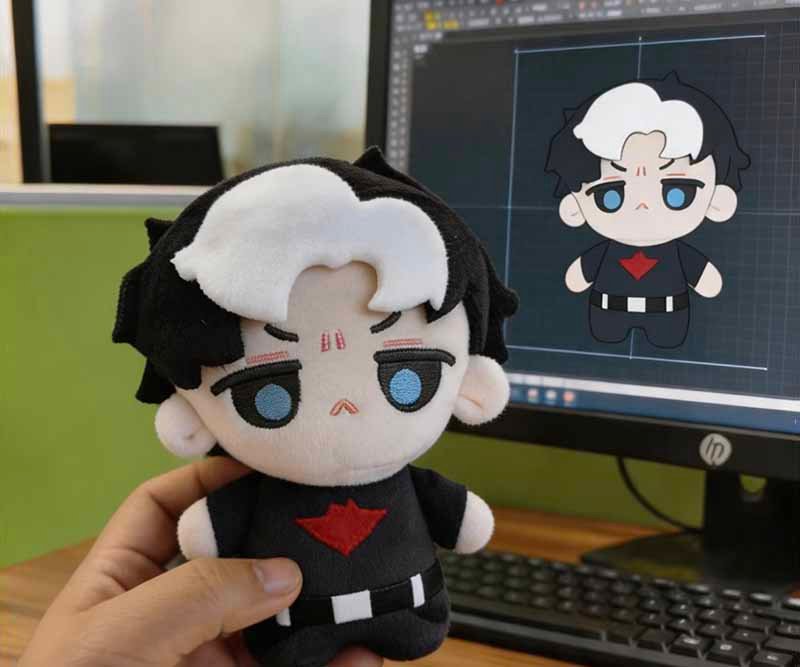
Licensed Character Development
Licensed character programs require clear rights, protected assets, recognizable physical results and controlled approval records. The collection explains how character guides, artwork versions, non-negotiable features, sample reviews, copyright lines and packaging approvals connect. It also covers situations where a two-dimensional feature must be adjusted for soft construction while preserving the character’s identity.
Included subjects:
- Character asset preparation
- Legal authorization and NDA
- Character fidelity review
- Sample version management
- Licensor approval records
- Copyright and trademark placement
- Multi-SKU character consistency
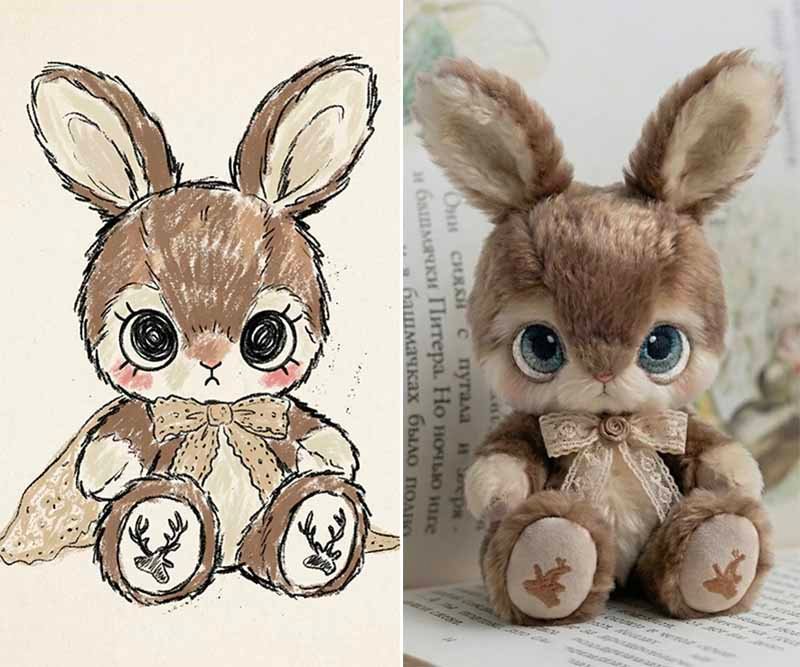
Collectible Plush Planning
Collectible products need more than several color changes. A coherent collection considers Hero SKUs, entry products, premium editions, hidden variants, assortment ratios, individual packaging and future launch waves. The collection helps product teams decide which components should remain shared and which details must distinguish each character. Guidance also addresses production separation, SKU coding, blind-box packaging and carton mapping.
Included subjects:
- Collection architecture
- Mini plush size planning
- Shared body engineering
- Hidden-edition control
- Assortment and case packs
- Collection-box development
- Replenishment planning
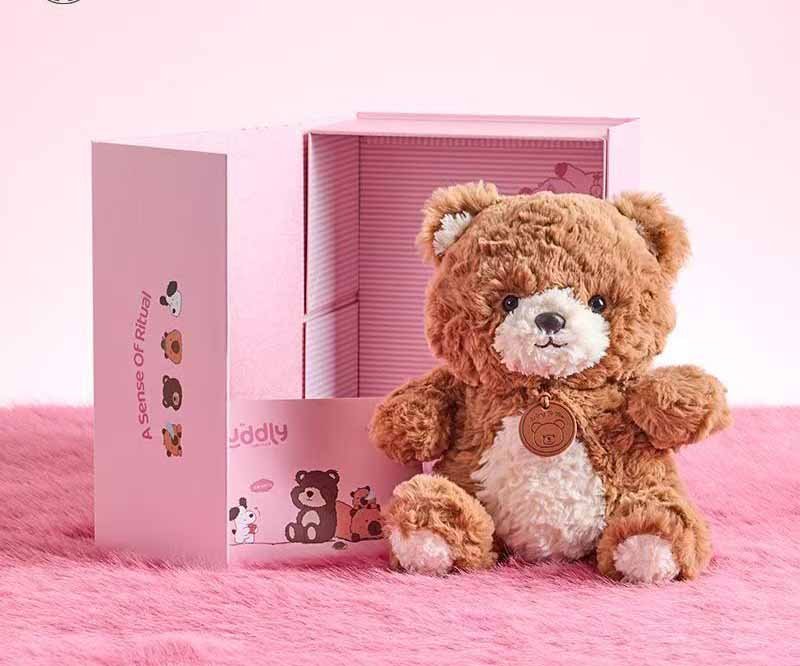
Retail-Ready Plush
Retail preparation begins before bulk production. Labels, barcodes, packaging dimensions, case packs and warehouse instructions can affect artwork, product construction, packing labor and freight volume. The collection explains how finished plush products become identifiable, scannable, protected and ready for receiving. It also clarifies why Amazon, 3PL and retail distribution centers require different preparation.
Included subjects:
- Retail packaging structures
- Hangtags and care labels
- UPC, EAN and FNSKU
- Case-pack planning
- Carton markings
- Warehouse receiving rules
- Repeat-order documentation
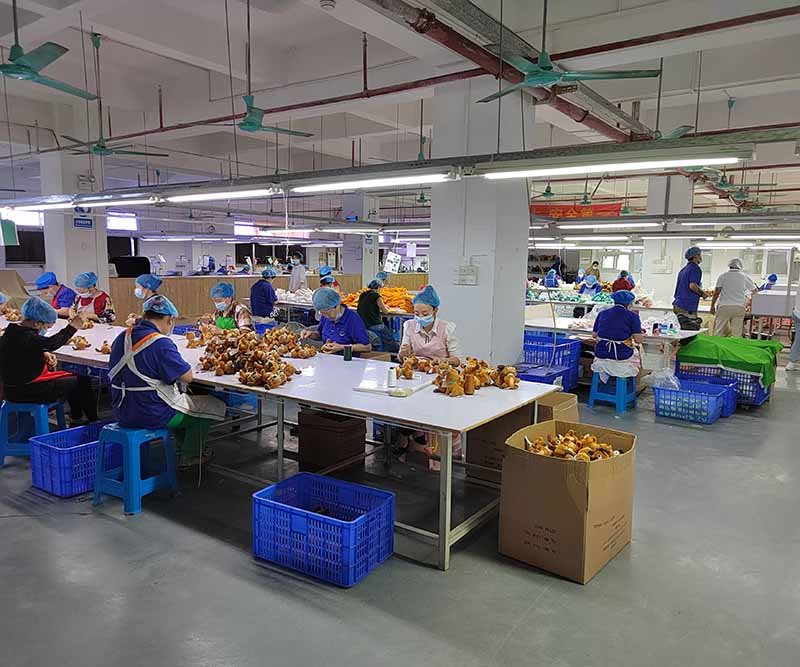
Custom Plush Manufacturing
The manufacturing collection follows a commercial plush program from the first brief through delivery. It explains how artwork becomes patterns, how materials affect construction, how samples are revised, and how approved information enters production. Procurement teams can also review MOQ, cost drivers, production scheduling, inspection stages and supplier-evaluation methods.
Included subjects:
- Manufacturer evaluation
- Project information requirements
- Pattern and sample development
- Material and construction decisions
- Production control
- Quality inspection
- Packaging and shipping preparation
Browse the Complete Custom Plush Knowledge Library
Product Strategy
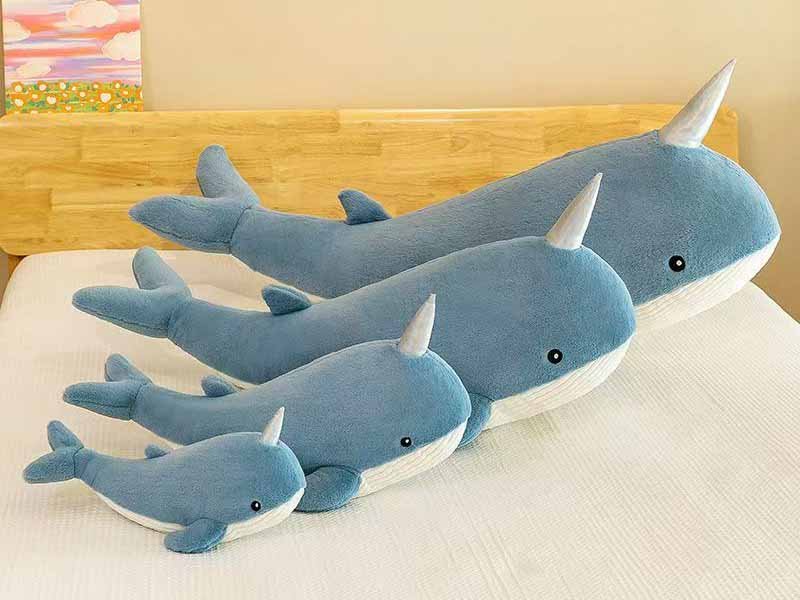
Product strategy resources help teams decide what to manufacture before development expenses begin. Topics cover product categories, intended use, size ranges, SKU structure, order allocation, price ladders and launch sequencing. A 10 cm blind-box collectible, a 22 cm core character plush and a 40 cm retail mascot require different detail levels, packaging structures, carton plans and commercial assumptions.
Featured subjects:
- Product-type comparison
- Size and detail planning
- Hero and entry SKUs
- Multi-SKU architecture
- Order allocation
- Launch-wave planning
Artwork and Design
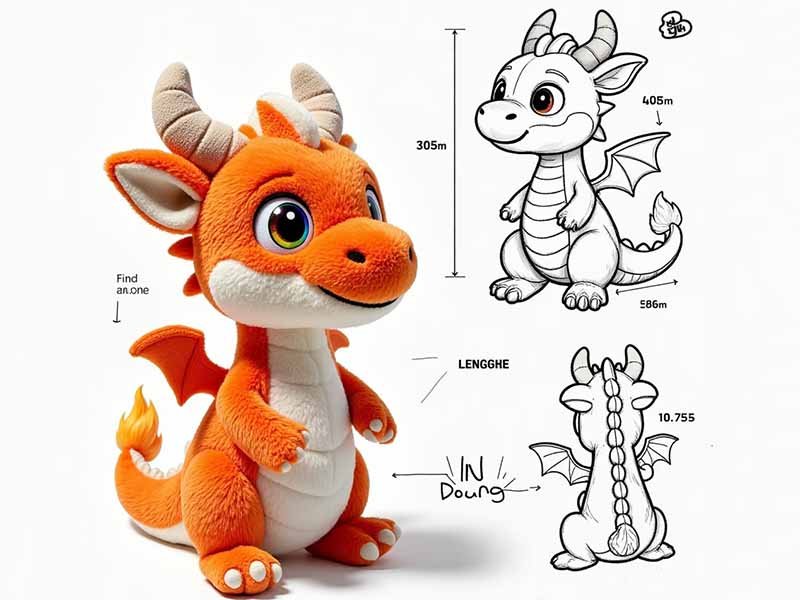
Design resources explain what manufacturers need beyond a single front-view illustration. Teams can prepare side and back references, dimensions, color information, expression notes, clothing construction and signature details. Guidance also shows how to identify features that must remain recognizable and how to document acceptable engineering adjustments when an illustrated element cannot be sewn exactly as drawn.
Featured subjects:
- Artwork preparation
- Character landmarks
- Missing-view analysis
- Color references
- Clothing and accessories
- Design approval records
Materials
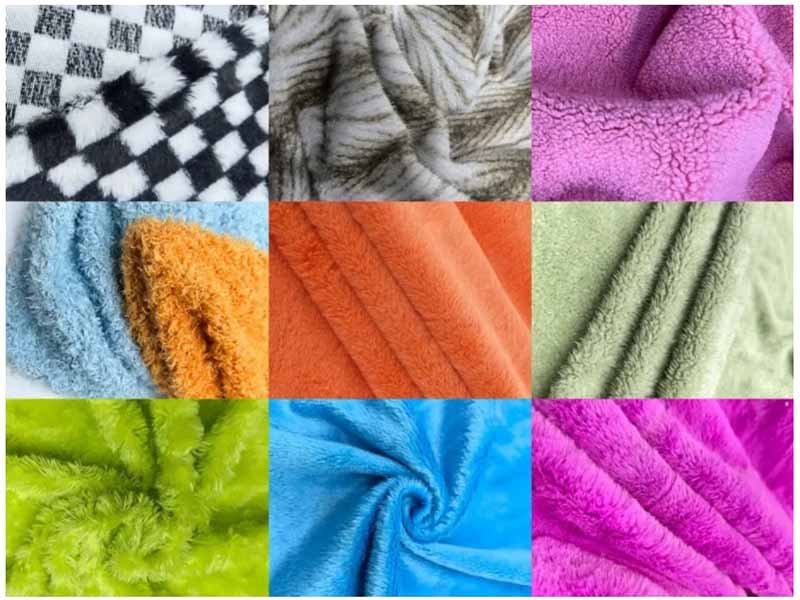
Material resources connect fabric names with measurable product effects. Pile height, GSM, backing, stretch, sheen, softness, shedding and color availability can influence silhouette, embroidery clarity, pattern dimensions, packing recovery and cost. Guides compare common plush fabrics and explain why material approval should use physical swatches or samples rather than relying only on screen images.
Featured subjects:
- Minky and velboa
- Faux fur selection
- GSM and density
- Stretch direction
- Fabric color matching
- PP cotton filling

Sampling
Sampling resources explain the role of first prototypes, revisions, Pre-Production Samples and Golden Samples. Teams can learn what sample fees cover, which comments are measurable, how version numbers prevent confusion and when a physical sample is ready to become a production reference. Guidance avoids the unrealistic expectation that every complex character should be perfect in the first version.
Featured subjects:
- Prototype scope
- Sample fees
- Revision planning
- Feedback templates
- PPS approval
- Golden Sample control
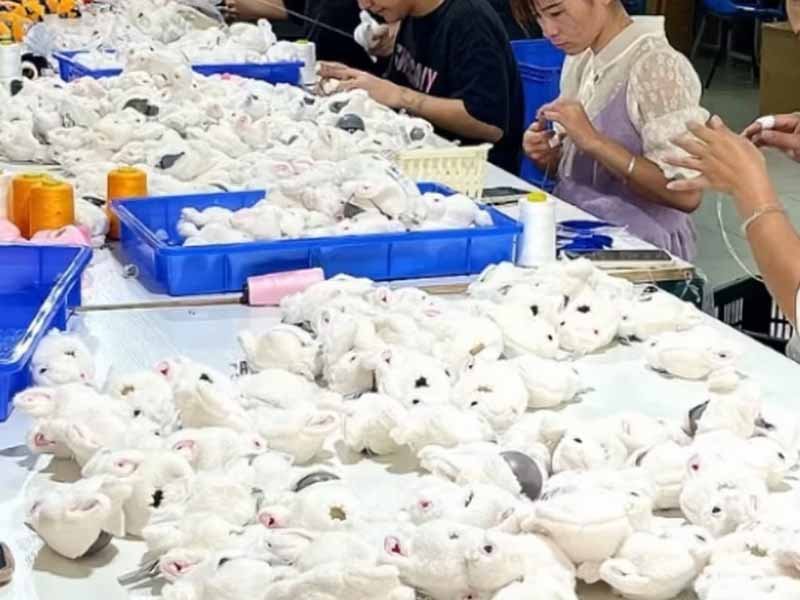
Manufacturing
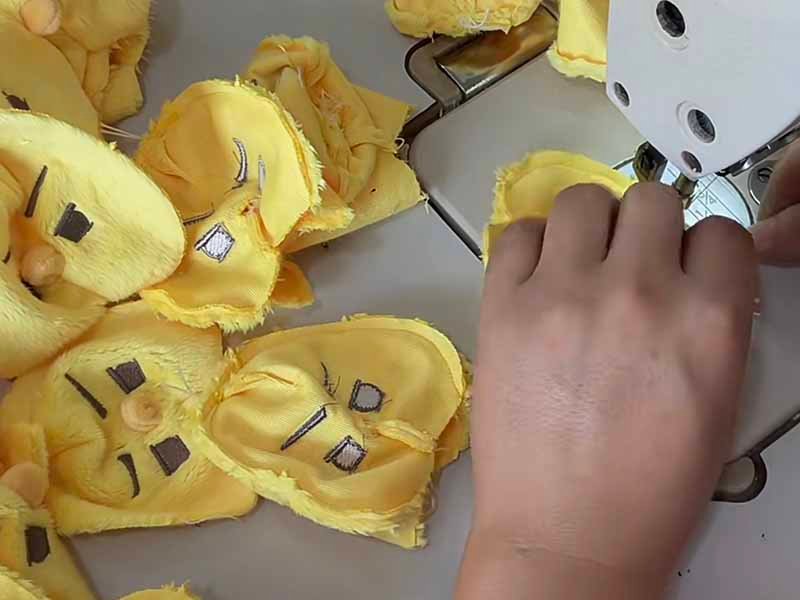
Manufacturing resources cover cutting, embroidery, printing, sewing, filling, shaping, accessory assembly and production release. Each topic links workshop actions with the approved product. Readers can learn how pile direction changes appearance, why embroidery should be reviewed after filling, how multi-SKU bundles prevent mixing and why first-piece approval matters before full-line production.
Featured subjects:
- Controlled cutting
- Embroidery development
- Sewing workmanship
- Filling distribution
- Accessory attachment
- Production-file control
Quality
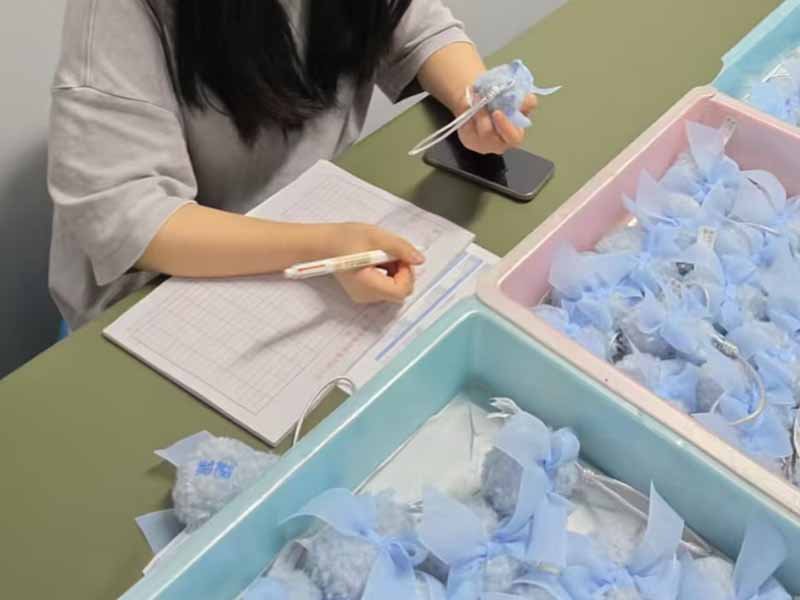
Quality resources explain how incoming materials, work in process, finished products and packaging are checked. Topics cover defect classification, inspection criteria, first-piece review, Golden Sample comparison, corrective action and repeat-order consistency. Different product types receive different quality emphasis: character plush requires expression control, bag charms require secure hanging points, and electronic products require functional checks.
Featured subjects:
- Quality planning
- Defect classification
- Incoming inspection
- In-process control
- Final inspection
- Corrective-action records
Compliance
Compliance resources help teams identify important project inputs before laboratory testing begins. Target market, intended age, product structure, small components, batteries, labels and materials can affect the applicable path. Guidance distinguishes internal quality control from third-party testing and explains the separate responsibilities of the brand, importer, manufacturer and independent laboratory.
Featured subjects:
- Target-age planning
- Market identification
- Product-risk review
- Test-sample preparation
- Label information
- Third-party laboratory roles
Packaging
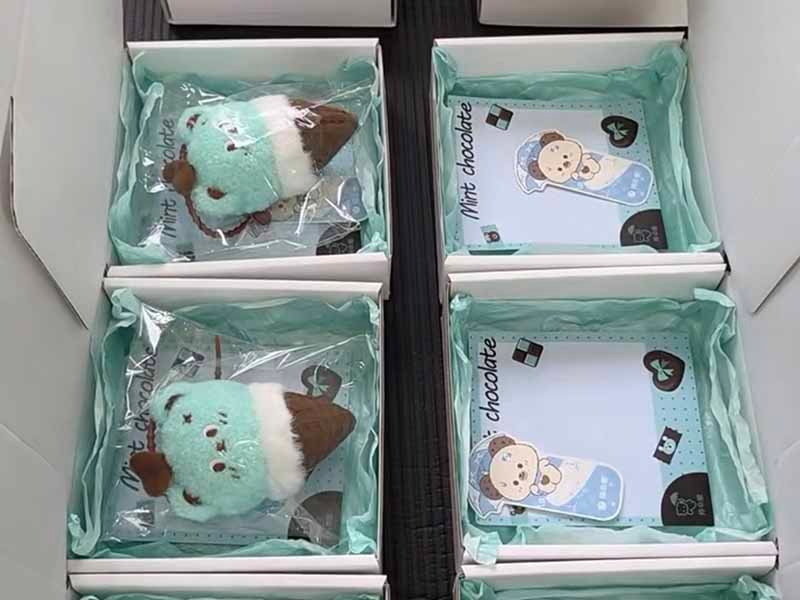
Packaging resources connect product protection, brand presentation, information, warehouse handling and freight. Teams can compare polybags, paper bands, blind boxes, retail boxes, gift boxes and display cartons. Guides also cover barcode placement, packaging prototypes, carton trials and market-specific versions. Packaging should be developed alongside the product rather than added after production is complete.
Featured subjects:
- Unit-pack selection
- Structural packaging
- Barcode placement
- Packaging artwork control
- Case packs
- Master cartons
Shipping and Delivery
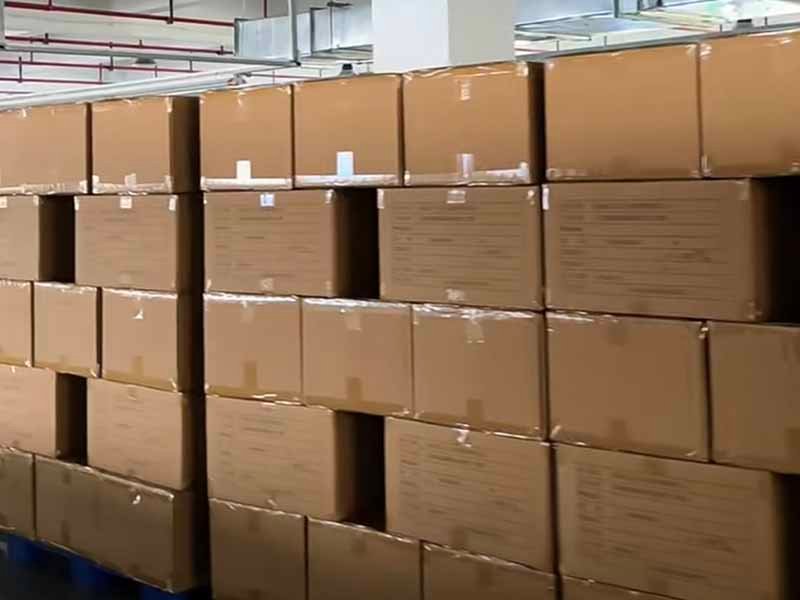
Shipping resources explain how product size, unit packaging, carton dimensions, gross weight, CBM and required arrival dates affect route selection. Guidance covers courier, air freight, LCL, FCL, split shipments, FBA, 3PL and retail distribution centers. Transport ranges remain project-based because routes, customs, warehouse appointments and seasonal capacity can change.
Featured subjects:
- Freight-mode comparison
- Carton optimization
- CBM calculation
- Trade terms
- Warehouse delivery
- Shipment documents
Find Guidance for Every Development Stage
Concept Definition
Concept-stage work clarifies what the product should become and how it will be sold. Teams should identify the product type, target size, quantity, number of SKUs, target market, intended age, packaging direction and required arrival date. Early decisions do not need to solve every construction detail, but they should create enough direction for meaningful feasibility and budget review.
Recommended outputs:
- Project brief
- Product-type direction
- Initial size range
- SKU outline
- Commercial timing
- Missing-information list
Feasibility Review
Feasibility connects creative intent with physical manufacturing. Pattern engineers, sourcing, quality and project teams examine materials, structures, accessories, functions, packaging and market requirements. Difficult features may need embroidery, appliqué, printing, internal supports or a controlled design adjustment. The goal is to identify major risks before development work, specialist materials or packaging tools are committed.
Recommended outputs:
- Engineering notes
- Material direction
- Risk register
- Alternative construction options
- Preliminary cost drivers
- Sample plan
Sample Development
Sampling verifies proportion, expression, structure, material behavior and workmanship through physical products. A standard character prototype is often evaluated within approximately 7 to 15 days after artwork, dimensions, materials and commercial conditions are sufficiently confirmed. Complex clothing, electronic functions, long-pile fabrics or connected multi-SKU collections can require additional development time.
Recommended outputs:
- Sample ID
- Physical prototype
- Internal review notes
- Client feedback
- Revision record
- Approved sample direction
Production Preparation
Production preparation translates the approved result into files and controls the workshop can follow. Required items may include the approved pattern, BOM, embroidery files, material references, first-piece criteria, packaging artwork, barcode files, testing scope and quality plan. Open creative decisions should be resolved before materials are purchased or production capacity is committed.
Recommended outputs:
- Released BOM
- Approved pattern version
- Golden Sample
- Packaging release
- Quality checkpoints
- Production schedule
Bulk Manufacturing
Bulk manufacturing coordinates materials, cutting, decoration, sewing, filling, assembly, finishing and packaging. First pieces are checked before full production continues. Multi-SKU programs need separation controls for fabrics, faces, accessories, labels and boxes. Quality teams inspect during production so repeated issues can be corrected before the complete order reaches final inspection.
Recommended outputs:
- First-piece approval
- Work-in-process records
- Material issue records
- In-process inspection
- Corrective actions
- Finished production batch
Delivery and Reorder
Delivery preparation connects finished goods with packaging, cartons, documents and destination instructions. After shipment, approved patterns, BOMs, swatches, samples and packaging files support repeat orders. Replenishment is still reviewed because materials, regulations, quantities and delivery conditions can change. The archive reduces the risk of a successful product returning with different color, filling or packaging.
Recommended outputs:
- Packing list
- Carton map
- Shipment-release record
- Delivery documentation
- Retained sample
- Reorder comparison
Plan Products Before Sampling and Manufacturing Begin
Choose the Product Form
Character assets can become standard plush toys, mini collectibles, bag charms, blind-box products, mascots, pillows, electronic products or gift sets. Each format changes how much detail can be reproduced, how components are attached, how the item is packaged and how it is used. A bag charm requires secure hardware and balanced hanging, while a retail mascot may prioritize silhouette, shelf presence and carton recovery. Resources include:
- Product-form comparison
- Intended-use worksheet
- Feature-priority guide
- Structure decision checklist
Plan the Size
Size affects character recognition, embroidery, accessories, material use, packaging and freight. An 8 cm product may require simplified clothing and larger embroidered features. A 20 cm product offers more space for expression and construction details. A 35 cm or larger product may preserve complex features but increase carton volume and require more shape-retention planning. Resources include:
- Size comparison guide
- Detail-to-size worksheet
- Packaging-size planner
- Freight-impact notes
Build the SKU Architecture
A strong collection assigns a clear commercial role to each SKU. Hero products introduce the core character, entry products offer accessible pricing, premium editions use more detailed materials or packaging, and limited editions create controlled scarcity. SKU architecture also considers shared body patterns, unique faces, material overlap and individual order quantities. Resources include:
- SKU architecture template
- Shared-component worksheet
- Collection hierarchy guide
- Variant-control checklist
Turn Character Assets Into Production-Ready Plush
Development resources explain how visual references become patterns, prototypes, approved samples and controlled manufacturing files without losing essential character identity.
Allocate Order Quantities
Manufacturing quantity must be reviewed by design, color, size and packaging version rather than total pieces alone. A 12,000-piece order divided across twelve unrelated SKUs creates different material and setup conditions from the same quantity divided across three designs. Allocation planning helps teams identify priority products, shared materials, packaging minimums and realistic assortment ratios. Resources include:
- MOQ allocation planner
- Per-SKU quantity sheet
- Assortment ratio tool
- Order-split comparison
Plan the Price Ladder
Different sizes, materials, accessories and packaging can support several retail price positions within one character family. Price-ladder planning helps identify where an entry product should remain simple and where a premium SKU can justify longer-pile fabric, clothing, embroidery or a gift box. The process begins with intended positioning rather than cutting quality after sampling. Resources include:
- Price-position worksheet
- Feature-cost checklist
- Good-better-best material planner
- Packaging-level comparison
Map the Launch Waves
Not every SKU needs to launch at once. A first wave may introduce core characters, followed by seasonal colors, bag charms, premium versions or limited editions. Launch-wave planning considers development workload, approval timing, production quantity, packaging, inventory risk and repeat-order potential. It also helps separate permanent replenishment products from short-term campaign items. Resources include:
- Launch-wave calendar
- Hero-SKU planner
- Seasonal-edition worksheet
- Replenishment classification
Prepare Artwork Inputs
Useful artwork packages provide more than an attractive front view. Side, back and detail references help define depth, hair, tails, clothing and accessories. Dimensions, color references, logo files and required expressions should be included when available. Missing information can still be developed collaboratively, but every assumption should be visible before the first physical sample is reviewed.
Resources include:
- Artwork preparation checklist
- Required-view guide
- Color-reference sheet
- Asset version register
Identify Character Landmarks
Character landmarks are features that preserve recognition: silhouette, head-to-body ratio, eye spacing, mouth angle, hairstyle, costume and signature details. Teams can rank these features by importance before engineering decisions begin. The method helps protect identity when a thin line, floating shape or extreme proportion cannot be copied mechanically with fabric and filling.
Resources include:
- Character fidelity worksheet
- Landmark-priority template
- Expression comparison sheet
- Design-adjustment record
Understand Pattern Engineering
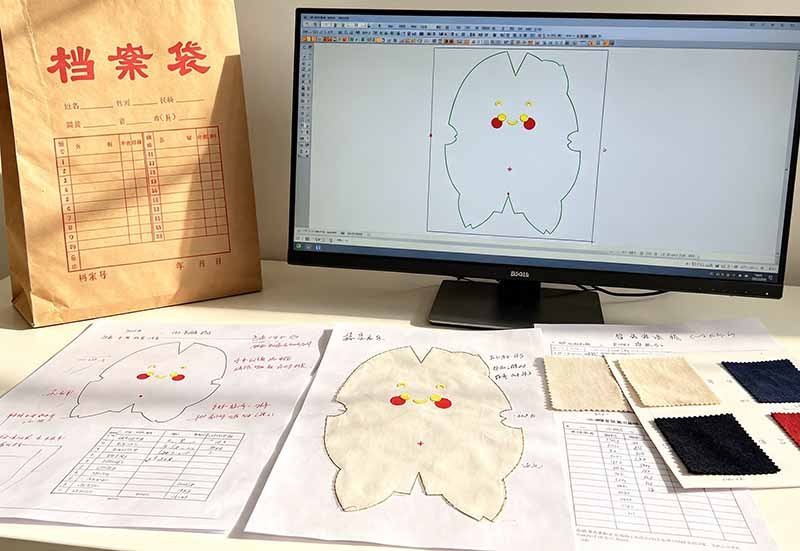
Patterns define the fabric panels, seams, volumes and filling spaces that create the physical form. Engineers consider stretch, pile direction, grain, seam allowance, embroidery position and assembly order. Small panel adjustments can noticeably change facial expression or body balance. Pattern resources help nontechnical teams understand why one drawing may require several physical experiments.
Resources include:
- Pattern-engineering overview
- Panel and seam glossary
- Pile-direction guide
- Shape-correction examples
Plan Embroidery and Printing
Eyes, mouths, logos and clothing details often use embroidery, printing or appliqué. Process choice depends on pile height, stretch, color, line width and intended touch. Embroidery should be evaluated on the production fabric and reviewed after sewing and filling because a flat-panel position can shift on a curved face.
Resources include:
- Embroidery file checklist
- Stitch-density guide
- Printing comparison
- Decoration approval form
Give Measurable Feedback
Feedback becomes actionable when it identifies the sample version, affected area, expected result and measurable change. “Make it cuter” can be translated into wider cheeks, closer eyes or a smaller mouth only after the desired visual result is explained. Structured feedback reduces repeated interpretation and keeps several SKUs aligned.
Resources include:
- Sample feedback template
- Revision-marking guide
- Version-control sheet
- Approval-comment checklist
Approve the Golden Sample
A Golden Sample can serve as a visual and construction reference after materials, shape, workmanship and major accessories are confirmed. It does not replace the BOM, pattern files, embroidery files, packaging artwork or quality criteria. Approval resources explain what should be signed, photographed, recorded and preserved before production release.
Resources include:
- Golden Sample approval form
- Production-release checklist
- Approved-sample photography guide
- Retained-reference record
Understand Materials Before Choosing by Appearance Alone
Minky and Velboa
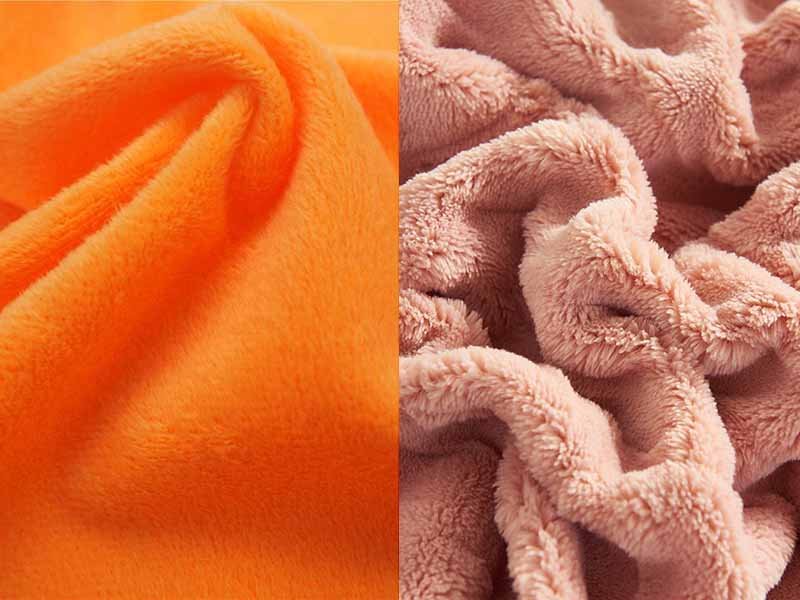
Minky and velboa are both commonly used for character plush, but pile, density, stretch and sheen can differ. Short, stable surfaces often support clear embroidery and defined facial shapes. Softer or more elastic fabrics can create a richer hand feel while requiring pattern adjustments. The guide compares the materials through product outcomes rather than treating one as universally superior. Key comparisons:
- Pile height
- Stretch behavior
- Surface appearance
- Embroidery compatibility
- Shape retention
Short Pile and Long Pile
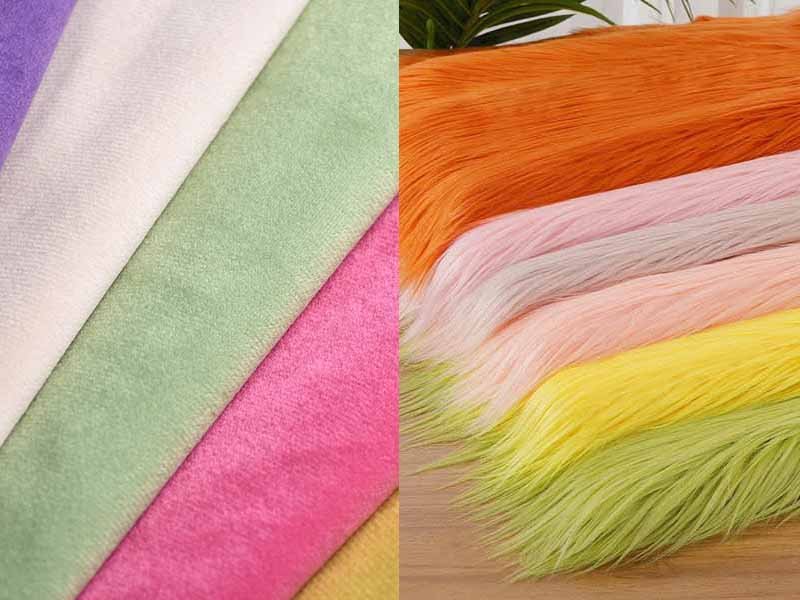
Short-pile fabrics preserve outlines, seams and embroidered details more clearly. Long-pile materials create a fuller, more realistic or premium appearance but can hide small features and require brushing after packing. Product type, character style, cleaning expectations and carton compression should guide the choice. Key comparisons:
- Detail visibility
- Seam coverage
- Grooming requirements
- Packing recovery
- Suitable character styles

Faux Fur Selection
Faux fur varies in pile length, density, backing, fiber direction, sheen and shedding. A realistic animal may need directional fur and blended colors, while a stylized character may benefit from a stable solid-color fabric. Selection should consider how the fur behaves during cutting, sewing, turning, filling and grooming. Key review points:
- Pile direction
- Backing strength
- Fiber shedding
- Color consistency
- Cutting and grooming needs
Fabric GSM
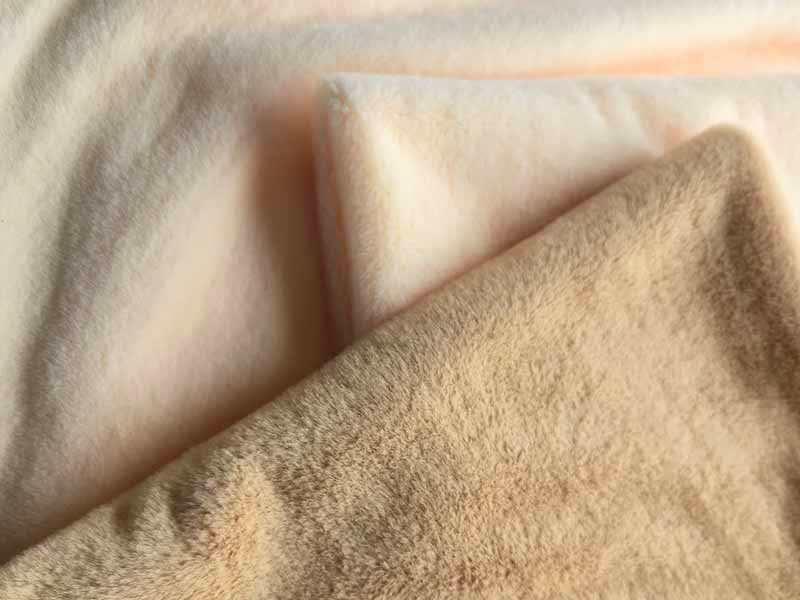
GSM indicates material weight per square meter but does not describe softness, density or quality alone. Two fabrics with similar GSM can use different fibers, pile structures and backings. GSM becomes useful when combined with pile height, density, stretch and intended product form. Key considerations:
- Fabric mass
- Backing structure
- Product weight
- Shape support
- Cost and cutting behavior
Stretch Direction
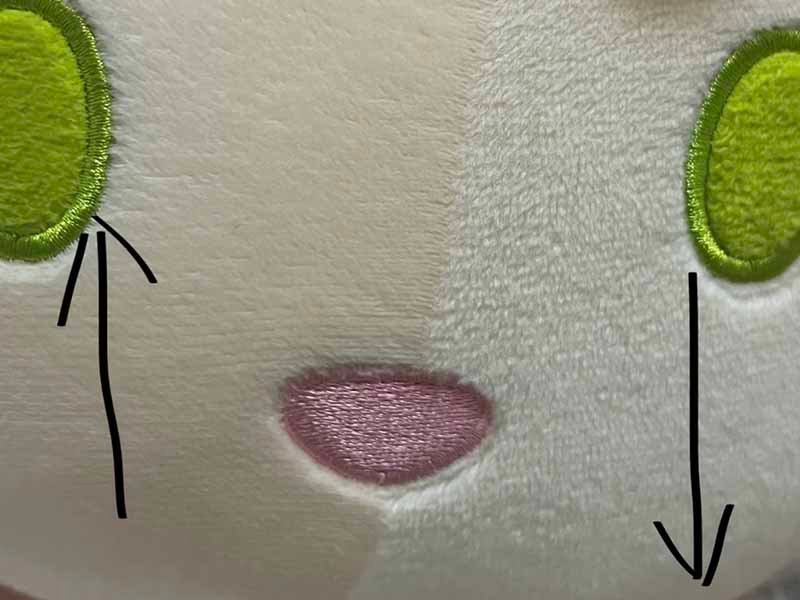
Stretch affects dimensions, embroidery distortion and filling behavior. A highly elastic fabric can expand differently across the head and body, changing proportions after stuffing. Pattern pieces must follow the intended grain and stretch direction. Cutting the same panel in another orientation can create visible differences even from the same roll. Key considerations:
- One-way or multiway stretch
- Pattern orientation
- Embroidery distortion
- Finished dimensions
- Batch consistency
PP Cotton Filling
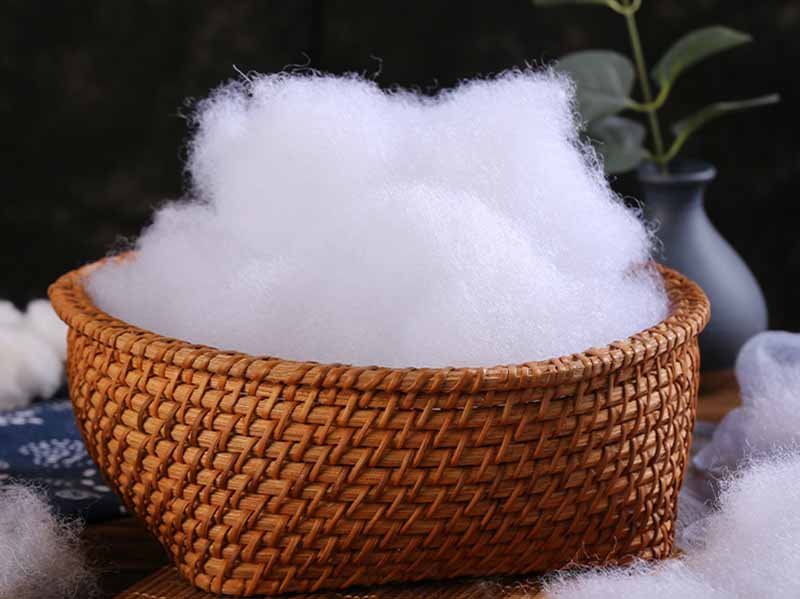
PP cotton commonly refers to polyester staple fiber used as plush filling. Fiber length, crimp, resilience and processing affect softness, loft and recovery. Total filling weight is only one control; distribution across the head, cheeks, body and limbs determines shape and hand feel. Key considerations:
- Fiber resilience
- Loft and softness
- Zoned filling
- Recovery after packing
- Finished weight

Embroidery and Printing
Embroidery creates textured, durable details but adds stitch density and can distort elastic fabric. Printing supports gradients, thin lines and larger graphics but depends on surface compatibility and durability requirements. Appliqué can add bold fabric shapes while introducing extra edges and seams. Key comparisons:
- Detail type
- Surface compatibility
- Hand feel
- Durability
- Setup and quantity
Hardware and Accessories
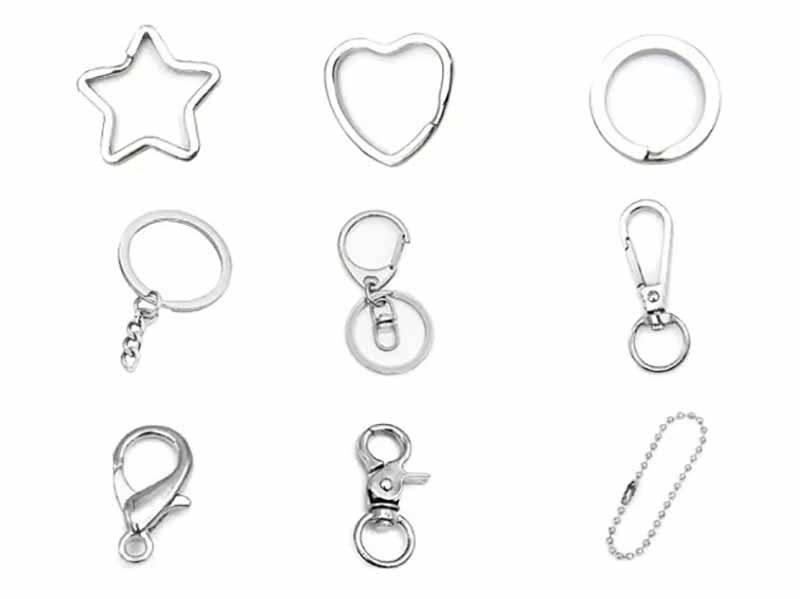
Keychain clips, loops, buttons, badges, zippers and electronic modules influence appearance, safety, weight and packaging. Load-bearing accessories require more than surface stitching. Metal parts may need separation from embroidered faces or printed boxes during transit. Key considerations:
- Attachment method
- Load direction
- Surface protection
- Product balance
- Market requirements
Prepare Quality and Compliance Before Mass Production
Build a Quality Plan
A quality plan identifies what will be checked, when it will be checked, which reference applies and what happens when a result is unacceptable. Different plush types require different focus. Character programs emphasize expression and proportion, bag charms emphasize hardware attachment, and electronic products add functional checks. Resources include:
- Quality planning worksheet
- Product-specific checkpoint guide
- Inspection responsibility map
- Release criteria template
Classify Defects
Defect classification helps teams distinguish risks that affect safety, function, saleability and appearance. Critical, major and minor categories should use product-specific examples. A loose small component, incorrect character face and light removable mark do not carry the same consequence. Resources include:
- Defect classification guide
- Plush defect photo library
- Severity decision worksheet
- Corrective-action template
Control Production Stages
Quality control should follow materials, embroidery, cutting, sewing, filling, assembly, finishing and packaging. Repeated findings require root-cause correction rather than continued sorting. Stage-based resources help teams identify where a defect originates and which process should prevent recurrence. Resources include:
- Incoming inspection checklist
- In-process control guide
- First-piece review form
- Final inspection checklist
Define Target Age
Intended age can affect small components, seam requirements, labeling, warnings and applicable testing. A product designed for general adult collectibles may follow a different path from a children’s toy or infant product. Age should be defined before materials and construction are finalized. Resources include:
- Target-age worksheet
- Small-component review
- Structural-risk checklist
- Age-label planning guide
Identify Target Markets
Market preparation begins by listing every country or region where the product will be sold. Test scope, labels, language, traceability and importer documents can differ. A product should not be described as “globally compliant” without reviewing the actual markets, age and features. Resources include:
- Market-planning worksheet
- Label-language checklist
- Import-document guide
- Multi-market version planner
Coordinate Third-Party Testing
Independent laboratories issue test reports according to the submitted product and agreed scope. Pufumi can help prepare samples, BOM information, labels and corrective work, but laboratory testing does not transfer all legal responsibility away from the brand or importer. Testing resources explain roles and required preparation. Resources include:
- Laboratory briefing form
- Test-sample checklist
- BOM preparation guide
- Failure-correction workflow
Prepare Plush Products for Retail and Global Delivery
Select Unit Packaging
Unit packaging may use a polybag, paper band, blind box, retail box, gift box or protective sleeve. Selection depends on product shape, protection, retail presentation, warnings, sustainability goals and packing labor. A packaging prototype should be tested with the physical product before bulk printing.
Resources include:
- Packaging comparison guide
- Packaging brief template
- Structural prototype checklist
- Product-fit review form
Control Labels and Barcodes
Hangtags, care labels, copyright lines, UPC, EAN, GTIN-based codes and FNSKU labels serve different purposes. Barcode scanning confirms readability, while SKU mapping confirms that the code belongs to the correct product. Market and warehouse versions must remain controlled.
Resources include:
- Label content worksheet
- Barcode placement guide
- SKU-label mapping sheet
- Copyright-line checklist
Prepare for Retail
Retail products may require case packs, display cartons, purchase-order references, carton labels, routing guides and appointment procedures. Preparation should use the active retailer instructions rather than a generic checklist copied from another channel.
Resources include:
- Retail-readiness checklist
- Case-pack planner
- Routing-guide review sheet
- Distribution-center preparation
Engineer Master Cartons
Master-carton design balances product protection, carton strength, unit count, gross weight and CBM. Plush products are often light for their volume, making packing density important. Compression should be approved only after product recovery, fabric, filling and retail presentation are reviewed.
Resources include:
- Carton trial form
- Case-pack calculator
- Compression recovery sheet
- Carton data template
Compare Shipping Methods
Courier suits samples and urgent cartons. Air freight can support launches and replenishment. Sea freight often suits regular bulk orders, while split shipments combine speed and cost control. Route selection should begin from the required in-warehouse date rather than only the factory completion date.
Resources include:
- Freight comparison guide
- Delivery timeline planner
- Split-shipment worksheet
- Trade-term overview
Prepare Warehouse Delivery
Amazon FBA, independent 3PL facilities and retail distribution centers use different receiving instructions. Active shipment labels, carton rules, ASN data, appointments and pallet requirements should come from the responsible account or warehouse.
Resources include:
- FBA preparation checklist
- 3PL receiving worksheet
- Retail DC checklist
- Warehouse label planner
Download Tools for Your Next Plush Project
Custom Plush Project Brief
Organize artwork, product type, target size, quantity, SKU count, target market, packaging and required arrival date in one structured file. The brief helps project teams identify missing information before requesting feasibility review or quotation.
- Format: Editable document
- Use stage: Concept
- Best for: Product and procurement teams
Artwork Preparation Checklist
Review front, side, back and detail references before sampling. The checklist covers dimensions, colors, logos, expressions, clothing, accessories and features that must remain recognizable. It also helps identify contradictions between visual assets.
- Format: PDF checklist
- Use stage: Concept and feasibility
- Best for: Designers and IP teams
Character Fidelity Review Sheet
Record silhouette, proportion, facial expression, colors, clothing and signature details for sample evaluation. Teams can rank each feature by importance and compare V1, revised and approved samples using the same review structure.
- Format: Editable worksheet
- Use stage: Sampling
- Best for: Design and approval teams
Sample Feedback Template
Provide comments by sample ID, version and affected area. The template includes image references, measurements, desired result, priority and approval status. Structured feedback helps separate supplier corrections from new creative changes.
- Format: Editable presentation
- Use stage: Sampling
- Best for: Cross-functional sample reviews
Golden Sample Approval Form
Confirm product version, dimensions, materials, embroidery, filling, accessories, workmanship and packaging status before production release. The form also records unresolved exceptions and the relationship between the physical sample and supporting production files.
- Format: Editable form
- Use stage: Approval
- Best for: Project and quality teams
MOQ and SKU Planning Sheet
Compare total order quantity with per-SKU allocation, colors, sizes and packaging versions. The spreadsheet helps identify designs with insufficient quantity, shared components and proposed launch priorities before quotation.
- Format: Spreadsheet
- Use stage: Product planning
- Best for: Merchandising and procurement
Cost Driver Checklist
Review the product decisions that influence quotation: size, quantity, fabric, panel count, embroidery, printing, clothing, hardware, electronics, packaging, testing and freight. The checklist supports clearer cost discussions without presenting a universal price table.
- Format: PDF checklist
- Use stage: Feasibility and quotation
- Best for: Product and finance teams
Material Selection Worksheet
Compare fabric pile, GSM, stretch, color, hand feel, embroidery compatibility and supply conditions. The worksheet records approved swatches and explains why a material was selected for a particular product.
- Format: Editable worksheet
- Use stage: Feasibility and sampling
- Best for: Design and sourcing
Packaging Requirement Form
Define unit packaging, artwork, labels, barcodes, inserts, retail display, case packs and master cartons. The form helps packaging, product and logistics teams work from one approved requirement set.
- Format: Editable document
- Use stage: Sampling and production preparation
- Best for: Packaging and operations
Quality Inspection Checklist
Organize appearance, dimensions, seams, embroidery, filling, accessories, functions, labels, packaging and carton checks. The checklist should be adapted to the approved product rather than used unchanged for every plush category.
- Format: Spreadsheet checklist
- Use stage: Production and final inspection
- Best for: Quality teams
Shipping Data Sheet
Record carton count, dimensions, net weight, gross weight, total CBM, destination, trade term, required arrival date and warehouse requirements. The file supports freight quotations and document reconciliation.
- Format: Spreadsheet
- Use stage: Delivery planning
- Best for: Logistics and procurement
Supplier Evaluation Checklist
Review corporate identity, factory relationships, engineering capability, sampling, production control, quality, compliance preparation, packaging, delivery and confidentiality. The tool helps teams compare suppliers using evidence rather than promotional claims.
- Format: Editable checklist
- Use stage: Supplier qualification
- Best for: Sourcing and quality teams
Use Planning Tools Before Requesting a Quote
MOQ Allocation Planner
Enter total quantity, number of SKUs, colors, sizes and packaging versions. The tool calculates average quantity per version and highlights structures likely to create additional material, embroidery, setup or packaging requirements. It does not determine factory acceptance automatically because shared components and project complexity still need review.
Example:
- Total order: 12,000 pieces
- SKUs: 8
- Average: 1,500 pieces per SKU
- Additional variable: one hidden edition with a separate box
Plush Size Comparison
Compare common product sizes and the level of detail they can support. An 8–10 cm product may need simplified clothing and larger facial embroidery. An 18–25 cm product offers more space for shape and accessories. Products above 35 cm may require additional shape-retention and carton planning.
The tool compares:
- Detail capacity
- Likely product use
- Packaging impact
- Hardware compatibility
- Freight sensitivity
Sample Timeline Planner
Estimate development stages using SKU count, structural complexity, materials, accessories, packaging and expected revision rounds. A standard character prototype may be evaluated around 7 to 15 days after key inputs are confirmed, while linked collections and electronic products can require longer.
The tool separates:
- Engineering review
- First sample
- Revision work
- Packaging prototype
- Final approval
Carton CBM Calculator
Enter carton length, width, height and quantity to calculate cubic volume. For example, 120 cartons measuring 68 × 48 × 48 cm equal approximately 18.80 CBM. Final freight planning also requires gross weight, route, destination and trade term.
The calculator supports:
- Single carton sizes
- Multiple carton configurations
- Total shipment CBM
- Per-unit volume comparison
Chargeable Weight Calculator
Compare actual weight with volumetric weight for courier or airfreight planning. Carrier formulas can differ, so the tool clearly displays its selected divisor and assumptions. The calculation is an early planning reference rather than a carrier quotation.
Inputs include:
- Carton dimensions
- Carton count
- Gross weight
- Selected airfreight formula
- Destination reference
Learn From Real Plush Project Decisions
Anonymized program profiles show how design, sampling, manufacturing, packaging and delivery decisions connect across commercial orders above 1,000 pieces.
Character Development Program
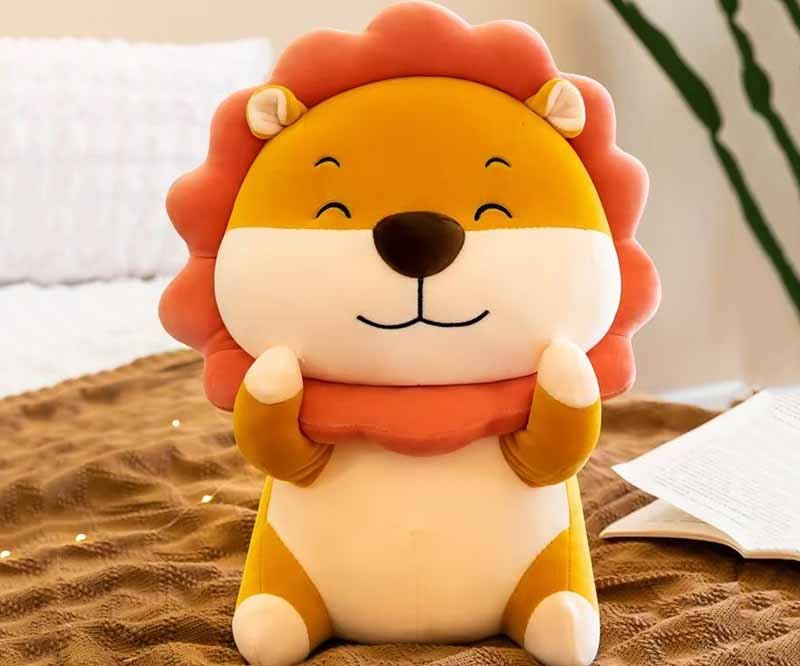
A four-character entertainment program included 4,800 plush products at 22 cm, with embroidered faces, fabric clothing and individual hangtags. The available artwork contained strong front views but limited side and back information. Development began by identifying character landmarks, creating missing-view questions and defining shared body measurements. The first sample stage was planned within approximately 12 to 18 days after artwork, dimensions and materials were confirmed. Revisions addressed eye spacing, cheek width, clothing fit and filling distribution. Bulk planning required approximately 30 to 45 days after sample, BOM and packaging release. Resources connected to the program:
- Artwork checklist
- Character fidelity sheet
- Sample feedback template
- Golden Sample approval
- Multi-SKU quality checklist
Collectible Plush Program
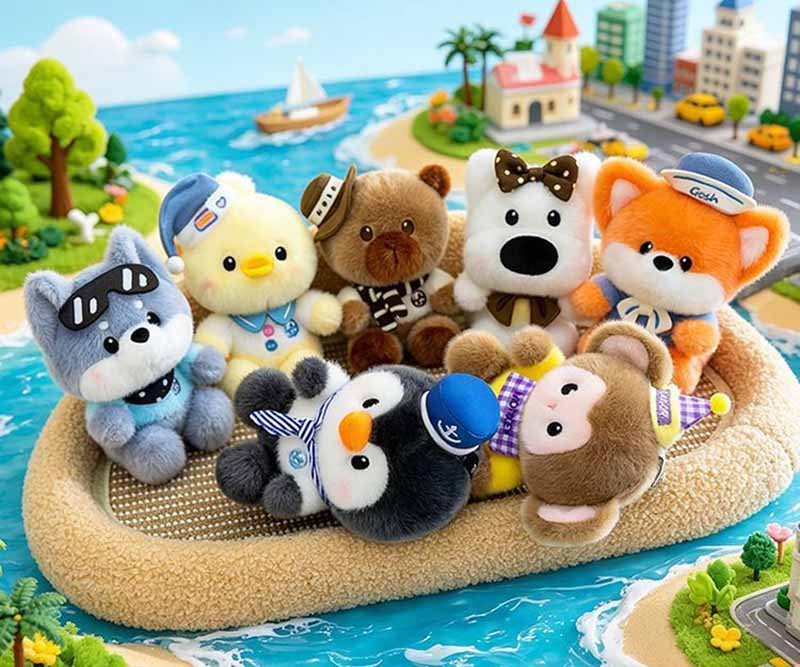
An eight-SKU collection included 12,000 mini plush products between 10 and 12 cm. Seven regular characters and one limited variant shared part of the body structure while using different faces, ears, colors and accessories. Individual collection boxes and planned assortment ratios increased the importance of version and packing control. Sample development was planned within approximately 18 to 25 days because eight embroidery files and linked packaging versions required coordinated approval. Bulk planning required approximately 40 to 55 days after complete release. Production used SKU-specific bundles, accessory kits, box codes and carton mapping. Resources connected to the program:
- SKU architecture planner
- MOQ allocation sheet
- Embroidery approval guide
- Packaging requirement form
- Carton mapping template
Retail Mascot Program
A destination-retail mascot program included 3,600 pieces at 30 cm, using short-pile fabric, embroidered branding, a removable costume and printed retail tags. Pattern engineering focused on preserving the recognizable head shape while allowing efficient packing. A carton trial compared case-pack quantity, product recovery and clothing creasing. The first physical sample was planned within approximately 15 to 22 days after design and material confirmation. Bulk production required approximately 35 to 50 days after full release. Final control included product profile, costume attachment, barcode scan, case pack and sealed-carton measurements. Resources connected to the program:
- Size planning guide
- Material selection worksheet
- Carton recovery form
- Barcode checklist
- Shipping data sheet
See Plush Development Instead of Only Reading About It
Artwork to Plush
Follow a character from initial artwork through engineering notes, pattern panels, trial embroidery and physical sampling. The video explains why side depth, fabric stretch and filling cannot be determined from a front illustration alone. Confidential client assets are replaced with original, authorized or anonymized examples.
- Typical length: 4–8 minutes
- Related resources: Artwork Checklist and Pattern Guide
Sample Revision
Compare a first prototype with a revised and approved version. The video identifies measurable changes in expression, head volume, eye position, limb length, fabric and filling. Revision is presented as normal development work rather than evidence that the first sample failed.
- Typical length: 3–6 minutes
- Related resources: Feedback Template and Golden Sample Guide
Material Comparisons
See the same design produced with short-pile minky, velboa and longer faux fur. The comparison covers outline clarity, embroidery visibility, softness, grooming and packing recovery. Fabric names are supported by physical behavior rather than treated as quality grades.
- Typical length: 4–7 minutes
- Related resources: Material Selection Worksheet
Production Processes
Follow released fabric through cutting, embroidery, sewing, filling, shaping and finishing. Each stage identifies the approved reference and common error it must prevent. The video also shows why some specialist processes may occur through qualified partners rather than one internal location.
- Typical length: 6–12 minutes
- Related resources: Manufacturing Process Guides
Quality Inspection
Observe incoming, in-process, finished-product and packaging checks. The video compares character, bag-charm and electronic plush inspection priorities. It also shows how findings are recorded, corrected and reinspected before closure.
- Typical length: 5–9 minutes
- Related resources: QC Checklist and Defect Guide
Packaging and Shipping
See how finished plush moves from grooming to unit packaging, barcode checks, case packing, carton measurement and cargo release. The video explains CBM, carton mapping and why final freight data must come from sealed production cartons.
- Typical length: 5–8 minutes
- Related resources: Shipping Data Sheet and CBM Tool
Understand the Terms Used in Plush Manufacturing
MOQ
Minimum Order Quantity describes the smallest commercially workable quantity under defined product and packaging conditions. It may apply by design, color, size or packaging version rather than total order quantity alone.
SKU
BOM
DFM
PPS
Golden Sample
AQL
GSM
Pile Direction
Dye Lot
GTIN
FNSKU
CBM
Case Pack
DAP
DDP
Trust, Compliance & Production Assurance
Confidence for global brands and complex plush programs
Pufumi evaluates each project according to its target market, age grade, materials, construction, labeling, and packaging requirements. Depending on the assigned production site and project scope, our team can support ISO 9001 quality-management documentation and coordinate testing to EN71, ASTM F963, CPSIA, REACH, and other applicable standards. Factory audits, certifications, and test reports are verified by issuing body, validity period, facility, and product scope, giving brands greater transparency from sample development through controlled production and delivery.














Frequently Asked Questions
Core guides, templates and process explanations are prepared by Pufumi or Shenzhen Oneier teams and reviewed by relevant technical roles. External regulations, standards and platform requirements are attributed to their responsible official sources where needed.
Some foundational checklists and glossary resources may be available as open downloads. Detailed planning tools may require business contact information. Project-specific files, specifications and confidential templates are provided only within an active commercial engagement.
No. Cost, MOQ, sample schedules, production timing and freight depend on artwork, size, materials, quantity, SKU structure, packaging, testing and destination. Guides prepare teams for a more accurate project review but do not create a binding quotation.
No. Compliance resources support early product planning and communication with laboratories, importers and advisors. They do not replace market-specific legal advice, third-party testing or the statutory responsibilities of the responsible manufacturer, brand or importer.
Review frequency depends on the subject. Stable manufacturing principles may be reviewed periodically, while regulatory, logistics, platform and market-specific information requires closer monitoring. Each published resource displays its applicable update information.
Yes. Product, procurement, quality and design teams may submit a real manufacturing question. Repeated or broadly useful questions can be considered for a future guide, checklist, video or glossary entry without exposing confidential project information.
Templates may be used internally for project planning and supplier communication under the stated usage terms. They should not be resold, republished under another name or represented as an official certification, inspection report or legal document.
Case content should be labeled according to its evidence status. Publicly approved projects may show authorized details, while anonymous cases remove identifying information. Conceptual examples are identified clearly and should never be presented as named client achievements.
Material swatches can be discussed within a qualified project after product type, size, quantity, target market and material direction are reviewed. Available colors, MOQ, fees and courier arrangements remain project-specific.
Submit available artwork, target dimensions, estimated quantity, SKU count, target market, intended age, packaging requirements and required arrival date. Pufumi will review feasibility, missing information and the next suitable development step.
Turn Knowledge Into a Controlled Plush Program
Resources are most valuable when they help a team make a clear decision. Share the current development stage, available artwork and unresolved questions. Pufumi can help identify which information should be prepared before feasibility review, sampling, quotation, production release or delivery planning.
A project submission does not need to contain every final answer. It should provide enough commercial and creative direction to evaluate the next step without relying on unsupported assumptions.
Please include:
- Company name and business email
- Product or character artwork
- Target product type
- Target dimensions
- Estimated order quantity
- Number of SKUs
- Target market
- Intended age group
- Material or hand-feel direction
- Packaging requirements
- Testing or retailer requirements
- Required in-warehouse date
- Current project stage
- Resource or technical question
- NDA requirement