Skip to content

Your Trusted Custom Teddy Bear Manufacturer | Pufumi Plush Factory
OEM/ODM teddy bear manufacturing for retail, gifting, branded merchandise, and character programs—combining soft handfeel, controlled shaping, and repeatable bulk quality. Pufumi develops custom teddy bears from 500 pcs/SKU project evaluation, supported by an approximately 18,000–20,000 m2 core plush factory. Projects can customize size, fabric, filling, facial details, embroidery, clothing, accessories, labels, and retail packaging, with approved samples guiding cutting, sewing, stuffing, shaping, QC, and final production.
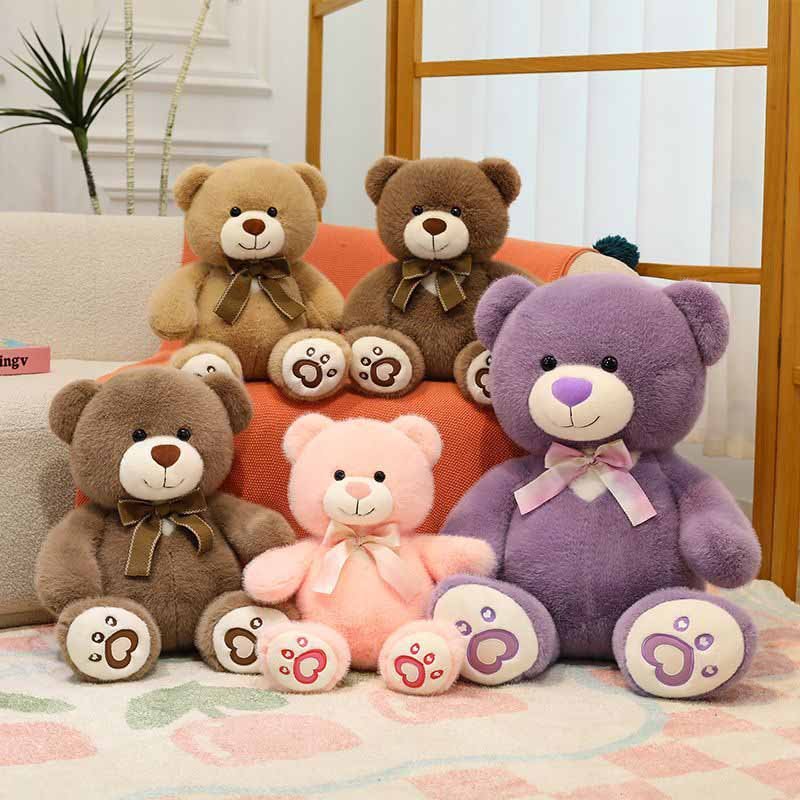
Teddy Bear Programs Built for Established Global Brands
Toy Brands
IP Owners
Global Retailers
Corporate Brands
Universities and Destinations
Lifestyle Brands
Common Risks in Custom Teddy Bear Production
Generic Bear Appearance
- Head-to-body proportion and sitting profile
- Muzzle depth, ear shape, and paw design
- Brand colors, clothing, and decoration
- Packaging and product-line positioning
Facial Expression Drift
- Flat embroidery is checked before assembly
- Filled faces are reviewed from several angles
- Revision notes identify measurable changes
- Approved facial references enter the production file
Clothing Distorts Shape
- Bear body and clothing use separate patterns
- Fabric thickness is considered during fitting
- Attachment points are defined before production
- Removable parts are reviewed for age suitability
Bulk Differs From Sample
- First production units are checked before scale-up
- Material lots are compared against approved references
- Facial position and filling remain key control points
- Old files are isolated after approved revisions
Choose the Right Teddy Bear Customization Path
Branded Base Bear
- Lower structural development complexity
- Faster evaluation of material and branding
- Clear separation between base form and brand elements
- Suitable for coordinated seasonal clothing or packaging changes
Engineered Bear Variation
- New visual identity with controlled engineering risk
- Revised patterns and embroidery files
- Product-specific sample approval
- Strong potential for color, garment, and packaging extensions
Fully Custom Bear
- Original silhouette and facial geometry
- Exclusive structure, clothing, and branding
- Multi-SKU and retail program planning
- Complete sample-to-production file control
Custom Teddy Bear Programs We Develop

Classic Retail Bears

Licensed Character Bears

Brand Mascot Bears

Corporate Gift Bears

Graduation Bears

Seasonal Bears

Baby Comfort Bears

Collectible Teddy Bears
Engineering a Recognizable Teddy Bear Face
Facial Geometry
Flat-to-Filled Changes
Production Reference
Bear Structure Designed Around Its Final Use
Pose, size, filling, packaging, and display conditions determine how a teddy bear should be patterned and assembled.
| Bear Format | Typical Size Range | Structural Priority | Common Use |
|---|---|---|---|
| Mini Bear | 10–15 cm | Simplified details, light weight, stable face | Gift sets, ornaments, compact retail |
| Core Sitting Bear | 20–30 cm | Balanced base, soft body, clear facial geometry | Main retail programs |
| Dressed Bear | 20–35 cm | Garment fit, arm position, stable seating | Universities, corporate gifts, destinations |
| Collectible Bear | 25–45 cm | Premium materials, controlled pose, detailed paws | Limited editions and specialty retail |
| Large Display Bear | 45 cm and above | Shape support, carton planning, transport recovery | Store display, events, premium gifting |
Sitting Stability
A sitting bear needs enough base area, correct hip construction, balanced head weight, controlled leg angle, and appropriate filling distribution. A soft bear may look attractive in hand but fall forward on a shelf. Pufumi evaluates the bare body, dressed version, packaged position, and post-transport recovery before confirming the final structure.
Zoned Filling
The head, muzzle, torso, limbs, paws, and base do not require identical filling density. The face may need shape support, while the body may remain softer for holding. Filling type, total weight, regional distribution, order of filling, and approved handfeel are recorded when consistency is commercially important.
Materials Selected for Touch Shape and Positioning

Short Plush
- Clear facial detail
- Controlled silhouette
- Efficient grooming and inspection

Minky and Velboa
- Soft contemporary handfeel
- Broad color possibilities
- Suitable for embroidered features

Faux Fur
- Premium visual depth
- Traditional teddy character
- Greater cutting and grooming control

Sherpa and Fleece
- Warm textured appearance
- Suitable for simple silhouettes
- Requires controlled seam bulk

Clothing Fabrics
- Scale-appropriate thickness
- Color and logo compatibility
- Stable fit after production
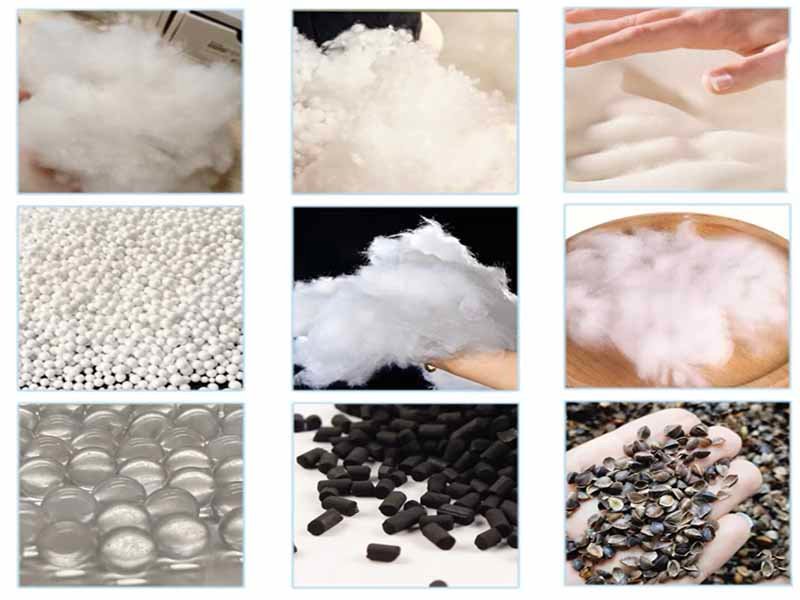
Filling Systems
Standard fiber filling can be adjusted for soft, medium, or firmer handfeel. Selected projects may use zoned filling, internal support, foam components, pellet bags, or mixed structures. Material type, supplier, weight, region, containment, and approved handfeel enter the BOM. Internal materials are reviewed according to product use, age grading, target market, and relevant testing requirements.
- Shape and handfeel balance
- Controlled regional density
- Repeat-order weight reference
Clothing and Accessories Engineered as Product Components

Uniforms and Jackets

Shirts and Hoodies

Hats and Caps

Ribbons and Bows

Shoes and Paw Details

Small Accessories
Branding Methods Matched to Each Teddy Bear Detail

Facial Embroidery
- Recommended for defined lines and small features
- Trialed on production-intent fabric
- Reviewed again after sewing and filling

Logo Embroidery
- Artwork reviewed for minimum line thickness
- Placement linked to the pattern
- Approved thread colors recorded for reorders

Printing and Applique
- Suitable for gradients and larger graphics
- Requires fabric and adhesion compatibility
- Edge and alignment standards defined before production

Labels and Marks
- Label artwork approved separately
- Old versions isolated from production
- Packing checks confirm SKU-to-label matching
How We Turn Concepts Into Production-Ready Teddy Bears
Brief Review
Feasibility Assessment
Material Direction
Pattern Engineering
V1 Sample
Sample Revision
Production Release
Production and Delivery
A Sample Process Built for Controlled Improvement
V1 Prototype
- Main engineering assumptions become visible
- Difficult details are tested in physical form
- Internal review occurs before formal submission
- Feedback is separated into structural and cosmetic changes
Revision Sample
- Eye position and facial volume can be measured
- Garment fit is reviewed on the revised body
- Material substitutions are identified clearly
- Version numbers prevent old samples from becoming references
Production-Intent Sample
- BOM and workmanship approach are checked
- Packaging fit can be tested
- Key inspection points are drafted
- Remaining deviations are disclosed before production release
Golden Sample
- Sample ID and approval date are recorded
- Standard-angle photographs support inspection
- Production files reference the approved version
- Reorders compare against the current approved baseline
Sewing Details That Control Teddy Bear Consistency

Cutting and Pile Direction

Sewing and Alignment

Filling and Closing
Quality Control From Materials to Packed Teddy Bears
Incoming Materials
- Material code and supplier
- Color, pile, GSM, stretch, and handfeel
- Quantity, batch, and visible condition
- Label, print, accessory, and packaging version
First Article
- Overall dimensions and sitting position
- Face, muzzle, ears, and limb angles
- Embroidery, appliqué, and garment placement
- Filling, handfeel, labels, and accessories
Sewing Inspection
- Panel pairing and pile direction
- Seam allowance and stitch condition
- Embroidery orientation
- Reinforcement at ears, limbs, tails, garments, and accessories
- SKU bundle and component matching
Filling and Shaping
- Compare against Golden Sample
- Check soft and firm zones
- Confirm internal material containment
- Review transport-related compression risk
Finished Bear Check
- Facial expression and symmetry
- Loose threads, open seams, stains, or trapped pile
- Garment fit and decoration
- Correct SKU and market label
- Required functional or attachment checks
Packing Verification
Packing checks protect the approved product after manufacturing.
- Correct polybag, insert, card, box, and hangtag
- Barcode and SKU matching
- Packing quantity and assortment
- Carton marks, dimensions, weight, and condition
- Compression, deformation, and box protection
Shipment records connect the packed goods to the production batch.
Compliance Planning Starts Before Teddy Bear Sampling
Target age, sales market, materials, internal filling, plastic components, garments, accessories, electronics, labeling, and packaging determine the applicable compliance path.
| Product Factor | Early Review Focus | Typical Project Records |
| Target Age | Small parts, cords, removable items, facial construction | Age grading, design notes, risk checklist |
| United States | Applicable ASTM F963 sections, CPSIA considerations, third-party testing pathway | BOM, samples, labels, laboratory reports, CPC support records |
| European Union | Applicable EN 71 requirements, labeling, warnings, traceability | Technical information, test reports, market labels |
| Plastic Eyes or Nose | Attachment, accessibility, torque and tension risks where applicable | Component specification, assembly method, inspection record |
| Clothing and Accessories | Buttons, ribbons, badges, detachable parts, print or coating | Accessory BOM, attachment standard, label review |
| Pellets or Special Filling | Inner containment, leakage risk, total weight, intended use | Filling specification, inner-bag record, test sample |
Design Review
Compliance preparation begins while the bear is still being defined. Pufumi reviews the intended age, market, product form, materials, eyes and nose, garments, ribbons, badges, internal filling, electronic features, and packaging. Early review can identify components or structures that may require redesign, additional documentation, or specific laboratory evaluation.
Testing Coordination
Pufumi can help prepare production-representative samples, BOM information, labels, packaging files, component records, and other project documents for third-party laboratory testing. Test scope is determined by the finished product and intended market. A fabric report, factory audit, or general certificate does not automatically cover every finished teddy bear.
Responsibility Boundaries
Pufumi supports engineering preparation, document collection, sample submission, corrective work, and testing coordination. Third-party laboratories conduct independent tests. Legal certification, importer responsibilities, retailer requirements, and market placement obligations depend on the transaction structure and destination. Relevant factory, audit, and test documents should be reviewed by manufacturing site, report scope, validity, and product applicability.















Packaging Built for Retail Warehousing and Global Delivery

Protective Packing

Hangtags and Labels

Retail Boxes

Gift Packaging

Barcode Control

Shipment Preparation
Commercial Planning for Custom Teddy Bear Programs
Project timing and cost depend on confirmed design, quantity, materials, clothing, decoration, packaging, testing, approval speed, production season, and delivery route.
| Planning Item | Pufumi Reference |
|---|---|
| Standard Core MOQ | Common projects are evaluated from 500 pieces per SKU |
| Multi-SKU Allocation | Reviewed according to shared body, materials, garments, labels, packaging, and production complexity |
| Standard Sample Timing | Common internal reference: 7–12 working days |
| Complex Sample Timing | Common internal reference: 12–20 working days |
| Timing Start Point | Begins after design information, sample payment, and required key materials are ready |
| Bulk Production Reference | Common planning range: approximately 25–45 days after production release |
| Packaging Lead Time | Evaluated separately for printed boxes, gift packaging, inserts, and special structures |
| Main Cost Drivers | Size, pattern count, fabric, embroidery, printing, clothing, accessories, filling, packaging, quantity, testing, and delivery |
| Final Quotation | Issued after the specification, SKU plan, quantity, market, packaging, and target schedule are reviewed |
Built for Product Lines and Long-Term Replenishment
SKU Architecture
- Shared components are identified early
- Design-specific parts remain separately controlled
- Packaging and labels stay connected to each SKU
- Future extensions are planned without weakening the core identity
Version Governance
- Versions carry project, SKU, date, and status
- Superseded files remain archived but blocked
- Approved changes enter a formal change record
- Reorders begin with a difference review
Production Allocation
- Material batches remain traceable
- Accessories are prepared by correct SKU
- Production sequence reduces mix risk
- Packaging assortments are checked before shipment
Reorder Continuity
- Core materials can be planned for long-term programs
- Color and handfeel are compared with retained references
- New reports may be required after material changes
- Current production baseline replaces obsolete versions
Teddy Bear Program for Specialty Retail
The following program profile shows how a commercially realistic four-SKU teddy bear collection can be organized from development through retail delivery.
| Program Detail | Reference Project Data |
|---|---|
| Market | North American specialty retail |
| Collection | Four dressed teddy bear SKUs |
| Bear Size | 25 cm seated height |
| Order Quantity | 6,000 pieces total, 1,500 pieces per SKU |
| Product Direction | Shared bear body with four coordinated outfits |
| Branding | Embroidered paw mark, woven label, hangtag, garment emblem |
| Packaging | Individual protective bag, branded hangtag, retail carton assortment |
| Sample Path | V1 prototype, one structural revision, one garment and color confirmation |
| Production Control | Shared body standard, separate garment kits, SKU bundle coding, first-article approval |
| Delivery Plan | One production run with coordinated carton marks and warehouse-ready packing |
Development Challenge
Engineering Direction
Production Controls
Commercial Result
A shared engineering foundation allows the retailer to maintain one recognizable bear family while expanding themes, seasons, uniforms, and packaging. Future replenishment can focus on active SKUs, while a new outfit or color can enter controlled development without changing the approved body unnecessarily.
Development Resources Behind Every Teddy Bear Program
Experienced Development Team
- Artwork and physical-reference review
- Face, body, pose, and clothing engineering
- Material and process evaluation
- Sample revision and production conversion
Controlled Manufacturing Resources
- Capacity matched to project complexity
- Specialist work assigned with clear responsibility
- Materials and outsourced processes remain traceable
- Production release requires approved information
Project Management Structure
- Project timeline and responsibility map
- Design, sample, and file status tracking
- Production, inspection, and packaging milestones
- Escalation records for changes and risks
Documented Delivery Control
- Current files separated from obsolete versions
- Materials linked to suppliers and batches
- Inspection points tied to approved standards
- Reorders begin with documented comparison
Frequently Asked Questions
Common core teddy bear projects are normally evaluated from 500 pieces per SKU. Final MOQ depends on size, structure, fabric, custom color, clothing, accessories, embroidery, packaging, and whether several SKUs share components. A series using one shared body may allow different planning from a collection containing completely different bear constructions.
Yes. Pufumi can review front artwork, side and back views, character guides, brand manuals, technical drawings, photographs, physical references, or structured briefs. More complete information improves feasibility review and sample accuracy. Protected characters, logos, artwork, and third-party assets must be owned or legally authorized by the commissioning company.
Yes. An existing engineering base can be changed through proportion, face, muzzle, ears, paws, fabric, filling, clothing, embroidery, labels, accessories, and packaging. Pufumi first identifies which elements can remain stable and which changes require new patterns, decoration files, samples, testing consideration, or production preparation.
Standard plush samples commonly use an internal reference of 7–12 working days. Complex bears with premium fur, detailed garments, special accessories, multiple embroidery files, custom-dyed materials, electronics, or packaging may require 12–20 working days or project-based planning. Timing starts after required information, payment, and key materials are ready.
Each revision is converted into a written brief with images, measurements, priorities, material notes, and version identification. Approved areas remain separated from open issues. Structural changes, material changes, garment changes, and packaging changes may require different sample methods. Formal approval is linked to a specific sample or file version.
Yes. Pufumi can develop shirts, hoodies, jackets, uniforms, graduation gowns, hats, shoes, ribbons, and other scale-appropriate garments. The bear body is normally stabilized before garment patterns are finalized. Fabric thickness, closures, embroidery, attachment, removability, age grading, packaging pressure, and production assembly are reviewed during development.
Pufumi can support design review, BOM preparation, production-representative samples, labels, packaging information, component documents, and third-party laboratory coordination for projects intended for the United States. Applicable requirements depend on the finished product, target age, materials, components, and use. The responsible domestic manufacturer or importer manages the required certification pathway.
Yes. Packaging support can include protective bags, hangtags, care labels, retail boxes, display boxes, gift boxes, inserts, story cards, certificates, barcode placement, carton marks, and warehouse packing requirements. Printed packaging follows a separate approval process covering structure, artwork, product fit, version, assembly, protection, and packing.
Confidential files are used only for authorized project assessment, quotation, development, sampling, production, testing coordination, packaging, delivery, and reorder management. Pufumi can review a supplied NDA or discuss a standard confidentiality arrangement. Unapproved projects, customer names, artwork, packaging, quantities, prices, and launch details are not used publicly without permission.
Yes. Long-term programs can retain approved sample references, patterns, BOMs, embroidery files, material codes, packaging specifications, QC points, and version records. Before every reorder, Pufumi reviews material availability, supplier changes, packaging, labels, regulations, quantity, target date, and approved design updates to reduce gradual product drift.

Start Your Custom Teddy Bear Project
- Company name and website
- Contact name and business email
- Original artwork or reference photographs
- Intended product use and sales channel
- Target size and number of SKUs
- Quantity required per SKU
- Target age and sales market
- Preferred fabric and handfeel
- Clothing, accessories, and branding
- Packaging and barcode requirements
- Required delivery date
- Budget or target cost information
- NDA requirement
- Expected replenishment or annual volume