...
A reliable plush product development and manufacturing partner For brands Since 2007!

Custom Baby Plush Manufacturer | Infant Toy OEM

Create soft, safe, and comforting baby plush toys designed for newborn gifts, nursery products, and baby brands worldwide.

Pufumi provides OEM/ODM baby plush manufacturing with skin-friendly fabrics, secure stitching, embroidered details, baby-safe construction, and customized packaging. From concept development to mass production, we support brands with prototype samples in 7–12 working days and quality checks for materials, workmanship, and safety requirements before delivery.
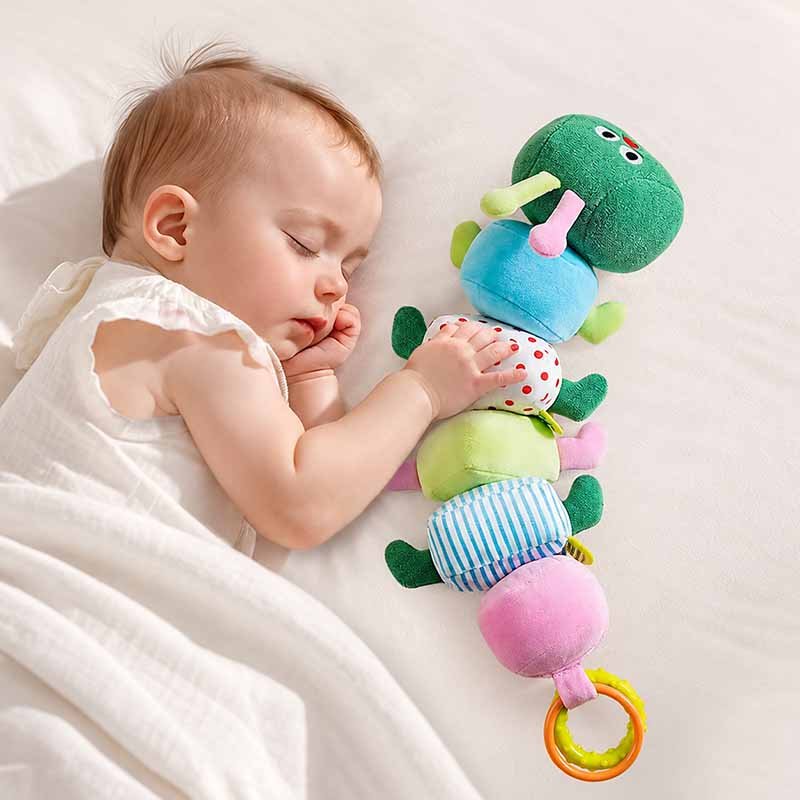
Baby Plush Development for Established Product Programs

Pufumi supports brands that need more than a soft toy supplier. Each project is developed around its intended age, use environment, retail channel, quality level, packaging system, and long-term supply plan.

Baby and Nursery Brands

Baby and nursery brands need products that feel gentle, look calm, and fit naturally into an established collection. Pufumi develops baby stuffed animals, security blankets, loveys, rattles, sensory pieces, and coordinated gift products around the brand’s color palette, material direction, target age, washing expectations, and retail price position. Product engineering begins with intended use rather than appearance alone, helping the development team avoid unnecessary hard components, exposed attachments, rough label edges, unstable filling, or construction choices unsuitable for frequent handling.

Toy and Plush Brands

Toy and plush brands entering an infant category often need to adjust familiar character designs for a younger age group. Pufumi helps simplify fragile details, replace selected hard facial components with embroidery, review protruding accessories, control filling density, and preserve character recognition through proportion, color, silhouette, and surface workmanship. Existing character assets can be extended into a coordinated baby range without treating the infant version as merely a smaller copy of the original toy. Engineering decisions are documented for later production and replenishment.

Major Retail Programs

Retail programs require accurate products, controlled packaging, readable barcodes, correct labels, reliable carton quantities, and stable replenishment. Pufumi coordinates product specifications, SKU codes, packaging versions, target-market information, production files, quality checkpoints, and shipment preparation under one project structure. Baby plush products can be prepared for retail boxes, open trays, gift sets, polybags, e-commerce packs, display cartons, or retailer-specific packing instructions. Batch records and retained samples support investigation and reorder consistency after the first shipment.

Licensed and Lifestyle Brands

Licensed properties, entertainment companies, beauty brands, food brands, hotels, and lifestyle labels often use baby plush products to extend a recognizable character or brand world into nursery and gifting categories. Pufumi translates the original identity into softer proportions, simplified shapes, embroidered features, coordinated fabric colors, and retail-ready presentation while protecting approved artwork and project files. Style guides, copyright lines, label versions, packaging graphics, and approval comments are managed as controlled project documents rather than informal production notes.

Common Risks in Baby Plush Manufacturing

Baby plush development involves decisions that ordinary promotional plush products may not require. Early identification of structural, material, documentation, and packaging risks helps prevent expensive redesigns after sampling or testing.

Undefined Age Positioning

A product cannot be engineered correctly until its intended age and actual use are defined. A nursery decoration, infant comfort toy, stroller accessory, rattle, sleep-related product, and standard stuffed animal may look similar but create different design questions. Pufumi records intended age, target market, selling channel, product function, packaging language, and expected handling before releasing formal development. Clear positioning guides component selection, seam construction, filling, labels, testing preparation, and marketing boundaries.

Detachable Component Risk

Plastic eyes, buttons, bells, beads, hooks, decorative bows, rigid badges, cords, metal chains, battery compartments, and removable garments require careful evaluation in low-age products. Pufumi reviews whether each component is essential, whether embroidery or soft appliqué can preserve the design, and how any necessary component should be enclosed or secured. Attachment methods, reinforcement locations, assembly sequence, inspection frequency, and testing preparation are defined before bulk production rather than left to sewing-line judgment.

Softness Without Control

A fabric may feel soft in a small swatch but perform differently after cutting, embroidery, sewing, filling, washing, and repeated handling. High pile can hide embroidery, unstable backing can distort seams, excess surface lint can remain after trimming, and very light fabric can reveal internal filling. Pufumi evaluates pile length, backing stability, weight, stretch, shedding behavior, color consistency, embroidery compatibility, and finished-product hand feel. Material approval is connected to the sample version and bulk material lot.

Sample-to-Bulk Drift

A well-made prototype does not guarantee stable production. Variations can appear through fabric lots, embroidery placement, pattern interpretation, seam allowance, filling weight, shaping, label placement, or packaging pressure. Pufumi links the approved sample with a released BOM, pattern files, seam map, embroidery files, filling references, production tolerances, and QC checklist. Production teams and inspectors compare bulk units against the same approved baseline, reducing dependence on individual memory or verbal instructions.

Incomplete Test Documentation

A laboratory needs the correct product version, correct materials, correct labels, and accurate supporting information. Sending an early prototype or an unapproved material combination can produce a report that does not represent bulk production. Pufumi helps organize test samples, BOM information, material records, product descriptions, target-age details, labels, packaging references, and applicable SKU information. Reports are recorded by product version and material version so later changes can be reviewed before an existing report is reused.

Packaging Version Errors

Baby products often carry age information, care instructions, material statements, origin details, responsibility information, tracking data, barcodes, copyright lines, or channel-specific labels. A correct plush product can still be rejected when packaging or labeling is wrong. Pufumi controls artwork versions, language versions, barcode files, packaging structures, label positions, carton marks, and approval status. Printed materials are checked before use, scanned where required, and separated by SKU and market version during packing.

Custom Baby Plush Products We Manufacture

Pufumi develops individual baby plush items and coordinated product families for nursery, gifting, toy, lifestyle, licensed, e-commerce, and major retail programs.

Baby Stuffed Animals

Custom baby stuffed animals can be developed as bears, rabbits, elephants, lambs, dinosaurs, sea animals, woodland characters, fantasy creatures, or original brand mascots. Common directions include sitting, lying, rounded, flat-bodied, and easy-grip shapes. Pufumi adjusts the head-to-body ratio, limb length, facial embroidery, ear construction, filling distribution, surface texture, and label placement according to intended age and channel. Product families can share materials and visual language while retaining separate character identities.

Plush Loveys

A plush lovey normally combines a small character head or upper body with a soft fabric panel designed for holding and comfort. Development focuses on the connection between the plush section and blanket panel, seam smoothness, edge construction, fabric stretch, label position, embroidery backing, and shape after washing. Pufumi can develop square, rounded, scalloped, animal-shaped, knotted-corner, or layered lovey structures with coordinated colors, patterns, brand embroidery, retail bands, gift boxes, and care labels.

Security Blankets

Security blankets require a larger comfort surface than a standard lovey and may include a character head, soft arms, textured corners, fabric tabs, appliqué details, or double-layer construction. Pufumi reviews fabric weight, edge finish, panel distortion, corner strength, character attachment, packaging fold, and dimensional tolerance. Materials can be coordinated with nursery textiles or existing baby collections. Packaging may include a paper sleeve, open box, ribbon presentation, reusable bag, or coordinated gift-set carton.

Plush Rattles

Plush rattles may use ring shapes, stick forms, small animals, wrist attachments, or soft grasping bodies. Product development considers rattle-module size, sound level, internal positioning, movement, enclosure, surrounding padding, seam reinforcement, grip dimensions, and washing instructions. A rattle component must remain stable inside the intended compartment without creating an uncomfortable hard point. Pufumi prepares separate assembly and inspection instructions when an internal sound component is included in the approved construction.

Sensory Plush Toys

Sensory plush products may combine fabric textures, soft crinkle sections, embroidered patterns, fabric tabs, squeezable shapes, squeakers, internal rattles, or contrasting surfaces. Every feature is reviewed for purpose, attachment method, target age, cleaning, and production repeatability. Pufumi helps prevent unnecessary feature overload by selecting a controlled group of sensory elements that can be manufactured consistently. Component locations, texture combinations, internal enclosures, and inspection methods are recorded in the technical file.

Soft Character Dolls

Soft dolls for baby and nursery collections can feature embroidered faces, simplified clothing, soft hair construction, printed fabric, attached hats, flat shoes, and gently filled limbs. Pufumi converts character illustrations into sewable pattern pieces while avoiding unstable details that cannot survive repeated handling. Clothing can be fully integrated into the body, partially layered, or developed as fixed soft components. Face proportion, expression, skin-tone fabric, seam placement, body balance, and garment attachment receive dedicated sample reviews.

Stroller Activity Plush

Stroller or travel activity plush may include soft hanging loops, fabric ties, hook-and-loop closures, stroller clips, crinkle areas, rattles, mirrors, or multiple small character elements. Intended attachment and product classification must be clarified before development. Pufumi assesses hanging balance, attachment strength, product orientation, component accessibility, internal module placement, packaging, and use instructions. Hard clips or detachable fittings are evaluated separately and do not automatically follow the same construction path as an all-textile plush toy.

Baby Gift-Set Plush

Gift sets can combine a stuffed animal, lovey, security blanket, rattle, soft doll, fabric pouch, greeting card, or complementary nursery accessory. Pufumi coordinates dimensions, colors, materials, embroidery, labels, folding, inner support, carton structure, and presentation across the set. Every component receives its own SKU or item reference where necessary, while the final set receives a packing checklist and finished-set inspection. Gift boxes can be designed around shelf presentation, e-commerce shipping, or premium unboxing.

Baby Plush Size and Product Planning Guide

Dimensions should reflect intended use, grasping comfort, design complexity, packaging volume, embroidery space, and retail positioning rather than following a single standard size.

Product FormatCommon Development RangeMain Engineering FocusTypical Packaging Direction
Small Baby Stuffed Animal15-20 cmSimple limbs, embroidered face, controlled fillingPaper band, polybag, open tray
Core Baby Stuffed Animal20-35 cmBalanced softness, stable silhouette, easy holdingPolybag, retail box, gift box
Plush Lovey25 × 25 to 40 × 40 cm panelHead attachment, edge finish, wash stabilityPaper sleeve, ribbon, open box
Security Blanket30 × 30 to 50 × 50 cm panelPanel distortion, layered fabric, corner strengthFolded sleeve, gift carton
Plush Rattle12-20 cmModule enclosure, grip size, sound consistencyBacker card, open box, gift set
Sensory Plush15-30 cmTexture placement, internal components, seam accessRetail box, tray, fabric pouch
Soft Character Doll20-40 cmFace proportion, fixed clothing, limb constructionPolybag, open box, window box
Stroller Activity Plush15-30 cm body lengthHanging balance, attachment, orientationBacker card, retail box
Coordinated Gift Set2-4 items per setColor matching, item checklist, carton fitGift box, display carton

Final dimensions are confirmed after artwork review, target-age discussion, component selection, packaging planning, and prototype assessment.

Baby-Suitable Fabrics Selected by Product Function

Fabric selection begins with use, construction, appearance, washing expectations, embroidery requirements, and bulk consistency. A soft sample swatch alone does not establish suitability for a finished baby plush product.

Short-Pile Fabrics for Clean, Controlled Surfaces

Minky, short-pile plush, velboa, micro-plush, and selected fleece constructions are frequently considered for baby stuffed animals, loveys, rattles, and soft dolls. Shorter pile helps maintain cleaner embroidery edges, more predictable seam lines, easier surface inspection, and clearer facial expressions. Pufumi reviews fabric weight, pile height, backing strength, directional appearance, stretch, recovery, lint, surface defects, and compatibility with the selected pattern. Minky provides a smooth, gentle hand feel and works well for rounded animals, comfort products, and nursery collections. Embossed dots or surface textures can add tactile interest, although raised patterns must remain consistent across production lots. Velboa offers a flatter surface and can support crisp embroidery, printed patterns, or structured shapes. Fleece can create a warm textile character but requires careful evaluation of edge thickness, pilling behavior, and dimensional recovery. Fabric selection also affects sewing. Very stretchy materials can distort facial proportions, while weak backing can tear near small embroidery areas or narrow seam allowances. Dense fabric can feel less flexible after multiple layers are joined. Long pile may conceal small embroidered features or release loose fibers during cutting and trimming. Pufumi develops the product with an approved material reference, fabric code, color, pile direction, weight range, supplier information, and intended use area. Main fabric, ear lining, belly appliqué, clothing, blanket panels, and trims are recorded separately when different materials are used.

Knitted, Layered, and Textured Comfort Surfaces

Jersey, interlock, rib knit, soft loop fabrics, lightweight sherpa, and layered textile combinations can support distinctive nursery aesthetics. Knitted fabrics offer a familiar apparel-like hand feel and work well for flat comfort products, doll clothing, soft limbs, or coordinated collections. Their stretch, however, can change dimensions during sewing and filling. Pattern allowances, stabilizing methods, embroidery backing, and cutting direction must be adjusted accordingly. Sherpa and looped surfaces create a warm, premium appearance but require close attention to fiber retention, seam cleaning, embroidery visibility, and surface uniformity. High loops or loose constructions are not selected solely for visual appeal. The development team examines whether the material can be cut, sewn, cleaned, inspected, packaged, and reproduced without creating excessive lint or inconsistent texture. Double-layer loveys and security blankets may use different materials on each side. Combining a plush face with a knit reverse side can create uneven stretch or panel twisting after washing. Pufumi tests the material pairing during sampling and adjusts grain direction, panel dimensions, seam sequence, topstitching, or edge construction to improve stability. Textured tabs and sensory elements also require controlled placement. Raw cut ribbons, rough edges, unapproved cords, or loose loops are avoided. Every sensory textile becomes a specified component with dimensions, material, attachment method, and inspection requirements.

Color, Dye Lot, and Reorder Consistency

Baby collections often rely on muted neutrals, soft pastels, warm natural shades, and tightly coordinated color families. Small differences between cream, ivory, oatmeal, blush, sage, dusty blue, or warm gray can become highly visible when several items appear together in a gift set or nursery display. Pufumi evaluates color under different pile directions and lighting conditions. Plush fabric may appear lighter or darker when viewed with or against the pile. High-luster materials can also photograph differently from their visual appearance. Approved references can include physical swatches, Pantone targets, sample photographs, supplier shade cards, and bulk-lot confirmation. Stock colors normally support faster sampling and more manageable material purchasing. Custom-dyed colors are considered when brand identity, licensed character accuracy, long-term replenishment, or collection coordination justifies the added material quantity and lead time. Dye-lot risk is discussed before commitment. During incoming inspection, rolls are checked for color, pile direction, stains, damage, shedding, width, weight, and batch information. One SKU should use the same visual material lot across major visible areas whenever possible. Remaining material can be recorded for future replenishment, but storage duration and later lot matching must be reviewed before reuse. 

Filling Engineering for Softness and Shape Stability

Filling affects hand feel, appearance, weight, wash recovery, gripping comfort, package volume, and production consistency. Pufumi defines filling by product zone rather than relying on a single subjective instruction such as “make it soft.”

Controlled Density by Product Area

A baby stuffed animal may require a gently filled body, slightly firmer head, softly movable arms, stable embroidered face, and carefully shaped ears. Applying the same density throughout the product can make the head collapse, the body feel rigid, or the limbs lose their intended movement. Pufumi divides the product into filling zones and records the desired result against the approved sample. The head usually needs enough support to preserve eye spacing, muzzle shape, cheek volume, and overall recognition. Excess filling can widen seams, distort embroidery, create a hard touch, or change the character expression. Insufficient filling can allow facial panels to wrinkle or collapse. The body may use a softer density for holding comfort, while the base may need additional control to maintain a sitting position. Narrow arms, tails, and ears can require smaller filling portions or no loose filling, depending on the pattern. Flat lovey heads may use light filling or a controlled internal layer to prevent an uncomfortable lump. Filling quantity is assessed through hand-feel comparison, finished weight, product dimensions, silhouette, symmetry, and recovery after compression. Approved filling characteristics are connected to the Golden Sample and production records. Bulk teams receive clear references for each zone, while inspectors compare random units for hand feel, weight, profile, and visible distortion.

Filling Materials, Cleanliness, and Internal Containment

Polyester fiberfill is commonly used for baby plush products because it can provide a clean, lightweight, resilient, and adjustable structure. Fiber type, loft, recovery, cleanliness, odor, supplier batch, and finished hand feel remain important. A generic material name does not guarantee identical performance across different suppliers or lots.
Pufumi checks incoming filling for appearance, cleanliness, smell, resilience, batch identity, and consistency with the approved material. Filling is stored away from moisture, dust, contaminants, printed packaging, and unrelated production materials. Production quantities are assigned to specific projects and recorded where traceability is required.
Loose pellets, weighted particles, foam pieces, internal rattles, crinkle film, squeakers, and electronic modules require separate containment decisions. Baby plush products do not automatically include weighted materials or loose particles. When a functional internal component is approved, it is enclosed in a specified compartment or internal bag and supported by dedicated assembly and inspection instructions.
The filling opening receives particular attention. Its location should allow even filling and clean closure without creating a rough or visible area. Closure thread, stitch pattern, seam allowance, reinforcement, and final trimming are checked during production. Any internal material capable of escaping through a failed seam increases the importance of enclosure design and inspection.
Cleaning expectations also influence material selection. Machine washing, hand washing, surface cleaning, or non-washable instructions should align with the actual product structure, embroidery, internal components, and packaging claims. Care language is not assigned independently from engineering decisions.

Sample Development from Artwork to Approved Product

Baby plush sampling converts a two-dimensional concept into a controllable textile structure. Pufumi uses defined development stages to separate visual exploration from engineering approval and bulk-production release.

Artwork Review and Pattern Interpretation

Development begins with the available artwork, reference sample, dimensions, target market, intended age, quantity, packaging direction, and desired launch date. Front-only artwork may communicate the visual identity but usually does not explain the side profile, back, lower body, ear thickness, limb shape, seam locations, or product balance. Pufumi interprets missing information before pattern cutting. The development team identifies essential recognition points, including face width, eye position, mouth shape, head-to-body ratio, silhouette, color blocks, ears, limbs, clothing, and brand elements. Areas that require clarification are recorded rather than silently invented. The pattern engineer then converts volume into fabric pieces. Every added seam affects shape, strength, touch, production time, and appearance. A simple rounded animal may use relatively few pattern pieces, while a character doll or structured sensory product may need many separate components. Pile direction and fabric stretch are considered during pattern layout. Before the first sample, embroidery artwork, appliqué pieces, print areas, label positions, internal components, and filling access are planned. Early engineering decisions aim to preserve the design while keeping production stable. Parts that are too small, sharp, rigid, loosely attached, or difficult to reproduce are discussed before they create repeated sample failures.

Revision Rounds and Measurable Approval

A first prototype is used to validate proportion, volume, fabric direction, surface details, posture, softness, and overall feasibility. It is not automatically considered ready for mass production. Pufumi photographs the sample from relevant angles and records the material, pattern, embroidery, filling, and construction version. Feedback works best when comments are measurable and prioritized. “Make it cuter” can produce different interpretations, while “raise the eyes by 3 mm, shorten the muzzle, reduce head width, soften the body, and round the ears” creates executable changes. Pufumi organizes revision comments by appearance, dimensions, materials, structure, workmanship, packaging, and compliance-related items. A revision may require pattern changes, embroidery relocation, material substitution, filling adjustment, seam movement, label relocation, or component replacement. Changes are evaluated for their effect on cost, timeline, testing, and bulk consistency. A visual improvement that creates an unstable narrow seam or difficult assembly may need an alternative solution. Standard plush samples generally require around 7-12 working days after the project has complete development information, confirmed materials, and formal sample release. Complex structures commonly require 12-20 working days. Revision rounds often require 5-10 working days, depending on the changes and material availability. Fixed dates should include time for review, shipping, approval, packaging, and testing rather than counting sewing time alone.

Pre-Production Sample and Golden Sample Control

A visually approved prototype still needs production readiness. Before mass production, Pufumi confirms the final material codes, colors, embroidery files, pattern files, filling references, dimensions, labels, packaging structure, and quality requirements. The pre-production sample is made using the intended production materials and released files wherever possible. Its purpose is to verify that the approved design can be reproduced under actual manufacturing conditions. Packaging fit, barcode placement, label content, product compression, carton arrangement, and final presentation may also be reviewed. Once approved, the Golden Sample becomes the main physical comparison standard. Pufumi links it with a released BOM, pattern version, seam map, embroidery file, printing file, filling instruction, production tolerance, QC checklist, and packaging file. Sample status is recorded so superseded versions do not return to the production line. Physical and digital references are maintained. Digital records may include dimensions, weight, front-side-back photographs, detail photographs, embroidery measurements, fabric codes, label locations, packaging images, and approval notes. Retained samples support production inspection, complaint investigation, and future replenishment. Bulk production should never be released from an informal photograph or scattered chat comments. A controlled approval package provides a stable baseline for project managers, material teams, production leaders, QC inspectors, packers, and reorder teams. 

Structural Details Designed for Infant Use

Baby plush structures must balance softness, appearance, durability, handling, cleaning, and production repeatability. Pufumi evaluates visible design features together with hidden construction.

Age-Aware Facial and Accessory Decisions

Facial features carry most of the product’s emotional identity. Pufumi commonly develops embroidered eyes, noses, mouths, eyebrows, cheeks, freckles, and other small details for baby-focused products. Embroidery avoids the visual hardness of many plastic components and can create a calm, friendly expression when stitch density, line thickness, thread direction, and placement are controlled.
Embroidery must still be engineered correctly. Excessive density can stiffen the fabric, create puckering, or form an uncomfortable patch. Low density can expose the backing or reduce clarity. Small details may disappear into high-pile fabric. The development team adjusts artwork, underlay, stitch direction, thread color, and scale according to fabric behavior.
Decorative bows, buttons, beads, bells, zippers, rigid emblems, cords, metal fittings, and removable clothing are not added automatically. Every component is reviewed according to intended age, function, attachment, accessibility, and target-market requirements. Nonessential hard elements may be converted into embroidery, appliqué, printed fabric, or integrated soft pattern pieces.
Brand labels also require attention. A woven label with a hard heat-cut edge can scratch or feel rough. Folded edges, soft materials, controlled placement, and secure stitching improve comfort. Care labels and tracking labels must remain readable while avoiding locations likely to irritate during normal holding.

Internal Structure, Load Paths, and Attachment Zones

Ears, limbs, tails, wings, blanket panels, fabric tabs, clothing, and hanging elements create local forces during handling. A decorative feature may look secure in a static sample but loosen after repeated pulling or washing. Pufumi identifies load paths and reinforcement points during pattern and seam planning.
Attachments can be inserted into a main body seam, secured with a secondary stitch, reinforced with backing material, or enclosed through another approved method. The selected construction depends on fabric type, component width, product size, target age, and expected movement. Narrow attachment points need greater care because stress concentrates across a smaller area.
Internal rattles, crinkle sections, squeakers, or soft sound components require dedicated pockets or enclosed zones. Their position should remain stable without creating a hard surface or changing the product’s balance. Compartments are checked before final closure and listed in the assembly instructions.
Lovey and security-blanket character heads require a controlled connection between the three-dimensional plush section and flat panel. The connection must manage repeated pulling while keeping the underside smooth. Panel corners, textured tabs, knots, appliqué pieces, and layered borders also need defined seam allowances and attachment methods.
Pufumi records structural decisions in the pattern, seam map, BOM, assembly notes, and QC checklist. Hidden components cannot depend solely on the experience of one sewing operator because inspectors need a clear method for verifying construction before closure.

Washability, Compression, and Shape Recovery

Baby plush products are often expected to tolerate cleaning and frequent compression. A product may be squeezed in a gift box, packed in a master carton, carried in a diaper bag, held during travel, and cleaned repeatedly. Materials and structure need to recover without severe twisting, seam distortion, filling migration, or surface damage.
Washability starts with compatible materials. Main fabric, lining, embroidery thread, appliqué, labels, internal components, and filling should follow a coherent care direction. Mixing a highly stable woven fabric with a very stretchy knit panel may create twisting. A rigid printed area can behave differently from the surrounding plush surface. Internal sound or crinkle components may limit available cleaning methods.
Sample review can include washing or cleaning trials according to the intended care instruction. Inspectors observe dimensional change, panel alignment, color transfer, embroidery puckering, seam condition, surface texture, filling distribution, and drying behavior. Care instructions should reflect the verified construction instead of being copied from a generic template.
Compression recovery is also reviewed. Excessive carton pressure can flatten ears, distort faces, bend labels, or leave long-term surface marks. Pufumi considers unit packing, box dimensions, quantity per carton, protective inserts, and required reshaping after unpacking. Premium gift products may need more internal space than standard bulk-packed toys.

Sewing Controls Behind Reliable Baby Plush

Clean sewing is essential to softness, appearance, component security, and filling containment. Pufumi controls sewing through released patterns, seam maps, approved samples, process inspection, needle management, and final review.

Seam Maps, Stitch Density, and Seam Allowance

  • A seam map defines where fabric pieces join, which seams remain visible, where attachments enter the body, where filling occurs, and which areas require reinforcement. It connects the designer’s appearance requirements with the sewing team’s production method.
  • Baby plush products often use curved seams, narrow limbs, small ears, flat blanket panels, and embroidered face pieces. Stitch density must suit the fabric. Stitches that are too widely spaced can reduce seam strength, while excessively dense stitching may damage backing fabric, create puckering, or produce a harder edge.
  • Seam allowance affects both durability and shape. Insufficient allowance increases the risk of edge escape or opening. Excessive allowance can create internal bulk, restrict turning, or change the intended silhouette. Pufumi confirms seam allowance through sampling and records it in the production pattern.
  • Pile must be managed during sewing so excessive fibers do not become trapped in the seam. After turning, visible seams may be brushed or cleaned to restore the surface. Face seams, head closures, belly panels, and blanket edges receive closer visual review because uneven lines can make the product appear distorted or inexpensive.
  • First-piece inspection confirms pattern use, material direction, attachment placement, seam condition, and assembly order before the line continues. Process inspectors check representative units during sewing rather than waiting until products are fully filled and closed.

Reinforcement, Filling Openings, and Final Closures

  • High-stress areas include ears, tails, arms, legs, wings, blanket connections, fabric loops, tags, internal pockets, and any approved attachment feature. Reinforcement can involve backstitching, secondary sewing, wider insertion depth, backing pieces, controlled bar tacks, or redesigned attachment geometry.
  • A strong attachment should not create an obvious hard point or bulky ridge. Engineering therefore considers both mechanical security and touch. Very narrow fabric parts may be widened internally while preserving the visible design. Decorative features can be integrated into major seams rather than attached only to the surface.
  • Filling openings need enough access for controlled distribution without weakening a visible or highly stressed area. The opening location, closure thread, stitch path, seam allowance, and surface finishing are included in the production instruction. After closing, excess threads are trimmed and the area is checked for gaps, exposed filling, sharp thread ends, or uneven shape.
  • Internal pockets for rattles, crinkle film, sound components, or other approved parts are checked before the outer body closes. Missing or incorrectly sealed internal construction cannot always be detected visually after completion, so process records and designated inspection points are essential.
  • Products with flat panels, double layers, or scalloped edges require additional control to prevent twisting and mismatched edges. Panel alignment, corner turning, topstitching, and final measurements are checked before packing.

Needle Control, Broken-Needle Response, and Detection

  • Needle control is a critical manufacturing discipline for baby and children’s plush products. Production needles, hand-sewing needles, pins, blades, and cutting tools need controlled issue, use, return, replacement, and recordkeeping.
  • When a needle breaks, production around the affected work must stop. All fragments are collected and matched where possible. The machine area, worktable, product pieces, surrounding materials, floor, and relevant units are searched. Affected goods are isolated until the response is completed and documented.
  • A broken-needle event should not be treated as a routine housekeeping issue. Missing fragments may require expanded isolation, additional inspection, or disposal of affected pieces. Personal needles, pins, staples, paper clips, and unrelated metal items should not enter controlled production areas.
  • Metal detection can be applied to baby plush, children’s plush, export retail programs, and other projects where needle risk requires additional control. Detection settings, product orientation, test pieces, machine checks, rejected-unit handling, and inspection records follow the agreed quality plan. Products containing approved metal components require a different verification strategy and cannot be processed under the same assumptions as an all-textile product.
  • Needle management works together with seam inspection, foreign-material control, production cleanliness, and final packing review. No single detection step replaces disciplined process control.

Surface Processes and Soft Functional Details

Embroidery, appliqué, printing, internal sensory components, labels, and finishing processes are selected according to clarity, touch, durability, age positioning, and production stability.

Embroidered Features

Embroidery is widely used for baby plush eyes, noses, mouths, cheeks, eyebrows, small logos, and simple decorative details. Pufumi controls artwork size, thread colors, stitch direction, underlay, density, position, backing, and final hand feel. A test embroidery is reviewed on the intended fabric because the same file can perform differently on minky, velboa, fleece, knit, or looped materials.

Soft Applique

Applique can create belly panels, ear linings, face markings, patches, clothing details, or large color blocks without excessive embroidery stiffness. Material thickness, edge method, positioning, symmetry, seam security, and wash behavior are confirmed during sampling. Very small appliqué shapes may be replaced by embroidery when their edges cannot be controlled consistently during mass production.

Fabric Printing

Printing supports gradients, repeated patterns, animal markings, clothing graphics, and artwork too complex for embroidery. Pufumi evaluates print clarity, color, surface hand feel, curing, rubbing behavior, placement, and fabric compatibility. Large printed areas should not create an unpleasant plastic surface. Printed materials are approved before cutting, and relevant artwork versions are controlled by SKU.

Rattle and Crinkle Parts

Approved rattles, crinkle films, and similar sensory components require specified dimensions, sound characteristics, supplier reference, internal location, enclosure method, and inspection steps. Functional parts are checked before assembly and after completion. Pufumi avoids loosely positioned components that can migrate through the filling or create an uneven hard area during holding.

Labels and Brand Details

Woven labels, printed labels, care labels, tracking labels, copyright labels, and decorative brand tabs are controlled separately. Text, spelling, symbols, color, dimensions, edge finish, fold, position, and sewing method are checked. Label placement considers readability and comfort. Market-specific labels and packaging versions remain separated during production and packing.

Trimming and Surface Cleaning

Finished products are brushed, shaped, thread-trimmed, and inspected for surface lint, fabric debris, stains, trapped pile, loose threads, uneven embroidery, and packing marks. Long or textured fabrics may require careful grooming around eyes, mouths, seams, and color-block edges. Baby products receive particular attention to loose surface fibers and cleanliness before unit packing.

Quality Control from Materials to Finished Cartons

Pufumi builds quality around the approved sample and released production files. Inspection begins before cutting and continues through sewing, filling, assembly, packing, final inspection, and shipment preparation.

Incoming Materials and First-Piece Approval

Incoming inspection covers main fabric, lining, filling, embroidery thread, printed materials, internal modules, labels, packaging, and special accessories. Inspectors verify material codes, colors, lots, dimensions, quantity, appearance, smell, surface defects, pile direction, weight, and alignment with the released BOM. Fabric receives dedicated attention because color, surface texture, shedding, backing strength, and lot variation affect nearly every finished unit. Rolls may be checked under different directions and lighting because plush surfaces reflect light differently. Materials with stains, damage, major shade differences, weak backing, or inconsistent pile are isolated before cutting. Embroidery and printed panels are checked before sewing. Inspectors compare file version, placement, dimensions, line color, stitch quality, clarity, orientation, and SKU assignment. Detecting an eye-position error at panel stage avoids dismantling completed heads later. The first assembled unit from production is compared with the Golden Sample and production package. Review includes dimensions, expression, fabric direction, seams, attachment locations, filling, hand feel, labels, and packaging fit. Production continues after first-piece issues are corrected and the required approval is recorded.

In-Line Control Through Critical Operations

In-line inspection focuses on problems that become difficult or impossible to correct after closure. Sewing inspectors monitor skipped stitches, broken threads, seam allowance, attachment insertion, reinforcement, structural location, and SKU separation. Internal pockets, rattles, crinkle areas, or other approved components are verified before the outer body closes. Filling is checked for amount, distribution, symmetry, shape, product weight, hard spots, and comparison with the approved hand feel. Head, body, limbs, and base can use different density references. Operators reshape products after filling, while inspectors look for twisted seams, uneven faces, collapsed areas, or filling trapped in narrow parts. Baby plush projects receive closer attention to filling leakage, loose surface fibers, sharp thread ends, label edges, exposed internal materials, rough seams, and unnecessary hard areas. Functional products may require a defined inspection frequency or full functional check according to the project quality plan. Nonconforming units are identified and separated. Correctable issues move through controlled rework and reinspection. Safety-related, structural, labeling, wrong-SKU, or severe contamination issues are escalated rather than treated as minor cosmetic defects.

Final Inspection, Traceability, and Retained Samples

Final inspection covers appearance, dimensions, weight, hand feel, symmetry, seam condition, embroidery, attachments, surface cleanliness, labels, unit packaging, barcode readability, assortment, carton quantity, and carton marks. Inspection criteria are based on the Golden Sample, released files, production tolerances, and project quality plan. Pufumi commonly applies an AQL-based approach for final sampling, with an internal default reference of Critical 0, Major 2.5, and Minor 4.0. Baby products, licensed programs, electronic items, major retail projects, or brand-specific programs may require tighter inspection rules or designated 100% checks. Critical functions, barcodes, mixed-SKU risks, gift-set completeness, market labels, or retailer-specific items can receive full checking when specified. Cartons are verified against the packing list, order, SKU, quantity, weight, dimensions, destination, and shipment instructions. Material lots, production lots, finished-goods lots, carton numbers, and shipment records can be linked under a project code. Retained samples and digital records support complaint analysis and future replenishment. A reorder is reviewed against the previous Golden Sample, actual shipment sample, material status, packaging version, and any approved changes. 

Safety and Compliance Support by Target Market

Compliance begins with product definition, intended age, target country, materials, structure, labeling, and the responsible market entity. Pufumi supports the manufacturing and documentation side without replacing the legal responsibilities of brands, importers, laboratories, or local authorities.

Intended Age and Product Classification

Pufumi asks whether the item is intended as an infant toy, toddler toy, general children’s toy, nursery decoration, promotional gift, electronic product, weighted product, stroller accessory, or adult collectible. Product classification influences materials, components, labels, testing, packaging, and risk evaluation. A product described as a “gift” may still be treated as a toy when its design, marketing, channel, or expected use clearly involves children. Similarly, printing a higher age on packaging does not automatically change the real intended audience. Development decisions should reflect expected use and market presentation. Baby and infant products receive priority review for small parts, plastic eyes and noses, cords, filling leakage, loose fibers, rigid points, detachable accessories, internal modules, washing, labels, and material documentation. Embroidered facial features, controlled textile components, enclosed internal parts, and simplified structures are commonly preferred where they support the approved design. Target age and product category are recorded in the project brief, testing plan, labeling files, and technical documentation. A later change in use, age claim, marketing description, or sales channel triggers a new review.

Testing Samples and Supporting Documentation

Pufumi can support projects preparing for ASTM F963, CPSIA-related requirements, CPC documentation, EN71, CE-related technical files, and other market-specific paths based on the destination, product design, intended age, and appointed laboratory. Support can include preparing representative samples, organizing the BOM, recording material references, providing manufacturing details, checking labels against approved files, coordinating sample shipment, and responding to laboratory questions or corrective actions. The tested sample needs to match the intended production version. Main fabric, filling, embroidery, internal modules, labels, and relevant accessories should correspond with the released BOM. Test reports are recorded with the laboratory name, report number, date, tested version, applicable standards, covered SKUs, and target market where available. For the United States, the domestic manufacturer or importer generally issues the Children’s Product Certificate based on applicable third-party testing. Pufumi supports the manufacturing information, test sample, production records, tracking-label execution, and documentation needed by the responsible entity. For European projects, technical documentation may include the product description, risk assessment, BOM, test reports, labels, traceability information, packaging, and declaration-related support. Final responsibility remains with the appropriate economic operator.

Change Control and Report Applicability

An old test report does not automatically cover a product after material, supplier, structure, component, label, age, or market changes. Pufumi records changes through a controlled request and reviews their possible effect on quality, production, testing, packaging, and documentation. Switching from embroidered eyes to plastic eyes, adding a rattle, changing the fabric supplier, modifying a cord, adding a removable garment, using a new filling, altering the printed coating, or changing the age statement may require additional evaluation. Even a visually similar material can have different composition, surface performance, or supplier documentation. Technical files connect the product definition, artwork, approved sample, BOM, material lots, engineering files, labels, testing information, quality records, packaging, and changes. Structured records make it easier to answer retailer audits, laboratory questions, importer requests, complaints, and reorder reviews. Pufumi does not promise automatic approval in every country or claim that one certificate covers all products. The working principle is to prepare the correct product version, correct materials, correct information, and traceable records for the selected market path. 

Recommended Material Specifications for Baby Plush

Final specifications depend on the approved design, intended age, target market, hand-feel requirement, washing method, embroidery, and packaging. The following ranges support early material discussions.

MaterialTypical Planning RangeSuitable ApplicationsMain Control Points
Short-Pile Minky180-300 GSM; approximately 1-3 mm pileStuffed animals, loveys, comfort productsStretch, embossed pattern, backing, color lot
Velboa or Micro-Plush180-280 GSM; approximately 1-2 mm pileClean facial embroidery, soft dolls, animalsSurface uniformity, print compatibility, seam recovery
Soft Fleece200-320 GSMFlat panels, clothing, simple bodies, blanket sectionsPilling, thickness, edge bulk, dimensional stability
Knit or Jersey160-280 GSMSoft dolls, limbs, clothing, textile-style collectionsStretch direction, embroidery backing, panel distortion
Lightweight Sherpa250-400 GSMPremium animals, comfort surfaces, nursery stylingFiber retention, seam cleaning, embroidery visibility
Polyester FiberfillDefined by finished weight and zoneHeads, bodies, limbs, comfort sectionsCleanliness, loft, recovery, odor, bulk consistency
Embroidery ThreadProject-specific line and color codesEyes, mouth, nose, cheeks, logosDensity, color lot, thread direction, surface stiffness
Woven or Printed LabelsSize defined by content and placementBrand, care, tracking, copyright informationEdge softness, readability, fold, attachment strength

Material weights and pile heights are development references rather than universal pass-or-fail limits. Approved samples and project-specific quality requirements remain the production baseline.

Controlled Production from Files to Finished Goods

Every stage uses approved references, separated SKU identification, defined responsibilities, and inspection records to protect the sample standard during bulk manufacturing.

Production File Release

The project team confirms the approved sample, BOM, patterns, embroidery, printing, labels, filling references, packaging, tolerances, and QC plan. Only released versions move into purchasing and production.

Material Purchasing

Fabric, filling, embroidery thread, internal modules, labels, and packaging are purchased against project codes and material specifications. Custom-dyed materials or printed packaging follow separately confirmed quantities and schedules.

Incoming Inspection

Materials are checked for identity, quantity, color, lot, appearance, dimensions, surface condition, performance, and consistency with approved references. Nonconforming goods are isolated before cutting.

Cutting and Panel Control

Patterns, grain direction, pile direction, color lots, panel counts, embroidery placement, printing orientation, and SKU separation are checked. Cut components remain identified through later sewing stages.

Sewing and Assembly

Sewing lines follow seam maps, reinforcement instructions, attachment locations, and approved assembly sequences. In-line inspectors verify first pieces and critical hidden construction before closure.

Filling and Shaping

Products are filled by zone, compared for hand feel and weight, shaped against the Golden Sample, and inspected for symmetry, seam alignment, posture, and surface condition.

Packing and Labeling

Unit packaging, labels, barcodes, gift-set contents, carton quantities, carton marks, and destination versions are checked. Different SKUs or market versions remain separated and traceable.

Final Inspection and Release

Finished goods undergo project-specific inspection before shipment release. Inspection results, retained samples, carton details, and shipment records are linked to the project and production batch.

Retail Packaging Built Around Real Distribution Needs

Packaging protects the product, communicates required information, supports shelf presentation, and prepares each SKU for its actual warehouse or sales channel.

Paper Sleeves and Bands

Paper sleeves and belly bands work well for loveys, security blankets, and soft gift items where the product should remain visible and touchable. Pufumi checks band dimensions, folding pressure, product distortion, print version, barcode position, care information, and packing efficiency. The band should hold the folded product securely without crushing the plush head or damaging embroidered details.

Open Trays and Display Boxes

Open trays and display boxes provide stronger shelf presentation while allowing the product to remain visible. Development includes carton dimensions, support points, fastening method, product orientation, printed graphics, label area, and carton strength. Restraints must not create unnecessary cords or detachable elements that conflict with the approved product positioning.

Window and Gift Boxes

Window boxes and premium gift cartons support nursery gifts, licensed products, seasonal sets, and coordinated collections. Pufumi reviews window size, inner support, product movement, box closure, printing, color, surface finishing, packing speed, transit protection, and final carton dimensions. Excessive empty space increases freight volume, while tight packing can deform the product.

E-Commerce Packs

E-commerce packaging balances presentation with shipping protection. Products may require a protective polybag, recyclable paper wrap, inner carton, shipping carton, or retailer-specific label. Pufumi considers compression, moisture protection, barcode scanning, suffocation-warning requirements where applicable, dimensional weight, and the condition expected after parcel delivery.

Multi-Item Gift Sets

Gift sets require a controlled item checklist, internal placement, color coordination, labels, accessories, inserts, and outer packaging. Each set is checked for missing, duplicated, or incorrect items. Inner supports should protect the presentation without creating difficult unpacking or unnecessary material. Set-level barcodes and individual-item references are managed according to the distribution plan.

Cartons and Warehouse Labels

Master-carton planning covers quantity per carton, product orientation, gross weight, net weight, carton dimensions, SKU identification, batch information, carton numbers, destination marks, and warehouse labels. FBA, 3PL, retail distribution centers, and brand warehouses may require different files. Packing lists and carton labels are checked against finished goods before collection.

Baby Plush Project Case Studies

The following project profiles show how product structure, quantity, materials, packaging, and approval controls can be organized for established brand programs.

Three-SKU Nursery Animal Collection

A North American nursery brand planned 7,500 units across a rabbit, lamb, and elephant, with 2,500 units per SKU. Each 24 cm sitting animal used short-pile minky, embroidered facial details, soft integrated ears, and controlled polyester filling. Development focused on keeping all three characters visually related while preserving distinct ear, trunk, and face proportions.
  • Two sample rounds were completed before pre-production approval.
  • Shared belly fabric and coordinated embroidery threads simplified material control.
  • Each SKU used a separate barcode and carton mark.
  • Products were packed in open retail trays with paper restraints.
  • Golden Samples and retained shipment samples were archived for replenishment.

Four-SKU Lovey and Blanket Program

A European baby gifting line required 12,000 pieces across four animal loveys. Each design combined a compact character head with a 32 × 32 cm double-layer textile panel. The main challenges were panel twisting, head-to-blanket attachment, embroidery backing, soft label edges, folding consistency, and multilingual packaging.
  • A shared blanket structure was used across all four animals.
  • Character heads used separate patterns and embroidery files.
  • Washing trials guided panel dimensions and seam sequence.
  • Each lovey received a paper sleeve and approved care label.
  • SKU separation continued through sewing, packing, carton labeling, and final inspection.

Six-SKU Retail Gift Collection

A large North American retail program planned 24,000 units across six 20 cm baby animal designs, with 4,000 pieces per SKU. Products used embroidered eyes and noses, short-pile fabric, soft limbs, and individual gift boxes. Retail requirements included separate UPC files, batch tracking, carton numbering, distribution-center labels, and strict assortment accuracy.
  • Shared core materials supported collection-level color consistency.
  • Face embroidery and ear placement were treated as critical quality points.
  • Packaging artwork moved through version-controlled approval.
  • Barcode readability and SKU-box matching received full checking.
  • Production and shipment records were linked by SKU, material lot, carton number, and destination.

Multi-SKU Planning and Long-Term Replenishment

A successful baby plush collection needs clear SKU architecture, shared components where appropriate, controlled differences, accurate packaging, and stable records for later production.

Shared Development Platforms

Several animals can share a body size, filling direction, main fabric, label position, or packaging structure while using different heads, ears, colors, or embroidery. Shared elements can improve consistency and production efficiency without making the designs feel identical. Pufumi identifies what can safely be shared and what requires an independent pattern, material, test sample, or production instruction.

SKU and Version Separation

Every role, size, color, expression, package, barcode, and target-market version needs a clear SKU or version reference. Pufumi uses project codes, SKU codes, file statuses, material references, sample versions, packaging versions, production lots, and carton numbers. Separation reduces the risk of mixed characters, old artwork, wrong labels, duplicate gift-set items, or incorrect destination packaging.

Reorder Difference Review

Before replenishment, Pufumi compares the previous Golden Sample, retained shipment sample, BOM, material status, packaging, labels, testing information, and newly requested changes. A familiar product can still be affected by discontinued fabric, new dye lots, revised regulations, updated artwork, supplier changes, packaging redesigns, or different order quantities. Differences are reviewed before purchasing begins.

Annual Product Expansion

Established products can expand into additional animals, colors, sizes, loveys, rattles, gift sets, seasonal editions, or channel-specific packages. Expansion works best when the hero products remain recognizable and new SKUs reuse proven materials or structures where sensible. Pufumi helps organize development waves so sampling, testing, packaging, production, and inventory remain manageable.

MOQ, Sampling, Production, and Delivery Planning

Timelines begin after the required project information, materials, commercial conditions, and approvals are ready. Complex structures, custom materials, packaging, testing, and multi-SKU programs require additional planning.

Project StageStandard Planning ReferenceMain Conditions
Initial Feasibility Review1-3 working daysArtwork, size, quantity, age, market, packaging, target date
Standard Plush Sample7-12 working daysRegular materials, clear structure, no complex function
Complex Baby Plush Sample12-20 working daysMultiple materials, layered structure, detailed clothing or components
Sample Revision5-10 working days per roundDepends on pattern, material, embroidery, and feedback
Packaging Sample7-15 working daysPrinted boxes, sleeves, inserts, and artwork approval
Standard Core Plush MOQFrom 500 pieces per SKUSame design, size, material, color, and base packaging
Complex or Retail Program MOQCommonly from 1,000 pieces per SKUSpecial materials, complex structure, packaging, or market versions
Material Purchasing7-35 daysStock fabric, custom dyeing, packaging, and components differ
Bulk Production25-45 daysQuantity, SKU count, construction, packaging, and schedule
Final Inspection1-3 daysProject quality plan and shipment readiness
Air Delivery to Major MarketsCommonly 5-10 daysRoute, customs, cargo type, and destination
Sea Delivery to Major MarketsCommonly 25-45 daysPort, sailing schedule, customs, and final delivery

Quoted timelines are confirmed for each project and should include approval time, laboratory work, material availability, holidays, warehouse appointments, and international transport.

Why Brands Choose Pufumi for Baby Plush

Pufumi combines product development, engineering, manufacturing coordination, quality control, documentation, packaging, and long-term supply support under one project-management structure.

Experienced Development Team

Pufumi’s plush project team includes more than 58 designers, pattern engineers, sample makers, and development specialists. Around half of the core specialists bring more than 15 years of plush design, pattern, engineering, and sample-development experience. The team supports proportion interpretation, textile structure, facial embroidery, filling, construction, and production feasibility.

Structured Sample Control

Projects move through artwork review, feasibility assessment, pattern development, prototype evaluation, revision, pre-production confirmation, and Golden Sample release. Sample changes are recorded by version and connected to materials, embroidery, patterns, filling, labels, packaging, and quality requirements. Bulk production is not released from an informal visual reference.

Production and Quality Coordination

Pufumi manages sewing, embroidery, printing, filling, shaping, assembly, inspection, packaging, and shipment preparation through coordinated production resources and specialist partners. Products are matched with suitable production teams according to structure, complexity, SKU count, packaging, and quality requirements. Project-specific QC plans define critical inspection points and records.

Material and Batch Traceability

Main fabrics, filling, threads, labels, packaging, functional components, and other materials can be recorded by supplier, material code, lot, and project use. Production lots connect materials with finished goods, cartons, and shipment records. Traceability supports quality investigation, retailer documentation, controlled changes, and more consistent reorders.

Retail and Global Delivery Support

Pufumi supports paper bands, open trays, window boxes, gift boxes, e-commerce packs, barcodes, tracking labels, carton marks, FBA preparation, 3PL delivery, retail distribution centers, and international shipping coordination. Packaging is planned around product protection, presentation, warehouse handling, channel rules, and freight volume.

Confidentiality and IP Control

Brand artwork, unreleased characters, packaging files, target costs, launch dates, product specifications, and approval information are managed as controlled project materials. Pufumi only develops projects using original, owned, or properly authorized assets. Unapproved projects are not used as public cases, reference products, or material for unrelated development.

Frequently Asked Questions

Please provide artwork or reference images, intended age, target market, product type, dimensions, estimated quantity per SKU, material preference, required functions, packaging direction, target delivery date, and destination. A target price range also helps the engineering team recommend an appropriate structure and material route.

Yes. A front view can support initial evaluation, but side, back, bottom, and structural details may require interpretation. Pufumi records assumptions about profile, thickness, limbs, ears, seams, filling, and materials before formal sampling. Turnaround artwork or additional references improve development accuracy.

Not every project follows one universal construction. Embroidered facial features are commonly preferred for baby-focused products because they avoid many exposed hard facial components. Final selection depends on intended age, product design, target market, laboratory guidance, and the approved risk assessment.

Regular core plush projects are generally evaluated from 500 pieces per SKU. Complex structures, special materials, custom packaging, multi-market versions, or retail programs are commonly evaluated from 1,000 pieces per SKU. Final MOQ depends on fabric, color, pattern, components, packaging, and production setup.

A standard plush sample generally requires 7-12 working days after development information, materials, sample conditions, and project release are complete. Complex baby products commonly require 12-20 working days. Revision, custom fabric, functional parts, packaging samples, or multiple SKUs can extend the schedule.

Pufumi can prepare representative samples, BOM information, manufacturing records, labels, tracking information, and technical documentation for testing and compliance coordination. The appointed laboratory performs testing, while the responsible domestic manufacturer or importer handles the applicable certificate and market obligations.

Different characters are normally treated as separate SKUs because each may require different patterns, embroidery, materials, labels, barcodes, or packaging. Shared fabric, body structures, or packaging can improve efficiency, but MOQ remains subject to the real production and material requirements of each SKU.

Washability depends on fabric, embroidery, filling, internal components, labels, accessories, and structure. Pufumi can develop products around machine washing, hand washing, or surface cleaning and evaluate sample performance. Care instructions should match the tested and approved product construction.

Yes. Available formats include paper bands, sleeves, open trays, window boxes, gift boxes, e-commerce packs, display cartons, and multi-item sets. Packaging development can include structure, artwork coordination, barcodes, labels, inserts, carton planning, and packing inspection.

Reorders are reviewed against the Golden Sample, retained shipment sample, BOM, material codes, embroidery files, patterns, packaging versions, testing information, and previous quality records. Material availability and supplier changes are checked before production, and any required substitution follows a documented approval process.

Start Your Baby Plush Development Program

Send Pufumi the available project information, even when the design is still being refined. Our development team will review the intended age, product format, dimensions, quantity, target market, materials, structure, packaging, compliance needs, and required delivery date before recommending a sample and production route. For a more accurate evaluation, please include:
  • Character artwork, sketches, 3D images, reference samples, or product photographs;
  • Intended age group and expected use;
  • Target sales countries and distribution channels;
  • Required product size and estimated quantity per SKU;
  • Preferred fabric, colors, embroidery, sensory features, or internal components;
  • Packaging format, labels, barcodes, gift-set requirements, or warehouse instructions;
  • Target launch date, delivery destination, and preferred shipping method;
  • Brand guidelines, copyright lines, testing requirements, and confidentiality needs.

Start Your Custom Plush Project

Plush Product Development & Manufacturing Support for Global Brands

Share your character artwork, product concept, target size, estimated quantity, destination market, launch timeline, packaging requirements, and any special functions or compliance needs.

Our project team will review your request and recommend a tailored development and manufacturing approach based on character complexity, materials, construction, sample requirements, production planning, packaging, and delivery schedule.

From Character Artwork to Retail-Ready Plush Products

Pufumi supports IP owners, entertainment companies, toy and collectible brands, lifestyle brands, and major retailers with structured plush product development and manufacturing.

Your artwork, unreleased characters, packaging files, target costs, and commercial information are handled as confidential project materials and are not used for other customer projects or public marketing without authorization.

Need Direct Assistance?

Seraphinite AcceleratorOptimized by Seraphinite Accelerator
Turns on site high speed to be attractive for people and search engines.