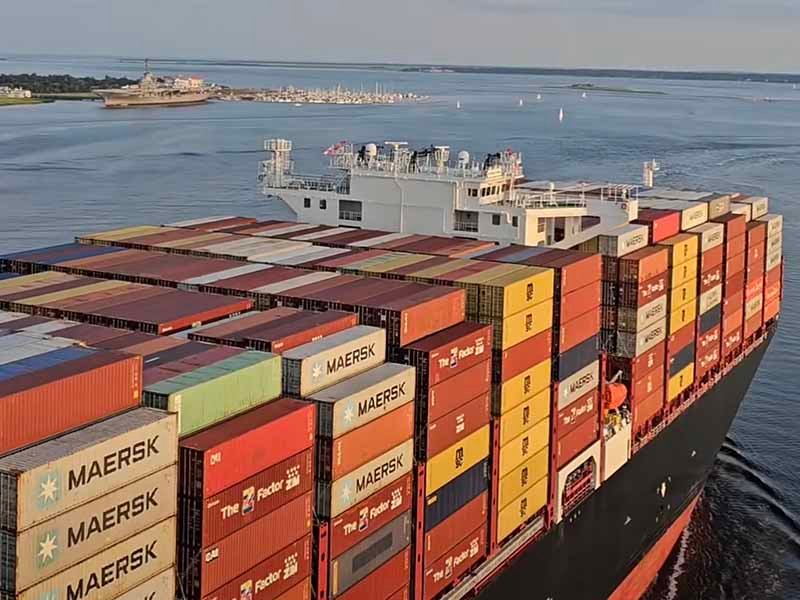
A reliable plush product development and manufacturing partner For brands Since 2007!

Worldwide Shipping Support for Custom Plush Programs Orders

Controlled Packing, Export Preparation and Multi-Route Delivery Coordination

Pufumi coordinates international shipping with the same project discipline used in plush development, production, quality control, and packaging preparation. Each shipment is reviewed through carton data, product count, packing method, barcode or label requirements, export documents, forwarder coordination, and destination delivery needs before release.

Custom plush shipments are planned according to product size, carton quantity, gross weight, CBM, packaging sensitivity, destination country, trade term, and required arrival schedule. Pufumi supports courier, air freight, sea freight, and project-based logistics coordination for brand programs, retail-ready plush products, multi-SKU collections, and repeat orders.

Shipping support may include:

  • Carton dimension confirmation
  • Gross and net weight records
  • CBM calculation
  • Barcode and carton-mark review
  • Packing list preparation
  • Commercial invoice coordination
  • Forwarder communication
  • EXW, FOB, CIF, DAP, or DDP review
  • FBA, 3PL, or retail warehouse delivery support

Information Required Before Planning Your Plush Shipment

Reliable freight planning begins with complete product, packaging, destination and timing data. Early estimates remain provisional until final carton dimensions, weights and shipment responsibilities are confirmed.

Final Destination

A country name alone is not enough for an accurate delivery plan. Pufumi needs the destination city, postal code and delivery-point type, such as a commercial warehouse, Amazon fulfillment center, retail distribution center, freight terminal or private facility. Remote-area surcharges, port selection, airport access and final-mile distance can produce significantly different results within the same country. A complete destination also helps determine whether direct delivery, port delivery or client-arranged pickup offers a more controlled route.

Required Arrival Date

The planning date should be the required in-warehouse date rather than the preferred factory departure date. Manufacturing completion, cargo handover, export clearance, international transit, import clearance, final-mile delivery and warehouse appointments all require separate time allowances. A launch tied to a game release, film premiere, holiday campaign or retail reset may need a primary route and a backup route. Pufumi works backward from the required arrival date to identify available transport options and critical approval deadlines.

Product And SKUs

Freight planning requires the product type, approximate dimensions, unit quantity and number of SKUs. A shipment containing one standard 20 cm plush design is easier to consolidate than an eight-character assortment with different sizes, retail boxes and carton ratios. SKU-level information also affects carton marks, packing lists, warehouse labels and loading order. Electronic plush, weighted plush, large plush and products with rigid accessories may require different packing methods and transport handling from conventional soft-filled character plush.

Packaging Configuration

Unit packaging determines carton utilization, product protection and final freight volume. Pufumi needs to know whether the product uses a polybag, paper band, hangtag, retail box, blind box, display carton or gift set. A retail box may increase cubic volume but reduce crushing and shelf-preparation work after arrival. Packaging artwork, label placement and final dimensions should be approved before a firm freight calculation is issued. Early freight figures are normally based on provisional packaging assumptions.

Import Arrangement

The shipping plan must identify the importer of record, customs broker, tax registration, destination contact and preferred Incoterms? rule. Pufumi can coordinate export preparation and available logistics routes, but import clearance, duties, taxes and local legal responsibilities depend on the agreed commercial arrangement. Clients with established forwarders may prefer FCA or FOB. Other projects may require DAP delivery or a country-specific DDP feasibility review through a qualified logistics partner.

Special Product Features

Batteries, sound modules, LED components, magnets, liquids, scents and dense weighted fillings may change the available shipping route. Electronic modules can require battery declarations, technical documents or carrier approval. Weighted products increase actual chargeable weight, while highly compressible products may be priced mainly by volume. Pufumi reviews these features during product development so the selected construction, packaging and freight method remain compatible. Undisclosed components can cause booking rejection, customs questions or shipment delays.

Product Types Require Different Shipping Strategies
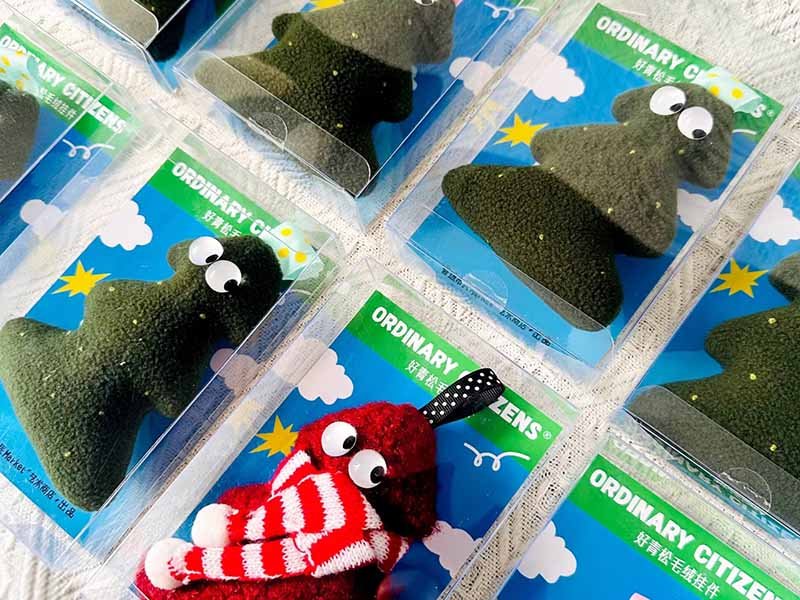
Size, construction, filling, packaging and accessories change how a plush product should be packed and transported. Freight planning must reflect the physical behavior of each product category.

Mini Plush And Keychains

Mini plush products and keychains commonly range from approximately 8 to 15 cm, yet small dimensions do not automatically create low freight costs. Metal chains, clips, individual cards, blind packaging and multi-SKU assortments can increase weight and packing complexity. Small faces and embroidered details also need protection from pressure caused by dense carton loading. Pufumi evaluates unit orientation, hardware separation, barcode position and carton ratios so compact products arrive without scratched metal parts, distorted facial features or mixed assortment quantities.
  • Typical concerns: hardware contact, mixed SKUs and retail cards
  • Suitable routes: courier, air freight, LCL or FCL
  • Key data: pieces per carton, gross weight and assortment ratio
Standard Character Plush

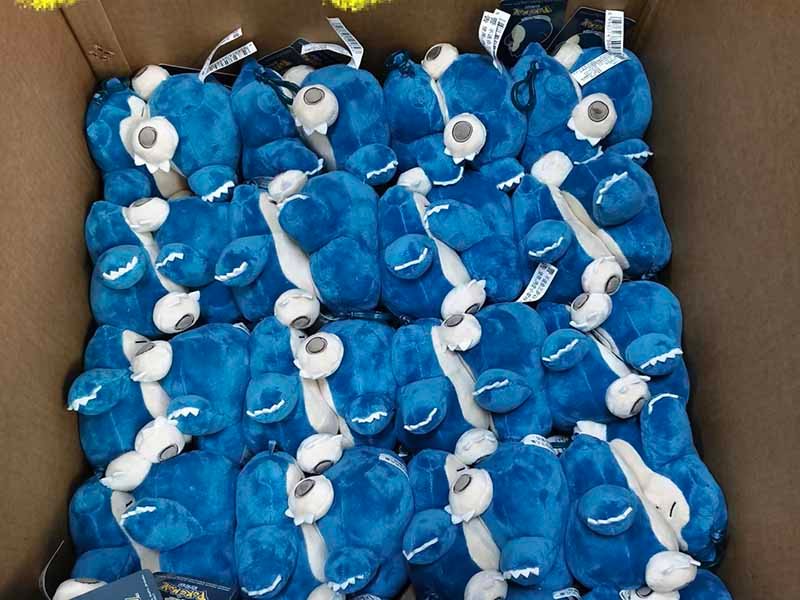
Character plush products between approximately 18 and 35 cm often provide more packing flexibility than very small or oversized items. Short-pile fabrics, polyester filling and soft accessories may allow controlled compression, while shaped faces, standing structures and detailed costumes require more space. Pufumi compares carton density against silhouette recovery, embroidery protection and unpacking labor. The lowest carton volume is not always the strongest commercial option when extensive reshaping is required at the destination warehouse.
  • Typical concerns: facial recovery, costume creasing and head shape
  • Suitable routes: air freight, LCL, FCL or split shipment
  • Key data: final packed dimensions and recovery test results
Large Plush Products

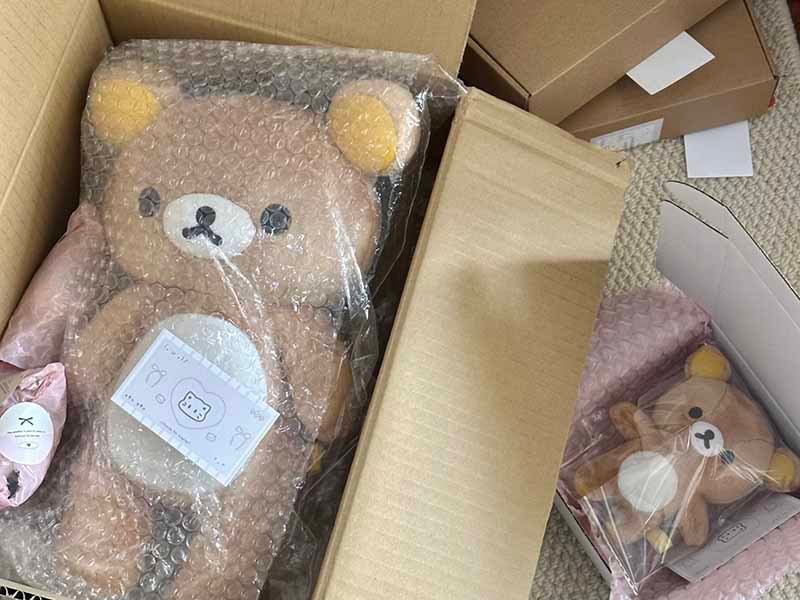
Large plush products above approximately 40 cm create a different freight equation. Actual unit weight may remain moderate, but carton volume can become the dominant cost driver. Vacuum or compression packing may be considered only after the fabric, filling and internal structure pass a recovery trial. Products containing foam inserts, shaped muzzles, rigid eyes or reinforced standing structures may need larger cartons. Pufumi reviews product folding points, long-pile recovery, carton strength and destination handling before choosing a packing density.
  • Typical concerns: high CBM, permanent creasing and carton pressure
  • Suitable routes: sea freight, FCL or planned consolidation
  • Key data: compressed and recovered dimensions
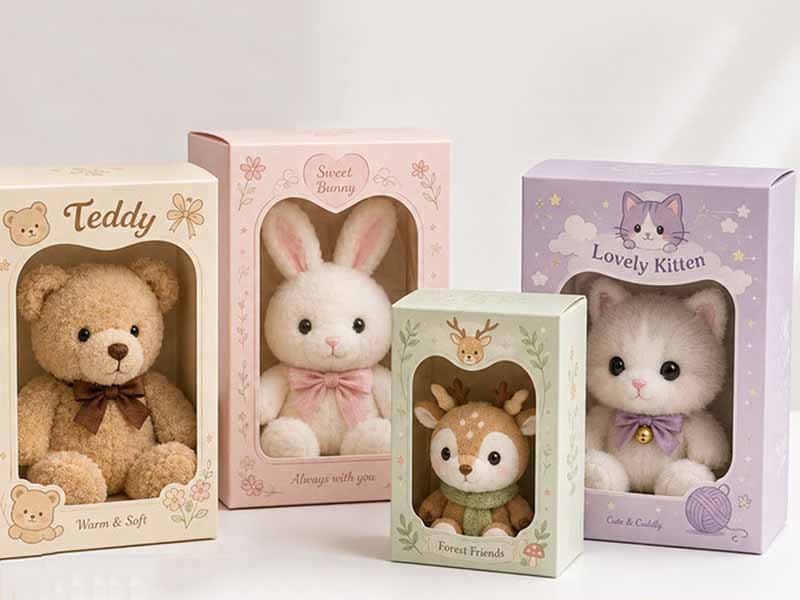
Retail Boxed Plush

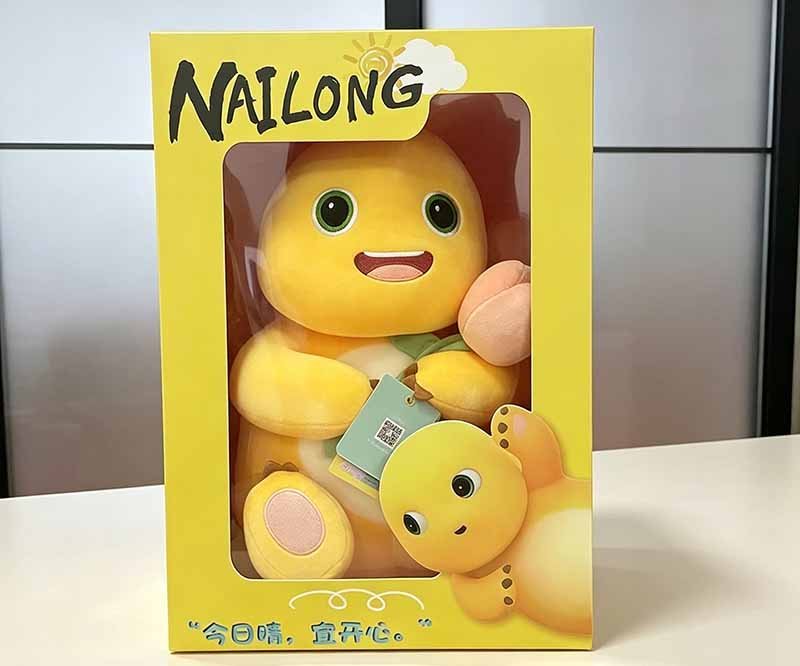
Retail boxes protect product presentation and support shelf display, but they also create fixed shipping volume. Box board strength, window material, inner supports and carton orientation influence loading efficiency. Pufumi reviews the plush and retail box together so ears, tails, accessories and facial details do not press against the window or inner walls. Master-carton design must protect printed surfaces while meeting warehouse weight and size limits. Boxed products should be trial-packed before bulk packaging materials are released.
  • Typical concerns: crushed corners, window scratches and print abrasion
  • Suitable routes: air freight, LCL or FCL
  • Key data: retail box dimensions, case pack and stacking direction
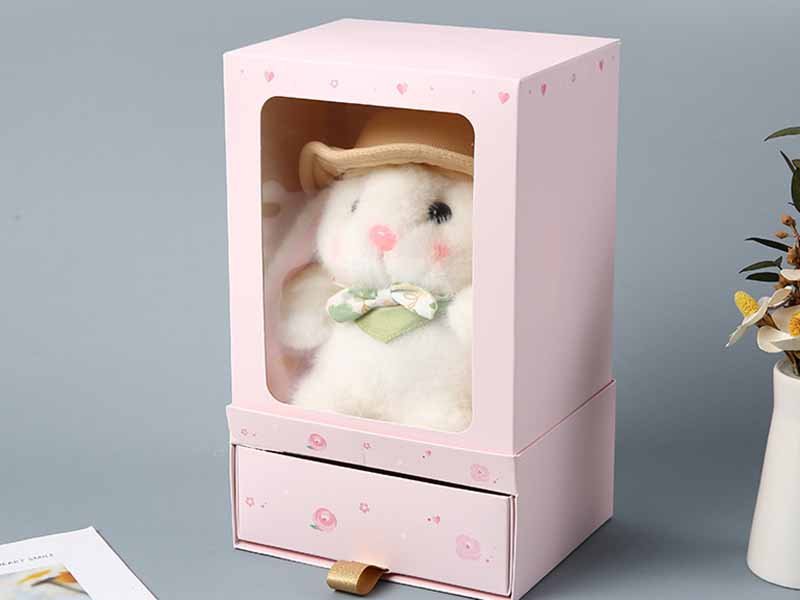
Electronic Plush Products

Talking, recording, light-up and sensor plush products require shipping preparation beyond ordinary soft toys. Module size, battery type, switch location and product classification can affect carrier acceptance and document requirements. The internal module must remain fixed during vibration and handling, while packaging should prevent accidental activation. Pufumi reviews the completed product in its final packaging condition, including sound output, battery access and carton pressure, before shipment release. Applicable declarations depend on the battery, route, carrier and destination.
  • Typical concerns: battery documents, accidental activation and module movement
  • Suitable routes: approved courier, air or sea channels
  • Key data: battery specification and module documentation
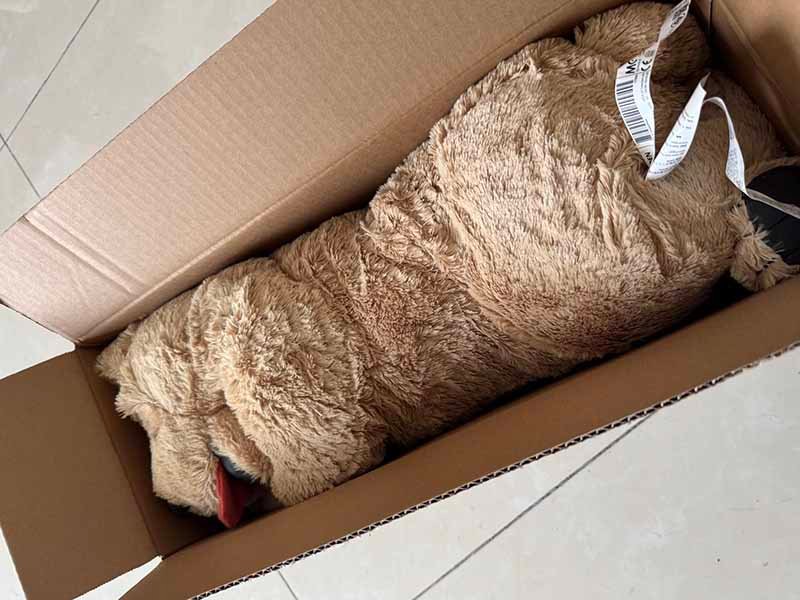
Weighted Plush Products

Weighted plush products carry more actual weight than conventional fiber-filled toys, changing both freight cost and handling requirements. Filling distribution, inner pouch strength and total unit weight must remain controlled across production. Master cartons need adequate board strength, tape specification and lifting weight limits. Pufumi checks whether a carton quantity that looks efficient on a volume basis becomes too heavy for warehouse handling. Weighted fillings should also remain isolated from seams and sensitive external components during transit.
  • Typical concerns: carton weight, inner pouch integrity and handling
  • Suitable routes: sea freight or route-specific air evaluation
  • Key data: unit weight tolerance and gross carton weight

Materials And Filling Shape Freight Performance
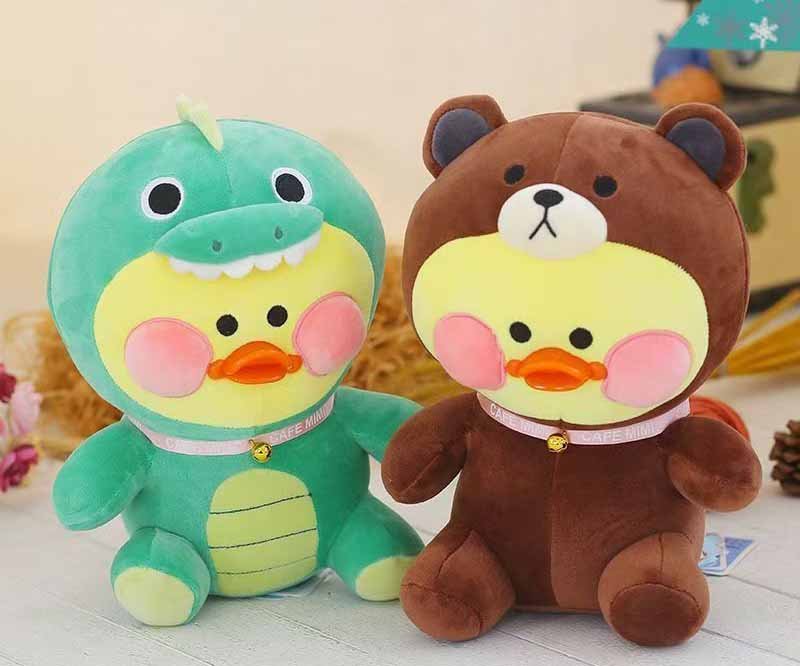
Fabric behavior, pile direction, filling density and structural inserts determine whether a plush product can be compressed, stacked and restored after an international journey.

Short-Pile Plush Fabrics

Short-pile minky, velboa and similar fabrics usually preserve embroidered features and defined silhouettes more clearly than long-pile materials. Their surface can still develop pressure marks when products remain tightly packed for extended periods. Stretch direction also matters because an elastic fabric may allow the filling to shift and change finished dimensions. Pufumi evaluates pile direction, stretch, GSM, colorfastness and surface recovery during development. Packaging trials check whether folds disappear naturally or require brushing and manual reshaping after unpacking.
  • Check pile recovery after 24 and 48 hours
  • Protect embroidered faces from direct carton pressure
  • Align fold lines away from key visual areas
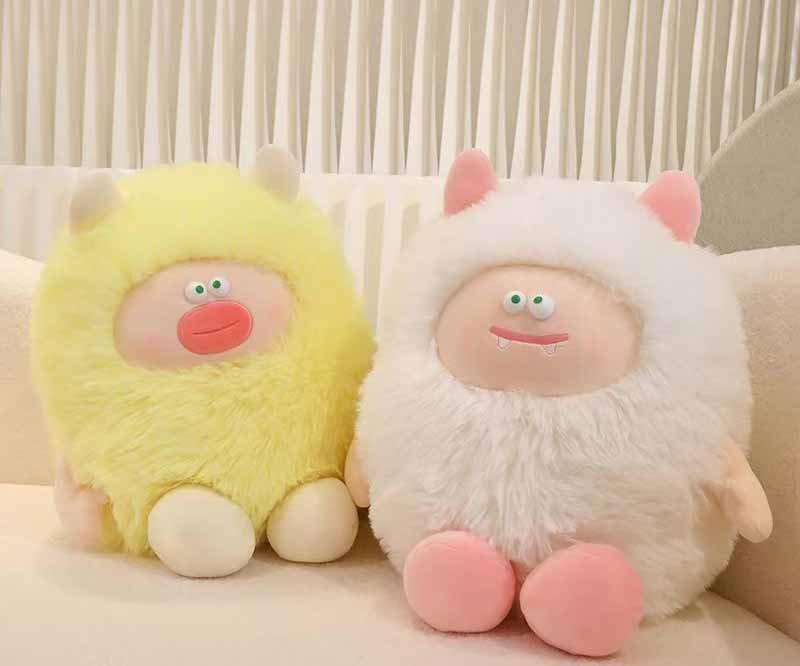
Long-Pile Faux Fur

Long-pile faux fur creates a rich visual effect but needs more careful packing control. Dense compression may flatten fibers, create directional marks or expose seams when the product is unpacked. Brushing can restore many surfaces, but excessive destination labor weakens the benefit of lower freight volume. Pufumi reviews pile length, backing strength, fiber shedding and recovery before approving a compressed configuration. Accessories, facial embroidery and short-pile contrast areas should be positioned to avoid uneven pressure inside the unit package.
  • Test pile recovery under the planned compression period
  • Avoid sharp folds across the face or body center
  • Include approved brushing instructions when needed
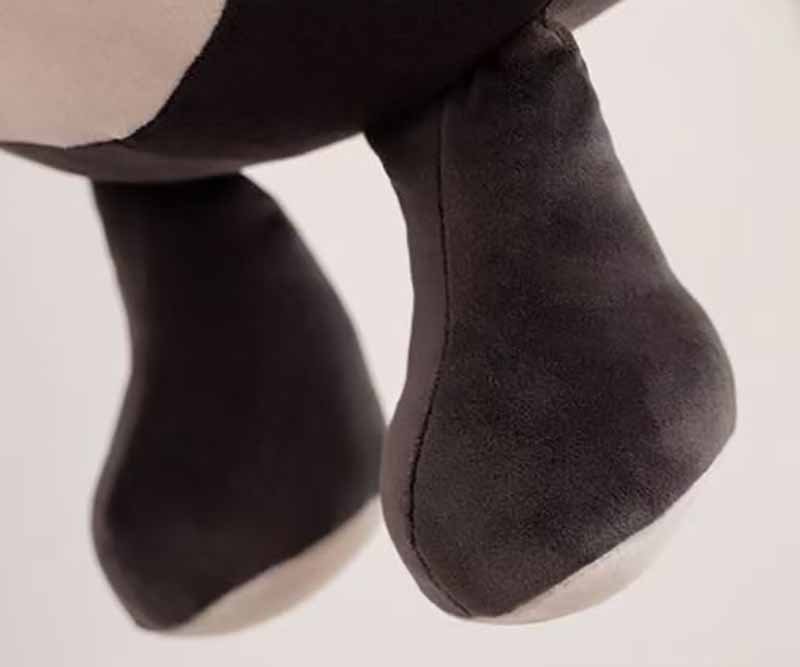
Filling Density Control

Polyester filling volume influences product softness, shape, dimensional stability and carton efficiency. Underfilled products may collapse during transport, while overfilled products can require excessive carton space and place stress on seams. Pufumi translates the approved sample into filling references for critical sections such as the head, muzzle, body, limbs and tail. Packing trials use production-representative filling rather than an unusually soft transport sample. Any proposed compression plan should be checked against the approved hand feel and recovered dimensions.
  • Record filling targets for shape-critical sections
  • Compare pre-pack and post-recovery measurements
  • Confirm hand feel after the complete transport simulation
Internal Shape Supports

Foam, interlining, plastic boards, wire elements and reinforced inserts can maintain ears, feet, faces and standing poses, but many supports do not tolerate aggressive compression. A product may appear soft externally while containing shape-critical internal parts. Pufumi identifies these components in the BOM and packaging specification before freight planning. Carton orientation, individual support pieces or reduced case packs may be required. Packaging should preserve the intended structure without creating a hard edge that damages fabric during vibration or stacking.
  • Mark non-folding sections in packing instructions
  • Protect rigid parts from concentrated carton pressure
  • Inspect recovery after stacking and handling tests

Validate Packaging During Sample Development

Packaging and freight assumptions should be tested before mass production. A finished sample alone cannot confirm whether the product will recover after compression or survive the final carton arrangement.

Packaging Prototype

Pufumi develops the unit-pack concept around the approved product dimensions, surface materials, accessories and retail destination. The prototype may include a polybag, paper band, retail box, inner tray, blind box or gift set. A packaging prototype checks visual fit, movement allowance, warning placement and protection around high-risk areas. Standard plush sample development is often evaluated around 7 to 15 days, while complex structures and packaging systems may require a longer project-based schedule.
  • Confirm product orientation and visible presentation
  • Check pressure around ears, noses and accessories
  • Measure the packed unit for freight estimation
  • Review barcode and label positions

Compression Recovery Test

Compression is considered only when product structure and retail presentation allow it. A production-representative sample is packed using the proposed method and held under a planned compression condition. After opening, Pufumi checks silhouette, height, width, facial expression, pile recovery, filling distribution and accessory position. Recovery should be assessed after defined intervals rather than immediately after unpacking. Products needing extensive steaming or manual repair may require a less aggressive packing method despite the higher carton volume.
  • Record dimensions before packing
  • Inspect immediately after opening
  • Recheck after 24 and 48 hours
  • Document required brushing or reshaping

Carton Trial Pack

A carton trial places the actual number of packaged products into a production-size master carton. The trial confirms case pack, orientation, carton dimensions, gross weight, closure method and product pressure. Pufumi also checks whether the proposed carton can be lifted safely and stacked without crushing the lower layers. Photos and measurements from the trial support the final packing specification. Final freight pricing should use approved carton data rather than estimates taken from an unpackaged prototype.
  • Verify pieces per carton
  • Measure outer dimensions after sealing
  • Record net and gross weight
  • Check top, middle and bottom products
  • Confirm shipping marks and carton labels

Construction Details Protect Products During Transit

Stable shipping begins with product engineering and workmanship. Strong cartons cannot compensate for weak attachments, unstable filling, unsuitable seam placement or a structure that collapses under normal pressure.

Shape Retention Engineering

Head shape, muzzle projection, ears, feet and standing posture must remain stable through packing, stacking and unpacking. Pufumi combines pattern geometry, filling distribution, interlining and local supports rather than relying only on hand shaping. Critical profiles are compared against the approved sample before packing and after recovery tests. A structure that looks correct only after repeated manual adjustment is not suitable for stable bulk delivery. Engineering revisions may reduce transport risk before the production pattern is frozen.
  • Define shape-critical measurements
  • Mark non-compression zones
  • Inspect profile after recovery
  • Use the approved sample as the visual reference

Reinforced Accessory Connections

Tails, wings, hats, badges, keychain loops and costume parts experience pulling and bending during packing and handling. Decorative components and load-bearing components require different attachment methods. Pufumi may use seam integration, hidden webbing, reinforced stitch zones or internal anchors according to the product design. Connections are reviewed from the likely load direction, not only from a front-view appearance. Loose hardware should be isolated from embroidered faces and printed packaging to avoid scratches.
  • Identify load-bearing accessories
  • Reinforce keychain and bag-charm anchors
  • Prevent metal-to-fabric abrasion
  • Check attachments after packing simulation

Seam And Stitch Control

Seam construction influences both safety and transport performance. High-stress areas around the filling opening, limbs, crotch, neck and attached accessories need controlled seam allowance and stitch density. Excessive compression can expose weak seams or force filling toward one section. Pufumi checks sewing quality during production rather than waiting for final inspection. Loose threads, skipped stitches, uneven seam margins and distorted curves are corrected before products enter finishing and packing.
  • Inspect high-stress seams during sewing
  • Control filling-opening closure
  • Trim loose threads before packaging
  • Compare finished curves with the approved sample

Surface Finishing

Brushing, thread cleaning, shaping and surface inspection are completed before unit packaging. Long-pile products require directional grooming, while embroidered faces need protection from loose fibers and pressure marks. Pufumi checks each product in a natural viewing position rather than only while compressed on a worktable. Packaging instructions identify the correct orientation and any protective tissue or inner support required. Clean finishing reduces the need for warehouse rework and helps the product present correctly after arrival.
  • Brush pile in the approved direction
  • Remove loose fibers and threads
  • Shape facial and body contours
  • Protect light fabrics from color transfer

Compare Freight Modes By Order Requirement

Transport selection depends on cargo volume, urgency, delivery point and inventory risk. The planning ranges below are directional references rather than guaranteed carrier schedules.

Freight ModeBest Used ForIndicative Planning WindowMain Cost DriverMain Control Point
Express CourierSamples, approval pieces, replacement parts and urgent cartonsApproximately 3–8 days on many major routesChargeable weight and remote-area feesAccurate product description, tracking and import contact
Air FreightLaunch orders, urgent replenishment and time-sensitive bulk cargoApproximately 7–18 days including handling and deliveryVolumetric weight, fuel and terminal chargesAirport handling, customs clearance and final-mile arrangement
Sea Freight LCLRegular orders without enough volume for a full containerApproximately 30–55 days depending on route and consolidationCBM, origin fees and destination chargesMultiple handling points and accurate carton data
Sea Freight FCLLarger programs with stable carton volumeApproximately 25–45 days on many port-to-port routes, plus inland handlingContainer type, route and seasonal ratesLoading plan, seal record and destination free time
Split ShipmentFixed launches requiring speed and cost balanceRoute-specific combinationAllocation between air and seaPriority SKU selection and synchronized documentation

Courier works well for physical samples because direct tracking and simple parcel handling reduce coordination. Air freight is useful when lost sales or a missed event would cost more than the freight premium. LCL suits moderate cargo volumes but involves additional consolidation and handling. FCL becomes relevant when carton volume, cargo protection and schedule justify dedicated container space. Split shipping allows priority quantities to move by air while the main balance travels by sea.

Engineer Cartons Around Volume And Product Recovery

Carton optimization should reduce freight volume without changing approved appearance, damaging retail packaging or creating excessive reshaping work after arrival.

The following calculation illustrates how a 6,000-piece, 20 cm soft-filled plush program could be evaluated during carton trials. Figures are planning examples rather than a universal packing standard.

Packing TrialCase PackCarton SizeCBM Per CartonCarton CountTotal CBMEvaluation
Standard Loose Pack40 pcs70 × 50 × 50 cm0.175015026.25Strong recovery, higher freight volume
Optimized Orientation50 pcs68 × 48 × 48 cm0.156712018.80Balanced volume and product protection
Controlled Compression60 pcs65 × 45 × 45 cm0.131610013.16Requires recovery, seam and appearance approval

A carton decision should also consider gross weight, board strength, warehouse lifting limits, stacking pressure, container utilization and destination labor. The smallest total CBM is not automatically the best choice. A tightly compressed program can generate hidden costs if warehouse staff must steam, brush or reshape every unit. Pufumi compares measurable freight benefits against product recovery and retail-readiness requirements before the final packing specification is released.

Define Shipping Responsibilities Before Cargo Release

EXW And FCA

EXW places extensive collection and export responsibility on the client, while FCA allows the seller to deliver cargo to the named carrier or location after completing the agreed export steps. FCA is often more suitable for containerized cargo collected through a forwarder because responsibility transfers at a defined handover point. Pufumi provides final carton data, collection timing and shipment documents according to the confirmed arrangement.
  • Confirm the named pickup or handover location
  • Identify the export declaration party
  • Agree loading responsibility
  • Record cargo handover evidence

FOB Port Shipment

FOB applies to sea or inland-waterway transport and must name the loading port. Pufumi coordinates export preparation and delivery according to the confirmed port arrangement, while the client or nominated forwarder normally controls the main ocean freight. Containerized cargo may involve operational details before vessel loading, so the quotation and booking instructions must clearly define the working process. FOB should never appear without a named port.
  • Confirm the nominated forwarder
  • State the loading port
  • Align booking and cut-off dates
  • Clarify local origin charges
  • Verify shipping instructions before documentation

DAP Destination Delivery

DAP can support delivery to a named destination while the importer normally handles import clearance, duties and taxes. The destination must be specific, such as a warehouse address or freight terminal. Pufumi can coordinate the available route through qualified logistics partners and provide shipment data needed for clearance. Unloading, appointment requirements, restricted delivery areas and warehouse access should be discussed before booking.
  • Name the exact delivery place
  • Confirm the importer and customs broker
  • Review delivery appointment requirements
  • Separate transport charges from import taxes

DDP Feasibility Review

DDP should be evaluated by country, product, shipment value, importer structure and available logistics route. Pufumi does not treat DDP as an unconditional worldwide promise. Some destinations require tax registrations, local representation, specific declarations or importer authorization that cannot be created by a shipping label alone. A written feasibility review should define included charges, excluded charges, customs assumptions and the party responsible for any regulatory information.

  • Review destination-country feasibility
  • Confirm duty and tax assumptions
  • Identify the legal importer arrangement
  • State exclusions and change triggers
  • Reconfirm the route before each shipment

Prepare Cargo For The Receiving Warehouse
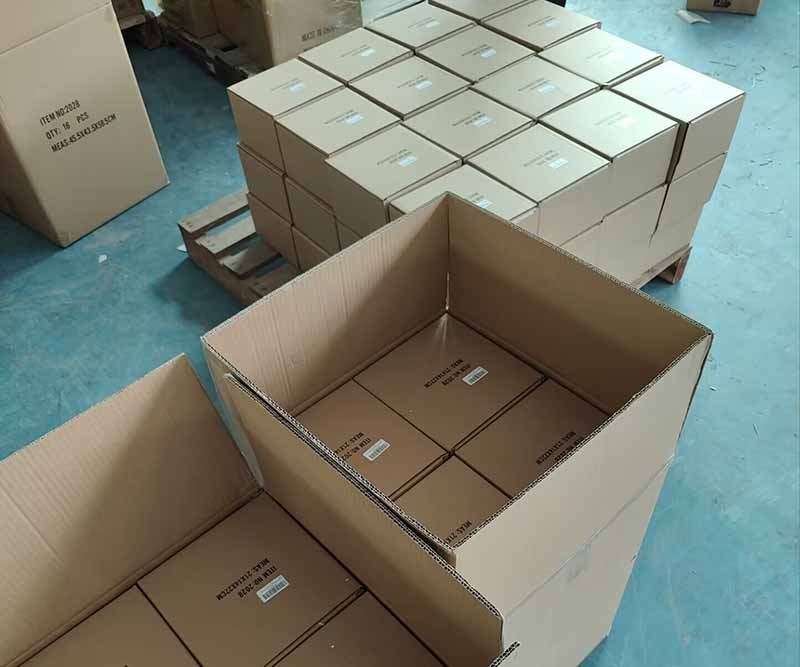
Amazon fulfillment centers, independent 3PL warehouses and retail distribution centers use different receiving rules. Packing and labeling must follow the current instructions supplied for the specific shipment.

Amazon FBA Delivery

Pufumi can prepare finished plush products for an Amazon FBA shipment using the files and shipment instructions supplied by the account owner. Work may include FNSKU placement, polybag warnings, case-pack control, box labels and carton data review. FNSKU and FBA Box ID labels should come from the active Seller Central shipment rather than an older order. The final destination, appointment route and carrier arrangement depend on the approved FBA plan.
  • Provide current FNSKU files
  • Provide active box labels
  • Confirm case-packed or individual-unit configuration
  • Check polybag and warning requirements
  • Verify carton dimensions and weights before booking
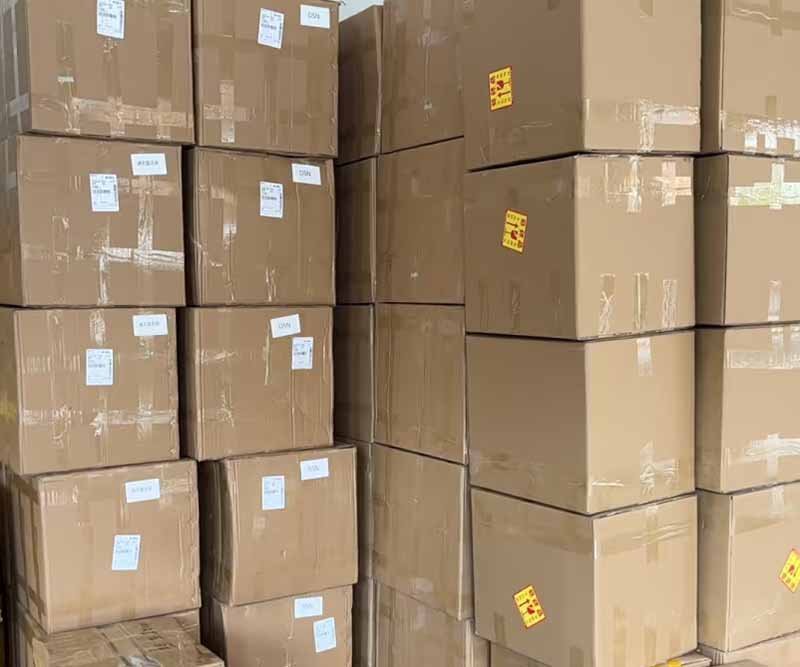
Third-Party Logistics

A 3PL may receive, store, pick, pack and distribute products for ecommerce, wholesale or retail replenishment. Requirements can include advance shipment notices, appointment booking, SKU labels, pallet labels, carton numbering and restrictions on mixed cartons. Pufumi converts the supplied receiving guide into a shipment checklist and carton-mapping plan. Any unclear requirement should be resolved with the warehouse before labels are printed or cargo is released.
  • Share the latest receiving manual
  • Confirm mixed-SKU carton rules
  • Provide ASN or reference numbers
  • Define pallet and stretch-wrap requirements
  • Identify discrepancy and refusal procedures
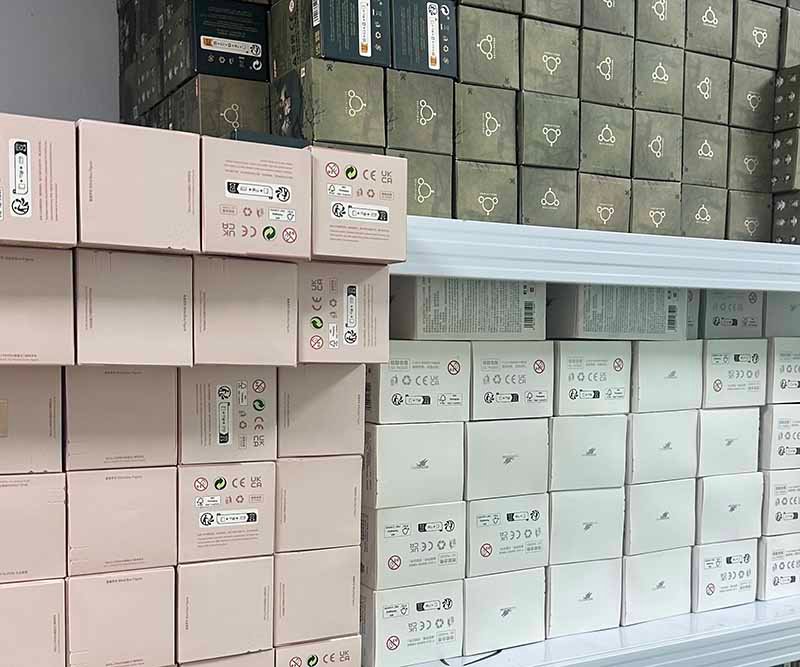
Retail Distribution Centers

Large retailers often operate detailed routing guides covering purchase-order references, case packs, carton labels, pallet patterns, carrier appointments and delivery windows. Incorrect labels or unapproved case-pack changes can lead to chargebacks or rejection even when the plush product itself is correct. Pufumi reviews the retailer-supplied instructions and links each requirement to the relevant SKU, carton and purchase order. Final acceptance remains subject to the retailer’s own receiving process.
  • Lock purchase-order and SKU references
  • Confirm case-pack quantities
  • Review carton and pallet labels
  • Coordinate routing and appointment instructions
  • Retain pre-shipment label evidence

Control Documents Across Every SKU And Carton

Shipment records should come from one approved data source. Product names, quantities, carton counts, weights and shipping marks must remain consistent across physical cargo and documents.

SKU Data Master

The SKU data master connects product code, description, color, size, packaging version, barcode and order quantity. It becomes the reference for packing, labeling, carton allocation and documentation. Multi-SKU projects should not rely on informal product nicknames or separate spreadsheets maintained by different teams. Pufumi locks the shipping version before final packing and records approved changes.

Carton Mapping

Carton mapping identifies which SKU and quantity appear in every numbered carton. The file supports mixed shipments, destination allocation, warehouse receiving and discrepancy investigation. Blind-box assortments, limited editions and multi-character programs may require additional ratio controls. Pufumi checks carton labels against the mapping file before cargo release and retains the final version with loading records.

Commercial Invoice

The commercial invoice records the legal seller and consignee information, product description, quantity, price, currency, trade term and shipment value. Product descriptions should accurately represent the goods rather than using vague terms such as “samples” or “gifts.” The invoice must align with the agreed contract, purchase order and customs requirements. Classification and import treatment should be reviewed with the responsible broker.

Packing List

The packing list records SKU quantities, carton numbers, net weight, gross weight, carton dimensions and total CBM. Final figures should come from sealed production cartons rather than the original quotation estimate. Pufumi reconciles the packing list with the carton mapping and loading count. Any short carton, replacement carton or repacking change must appear in the final document version.

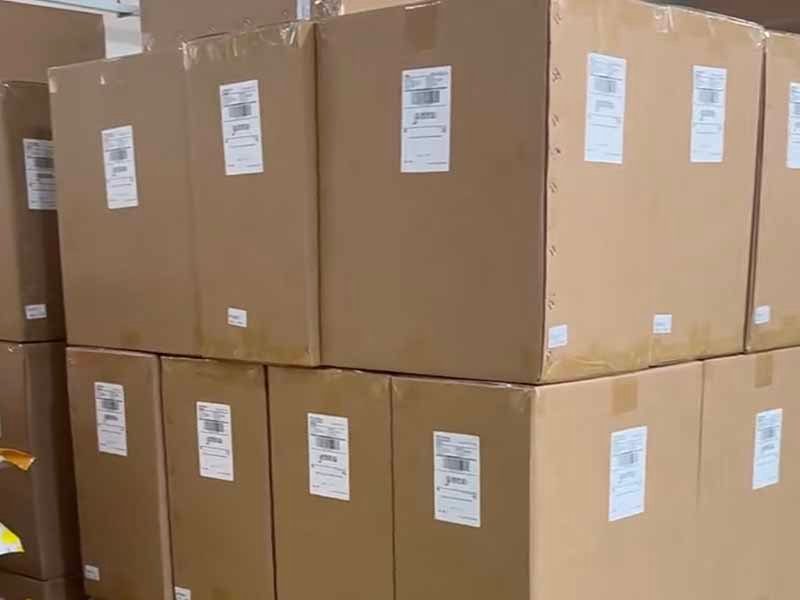
Carton Shipping Marks

Shipping marks may include consignee, purchase order, SKU, destination, carton number, country of origin, handling symbols and warehouse-specific references. Layout and placement should be approved before printing. Pufumi checks readability, adhesion and consistency across the shipment. Old labels, duplicate barcodes and conflicting marks should be removed or fully covered before cargo leaves the factory.

Transport Instructions

Booking instructions cover transport mode, carrier or forwarder, origin point, destination, cargo-ready date, commodity description, carton count, weight and volume. The information should match the final invoice and packing list. Pufumi coordinates changes through a controlled communication channel so outdated booking data does not remain in use. Final airway bill or bill of lading details require review before release.

Release Every Shipment Through Documented Quality Control
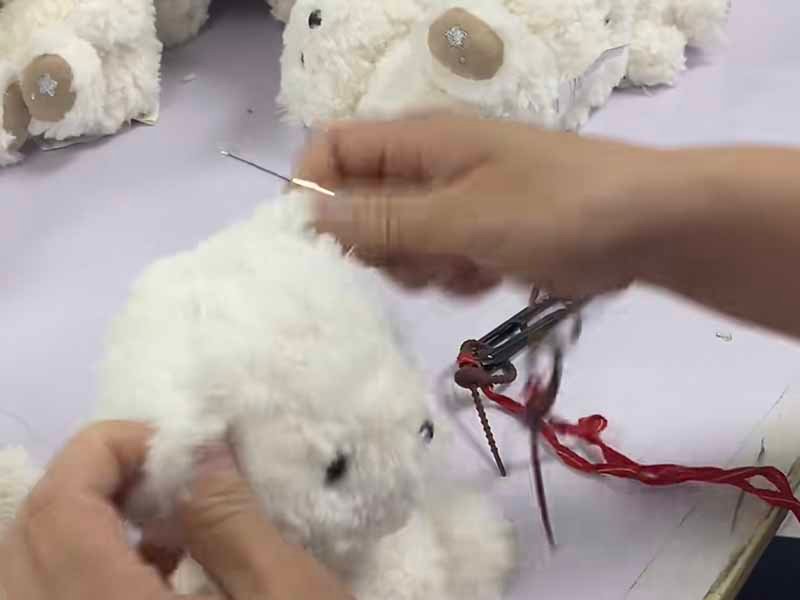
Final shipment approval covers product, packaging, labels, carton data and loading evidence. Cargo should not leave solely because production has reached the planned completion date.

Finished Product Release

Finished units are checked against the approved sample, production file and applicable quality requirements before packing. Inspection covers appearance, shape, seams, embroidery, accessories, filling, cleanliness and functional features where relevant. Nonconforming units are separated for correction or replacement. Pufumi uses the approved sample as a visual and construction reference rather than relying on general descriptions such as “good quality.”
  • Compare silhouette and expression
  • Inspect high-stress seams
  • Check accessory position
  • Verify functional modules
  • Confirm surface cleanliness

Packaging Release

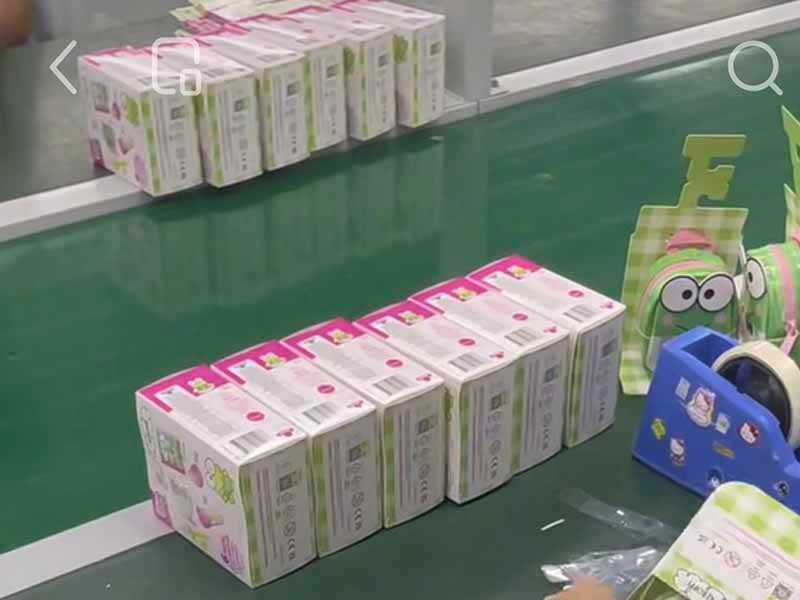
Unit packaging is checked for correct size, version, printed information, labels, inserts and protective performance. Retail boxes are inspected for print damage, window scratches, crushed corners and incorrect contents. Polybags are reviewed for sealing and applicable warning information. Multi-market programs may use different language or barcode versions, making packaging-version control a separate release step from product inspection.
  • Match packaging to SKU
  • Verify print and barcode version
  • Check product orientation
  • Confirm inserts and accessories
  • Inspect seals and box condition

Barcode Verification

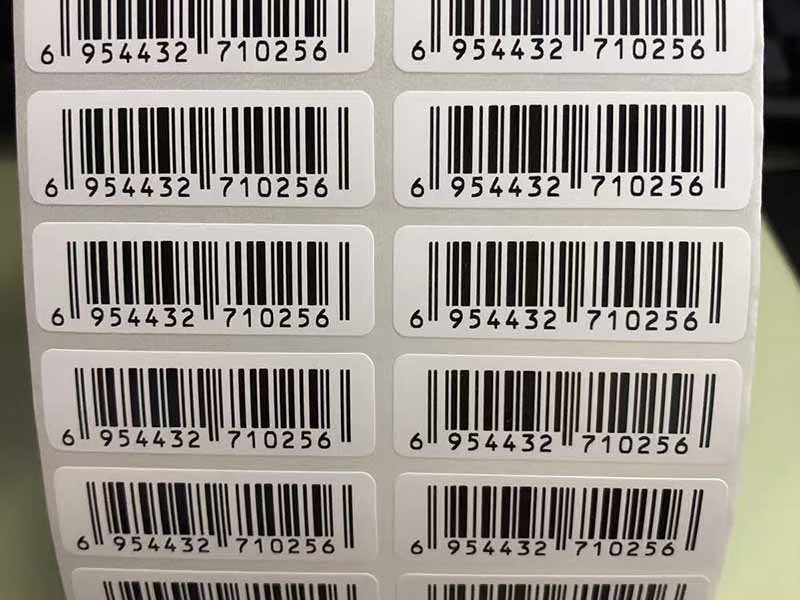
Barcodes should be checked against the approved barcode list and associated SKU. Scanning verifies readability but does not alone prove the code belongs to the correct product. Pufumi checks printed numbers, code type, placement and product mapping. FNSKU, UPC, EAN, GTIN-based labels and warehouse carton labels should not be mixed without a clear label hierarchy and placement plan.
  • Scan production labels
  • Match code to SKU
  • Check quiet zones and print quality
  • Remove obsolete labels
  • Retain sample label evidence

Carton Data Verification

Sealed cartons are measured and weighed before final freight confirmation. Case pack, carton number, net weight, gross weight and outer dimensions are compared with the packing list and carton map. Sample measurements should cover relevant carton configurations rather than a single convenient carton. Large differences can affect booking space, freight charges, container loading and warehouse acceptance, so corrections are completed before handover.
  • Verify case-pack quantity
  • Measure sealed carton dimensions
  • Record gross and net weight
  • Check carton numbering
  • Reconcile total carton count

Loading And Handover

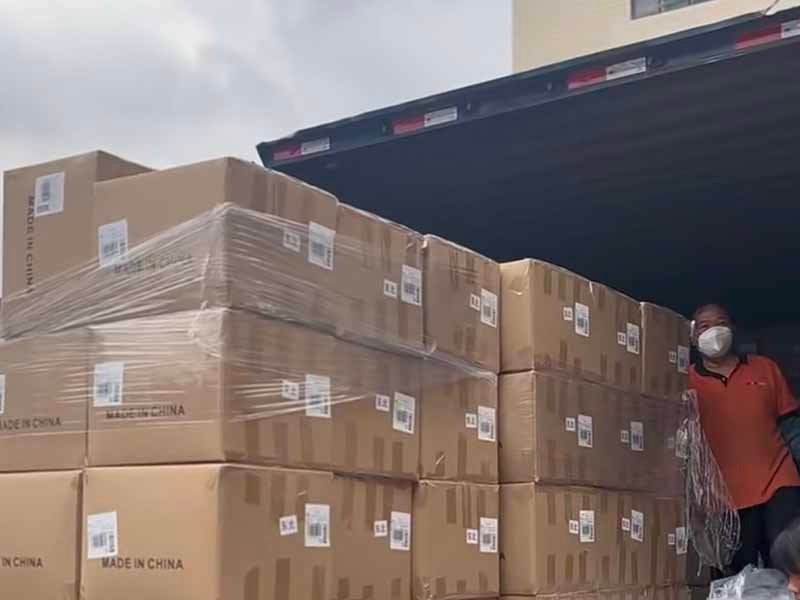
Cargo handover records may include truck loading, pallet condition, container loading, container number, seal number and carrier receipt. Photos should show identifiable stages without exposing confidential artwork unnecessarily. Pufumi checks the physical carton count against the final shipping file before the vehicle or container is released. Any damaged carton found during loading is replaced or documented before departure.
  • Count cargo during loading
  • Photograph pallet or container condition
  • Record seal and vehicle details
  • Confirm carrier handover
  • Archive shipment-release files

Exception Escalation

Transport plans can be affected by booking changes, customs questions, inspection, congestion, weather, warehouse appointments or damaged cargo. A clear escalation path identifies who communicates with the forwarder, importer, warehouse and internal project team. Pufumi follows available tracking information and coordinates document corrections within its responsibility. Carrier schedules and customs decisions remain outside direct manufacturing control.
  • Assign project and logistics contacts
  • Record the issue and time
  • Identify affected SKUs or cartons
  • Confirm the next required action
  • Keep the receiving team informed

Custom Plush Shipping Programs
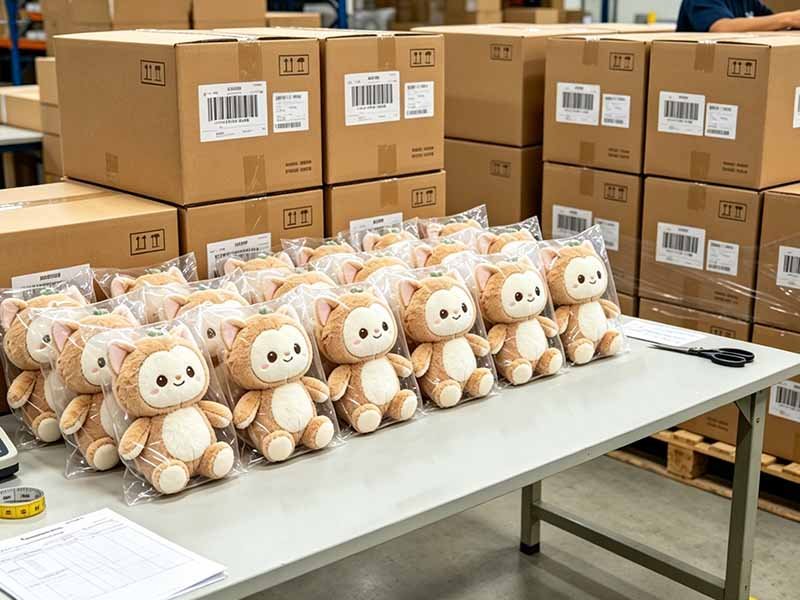
US Ecommerce Launch

A four-SKU program included 6,000 pieces of 20 cm short-pile character plush packed in individual polybags. Each approved carton held 60 pieces, producing 100 cartons measuring approximately 68 × 48 × 45 cm and a total volume near 14.69 CBM. The launch allocation sent 600 pieces in 10 cartons by air, while 5,400 pieces in 90 cartons moved by sea to a US 3PL.
  • Short-pile fabric supported controlled packing and fast recovery
  • Sample approval included a 48-hour recovery check
  • FNSKU files came from the active fulfillment plan
  • Carton mapping separated four SKUs
  • Air cargo protected the initial launch date
  • Sea cargo supported regular inventory at a lower transport cost
European Retail Program

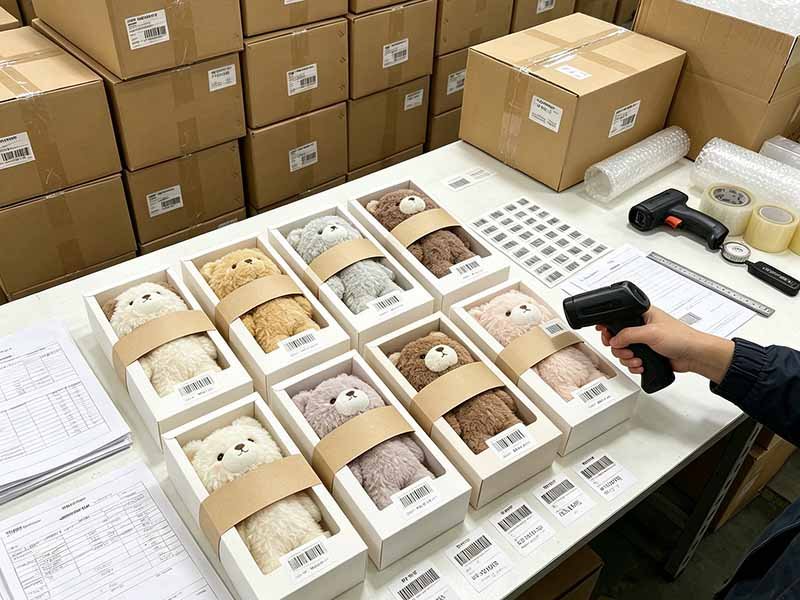
A six-SKU retail program included 12,000 pieces of 28 cm plush with faux-fur accents, paper belly bands and retail barcodes. A 36-piece case pack produced approximately 334 cartons. Trial cartons measured 70 × 50 × 50 cm, resulting in an estimated total volume near 58.45 CBM. The packing plan used a 40-foot high-cube container, subject to the final loading calculation and route conditions.
  • Long-pile sections received directional brushing instructions
  • Belly bands were protected from surface abrasion
  • Each carton carried SKU, purchase-order and destination references
  • Case-pack quantities were locked before printing
  • Barcode scans were recorded during final packaging inspection
  • Container loading followed SKU and unloading priorities
Global IP Release

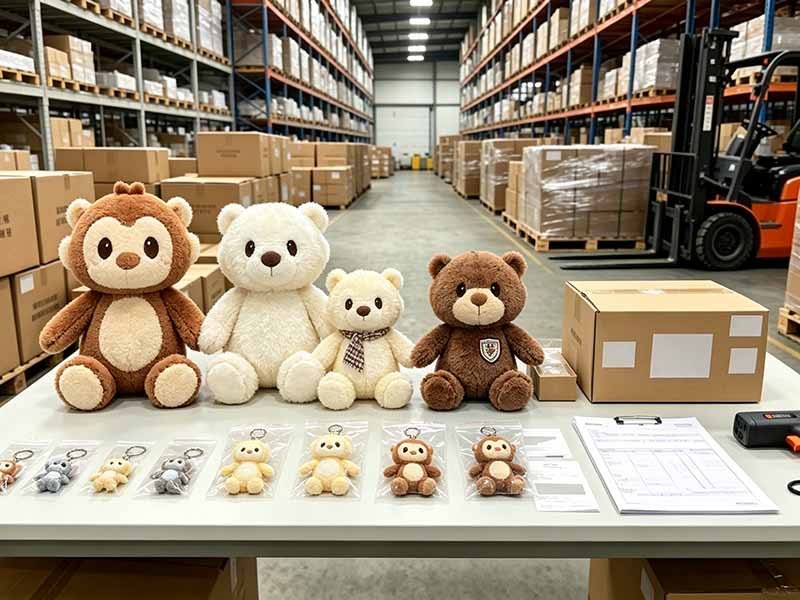
An eight-SKU program included 18,000 plush products across mini keychains and 25 cm character plush. The launch required delivery to North American and European warehouse hubs before a fixed release date. A priority allocation of 1,200 pieces moved by air, while the remaining 16,800 pieces moved in destination-specific sea shipments. Separate carton maps, packaging versions and commercial documents were maintained for each market.
  • Mini products used hardware-separation packing
  • Standard plush passed shape-recovery trials
  • Priority SKUs were selected before final packing
  • Market-specific labels remained linked to SKU codes
  • Air and sea documents used separate shipment references
  • Loading records preserved carton allocation by destination

Frequently Asked Questions

The suitable method depends on quantity, carton volume, required arrival date and destination. Courier is commonly used for samples. Air freight supports urgent commercial orders and replenishment. Sea freight is usually more suitable for regular bulk programs. A fixed launch may use a split shipment, sending priority units by air and the main balance by sea. Pufumi compares available routes after receiving product and destination details.

DDP can be evaluated for specific countries, products and shipment structures through qualified logistics partners. Availability depends on the importer arrangement, tax requirements, product description, shipment value and route. Pufumi does not promise unconditional DDP delivery to every destination. A written quotation should explain included charges, customs assumptions, exclusions and responsibilities before cargo is booked.

Pufumi can prepare products and cartons for an Amazon FBA shipment when the account owner supplies current FNSKU files, box labels, destination details and shipment instructions. Packaging, warnings, case packs and carton data are checked against the supplied plan. Amazon requirements and warehouse assignments can change, so labels from an earlier shipment should not be reused without confirmation.

Yes. The 3PL receiving guide should be supplied before final packing. Pufumi can review SKU labels, carton labels, mixed-carton rules, pallet requirements, appointment references and advance shipment information. The warehouse name and address alone are not enough because each 3PL can operate different receiving procedures. Any unclear requirement should be resolved before bulk labels are printed.

Courier and airfreight commonly use the greater of actual weight or volumetric weight. Sea freight is generally influenced by CBM, route, container utilization and origin or destination charges. Final cost also depends on cartons, delivery point, trade term, fuel charges, customs handling and seasonal capacity. A firm calculation requires sealed-carton dimensions, gross weight and final shipment quantity.

Compression may work for soft-filled products with suitable fabric and structure, but it is not appropriate for every design. Foam components, rigid accessories, electronic modules, shaped faces and retail boxes can limit compression. Pufumi conducts a packing and recovery trial before approval. Dimensions, appearance, pile direction and filling distribution are checked after unpacking and again after a defined recovery period.

Common files include a commercial invoice, packing list, carton map, shipping marks, booking data and transport documents. Depending on the project, additional materials may include testing records, BOM information, battery declarations, origin documents, insurance or warehouse labels. Responsibilities vary by trade term and destination. Document data should match the physical SKU, carton count, weight and shipment value.

Transit ranges are estimates rather than unconditional guarantees. Vessel or flight changes, weather, customs inspection, port congestion, documentation, final-mile capacity and warehouse appointments can affect arrival. Pufumi creates a project schedule using available route information and reasonable buffers. Programs tied to fixed commercial dates should reserve additional time and consider a backup or split-shipment option.

Final cost can normally be confirmed after product quantity, unit packaging, carton configuration, carton count, dimensions, gross weight, destination and trade term are locked. Early quotations may use estimated carton data for budgeting. Any later change to product size, filling, retail packaging, quantity, route or destination can trigger a freight recalculation.

Yes, provided the shipment uses controlled SKU coding, carton mapping and document reconciliation. Each carton should identify its contents and destination. Mixed cartons may be acceptable for some warehouses and prohibited by others. Blind-box assortments, limited editions and market-specific packaging require additional controls. Pufumi reviews packing ratios and receiving rules before the final carton plan is released.

Build A Shipping Plan Around Your Plush Program

A reliable shipping proposal requires more than a destination country and total product quantity. Share the commercial goal, required in-warehouse date, product dimensions, SKU structure, packaging concept and delivery location. Pufumi will review how product construction, materials, filling, accessories and retail packaging affect carton volume and freight selection. Initial planning may include a courier, air, sea or split-shipment route, together with the information still required before a firm quotation can be issued. Final freight remains based on confirmed production cartons, current route availability and the agreed Incoterms? rule. Please include:

  • Product artwork or approved sample reference
  • Target product size and quantity
  • Number of SKUs and packaging versions
  • Destination country, city and postal code
  • Required in-warehouse date
  • Amazon, 3PL or retailer receiving guide
  • Preferred trade term
  • Importer or customs-broker details
  • Battery, electronic or weighted components
  • Available carton estimates or packing files

Start Your Custom Plush Project

Plush Product Development & Manufacturing Support for Global Brands

Share your character artwork, product concept, target size, estimated quantity, destination market, launch timeline, packaging requirements, and any special functions or compliance needs.

Our project team will review your request and recommend a tailored development and manufacturing approach based on character complexity, materials, construction, sample requirements, production planning, packaging, and delivery schedule.

From Character Artwork to Retail-Ready Plush Products

Pufumi supports IP owners, entertainment companies, toy and collectible brands, lifestyle brands, and major retailers with structured plush product development and manufacturing.

Your artwork, unreleased characters, packaging files, target costs, and commercial information are handled as confidential project materials and are not used for other customer projects or public marketing without authorization.

Need Direct Assistance?