...
A reliable plush product development and manufacturing partner For brands Since 2007!

Your Trusted ODM Plush Product Manufacturer

From market opportunity to original plush products ready for scale.

Pufumi combines category insight, concept planning, product engineering, sampling, and manufacturing to help brands build differentiated plush collections without starting from a fully finished design.

  • 58+ specialists shape concepts into manufacturable plush product directions.
  • Six sample lines support parallel concepts, revisions, and range validation.
  • Multi-SKU planning builds entry, core, premium, and limited editions.
  • Material, structure, and cost choices align with target positioning.
  • Golden Samples and controlled BOMs secure approved design intent.
  • 35+ quality specialists connect development decisions with repeatable production.

ODM, OEM, And Private Label Manufacturing Compared

The right development model depends on how complete the product definition is, how much design support is required, and who controls the underlying product assets.

Development ModelStarting InformationPufumi’s Main RolePrimary DeliverablesBest Suited For
ODM DevelopmentProduct direction, rough sketches, reference images, target market, price positioning, or an incomplete character conceptDefine the product, interpret the design, engineer the structure, develop materials, create prototypes, and prepare production filesApproved prototype, released pattern, BOM, process instructions, packaging direction, and production standardsBrands requiring collaborative product development
OEM ManufacturingComplete artwork, dimensions, materials, construction requirements, packaging files, and defined approval standardsReview manufacturability, validate specifications, make samples, release production, and control bulk consistencyProduction sample, approved specifications, mass production, inspection, packing, and deliveryTeams with a fully developed product
Private Label DevelopmentExisting product platform, approved design source, or mature base structureModify permitted colors, materials, branding, labels, accessories, and packaging within an agreed scopeBranded product variation, approved packaging, and repeatable production specificationsRetail programs using an established product base

ODM does not mean unlimited free design or unrestricted access to existing designs. Project scope, design ownership, engineering files, exclusivity, revision rounds, and permitted markets should be defined before development begins.

Who We Develop ODM Plush Products For

Pufumi supports established organizations that need structured product development, controlled approvals, dependable manufacturing, and documented delivery across one or multiple plush SKUs.

Toy And Collectible Brands

Develop character ranges, blind-box collections, mini plush, bag charms, core plush, premium editions, and seasonal extensions within one coordinated architecture. Pufumi helps define the hero product, supporting price points, shared materials, SKU codes, packaging differences, and launch waves. Development records connect every approved sample with the correct pattern, BOM, color standard, packaging version, and production batch, reducing confusion as the collection grows.

IP And Entertainment Companies

Translate animation, game, film, creator, and licensed character assets into manufacturable plush products without losing essential identity. Development can include character-guide review, non-negotiable feature mapping, version control, confidential sample work, licensor approval support, copyright marking, and packaging coordination. Facial expression, silhouette, proportions, costume details, colors, and signature accessories remain linked to approved asset versions throughout sampling and production.

Lifestyle And Consumer Brands

Create branded mascots, fashion-oriented bag charms, campaign merchandise, gift products, food-shaped plush, beauty collaborations, hospitality collections, and product-launch companions. Material texture, color expression, brand recognition, photography, carrying experience, packaging presentation, and perceived retail value are considered together. The aim is a commercially coherent product, not simply a logo applied to a generic stuffed item.

Retail And Private Label Teams

Build assortments prepared for barcodes, hangtags, care information, copyright lines, retail boxes, display cartons, warehouse receiving, and repeat orders. Pufumi coordinates product specifications with packaging versions, carton marks, SKU identification, inspection records, and destination requirements. Different channel versions can be separated by market and packaging codes instead of being managed through informal filenames or verbal instructions.

Start With The Product Assets Already Available

ODM development can begin at different levels of readiness. Early clarification establishes which decisions can be made immediately and which require further design, engineering, or commercial input.
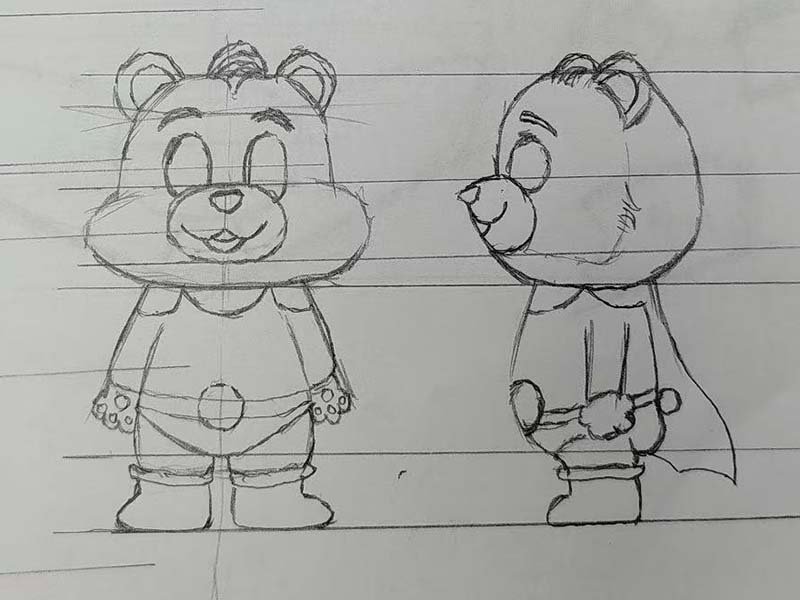
Early Product Concept

A market idea, written description, mood board, reference product, audience profile, retail position, or rough sketch can start an initial concept review. Pufumi identifies missing information, possible product forms, major cost drivers, structural risks, material directions, packaging implications, and the next development step. Early estimates remain conditional until dimensions, construction, materials, quantities, target market, and packaging are sufficiently defined.
  • Useful inputs: product purpose, target audience, preferred style, expected retail range, and launch timing.
  • Initial output: feasibility notes, development questions, and recommended product direction.

Development-Ready Brief

A stronger brief normally includes front, side, and back views; approximate dimensions; color references; intended materials; logo positions; accessories; estimated quantities; target market; packaging preference; and delivery objective. Pufumi can begin engineering review, material matching, pattern planning, sample costing, and timeline construction with greater accuracy. Missing secondary details can be resolved through controlled questions rather than informal assumptions during sample making.
  • Useful inputs: artwork, dimensions, SKU plan, quantity range, market, packaging, and compliance profile.
  • Initial output: development scope, quotation basis, sample route, and project schedule.

Production-Directed Design

A developed specification may already include full artwork, measurement sheets, Pantone references, material codes, embroidery files, packaging artwork, testing requirements, and approved construction details. Pufumi reviews whether the files can be translated into stable cutting, sewing, filling, finishing, inspection, and packing operations. Engineering corrections are documented before production rather than being introduced silently on the line.

  • Useful inputs: complete specification package and approval responsibilities.
  • Initial output: manufacturability findings, sample confirmation plan, and controlled production release.

What A Complete ODM Program Should Deliver

A successful development program ends with more than an attractive prototype. Every approved decision must become a controllable input for manufacturing, inspection, packing, and future replenishment.

Defined Product Direction

Product purpose, target audience, channel, size, posture, handfeel, materials, decorative processes, functions, packaging, price position, and market requirements are converted into one clear direction. The product definition helps prevent late conflicts, such as selecting premium long-pile fabric after approving tiny facial embroidery, or adding a retail box after the shipping volume and cost structure have already been fixed.

Approved Physical Sample

The final approved sample represents the accepted appearance, proportions, structure, materials, surface details, filling level, posture, accessories, labels, and relevant packaging presentation. Approval should identify the exact Sample ID and version rather than relying on photographs alone. Any approved deviation, temporary sample material, or remaining production condition must be documented before the sample becomes the manufacturing baseline.

Production-Ready Files

A released package may include patterns, panel identification, BOM, material codes, colors, embroidery or print files, sewing instructions, filling requirements, accessory attachment methods, labels, packaging artwork, carton information, critical quality points, and approved sample references. File status separates Draft, Sample, Approved, Released, Revised, Archived, and Obsolete versions so production teams do not use an outdated specification.

Scalable Retail Product

The commercial result should be manufacturable in the planned quantity, identifiable by SKU, compatible with approved packaging, inspectable against defined standards, prepared for relevant testing, and traceable through shipment. Repeat orders can then begin from archived samples, files, material history, inspection records, and approved changes rather than restarting development from memory or incomplete email threads.

ODM Plush Products Built Around Your Market

Pufumi develops focused product architectures around character identity, channel needs, price positioning, carrying experience, packaging, and the operational demands of repeat manufacturing. CTA: Explore Product Options

Character And Mascot Plush

Character plush development prioritizes recognizable silhouette, facial expression, head-to-body proportion, costume, color blocking, posture, and signature details. Artwork is interpreted through pattern engineering, embroidery mapping, material selection, filling distribution, and sample revision. Programs may support licensed characters, animation properties, game characters, corporate mascots, sports identities, university mascots, or original brand characters under confirmed rights and confidentiality controls.

Collectible Plush Series

Collectible programs require more than several color variations. Pufumi helps structure common characters, special editions, hidden versions, size consistency, shared materials, SKU identification, packaging ratios, collector cards, and launch waves. Character differences must remain visible while the range preserves a coherent visual language. Production and packing controls separate each edition to reduce mixed characters, mixed labels, incorrect cartons, and hidden-edition allocation errors.

Plush Keychains

Small scale makes every millimeter visually important. Facial details may need simplification, enlargement, or conversion from small fabric panels to embroidery. The hanging point, connector tape, chain, ring, clasp, product weight, and suspended direction are engineered together. The attachment structure is integrated into a controlled seam rather than added as a decorative afterthought, while packaging shows the product clearly without twisting or crushing the plush body.

Plush Bag Charms

Bag charms combine character merchandise with fashion-accessory expectations. Material quality, compact proportions, metal finish, clasp style, hanging balance, garment details, touchpoints, and retail presentation influence perceived value. Pufumi evaluates whether the charm faces forward when suspended, whether heavy accessories distort the body, and whether the connector remains secure during repeated carrying. Color and metal finishes can be coordinated with the broader collection.

Retail And Private Label Plush

Retail programs connect the plush product with hangtags, woven labels, care information, copyright statements, barcodes, retail boxes, display packs, carton marks, and warehouse requirements. Existing product structures may be modified only within confirmed design and ownership boundaries. Product and packaging versions receive separate codes when markets, languages, labels, or channel requirements differ, supporting clearer inspection and replenishment.

Multi-SKU Plush Collections

One character can extend into a 4-inch keychain, 6-inch mini, 10-inch core plush, larger premium format, seasonal costume, or boxed collector edition. Direct proportional scaling rarely works across every size. Each format may need separate patterns, facial files, filling plans, accessories, and packaging. Shared materials and common construction platforms are used where they improve consistency without weakening the identity or commercial role of each SKU.

Our Concept-To-Production ODM Development Process

Every stage has defined inputs, decisions, records, and approval conditions. Timelines are built around actual product complexity rather than a generic promise disconnected from materials or testing.

Brief Review

Pufumi reviews product purpose, artwork, size, quantity, target market, age positioning, materials, features, packaging, target cost, approval structure, and desired delivery date. Missing inputs and conflicting requirements are identified before quotation or sampling. A confidential project can enter NDA review before unreleased assets are transferred.

Product Definition

The team converts the commercial direction into a product framework covering format, dimensions, posture, surface style, handfeel, functions, decorative methods, packaging, and SKU architecture. High-cost or high-risk details are flagged early. Alternative solutions may be proposed where the original concept cannot be sewn, filled, tested, packed, or repeated reliably.

Engineering Review

Designers and pattern engineers analyze silhouette, volume, panel layout, seam placement, fabric direction, embroidery position, attachment points, filling zones, stability, and production sequence. Product features are assessed for manufacturing feasibility and relevant compliance implications before a complete prototype is built.

Material Development

Suitable fabrics, filling, threads, interlinings, foam, hardware, labels, accessories, and packaging materials are selected from available options or developed for the program. Material codes, color references, supply conditions, MOQs, lead times, and alternatives are recorded. Custom-dyed or specialized materials can extend the critical path.

Prototype Development

The first physical prototype is commonly completed within 7–15 days after the specification, sample payment, and required materials are ready. The prototype tests overall shape, proportion, expression, structure, sewing access, filling behavior, and material compatibility. Temporary materials are clearly identified when production materials are unavailable.

Revision And Approval

Feedback is translated into measurable actions, such as moving an eye position, widening the face, changing the muzzle volume, shortening a limb, adjusting the hanging point, or reducing filling in a specific zone. Revision rounds commonly require 5–10 days each, depending on material changes, engineering work, and approval speed.

Production Release

Approved patterns, BOMs, process instructions, artwork files, packaging versions, quality points, and sample references are checked before release. A Pre-Production Sample or Golden Sample becomes the controlled reference. Unapproved changes and obsolete files are removed from active production access.

Manufacturing And Delivery

Material purchasing can require 7–35 days, while normal mass production planning commonly requires 25–45 days after approvals and materials are ready. Inspection, packing, testing coordination, and shipment preparation follow the released standards. International transit may require 7–45 days depending on destination and transport method.

Turning Market Ideas Into Defined Plush Products

Early development decisions connect brand positioning with engineering, cost, manufacturing, packaging, compliance, and launch timing before resources are committed to an unsuitable product direction.

Commercial Inputs Shape The Physical Product

  • A successful ODM brief begins with the commercial role of the product. A core retail plush, convention exclusive, collector edition, gift-with-purchase item, theme-park souvenir, premium bag charm, and subscription-box product may use the same character but require entirely different engineering decisions.
  • Channel and presentation: A product sold through physical retail needs shelf presence, barcode placement, hangtag visibility, packaging protection, and carton efficiency. A product sold online must photograph well, survive parcel delivery, and arrive with an intentional unboxing presentation. A bag charm must hang correctly from a real bag and remain visually recognizable at carrying distance.
  • Target price: Product dimensions, fabric, panel count, embroidery coverage, costume complexity, accessories, filling, packaging, and freight volume are reviewed against the planned retail and landed-cost structure. Reducing quality-critical features merely to meet an unrealistic target can weaken character recognition and increase revision risk.
  • Audience and use: Products intended for children, adult collectors, fashion consumers, corporate campaigns, or destination retail have different expectations for structure, touch, small parts, packaging, and messaging.
  • Range position: Pufumi can help distinguish an Entry SKU, Core SKU, Premium SKU, Limited SKU, or Collector SKU. A strong range normally assigns a clear job to every product instead of producing several similar sizes without a commercial reason.

The development direction becomes more accurate when brand teams provide audience, channel, retail position, estimated quantity, market, and launch objective together with visual references.

Product Definition Prevents Expensive Late Changes

Before pattern work begins, the team organizes the project into decisions that can be reviewed and approved. Product format, dimensions, posture, materials, handfeel, decorative methods, accessories, packaging, and market requirements are considered as one connected system.

  • Dimensions and posture: Overall height alone does not define a plush product. Sitting height, head width, body depth, ear span, limb length, tail projection, and hanging orientation may all affect appearance, material use, packaging, and stability.
  • Surface expression: Short-pile fabric can preserve crisp outlines and embroidery, while long faux fur may create volume but hide small seams and facial details. Printed gradients, appliqué blocks, embroidery, and separate fabric panels produce different visual and tactile results.
  • Construction: Large heads, narrow necks, standing poses, heavy accessories, electronics, weighted inserts, and single-point hanging structures require early support and balance decisions.
  • Packaging: A window box, blind box, gift box, paper sleeve, polybag, or open display format changes visible product dimensions, compression, label placement, packing labor, carton quantity, and freight volume.
  • Approval path: Complex licensed programs may require brand, licensor, safety, packaging, procurement, and retail approvals. The schedule must allow for those decisions instead of treating sample sewing as the only development activity.

Clear product definition reduces uncontrolled changes after materials, patterns, embroidery programs, packaging dies, or production capacity have already been committed.

Preserving Character Identity In Three-Dimensional Plush Form

Character fidelity comes from controlled interpretation of silhouette, proportion, expression, color, texture, posture, costume, and signature details throughout engineering and sample revision.

Identify The Features Fans Recognize First

Not every line in a flat illustration carries equal recognition value. Pufumi reviews the character assets to identify features that cannot be diluted during plush conversion.

  • Silhouette: Ear shape, head outline, hairstyle, body width, tail profile, costume edge, or a signature accessory may define recognition even before facial details are visible.
  • Proportion: Eye spacing, face width, muzzle size, head-to-body ratio, limb length, and costume scale influence personality. A small shift can make a character appear older, younger, angrier, softer, or simply unfamiliar.
  • Expression: Eyes, brows, mouth angle, cheek volume, and head posture work together. Moving one feature without reviewing the whole face can create a new imbalance.
  • Color blocking: Fabric boundaries, embroidery, printing, appliqué, and separate panels must reproduce important color zones without creating unnecessary seams or unstable alignment.
  • Signature details: Symbols, scars, hair tufts, accessories, footwear, logos, or costume components are prioritized according to visibility, manufacturability, safety, and approval importance.

The engineering team records these non-negotiable features before sample development. Review images can include front, side, back, three-quarter, and close-up views so feedback addresses the complete object rather than one flattering angle.

Convert Flat Artwork Without Mechanically Copying Every Line

A two-dimensional image does not contain all information required to make a stable soft product. Thickness, hidden surfaces, gravity, filling pressure, fabric stretch, seam curvature, and viewing angle must be interpreted. A narrow illustrated arm may require additional width for sewing and turning. Very small fingers may become embroidery or simplified fabric shapes. A flat hairstyle may need layered panels, controlled filling, foam support, appliqué, or carefully placed seams. A large head may require a wider neck, adjusted body posture, or internal support to prevent forward collapse. Material also changes perception. High-stretch fabric can enlarge the stuffed form. Long pile can soften edges and cover embroidery. Dense short pile can preserve facial placement but reveal every seam and shaping error. Filling pressure can widen the cheeks, reduce eye spacing visually, and alter mouth curvature. Pufumi evaluates the artwork, V1 prototype, revision samples, and approved sample as a connected record. Changes are reflected in measurement sheets, patterns, embroidery files, material decisions, and process instructions. The goal is not an unrealistic claim of perfect duplication. The goal is a recognizable, approved, repeatable plush interpretation that remains consistent through bulk manufacturing. 

Engineering Plush Structures For Stable Repeat Manufacturing

Pattern development turns a visual concept into panels, seams, volumes, supports, filling zones, attachment points, and production operations that can be measured and repeated.

Build The Product Around Volume And Seam Logic

  • Pattern engineers analyze how flat panels will form a three-dimensional body after sewing, turning, filling, and shaping. Every seam influences curvature, symmetry, expression, strength, and manufacturing access.
  • Panel architecture: The head, muzzle, ears, torso, limbs, tail, costume, and accessories are divided according to target volume and surface appearance. Too few panels may create a blocky form; unnecessary panels add cost, alignment risk, and visible seams.
  • Seam placement: Facial seams should avoid distorting embroidery or creating unwanted shadows. Body seams are positioned around natural contour changes where possible. Long-pile materials require attention to trapped fur and pile direction.
  • Turning access: Assemblies must be designed so sewn shells can be turned without damaging narrow parts, embroidery, foam, or accessories. The closing opening must remain accessible and discreet.
  • Mirror control: Left and right pieces require clear orientation, notches, panel names, and bundle identification. Incorrect mirroring can reverse ears, limbs, prints, costume parts, or facial sections.
  • Dimensional control: Overall height is supported by additional measurement points such as head width, body depth, eye spacing, limb length, ear span, and sitting height. Measurement tolerances are set around critical appearance and assembly features rather than applying one tolerance to every dimension.

Patterns are assigned versions and linked to Sample IDs so revisions do not depend on handwritten notes or an individual pattern maker’s memory.

Design Support, Balance, And Internal Containment

Soft products still require structural engineering. Filling alone cannot solve every posture or shape problem.
  • Balance and center of gravity: Large heads may pull a seated or standing product forward. Backpacks, tails, metal hardware, batteries, or sound modules can shift weight backward or sideways. Contact area, foot shape, filling zones, support materials, and hanging-point position are adjusted together.
  • Shape support: Ears may use interlining or thin foam; feet may use controlled inserts; muzzles may require local filling; standing products may need carefully selected internal support. Support must preserve softness and remain compatible with the intended market and product use.
  • Filling containment: Fiber, pellets, foam pieces, and electronic components require different enclosure methods. Weighted inserts need separately constructed inner bags and controlled placement. Functional openings, zippers, hook-and-loop closures, or battery compartments must not unintentionally expose internal material.
  • Attachment structure: Tails, wings, ears, limbs, straps, hanging loops, and accessories are anchored according to expected loading direction. Decorative placement alone is insufficient for components likely to be pulled, carried, or suspended.
Engineering decisions are reviewed in the physical state where the product will be used: sitting on a shelf, standing in packaging, hanging from a bag, displayed inside a box, or compressed for transport.

Redesign Every Size Instead Of Directly Scaling Patterns

A 4-inch keychain, 6-inch mini plush, 10-inch core product, and 30-centimeter premium edition cannot be created by enlarging or reducing one pattern by a fixed percentage.

Small products have limited room for seams, turning openings, embroidery, labels, costume layers, and internal accessories. Facial features may need enlargement, limbs may require thickening, and several fabric panels may need conversion to embroidery or appliqué. Hardware dimensions and attachment points must also match the product weight.

Large formats introduce different challenges. Long seams can stretch, filling may migrate, heads may collapse, ears may droop, and transportation volume increases. Additional panels, zoned filling, reinforcement, foam support, internal bags, or packaging stabilization may be needed.

Pufumi establishes size-specific patterns and decorative files while preserving the same character language. A master sample can define the collection style, but every size is physically validated for proportion, posture, material behavior, packaging, and production feasibility.

Materials Chosen For Design And Manufacturing Goals

Fabric and filling decisions influence silhouette, embroidery, touch, seam behavior, size stability, packaging volume, testing preparation, cost, and long-term supply continuity.

Surface Fabric Selection

Pufumi evaluates fiber construction, pile length, GSM, stretch direction, sheen, backing strength, color availability, embroidery compatibility, print compatibility, shedding risk, and supply status. Minky and dense short-pile fabrics can support clean character outlines and facial embroidery. Velboa can provide a flat, controllable surface for many retail applications. Faux fur adds visual depth but requires pile-direction control, trimming, grooming, and compression review.

Filling And Handfeel

Total filling weight alone does not define a correct product. The face, muzzle, torso, limbs, feet, and base may require different filling density. Pufumi defines filling material, target weight, filling sequence, zoned distribution, shaping method, and comparison against the Golden Sample. Products intended for hugging, display, standing, hanging, or weighted use require different handfeel and balance decisions.

Structural Materials

Interlinings, foams, internal bags, shape supports, connector tapes, hook-and-loop parts, zippers, hardware, electronic modules, and reinforcement materials are selected around function and risk. Ears may need light support without becoming rigid. Weighted products require securely contained inserts. Bag charms require attachment structures matched to the product weight. Every material must be identified in the released BOM and approved structure.

Material Supply Control

A material code records the specification, supplier, color, project history, MOQ, lead time, approval status, and available alternatives. Custom dyeing, specialty texture, recycled content, organic claims, or unique hardware may require additional evidence and longer procurement. Repeat orders compare new material lots with approved samples, previous production, color references, pile direction, handfeel, and packaging dimensions before release.

Prototype Development With Controlled Sample Revisions

Sampling verifies appearance, engineering, material behavior, production feasibility, compliance considerations, packaging interaction, and approval decisions before bulk resources are committed.

V1 Prototype

The first prototype converts drawings and specifications into a physical form. Typical development requires 7–15 days after files, sample payment, and key materials are ready. V1 review focuses on overall silhouette, proportions, facial expression, structure, posture, fabric behavior, embroidery position, sewing access, filling response, and major accessories. Temporary materials or colors are recorded so they are not mistaken for approved production specifications.

Revision Sample

Feedback is converted into measurable and traceable actions. “Make the face cuter” becomes defined changes involving eye position, face width, cheek volume, mouth angle, ear placement, or filling. Revision rounds commonly require 5–10 days each, depending on new materials, pattern changes, embroidery updates, accessories, and approval speed. Every version receives a Sample ID, date, change record, material status, and approval status.

Pre-Production Sample

The PPS verifies production-intent materials, patterns, surface processes, accessories, labels, packaging, and construction before mass production release. Remaining temporary conditions must be identified and formally resolved. Production teams use the approved PPS to complete first-piece comparison, process setup, sewing sequence, filling standard, finishing method, and quality checkpoints. Packaging may also require a separate pre-production approval where printed components are involved.

Golden Sample

The Golden Sample represents the approved visual, structural, material, and workmanship baseline for production, inspection, repeat orders, and dispute review. It is stored with photographs, measurement records, BOM version, pattern version, decorative files, packaging references, and approval evidence. A Golden Sample does not replace production files; both must agree. Uncontrolled changes after approval require a formal change request and impact review.

Turning Approved Samples Into Production Control Files

Physical approval becomes repeatable manufacturing only when materials, dimensions, patterns, processes, packaging, inspection points, and versions are documented and released together.

Approved Pattern Set

Every panel is identified by project, SKU, product version, panel name, size, quantity, direction, mirror relationship, notches, print position, and applicable material. Revised patterns replace obsolete versions through controlled release. Critical face and body panels can be checked against templates before embroidery or sewing, preventing expensive errors from moving into later operations.

Released Material BOM

The BOM records fabric, filling, thread, embroidery colors, print components, interlinings, foam, inner bags, hardware, accessories, labels, packaging, and carton materials. Each item is linked to an approved specification or reference. Material substitutions require review because a new fabric can alter dimensions, embroidery clarity, seam behavior, handfeel, filling volume, packaging, cost, and testing preparation.

Process Instructions

Manufacturing instructions define panel preparation, embroidery or printing, sewing sequence, seam requirements, attachment methods, turning, filling, shaping, trimming, garment assembly, closing, labeling, and packaging. High-risk operations receive visual references or first-piece controls. Special sample-making techniques must be converted into teachable production steps before a product can be scaled reliably.

QC And Packing Standards

Quality files identify critical measurements, appearance points, seam risks, accessory attachment, filling, posture, labels, barcodes, packaging, carton marks, and applicable inspection methods. Project Code, SKU Code, Sample ID, production batch, inspection record, and shipment batch remain linked. The traceable chain supports corrective action, repeat orders, material investigations, and version-controlled replenishment.

Managing Complex Multi-SKU ODM Plush Programs

Product-line development combines range planning with disciplined coding, approvals, shared materials, production separation, packaging control, and replenishment records across every SKU.

Build A Commercially Coherent SKU Architecture

A strong range assigns a clear commercial role to each product. The Hero SKU carries the main visual and sales identity. Entry formats such as keychains or mini plush increase accessibility. Premium editions use larger scale, upgraded materials, complex garments, numbered packaging, or collector features. Limited and seasonal versions create planned scarcity without replacing core replenishment products. Pufumi can structure the range by character, product form, size, color, expression, costume, market, packaging, and version. Shared base bodies, materials, embroidery platforms, or packaging structures may improve consistency and purchasing efficiency. Shared elements are used only where they do not make different characters look interchangeable. A Size Ladder may include 4-inch keychains, 6-inch mini plush, 10-inch core formats, larger premium editions, and display products. Each size receives its own pattern and decorative files. A 4-inch version cannot preserve every detail used on a 30-centimeter product, so recognizable features are prioritized according to scale. Launch waves are also considered. Core products can be planned for replenishment, while hidden editions, event versions, or seasonal costumes may remain one-time releases. The SKU plan should support the intended assortment, price ladder, inventory exposure, and future expansion.

Prevent Mixed Materials, Labels, Packaging, And Versions

Multi-SKU programs fail when visual similarity is managed through memory rather than controlled identification. Pufumi establishes SKU codes that can include project, character, form, size, color, packaging, market, and version. Materials and cut panels are separated by SKU, color, batch, and status. Embroidery or print files are linked to the correct panel and character version. Bundles remain identified as they move through cutting, decoration, sewing, filling, finishing, and packaging. Packaging requires equal control. A correct plush placed into the wrong box, matched with an obsolete barcode, or packed with the wrong language label remains an unacceptable product. Packaging files, print approvals, SKU labels, carton quantities, carton marks, and market versions are reviewed before packing begins. Production inspections reference the released SKU file and approved sample. Shipment records link cartons and destinations with the applicable production batch. Repeat orders retrieve the previous Golden Sample, BOM, packaging version, quality records, material history, and approved changes before new materials are released. 

How ODM Plush Cost And MOQ Are Engineered

Pricing becomes reliable after the design, dimensions, materials, workmanship, quantity, packaging, market, and approval conditions are defined at a workable level.

Cost Or MOQ DriverManufacturing ImpactDevelopment Approach
Product dimensionsChanges fabric consumption, filling, labor, packaging volume, carton quantity, and freightBuild dimensions around product role, channel, and target landed cost
Pattern complexityMore panels increase cutting, identification, matching, sewing, and inspection workPreserve recognition-critical panels and simplify low-value construction
Fabric specificationPile, GSM, stretch, color, custom dyeing, texture, and supplier MOQ affect cost and lead timeCompare approved standard, upgraded, and custom options
Embroidery and printingCoverage, stitch count, color changes, gradients, registration, and curved-surface distortion affect feasibilityTest artwork at actual size and on the intended fabric
Garments and accessoriesLayering, fitting, hardware, fasteners, assembly, and attachment introduce extra operationsSeparate decorative features from functional or safety-critical parts
SKU countDivides material, production, packaging, inspection, and inventory quantities across the rangeUse shared components carefully and assign realistic quantities by SKU
PackagingRetail boxes, gift packs, blind boxes, inserts, cards, labels, and display cartons add setup and assemblyMatch packaging investment to channel and price position
Target marketProduct features, labels, documentation, sample quantities, and testing route may changeDefine age, market, product use, and responsibility before release
Delivery timingRush materials, split production, air freight, and missed consolidation increase total landed costBuild backward from the required arrival date with approval buffers

Core plush programs are normally evaluated from 500 pieces per SKU. Mini plush, keychains, bag charms, custom-dyed materials, and complex packaging are often more stable from 1,000 pieces per SKU. Final MOQ depends on material minimums, construction, packaging, SKU allocation, and production conditions rather than product height alone.

Surface Processes Engineered For Appearance And Durability

Decorative processes are selected according to artwork, fabric, scale, touch, curvature, durability, production quantity, and the visual role of each detail.

Facial Embroidery

Eyes, brows, mouths, line artwork, and small logos can use embroidery for controlled shape and tactile definition. Pufumi reviews artwork size, stitch direction, thread color, density, underlay, fabric compression, edge clarity, and distortion after filling. A flat embroidered panel must still be checked on the completed curved product because facial placement can shift visually after sewing and stuffing.

Logo Embroidery

Brand marks require approved proportions, thread references, minimum readable detail, placement, and orientation. Small text or thin lines may need enlargement or simplification. Embroidery files remain linked to the correct SKU and fabric. Trial embroidery confirms whether the backing, pile, stretch, and stitch density create puckering, buried threads, uneven edges, or unwanted stiffness before bulk decoration is released.

Printed Details

Sublimation, screen printing, heat transfer, digital printing, and position printing are evaluated according to the substrate and artwork. Gradients and realistic surface patterns may favor printing, while long pile or highly textured fabric may reduce clarity. Print approval considers color, scale, position, registration, handfeel, fixation, cracking, migration, abrasion, and any dimensional change caused by heat.

Applique Construction

Applique creates color blocks, emblems, facial shapes, costume details, patches, and textured layers without relying on extremely dense embroidery. The team reviews edge treatment, seam allowance, backing, placement, fraying, bulk, curvature, and attachment method. Large color areas can remain softer through fabric appliqué, but poor alignment or unstable edges can create obvious variation across production.

Garments And Accessories

Removable or fixed clothing, shoes, hats, capes, bags, badges, ribbons, and character props are developed around scale, assembly sequence, attachment, movement, packaging, and intended use. Small garments require controlled seam allowances and closure methods. Accessories likely to be pulled or carried receive structural attachment rather than purely decorative hand tacking.

Trimming And Finishing

Long-pile products often need seam brushing, trapped-fur release, controlled trimming, grooming, and final shaping. Finishing can define a muzzle, eye area, paw, hairstyle, or realistic animal profile. Trim references and approved views are recorded because excessive hand variation can change the character. Production controls balance a natural appearance with repeatable working methods.

Sewing Details Behind Durable Plush Product Construction

Controlled sewing converts decorated panels into a stable shell while protecting symmetry, shape, high-stress attachments, internal materials, and the approved surface appearance.

Sewing Sequence Controls Shape And Assembly Accuracy

Plush products are not assembled by joining every panel in an arbitrary order. Subassemblies, decoration, limb attachment, body joining, turning, filling access, and final closing must follow an engineered sequence. Facial embroidery and printing are usually completed on flat panels before curved assembly. Ears, horns, tails, limbs, wings, pockets, or costume parts may be prepared as subassemblies. Their orientation, mirror direction, seam alignment, and insertion depth are controlled before the main body is closed. The sequence affects final shape. If a muzzle is attached at the wrong stage, seam access may be limited and facial symmetry may suffer. If a hanging loop is added after closing the head, the connection may lack sufficient internal anchoring. If a costume is assembled without considering the filled body dimensions, fitting can change between the sample room and production. Each operation can be recorded through panel names, matching notches, seam maps, visual references, work instructions, and first-piece approval. Stitch length or density, seam allowance, thread tension, backtack, needle selection, and seam type are set according to the fabric and structural role. A high-stretch minky panel, dense short plush, long faux fur, garment fabric, connector tape, and pellet inner bag should not automatically use identical settings. Production teams inspect orientation, skipped stitches, uneven tension, insufficient seam allowance, trapped pile, puckering, twisting, and exposed thread before the shell proceeds to filling.

High-Stress Seams Receive Structure-Specific Reinforcement

High-stress areas include arm roots, leg roots, ears, tails, wings, head-to-body connections, hanging points, straps, garment anchors, weighted inserts, electronic openings, and final closing seams. The loading direction differs by feature, so reinforcement and inspection must follow expected use. A bag-charm loop experiences repeated suspended loading. A tail may be pulled outward. A large head places ongoing pressure on the neck seam. A weighted inner bag experiences internal load during dropping, squeezing, and transport. Reinforcement may involve connector tape, wider anchoring, additional seam passes, controlled backtacking, stronger backing, or a redesigned panel connection. Turning openings also require careful planning. The opening must be large enough to turn and fill the product without damaging panels, but its final hand-closed or machine-closed seam must remain discreet and secure. Closing standards include seam alignment, thread matching, stitch security, filling containment, and visual comparison with the Golden Sample. Seam-strength checks can include visual inspection, seam-allowance review, manual direction-specific loading, controlled tool-assisted testing where appropriate, and post-test examination. Failure criteria include opening, fabric tearing, loose attachment, exposed filling, broken inner bags, and obvious deformation. Critical sewing methods must be teachable and inspectable. A sample-room technique that depends entirely on one experienced operator cannot support stable bulk production until it is converted into a repeatable process. 

Production Controls From Material Release To Final Packing

Released specifications, physical references, batch identification, first-piece approval, process checks, and status separation keep bulk manufacturing aligned with the approved product.

Material Release

Fabric, filling, thread, interlining, foam, hardware, accessories, labels, and packaging are checked against approved codes and references before production. Color, pile direction, handfeel, defects, dimensions, and quantity are reviewed. Unapproved materials remain outside active production. Material lot numbers are linked to the production batches where they are consumed.

Cutting Control

Patterns, panel names, directions, mirror pairs, print positions, notches, quantities, and fabric lots are verified during spreading and cutting. Long-pile materials require directional control. Similar colors and characters receive clear bundle identification. Critical face and body panels can receive template checks before embroidery or sewing, preventing incorrect pieces from accumulating additional processing cost.

Decoration Release

Embroidery, printing, and appliqué begin from approved artwork versions and physical trials. Thread colors, print references, placement, dimensions, registration, handfeel, and backing are confirmed. The first decorated panels are compared with the approved standard. Bulk panels remain identified by project, SKU, material lot, decoration version, and production status.

Assembly Control

Sewing begins after work instructions and first-piece requirements are available. High-risk attachments, seam sequence, panel orientation, turning openings, connector tapes, inner bags, and accessory placement receive focused checks. Similar SKUs are separated physically or through controlled production scheduling. Nonconforming work is isolated instead of being mixed back into acceptable production.

Filling And Shaping

Filling material, target weight, zoned distribution, filling order, handfeel, posture, and visual shape are compared with the Golden Sample. Weight alone cannot confirm quality. Facial volume, limb firmness, base stability, ear posture, costume fit, and hanging orientation are reviewed. Long-pile items also receive grooming, seam brushing, trimming, and final profile adjustment.

Packing Release

Finished products enter packaging only after product status, SKU, labels, barcodes, accessories, and packaging version are confirmed. Packing stations use approved samples and visual instructions. Carton quantities, assortments, marks, weights, and destination versions are checked before sealing. Packed cartons remain linked to production and shipment batches for traceability.

Quality Control From Incoming Materials To Shipment

Quality planning covers product safety, appearance, character identity, workmanship, batch consistency, labeling, packaging integrity, and traceability rather than relying on final inspection alone.

Incoming Inspection

Fabric, filling, embroidery thread, hardware, accessories, labels, and packaging are checked before use. Inspections may cover color, pile, stretch, defects, handfeel, dimensions, odor, cleanliness, print quality, hardware function, and packaging accuracy. Rejected or pending materials enter identified isolation areas and cannot be released through informal verbal approval.

First-Piece Approval

The first completed pieces establish whether production settings reproduce the approved sample. Critical dimensions, face, proportion, seam placement, embroidery, accessories, filling, posture, labels, and packaging are checked. A first piece can be stopped and corrected before the same error spreads through hundreds or thousands of units.

Inline Process Checks

QC checks occur during cutting, decoration, sewing, filling, shaping, assembly, and packaging. Frequent process review identifies drift in eye position, limb length, seam quality, filling level, garment placement, trimming, or product weight. Production records identify the affected line, batch, SKU, operation, and correction when an abnormal pattern appears.

Strength And Function

High-stress seams, hanging points, limbs, tails, wings, costume attachments, closures, inner bags, and hardware are checked according to expected use. Electronic or interactive products require function checks for modules, buttons, audio, lights, sensors, battery compartments, and access controls. Internal checks support manufacturing control but do not replace required laboratory testing.

Finished Product Inspection

Final inspection compares completed products with the Golden Sample, released specification, workmanship standard, and packing requirements. Appearance, dimensions, symmetry, loose threads, stains, exposed filling, sharp points, accessory security, labels, barcodes, and packaging are reviewed. Inspection scope may combine risk-based checks, project-specific 100% points, and agreed sampling plans.

Shipment Verification

Packed cartons are checked for assortment, quantity, carton marks, dimensions, weight, destination, packing list, and shipment identification. Production Lot and Shipment Batch records show which products, materials, cartons, and destinations are connected. Retention samples and inspection records support repeat-order comparison and post-delivery investigation.

Compliance Planning Begins Before Prototype Approval

Target age, sales market, product features, materials, labeling, and responsible-party requirements determine the appropriate compliance route for each plush product.

Define Age And Market

Children’s products, adult collectibles, promotional items, and decorative products may follow different requirements depending on their design, marketing, intended use, and jurisdiction. The United States, European Union, United Kingdom, Canada, Australia, Japan, and other markets have different frameworks. Age grading and destination must be defined before structure, accessories, warnings, and test samples are finalized.

Review Product Features

Hard eyes, noses, bells, magnets, metal parts, cords, batteries, electronics, sound modules, removable garments, weighted pellets, zippers, and accessible openings may introduce additional evaluation points. Products intended for young children should reduce avoidable detachable parts and uncontrolled internal access during design. Product-specific review determines which requirements are relevant; one standard list cannot be applied identically to every plush item.

Prepare Samples And Documents

Pufumi can assist with BOMs, material information, product descriptions, age and market records, labels, packaging, test samples, manufacturing details, and technical-file preparation. Sample quantities and construction must match the intended production version. A laboratory report for one material or product does not automatically cover a different SKU, color, accessory, packaging version, or future material substitution.

Coordinate Testing Responsibilities

Programs may involve ASTM F963, CPSIA requirements, applicable CPSC rules, CPC preparation by the responsible party, EN71, CE-related documentation, or other market-specific requirements. Pufumi supports design review, sample preparation, documentation, and third-party testing coordination. Accredited laboratories conduct applicable tests, while the legally responsible manufacturer, importer, or brand entity handles required declarations or certificates according to the market.

Retail Packaging And Global Delivery Coordination

Packaging must protect the product, communicate the brand, support scanning and receiving, control SKU versions, and remain suitable for transport and replenishment.

Product Labels

Woven labels, printed labels, care information, fiber statements, origin marking, importer details, warnings, and copyright lines are planned according to product, market, brand, and legal requirements. Label content, position, orientation, material, stitching, and language version receive controlled approval. Incorrect labels can make an otherwise acceptable plush product commercially unusable.

Hangtags And Cards

Hangtags, collector cards, story cards, authenticity cards, numbered inserts, and promotional materials add brand and product information without altering the plush structure. Hole position, string or fastener, barcode area, finish, print color, readable text, and placement are confirmed. Collector programs may use different cards or rarity information for each SKU.

Retail Boxes

Window boxes, blind boxes, gift boxes, paper sleeves, display packs, and premium presentation boxes are developed around product dimensions, orientation, protection, visibility, assembly, and shelf use. Oversized empty space increases cost and movement, while an undersized box can compress faces, ears, garments, or accessories. Packaging samples are tested with the finished plush inside.

Barcode And SKU Control

UPC, EAN, FNSKU, retailer labels, internal SKU labels, and carton labels must match the correct product and packaging version. Market, language, color, character, and edition differences may require separate codes. Packing instructions show label location and scan orientation. First packed pieces are checked before full assembly begins.

Cartons And Delivery

Master cartons are planned around product protection, packing quantity, dimensions, weight, stacking, transport mode, destination, and receiving rules. Carton marks, purchase-order references, SKU information, carton numbers, and pallet details are verified. Pufumi coordinates courier, air, sea, forwarder handoff, 3PL, Amazon, retail distribution center, or other agreed delivery arrangements according to project requirements.

Protecting Confidential Concepts And Intellectual Property Assets

Unreleased characters, product plans, commercial briefs, packaging, design files, and licensed assets require clear rights confirmation, controlled access, and documented usage boundaries.

NDA Before File Transfer

Brands may submit their own NDA or request review of Pufumi’s standard agreement. Legal entity, registration location, authorized signatory, project code, confidential-information scope, permitted recipients, purpose, term, and signing process should be confirmed. Full unreleased assets are not required before the NDA is executed; an initial non-confidential project description can begin the review.

Controlled File Access

Confidential artwork, character guides, packaging, launch information, pricing, forecasts, and unreleased samples are stored separately from public website media. Access is limited to personnel and approved specialist partners who require the information for evaluation, development, production, testing, packing, or delivery. Confidential assets are not reused for other programs or placed into a public design library.

Rights Confirmation

The submitting organization should confirm whether it is the rights holder, licensee, authorized agent, or approved purchasing entity. Authorization should cover the intended characters, logos, product categories, packaging, territories, channels, and term. Pufumi does not knowingly manufacture counterfeit products, unauthorized characters, unlicensed trademarks, or assets without a credible rights basis.

Ownership And Exclusivity

Contracts should define ownership of original brand assets, newly created design work, patterns, engineering files, prototypes, packaging, modifications, and derivative versions. Any exclusivity should specify product, territory, channel, duration, and permitted exceptions. Public use of project names, photographs, quantities, artwork, packaging, or results requires separate authorization and cannot be assumed from the manufacturing relationship.

ODM Case Across Three Character SKUs

A confidential character program shows how design interpretation, sampling, testing preparation, packing, and batch control can be organized around a 5,300-unit production plan.

The Brief Required Three Distinct Yet Related Products

The program covered three character SKUs with a combined planned quantity of 5,300 units: 2,000 units for the lead character, 1,500 units for the second character, and 1,800 units for the third. Each product needed to remain visually distinct while sharing a coherent size position, handfeel, construction quality, and packing method. The initial review focused on head shape, ear position, facial spacing, body proportions, accessories, and the features most likely to change after filling. One character included a projecting facial structure that required separate dimensional control rather than being treated as a decorative fabric patch. Front, side, and circumference references were considered together because a correct frontal view could still produce an incorrect side profile. Project planning separated the three SKUs by product code, sample version, material list, embroidery file, packing information, and approval status. Shared materials were considered where colors and specifications genuinely matched. Character-specific components remained separately identified to reduce mixed panels and incorrect decoration. The commercial plan also considered production quantity by SKU instead of dividing 5,300 units equally. The lead product received the largest allocation, while supporting products maintained enough volume for stable materials, line setup, and packing. Brand and character details remain confidential, but the control logic reflects the type of program Pufumi is structured to manage.

Sampling Connected Visual Approval With Market Preparation

The sample route required physical prototypes, structured feedback, dimensional review, and market-specific preparation. Rather than reviewing only overall height, the team tracked critical character dimensions such as ear span, facial width, head circumference, projection length, and the relative position of major features. Feedback was converted into measurable changes. Head volume, cheek shape, eye spacing, ear connection, and filling distribution were reviewed as connected variables. Altering one feature could affect the entire expression, so revised samples were checked from front, side, rear, and three-quarter views. The target market required product samples for local compliance evaluation. Five samples per SKU were allocated, creating 15 test samples across the three-character program. Testing samples needed to represent the intended materials, construction, labels, accessories, and closure method; a visually approved sample built with temporary components would not provide a reliable compliance basis. Sample photographs, measurements, material status, changes, and approval records were linked with the relevant Sample IDs. The final production reference needed to show not only how the product should look, but also which specifications and files controlled the bulk order. A structured sample route prevented approval comments from remaining scattered across chat messages, marked photographs, and informal verbal instructions.

Packing And Shipment Data Became Part Of Product Control

The three SKUs were planned for individual polybag packing, with selected retail boxes supplied flat to reduce unnecessary assembled volume. The master-carton plan used 50 plush products per carton, subject to final compression, protection, carton strength, and packed-product verification. A proposed master-carton size of 70 × 55 × 48 centimeters provided a working basis for packing tests. Final approval still required the finished products, packaging materials, actual packed weight, carton condition, deformation review, and transport method. Carton quantity cannot be confirmed safely from external dimensions alone. Packing instructions connected each character with its SKU label, individual pack, carton quantity, carton mark, and shipment batch. Where flat retail boxes were shipped separately, their quantity, artwork version, carton identification, and destination also required independent control. The production plan linked material lots, production batches, inspection records, cartons, and shipment records. Such traceability allows a later question—such as which fabric lot was used for a specific character or which cartons contained a certain production batch—to be answered from records rather than recollection. The program demonstrates why ODM manufacturing extends beyond creating a visually acceptable prototype. Product engineering, compliance samples, packing data, batch identification, and shipment control must operate as one connected system.

Frequently Asked Questions

An ODM manufacturer participates before production begins. Support can include product definition, design interpretation, material direction, pattern engineering, prototype development, sample revision, production files, bulk manufacturing, quality control, compliance preparation, packaging, and delivery coordination. The exact scope depends on the information provided, project complexity, ownership arrangement, and agreed responsibilities.

Yes. A project can begin from a written idea, mood board, reference images, rough sketch, market position, or incomplete character concept. Pufumi first identifies missing information and development risks. Accurate production pricing requires sufficient definition of size, construction, materials, quantity, packaging, market, and approval requirements.

Useful files include front, side, back, and detail artwork; dimensions; Pantone or physical color references; logo files; character guides; accessory details; intended materials; quantities; target market; age position; packaging; and required delivery date. Available information can be submitted first, and missing inputs can be organized during the review.

Ownership depends on the contract, original assets, paid development scope, and agreed exclusivity. Original brand and IP assets remain with their lawful owner. New design work, patterns, engineering files, modifications, packaging, and derivative versions should be addressed explicitly in the agreement, including territory, channel, duration, and permitted use.

A normal first prototype commonly requires 7–15 days after the specification, sample payment, and necessary materials are ready. Complex characters, custom-dyed fabrics, specialized accessories, electronics, garments, printing, or multiple linked SKUs may require additional time. Revision rounds commonly require 5–10 days each.

MOQ depends on size, fabric, custom colors, filling, hardware, decorative processes, packaging, electronic components, and SKU allocation. Core plush is normally evaluated from 500 pieces per SKU. Mini plush, keychains, bag charms, and complex packaging programs are often more stable from 1,000 pieces per SKU.

The Golden Sample is connected with released patterns, BOM, material references, embroidery or print files, process instructions, measurements, quality points, labels, and packaging versions. First-piece approval and inline inspections compare production with the approved baseline. Obsolete files are removed from active production access.

Yes. Programs can be organized by character, product form, size, color, expression, costume, packaging, market, and version. SKU codes connect samples, BOMs, production batches, labels, cartons, inspection records, and repeat orders. Shared materials and common structures can be planned where they improve efficiency without weakening product identity.

Pufumi can support product-feature review, BOM preparation, labels, technical information, production-intent samples, and third-party testing coordination. Applicable requirements depend on target age, market, materials, construction, and product features. Accredited laboratories perform testing, while the responsible legal entity handles declarations or certificates required by the destination market.

A normal schedule may include 7–15 days for the first sample, 5–10 days per revision, 7–20 days for testing and compliance confirmation, 7–35 days for material purchasing, 25–45 days for production, and 7–45 days for international transport. Approvals, custom materials, packaging, and peak-season capacity can extend the schedule.

Trust, Compliance & Production Assurance

Confidence for global brands and complex plush programs

Pufumi evaluates each project according to its target market, age grade, materials, construction, labeling, and packaging requirements. Depending on the assigned production site and project scope, our team can support ISO 9001 quality-management documentation and coordinate testing to EN71, ASTM F963, CPSIA, REACH, and other applicable standards. Factory audits, certifications, and test reports are verified by issuing body, validity period, facility, and product scope, giving brands greater transparency from sample development through controlled production and delivery.


Start Your ODM Plush Product Development Review

Send the available product assets, commercial requirements, and development priorities to Pufumi. Our team will review whether the proposed concept can be converted into a manufacturable plush product, identify missing information, and outline the appropriate engineering, sampling, material, compliance, packaging, and production route.

Useful project information includes:

  • Company name, website, contact person, and project code
  • Product concept, artwork, character guide, sketch, 3D file, or reference sample
  • Planned product form, dimensions, posture, materials, and functions
  • Number of characters, SKUs, colors, sizes, and packaging versions
  • Estimated order quantity for each SKU
  • Intended sales market, target age, and channel
  • Target retail position or manufacturing-cost range
  • Label, barcode, retail packaging, and carton requirements
  • Required launch, delivery, or warehouse-arrival date
  • NDA, licensing, confidentiality, testing, or inspection requirements

Start Your Custom Plush Project

Plush Product Development & Manufacturing Support for Global Brands

Share your character artwork, product concept, target size, estimated quantity, destination market, launch timeline, packaging requirements, and any special functions or compliance needs.

Our project team will review your request and recommend a tailored development and manufacturing approach based on character complexity, materials, construction, sample requirements, production planning, packaging, and delivery schedule.

From Character Artwork to Retail-Ready Plush Products

Pufumi supports IP owners, entertainment companies, toy and collectible brands, lifestyle brands, and major retailers with structured plush product development and manufacturing.

Your artwork, unreleased characters, packaging files, target costs, and commercial information are handled as confidential project materials and are not used for other customer projects or public marketing without authorization.

Need Direct Assistance?

Seraphinite AcceleratorOptimized by Seraphinite Accelerator
Turns on site high speed to be attractive for people and search engines.