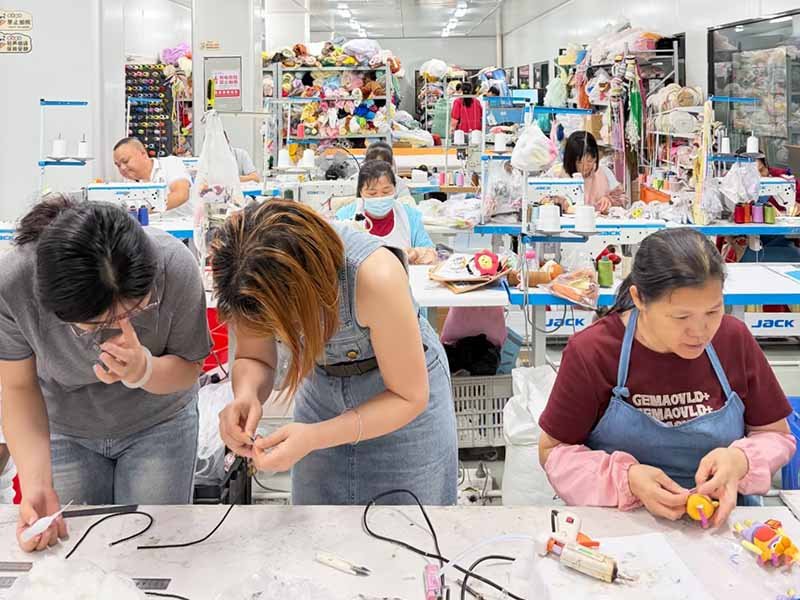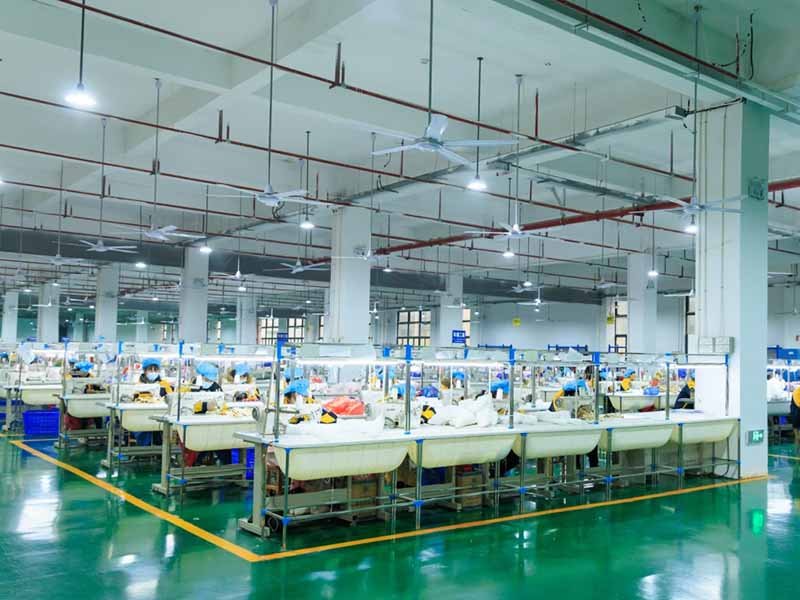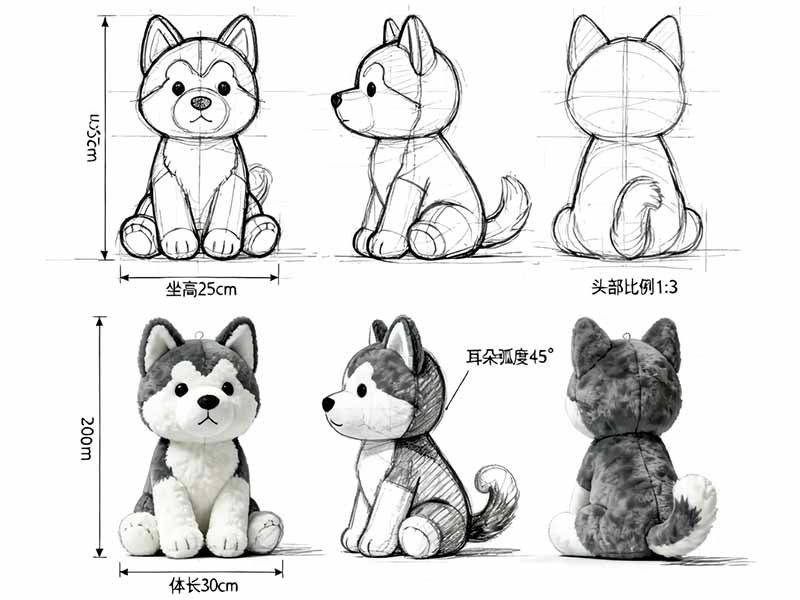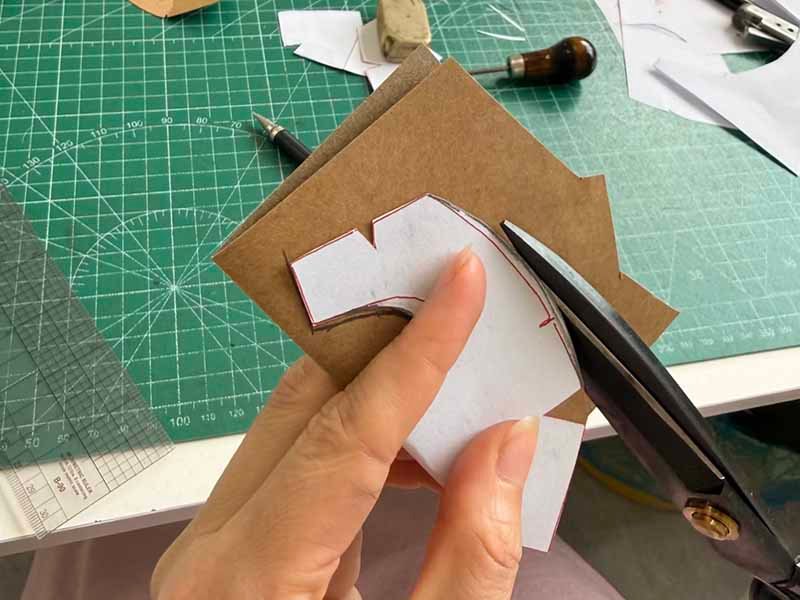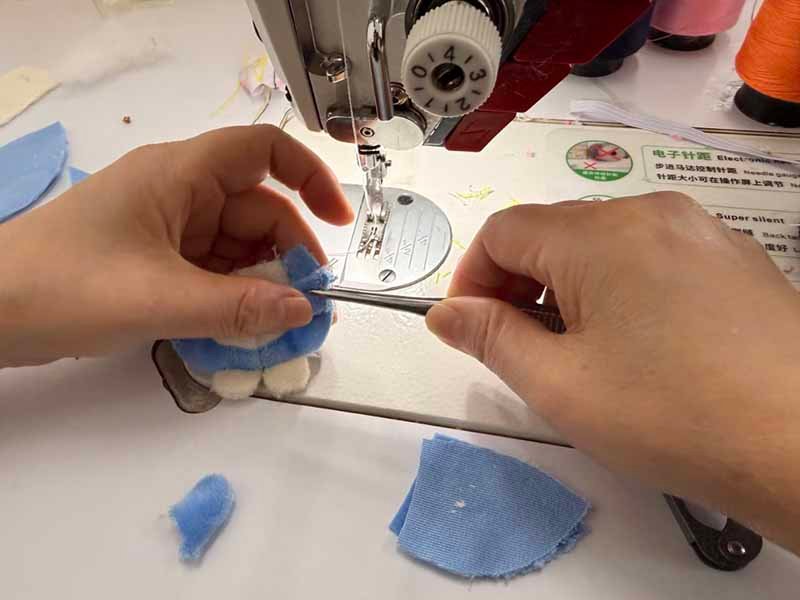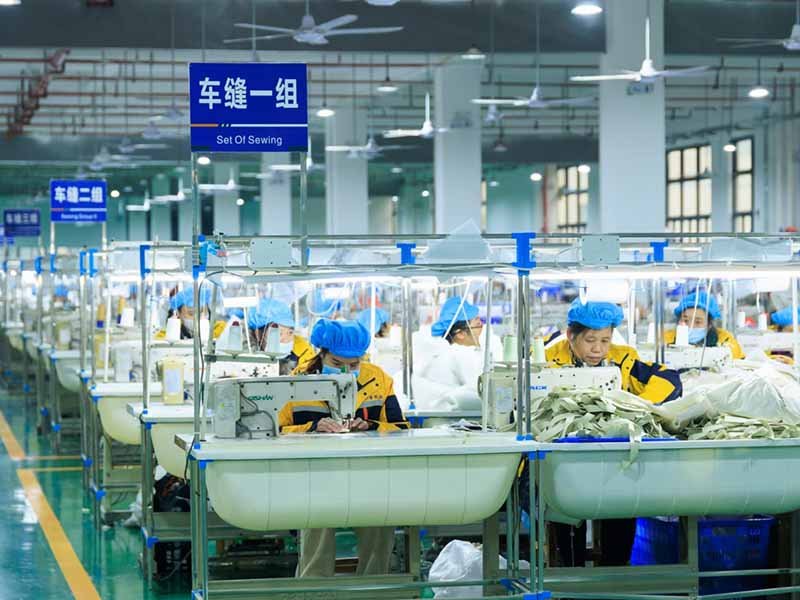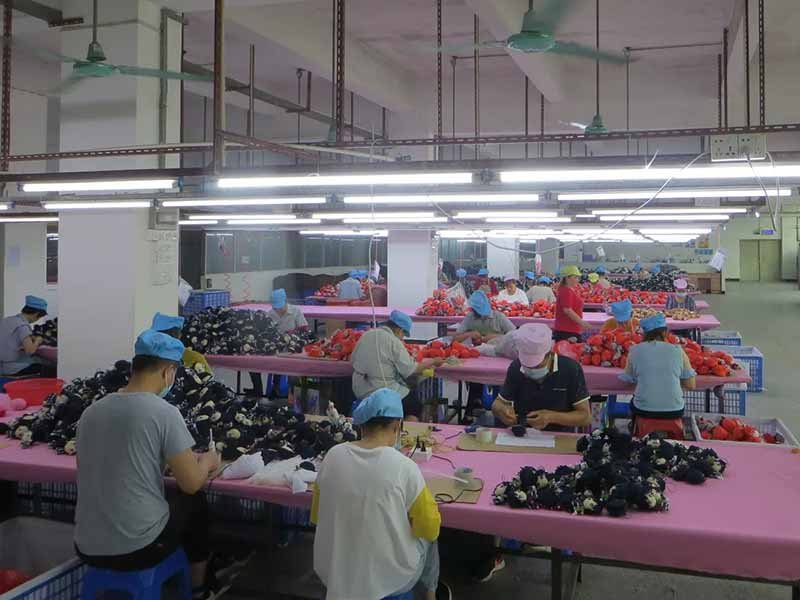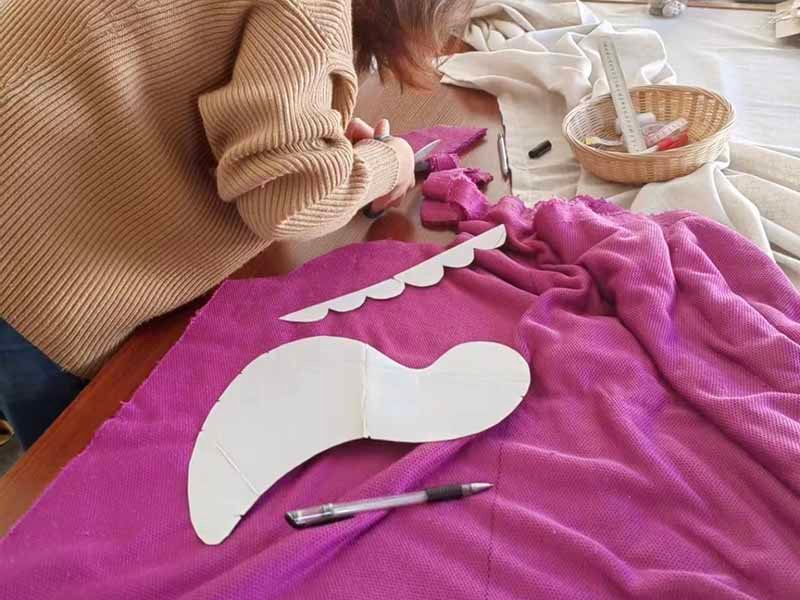
A reliable plush product development and manufacturing partner For brands Since 2007!

Build Better Plush Products With Pufumi

Join a cross-functional team connecting character creativity with engineering, manufacturing, quality control, packaging and global project delivery.

Work Where Creative Ideas Meet Manufacturing Reality

A role at Pufumi connects visible products with disciplined execution. Team members help move characters from initial artwork through engineering, prototypes, production, packaging and international delivery.

Build Real Products

A character illustration can begin as a digital file and finish as a physical product sold through retail, entertainment, ecommerce or destination channels. Team members can see how decisions about facial proportions, fabrics, seams, filling, accessories and packaging change the finished result. Work is not limited to presentations or internal reports. Every approved instruction can affect a prototype, production batch, retail box, barcode, master carton or shipment arriving at an overseas warehouse.
  • Follow ideas into physical samples
  • See revisions improve visible details
  • Understand how designs reach production
  • Connect daily work with finished goods

Solve Visible Problems

Plush development creates problems that can be observed and tested. An eye may sit 3 millimeters too high, a muzzle may lose volume after packing, a metal clip may scratch embroidery, or a barcode may belong to the wrong SKU. Strong contributors do not hide these issues behind general statements. They identify the cause, document the difference and help verify the correction. The work rewards people who enjoy finding clear answers rather than simply moving tasks to another department.
  • Compare samples with approved references
  • Measure changes instead of guessing
  • Record causes and corrective actions
  • Verify results before closing issues

Work Across Disciplines

A successful plush program rarely belongs to one department. International project teams need input from product design, pattern engineering, sample making, sourcing, production, quality, packaging and logistics. A change to fabric can affect pattern size, embroidery appearance, filling, unit cost, testing and delivery time. Team members learn to understand the effect of their decisions beyond their immediate role while respecting clear responsibility and approval boundaries.
  • Coordinate with technical and commercial teams
  • Understand upstream and downstream effects
  • Keep decisions visible to relevant roles
  • Support one controlled project record

Create Repeatable Systems

Pufumi is building systems that support more than a single order. Approved samples, BOMs, pattern versions, material records, inspection criteria and packaging files help future production follow the intended product. Team members are encouraged to convert useful experience into checklists, specifications and training records. A well-documented solution can prevent the same problem across several SKUs, production batches or repeat orders, creating value beyond the project where it was first developed.
  • Improve files and working standards
  • Preserve approved versions
  • Support repeat-order consistency
  • Turn experience into shared knowledge

Different Locations, One Connected Project System
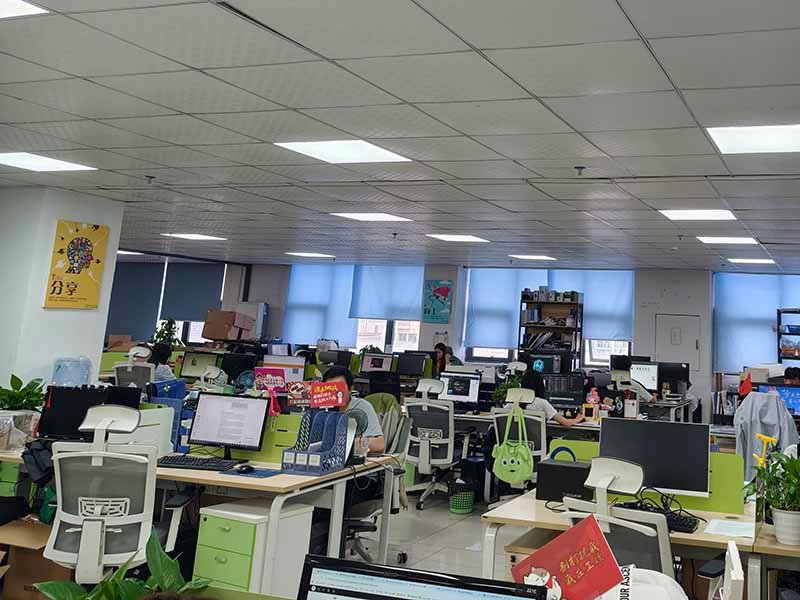
Pufumi-related work can involve Shenzhen project operations and invested manufacturing resources in Dongguan and Foshan. Every approved vacancy identifies the actual location and legal employment entity.

Shenzhen Project Operations

Shenzhen Oneier Technology Co., Ltd. operates the Pufumi brand and coordinates international communication, commercial planning, digital operations, project records, supply-chain communication, packaging, logistics and global business development. Shenzhen roles may involve direct communication with overseas brand teams, IP owners, retailers, designers and procurement organizations. Work often requires accurate English communication, document control, cross-time-zone coordination and the ability to translate commercial requirements into clear actions for technical and manufacturing teams.
  • International project coordination
  • Brand and digital operations
  • Commercial documentation
  • Supplier and logistics communication
  • Workplace: Shenzhen, Guangdong
Every vacancy should state the office arrangement, employment entity, reporting line and attendance requirements. A Shenzhen role should not be assumed to include remote work unless the approved description says so.

Dongguan Manufacturing Foundation

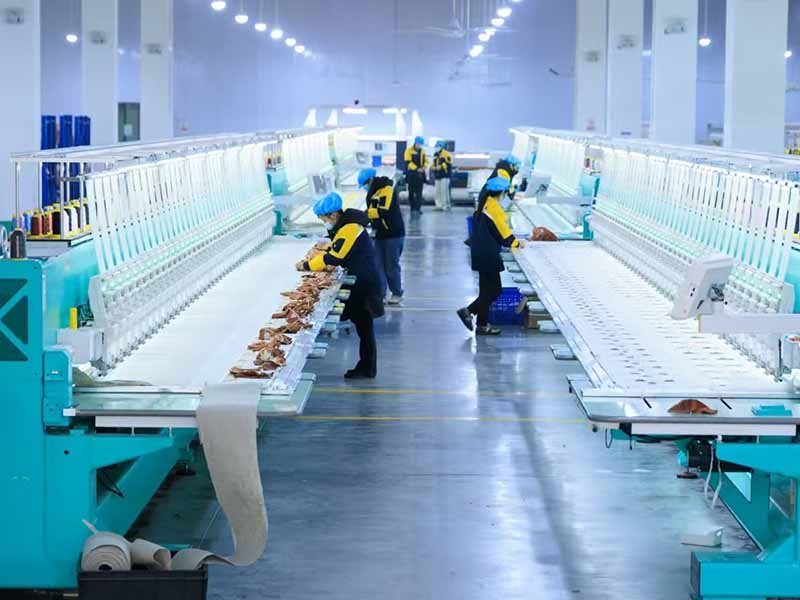
The Dongguan core plush factory was established on March 26, 2007 and provides an important engineering and manufacturing foundation for Pufumi programs. Relevant work can include character interpretation, pattern making, prototype construction, embroidery trials, sewing engineering, production coordination, filling, finishing and quality inspection. The Dongguan development base includes more than 58 plush designers and pattern makers, with approximately half bringing over 15 years of relevant experience.
  • Character and product development
  • Pattern engineering
  • Prototype and sample work
  • Production technology
  • Quality and workmanship control
Employment conditions for Dongguan roles belong to the legal manufacturing entity named in the vacancy and written offer. The Pufumi brand should not be presented as the direct employer when another disclosed entity holds the employment relationship.

Foshan Manufacturing Resources

Foshan invested manufacturing resources support production planning, line coordination, bulk execution, packaging and quality work according to project type and schedule. Relevant opportunities may involve production operations, material coordination, process control, warehouse preparation and shipment support. The available roles can differ from those at the Dongguan development base because each location serves a different part of the managed manufacturing structure.
  • Production planning and execution
  • Materials and work-in-process control
  • Packaging coordination
  • Factory quality support
  • Workplace: Foshan, Guangdong
Job descriptions must identify the specific facility, employment entity, work schedule and required factory experience. Applicants should review the location carefully before applying rather than assuming that all manufacturing roles are interchangeable.

Career Areas Across the Plush Product Lifecycle
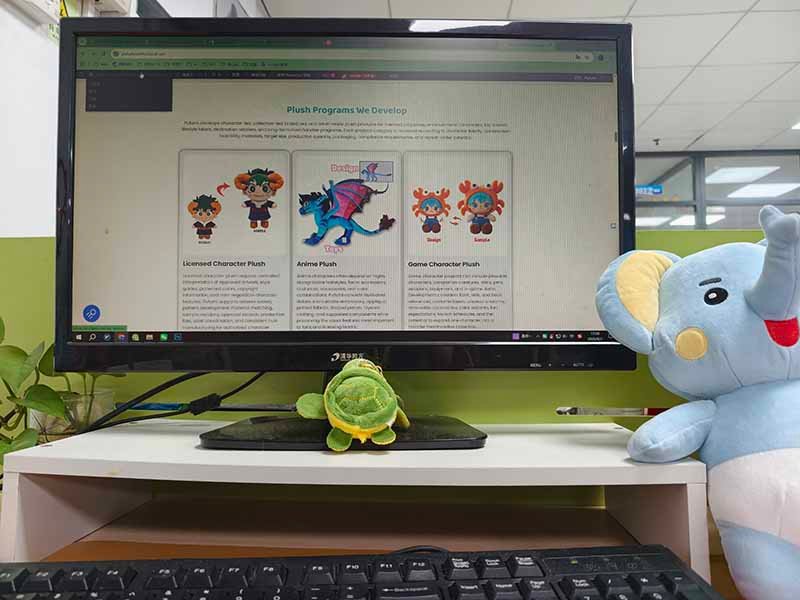
Pufumi programs rely on commercial, creative, technical and operational expertise. Career areas describe long-term talent needs; only roles shown in the approved vacancy list are currently open.

International Projects

International project professionals connect brand requirements with internal execution. The role can involve gathering artwork, dimensions, quantities, target markets, packaging requirements and launch dates; coordinating quotations and sample plans; recording approvals; and following production, inspection and shipment milestones. Strong English communication is important, but translation alone is not enough. Project professionals must understand how a creative request affects materials, engineering, cost, schedule and quality.
  • Project-brief preparation
  • Milestone and approval tracking
  • Commercial-document coordination
  • Cross-functional communication
  • Risk and schedule follow-up
Experience in customized manufacturing, toys, gifts, consumer products, bags, apparel or packaging may be relevant when combined with disciplined project ownership.

Product Design

Product design roles analyze how a character, mascot or product concept should become a soft physical object. Work can include silhouette interpretation, proportion planning, material direction, pose development, clothing concepts, accessory integration and product-line expansion. Designers must protect recognizable features while accepting that some two-dimensional details need an engineered three-dimensional solution.
  • Character-feature analysis
  • Product-form development
  • Material and color direction
  • Collection and SKU planning
  • Visual review of samples
A portfolio should demonstrate structured product thinking, not only attractive illustrations. Experience showing how an idea changed through development is especially valuable.

Pattern Engineering

Pattern engineers convert visual information into fabric panels, seam lines, volumes and filling zones. They evaluate stretch direction, pile direction, seam allowance, embroidery position, center of gravity, assembly sequence and production repeatability. Small adjustments can change facial expression or body balance, so pattern work requires patience, spatial thinking and strong knowledge of soft-product construction.
  • Two-dimensional to three-dimensional conversion
  • Pattern-panel development
  • Seam and grain planning
  • Filling and balance control
  • Production-feasibility improvement
Applicants may be asked to discuss previous plush, garment, soft-toy or textile patterns and explain how they corrected shape or assembly problems.

Sample Development

Sample makers turn patterns and materials into physical prototypes used for review and approval. The work includes cutting, embroidery coordination, sewing, filling, shaping, accessory assembly and finishing. Sample development is not simply small-volume production. Every prototype is an experiment that helps verify proportion, structure, material behavior and workmanship before bulk manufacturing begins.
  • Prototype construction
  • Trial materials and processes
  • Shape and expression adjustment
  • Revision execution
  • Pre-review finishing
Strong sample makers can read visual references, understand pattern intent and explain why a result differs from the design or approved sample.

Materials And Sourcing

Materials and sourcing professionals coordinate plush fabrics, filling, embroidery thread, labels, hardware, electronic modules, packaging and specialist processing. Their decisions influence color, touch, appearance, cost, lead time, testing and repeat-order consistency. The role requires more than requesting the lowest quote. Suitable materials must match the approved design, target market, order quantity and production method.
  • Fabric and component sourcing
  • Color and sample-card coordination
  • Supplier evaluation
  • Material lead-time control
  • Repeat-order availability records
Experience with textiles, toys, packaging, accessories, procurement or supplier management can provide a strong foundation.

Production Operations

Production operations roles convert released files into controlled manufacturing activity. Responsibilities may include material readiness, production scheduling, cutting, embroidery, sewing, filling, finishing, line balancing, first-piece review and exception handling. Multi-SKU programs require clear separation of faces, colors, accessories, labels and packaging so components do not enter the wrong product.
  • Production planning
  • Work-in-process control
  • First-piece coordination
  • Multi-SKU separation
  • Schedule and issue management
Successful operations professionals understand both output requirements and the quality consequences of changing a process without approval.

Quality And Compliance

Quality professionals inspect materials, embroidery, printing, sewing, filling, accessories, finished appearance, packaging, labels and carton data. They compare results with approved samples, production files and inspection criteria rather than relying on general impressions. Compliance-related work can include gathering BOM information, preparing test samples and coordinating documents with independent laboratories.
  • Incoming-material inspection
  • In-process quality control
  • Finished-goods inspection
  • Packaging and barcode verification
  • Testing-document coordination
Internal quality work does not replace third-party laboratory responsibility, and applicants should be comfortable with clear technical boundaries.

Brand And Digital Growth

Brand and digital roles help explain complex plush development in a useful, accurate and visually credible way. Work may include website strategy, industry research, technical writing, SEO, visual content, photography, video, CRM, analytics and international lead generation. Marketing claims must remain connected to verified company facts, real work and approved evidence.
  • Website and content development
  • Industry and market research
  • Technical storytelling
  • Visual evidence organization
  • Lead and data management
Strong candidates combine communication skill with curiosity about manufacturing, products and international procurement rather than relying on generic promotional language.

The Qualities Behind Strong Project Work

Technical knowledge matters, but daily behavior determines whether information remains accurate, risks are raised early and projects move forward without avoidable confusion.

Detail Awareness

Plush products contain many small decisions with visible consequences. Eye spacing, embroidery position, pile direction, seam shape, label wording and carton numbering may differ by only a few millimeters or characters. Strong contributors notice these differences before they become production problems. Detail awareness does not mean slowing every decision; it means knowing which details affect character identity, safety, quality, cost or delivery and checking them at the right stage.
  • Compare current and approved versions
  • Read labels and numbers carefully
  • Check visual and dimensional differences
  • Escalate meaningful discrepancies

Commercial Thinking

A technically possible idea may not fit the quantity, target cost, schedule or retail channel. Commercial thinking means understanding how product size, SKU count, materials, packaging, testing and delivery interact. Team members should not reduce every decision to the cheapest option, but they should be able to explain the cost and operational effect of a recommendation. Good decisions protect the intended product while respecting the commercial framework agreed for the program.
  • Connect design with order structure
  • Understand cost drivers
  • Consider schedule and channel requirements
  • Explain tradeoffs clearly

Clear Communication

A statement such as “the sample feels wrong” does not give another team enough information to act. Clear communication identifies the affected version, location, expected result, observed difference and required next step. It also distinguishes facts from assumptions and confirms who can approve a change. Written clarity becomes especially important when international project teams, factories, suppliers and external service providers work across locations and time zones.
  • Use project and version references
  • Separate facts from opinions
  • Assign actions and owners
  • Confirm decisions in writing

Personal Ownership

Ownership means following an assigned issue until the result can be verified. It does not mean making unauthorized decisions or doing every task alone. A responsible owner gathers the right people, records what was agreed, checks progress and confirms closure. Passing a message to another department is only one step. The issue remains open until the required sample, material, document, inspection or production result is available and reviewed.
  • Track actions through completion
  • Ask for help early
  • Keep relevant roles informed
  • Verify the final result

Respect for IP

Pufumi may receive unreleased character art, product concepts, packaging, pricing, launch dates and licensing information. Employees must understand that access does not create permission to copy, photograph, publish, share or reuse those materials. Confidential files should remain within the approved project scope and authorized systems. Respect for IP also means refusing obvious counterfeit work and escalating unclear authorization before development or production begins.
  • Follow need-to-know access
  • Protect unreleased materials
  • Avoid unauthorized photography
  • Report questionable rights immediately

Evidence-Based Decisions

Strong project decisions use samples, measurements, documents, photographs, scan results, inspection records and approved files. Personal experience remains valuable, but it should help create verifiable conclusions rather than replace evidence. When two teams disagree about a color, shape or packaging version, the solution is not the loudest opinion. The correct reference, controlled comparison and responsible approver should determine the next action.
  • Use approved reference materials
  • Measure when measurements matter
  • Record inspection results
  • Preserve evidence for review

One Plush Project, Multiple Professional Disciplines

Project StageMain Roles InvolvedTypical InputsControlled Output
Project BriefInternational projects, commercial coordinationArtwork, size, quantity, SKUs, market, packaging and arrival dateStructured brief and missing-information list
Asset ReviewProduct design, project management, IP coordinationCharacter guides, front, side and back views, color referencesCharacter landmarks and approved asset register
Feasibility EngineeringPattern, sourcing, quality and productionProduct concept, materials, functions and market requirementsConstruction recommendation and risk notes
Prototype DevelopmentPattern, sample, embroidery and sourcingApproved direction, sample materials and measurementsVersion-controlled physical prototype
Revision And ApprovalProject, design, sample and approving partyMarked comments, measurements and visual referencesApproved sample or production reference
Production ReleaseOperations, sourcing, quality and project managementBOM, patterns, embroidery, packaging and quantitiesReleased production package
Quality And PackagingQuality, production, packaging and project managementApproved sample, criteria, labels and barcode filesInspection and packing-release records
Delivery And ArchiveLogistics, documents, quality and project managementFinal cartons, destination and trade termsShipment records and repeat-order archive

A role may lead one stage and support several others. Product designers may remain involved when a prototype is reviewed. Quality professionals may contribute during feasibility if a proposed attachment creates risk. Logistics staff may need packaging information before production is complete. Collaboration works best when each function understands the shared project objective while maintaining clear authority.

A controlled project does not require endless meetings. It requires the correct people to receive the correct information before an irreversible action occurs. Artwork must be approved before production files are released. Packaging codes must match SKUs before printing. Final carton data must be available before freight is confirmed. Team members who understand these connections can prevent rework while keeping programs moving.

Real Project Work Across Roles
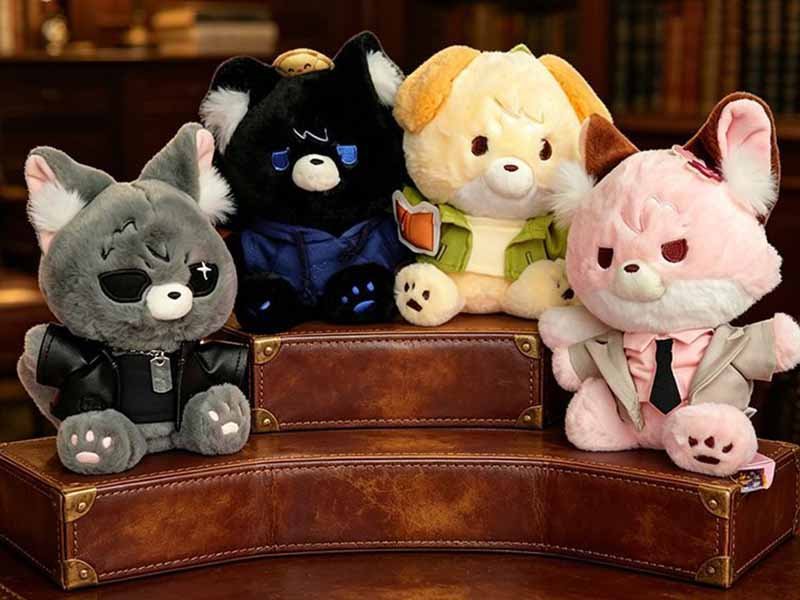
The following anonymized scenarios show how different disciplines contribute to commercial plush orders. Quantities, schedules and structures reflect realistic programs rather than guaranteed universal conditions.

Character Series Program

A four-character entertainment program included 4,800 pieces at 22 cm, embroidered faces, fabric clothing and individual hangtags. The initial files contained clear front views but limited side and back details. International project staff organized the missing-information list, product designers mapped essential character features, and pattern engineers developed a shared body structure with separate head and costume files. The first prototype stage was planned within approximately 12 to 18 days after artwork, materials and development conditions were confirmed. Sample makers adjusted cheek width, eye position and clothing fit across revision rounds. Production operations separated embroidery files and costume bundles by SKU, while quality staff checked character identity, tag versions and case packs before release.
  • Quantity: 4,800 pieces
  • SKUs: 4 characters
  • Product size: 22 cm
  • Bulk planning: approximately 30–45 days after full release
  • Core disciplines: project, design, pattern, sample, production and QC
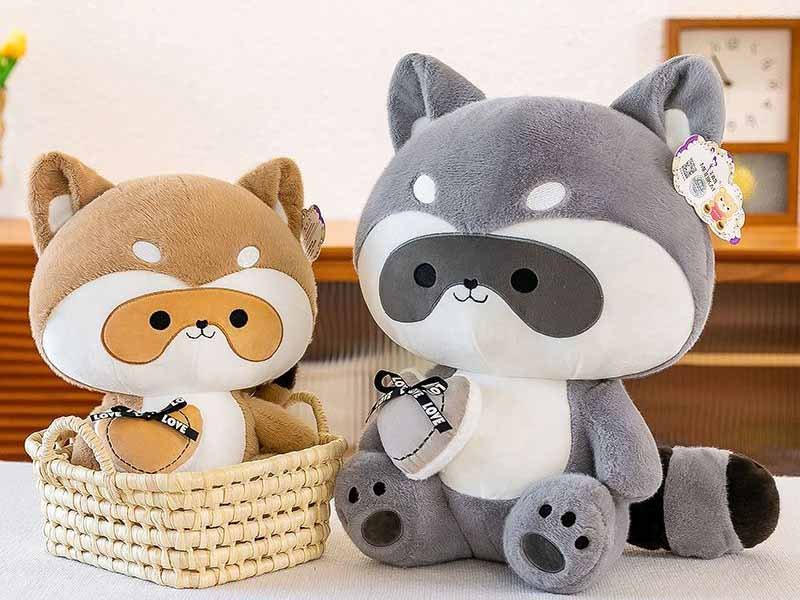
Collectible Plush Program

An eight-SKU collectible program included 12,000 mini plush products between 10 and 12 cm. Seven regular characters and one limited variant shared a common body direction while using different faces, ears, colors and accessories. Product planning defined which components could be shared. Pattern and embroidery teams created controlled files for each difference, and sourcing coordinated fabric colors, hardware and individual collection-box materials. Sample development was planned within approximately 18 to 25 days because several linked designs and packaging versions needed coordinated approval. Production teams used SKU bundle identification and carton mapping to protect assortment ratios. Quality staff checked embroidery, accessories, barcode versions and collection-box contents before approximately 40 to 55 days of bulk planning reached shipment preparation.
  • Quantity: 12,000 pieces
  • SKUs: 8 variants
  • Product sizes: 10–12 cm
  • Packaging: individual collection boxes
  • Core disciplines: collection planning, engineering, sourcing, operations and QC
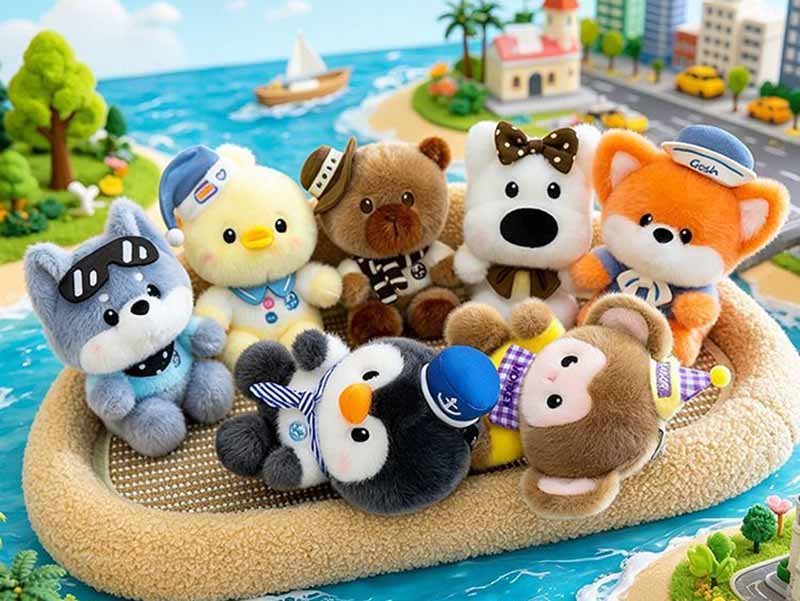
Retail Mascot Program

A retail mascot project included 3,600 pieces at 30 cm, using short-pile fabric, embroidered branding, a removable costume component and printed retail tags. Product design and pattern teams focused on preserving the recognizable head profile while allowing the product to fit an efficient carton configuration. Sourcing matched fabric color and hand feel, while sample staff tested filling distribution and costume fit. The physical sample was planned within approximately 15 to 22 days after design and material direction were confirmed. Packaging staff arranged a carton trial to compare shape recovery, case pack and barcode placement. Production and quality teams checked the approved profile, costume attachment, tag version and carton data during a bulk plan of approximately 35 to 50 days after complete production release.
  • Quantity: 3,600 pieces
  • SKU count: 1 mascot
  • Product size: 30 cm
  • Packaging: retail tag and individual polybag
  • Core disciplines: design, pattern, sourcing, packaging and quality

Growth Through Projects, Reviews and Shared Knowledge

Professional growth comes from understanding real products, receiving useful feedback and converting successful solutions into methods that other team members can follow.

Role Onboarding

New contributors need more than a company introduction. Onboarding should explain how Pufumi relates to Shenzhen Oneier and the invested manufacturing resources, which legal entity employs the role, and how project files move between commercial, technical and operational teams. Role-specific training can cover product categories, approvals, confidentiality, file naming, version control, quality references and escalation paths.
  • Understand the organization
  • Learn role responsibilities
  • Review project systems
  • Study confidentiality requirements
  • Complete relevant safety orientation
The depth and duration of onboarding depend on the position and workplace rather than one universal schedule.

Project-Based Learning

Plush knowledge develops quickly when team members work with real fabrics, patterns, embroidery, samples, packaging and production issues. A designer may learn why long-pile fur hides facial details. A project coordinator may learn how a late barcode change affects packaging. A quality inspector may learn how filling density alters the approved silhouette. Project-based learning connects technical details with commercial results and helps people make stronger decisions on future programs.
  • Learn from physical samples
  • Observe production processes
  • Follow decisions into results
  • Understand cross-functional effects
Real project information remains subject to confidentiality and access controls.

Review And Feedback

Useful feedback identifies a specific behavior, decision or result rather than judging personality. Sample reviews, production reviews, quality findings and delivery exceptions create opportunities to examine what happened and how the process can improve. Team leaders should explain both the technical reason and the commercial effect of a correction. Employees are also expected to raise questions when instructions conflict or a risk remains unresolved.
  • Sample and design reviews
  • Project milestone reviews
  • Quality and exception reviews
  • Individual performance feedback
  • Corrective-action follow-up
Review methods can vary by team and role.

Knowledge Documentation

Experience becomes more valuable when it can be reused. Team members may help develop material records, sample checklists, pattern notes, inspection standards, packaging guides, project templates and issue libraries. Documentation should remain concise enough to use during daily work and detailed enough to prevent repeated mistakes. Controlled revisions are important because an outdated checklist can create as much risk as no checklist at all.

  • Create reusable checklists
  • Document solved problems
  • Update controlled standards
  • Support internal training
  • Preserve project knowledge

A Culture Built Around Responsible Product Decisions

Pufumi’s working culture is defined by how information, risks, approvals, people and manufacturing conditions are handled during real projects.

Tell the Truth

Team members must describe project status, factory relationships, test results, quality findings and delivery risks accurately. A difficult fact raised early can be managed; a hidden issue discovered after production or shipment is far more damaging. Employees should not invent client names, certification coverage, capacity, progress or technical conclusions to make communication sound more impressive.
  • Report actual status
  • Separate confirmed facts from estimates
  • Correct inaccurate information
  • Avoid unsupported promises
  • Keep records consistent
Honest communication protects colleagues as well as external project partners.

Protect Confidential Work

Unreleased artwork, prototypes, packaging, prices, quantities and launch plans must remain within approved channels. Personal devices, social accounts and public cloud folders should not be used for sensitive project materials unless formally authorized. Photography in sample rooms or production areas requires permission, especially when several confidential products share the same workspace.
  • Follow access permissions
  • Use approved storage locations
  • Restrict photography
  • Avoid unauthorized forwarding
  • Report data exposure promptly
Confidentiality continues after a project or employment relationship ends.

Raise Risks Early

Materials, construction, testing, packaging and delivery risks should be raised while there is still time to change the plan. A pattern engineer should question an unstable structure before sampling is complete. Sourcing should flag a long material lead time before the production schedule is promised. Quality staff should stop and escalate repeated defects rather than waiting for final inspection.
  • Identify the affected stage
  • Explain the likely consequence
  • Suggest available options
  • Notify the responsible owner
  • Record the final decision
Early escalation is responsible work, not unnecessary negativity.

Respect Approved Versions

Only released artwork, patterns, embroidery files, BOMs, labels and packaging versions should enter production. Employees should not choose an older file because it is easier to find or already set up on a machine. Obsolete materials must remain traceable but separated from current working files. Any emergency change requires the authorized approval process.
  • Check file status
  • Use version identifiers
  • Remove obsolete workshop copies
  • Confirm emergency changes
  • Preserve the audit trail
Version discipline becomes especially important across multi-SKU and repeat programs.

Solve Across Teams

A project issue rarely stays inside one department. A fabric shortage can affect sourcing, design, pattern size, cost and delivery. A quality defect may require production correction and project communication. Strong teams avoid the reflex of saying an issue belongs elsewhere. They identify the responsible owner while contributing the information needed for a complete solution.
  • Respect ownership boundaries
  • Share relevant evidence
  • Avoid blame-based communication
  • Support corrective actions
  • Confirm cross-team closure
Collaboration does not remove accountability; it makes accountability more effective.

Work Safely and Respectfully

Office and manufacturing roles require different safety practices. Factory environments can involve cutting tools, sewing needles, embroidery equipment, electrical devices, material handling and warehouse movement. Employees must follow the facility’s safety instructions, machine rules, needle controls and protective requirements. Respectful work also means communicating without humiliation, harassment or deliberate exclusion.
  • Follow workplace safety rules
  • Use equipment only when trained
  • Report hazards and incidents
  • Respect colleagues and boundaries
  • Follow the employment entity’s policies
Specific working hours, benefits and workplace conditions appear in the approved vacancy and written offer. Read Our Principles

Current Opportunities and Long-Term Talent Areas

Approved vacancies appear only when a role, location, employment entity and hiring authority have been confirmed. General profiles may be submitted for future review without implying a guaranteed response or offer.

Shenzhen Opportunities

Shenzhen roles can include international project coordination, business development, digital marketing, technical content, visual communication, supply-chain coordination and logistics support. Openings vary according to actual organizational needs. Every active listing should state the employment entity, reporting line, office location, language requirements, experience level and whether travel to Dongguan or Foshan may be required. Professionals interested in Shenzhen roles may submit a profile containing:
  • Relevant international or manufacturing experience
  • English communication ability
  • Product or project examples
  • Current city and location preference
  • Earliest available start date
A vacancy is active only when it appears in the approved role list with a job reference.

Dongguan Technical Roles

Dongguan opportunities may involve product design, pattern engineering, sample making, embroidery coordination, sewing technology, production planning and quality inspection. Technical applicants benefit from portfolios, photographs, physical samples or case descriptions showing how they solved shape, construction or production problems. The employer and workplace conditions belong to the manufacturing entity stated in the job description and offer. Suitable profile materials can include:
  • Plush or soft-product experience
  • Pattern or sample portfolio
  • Product categories handled
  • Equipment or process knowledge
  • Current location and availability
Pufumi does not present every long-term career area as an active vacancy.

Foshan Operations Roles

Foshan roles may relate to production scheduling, materials, line execution, work-in-process control, packaging, warehouse coordination and factory quality. Availability depends on active production needs and approved staffing plans. Applicants should review the facility location, shift expectations, legal employer and role scope before applying. Relevant information can include:

  • Manufacturing or warehouse experience
  • Products and processes handled
  • Team or line responsibilities
  • Quality and productivity knowledge
  • Expected work location

When no suitable role is listed, a general profile may be retained only according to the applicable recruitment privacy notice and internal retention policy. 

What to Expect After You Apply

The recruitment process evaluates role fit, professional capability, location requirements and working expectations while protecting personal information and preventing unauthorized recruitment activity.

Application Review

The responsible recruitment or hiring team reviews the resume, portfolio and role information against the approved vacancy. Relevant experience, work location, language ability, technical evidence and availability may be considered. Applicants should tailor submitted materials to the actual role rather than sending unrelated files. A general application can be reviewed for future talent needs but does not create a promise of an interview.
  • Use the correct job reference
  • Submit a readable resume
  • Include a relevant portfolio
  • State location preferences
  • Avoid unnecessary sensitive data

Initial Conversation

An initial conversation may cover career history, role interest, communication ability, location, employment expectations and availability. It also allows applicants to understand the legal employer, workplace and main responsibilities. The conversation should not require bank credentials, payment, equipment purchases or confidential information from a current employer.
  • Confirm the role and location
  • Discuss relevant experience
  • Review communication needs
  • Clarify availability
  • Ask role-related questions
An initial discussion is not a written employment offer.

Professional Assessment

Assessments depend on the role. A designer may review a character-conversion challenge. A pattern engineer may explain panel or shape corrections. An international project applicant may organize a sample-revision brief. A digital candidate may analyze product content or data. Assessments should remain proportionate to the vacancy and should not be used to obtain unpaid commercial project work.
  • Role-relevant task only
  • Clear instructions and scope
  • Reasonable completion requirement
  • Confidential handling of submissions
  • No payment required from applicants

Team Interview

Applicants may meet the future manager or relevant cross-functional colleagues. Discussion can focus on previous projects, problem-solving, communication, technical judgment and expectations for the role. Manufacturing roles may require an onsite skills discussion or workplace visit. Interviews should explain how the role interacts with other teams rather than presenting an isolated list of duties.
  • Meet relevant team members
  • Discuss real work scenarios
  • Review collaboration expectations
  • Confirm location requirements
  • Clarify reporting relationships

Verification and Offer

Role-dependent checks may cover employment history, education, qualifications, work authorization or references when appropriate and legally permitted. A formal offer should identify the legal employment entity, job title, location, compensation, probation terms, intended start date and major conditions. Verbal statements or social-media messages do not replace the written offer.
  • Review written terms carefully
  • Confirm the legal employer
  • Verify the workplace
  • Ask about unclear conditions
  • Retain the official document

Recruitment Safety

Pufumi and related authorized employers do not require applicants to pay an interview fee, role reservation fee or employment deposit. Applicants should verify unexpected messages through the official Pufumi website, known company contacts or info@pufumi.com. A recruiter asking for money, bank passwords, verification codes or purchases before an interview should be treated as suspicious.
  • No application payment
  • No interview deposit
  • No bank login requests
  • Verify changed contact details
  • Report suspicious communication

Frequently Asked Questions

Pufumi is a plush product development and manufacturing brand operated by Shenzhen Oneier Technology Co., Ltd. Some opportunities may be employed by Shenzhen Oneier, while manufacturing roles may belong to the relevant Dongguan or Foshan legal entity. The vacancy and written offer identify the actual employer.

Roles may be based in Shenzhen, Dongguan or Foshan depending on the function. Shenzhen generally supports brand, international project and digital operations. Dongguan and Foshan roles can support product development, production, quality, packaging and factory operations. Every approved vacancy states the workplace.

No. Career areas describe the professional capabilities involved in Pufumi programs. Only vacancies displayed with a job title, location, employment entity and job reference should be considered active. General profiles may be submitted for future review.

Yes. Professionals may submit a general profile for a relevant career area when no matching vacancy is listed. The application should state preferred role, location, experience and availability. Submission does not guarantee an interview, response timeline or future employment.

Remote or hybrid work applies only when explicitly stated in an approved vacancy. Product development, sample, production and quality roles normally require access to physical products or manufacturing facilities. Applicants should not assume a remote arrangement based on the job title alone.

A relevant portfolio is strongly recommended for product design, pattern, sample, visual, photography, video and content roles. The portfolio should show the applicant’s contribution, development process and final result. Confidential work from previous employers should not be disclosed without permission.

Some technical positions require direct plush, soft-toy, textile or sewing experience. Other roles may accept relevant experience from toys, gifts, apparel, bags, packaging, consumer products, sourcing, ecommerce or international project work. Each vacancy states the required and preferred background.

No application, interview or role reservation fee should be paid to Pufumi or an authorized employer. Applicants should not send money, bank passwords or verification codes. Suspicious recruitment messages should be checked through official contact information.

Application information is used for recruitment evaluation, interview coordination and authorized hiring decisions. Access should remain limited to relevant recruitment and hiring personnel. Retention periods and applicant rights follow the applicable recruitment privacy notice and internal policy.

Compare the message with the vacancy, official website and previously verified company contacts. Unexpected email domains, account changes, urgent payment requests or offers issued without interviews should be treated carefully. Verification can be requested through info@pufumi.com or the official contact form.
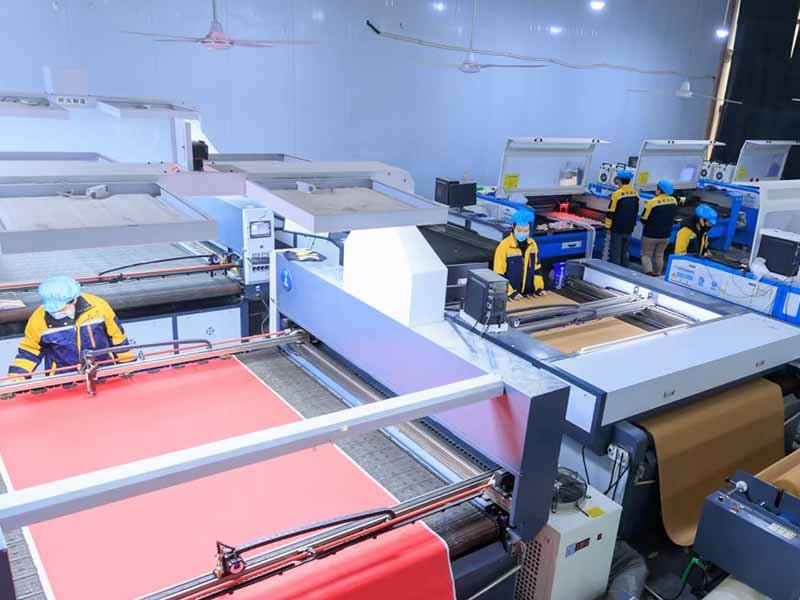
Apply for a Role or Join Our Talent Network

Share enough information for the hiring team to understand your professional direction, relevant experience and preferred workplace. Applications should focus on evidence of work, responsibilities and results rather than long personal statements. Product, design and technical applicants may include a portfolio, while project and operations applicants may describe representative programs, quantities, SKUs, processes or problems handled.
Do not submit bank passwords, payment details, verification codes, unrelated identity records or confidential information belonging to a previous employer. Active vacancies follow the role-specific application instructions. General profiles may be reviewed for future opportunities under the applicable recruitment privacy policy.
Please include:

  • Full name
  • Email address and phone number
  • Role or career area
  • Preferred work location
  • Current city
  • Resume
  • Portfolio when relevant
  • Years and type of experience
  • Language abilities
  • Representative project work
  • Earliest available start date
  • Short professional introduction
  • Privacy consent

Start Your Custom Plush Project

Plush Product Development & Manufacturing Support for Global Brands

Share your character artwork, product concept, target size, estimated quantity, destination market, launch timeline, packaging requirements, and any special functions or compliance needs.

Our project team will review your request and recommend a tailored development and manufacturing approach based on character complexity, materials, construction, sample requirements, production planning, packaging, and delivery schedule.

From Character Artwork to Retail-Ready Plush Products

Pufumi supports IP owners, entertainment companies, toy and collectible brands, lifestyle brands, and major retailers with structured plush product development and manufacturing.

Your artwork, unreleased characters, packaging files, target costs, and commercial information are handled as confidential project materials and are not used for other customer projects or public marketing without authorization.

Need Direct Assistance?