Skip to content

Vinyl Face Plush Manufacturing for Brands
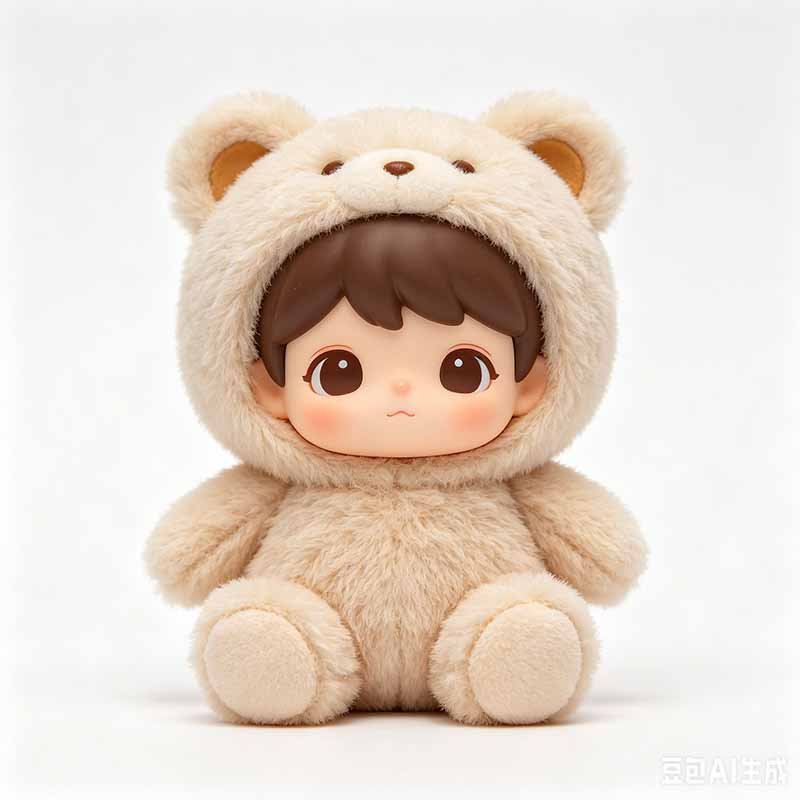
Create plush characters with more defined facial depth while reducing the risk of loose face components, distorted fabric, and inconsistent expressions in bulk production.
Pufumi manages molded face components through material, size, surface, color, supplier, and attachment specifications before production. Each project includes sample-fit validation and 3 critical QC checks: pull strength, installation position, and backing/locking condition—helping your approved facial expression remain secure and visually consistent from prototype to finished goods.
How Pufumi Structures a Vinyl Face Plush Program
Character Interpretation
Molded Face Interface
Plush Body Engineering
Sample Approval
Production Control
Retail Readiness
Vinyl Face Plush Formats for Character Product Lines

Core Character Plush

Mini Collectible Plush

Blind Box Plush

Plush Bag Charms

Plush Keychains

Licensed Character Plush

Collector Edition Plush

Multi-SKU Collections
Where Vinyl Face Plush Projects Commonly Go Wrong
Face Looks Wrong
Head Tips Forward
Attachment Becomes Visible
Bulk Drifts Later
Character Fidelity Begins Before the First Physical Sample
Identify the Character Features That Cannot Drift
Character fidelity starts by separating essential identity features from details that can be adjusted during manufacturing. A project team may provide front artwork, side views, back views, expression sheets, a Character Bible, 3D files, screenshots, color references, and style-guide rules. Pufumi reviews those assets to identify the silhouette, head-to-body proportion, facial expression, hairstyle, costume, color blocks, signature accessories, and other non-negotiable elements.
Face-related requirements need particular attention in vinyl face plush development. A molded surface can reproduce stable three-dimensional geometry, but accurate geometry alone does not guarantee a recognizable character. Face width may need to work with hair volume. Cheek depth may alter how the head reads from a 45-degree view. A mouth line that looks correct in a flat illustration can feel different on a convex surface. Body proportions may also need adjustment once the dimensional face is installed.
Pufumi therefore records visual priorities before later decisions about pattern pieces, filling, clothing, or accessories. Important features can be categorized as Must Keep, Should Keep, Can Simplify, and Can Remove after approval. The structure allows engineering changes without quietly erasing the character’s identity. Development goals remain focused on approved character recognition rather than an unrealistic promise of “100% identical reproduction.”
Convert Visual Feedback Into Measurable Revisions
Feedback such as “the face feels too old,” “the character looks too serious,” or “the head is not cute enough” cannot be sent directly into production. Pufumi converts subjective reactions into individual variables that can be changed and reviewed: eye spacing, face width, head height, mouth curvature, cheek volume, body length, shoulder width, filling firmness, fabric pile, costume proportion, or accessory scale.
Every revision should also preserve version history. A first sample, second sample, PPS, and Golden Sample cannot exist as unnamed photographs in a messaging thread. Pufumi uses revision briefs, sample identification, comparison photos, and approval records so both sides can see what changed and why. When a design change affects a molded component, the impact is larger than changing a seam or embroidery file. Tooling implications, component lead time, color approval, surface finish, attachment, cost, and the production schedule may all require renewed evaluation.
The aim is not endless revision. The aim is to move from visual uncertainty to an approved product standard. Once the final character appearance is accepted, the approved geometry, pattern, materials, colors, construction, and packaging become controlled inputs for production and repeat orders.
Protect Character Identity During Scale-Up
Character fidelity can deteriorate after approval if production control focuses only on dimensions and sewing defects. A technically acceptable product may still feel wrong when filling changes the head shape, a fabric lot reflects light differently, clothing sits too high, the molded face is installed at a slightly different angle, or an accessory shifts the visual balance.
Pufumi links the Golden Sample to the production file package so appearance standards remain connected to measurable manufacturing information. Pattern versions, material codes, approved color references, filling requirements, attachment positions, clothing placement, label locations, and packaging presentation are reviewed as part of the same product. Production inspections compare physical output against the released standard rather than relying on a generic plush checklist.
Repeat orders also require control. Materials can be discontinued, dye lots can change, component sources can change, and old files can remain in circulation. Pufumi keeps sample archives, BOM records, version history, approved color references, quality records, and reorder difference checks so a successful character can be reproduced with fewer uncontrolled changes between production seasons.
Files That Make Hybrid Character Development More Accurate

Front Character View

Side and Back

Three-Dimensional Assets

Color References

Commercial Requirements

Rights and Approvals
How Molded Face Development Fits the Plush Program
Define the Face Component Before Tooling Decisions
A useful molded-face brief contains more than an attractive front rendering. Pufumi first defines the role of the component inside the complete product: finished face width and height, target depth, orientation, visible border, surrounding hairstyle, relationship with the plush head, expected surface character, attachment interface, target age, finished product size, and packaging condition.
The project also needs to clarify whether different SKUs require independent facial geometry or can share a common base. A new color may only require a material or decoration change, while a genuinely different expression can change geometry and potentially require a different production solution. Those decisions affect development cost, component MOQ, schedule, approval workload, and inventory planning.
Pufumi does not present specialist molded-component operations as automatically occurring inside the same plush production area. The execution route is confirmed according to the approved project. Production documents should identify the responsible specialist resource, tooling arrangement where applicable, approved material specification, color reference, sample status, incoming inspection requirements, and the face-to-plush interface standard.
No tooling lead time should be promised before the face geometry, material path, surface treatment, revision requirement, and specialist production route are understood. The correct goal is a controlled component ready to integrate with the approved plush structure.
Approve Geometry, Surface, Color, and Interface Separately
Several approval layers may be required before a molded face is ready for series production. Geometry controls the expression and character identity. Surface finish controls gloss, texture, visual depth, and perceived quality. Color controls compatibility with surrounding plush fabric, hair, clothing, and packaging. Interface geometry controls how the face seats inside the soft head and where attachment loads transfer.
Separating the approvals reduces confusion. A visually correct face should not be rejected later because the attachment flange conflicts with the pattern. A mechanically acceptable component should not be accepted when the expression no longer matches the approved character. Surface decoration also needs review on the final curved geometry rather than only on a flat digital file.
Color assessment should use approved physical references where possible. Vinyl or PVC, polyester plush, embroidery thread, printed fabric, and paper packaging reflect light differently, so a single digital color value does not guarantee identical visual appearance. Pufumi records accepted references and uses the approved component sample together with the complete character sample during final evaluation.
Once the component specification is approved, changes to geometry, material, color, surface decoration, edge treatment, or attachment area need formal review because they may affect the body pattern, packaging, test configuration, cost, and production schedule.
Treat Incoming Face Components as Controlled Materials
Molded faces entering final assembly should be inspected as important components rather than anonymous purchased parts. Relevant checks can include product code, version, dimensions, color, visible surface condition, deformation, scratches, contamination, edge condition, attachment geometry, orientation marks, quantity, and lot identification according to the final specification.
The level of inspection depends on the product and risk. A face used on a premium collectible may need stricter cosmetic grading than a component mostly covered by fur. A painted or printed surface can require additional visual checks. A component intended for a children’s product may also influence the product’s chemical and mechanical risk review.
Incoming acceptance does not replace finished-product inspection. A face can pass incoming inspection and still be installed incorrectly. Final assembly must confirm position, symmetry, surrounding fabric tension, attachment, head balance, expression, and packaging protection.
Pufumi links important component information with the SKU, BOM, production lot, sample standard, and QC plan. If the molded-component supplier, material, surface process, or tooling version changes later, the change should be evaluated rather than treated as an interchangeable substitute.
Plush Body Engineering Must Match the Molded Face
Build the Head Around Real Component Geometry
A conventional embroidered-face plush can create facial volume almost entirely through fabric panels, seams, embroidery position, and filling. A molded-face character introduces fixed geometry that the textile head must receive accurately. Pufumi develops the surrounding plush structure from approved interface dimensions instead of simply cutting a hole in an existing head pattern.
Pattern work considers overall head width, front-to-back depth, face opening, seam location, hair volume, ear position, neck width, seam allowance, fabric stretch, filling access, and attachment reinforcement. The surrounding head must sit cleanly against the molded component without pulling the face out of position or creating irregular gaps. Highly elastic fabric can distort the opening; a dense non-stretch fabric can resist seating. Pile direction can also change how the face edge visually disappears into surrounding fur.
The head is reviewed from front, side, back, and 45-degree angles. Vinyl face products often look correct from the front while appearing too flat, too front-heavy, or disconnected from the body in profile. Side-depth evaluation therefore becomes part of the pattern approval.
Pattern versions are numbered and linked to the corresponding sample. After Golden Sample approval, the released pattern becomes a production-controlled asset. Unapproved hand adjustments should not replace the released pattern during bulk production.
Control Filling for Shape and Balance
Correct total filling weight alone does not produce a correct character. Filling distribution matters. The rear head may require enough volume to balance a forward molded face. The neck may need additional support without becoming excessively hard. The torso can require a different density from the head to maintain the intended sitting or standing posture.
Pufumi defines filling by material, overall target, zone, sequence, handfeel reference, and Golden Sample rather than relying only on a single gram value. Operators need to understand where filling belongs, not merely how much enters the complete product. Shape checks are performed after filling and again after the molded component, clothing, and accessories are in their final positions.
Overfilling can widen the head opening, change the angle of the face, make seams visible, distort clothing, or create an unnaturally hard neck. Underfilling can make the head collapse around the face, produce wrinkles, or allow the product to tip forward. Similar issues can appear only after packaging pressure is applied.
Engineering samples are therefore valuable for difficult hybrid structures. They provide a controlled stage for checking support, balance, attachment, and recoverability before appearance is frozen in the Golden Sample.
Revalidate Every Significant Size Change
Scaling a vinyl face plush is not a matter of increasing every dimension by the same percentage. Pufumi’s general size system covers Keychain at approximately 3–5 inches, Mini at 4–7 inches, Core at 8–14 inches, Large at 15–24 inches, and Display formats above 24 inches, but each character still requires individual evaluation.
A smaller version can lose seam allowance, clothing detail, face-border coverage, and attachment space. The molded component may become proportionally heavier relative to the textile body. Hardware can look oversized. A larger version may require additional head support, altered filling distribution, larger packaging, and different transport assumptions.
For multi-size collections, Pufumi creates a Size Ladder that identifies the commercial role, target channel, major construction changes, packaging, and MOQ logic for each scale. Shared visual language can remain consistent while pattern and support systems change.
Every significant size should be sampled or otherwise validated before release. A Core product approved at one size does not automatically validate a Mini, Large, Bag Charm, or Display version using the same artwork.
Face-to-Plush Attachment Is a Core Engineering Decision
Design the Load Path Instead of Hiding a Weak Joint
A dimensional face introduces forces that a flat embroidered face does not create. The face has its own weight, can be pushed or pulled during handling, experiences impact during drops, and can transmit stress to the surrounding textile panels. Attachment engineering therefore starts by asking where force travels after the molded component is loaded.
Pufumi evaluates the attachment area, reinforcement position, surrounding fabric direction, seam structure, and internal support together. The correct solution depends on component geometry, product scale, intended use, target age, and whether the item is mainly displayed, carried as a bag charm, handled as a toy, or packed tightly for retail distribution.
Reinforcement should distribute stress into a stable part of the head structure instead of concentrating force at one narrow fabric edge. Extra material alone does not solve a poor load path. Excessive reinforcement can also create hard spots, visible bulk, uneven filling, or a distorted expression.
The Engineering Sample stage can be used to validate difficult interfaces before appearance work is finalized. Once the construction is approved, attachment materials, dimensions, stitch requirements, orientation, reinforcement, and inspection points should enter the released production package.
Control Position, Symmetry, and Edge Appearance
Attachment is also a visual operation. A face placed a few millimeters too high, rotated slightly, or seated unevenly can alter the expression of a recognizable character. Position references should therefore be based on approved geometry, surrounding pattern landmarks, and the Golden Sample rather than an operator’s individual judgment.
Edge treatment deserves equal attention. The transition between hard face and soft textile should look intentional. Excessive exposed border can make the component appear detached from the character. Too much surrounding fabric can cover important face geometry. Uneven tension can create wrinkles around the face or pull the head out of shape.
Pufumi uses sample approval to define the visible edge condition, surrounding pile direction, hair coverage, face orientation, and symmetry. Assembly instructions can include positioning references and image standards for complex products. Finished inspection then checks the complete character from relevant angles instead of examining only the connection from inside the head.
Clothing, hair elements, hats, ears, and accessories can influence the apparent face position, so final appearance evaluation occurs after those components are installed.
Inspect the Connection in the Finished Product State
A joint can look secure immediately after assembly but behave differently after full filling, dressing, packaging, compression, transport vibration, or repeated handling. Inspection should therefore reflect the intended product state rather than examining only an unfinished shell.
Pufumi’s quality system separates incoming inspection, process checks, first-off confirmation, in-line inspection, final inspection, packaging checks, and shipment inspection. For vinyl face plush, the QC plan can add product-specific checks covering face condition, position, symmetry, surrounding fabric, attachment integrity, head balance, deformation, and packaging protection.
Age grading and product classification also matter. A connection method suitable for a collectible intended for older users may not automatically be suitable for a children’s toy. Any detachable or potentially detachable component requires evaluation against the applicable product requirements for the intended market and age.
Records should identify the inspected SKU, production lot, version, issue, disposition, and corrective action. A connection defect therefore becomes traceable manufacturing information rather than an isolated visual complaint.
Plush Fabrics Selected for Shape, Detail, and Character

Short-Pile Plush

Minky Fabric

Velboa Fabric

Fleece Fabric

Faux Fur

Clothing Fabrics

Lining Materials

Custom Color Materials
Accessories and Components Planned Around the Complete Character

Character Clothing

Hair and Ears

Hats and Headwear

Props and Tools

Hanging Hardware

Internal Reinforcement

Electronic Modules

Labels and Inserts
Sampling and Pattern Development Before Production Release
Pattern Engineering Converts Character Art Into Repeatable Soft Structure
Pufumi begins pattern work after the character assets, target size, product format, major materials, molded-face interface, and important commercial requirements are understood. Pattern engineering covers panel geometry, seam allowance, face opening, head depth, neck shape, body volume, limb proportions, filling access, fabric direction, attachment zones, and clothing relationships.
Complex characters often require more pattern pieces than simple animals or basic round forms. Extra panels can improve contour accuracy, but unnecessary complexity increases sewing time, quality checkpoints, variation, and cost. Pattern work therefore balances fidelity with repeat production. The goal is not the largest possible number of pieces. The goal is enough controlled geometry to hold the approved silhouette through sampling and scale-up.
Pufumi does not simply scale one pattern to create every product size. Small formats often need simplified panels and larger visual details. Large formats may need different support and filling zones. A face component also changes the front-head construction, so a body developed around an embroidered face cannot automatically be reused.
Pattern versions are assigned to the relevant SKU and sample version. After approval, the released pattern is connected to the BOM, material direction, QC requirements, and Golden Sample. Uncontrolled pattern edits during production require review because even a small change around the face can alter expression, symmetry, and attachment.
Sample Timing Depends on Complexity and Approval Scope
Pufumi’s internal plush-development benchmarks begin only after required project information, sample payment or applicable development conditions, major material direction, and sample task release are complete. Standard plush samples are generally planned around 7–12 working days. Complex character samples are generally planned around 12–20 working days. Multi-SKU sample groups are commonly evaluated around 15–30 working days depending on shared structures and approval arrangements.
Vinyl face plush projects can require additional specialist component development beyond those plush-sample benchmarks. Molded-face geometry, prototype method, tooling, material, color, surface decoration, revision, and specialist production route can influence the critical path. For that reason, Pufumi does not publish one fixed molded-face lead time before reviewing the actual design.
Packaging samples are generally evaluated separately. Pufumi’s internal benchmark for common packaging samples is approximately 7–15 working days, while complex printed structures, tooling, inserts, or special finishes can require additional time.
Fast development is useful only when it remains controlled. A fixed launch project should identify the required approval date, production release date, testing window, packaging confirmation date, cargo-ready date, and warehouse date. Compressing a sample stage without resolving key face, attachment, material, or packaging decisions can move risk into production rather than remove it.
Revision Stages Have Different Purposes
A Prototype is primarily used to reduce uncertainty. It can validate proportion, physical volume, body posture, attachment concept, and major material direction before expensive detail work is finalized. Prototype materials can be temporary or close substitutes when the purpose is structural learning.
The first formal sample converts the approved direction into a more complete product. Pufumi evaluates silhouette, face relationship, body proportion, material, filling, clothing, accessories, size, and other defined requirements. Feedback is converted into a Revision Brief. Each revision should identify the original comment, engineering interpretation, action, visual effect, and any cost or schedule consequence.
An Engineering Sample can be used when structure, attachment, internal reinforcement, hardware, electronics, balance, or packaging requires separate validation. A Pre-Production Sample moves closer to final production materials and methods.
The Golden Sample becomes the principal visual and physical reference for bulk production and QC after approval. Approval should freeze the accepted design, material, color, construction, filling, component, and packaging status. Later changes require controlled review rather than being introduced informally because one late change can alter cost, testing, labels, production files, or delivery timing.
Production Files Turn a Good Sample Into a Repeatable Product
A beautiful sample has limited manufacturing value if the construction knowledge remains in the hands of one sample maker. Pufumi converts approved development into production-ready information before release.
The file package can include SKU code, pattern version, BOM, material codes, color standards, molded-face component reference, embroidery or print files, clothing patterns, accessory specifications, reinforcement requirements, filling targets, dimensions, tolerances, label files, packaging artwork, carton requirements, quality standards, and relevant approval records.
Only released information should enter purchasing and production. Draft BOMs, sample BOMs, approved BOMs, and released BOMs have different meanings. The same principle applies to artwork, patterns, packaging, and labels. A factory should not select the newest-looking attachment in an email chain and assume it is approved.
Production-ready files also support repeat orders. Materials, component suppliers, packaging, or market requirements may change months later. Archived samples and files allow Pufumi to compare the proposed reorder against the previous released standard before production begins again.
Logo and Brand Applications Built Into the Product

Embroidered Logos

Screen Printed Graphics

Heat Transfer

Sublimation Printing

Woven Brand Labels

Copyright Marking
Production Controls for Repeatable Vinyl Face Plush Quality
Released Material Control
Pattern Version Control
First-Off Confirmation
Filling and Balance
Assembly Position Control
Multi-SKU Separation
Production Timing Control
Change Request Control
Hybrid Quality Control From Components to Packed Product
Incoming and First-Off Checks Protect the Production Starting Point
Quality control begins before sewing. Plush fabrics, clothing materials, threads, filling, hardware, labels, packaging, and specialist components need to match the released product specification. For a molded face, relevant incoming checks can include SKU and version, visible surface condition, color, dimensions, deformation, edge condition, orientation, contamination, and interface features according to the approved component standard.
Incoming inspection cannot prove final appearance, so the first assembled production unit becomes another important gate. Pufumi’s broader quality system includes incoming inspection, first-off confirmation, process inspection, finished-product checks, packaging checks, and pre-shipment inspection. Product-specific criteria are added where hybrid construction creates unique risks.
A first-off unit is evaluated against the Golden Sample and released files. Face angle, head balance, surrounding fabric, clothing, accessory position, body posture, labels, and packaging are reviewed in the finished state. When the first-off result exposes a systematic issue, the process should be corrected before full-volume production continues.
The approach prevents the most expensive quality scenario: a repeatable defect being discovered only after an entire production lot has been completed.
Process QC Controls Shape Before Final Inspection
Many vinyl face plush defects originate upstream. An incorrect cut panel can change the face opening. A sewing variation can distort head symmetry. Incorrect filling can move the molded face visually even when the attachment itself is correct. A clothing error can alter proportions. Process inspection therefore looks for conditions that final inspection cannot efficiently repair.
Pufumi connects QC checkpoints to the production sequence. Material and cutting checks protect panel accuracy. Sewing checks protect seam construction, key dimensions, and reinforcement. Filling checks protect weight, shape, handfeel, and balance. Assembly checks protect face position, accessories, hardware, and clothing. Label and packaging checks protect SKU identity, copyright information, barcode, cards, pack quantity, and carton configuration.
Inspection standards should include what is measured, what is visually compared, what sample acts as reference, and what action follows a failure. A simple “pass/fail” statement is not enough for recurring problems. Nonconforming products are separated, investigated, corrected where appropriate, and rechecked before release.
Quality records also support root-cause investigation when a brand reports a field issue or requests a repeat order months later.
Final Inspection Verifies Product and Packaging Together
The final product is evaluated as a retail unit rather than an unfinished plush item. Typical checks can cover appearance, dimensions, weight where specified, face condition, expression, symmetry, body shape, seam integrity, attachment, accessories, clothing, labels, barcode, packaging, carton marks, and assortment information according to the project.
Packaging deserves particular attention for hard-face plush products. A smooth molded surface can be scratched by another component, card edge, hardware piece, or poorly designed insert. A tightly compressed package can also change posture or place unnecessary pressure on the face-to-head interface. Packaging samples therefore need to be checked with the finished product inside rather than approved only as an empty printed box.
Multi-SKU programs add reconciliation. Correct character, face version, card, copyright line, barcode, box, and carton assignment must remain aligned. Hidden editions need controlled packing rules without exposing confidential assortment information.
Golden Sample, approved packaging, released files, QC criteria, and retention records together provide the reference set for production release and future reorder comparison.
Multi-SKU and Blind Box Programs Need More Than Variety
Collection Architecture
Shared Components
Hidden Edition Control
SKU Coding
Approval Management
Reorder Continuity
Packaging Designed for Collectible Value and Product Protection
Polybag Packaging
Blind Box Packaging
Window Box Packaging
Collector Gift Boxes
Collector Cards
Brand Labels
Barcode and Channel
Master Carton Control
Safety and Compliance Preparation Starts With Product Structure
United States Programs Require Product-Specific Review
A vinyl face plush intended for the United States should be classified according to its actual product type, intended age, structure, materials, features, and sales channel before testing plans are finalized. For children’s toys, applicable ASTM F963 provisions and CPSIA-related requirements may need review, along with other rules depending on the final construction. Not every clause applies to every product, and a phrase such as “CPSIA tested” should not replace a product-specific compliance plan.
Molded plastic or flexible PVC-related components can introduce chemical considerations that are different from a fabric-only plush. Coatings, printed decorations, paints, plasticizers, adhesives, hardware, and other materials may influence the required testing configuration. Component changes after testing can therefore affect whether previous evidence remains applicable.
Pufumi helps organize manufacturing information such as BOM, materials, age information, sample configuration, labels, packaging, production data, and relevant supplier documents for third-party laboratory coordination. Testing is performed by appropriate third-party laboratories according to the agreed program rather than being represented as an internal Pufumi laboratory service.
The responsible manufacturer, importer, brand, or other legal entity must confirm final certification and market obligations. Pufumi supports the manufacturing side of compliance preparation and corrective actions when a design, component, label, or packaging issue is identified.
Mechanical Risk Changes When Hard and Soft Components Meet
Hybrid products require attention to how rigid or semi-rigid components interact with a soft textile body. Product age, component size, attachment, accessible edges, foreseeable handling, and potential detachment can influence the risk assessment. A statement such as “strongly sewn” is not sufficient evidence because the relevant question is whether the complete construction remains appropriate for the intended user and applicable testing.
Face attachment should therefore be evaluated as both a product-engineering and safety-control issue. The molded component, internal reinforcement, surrounding fabric, seam system, and finished assembly work together. Accessories such as hats, hard props, hardware, plastic details, buttons, chains, or removable items may introduce additional considerations.
Pufumi records important attachment and accessory information in the BOM and quality plan. Engineering Samples can be used where retention, internal support, hanging load, or component movement requires early validation. If testing or risk review identifies a weakness, corrective action may include changing material, attachment location, reinforcement, component geometry, age grading, or product design.
Final decisions should be based on the finished product rather than a component certificate considered in isolation.
Documentation Must Follow the Exact SKU and Version
Compliance evidence loses value when it cannot be connected to the product actually manufactured. Material certificates, laboratory reports, supplier declarations, labels, BOMs, and production records need a clear relationship with SKU, component, material source, version, market, and production lot where applicable.
Pufumi does not treat a supplier material certificate as proof that every finished product is certified. A report issued for one sample, material, color, or construction also should not be automatically extended to a modified product without review. Changes to molded-face material, coating, printing, fabric, hardware, packaging, or market version can trigger a need to reassess the existing test plan.
Labels and packaging are part of compliance preparation. Target age, warnings, copyright information, product identification, responsibility information, tracking data, country-of-origin information, and channel requirements can vary by project and market. Pufumi manages the approved manufacturing files but does not invent legal wording that belongs to the responsible brand, importer, licensor, or compliance adviser.
The result is a traceable compliance-preparation package rather than a collection of unrelated certificates.















Why Brands Use Pufumi for Complex Plush Programs
58+ Development Specialists
Controlled Sample System
Production File Discipline
Transparent Supply Control
Complex Character Programs Managed With Controlled SKU Systems
Eight-SKU Blind Box Character Program
An anonymized licensed-style program required an eight-SKU plush blind box assortment built around six standard characters, one hidden edition, and one channel-exclusive edition. Production volume was above 1,000 pieces, consistent with Pufumi’s enterprise project profile. The challenge was not simply completing eight attractive samples. The series needed a common visual language while preserving individual character identity and keeping hidden-edition information controlled throughout manufacturing.
Pufumi established a SKU matrix covering character code, approved artwork, pattern version, materials, character-specific details, packaging version, production lot, and packing requirements. Shared standards were used for collection scale and packaging architecture while unique character elements remained independently controlled. The hidden edition used restricted internal identification and separate packing instructions.
During production, cut parts, character-specific components, labels, and packaging were separated by SKU. Packing control included character reconciliation, blind-box version checks, hidden-edition ratio control, and barcode or channel-label verification where required by the program. Approval records were maintained for product samples and packaging rather than assuming approval of one automatically released the other.
The same management structure is particularly relevant when vinyl face collections introduce multiple molded expressions or face versions because component identity must remain connected to the correct textile body, card, box, and carton throughout production.
Game Character Retail Merchandise Program
A second anonymized game-character program involved three primary character plush products, two prop-based hanging accessories, and one gift-set configuration, with total production volume above 1,000 pieces. The product forms differed enough that one universal manufacturing file would have created unnecessary risk. Pufumi separated character bodies, accessory products, gift-set packaging, copyright information, and quality requirements into controlled file groups while keeping the series connected under one project structure.
Character samples were reviewed for silhouette, expression, proportions, costume, and important identifying details. Hanging accessories required separate hardware and attachment checks. Packaging required another approval stream because gift-set arrangement, cards, copyright lines, and product identification did not match the standard individual product configuration.
Production planning used SKU codes and version-controlled records rather than informal product names. Quality records, packing requirements, and shipment information were linked to the correct program versions. The approach reduced the chance of correct products entering incorrect packaging or a revised artwork file being applied to only part of the series.
For a future vinyl face collection, the same framework can incorporate molded-face component code, face version, incoming component lot, attachment standard, and face-specific QC criteria without changing the underlying program-management discipline.
Vinyl Face Plush Frequently Asked Questions
A vinyl face plush combines a dimensional molded face component with a soft textile plush head or body. The construction differs from a conventional plush with embroidered or printed facial features because the face has fixed geometry, weight, edges, and an attachment interface. Development therefore needs to coordinate face geometry, plush pattern, filling, head support, attachment, surface appearance, accessories, packaging, and finished-product inspection as one system.
Not necessarily. Tooling depends on the production method, existing geometry, face size, expression differences, material route, and specialist component supplier. A simple color change may not require the same development as a new facial expression or completely different character. Pufumi reviews the SKU architecture before the molded-component route is confirmed so avoidable tooling duplication can be identified without forcing different characters to share unsuitable geometry.
Pufumi does not describe every specialist process as an in-house operation. Core plush development, pattern engineering, sample management, production files, plush manufacturing controls, quality standards, and final project coordination are led by Pufumi. Specialist molded-component processes are scoped according to the approved project and may use qualified specialist resources. Execution responsibility, samples, materials, interface requirements, incoming checks, and commercial scope are confirmed before production release.
Yes. Pufumi can evaluate front artwork, turnaround drawings, style guides, AI or PSD files, PDFs, PNG or JPG references, 3D models, screenshots, videos, or physical references. More complete information improves development accuracy. Important inputs include target size, SKU count, quantity, target market, target age, packaging, launch timing, and non-negotiable character features. Missing side or back information may require an interpretation stage before final sampling.
Pufumi’s internal benchmark is generally 7–12 working days for standard plush samples and 12–20 working days for complex character samples after required information, major materials, development conditions, and formal sample release are complete. Multi-SKU sample groups are commonly evaluated around 15–30 working days. Vinyl face development can add specialist component or tooling time, so the complete hybrid schedule is confirmed only after the face-production route is reviewed.
Pufumi’s standard framework evaluates Core Plush from 500 pieces per SKU, while complex characters, licensed IP products, retail-packaged programs, Mini Plush, keychains, and bag charms are generally prioritized from 1,000 pieces per SKU. Most vinyl face collectible programs fall into the more complex category. Final quantity also depends on molded-component requirements, materials, colorways, packaging, SKU count, market versions, and whether several products share approved components.
Yes. Pufumi supports multi-character and multi-SKU programs using SKU matrices, shared-component planning, individual character files, controlled materials, packaging versions, internal coding, production separation, and assortment reconciliation. Shared body or packaging architecture can improve efficiency where technically appropriate. Unique face geometry, costume, color, accessories, hidden editions, or channel-exclusive versions remain independently controlled so manufacturing efficiency does not erase character differences.
Attachment design depends on face geometry, size, weight, product use, target age, surrounding fabric, reinforcement, and internal support. Pufumi evaluates the interface as a load path rather than relying on surface sewing alone. Engineering can include reinforced textile zones, controlled face seating, defined attachment points, filling support, and finished-product inspection. Final attachment should be assessed in the complete filled and packaged product state rather than only during unfinished assembly.
Common options include Polybag, blind box, window box, collector box, gift box, display carton, and other project-specific retail formats. The best structure depends on product value, face protection, accessories, hardware, shelf presentation, barcode needs, collector cards, shipping volume, and channel requirements. A hard or smooth face may require additional protection from scratching, pressure, hardware contact, or movement inside the package during transportation.
Yes. Pufumi can help organize the BOM, materials, product samples, target-age information, labels, packaging, component information, and manufacturing records required for a defined third-party testing path. Applicable requirements depend on the final product and market. Pufumi does not claim that every product automatically passes every test and does not replace the legal responsibilities of the appropriate manufacturer, importer, laboratory, brand, or other responsible entity.

Start Your Vinyl Face Plush Development Review
A useful quotation starts with enough information to understand the character, molded-face requirements, plush structure, quantity, packaging, market, and delivery target. Pufumi can review an established product specification or an earlier character concept and identify the information still required before sampling.
Please include as many of the following items as available:
- Character artwork, front/side/back views, style guide, or 3D reference
- Desired product size and number of characters or SKUs
- Estimated quantity for each SKU
- Existing vinyl or molded-face reference, if already developed
- Preferred face color, finish, expression, or surface requirements
- Plush fabric or handfeel preference
- Clothing, hair, props, hardware, or removable components
- Logo, woven-label, copyright, and branding requirements
- Blind box, window box, gift box, Polybag, or other packaging direction
- Target country or region and intended age group
- Required sample date, final approval date, warehouse date, or launch date
- Relevant NDA, licensing, or confidentiality requirements