Skip to content

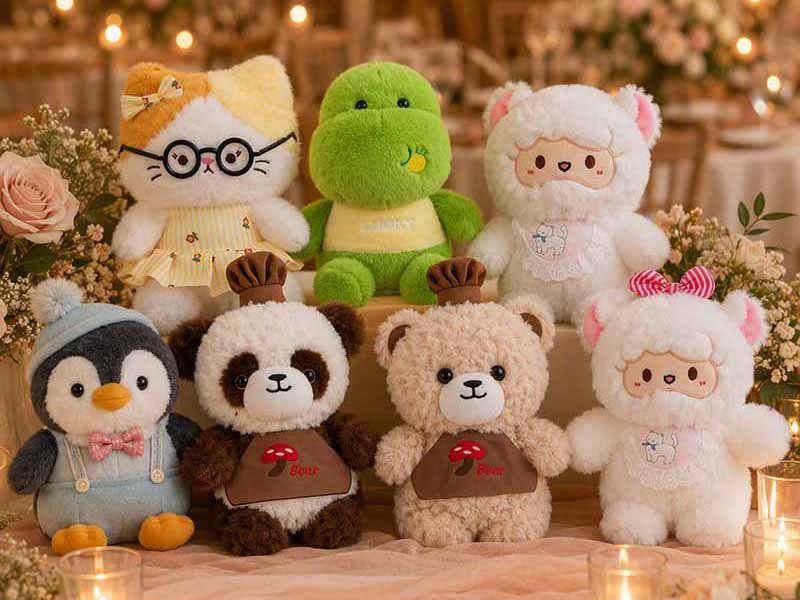
The most important custom plush trend for 2027 may not be a particular animal, color palette, fabric, or size. It is the shift from treating plush as a single toy to treating it as a flexible product system. One character can now become a collectible mini, a bag charm, a comforting core plush, a limited edition, a gift-set item, and a premium display piece. Consumers increasingly use toys to show fandom, express identity, decorate personal spaces, and create moments of comfort. At the same time, brands need products that can move across retail, social media, licensing campaigns, live events, and repeat release cycles without losing character accuracy or production control. That changes the development question. Instead of asking only what looks cute right now, experienced product teams are asking which audience will carry, display, collect, gift, or reorder the product, and which design decisions will still work when a first sample becomes thousands of units.
The strongest custom plush opportunities for 2027 will combine recognizable characters, collectible formats, emotional value, portable mini products, credible material choices, and well-planned SKU families. Brands should prioritize concepts that remain attractive after the first social-media spike, fit a defined audience and channel, can be manufactured consistently, and have enough design depth to expand into future sizes, characters, editions, or seasonal releases.
Imagine two product meetings taking place on the same morning. One team asks which cute animal is trending and immediately orders a prototype. The other studies the audience, the sales channel, the launch calendar, the desired price points, and the character features that cannot change. Both teams may receive an appealing first sample, but only the second is building a range that can survive approvals, testing, bulk production, and reorders. The sections below look at 2027 through that practical lens: not as a list of fashionable shapes, but as a set of product decisions that connect culture, design, materials, engineering, packaging, compliance, and long-term commercial use.
What Will Shape Plush Demand in 2027?
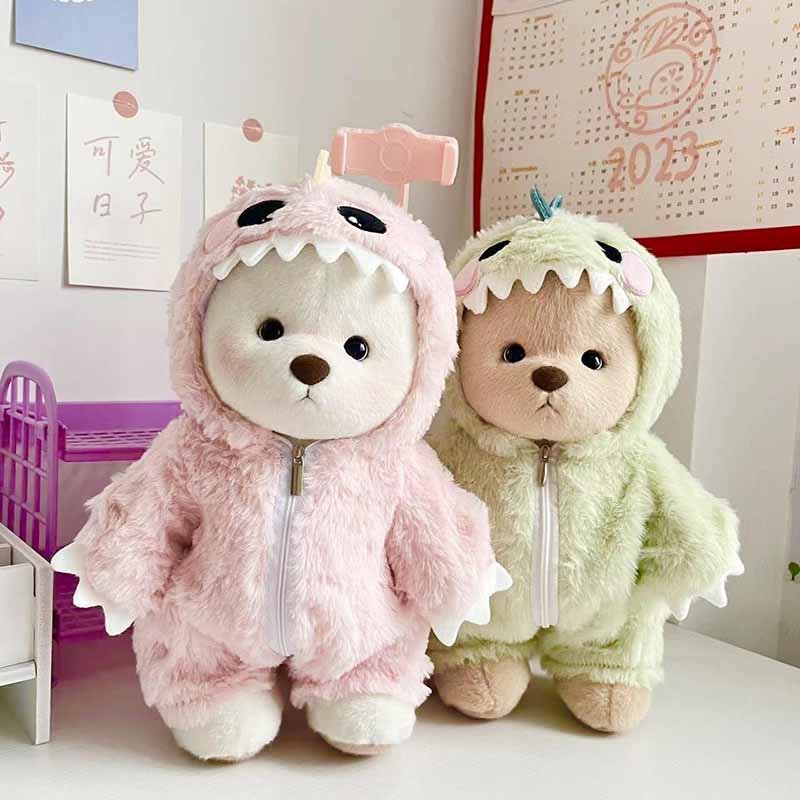
Custom plush demand in 2027 will be shaped by adult collectors, licensed fandoms, emotional comfort, portable accessories, and character-led product lines. The strongest opportunities will connect a recognizable design with a clear audience, sales channel, and repeat-purchase reason. Brands should judge trends by audience depth, product usefulness, manufacturing feasibility, and long-term expansion potential rather than social-media visibility alone.
Are Kidults Reshaping the Plush Market?
Adult consumers are changing what a commercially successful plush product looks like. They are not simply purchasing oversized versions of children’s toys. Many want products with stronger design identity, better materials, display value, nostalgia, limited availability, or a connection to entertainment and online culture. Current market indicators support that shift: The Toy Association reports that kidults account for roughly one-quarter of US toy sales, while Circana found that toy sales for recipients aged 18 and older grew 18% in the first half of 2025. These figures describe the wider toy market rather than plush alone, but they help explain the stronger commercial attention now given to collectible and premium soft products.
This changes how size, color, finish, and packaging should be planned. A collector may prefer a six-inch seated character that fits neatly on a shelf, while a lifestyle customer may want a subtle bag charm that works with clothing and accessories. Premium embroidery, restrained expressions, removable outfits, and collector-focused packaging can matter more than maximum softness or overall size. The term kidult also covers very different motivations. A nostalgic purchaser, an anime fan, a designer-toy collector, and an office worker looking for a comforting desk companion do not evaluate the same product in the same way. Product teams therefore need to define where the plush will live, how it will be handled, what cultural connection it represents, and whether the customer is likely to purchase additional characters or editions.
How Will Fandom Drive Demand?
Fandom gives plush products an emotional advantage because consumers already understand the character, story, and community behind them. Game companions, animated characters, sports mascots, music-related figures, and creator-owned characters can carry meaning before the physical product is introduced. That advantage also creates higher expectations. Fans notice when the face shape is wrong, the eyes are positioned too low, a costume has been oversimplified, or an important accessory is missing. A generic-looking product may still appear attractive to someone unfamiliar with the property, but it can disappoint the audience most likely to buy it, photograph it, review it, and compare it with the original artwork.
Current industry data shows how important licensing has become. Circana reported that licensed toys represented 37% of US toy sales in the first half of 2025 and increased 18% from the prior year. For plush planning, the useful lesson is not that every license will succeed. It is that active content, fan recognition, and timely releases can lower the effort needed to explain a product. The most promising programs usually have repeated content moments such as game updates, episodes, tournaments, creator posts, or anniversaries. One character can then appear as a core plush, a portable charm, an alternate outfit, and a limited event edition. The development calendar must still leave enough time for interpretation, sampling, approval, testing, packaging, and production; otherwise the very details fans care about are the first to be compromised.
Do Comfort and Self-Expression Still Matter?
Comfort and self-expression are becoming closely connected. Consumers increasingly choose plush products not only because they are soft, but because they communicate a mood, fandom, personal style, or sense of belonging. A bag charm can show support for a game character. A small desk plush can make a workspace feel more personal. A weighted animal can provide a reassuring tactile experience. A character released with several expressions can let customers choose the version that feels closest to their personality. These uses make plush relevant beyond the traditional playroom and help explain why compact, wearable, and display-oriented formats are receiving so much attention.
Each use case requires a different product specification. A product intended for hugging needs broad contact areas, balanced filling, and minimal hard components. A desk collectible needs a stable seated or standing posture. A bag accessory must remain recognizable while hanging, stay within an appropriate weight range, and use an attachment engineered for repeated movement. A sensory product needs deliberate texture or weight distribution rather than a conventional body with a trend label added later. Self-expression also influences assortment planning. Different expressions, outfits, and colorways can create meaningful choice, but unlimited variation quickly complicates material purchasing, production separation, and inventory. The goal is to offer enough difference for customers to say, “This one feels like me,” while keeping every version clear enough to manufacture and replenish.
Which Trends Are Lasting?
A lasting trend meets a repeatable consumer need, while a short-lived trend attracts attention because it is visible at a particular moment. Both can generate commercial opportunities, but they require different development speeds and inventory strategies. Collecting, fandom, emotional comfort, and personal accessories are broad patterns that can support many characters over several seasons. A specific meme, viral animal, or temporary visual joke has a narrower window. It may perform very well, but the risk rises when sampling, approvals, and production take longer than the audience’s attention span. An experienced development team therefore looks for the reason behind the trend before committing to the surface appearance.
| Evaluation factor | Suggested weight | Practical question |
|---|---|---|
| Audience depth | 25% | Is there an identifiable community beyond casual views? |
| Repeat-purchase potential | 20% | Can the concept support more characters, sizes, or editions? |
| Manufacturing feasibility | 20% | Can the design be produced consistently at the target cost? |
| Channel fit | 15% | Does it suit the planned retail, e-commerce, or event channel? |
| Timing | 10% | Can the product launch while the opportunity remains relevant? |
| IP control | 10% | Does the brand own or legally control the commercial rights? |
The percentages above are a planning framework rather than a sales forecast. Their purpose is to prevent one exciting signal, such as a high-view social post, from dominating the entire decision. A concept that scores reasonably across several factors is usually more resilient than one supported only by attention. The final decision should also reflect the customer’s launch calendar, approval structure, budget, and ability to reorder. A trend becomes strategically useful when the team can explain not only why people are talking about it, but also how the idea will remain meaningful after the first unboxing video or campaign post disappears from the feed.
Which Plush Formats Will Lead in 2027?

Bag charms, clip-on minis, blind-box plush, compact collectibles, and sensory products are likely to remain influential in 2027. These formats fit the way consumers carry, display, share, gift, and collect characters. Their success will depend on readable small-scale design, dependable attachments, coherent series planning, appropriate finished weight, controlled packaging, and a clear role within the wider product collection.
Are Plush Bag Charms Still Growing?
Plush bag charms have moved beyond simple promotional keychains. They now sit between fashion accessories, collectibles, and fan merchandise, making them relevant to apparel brands, game properties, entertainment companies, and lifestyle retailers. Their greatest advantage is visibility. A standard plush usually stays in a bedroom, office, or display cabinet, while a charm travels through public spaces, appears in photographs, and becomes part of the customer’s daily style. That creates organic exposure and gives even a small product a useful role in a wider character range.
The direction is supported by recent toy-trend research. The Toy Association describes bag charms and clip-on minis as personal badges that express fandom, humor, and aesthetic preference. Manufacturing them successfully, however, requires more than shrinking a core plush. Fine costume layers may need to become embroidery or appliqué, narrow limbs may need wider patterns, and long-pile fabric may hide facial details. The attachment point must be positioned so the character faces outward rather than hanging sideways. Finished weight, total hanging length, clip size, chain length, and seam reinforcement should be approved together because they determine whether the product works as an accessory instead of only looking attractive in a front-facing photograph.
Will Blind Box Plush Keep Expanding?
Blind-box plush combines three strong consumer behaviors: collecting, surprise, and character attachment. The format can encourage repeat purchasing, especially when the series contains several appealing designs rather than one desirable figure surrounded by weaker options. A commercially healthy collection gives every standard SKU enough personality and value to satisfy the customer who receives it. A hidden edition can add excitement, but it should not become the only product people want. When the perceived value gap is too large, surprise turns into disappointment, and customers may stop collecting rather than continue.
Blind-box familiarity is already widespread. In 2026 trend research, The Toy Association reported that 52% of US parents surveyed had purchased a blind-box toy for themselves or their children during the previous year. For production teams, the consumer surprise must be supported by strict internal control. Every SKU needs a unique code, correct collector card, packaging version, assortment ratio, and carton record. The first wave should be sized to the audience and operational capacity. Six strong designs are often easier to understand and replenish than twelve similar designs released before the brand has real sales data. Surprise can strengthen an attractive collection, but it should never be used to hide weak differentiation or uncertain demand.
Which Mini Plush Formats Encourage Collecting?
Mini plush products are easy to collect because they use less display space, usually reach an accessible price point, and allow customers to own several characters without committing to large products. Common formats include palm-size plush, seated minis, keychains, pendants, clip-ons, and small boxed characters. The smallest possible size is not always the best choice. Complex characters can lose their identity when facial details, clothing layers, and accessories are compressed too far, and tiny curves can actually become more expensive to sew because they require greater precision and slower handling.
| Format | Typical body size | Illustrative finished weight | Main development priority |
|---|---|---|---|
| Plush charm | 3-5 in | 40-120 g | Orientation and attachment strength |
| Mini collectible | 4-7 in | 60-180 g | Character recognition at small scale |
| Core plush | 8-14 in | 180-500 g | Expression, hand feel, and balanced structure |
| Large display plush | 16-30 in | 500 g-2 kg+ | Shape retention, freight volume, and stability |
| Weighted plush | 10-18 in | 0.5-2 kg | Secured weight distribution and seam control |
These ranges are practical development starting points, not universal specifications. Character complexity, target age, attachment hardware, fabric density, filling level, and sales channel can move the final numbers significantly. At small sizes, details should be divided into must keep, should keep, can simplify, and can remove. Eyes, mouth, main colors, and signature silhouette normally belong in the first group. Minor seams and secondary decorative layers often belong in the third or fourth. The strongest mini collections preserve identity through proportion and expression rather than trying to reproduce every detail from a larger product.
Are Sensory Plush Going Mainstream?
Sensory plush is becoming more relevant because consumers are paying closer attention to texture, weight, squeeze resistance, and the emotional experience of handling a product. The category can include weighted animals, contrasting fabric panels, soft sculptural bodies, crinkle areas, flexible appendages, and slow-rebound inserts. The term should still be used carefully. A plush can provide a tactile or comforting experience without making medical or therapeutic claims. Clear product descriptions should focus on observable features such as finished weight, fabric texture, squeeze response, removable inserts, and intended handling.
Weighted products require additional engineering. The weighted material should be contained in a secure internal pouch and fixed in the intended area rather than moving freely through the body. Loose particles can create uneven weight, distorted posture, and extra seam stress. Texture also needs a purpose. Short plush on the face, longer pile on the ears, and smooth fabric on the paws may create a useful contrast that supports the character. Randomly combining several materials can make the product feel busy and increase variation in bulk production. The strongest sensory products begin with a specific user experience, then select the material, filling, structure, and quality checks needed to deliver that experience consistently.
How Will Character Design Evolve?

Character design in 2027 will favor instant recognition, expressive simplicity, and adaptation across multiple product formats. Licensed characters will remain important, while brand-owned and creator-owned characters will offer more control over timing and expansion. Successful development will preserve signature features while adjusting proportions, materials, construction, and detail levels to suit each size, channel, audience, and price point.
Which IP Categories Will Convert Best?
The strongest IP opportunities are not limited to one entertainment category. Game characters, animation, streaming content, sports mascots, creator-owned properties, and established brand characters can all convert well when they have an active audience and a visually distinctive identity. Characters that translate naturally into plush usually have a recognizable silhouette, a readable expression, and a small number of signature features. These qualities help the design survive the transition from flat artwork to a soft three-dimensional product without relying on tiny printed details that disappear at normal viewing distance.
Content frequency can be as important as total audience size. A game property with regular updates may create several merchandise moments each year. A creator who communicates daily with fans may generate stronger engagement than a larger property with little current activity. A sports mascot may have recurring opportunities around seasons, tournaments, anniversaries, and venue retail. Product teams should examine whether the audience already uses physical merchandise to express membership through fan art, event attendance, collecting, or customization. The character also needs commercial range. A design that works only as one large plush may have less long-term value than a character that remains recognizable as a charm, mini collectible, core plush, and seasonal edition.
Are Original Characters Becoming Stronger?
Original characters allow brands to control design, story, release timing, and product expansion. They avoid many third-party approval constraints, but they also require the brand to build recognition and emotional meaning from the beginning. A strong original character is usually based on a repeatable visual system rather than a single attractive front-view illustration. That system includes body proportions, facial rules, core colors, silhouette, personality, and non-negotiable details. These elements should remain recognizable when the character changes outfit, pose, product size, or packaging format.
The artwork also needs to be developed beyond the front view. A plush development team must understand side thickness, back details, tail placement, clothing layers, and the relationship between the head and body. Ambiguous artwork forces the sample team to make assumptions, and those assumptions may not match the creator’s intention. Ownership records become increasingly important as the property grows. Brands should retain source files, designer agreements, character names, logo ownership, and clear approval authority. Original IP can create strong long-term value because the brand can add characters, stories, and seasonal versions without renegotiating every commercial use. Consistent storytelling, recognizable design, and disciplined product quality are what turn an illustration into a durable character asset.
Will Nostalgia Influence New Designs?
Nostalgia will remain relevant, especially among adult collectors, but it should be tied to a specific memory rather than applied as a vague visual style. Consumers may respond to classic characters, early gaming aesthetics, childhood color palettes, familiar expressions, or the feeling of older storybook toys. A successful nostalgic product normally keeps one recognizable emotional cue while improving the physical experience. A heritage character might retain its original face but use softer fabric and more accurate embroidery. A retro edition may reproduce an archived costume while adding modern labels, safer construction, and packaging suitable for current retail.
The risk is assuming all adult consumers want muted colors, vintage styling, or exact reproductions. Some collectors prefer bright, exaggerated products because those designs match contemporary online culture. Others value historical accuracy and will notice even small changes. Brands should decide whether the product is a reproduction, a reinterpretation, or a nostalgia-inspired original. A reproduction should respect archived references. A reinterpretation may adjust proportions or materials while preserving identity. A nostalgia-inspired original can use familiar emotional cues without copying protected artwork. The design should clearly answer which memory, era, or cultural feeling it is trying to revive, and what has been improved for today’s customer.
How Do Brands Protect Character Fidelity?
Character fidelity is protected by converting subjective opinions into specific development controls. Instructions such as “make it cuter” or “make it more premium” are difficult to execute consistently. Better feedback identifies the feature, direction, and degree of change. Facial control often begins with eye size, eye spacing, vertical position, mouth width, cheek volume, head-to-body ratio, and the shape of the front silhouette. These features should be compared against approved artwork using the same camera angle, lens distance, posture, and filling condition. A change of only a few millimeters can alter the entire expression of a small character.
The review must also include side and rear views. A front-facing sample may look accurate while the head is too flat, the tail sits too high, or the clothing does not connect correctly at the back. Materials influence fidelity as much as patterns do. Long pile changes the visible outline, stretch can widen the face after filling, and dense embroidery can make eyes feel hard or narrow. Pufumi’s development process uses a structured 2D-to-3D interpretation, pattern engineering, sample revisions, and Golden Sample control for complex character projects. Its core development resources include more than 58 designers, pattern makers, and sample specialists, with approximately half reported to have more than 15 years of relevant experience. Experience helps interpret the character; documentation is what allows the approved look to survive bulk production and reorders.
Which Materials and Features Will Matter?

Materials and features will matter when they provide clear visual, tactile, or functional value. Distinctive textures, recycled options, sensory construction, and interactive elements can strengthen a 2027 product, but only when they suit the audience and character. Every added feature should improve recognition, comfort, durability, or engagement without creating unnecessary sourcing, testing, privacy, or quality risks.
Which Textures Will Consumers Notice?
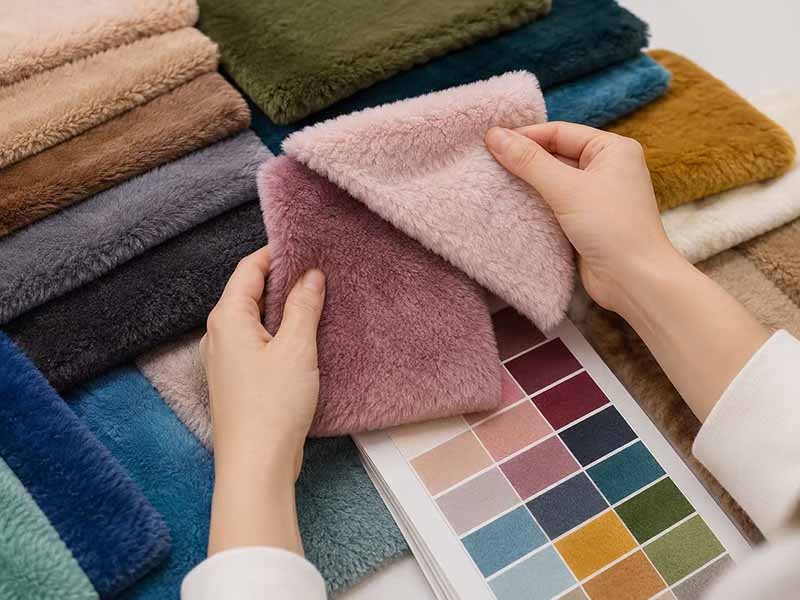
Consumers notice texture when it changes the way a character looks or feels in an intentional way. The difference may come from pile length, density, direction, smoothness, softness, or contrast between several materials. A long-pile fabric may work well for a tail, mane, or fantasy creature, but it can hide small embroidery and distort facial contours. Short plush is often easier to control around eyes and mouths. Minky can create a smooth, soft surface, while fleece or sherpa can produce a warmer, more casual appearance. Material choice should support the character before it supports a trend label.
Fabric needs to be tested after sewing and filling because a loose swatch does not reveal how it behaves around curved seams or tight facial panels. Stretch may change finished dimensions. Directional pile can make one side appear darker under retail lighting. Dense fabric can increase seam bulk, especially in small products. Texture can also create a clear price hierarchy. An entry product may use one main fabric with accurate embroidery, while a premium edition adds layered clothing, contrasting pile lengths, or carefully groomed details. More fabrics do not automatically create higher value. The strongest material plan gives every surface a reason to exist and can be repeated consistently when the product moves from sample room to production line.
Are Recycled Materials Becoming Expected?
Recycled fabrics and filling are becoming more common in brand briefs, retailer policies, and sustainability programs, but expectations differ by market and product category. Some customers require verified recycled content, while others focus more heavily on packaging reduction, traceability, or longer product life. The first step is to define the claim precisely. “Made with recycled materials” may refer only to the main fabric, only to the filling, or to several components. The product specification should identify each relevant material, its documented recycled percentage, and the supplier records supporting the claim.
Credible specificity matters because broad environmental language can create both reputational and regulatory risk. The Toy Association notes that sustainability efforts in toys include reducing packaging and using recycled materials while maintaining product safety and quality. Availability must also be considered. A fabric chosen for the first order should remain reasonably accessible for reorders, and performance still needs to meet expectations for hand feel, colorfastness, seam strength, shedding, and appearance. Packaging reduction should not remove required warnings, product identity, or protection. By 2027, traceable component-level claims are likely to carry more value than ambitious but poorly supported phrases such as “fully sustainable” or “planet friendly.”
How Will Interactive Plush Change?
Interactive plush is likely to become more focused on simple, repeatable experiences. Sound, light, touch activation, and small movements remain useful because customers understand them immediately. More advanced functions must offer enough ongoing value to justify higher cost, additional testing, component sourcing, and after-sales responsibility. Development should begin with the intended behavior. “Press the paw to hear three approved phrases” is a clear experience. “Add an electronic module” is not. A precise behavior statement helps the engineering team select the correct sensor, speaker, battery, and activation method before the body pattern is finalized.
The plush structure must protect the electronic system without making it difficult to operate. Filling should not block the speaker or sensor, wires should be secured away from high-stress seams, and the activation point should remain easy to find after bulk filling. Washability also needs attention. A removable module can make care easier, but the opening and closure require secure construction. Electronic components introduce their own supply chain, including firmware versions, battery specifications, minimum orders, and longer lead times. The approved product therefore needs both a Golden Sample and a controlled functional specification. A dependable, well-integrated interaction usually provides more value than several complicated functions that customers rarely use after the first day.
Do AI Features Add Real Value?
AI features can add value when they create an experience users genuinely return to, such as personalized stories, controlled character conversations, or adaptive learning. They add little value when the technology is included mainly to support a marketing claim. Before development begins, the brand should define the user, data flow, content boundaries, and service model. A connected toy for a child has very different privacy and moderation requirements from a conversational collectible designed for adults. The team needs clear answers about voice recording, data storage, transmission, deletion, account creation, parental controls, and what happens when a cloud service is unavailable.
Connected plush also needs lifecycle planning. Hardware decisions include microphone quality, speaker position, battery life, charging access, and protection from filling pressure. Software decisions include updates, moderation, server costs, and end-of-service support. For products entering Europe, connected-device requirements may interact with broader cybersecurity obligations, while the new EU Toy Safety Regulation will eventually require digital product passports for toys when it applies from August 2030. The European Commission has already established the regulatory direction toward more accessible product and compliance information. A brand planning a long-lived connected plush range should therefore treat technical documentation, secure updates, privacy, and component traceability as part of the product from the beginning. For many projects, a removable sound or touch-response module may still create clearer value with lower risk than a fully conversational AI system.
How Should Brands Build a Plush Collection?
A strong plush collection assigns a clear role to each SKU. It normally combines an accessible entry product, a recognizable hero plush, collectible extensions, and a premium or limited option. Shared proportions, colors, materials, and packaging create cohesion, while meaningful differences in size, detail, use, and scarcity give customers reasons to purchase more than one product.
Which SKU Should Be the Hero?
The hero SKU is the product that communicates the character and collection most clearly. It should contain enough surface area for accurate facial proportions, recognizable clothing, and signature features while remaining practical for the target channel. The largest product is not automatically the best hero. A large plush may create visual impact but require more storage, packaging space, and freight. A medium core size often creates a better balance between expression, price, display convenience, and carton efficiency, particularly for online sales or specialty retail.
The hero SKU should be evaluated against target retail price, landed cost, shipping volume, packaging footprint, intended display environment, and consumer handling preference. It must photograph well and remain recognizable without supporting campaign graphics. The approved hero sample often becomes the visual reference for the collection, but other products should not be mechanically scaled from it. A bag charm, mini, and large edition each require new decisions about proportion, detail hierarchy, filling, attachment, and packaging. Before approval, the brand should show the sample to people who were not involved in development. They should be able to recognize the character, understand its value, and identify what distinguishes it from generic alternatives.
How Do Entry and Premium SKUs Work Together?
Entry and premium SKUs serve different levels of consumer commitment. An entry product makes the character accessible, encourages an impulse purchase, and can introduce new customers to the range. A premium product gives committed fans more detail, material value, exclusivity, or display impact. The products should feel related without competing too closely. A mini cannot simply be a cheaper version that preserves every feature poorly, and a premium edition should offer more than additional size. Its value may come from removable clothing, richer materials, numbered packaging, a special expression, or a display-oriented structure.
A practical collection may use a bag charm as the entry product, a mini as the collectible product, a core plush as the hero, and a larger or highly detailed version as the premium choice. A limited edition can then create a seasonal or event-driven moment. The price gaps should be understandable. When a mini and a core plush cost almost the same, customers may not understand the assortment. When the premium jump is large, the product needs visible reasons for that difference. Pufumi’s product-line approach supports the development of one character across Keychain, Mini, Core, Large, and Premium formats, as well as blind boxes, bag charms, gift sets, and seasonal versions. The strongest range guides customers from first interest toward deeper participation without making any SKU feel unnecessary.
Should Brands Use Limited Editions?
Limited editions can create urgency, reward dedicated fans, and introduce more experimental designs. They are useful for anniversaries, events, regional launches, seasonal outfits, game skins, and creator collaborations. The difference must be meaningful. An alternate costume, unusual material, new expression, numbered tag, special collector card, or exclusive package can justify a separate edition. A minor label change rarely creates lasting value and can weaken customer trust when the price premium is high.
The word limited should have a precise definition. The brand needs to decide whether the restriction is based on production quantity, sales period, region, or channel, and whether the same design may return later. Numbered editions require additional control over announced quantity, quality reserves, replacement units, and numbering. Limited materials can also create practical problems because a special fabric may have a minimum purchase quantity larger than the planned order, while custom packaging becomes expensive at low volume. A strong approach keeps one or more core products available and uses limited editions to create cultural moments. This builds long-term recognition without making the whole range dependent on artificial scarcity or short release windows.
How Can Packaging Extend the Experience?
Packaging extends the plush experience by presenting the story, protecting the product, and preparing it for the sales channel. It is also where many operational requirements become visible, including copyright lines, warnings, barcodes, product names, assortment information, and warehouse labels. Different formats need different packaging. A bag charm may use a branded backing card that keeps the attachment visible. A blind-box plush requires concealed presentation, accurate internal identification, and controlled assortment ratios. A premium collectible may benefit from a gift box or open-window display package, while a core plush may need only an approved hangtag and protective bag.
Packaging development should begin before the plush is completely finalized. The product may sit incorrectly inside a box, block the display window, or require excessive compression. A few centimeters added to a package can have a noticeable effect on carton volume and international freight. The review should use the complete packaged product and include orientation, movement during transport, scuffing, barcode scanning, label placement, carton packing efficiency, and warehouse handling. Good packaging adds useful meaning without unnecessary bulk. It helps the customer understand the product, supports retail presentation, protects the design, and remains manageable during mass assembly. Packaging is not a decorative task at the end of development; it is part of the commercial product.
What Should Buyers Validate Before Production?
Before production, teams should validate design approval, material specifications, safety requirements, packaging data, quality standards, and reorder records. Trend appeal is only one input. The product must be repeatable at the intended size, cost, and quantity. A complete production package should connect the approved sample with a controlled BOM, artwork files, test plan, inspection criteria, and packaging versions.
Is the Trend Scalable Beyond One SKU?
A scalable concept can expand into additional sizes, characters, or editions without losing identity or creating excessive operational complexity. Scalability should be reviewed before the brand invests in a large series. Character scalability asks whether the design remains recognizable as a charm, mini, core plush, and premium product. Some characters adapt easily because they have a clear silhouette and limited color palette. Others depend on fine clothing or complex accessories that cannot be preserved at small scale. Series scalability asks whether additional characters can share proportions, materials, and packaging without becoming visually interchangeable.
Channel scalability considers whether the collection can work in e-commerce, specialty retail, events, gift programs, or large retail, each of which may require different packaging, price points, and carton specifications. Operational scalability is often overlooked. A series using many custom fabrics, metal parts, and individual packaging structures becomes difficult to reorder and more vulnerable to component shortages. Shared components can reduce risk when they do not weaken character accuracy. The brand does not need to launch every extension at once. A realistic first wave and a documented second wave are usually more useful than a speculative list of twenty products. Scalability creates value when it reduces the cost and confusion of future development rather than creating premature inventory.
Can the Design Reach Mass Production?
A handmade sample can look excellent even when the design is difficult to reproduce consistently. Production readiness means the approved appearance has been translated into controlled patterns, materials, embroidery files, filling instructions, assembly methods, and tolerances that trained workers can repeat. The pre-production package should contain more than sample photographs. It should identify the approved sample, BOM revision, material codes, color references, product dimensions, embroidery artwork, accessory specifications, filling weight or distribution, label positions, packaging files, and the people authorized to approve any later change.
| Production gate | Required evidence | Common risk if missing |
|---|---|---|
| Design freeze | Approved multi-angle sample and version ID | Uncontrolled visual changes |
| Material freeze | BOM, fabric codes, and approved colors | Hand-feel or color variation |
| Process freeze | Patterns, embroidery files, and assembly notes | Inconsistent shape or details |
| Packaging freeze | Dielines, labels, barcodes, and packing method | Mixed packaging or failed scanning |
| Quality freeze | Inspection plan and approved tolerances | Subjective acceptance decisions |
| Reorder record | Golden Sample and retained production sample | Drift between production batches |
Sample revision is normal. The important question is whether every change removes ambiguity and moves the project toward a stable production file. Comments should be measurable wherever possible. “Move the eyes upward by 3 mm” is more useful than “make the face friendlier.” Pufumi records staged samples, revision notes, approved sample photos, Golden Sample identification, and production files for character projects. A project is ready for bulk production when the manufacturing team can reproduce the approved result without relying on undocumented knowledge held by one sample maker or project manager.
Are Safety and Labels Market-Ready?
Safety and labeling must reflect the destination market, intended age, product structure, and retail channel. There is no single global approval that automatically covers every plush product. A basic soft plush without hard parts has a different risk profile from a product with a metal clip, weighted filling, sound module, button battery, magnet, or long cord. These components may change the test plan, warnings, age grading, and construction. The target countries and intended age should therefore be confirmed near the start of development rather than after the packaging artwork is complete.
Testing should use production-representative materials and components, and product teams should distinguish between facility certifications, material documents, and product test reports because they serve different purposes. For Europe, the European Commission confirms that the new Toy Safety Regulation entered into force on 1 January 2026 and will apply from 1 August 2030 after a transition period. It strengthens chemical requirements and introduces digital product passports for toys. A 2027 product is still developed under the current applicable rules, but brands planning long-lived European ranges should improve material traceability, technical files, and product-data discipline now. Compliance remains a shared responsibility: the manufacturer supplies accurate product information and representative samples, the laboratory performs the agreed tests, and the brand or importer confirms the legal and channel requirements for the destination market.
How Should Brands Plan Reorders?
Reorder planning should begin during the first production run. Without controlled records, a second order may use the same product name while differing in color, expression, filling density, attachment, or packaging. The most important reference is the approved Golden Sample linked to the final BOM, material colors, embroidery files, product measurements, label versions, and packaging artwork. A retained production sample is also valuable because it reflects the actual bulk result rather than only the development sample. Previous quality issues should be carried forward into the next inspection plan instead of being rediscovered after production starts.
Materials should be reviewed before every repeat order because dye lots change, fabrics are discontinued, and electronic modules receive version updates. Any substitution should be evaluated for appearance, hand feel, function, and testing impact. Multi-SKU collections require clear coding, with a unique identifier for every character, size, color, edition, and packaging version. Carton labels and assortment records must correspond to the units inside. A well-managed reorder is not simply a repeated purchase order. It is a controlled reproduction of an approved commercial product, updated only through documented changes. Brands that organize these records from the first launch can replenish successful items faster and expand the range without rebuilding the entire development system.
Conclusion
The custom plush products with the strongest chance of succeeding in 2027 will not be those that chase the greatest number of trends. They will be the products that connect one clear consumer reason with disciplined product development. A recognizable character, a collectible or portable format, an intentional material choice, and a coherent SKU role can create attention. Pattern engineering, sample control, packaging planning, compliance, and reorder records turn that attention into a product that can actually reach the market and remain consistent. Brands should still move quickly when culture creates an opportunity, but speed should come from an organized process rather than skipped decisions. Pufumi works with IP owners, entertainment companies, toy and collectible brands, lifestyle brands, and major retailers to turn character ideas into scalable, retail-ready plush programs. Early project discussions are most useful when they include artwork, intended sizes, estimated quantities, target markets, sales channels, packaging expectations, and launch dates, allowing the concept to be evaluated as a complete commercial product rather than only an attractive sample.
Frequently Asked Questions
What custom plush trends are expected to be strongest in 2027?
The strongest directional signals include adult collecting, licensed fandoms, bag charms, clip-on minis, blind-box plush, sensory products, responsible material claims, and character ranges built across several SKU roles. These are forecasts based on current market behavior rather than guaranteed outcomes. A brand should still validate its own audience, channel, price point, development timing, and manufacturing requirements before committing to inventory.
Are plush bag charms likely to remain popular in 2027?
Plush bag charms are likely to remain commercially relevant because they combine character merchandise, fashion accessories, everyday visibility, and accessible collecting. Their success depends on more than appearance. The character must remain recognizable at a small size, the attachment should be reliable, the finished weight should suit the intended bag, and the hanging orientation should keep the face visible during normal use.
How many designs should a first blind-box plush series include?
There is no universal number, but a first wave should be small enough to control and large enough to feel collectible. Six well-differentiated designs are often easier to understand, manufacture, pack, and replenish than a large range of similar characters. The appropriate number depends on audience size, per-SKU production minimums, packaging complexity, assortment ratios, launch budget, and the brand’s ability to manage hidden or special editions.
Which plush size works best as a hero SKU?
A hero SKU is usually the size that communicates the character clearly while fitting the target price, channel, packaging footprint, and freight plan. For many character ranges, a medium core plush between roughly eight and fourteen inches offers a useful balance of facial detail, hand feel, display presence, and shipping efficiency. Complex characters, premium positioning, or retail constraints may justify a different size.
Are recycled materials suitable for custom plush toys?
Recycled fabrics and filling can be suitable when the material is documented, performs consistently, and meets the product’s appearance and safety requirements. The specification should state which component contains recycled content and what evidence supports the claim. Brands should also check color repeatability, pile quality, seam performance, shedding, supplier continuity, and whether the material can be sourced again for future production runs.
How long should brands allow for custom plush development before a 2027 launch?
The schedule depends on character complexity, artwork completeness, sample revisions, material sourcing, testing, packaging, approval layers, and order quantity. A simple program can move faster than a licensed multi-SKU collection with custom materials and retail packaging. Brands should work backward from the required delivery date and leave separate time for interpretation, sampling, revisions, pre-production approval, testing, material preparation, production, inspection, and transport.
What information should be prepared before contacting a custom plush manufacturer?
A useful project brief includes front, side, and back artwork where available; target sizes; estimated quantities by SKU; intended market and age group; target retail or cost range; desired materials and functions; packaging expectations; sales channel; and the required launch date. The manufacturer can evaluate the project more accurately when these commercial and technical details are available together rather than supplied gradually after sampling begins.