...
A reliable plush product development and manufacturing partner For brands Since 2007!

Professional Plush Company for Global Brands and Retail Programs in China

Partner with an experienced plush company that can turn creative concepts into consistent, retail-ready products at scale.

Pufumi supports global brands, licensors, retailers, and merchandise teams with 18+ years of plush manufacturing experience, 58+ designers and pattern specialists, and 2,600+ custom plush designs developed.

From concept interpretation and sampling to material sourcing, production, quality control, compliance testing, packaging, and shipment, we provide one coordinated OEM/ODM process to help reduce development risk, improve consistency, and keep your plush program moving efficiently.
What Type of Plush Company Do You Need?

Plush companies operate under different business models. Clear responsibility for development, manufacturing, quality, packaging, and replenishment matters more than a broad product catalog.

Plush Company TypePrimary RoleSuitable ProjectImportant Limitation
Consumer Plush BrandDesigns and sells proprietary plush collectionsRetail purchasing, distribution, licensed resaleMay not manufacture products for outside brands
Ready-Stock WholesalerSupplies existing products from available inventoryGift shops, promotional resellers, regional distributorsLimited control over character design, materials, and packaging
Basic OEM FactoryManufactures from complete technical filesStraightforward products with approved specificationsDevelopment, compliance planning, and retail support may remain outside the scope
Trading and Sourcing CompanyCoordinates production among external factoriesMixed merchandise programs and broad sourcing requirementsFactory control, engineering ownership, and quality responsibility require verification
Development ManufacturerConverts artwork into samples, production files, packaging, and repeatable supplyCharacter, collectible, retail, licensing, and multi-SKU programsRequires clear artwork, commercial quantities, approvals, and project planning

Plush Programs Built for Established Organizations

Pufumi supports organizations that need reliable character development, documented approvals, controlled manufacturing, channel-ready packaging, and repeatable supply across multiple products or sales periods.

IP and Licensing Teams

Licensed plush development requires more than receiving a character image. Rights scope, approved assets, non-negotiable visual features, copyright wording, packaging marks, sample approval, and market authorization must remain aligned throughout development. Pufumi organizes artwork versions, feedback records, sample stages, production files, and packaging details so authorized assets are used within the agreed product scope. Confidential files can be reviewed under an NDA before commercial details or unreleased characters are disclosed.

Entertainment Companies

Animation studios, game publishers, film companies, and media organizations often manage fixed launch dates, several internal reviewers, and strict character guidelines. Pufumi converts approved artwork, 3D references, turnarounds, color standards, and product plans into executable plush structures. Development can cover hero characters, supporting characters, event editions, collector versions, keychains, bag charms, and retail gift sets while keeping proportions, colors, labeling, and packaging consistent.

Toy and Collectible Brands

Collectible programs depend on assortment planning, recognizable silhouettes, edition differences, packaging experience, and controlled SKU handling. Pufumi supports core editions, mini formats, blind box assortments, hidden editions, seasonal variants, numbered releases, and premium gift sets. Shared materials and standardized construction can improve production efficiency, while distinctive faces, outfits, accessories, and packaging preserve the identity of each SKU.

Lifestyle Brand Programs

Fashion, beauty, food, hospitality, technology, and consumer brands frequently use plush products as recognizable brand assets rather than conventional toys. Pufumi develops mascots, bag charms, display pieces, campaign merchandise, employee gifts, launch kits, and retail products around the required visual language. Materials, scale, attachment hardware, photography appeal, packaging, and handling experience are planned for the intended brand environment.

Retail and Destination Programs

Retailers, museums, zoos, theme parks, universities, sports organizations, and destination operators require products ready for receiving, display, scanning, storage, and replenishment. Pufumi coordinates product structure, care labels, copyright lines, barcodes, hangtags, retail boxes, carton markings, packing quantities, and delivery files. Separate market, channel, or location versions can be managed through defined SKU and packaging codes.

What Pufumi Delivers Beyond Finished Plush

A reliable plush program includes approved physical standards, controlled production information, verified packaging, inspection records, and documentation supporting later replenishment or product-line expansion.

Approved Plush Prototype

An approved prototype records the accepted appearance, facial expression, proportions, fabric direction, colors, embroidery, filling, attachments, posture, and overall handfeel. Approval should refer to a clearly identified physical sample and recorded version rather than photographs alone. Pufumi links revision comments and sample IDs so production teams know which version is released and which earlier versions are no longer valid.

Production-Ready Files

Stable production requires more than a visually attractive sample. Pattern pieces, material codes, BOM details, embroidery files, printing files, color standards, filling references, attachment methods, measurements, tolerances, labels, and production notes must work together. Pufumi prepares and controls the relevant files before bulk release, reducing the risk of relying on scattered messages, outdated attachments, or undocumented workshop knowledge.

Retail-Ready Product

A retail-ready plush product combines the physical item with the correct branding, labeling, packaging, scanning, shipping, and receiving information. Product labels, copyright text, hangtags, barcodes, warning statements, retail boxes, polybags, inner packs, master cartons, carton marks, and packing quantities are checked against the applicable SKU. Requirements are adjusted for the intended channel rather than applied as one universal packaging format.

Controlled Bulk Production

Bulk production is compared against the approved standard through material checks, first-article review, process inspection, key-point checking, finished-product inspection, and shipment verification. Visual consistency is managed through pattern control, embroidery positioning, filling references, grooming, and packaging segregation. Multi-SKU programs receive additional controls for labels, accessories, cartons, editions, and market-specific versions.

Reorder Documentation

Successful plush products often require repeat production months or years later. Pufumi archives released patterns, BOM versions, material references, embroidery files, packaging files, approved samples, inspection criteria, and previous production notes. Before a reorder enters production, the current released package is confirmed and material batches are compared with retained references to reduce color, handfeel, shape, or packaging drift.

Plush Product Programs Developed by Pufumi

Product development is organized around character identity, selling channel, intended use, manufacturing complexity, packaging requirements, and the long-term potential of the product line.

Licensed Character Plush

Licensed character plush demands close control of the silhouette, face, proportion, outfit, signature details, approved colors, copyright text, and review sequence. Pufumi converts authorized character assets into samples and production files while maintaining version records and approval points. Programs may include standard plush, mini editions, display products, keychains, gift sets, and seasonal variants.

Anime and Game Plush

Anime and game characters frequently include stylized hair, complex clothing, weapons, armor, layered accessories, unusual proportions, and highly recognizable facial expressions. Pufumi evaluates which details should use shaped pattern pieces, embroidery, appliqué, printing, foam support, or simplified construction. Scale-specific decisions preserve essential character recognition without creating unstable parts or excessive bulk-production variation.

Mascot Plush

Mascot projects can represent corporations, sports teams, universities, events, destinations, venues, or service organizations. Development focuses on the most recognizable pose, expression, uniform, color, logo position, and promotional use. Formats may include compact event gifts, standard retail plush, desk display mascots, large presentation pieces, keychains, or premium commemorative editions.

Collectible Plush

Collectible products require visual consistency across a series while preserving meaningful differences among characters and editions. Pufumi supports collection architecture, common body systems, distinct faces, outfit variations, limited details, edition coding, collector packaging, and later line extensions. Materials, dimensions, and packaging are planned against intended retail positioning rather than treated as isolated decoration choices.

Blind Box Plush

Blind box programs involve multiple SKUs, assortment ratios, hidden editions, sealed packaging, coding, carton distribution, and strict prevention of product-to-box mismatches. Pufumi separates product codes, packaging versions, labels, and packing records during production. Hidden or special editions can receive additional segregation, counting, and release controls according to the approved assortment plan.

Plush Keychains

Small-format plush keychains require careful simplification because a compact body leaves less space for sewing, embroidery, facial positioning, and accessories. Hardware load, connecting tape, seam reinforcement, finished weight, and balance affect everyday use. Pufumi adjusts patterns and decoration methods for smaller scales rather than shrinking a larger plush pattern without engineering changes.

Plush Bag Charms

Bag charms combine plush construction with fashion-accessory expectations. Material sheen, handfeel, compact profile, hardware finish, hanging direction, total weight, and attachment strength influence the final result. Pufumi coordinates body design, internal reinforcement, loops, chains, clasps, embroidery, brand labels, and individual packaging to create products suitable for bags, retail displays, and gift sets.

Retail Plush Collections

Retail programs may include hero SKUs, entry-price products, premium editions, giftable formats, seasonal releases, and replenishment products. Pufumi coordinates size architecture, material sharing, packaging differences, barcodes, carton quantities, shipment planning, and reorder records. Product and packaging decisions are reviewed together so the collection can be received, displayed, scanned, stored, and replenished more reliably.

From Artwork to Production-Ready Plush

Artwork becomes manufacturable only after proportion, thickness, pattern construction, material behavior, seam placement, decoration, filling, and approval requirements have been resolved.

Engineering the Character Before Pattern Cutting

A front-view illustration can communicate personality but rarely provides enough information to build a three-dimensional soft product. Plush development starts by identifying the primary recognition view, critical facial relationships, body proportion, required pose, signature colors, and details that cannot be changed. Side depth, back construction, ear thickness, hand and foot volume, garment layers, tail shape, and accessory placement must then be interpreted. Pufumi reviews front, side, back, three-quarter, color, and material references when available. Missing views are not silently invented. Proposed interpretations are documented for review, especially where a flat drawing could lead to several different three-dimensional solutions. Important decisions include:
  • Which details require separate pattern pieces;
  • Which details are better expressed through embroidery, appliqué, printing, or woven labels;
  • How much depth the head, muzzle, torso, limbs, hair, wings, or clothing should have;
  • Where seams can support volume without interrupting the character’s face;
  • Which elements need internal support or reinforcement;
  • Which features must be simplified at smaller finished sizes.
A 4-inch keychain, 8-inch collectible, and 16-inch display plush cannot use identical engineering. Fine clothing layers or narrow facial lines that work on a large product may become unstable, bulky, or visually crowded on a mini format. Pufumi protects the strongest recognition points first, then selects scale-appropriate methods for secondary details.

Converting Approved Interpretation Into Production Files

Once the intended appearance is understood, pattern engineers divide the form into pieces that can be cut, marked, sewn, turned, filled, closed, groomed, and repeated. Every added panel can improve shape, but it also increases sewing length, alignment points, labor, and variation risk. Pattern complexity must therefore serve a visible or structural purpose. Material stretch is evaluated with the pattern. A fabric with greater stretch can expand after filling and alter eye spacing, head width, or finished height. Long pile may hide small embroidery or seam lines, while short pile supports clearer facial placement. Fabric direction also changes shading and perceived shape, so nap arrows and cutting orientation need control. Production preparation normally links:

  • Released pattern pieces and seam allowances;
  • Material codes and approved color references;
  • Fabric direction and cutting notes;
  • Embroidery or printing placement files;
  • Filling distribution and handfeel references;
  • Internal reinforcement or support details;
  • Accessory attachment methods;
  • Finished measurements and tolerances;
  • Label, hangtag, and packaging positions;
  • Inspection points tied to the approved sample.

A production-ready package prevents a visually approved sample from being reinterpreted during bulk manufacturing. It also gives quality teams measurable checkpoints for first-article approval, line inspection, final inspection, and future reorders. 

Character Fidelity Controlled Through Measurable Details

Character recognition depends on relationships between shape, expression, color, posture, clothing, and signature features rather than a single claim of high similarity.

Silhouette Control

The outer silhouette determines whether a character remains recognizable before small details are noticed. Head width, ear shape, hair outline, shoulder position, limb length, body taper, and tail angle are reviewed from front, side, and three-quarter views. Pattern seams and filling distribution are adjusted when the silhouette changes after turning or stuffing.

Facial Proportion

Small changes in eye spacing, eyebrow height, mouth width, muzzle depth, or cheek volume can change the entire personality of a character. Pufumi compares facial landmarks using aligned reference images and sample photographs. Feedback can be converted into millimeter movements, angle adjustments, revised embroidery dimensions, or controlled filling changes instead of broad comments such as “make it cuter.”

Expression Mapping

Expression is produced by the combined direction of the eyes, eyelids, brows, mouth, cheeks, head tilt, and surrounding hair or fur. Embroidery files are evaluated on the selected fabric because pile, stretch, backing, and stitch density affect the final appearance. A facial file is not approved only as a digital image; it must be reviewed on the physical sample.

Color Management

Screen colors, printed references, Pantone targets, stock fabric cards, dyed fabric, embroidery thread, printing ink, and finished plush can appear different under changing light. Pufumi records the chosen color reference and material source for each area. New production batches are compared against approved swatches or retained samples rather than relying only on a color name.

Outfit Construction

Character clothing may be integrated into the body, partially layered, fully removable, printed, embroidered, or built with separate fabrics. The method affects appearance, durability, labor, target-age considerations, and packaging volume. Pufumi evaluates collars, sleeves, hems, pockets, belts, shoes, capes, hats, and layered costumes according to scale and intended use.

Signature Details

A character may depend on one unusual hair strand, facial mark, emblem, prop, ear shape, tail, accessory, or garment feature. These non-negotiable details are identified before sampling. When the original construction cannot be reproduced reliably in soft materials, Pufumi proposes an alternative preserving visual recognition while improving sewability, durability, handling, or production consistency.

Multi-SKU Collections Managed as One Program

Successful collections need shared design rules, clear SKU differences, disciplined file control, and production segregation across products, packaging versions, and launch waves.

Product Architecture

A collection can extend from one character into keychains, mini plush, core sizes, premium sizes, gift sets, seasonal outfits, or limited editions. Each format needs a defined commercial role. Pufumi helps organize entry products, hero products, premium products, and limited products so the assortment does not become a group of disconnected sizes.

Shared Design Language

Series consistency comes from controlled head-to-body ratios, face scale, eye style, base materials, color treatment, label placement, packaging architecture, and photography orientation. Shared design rules reduce development variation, while character-specific ears, hairstyles, clothing, expressions, and accessories create meaningful distinction among SKUs.

Material Sharing

Using common fabrics, embroidery threads, filling materials, labels, hardware, or packaging structures across several SKUs can reduce sourcing complexity and improve color consistency. Shared materials are selected only where visual and functional results remain suitable. Special materials are reserved for features that genuinely support character identity or premium positioning.

SKU Coding

Every character, size, edition, market, and packaging version needs an unambiguous code. Product names alone are not sufficient when several editions look similar. Pufumi links SKU codes with BOMs, labels, barcodes, packaging files, carton markings, inspection records, and shipment quantities to reduce mixing during production and packing.

Edition Segregation

Common editions, hidden editions, limited versions, and regional variants require controlled storage and packing. Color-coded bins, separate work instructions, count reconciliation, line clearance, packaging checks, and carton records can be used according to project complexity. Special editions should not depend on memory or informal verbal instructions.

Replenishment Planning

Evergreen items, seasonal products, limited editions, and new launch waves require different reorder logic. Pufumi records released specifications and previous production information for each SKU. Forecasts can be reviewed against material lead times, production capacity, testing, packaging, transport, and planned sales periods before inventory reaches a critical level.

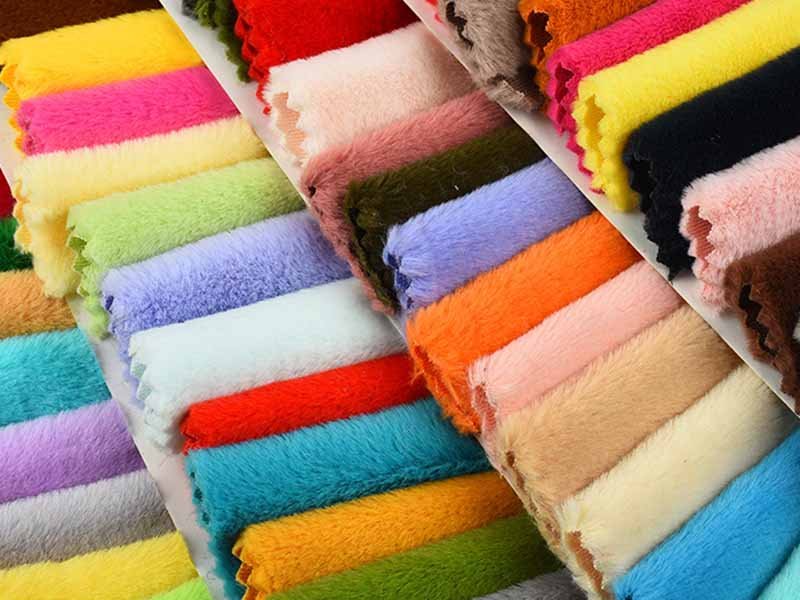
Plush Fabrics Chosen for Product Performance

Fabric selection affects silhouette, facial clarity, stretch, handfeel, shedding risk, color consistency, embroidery behavior, sewing accuracy, durability, and long-term reorder control.

Short-Pile Plush

Short-pile materials provide a clean outline and allow embroidery, appliqué, seams, and small facial elements to remain visible. They are often suitable for character plush, anime products, mascots, mini products, and designs with graphic details. Pile direction, density, stretch, surface sheen, and backing stability still require evaluation because similar-looking fabrics can behave differently after cutting and filling.

Minky and Velboa

Minky and velboa are widely used for soft character, baby, lifestyle, and collectible products. Available textures can include smooth, dotted, embossed, or brushed surfaces. The selected weight and stretch influence pattern size, seam movement, handfeel, and finished shape. Embroidery trials are recommended where dense facial work may compress the surface or distort elastic material.

Faux Fur

Longer-pile faux fur creates volume and natural texture for animals, fantasy creatures, premium products, and selected character features. Long fibers can cover seam lines and produce a rich handfeel, but they may also hide small embroidery, interfere with edge definition, and require careful trimming around faces or accessories. Cutting direction and grooming standards become major production controls.

Custom Color Materials

Stock colors provide faster sourcing and easier replenishment when a close match is acceptable. Custom dyeing may be considered for signature brand colors, large programs, or colors unavailable in standard ranges. Dyeing requires approved lab dips, sufficient material quantity, lead-time planning, and batch comparison. Printed fabric is another option for gradients, repeated patterns, complex markings, or artwork requiring controlled placement.

Sample Development Built Around Clear Approval Questions

Each sample stage should answer defined engineering, visual, material, packaging, or production questions before the project advances to the next controlled milestone.

From First Prototype to Approved Golden Sample

A first prototype is not expected to answer every production question. Its main purpose is often to evaluate overall proportion, thickness, pose, facial direction, pattern interpretation, and basic material behavior. Early versions may use close substitute materials when the final fabric is still being sourced, provided the temporary elements are clearly identified.
Review comments should be specific enough to guide engineering action. Instead of “the face looks wrong,” useful feedback might state:

  • Move both eyes upward by 3 mm;
  • Reduce mouth width by 5 mm;
  • Add volume to the lower cheek;
  • Shorten the neck seam;
  • Increase ear support;
  • Reduce head filling near the temples;
  • Change the fabric pile direction around the muzzle.

Pufumi records the sample version, review date, feedback, responsible action, pattern change, material change, and approval status. Revised samples are photographed from consistent angles and measured against the relevant reference.
A pre-production sample should use the intended production pattern, formal materials, approved embroidery, accessories, labels, and packaging as closely as possible. The final approved sample becomes the physical reference for bulk appearance, handfeel, construction, and finishing. One identified Golden Sample is retained for production and quality comparison, while another may remain with the brand or approval team.

Typical Development Time by Product Complexity

Sample timing depends on artwork completeness, pattern complexity, material availability, decoration, accessories, electronics, packaging, and the speed of review feedback. A straightforward plush design using available materials may reach a first sample in approximately 5–7 working days. More complex characters, specialized fabrics, molded parts, layered clothing, electronics, weighted structures, or custom packaging can require 7–15 working days or a project-specific schedule.
Time should be allocated separately for:
  • Technical review and interpretation;
  • Pattern making;
  • Material and color selection;
  • Embroidery or print preparation;
  • Sewing, filling, and finishing;
  • Internal sample review;
  • Shipping to the approval team;
  • Feedback consolidation;
  • Revision work;
  • Pre-production confirmation.
Repeated informal comments from several reviewers can add more time than the physical sewing work. Pufumi therefore recommends one consolidated feedback document per round, with decisions separated into required changes, preferred changes, and accepted elements. A fixed launch date should be shared before development begins so sampling, testing, packaging, production, and freight can be planned backward from the required arrival date.

Internal Structure Designed for Shape and Handling

Plush structure determines whether a product sits, stands, hangs, holds an expression, survives transport, and retains the intended silhouette after repeated handling.

Pattern Volume

Three-dimensional volume begins with panel shape rather than filling alone. Curved seams, darts, gussets, head panels, muzzle pieces, foot soles, and body inserts control depth and direction. Adding more filling cannot correct every pattern problem. Pufumi adjusts panel geometry when a product becomes too round, flat, narrow, twisted, or asymmetrical after stuffing.

Filling Distribution

Uniform filling weight does not always produce the correct appearance. The head, cheeks, muzzle, neck, torso, limbs, feet, tail, or wings may need different density. Filling distribution affects softness, balance, posture, rebound, and facial expression. Approved samples provide a handfeel and shape reference, while production instructions identify areas requiring firmer or lighter filling.

Sitting Stability

A sitting plush needs an appropriate seat base, body angle, leg placement, center of gravity, and filling distribution. A wide base alone may create an unnatural appearance. Pufumi evaluates front and side posture, shelf stability, packaging compression, and the amount of manual adjustment required after unpacking. Stable products should not depend on repeated hand reshaping.

Standing Support

Standing products may use foot geometry, internal inserts, localized foam, structured legs, weighted bases, or balanced body proportions. The selected method depends on size, softness target, age grading, and display requirements. Support components must remain correctly positioned during filling and transport and should not create uncomfortable hard edges against the outer fabric.

Feature Support

Ears, horns, hair, wings, hats, noses, tails, and other projecting parts may require interfacing, thin foam, layered fabric, inserted supports, or controlled filling. Each method changes softness and movement. Pufumi chooses support only where it preserves the intended form without making the product unnecessarily rigid or increasing risk for the intended use.

Internal Reinforcement

Keychain loops, bag charm straps, handles, removable parts, large tails, and frequently pulled accessories need load paths extending beyond the visible seam. Hidden tapes, reinforced seam allowances, layered fabric, internal anchors, or widened attachment areas can distribute force. Reinforcement is evaluated in the assembled product rather than judged only by the appearance of the outer stitching.

Sewing Details Controlled for Shape and Durability

Seam engineering affects character accuracy, surface smoothness, symmetry, strength, stuffing retention, attachment security, and the repeatability of every production batch.

Seam Placement

Seams should help create volume while remaining visually acceptable. Facial seams, forehead seams, muzzle joints, body gussets, limb connections, clothing seams, and closure positions are selected during pattern development. A seam placed across a critical expression area may remain visible even on short-pile fabric, while a poorly placed structural seam can distort the product after filling.

Seam Allowance

Consistent seam allowance supports accurate finished dimensions. Narrow allowances may weaken high-stress areas or become difficult to control on thick pile fabrics. Excessively wide allowances can create internal bulk and affect turning. Pufumi defines seam allowances according to fabric thickness, curve radius, product scale, load direction, and the sewing process required for each component.

Stitch Density

Stitch density must balance seam strength, fabric damage, elasticity, and production control. Too few stitches can create openings under filling pressure, while excessive needle penetration may weaken certain backings. Curves, small parts, attachment points, and load-bearing loops may require different settings. Machine, needle, thread, and stitch length are selected as one working system.

Curve Accuracy

Faces, ears, paws, noses, shoes, and rounded bodies depend on smooth curves. Notching, clipping, alignment marks, controlled feeding, and operator handling affect final shape. Small deviations repeated across several seams can change the expression or symmetry. First-article review checks completed form rather than evaluating flat sewn shells alone.

Closure Control

The filling opening must allow adequate filling and internal adjustment without leaving an obvious or weak closure. Closure length, position, thread, stitch method, pile recovery, and final grooming are defined for the product. Key appearance areas are avoided where possible. Finished closures are checked for gaps, trapped fibers, loose thread, puckering, and local hardness.

Attachment Seams

Arms, legs, ears, tails, wings, garments, loops, and accessories experience different stress. Attachment seams may require wider seam allowances, backstitching, reinforcement tape, extra stitching, or internal anchoring. Decorative pieces and load-bearing pieces are not treated alike. Inspections consider pull direction, intended use, target age, and whether detachment could create a safety concern.

Decoration Processes Selected for Clear Visual Results

Embroidery, appliqué, printing, fabric construction, accessories, and finishing are chosen according to scale, fabric behavior, durability, character style, and production repeatability.

Embroidery

Embroidery is widely used for eyes, mouths, brows, logos, markings, and graphic details. Thread color, stitch direction, density, underlay, backing, fabric stretch, and pile height affect the result. Dense embroidery can stiffen or distort small panels, so physical trials are reviewed before approval. Placement files are linked to pattern pieces to improve consistency after cutting and sewing.

Applique

Applique creates defined color blocks, clothing details, patches, eyes, markings, and layered textures using separate fabric pieces. Edge treatment may use satin stitching, turned edges, raw-edge construction, or hidden seams. Small applique shapes require enough size for cutting and sewing stability. Material thickness and stretch should remain compatible with the base fabric after filling.

Fabric Printing

Printing can reproduce gradients, repeated patterns, facial details, costume graphics, maps, textures, or complex artwork that would be inefficient through embroidery. Print method depends on fiber composition, color count, handfeel, wash expectations, and required placement. Artwork may require panel mapping when important graphics must align with specific seams or appear in a controlled position on every product.

Woven and Printed Labels

Brand labels, care labels, copyright labels, edition labels, and compliance information must remain readable and attached in the approved position. Label dimensions, fold type, edge finish, language, fiber information, responsible-party details, and market text are checked before production. Product labels are controlled separately from hangtags because each serves different legal, retail, and branding functions.

Hardware and Accessories

Chains, split rings, clasps, hooks, badges, bells, zippers, buttons, buckles, and decorative components affect appearance, weight, handling, corrosion risk, and packaging. Hardware finish and dimensions are approved through samples. Attachment methods are engineered according to expected force. Target-age and market requirements are reviewed before detachable or small components are accepted.

Grooming and Finishing

Final appearance depends on turning, filling, brushing, trimming, thread cleaning, seam recovery, shaping, and accessory positioning. Long-pile products may require fibers released from seams and controlled trimming around faces. Character products need consistent eye visibility, hair direction, posture, and garment placement. Finishing instructions convert an approved appearance into repeatable production steps.

Manufacturing Resources Managed Under One Program

Pufumi combines centralized project management, core factory development, managed manufacturing resources, and qualified specialist partners without presenting every external process as internally owned.

Shenzhen Management and Dongguan Core Development

Pufumi is operated by Shenzhen Oneier Technology Co., Ltd.?The Shenzhen team manages international communication, RFQs, quotations, project records, client files, sample coordination, commercial documents, and cross-functional planning. Formal contracting, invoicing, payment, and export arrangements are confirmed according to each order and trade structure. The Dongguan core plush factory is the central development and production base supporting Pufumi programs. The facility was established on March 26, 2007, and provides pattern engineering, sample sewing, material trials, bulk cutting, sewing, filling, shaping, inspection, packing, and production management. More than 58 plush designers and pattern makers support development and engineering work. Around half of the core team has more than 15 years of relevant experience. Such experience is especially valuable when artwork contains unusual proportions, layered clothing, complex faces, unsupported forms, mixed materials, or details requiring interpretation before they can be sewn. The Dongguan operation includes dedicated areas for sample development, material storage, cutting and preparation, sewing, filling and shaping, inspection, packaging, finished goods, exception isolation, and retained samples. Physical separation supports multi-SKU control, material traceability, and orderly movement between production stages.

Managed Capacity and Specialist Supply Partners

One factory does not need to manufacture every material, component, and packaging process to control a complex plush program. Pufumi uses Oneier-invested or managed production resources in Dongguan and Foshan according to product type, quantity, timing, and process requirements. Project files, approved standards, production requirements, and quality expectations remain centrally managed. Qualified specialist partners support processes such as:

  • Custom fabric dyeing and printing;
  • Embroidery production;
  • Metal hardware and accessories;
  • Electronic or sound modules;
  • Packaging printing and structural conversion;
  • Third-party laboratory coordination;
  • Freight and destination delivery.

The responsibility boundary for each partner is defined before execution. A packaging supplier may print and die-cut a retail box, while Pufumi manages dimensions, artwork checks, mockup confirmation, assembly trials, packing requirements, inspection, and version records. A fabric supplier may produce a dyed lot, while Pufumi manages approved color references, batch identification, incoming comparison, and allocation to the intended SKU. The operating model is based on controlled coordination rather than a vague claim that every operation occurs inside one building. 

Production Planning Based on Project Complexity

Capacity and lead time are assessed after product size, pattern, materials, decoration, accessories, SKU count, packaging, testing, and required arrival dates are understood.

Project FactorTypical Planning ConsiderationPossible Production Effect
Product SizeMini, standard, large, or oversized formatChanges material consumption, sewing time, filling, carton volume, and freight
Pattern ComplexityNumber of panels, curves, darts, clothing layers, and accessoriesIncreases cutting identification, sewing operations, alignment work, and inspection points
Embroidery CoverageSimple facial details or large dense artworkAffects preparation, machine time, fabric distortion risk, and production sequence
SKU CountOne design or multi-character collectionRequires material allocation, line separation, coding, packing control, and quantity reconciliation
Custom MaterialsStock fabric, custom dye, printing, specialized fur, or exclusive hardwareAdds approval steps, supplier lead time, minimum material quantities, and batch controls
PackagingPolybag, hangtag, belly band, blind box, retail box, or gift setChanges assembly labor, storage, carton design, inspection, and shipment volume
Compliance RouteTarget market, age grade, product features, and required laboratory workMay add sample preparation, documentation, testing, corrections, or retesting
Regular CapacityPlanned according to approved specifications and production allocationApproximately 150,000–300,000 pieces monthly across suitable programs
Standard Bulk WindowConfirmed after sample approval, materials, packaging, and production slotMany standard projects are planned around 20–30 working days
Complex Program WindowMulti-SKU, custom materials, special functions, or premium packagingRequires a project-specific production and delivery schedule

Production lead time begins only when the released sample, BOM, materials, packaging, commercial terms, and production slot are ready. Freight time, customs clearance, port congestion, final-mile delivery, and retail receiving should be planned separately from factory production.

Controlled Workflow From Brief to Delivery

Each stage produces a defined output and release condition, reducing uncertainty between creative development, manufacturing, quality review, packaging, and shipment.

Project Brief

The initial brief should identify product type, artwork, dimensions, quantity, target market, target age, intended channel, packaging, required arrival date, and commercial objectives. Existing samples, style guides, 3D models, color references, and test requirements improve assessment accuracy. Missing information is listed before quotation or development assumptions become embedded in the project.

Feasibility Review

Engineering teams review scale, proportion, fabric behavior, sewing access, filling, decoration, accessories, support structures, packaging, compliance risks, and production complexity. Features that cannot be repeated reliably are identified early. Alternative methods are proposed with their visual, cost, durability, timing, and manufacturing implications.

Cost and Material Plan

Quotation is built from the intended construction rather than a generic cost per inch. Main drivers include fabric consumption, pattern count, embroidery, printing, clothing, accessories, filling, hardware, labels, packaging, testing, and order structure. Material options can be presented in several performance and cost levels without removing essential character features.

Prototype Development

Pattern makers convert the approved interpretation into sample pieces and build the first physical product. Material behavior, seam location, volume, expression, handfeel, posture, decoration, and attachments are reviewed. Internal checks are completed before photographs or physical samples are sent for formal feedback.

Revision and Approval

Comments are consolidated into one controlled revision record. Pufumi records accepted elements, requested changes, pattern adjustments, material changes, and unresolved decisions. Revised samples use clear version IDs. Final approval identifies the physical standard and production files released for the next stage.

Pre-Production Control

Formal materials, embroidery, labels, accessories, packaging, measurements, and manufacturing instructions are confirmed before bulk release. A pre-production sample may be required where early prototypes used substitute materials or incomplete packaging. First-article checks verify the production line is following the released standard.

Bulk Manufacturing

Materials are received and identified, pattern pieces are cut and separated, decoration is applied, shells are sewn, products are filled and shaped, accessories are attached, and completed items move through inspections. Multi-SKU programs use coded work orders, controlled storage, quantity records, and packing reconciliation.

Packaging and Delivery

Finished products receive the approved labels, hangtags, retail packaging, barcodes, inner packs, and master cartons. Packing quantities, carton dimensions, weights, marks, and shipping documents are verified. Delivery can be coordinated by express, air, sea, port delivery, warehouse delivery, or an assessed DAP/DDP route depending on destination and importer arrangements.

Quality Control From Materials to Final Cartons

Quality management combines prevention, process checks, key-point inspection, finished-lot evaluation, and shipment verification rather than depending only on end-of-line sorting.

Incoming Materials

Fabric color, pile length, weight, handfeel, stretch, backing, filling, thread, labels, hardware, and packaging materials are checked against released requirements. Batch identification is recorded where relevant. New lots for repeat programs are compared with approved swatches or retained references before materials enter cutting or decoration.

Cutting Control

Pattern version, fabric direction, panel dimensions, markings, color, quantity, and SKU separation are checked during cutting. Multi-SKU bundles are identified to reduce mixing. Incorrect nap direction can change color appearance, handfeel, and facial shading, while wrong pattern versions can create a systematic defect across an entire lot.

Embroidery Inspection

Eye, mouth, brow, logo, marking, and graphic placement are compared with approved references. Thread color, dimensions, density, backing, orientation, and fabric distortion are reviewed. The first embroidered pieces are checked before volume production continues because a misplaced digital file can affect every panel in the batch.

Sewing Inspection

Sewing checks cover seam continuity, skipped stitches, open seams, puckering, alignment marks, symmetry, curved shapes, clothing construction, attachment points, and turning quality. First articles are evaluated after filling because flat-shell measurements alone may not reveal expression or volume changes caused by seam position.

Filling and Shaping

Filling amount, distribution, rebound, softness, body balance, head shape, limb position, and posture are compared with the approved sample. Products are checked after shaping and grooming. Local overfilling can widen the face or expose seams, while insufficient filling can produce unstable ears, collapsed necks, uneven limbs, or poor shelf presentation.

Key-Point Checking

Critical appearance, function, SKU, label, barcode, accessory, and packaging items may receive full or focused piece-by-piece checking according to project risk. Such checking does not replace process control or batch evaluation. Its purpose is to reduce high-impact errors such as wrong labels, missing parts, incorrect editions, non-scanning barcodes, or incomplete functions.

Final Lot Inspection

Finished lots can be assessed against agreed sampling plans and acceptance criteria. Final inspection covers workmanship, dimensions, appearance, function where applicable, packing, assortment, and quantity. AQL is used to make a lot acceptance decision from a defined sample; it should not be described as a permitted defect percentage or as proof that every unit was inspected.

Shipment Verification

Before release, carton counts, SKU quantities, packing ratios, labels, marks, carton dimensions, gross and net weights, shipping documents, and agreed special instructions are checked. Exception items remain separated from accepted goods. Records support shipment traceability and provide a reference if a warehouse, retailer, or later reorder raises a question.

Safety and Compliance Planned Before Production

Applicable requirements depend on the target market, age grade, product structure, materials, small parts, electronics, labeling, and the legal role of each organization.

Market and Age Definition

Compliance planning starts with where the product will be sold and who is expected to use it. A decorative adult collectible, children’s toy, baby product, electronic plush, weighted plush, and bag charm can follow different assessment paths. Market and age assumptions should be confirmed before sample construction, labels, and testing plans are finalized.

Mechanical Construction

Seams, attachments, accessible components, cords, loops, hard parts, filling access, and potential small parts are reviewed according to the product category and intended age. Decorative statements do not override actual use or foreseeable handling. Construction decisions may need revision before testing when detachable parts, hardware, battery access, or unsupported structures create unnecessary risk.

Material Documentation

Fabric, filling, thread, inks, coatings, plastics, metals, adhesives, electronics, and packaging may require supplier information or testing depending on the target market. Material certificates are not automatically equivalent to finished-product compliance. Pufumi organizes BOM details, material records, sample identification, and supplier documents to support a product-specific review.

Laboratory Coordination

Pufumi can help prepare representative samples, BOMs, labels, product descriptions, age information, and supporting files for qualified third-party laboratories. Test scope must be matched to the final product and intended market. A report for one construction, material set, color, age group, or production version should not be applied automatically to every related SKU.

Labels and Traceability

Care labels, fiber information, warnings, manufacturer or importer details, date or batch identification, tracking labels, conformity marks, and language requirements are prepared according to the applicable route. Legal responsibility may rest with a manufacturer, importer, authorized representative, brand owner, or other identified economic operator depending on the destination.

Change Management

Material substitutions, new colors, altered dimensions, added accessories, revised electronics, packaging changes, or new sales markets can affect the original compliance assessment. Changes are reviewed before production release. Retesting or document updates may be required when a modification changes the product construction, risk profile, or previously tested material combination.

Intellectual Property and Confidential Development Controls

Pufumi works only with original, owned, or properly authorized assets and separates confidential project information from public marketing materials and unrelated programs.

Rights Confirmation

Project review identifies the rights holder, authorized contracting party, permitted product categories, territory, term, and available supporting evidence. Receiving a character image does not by itself prove commercial manufacturing rights. Authorization may need to cover plush products, keychains, blind boxes, packaging, trademarks, copyright text, and subcontracted specialist processes.

NDA Protection

An NDA can be arranged before unreleased character assets, commercial forecasts, launch calendars, packaging designs, pricing information, or internal product plans are disclosed. The agreement should define the parties, protected information, permitted project use, disclosure limits, duration, return or destruction obligations, and any approved sharing with project-specific suppliers or laboratories.

Controlled File Access

Artwork, style guides, 3D models, sample photographs, packaging files, approvals, and technical information are stored for project execution and version control. Files are not intended for public media libraries, unrelated production teams, or other brands. Access is limited according to project roles, while outdated versions remain archived but are removed from active production use.

Approved Public Use

Client names, licensed characters, order quantities, launch dates, pricing, packaging, reports, and project photographs are displayed publicly only when permission allows. Confidential experience can be presented through anonymous project categories, approved process images, or generalized performance ranges. Pufumi does not manufacture unauthorized copies, counterfeit characters, unlicensed logos, or projects with unclear rights sources.

Retail Packaging and Global Delivery Coordination

Packaging must protect the plush, communicate the brand, scan correctly, support warehouse handling, and remain consistent with each SKU, market, and delivery route.

Packaging Brief

Packaging development begins with sales channel, display method, product dimensions, compression limits, barcode placement, sustainability requirements, retail price position, unboxing experience, and warehouse specifications. A blind box, gift set, hanging bag charm, e-commerce product, and open-display plush require different structures. Packaging is reviewed alongside the product rather than after production is complete.

Labels and Barcodes

Product labels, care information, copyright lines, edition marks, hangtags, UPC or EAN codes, FNSKU labels, warnings, and market text are linked with the correct SKU. Barcode files are checked for size, contrast, quiet zones, and scan performance after printing. Similar products or regional versions use separate codes to reduce warehouse and retail errors.

Packaging Sampling

Structural prototypes, white samples, printed mockups, color proofs, fit tests, drop considerations, compression checks, and assembly trials may be used before packaging production. Product orientation, accessory protection, viewing windows, ties, inserts, and opening experience are verified. Final dielines and artwork versions are released only after size and content are approved.

Packing Control

Packing teams verify product SKU, label, hangtag, packaging version, accessories, assortment, inner pack, carton quantity, and carton marks. Blind box and multi-SKU programs may require ratio reconciliation and special segregation. Cartons are designed around product protection, dimensional efficiency, handling weight, pallet or container planning, and receiving rules.

Freight Planning

Available methods can include express, air freight, sea freight, port delivery, warehouse delivery, or mixed transport according to quantity, carton volume, destination, and required arrival date. Production time and freight time are calculated separately. Peak seasons, customs procedures, port congestion, warehouse appointments, and final-mile requirements are included when planning fixed launches.

Trade Terms

Orders may be arranged under EXW, FOB, CIF, DAP, DDP, or another agreed Incoterms? 2020 structure. Each quotation should identify the named place, transport responsibility, risk transfer, customs responsibility, duty and tax assumptions, unloading, and excluded fees. DDP feasibility is assessed by destination because some countries require a local importer or restrict foreign entities from completing import procedures.

Plush Programs Delivered Under Controlled Conditions

The following examples illustrate realistic project structures, revision work, production controls, packaging requirements, and order quantities without disclosing protected brands or characters.

North American Character Series

A North American entertainment merchandise company developed six character plush SKUs in 8-inch and 10-inch formats. Initial artwork included front and side references, color standards, clothing details, and fixed facial features. Two structured revision rounds adjusted eye spacing, cheek volume, ear angle, garment proportions, and filling density. The first production order included 6,000 pieces, divided across six SKUs according to the launch forecast. Common body materials and shared embroidery threads reduced sourcing complexity, while character-specific fabrics, hair pieces, and clothing preserved individual identity. Each SKU received a separate product code, care label, hangtag, barcode, inner-pack instruction, and carton mark. Production and packing records were reconciled before shipment to a North American 3PL.

Retail Bag Charm Collection

A lifestyle brand developed five plush bag charm designs for retail and e-commerce channels. Finished products measured approximately 11–13 cm, excluding hardware. Development focused on low finished weight, front-facing balance, soft short-pile fabric, dense facial embroidery, reinforced internal hanging tape, and plated clasp hardware. The approved order contained 5,000 pieces, with 1,000 pieces per design. Hardware was attached through reinforced internal load paths rather than directly to the outer fabric. Individual printed cards, SKU barcodes, protective bags, and 100-piece master-carton arrangements were prepared for warehouse receiving. Key appearance points, hardware completeness, product codes, barcodes, and packing quantities received focused piece-level checking before final lot inspection.

Destination Mascot Program

A destination retail operator developed three mascot products: a 6-inch entry item, a 12-inch core product, and an 18-inch premium display edition. Artwork was adapted to preserve the same face and color identity across three scales, while small garment details were simplified for the compact format and expanded for the premium version. The first order totaled 3,600 pieces: 1,800 compact units, 1,200 core units, and 600 premium units. Product story cards, woven labels, retail tags, and separate carton quantities were created for each size. The program used one shared primary fabric and embroidery palette, reducing color variation. Approved patterns, material codes, packaging files, and Golden Samples were archived for planned seasonal replenishment.

Trust, Compliance & Production Assurance

Confidence for global brands and complex plush programs

Pufumi evaluates each project according to its target market, age grade, materials, construction, labeling, and packaging requirements. Depending on the assigned production site and project scope, our team can support ISO 9001 quality-management documentation and coordinate testing to EN71, ASTM F963, CPSIA, REACH, and other applicable standards. Factory audits, certifications, and test reports are verified by issuing body, validity period, facility, and product scope, giving brands greater transparency from sample development through controlled production and delivery.


Frequently Asked Questions

Pufumi is a plush product development and manufacturing brand operated by Shenzhen Oneier Technology Co., Ltd. Shenzhen manages commercial communication and project coordination, while a core Dongguan factory supports pattern engineering, sampling, sewing, filling, inspection, and bulk production. Managed manufacturing resources and qualified specialist partners support additional capacity, materials, embroidery, printing, hardware, packaging, testing coordination, and logistics.

Useful inputs include front, side, back, and three-quarter artwork; character style guides; dimensions; color references; 3D models; material preferences; quantity; target market; age grade; packaging requirements; and required arrival date. Projects can begin with incomplete references, but missing views or unclear construction decisions must be identified and approved before stable sampling and quotation.

A straightforward plush design using available materials may require approximately 5–7 working days for a first sample. Complex characters, special fabrics, layered clothing, molded parts, electronics, weighted structures, extensive embroidery, or custom packaging may require 7–15 working days or a project-specific schedule. Shipping and review time are planned separately.

Revision count depends on artwork clarity, character complexity, reviewer alignment, and the quality of feedback. Many well-prepared projects can be resolved through one or two structured revision rounds. Complex licensed products may require additional approvals. Pufumi records each version and separates required changes from accepted elements to avoid revising already approved details.

Commercial feasibility is evaluated by product size, construction, materials, decoration, SKU allocation, packaging, testing, and total program value. Many projects begin from 500 pieces per design or a workable multi-SKU allocation. Custom-dyed fabrics, exclusive hardware, complex packaging, or specialized components may require higher quantities because upstream suppliers have separate production minimums.

Many standard projects are planned around 20–30 working days after sample approval, material confirmation, packaging release, deposit, and production-slot allocation. Multi-SKU collections, custom-dyed materials, special accessories, electronics, extensive packaging, peak-season orders, or large quantities require a project-specific timeline. Freight and destination delivery are calculated separately.

The approved Golden Sample and released technical files become the production baseline. Materials, embroidery, cutting, sewing, filling, shaping, accessories, labels, packaging, and finished appearance are checked at relevant stages. First-article confirmation, process inspection, key-point checking, final lot inspection, and shipment verification are combined according to project risk.

Pufumi can support market-specific planning, BOM preparation, sample preparation, label review, document organization, and coordination with qualified third-party laboratories. Applicable requirements depend on product category, age grade, materials, structure, electronics, and destination. Testing and certification are product-specific; no single report automatically covers every SKU, material change, or market.

Yes. NDA review can be arranged before confidential artwork, style guides, product plans, packaging, forecasts, or launch information are shared. Pufumi uses project files only for assessment, quotation, sampling, production, testing coordination, packaging, delivery, and reorder management. Unapproved names, characters, images, quantities, and commercial details are not used as public cases.

Pufumi coordinates product labels, hangtags, barcodes, polybags, blind boxes, retail boxes, gift sets, inner packs, master cartons, carton marks, and shipping documents. Delivery can be arranged by express, air, sea, port, warehouse, or assessed DAP/DDP routes. Final terms depend on destination, importer structure, duties, taxes, timing, and warehouse requirements.

Start a Structured Plush Company Review

Send enough information for Pufumi to evaluate product feasibility, development complexity, commercial quantities, material options, sample requirements, compliance preparation, packaging, and delivery planning. A clear brief allows engineering and sourcing teams to identify the main cost drivers, technical risks, approval stages, and realistic timeline before production commitments are made. Useful project information includes:
  • Organization name and primary contact;
  • Product type and intended use;
  • Original artwork, authorized character assets, 3D models, or reference samples;
  • Required finished size and quantity by SKU;
  • Target market and intended age group;
  • Preferred fabrics, handfeel, filling, colors, and decoration;
  • Clothing, hardware, accessories, electronics, or internal structures;
  • Packaging format, barcode, label, and warehouse requirements;
  • Required arrival date and delivery destination;
  • Testing, audit, NDA, or documentation requirements;
  • Planned first order and expected replenishment structure.

Start Your Custom Plush Project

Plush Product Development & Manufacturing Support for Global Brands

Share your character artwork, product concept, target size, estimated quantity, destination market, launch timeline, packaging requirements, and any special functions or compliance needs.

Our project team will review your request and recommend a tailored development and manufacturing approach based on character complexity, materials, construction, sample requirements, production planning, packaging, and delivery schedule.

From Character Artwork to Retail-Ready Plush Products

Pufumi supports IP owners, entertainment companies, toy and collectible brands, lifestyle brands, and major retailers with structured plush product development and manufacturing.

Your artwork, unreleased characters, packaging files, target costs, and commercial information are handled as confidential project materials and are not used for other customer projects or public marketing without authorization.

Need Direct Assistance?

Seraphinite AcceleratorOptimized by Seraphinite Accelerator
Turns on site high speed to be attractive for people and search engines.