Skip to content

OEM Plush Toy Manufacturer for Global Brands
Precision manufacturing for approved designs, licensed characters, and established plush programs.
Pufumi converts your finalized artwork, specifications, and quality requirements into controlled production systems built to preserve design accuracy, accelerate approvals, and support dependable replenishment.
- 58+ specialists engineer artwork into repeatable production structures.
- Six sample lines support efficient prototype and approval cycles.
- Controlled BOMs protect materials, colors, dimensions, and accessories.
- Golden Samples anchor appearance and workmanship across every batch.
- 35+ quality specialists inspect production, labeling, and retail packaging.
- Multi-SKU controls prevent version, component, barcode, and packing errors.
OEM Plush Manufacturing Facts at a Glance
Project MOQ
Standard Sampling
Complex Sampling
Bulk Production
Design Inputs
Manufacturing Scope
Target Markets
Project Control
What OEM Plush Toy Manufacturing Includes
Brand-Owned Direction
Engineering Execution
Approval-Based Production
Controlled Brand Delivery
OEM, ODM and Private Label Compared
Choose the cooperation structure according to the maturity of your design files, product definition, engineering requirements, brand assets, packaging system, and internal approval process.
| Cooperation Model | Brand Provides | Pufumi Provides | Best Suited For |
|---|---|---|---|
| OEM Plush Manufacturing | Character assets, product specifications, target dimensions, brand requirements, quantities, market information, packaging direction, or an approved reference | Engineering review, pattern development, material matching, prototype sampling, revisions, production files, bulk manufacturing, quality control, packaging, and delivery coordination | Established IP owners, entertainment companies, toy brands, retailers, and licensed merchandise programs |
| ODM Plush Development | Brand direction, target audience, theme, channel, price range, launch plan, and commercial objectives | Product concepts, assortment planning, structure proposals, material direction, sample development, packaging concepts, manufacturing, and project execution | Companies needing greater participation in product definition and collection planning |
| Private Label Plush | Brand identity, logo, label information, packaging requirements, sales channel, and assortment objectives | Product adaptation, branding application, label integration, packaging development, production, inspection, and delivery | Retail programs, destination merchandise, corporate collections, and established distribution channels |
| Co-Development Program | Character or brand assets plus an incomplete product concept | Joint product definition, size architecture, SKU planning, engineering, materials, samples, packaging, cost alignment, and production planning | Collectible series, multi-character programs, licensed launches, and long-term product roadmaps |
OEM projects work best when the brand can identify non-negotiable character features, target size, intended quantity, target age, sales market, packaging format, required delivery date, and internal approval stakeholders.
OEM Programs for Established Brand Teams
IP Rights Holders
- Character asset review
- Sample approval records
- Copyright and trademark placement
- Multi-SKU consistency
Entertainment Companies
- Release-calendar planning
- Confidential sample development
- Approval milestone tracking
- Market-specific packaging
Toy Brands
- Production-ready patterns
- BOM and material control
- Golden Sample reference
- Reorder documentation
Collectible Brands
- SKU architecture
- Edition differentiation
- Assortment control
- Collection packaging
Lifestyle Brands
- Brand color matching
- Premium material direction
- Fashion accessory integration
- Gift-ready presentation
Major Retail Programs
- Barcode verification
- Retail packaging
- Carton marking
- Replenishment records
OEM Plush Products Built for Brand Programs
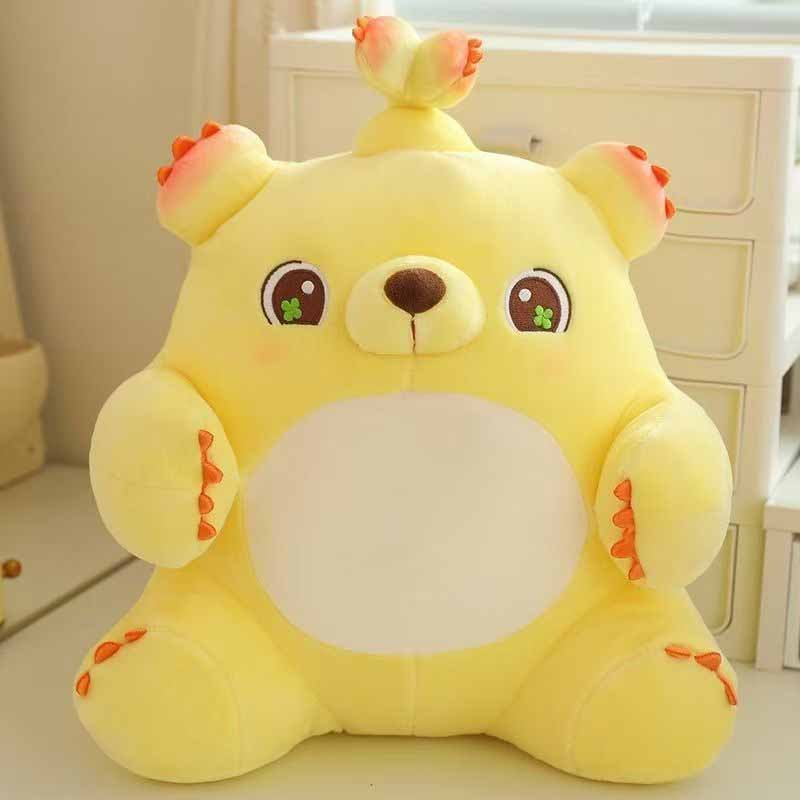
Licensed Character Plush

Anime Character Plush

Game Character Plush

Mascot Plush

Collectible Plush

Blind Box Plush

Plush Keychains

Plush Bag Charms
Deliverables Behind a Controlled OEM Program
Approved Physical Sample
- Approved version
- Reference photographs
- Sample identification
- Applicable SKU record
Production File Package
- Released patterns
- Current BOM
- Process files
- Inspection criteria
Controlled Material Standard
- Material codes
- Color references
- Supplier records
- Change approval
Inspected Finished Goods
- In-process records
- Final inspection
- Barcode checks
- Corrective actions
Reorder Baseline
- Current baseline
- Previous versions
- Approved changes
- Reorder release

From Character Artwork to Production-Ready Plush
Interpreting Character Assets Beyond the Front View
A front-facing illustration can define expression and graphic identity, but it rarely answers every manufacturing question. Pattern engineers need to determine head depth, body thickness, side profile, back construction, arm position, leg angle, tail attachment, clothing layers, and how the product should sit, stand, hang, or lie down. Pufumi begins by identifying the features responsible for immediate recognition. Eye spacing, mouth angle, face width, ear position, hairstyle, costume outline, signature accessories, and dominant color blocks are reviewed before paper patterns are created. When only one view is available, our team prepares a three-dimensional interpretation for approval rather than silently making assumptions during sewing. Key engineering questions include:
- Which lines describe real three-dimensional volume?
- Which details should become seams, embroidery, print, applique, or separate components?
- Which proportions must remain unchanged?
- Which graphic details may need controlled simplification at the target size?
- Which elements could interfere with safety, durability, filling, or packaging?
- Which surfaces need cleaner construction for photography and retail display?
A 10 cm keychain and a 30 cm standard plush cannot use identical detail logic. Embroidery lines, seam allowances, fabric pile, accessory thickness, and stuffing pressure scale differently. Artwork is therefore interpreted at the intended physical size, not enlarged or reduced mechanically. The output is an agreed design interpretation that connects character identity with a manufacturable structure. Once the direction is understood, pattern development can proceed with fewer hidden assumptions and more focused sample evaluation.
Converting Visual Shapes Into Paper Patterns
Building the First Physical Engineering Reference
Character Fidelity Through Structure and Proportion Control
Protecting Non-Negotiable Character Features
- Overall silhouette
- Head-to-body ratio
- Eye shape and spacing
- Mouth position and expression
- Ear, horn, hair, or crest shape
- Signature colors
- Clothing outline
- Character-specific accessories
Controlling Dimensions and Three-Dimensional Volume
- Overall height
- Sitting or standing height
- Head width and depth
- Face width
- Body width and depth
- Arm and leg length
- Ear, wing, horn, or tail dimensions
- Hanging length
- Key accessory dimensions
Translating Approval Into Production Controls
A visually approved sample must be converted into repeatable production instructions before it can govern mass manufacturing. Pufumi links the physical reference to patterns, measurements, materials, embroidery positions, filling notes, sewing sequence, accessory placement, and inspection checkpoints. The production baseline may include:
- Golden Sample identification
- Approved pattern version
- Current BOM
- Material swatches or codes
- Embroidery and print files
- Critical measurement points
- Filling weight or handfeel reference
- Accessory attachment method
- Clothing and label position
- Packaging configuration
- Defect examples
- Approval date and scope
First-article production is compared with the released standard before the order proceeds at full pace. Particular attention is given to the face, silhouette, body ratio, embroidery placement, high-stress attachments, filling balance, and any features identified as non-negotiable during development. Character fidelity also depends on process discipline. Mixing pattern revisions, using an unapproved embroidery file, substituting fabric without evaluation, or changing filling pressure can create visible variation even when individual sewing operations appear acceptable. Version control and material release are therefore part of visual quality, not administrative extras. Inspection teams need clear decision criteria. “Looks similar” is not enough. The approved sample, photographs, measurements, material references, and workmanship rules provide a shared basis for production, quality review, corrective action, and later reorders.
Plush Fabrics and Filling Selected by Performance

Short-Pile Plush

Minky Fabric

Velboa Fabric
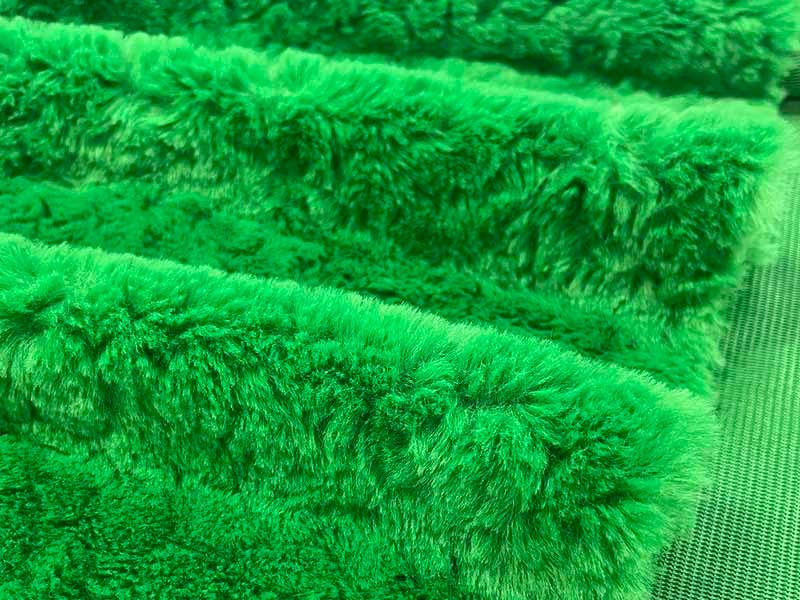
Faux Fur

Stretch Plush

Felt and Applique

Fiber Filling
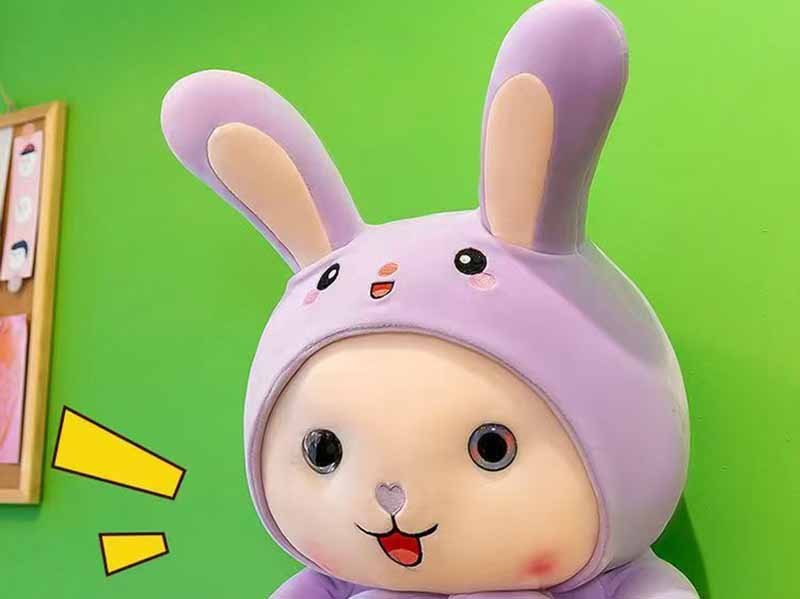
Structural Fill Systems
Production Techniques for Accurate Plush Development

Facial Embroidery
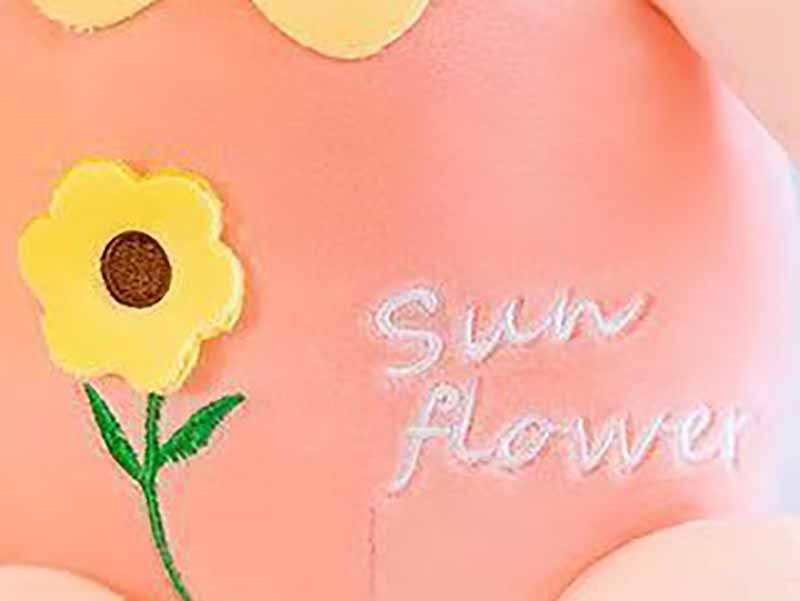
Logo Embroidery

Fabric Applique

Printed Details

Sculpted Features

Custom Clothing

Hardware Integration

Functional Modules
Sound, recording, LED, touch, movement, and other functional modules require internal space, activation access, wiring protection, battery planning, assembly instructions, function testing, and market-specific safety review. Module selection begins before final pattern release because electronics can alter body thickness, filling, balance, seam location, packaging, labels, and testing scope.
OEM Sample Development With Measurable Revisions
Matching the Sample Type to the Decision
Turning Review Comments Into Executable Actions
A sample review becomes effective only when feedback can be assigned to a pattern, embroidery file, material, filling instruction, accessory, clothing component, or packaging record. General comments are translated into measurable actions. Examples include:
- Move both eyes upward by 3 mm.
- Reduce mouth width and change the corner angle.
- Increase head width while retaining overall height.
- Add side depth to prevent a flat profile.
- Shorten the torso relative to the head.
- Reduce head filling to soften the expression.
- Increase tail-base width for stronger attachment.
- Replace long-pile fabric around the face.
- Adjust the garment opening for cleaner assembly.
- Move the woven label away from a high-stress seam.
Each Revision Brief records the sample ID, version, date, feedback source, internal review, required action, responsible team, material change, pattern change, cost impact, time impact, and approval status. Photographs should show consistent front, side, back, and three-quarter angles. Detail images support review of eyes, mouth, embroidery, seams, clothing, hardware, labels, and accessories. Video can demonstrate handfeel, hanging balance, standing stability, movement, sound, lighting, or packaging fit. Changes introduced by the brand or licensor may affect quotation and timing. Adding clothing, increasing size, changing fabric, introducing hardware, revising packaging, or changing the target market can create new engineering, material, testing, and production requirements. Effects are reviewed before the next sample is released.
Freezing the Approved Production Baseline
Sample approval does not mean every project detail is ready for manufacturing. Before production release, Pufumi checks whether the physical sample and supporting files describe the same product. The release review can include:
- Approved sample identification
- Final pattern version
- Final dimensions and critical ratios
- Confirmed material and color references
- Current BOM
- Embroidery and print files
- Filling and shaping instructions
- Accessory specifications
- Clothing construction
- Woven label and care label files
- Copyright or trademark information
- Packaging artwork
- Barcode and carton information
- Inspection standards
- Approved deviations
- Market and target-age information
Files may move through In Preparation, For Review, Approved, Released, Revised, Superseded, or Obsolete status. Only Released files may enter active production. A previously approved file can become invalid after a later approved change. First-article production is compared with the Golden Sample and released files before full production continues. Any material substitution, process adjustment, artwork change, or packaging revision must be evaluated and documented rather than introduced informally. The goal is not to eliminate every natural variation associated with sewn soft goods. The goal is to define acceptable, measurable production boundaries and prevent avoidable differences caused by wrong files, unapproved materials, missing instructions, or uncontrolled process changes.
A Documented OEM Development and Production Workflow
Project Brief
Feasibility Review
Preliminary Quotation
Sample Planning
Pattern Engineering
Prototype Development
Revision Approval
Production Release
Material Preparation
Bulk Manufacturing
Final Inspection
Delivery and Reorder
Controlled Bulk Production From Materials to Shipment
Bulk manufacturing follows the approved sample and released production package through defined operations, first-article checks, in-process controls, SKU separation, packaging verification, and shipment release.

Material Receiving

Fabric Relaxation

Marker Planning

Precision Cutting

Embroidery Production

Printing Production

Sewing Assembly

Turning and Trimming

Filling and Shaping

Accessory Assembly

Final Finishing

Packing and Release
Sewing and Structural Details That Protect Quality
Seam Placement Control
- Preserve facial identity
- Support intended volume
- Avoid unnecessary bulk
- Maintain repeatable sewing access
Seam Allowance Control
- Recorded on patterns
- Checked at critical curves
- Adjusted for material thickness
- Reviewed during first article
Stitch Density Control
- Fabric-specific setting
- Stress-area review
- Puckering control
- Production consistency check
Reinforced Stress Points
- Attachment-base design
- Reinforced stitch path
- Internal support where needed
- Pull review after assembly
Turn Opening Closure
- Planned opening position
- Controlled closure method
- No exposed filling
- Reinspection after rework
Internal Structure Control
- Dedicated inner containment
- Position verification
- Edge protection
- Function and durability checks
Quality Control From Incoming Material to Shipment
Quality management follows the approved sample through incoming inspection, first-article confirmation, process checks, finished-product review, packaging verification, nonconformance control, and documented shipment release. Pufumi’s quality resources include dedicated incoming, process, finished-product, packaging, shipment, and improvement roles, with 42 QC personnel available for factory-side deployment according to active project requirements.
Incoming Material Inspection
- Material code verification
- Color and surface comparison
- Quantity and specification check
- Nonconforming lot isolation
First Article Confirmation
- Silhouette and expression
- Measurements and proportions
- Material and process match
- Production method confirmation
In-Process Inspection
- Process checkpoints
- Line patrol records
- Defect trend review
- Immediate correction feedback
Finished Product Review
- Golden Sample comparison
- Measurement verification
- Workmanship review
- Functional checks where applicable
Packaging Verification
- Label and barcode match
- Packaging version check
- Assortment accuracy
- Carton marking review
Corrective Action Control
- Product isolation
- Root-cause review
- Rework verification
- Preventive action record
Multi-SKU and Version Control for Complex Programs
SKU Identification
Artwork Version
Pattern Version
BOM Version
Process File Version
Packaging Version
Production Separation
Reorder Release
Enterprise Project Management Beyond Production Scheduling
Dedicated Project Lead
Project Scope
Milestone Calendar
Approval Tracking
Change Management
Risk Register
Progress Reporting
Replenishment Planning
Compliance Preparation Starts Before the Final Sample
Product Classification
- Define intended use
- Confirm target age
- Identify sales markets
- Review product features
United States Preparation
- Product-specific test plan
- BOM and sample preparation
- Tracking-label execution
- Responsible-party coordination
European Union Preparation
- EN 71 route review
- Technical-file support
- Label and warning execution
- Market-version control
Mechanical Safety
- Small-parts evaluation
- Seam and attachment review
- Failure-mode consideration
- Design-risk reduction
Material and Flammability
- Material document review
- Finished-construction assessment
- Worst-case sample planning
- Change-impact evaluation
Labels and Documentation
- Market-specific information
- Approved label files
- Product-batch traceability
- Packaging and online alignment
Retail Packaging Integrated With Product and Channel

Building Packaging Around the Finished Product
Packaging development begins with the approved product dimensions, handfeel, pose, accessories, display requirements, and transportation conditions. A box designed before the plush shape is stable may compress ears, bend accessories, distort long-pile fabric, or create unnecessary shipping volume. Pufumi can coordinate polybags, paper bands, hangtags, story cards, collector cards, blind boxes, window boxes, gift boxes, display cartons, inner cartons, and master cartons. The selected format depends on retail presentation, product value, market requirements, warehouse handling, theft protection, unboxing experience, and logistics cost. The packaging brief should identify:
- Sales channel
- Display orientation
- Barcode type and position
- Required labels and warnings
- Copyright and trademark information
- Responsible-party information
- Inner pack and master carton quantity
- Shipping method
- Warehouse or 3PL requirements
- Sustainability objectives supported by evidence
Structure is tested with the physical product. A mockup can reveal pressure points, excess movement, visibility issues, difficult assembly, or inefficient carton volume. Blind boxes and collectible programs also require SKU concealment, assortment logic, display carton planning, and controlled packing instructions. Packaging suppliers may produce printed boxes, cards, trays, and cartons, while Pufumi manages requirements, product fit, file review, assembly validation, inspection, and connection to the correct SKU. Responsibility is coordinated without claiming every packaging process occurs inside one plush factory.

Controlling Artwork, Barcodes, and Market Versions
- Correct product in the wrong box
- Old artwork used after a revision
- Barcode assigned to another SKU
- Wrong language or market information
- Hidden edition packed into the wrong assortment
- Incorrect inner-pack quantity
- Missing polybag warning
- Carton marks inconsistent with shipping documents

Verifying Packing and Reorder Readiness
Packaging verification occurs before and during mass packing. The team reviews product orientation, accessories, labels, inserts, barcode, box condition, sealing, assortment, inner pack, carton quantity, carton marks, gross weight, and protection requirements. Packing instructions should be executable by operators and inspectors. Photographs or diagrams can show product placement, attachment arrangement, card orientation, sealing position, and carton layout. For blind boxes, an approved assortment matrix and controlled coding system guide the packing stage. Transportation method affects packaging. Express and air shipments may prioritize dimensional efficiency, while retail cartons or premium gift boxes may require stronger crush protection. Compression packing can reduce volume for selected soft products, but recovery, wrinkles, accessories, embroidery, long-pile surfaces, and retail presentation must be validated before approval. Reorder records retain the current packaging dieline, print file, barcode assignment, market information, assembly instructions, carton specification, approved sample, supplier, and previous production findings. Before reprinting, the team confirms whether legal information, importer details, product codes, warnings, materials, or channel requirements have changed. The objective is a retail-ready item that arrives with the correct identity, protection, information, and presentation – not merely a finished plush placed inside the nearest available bag or box.
Multi-SKU OEM Plush Program Case
Project Scope and Development Challenge
- Consistent head-to-body ratios across all eight characters
- Distinct facial expressions without losing a shared collection style
- Short-pile fabric around embroidered faces
- Character-specific applique and costume elements
- One shared retail box structure
- Individual artwork and barcode for every SKU
- Accurate separation during production and packing
- 3PL carton labels and inbound requirements
Two Revision Rounds With Measurable Corrections
The first sample set established material direction, collection scale, overall posture, major patterns, and preliminary facial embroidery. Internal and brand review identified several repeatable issues rather than treating every comment as an isolated preference. Revision Round One focused on collection-level structure:
- Increase head width on three SKUs.
- Reduce torso length across the shared body platform.
- Move eye positions upward by 2-3 mm on five characters.
- Add side depth to two hairstyles.
- Reduce filling in the arms for a softer resting pose.
- Widen the base of two tails for stronger attachment.
- Replace a thick applique layer that created excessive seam bulk.
Revision Round Two focused on character-specific finish:
- Adjust mouth angles to separate cheerful, neutral, and serious expressions.
- Refine embroidery-thread colors against approved artwork.
- Correct costume-edge alignment.
- Move key accessories away from packaging pressure points.
- Standardize woven-label position.
- Confirm finished-product fit inside the shared retail box.
- Verify every barcode against its assigned SKU.
The second revision set was reviewed using front, side, back, three-quarter, close-up, and packaging photographs. Approved samples were identified individually and connected to the final patterns, material codes, embroidery programs, packing instructions, and inspection criteria. The approval process produced eight Golden Sample references and one controlled collection system. Comments were retained as a structured revision history so similar decisions would not need to be reconstructed from email during production or future reorders.
Production, Inspection, and 3PL Delivery
Bulk production was planned after sample approval, packaging release, material confirmation, and production-file review. The manufacturing schedule followed the standard 25-45 day planning range, with final timing determined by material readiness, production allocation, packaging printing, and inspection. Multi-SKU controls included:
- Separate work orders for each character
- Identified fabric and cut-part bundles
- SKU-specific embroidery files
- Separate semi-finished storage
- Dedicated barcode and box-artwork verification
- Approved assortment and carton matrix
- Final carton labels matched to 3PL requirements
Quality review covered character appearance, dimensions, embroidery alignment, sewing, filling, tail and accessory attachment, labels, box condition, barcode scanning, carton quantity, and SKU separation. A recurring embroidery-placement issue found during in-process inspection was corrected before the affected quantity moved into final assembly. The completed 3,200-piece order was packed by SKU, labeled for the designated 3PL facility, and released with carton information aligned to the inbound plan. Current patterns, BOM records, packaging versions, barcodes, quality notes, and approved changes were retained as the reorder baseline. The project demonstrates the difference between producing eight plush designs and managing one eight-SKU retail program. Success depended on shared engineering, measurable revisions, individual file control, production separation, packaging accuracy, and documented reorder readiness.
Trust, Compliance & Production Assurance
Confidence for global brands and complex plush programs
Pufumi evaluates each project according to its target market, age grade, materials, construction, labeling, and packaging requirements. Depending on the assigned production site and project scope, our team can support ISO 9001 quality-management documentation and coordinate testing to EN71, ASTM F963, CPSIA, REACH, and other applicable standards. Factory audits, certifications, and test reports are verified by issuing body, validity period, facility, and product scope, giving brands greater transparency from sample development through controlled production and delivery.















Frequently Asked Questions
Send available AI, PDF, PSD, PNG, JPG, character sheets, 3D references, technical drawings, or physical sample information. Include front, side, and back views where possible, plus target size, quantity, sales market, target age, packaging, required arrival date, and non-negotiable character features. Incomplete artwork can still be reviewed, but assumptions requiring approval will be identified before sampling.
Pufumi uses 500 pcs as an internal project-screening benchmark. Final MOQ is determined by SKU, color, size, material, embroidery, printing, accessories, electronic modules, packaging, supplier requirements, and manufacturing efficiency. Multi-SKU orders are evaluated by both total quantity and the workable quantity assigned to each individual design and packaging version.
Standard plush prototypes commonly require 7-12 working days after the design brief, sample terms, and material direction are released. Complex character samples commonly require 12-20 working days. Multi-SKU groups may require 15-30 working days, while electronic plush prototypes may require 20-35 working days. Approval speed and special materials can affect timing.
Revision quantity depends on artwork completeness, character complexity, material availability, approval stakeholders, and the level of visual precision required. Complex licensed characters often require more than one sample round. Every revision should use measurable instructions connected to pattern, embroidery, material, filling, clothing, accessories, function, or packaging rather than general aesthetic comments.
The approved sample is linked to released patterns, BOM records, embroidery or printing files, materials, measurements, filling instructions, accessories, labels, packaging, and inspection criteria. First-article production is reviewed before full manufacturing continues. Production and quality teams use the Golden Sample and current file package as the active baseline.
Yes. Multi-SKU programs are controlled through product codes, artwork versions, pattern versions, BOM records, process files, packaging versions, barcode assignments, production separation, assortment instructions, carton matrices, and reorder baselines. Shared materials and structures can improve efficiency, but every SKU retains its own approved identity and file status.
Pufumi supports product information, BOM preparation, sample preparation, manufacturing records, tracking-label execution, packaging information, and third-party laboratory coordination for applicable United States requirements. The exact route depends on product classification, age grading, construction, materials, components, and sales market. Legal certificates and responsible-party obligations must be confirmed for each project.
Yes. Packaging options can include polybags, hangtags, story cards, collector cards, paper bands, blind boxes, window boxes, gift boxes, display cartons, inner cartons, and master cartons. Pufumi coordinates product fit, dieline review, artwork version, barcode assignment, assembly validation, carton planning, inspection, and reorder records with qualified packaging resources.
Typical bulk production is planned within 25-45 days after the Golden Sample, BOM, materials, packaging, labels, quality requirements, and production schedule are ready. Custom-dyed fabrics, molded accessories, electronics, complex packaging, large multi-SKU programs, approval delays, or peak-season scheduling can extend the critical path. Transportation and warehouse receipt are planned separately.

Start Your OEM Plush Manufacturing Program
Send your authorized artwork, character sheets, technical drawings, 3D references, or existing sample information for a structured project review. Include enough commercial and technical detail for our team to evaluate engineering difficulty, material direction, sample planning, MOQ, packaging, compliance preparation, production timing, and delivery requirements.
Useful information includes:
- Company name and official business email
- Character or product artwork
- Target product type and dimensions
- Estimated quantity for each SKU
- Number of characters, colors, and sizes
- Target age and sales markets
- Preferred fabrics, filling, and handfeel
- Embroidery, printing, clothing, accessories, or electronic functions
- Woven labels, care labels, hangtags, barcodes, and packaging
- Required delivery destination and arrival date
- Testing or retailer requirements
- Target price or landed-cost range when available
Pufumi reviews whether the program fits our development and manufacturing system, identifies missing inputs, and proposes the next action. Confidential role assets and unreleased product files can be handled through a controlled review process. Pufumi only accepts original, owned, or legally authorized intellectual property.