
Plush Quotation Process: From RFQ to Production Quote
From project brief and engineering review to sample costing, production pricing, quality planning and delivery terms.
- Project-based quotations for character plush, collectibles, mascots, keychains, bag charms and retail programs
- More than 58 designers, pattern makers and sample specialists support development and cost evaluation
- Clear separation between initial estimates, sample costs, production pricing, packaging, testing and freight
What a Professional Plush Quotation Should Deliver
Defined Product Scope
Transparent Cost Boundaries
Clear Next Actions
Plush Products Covered by Our Quotation Process
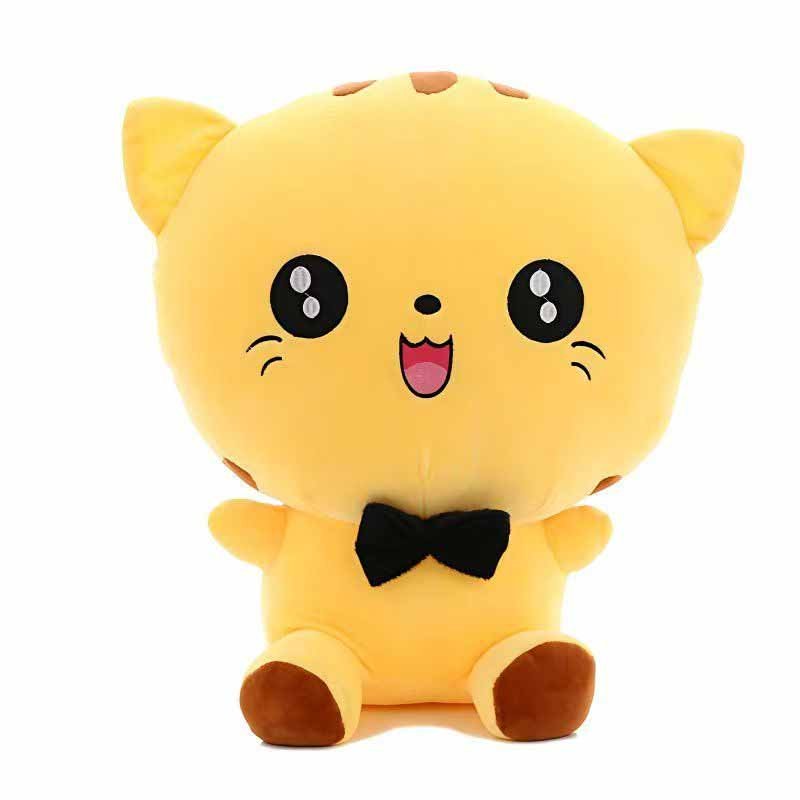
Licensed Character Plush
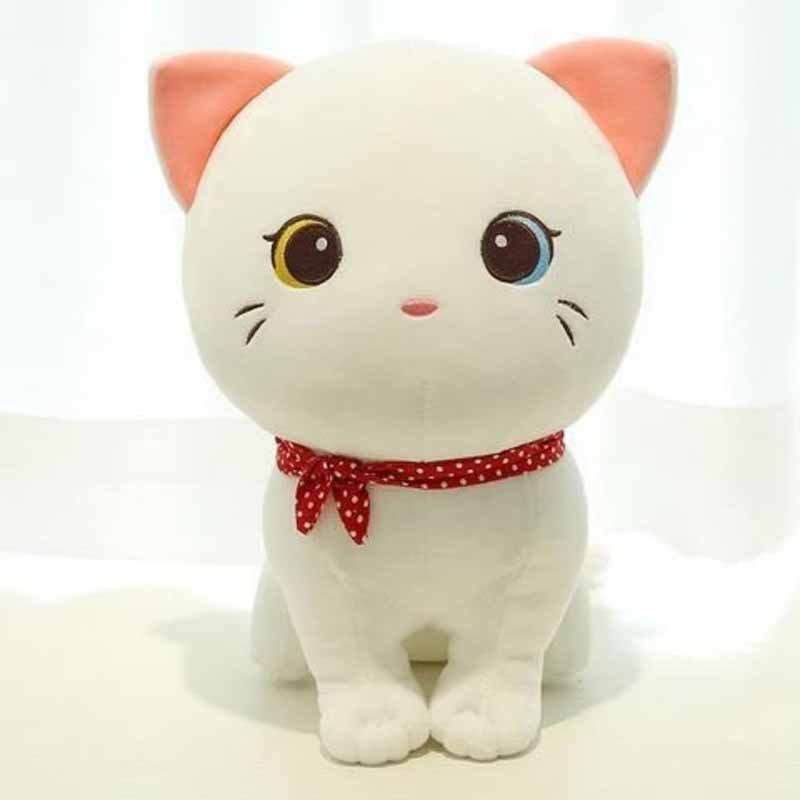
Mascot Plush
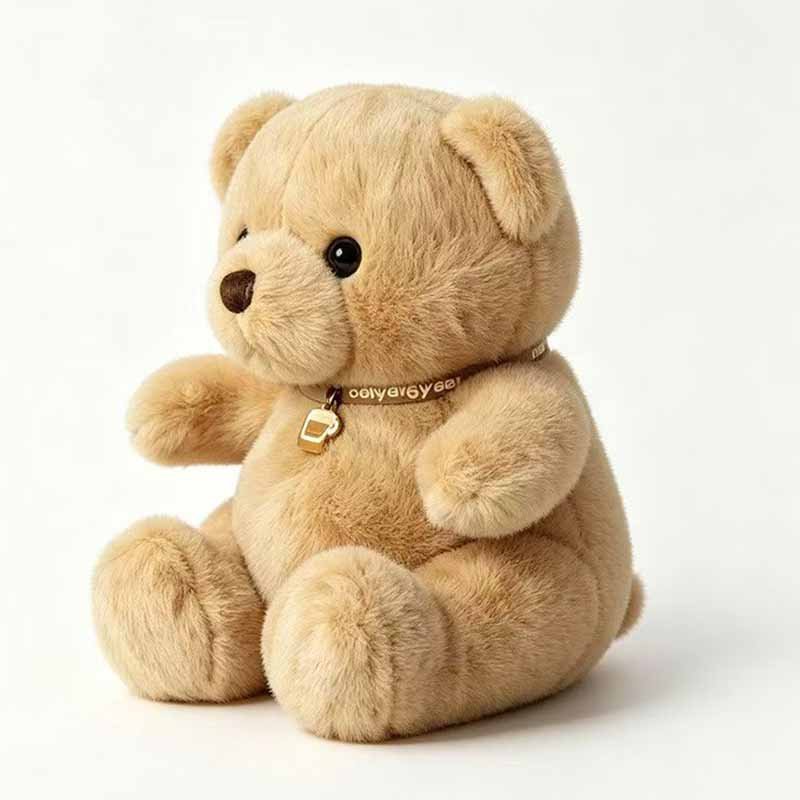
Collectible Plush
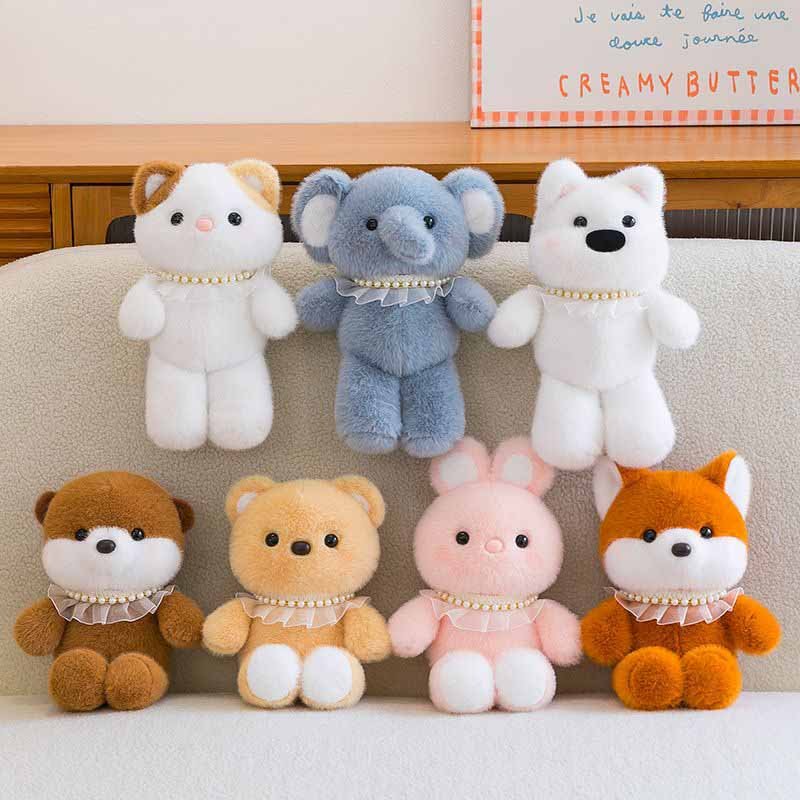
Blind Box Plush
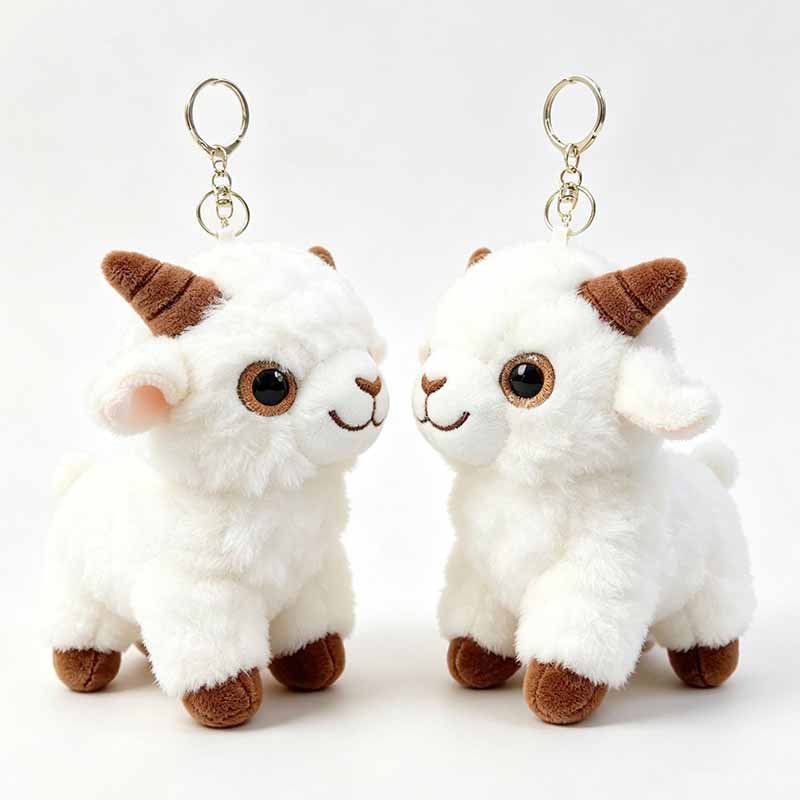
Plush Keychains
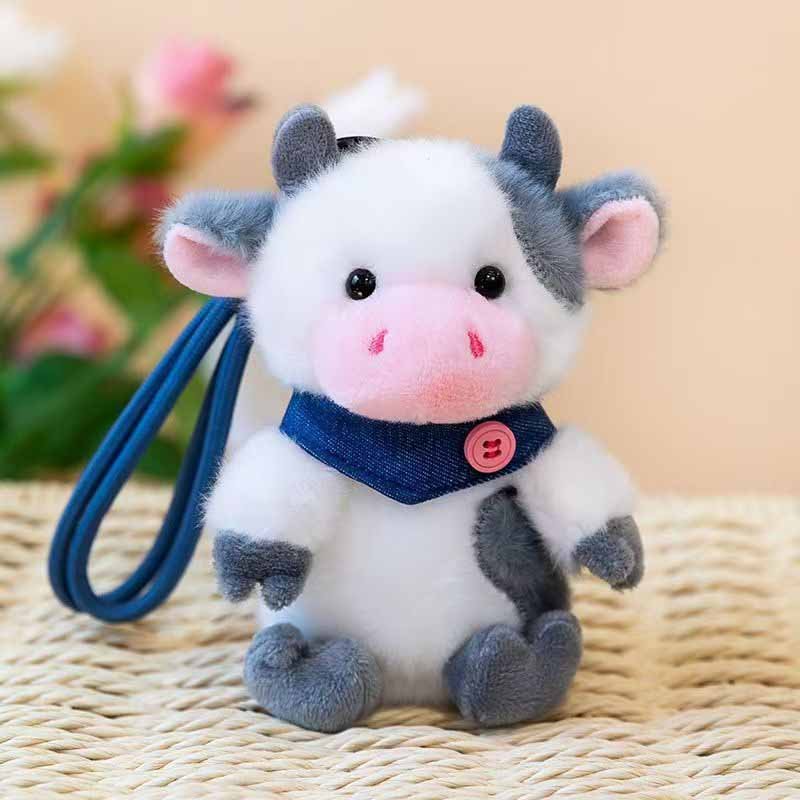
Plush Bag Charms
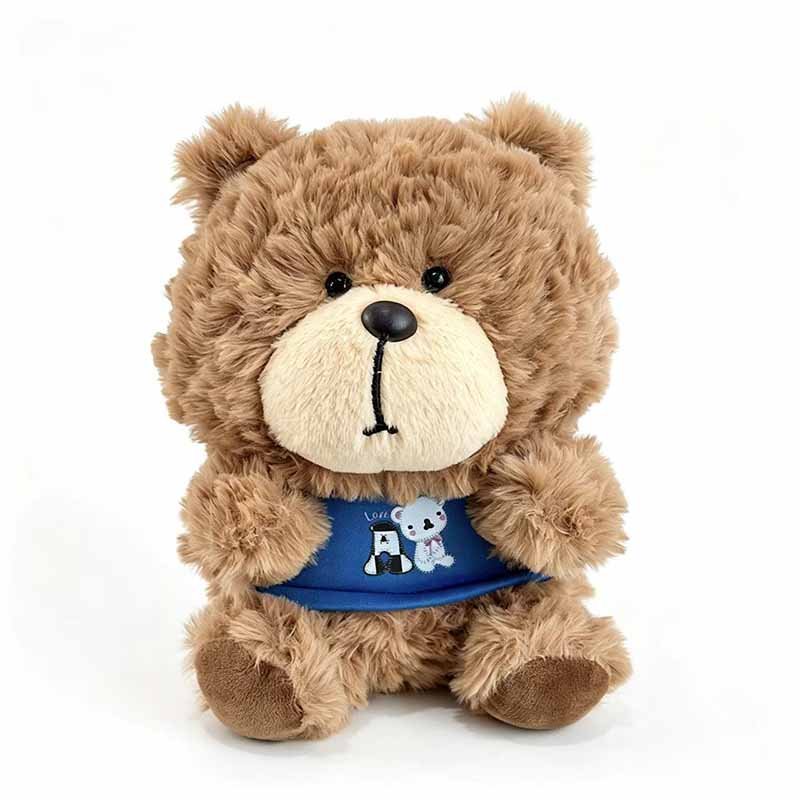
Retail Plush Products
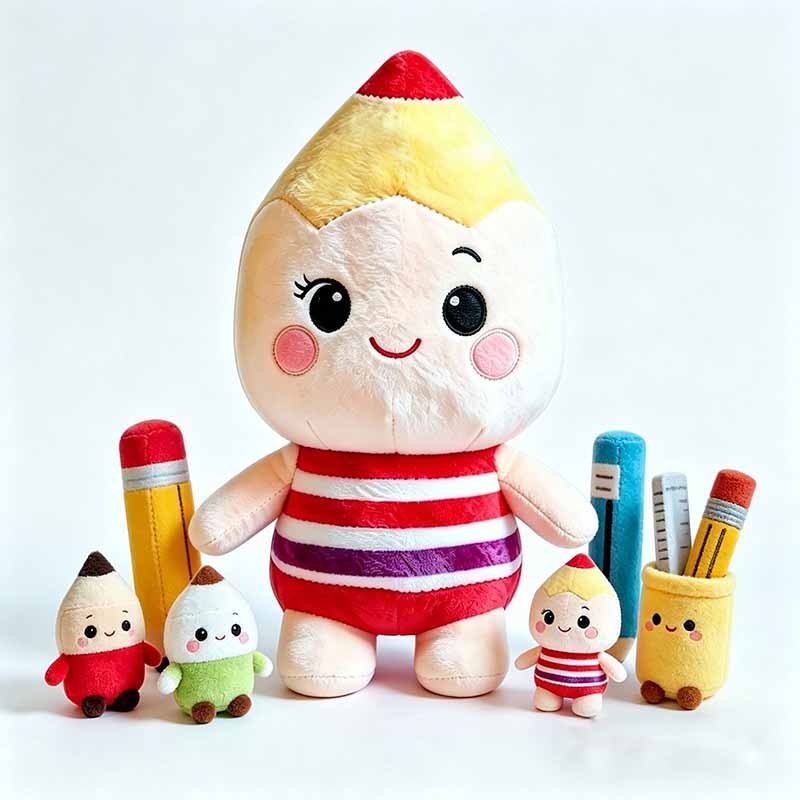
Multi-SKU Collections
Information Needed for an Accurate Plush Quote
Artwork Files
Finished Size
Quantity by SKU
Target Market
Material Direction
Product Features
Packaging Requirements
Required Timeline
How the Pufumi Quotation Process Works
Brief Submission
Confidentiality Review
Completeness Check
Engineering Review
Material Review
Cost Review
Quote Preparation
Sample Update
Three Levels of Plush Quotation Readiness
Budgetary Estimate
- Suitable for initial feasibility discussions
- Based on stated assumptions
- May use material and packaging allowances
- Presented as a range or provisional unit level
- Not intended for production release
- Requires engineering and sample validation
Engineering-Based Quote
- SKU structure already defined
- Main materials identified
- Construction route evaluated
- Sample plan proposed
- Major cost drivers visible
- Price remains subject to approved sample details
Production-Ready Quote
- Approved sample or Golden Sample
- Final BOM and artwork files
- Confirmed quantity by SKU
- Final packaging and labels
- Testing and inspection scope defined
- Trade term and delivery route agreed
Main Factors That Determine Plush Unit Pricing
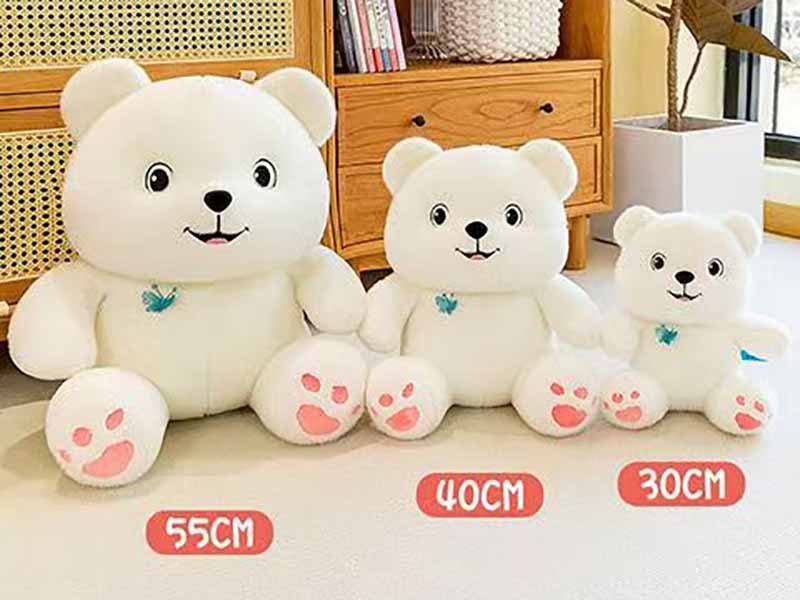
Finished Dimensions
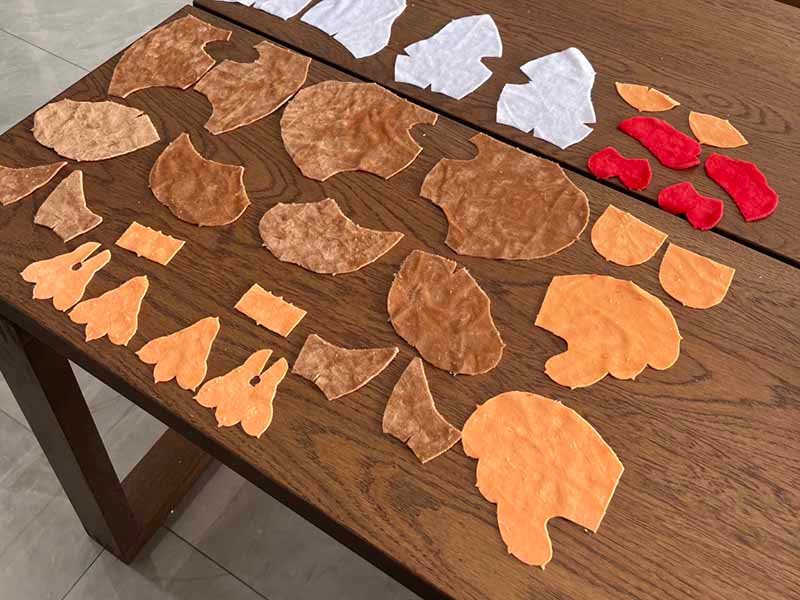
Pattern Complexity
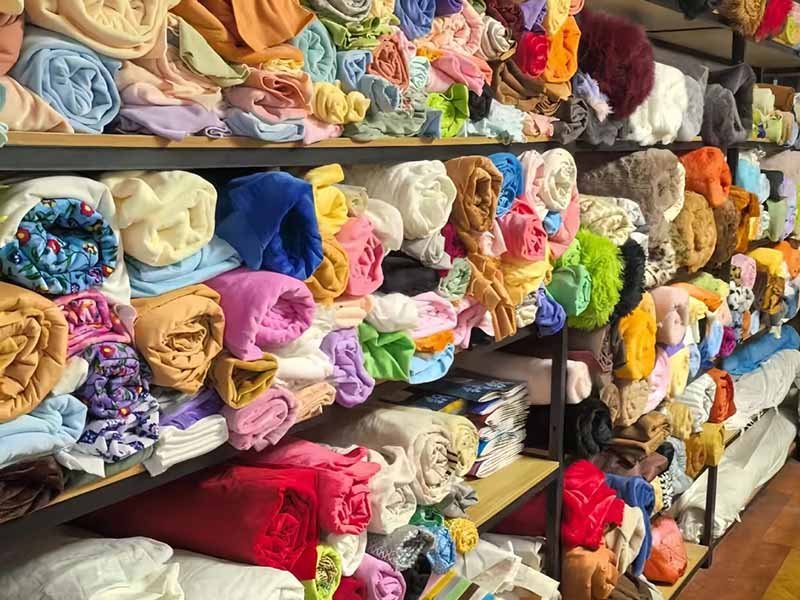
Fabric Selection
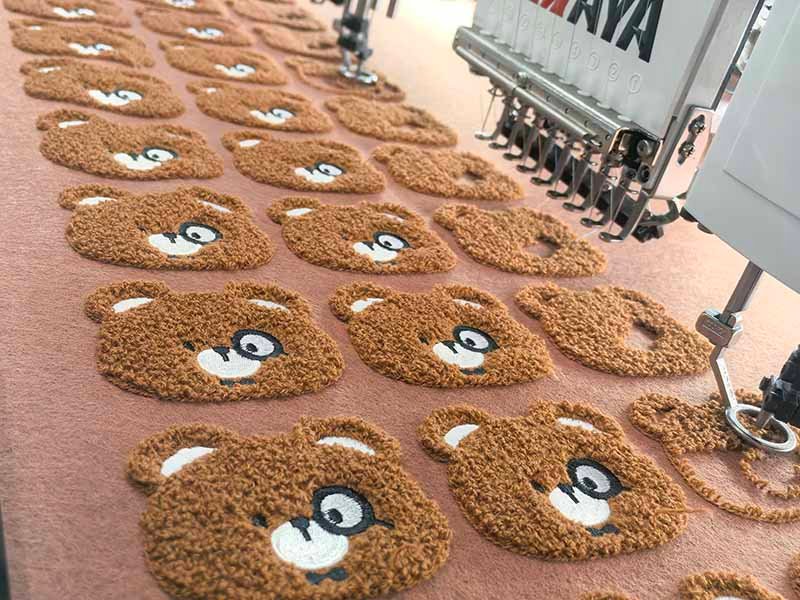
Artwork Methods
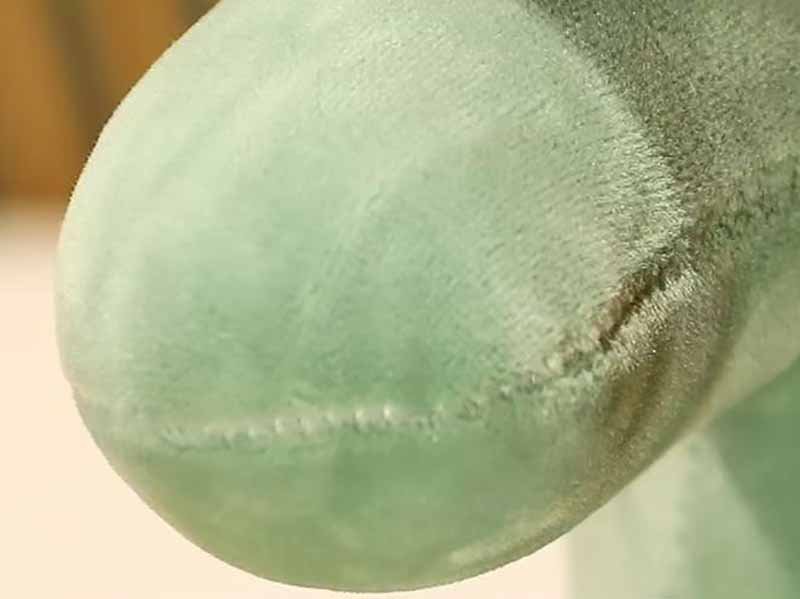
Filling Specification
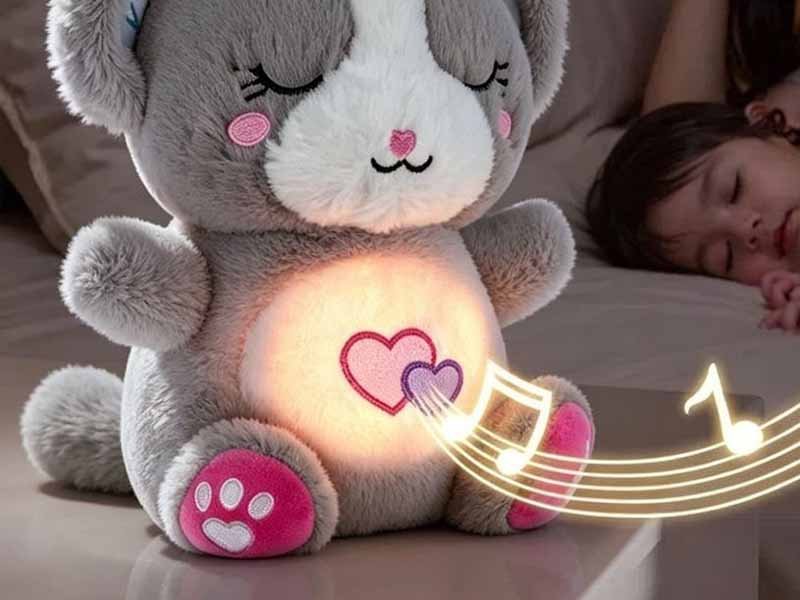
Accessories and Functions
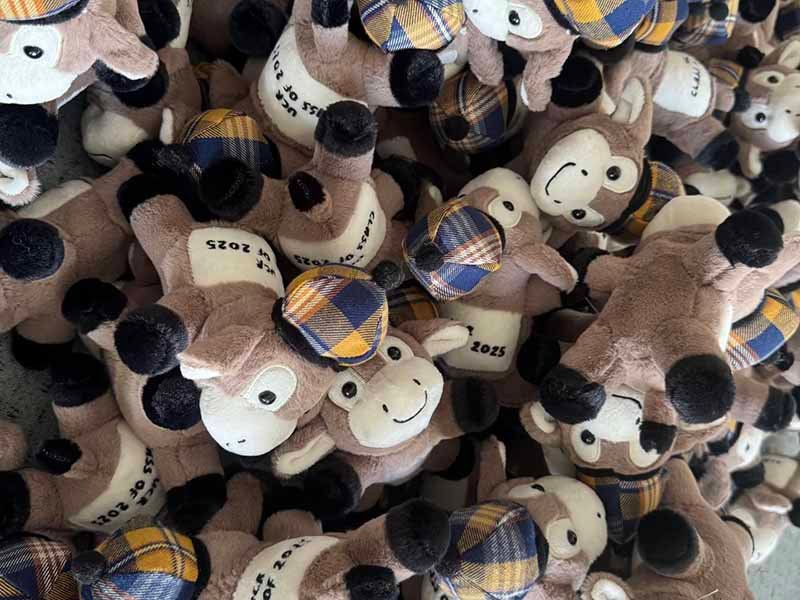
Production Quantity
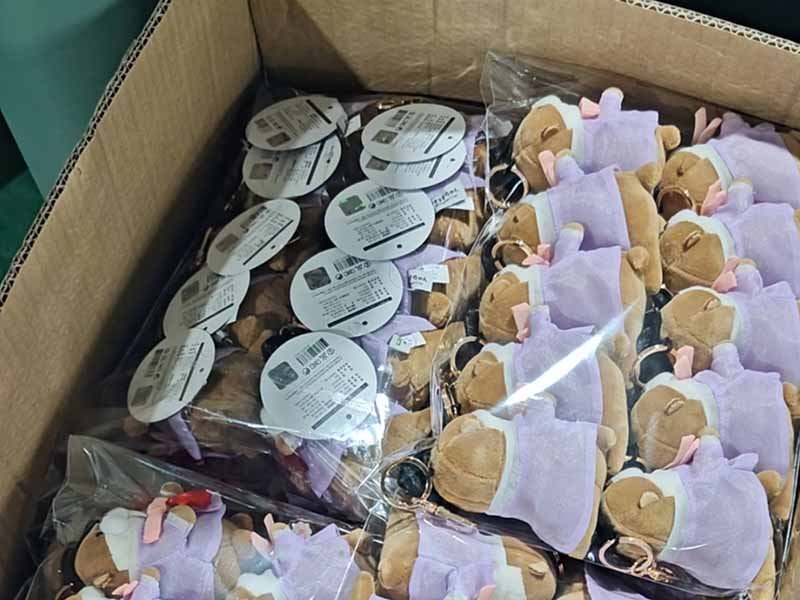
Packaging and Delivery
Material Decisions Behind a Reliable Plush Quote
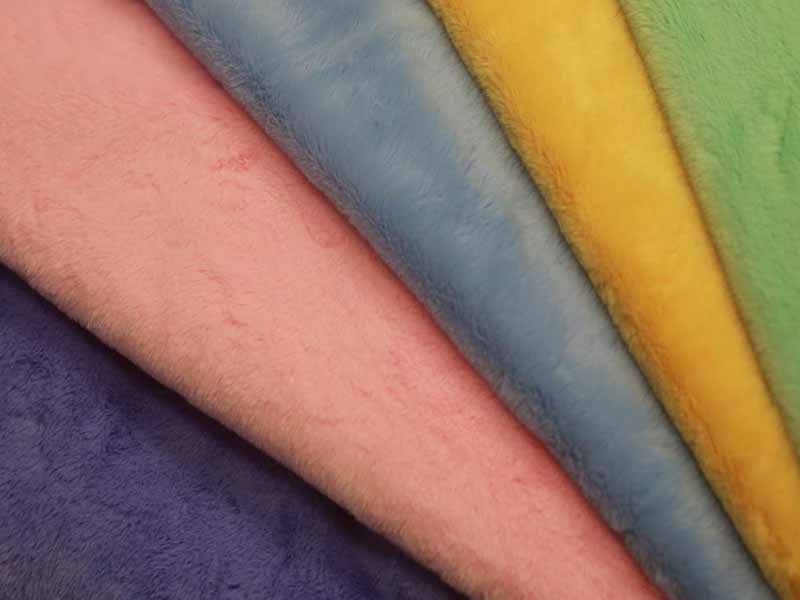
Short Plush

Minky and Velboa
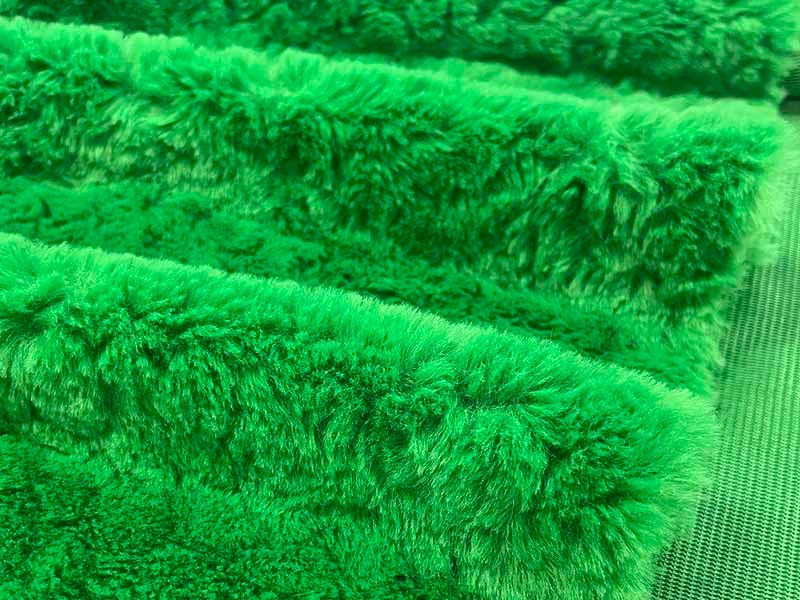
Faux Fur
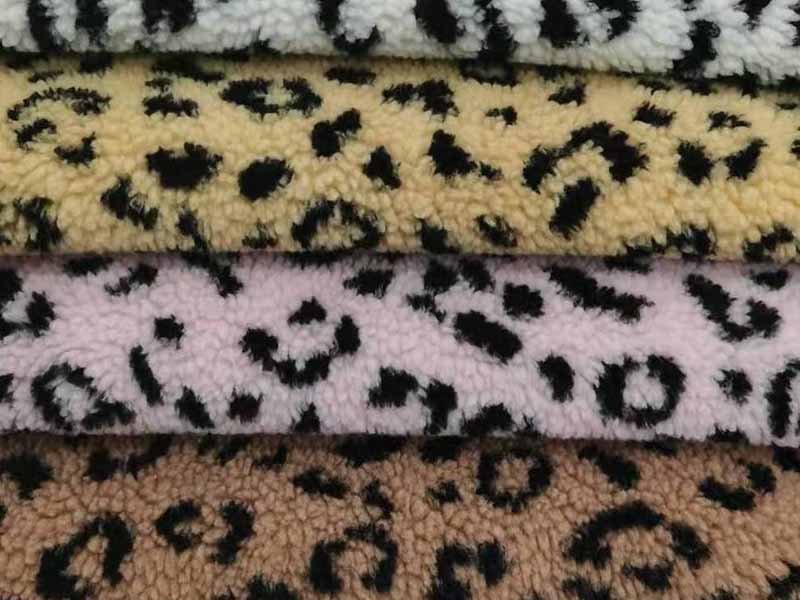
Printed Fabrics

Filling Materials
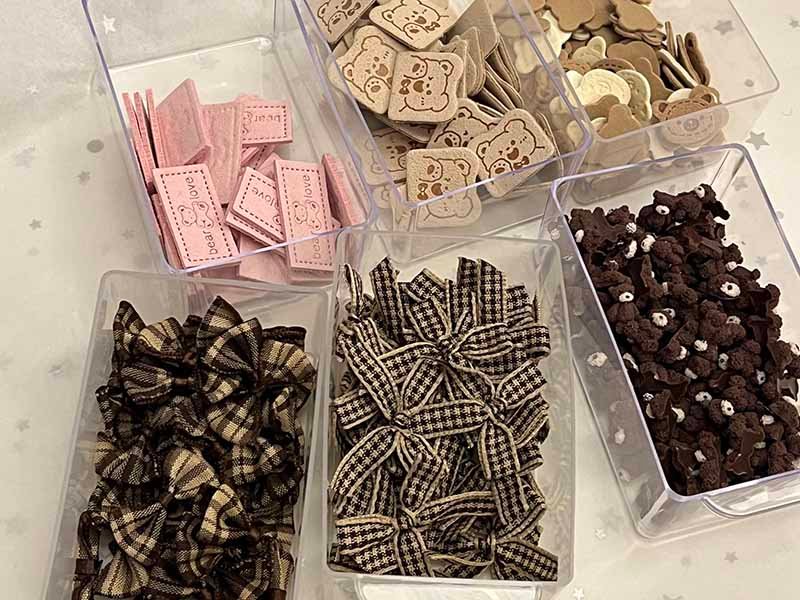
Labels and Trims
Material Lead Times Affect Quote Validity
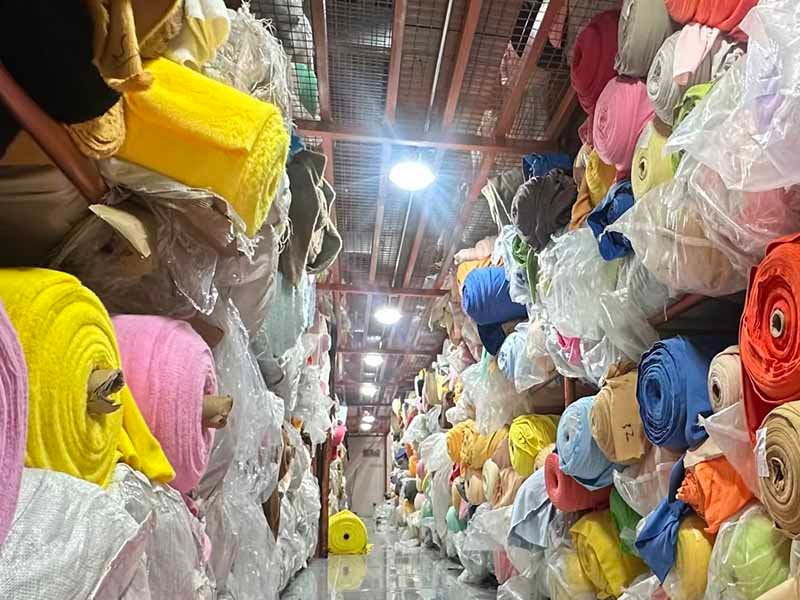
Stock Fabric Route

Custom Dyeing Route
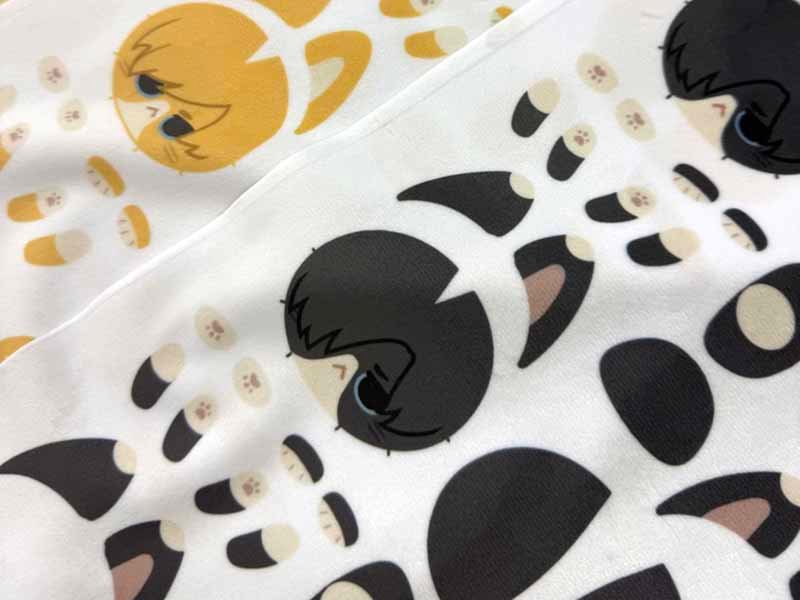
Printed Fabric Route
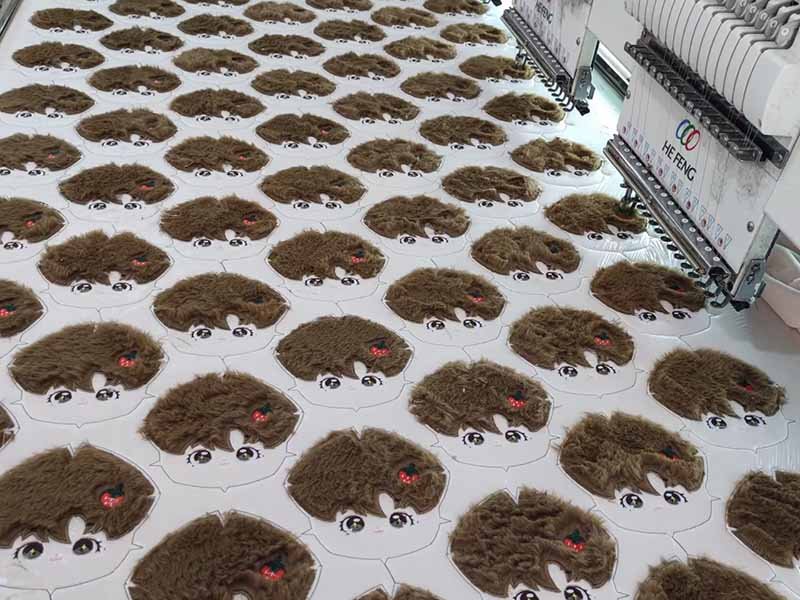
Embroidery Thread Route
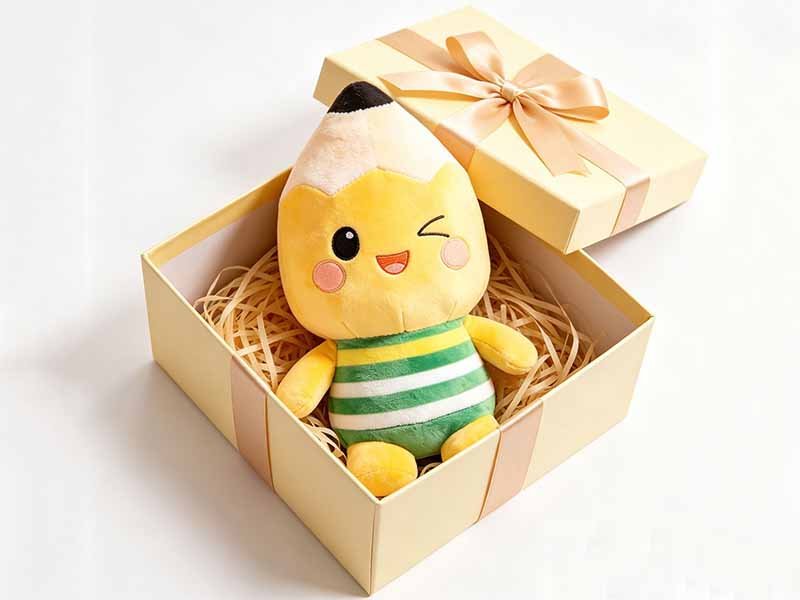
Packaging Route
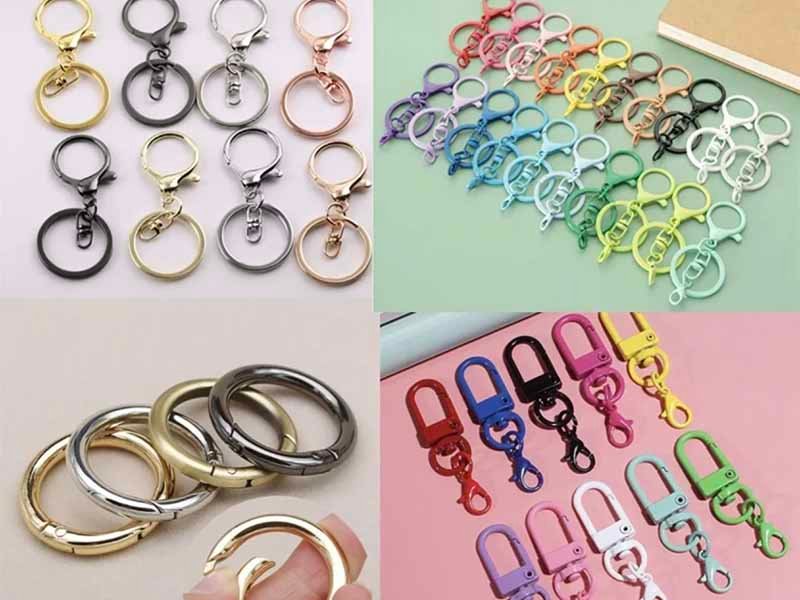
Hardware Route
Plush Sample Development Before Final Production Pricing
First Prototype
Engineering Sample
Revision Sample
Packaging Sample
Pre-Production Sample
Golden Sample
Structure Details Reviewed During Plush Quotation
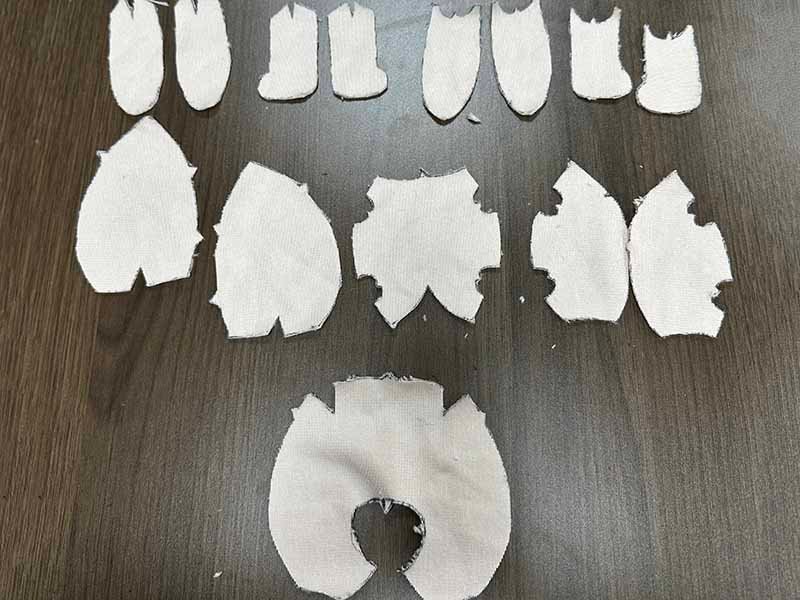
Panel Architecture
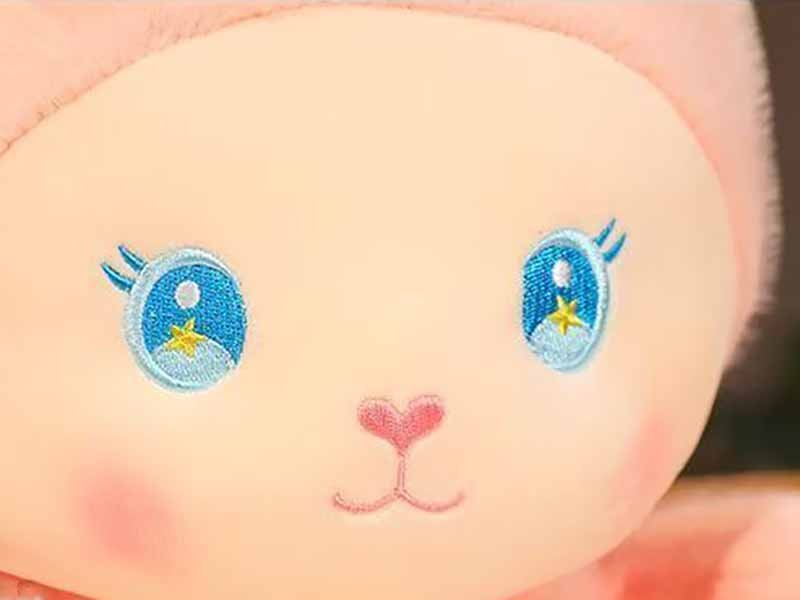
Facial Construction
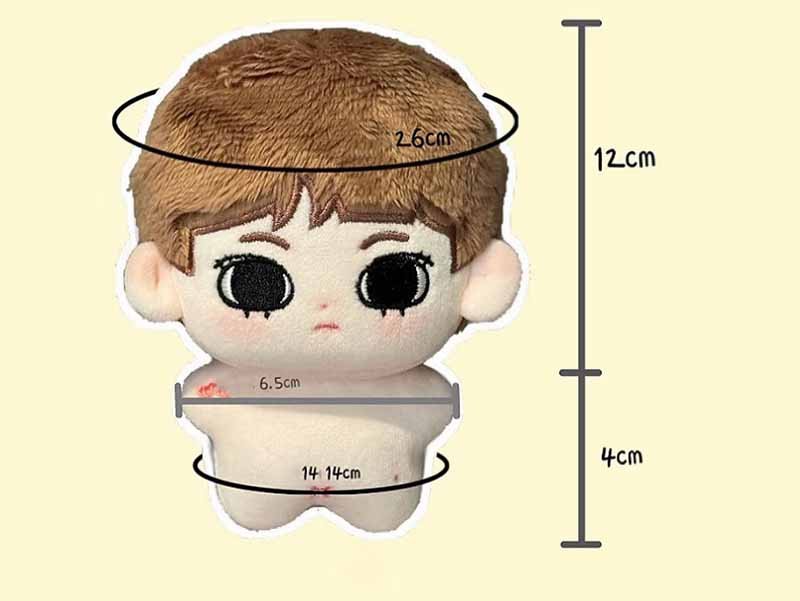
Body Proportion
Standing and Sitting
Accessory Integration
Filling Zones
Sewing Details That Influence Plush Manufacturing Costs
Seam Placement
Stitch Density
Curved Sewing
Pile Management
Reinforced Attachments
Closing Seams
What the Plush Sample Fee May Include
| Development Item | Typical Work Included | Cost Effect |
|---|---|---|
| Engineering review | Artwork interpretation, structure assessment, technical questions | Depends on design complexity |
| Pattern development | Panel creation, numbering, seam planning and fit adjustment | Higher for dimensional characters |
| Material sourcing | Swatches, color matching, filling and trim selection | Higher for custom materials |
| Embroidery setup | Digitizing, thread selection and position testing | Depends on size and stitch density |
| Sample sewing | Cutting, sewing, turning, filling and shaping | Depends on panel count |
| Accessories | Hardware, clothing, molded parts or function modules | Quoted by actual requirement |
| Internal review | Measurement, visual comparison and workmanship checks | Included in development planning |
| Revision work | Pattern, embroidery, material or filling adjustments | Based on agreed revision scope |
| Packaging prototype | Dieline, mockup, insert and fit check | Quoted separately when needed |
| Courier delivery | International sample shipment and customs documents | Based on destination and chargeable weight |
Quality Control Built Into the Quotation Scope
Incoming Material Control
Cutting Control
Embroidery Inspection
Sewing Inspection
Filling Control
Appearance Inspection
Packaging Inspection
Final Shipment Review
Safety and Compliance Planning Before Quotation Approval
United States Route
European Union Route
Component Risk Review
Testing Cost Scope
Packaging and Freight Costs Beyond Unit Price
Retail Packaging
Master Carton Planning
Chargeable Weight
When a Plush Quotation Requires an Update
Artwork Changes
Size Changes
Quantity Changes
Material Changes
Market Changes
Delivery Changes
How to Compare Plush Supplier Quotations Fairly
Two quotations become comparable only when both suppliers evaluate the same specification, quantity, packaging, quality, testing and delivery scope.
| Comparison Point | Questions to Check | Why It Matters |
|---|---|---|
| Finished dimensions | Are measuring points identical? | Size changes every major cost input |
| Fabric specification | Are pile, density, backing and color routes equal? | Fabric names alone are not comparable |
| Filling | Are material, weight and firmness defined? | Handfeel and shape can differ greatly |
| Quantity by SKU | Is pricing based on the same allocation? | Total quantity can hide SKU inefficiency |
| Pattern complexity | Are clothing and dimensional features included? | Simpler construction produces lower pricing |
| Artwork method | Are embroidery, appliqué and printing identical? | Setup and labor vary |
| Sample scope | How many samples and revisions are included? | Development boundaries may differ |
| Packaging | Are hangtags, labels, boxes and cartons included? | Packaging can materially change cost |
| Testing | Which markets and reports are covered? | Test scopes are not universal |
| Inspection | Is internal or third-party inspection included? | Quality-control boundaries differ |
| Trade term | Is pricing EXW, FOB, CIF or DDP? | Different terms include different responsibilities |
| Freight | Are destination and shipping mode identical? | Plush volume creates major freight differences |
| Quote validity | How long are materials and freight held? | Old prices may no longer be executable |
| Exclusions | Which costs remain outside the quotation? | Hidden additions often appear later |
Confidential Quotation for Licensed Plush Programs
NDA Before Review
Controlled File Access
Version Identification
Authorized Public Use
Plush Quotation Case Studies
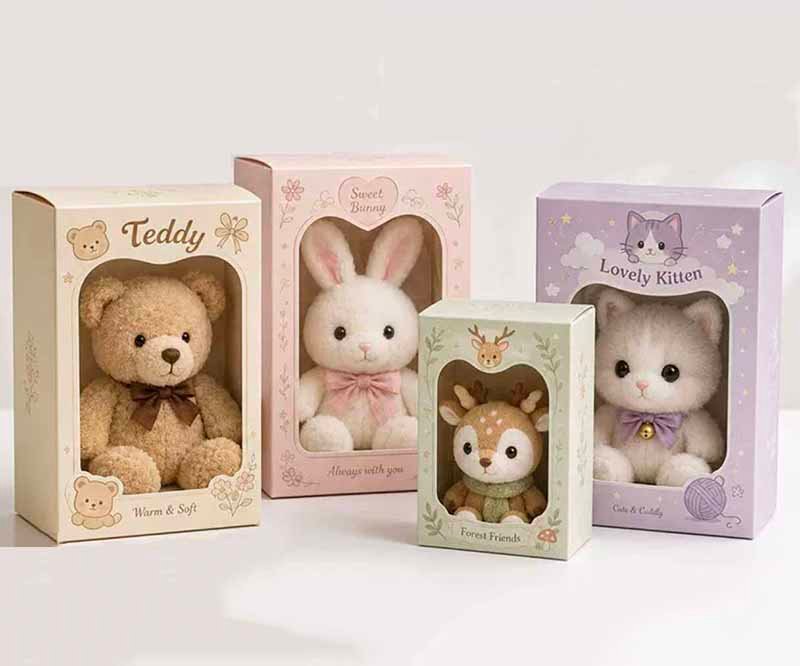
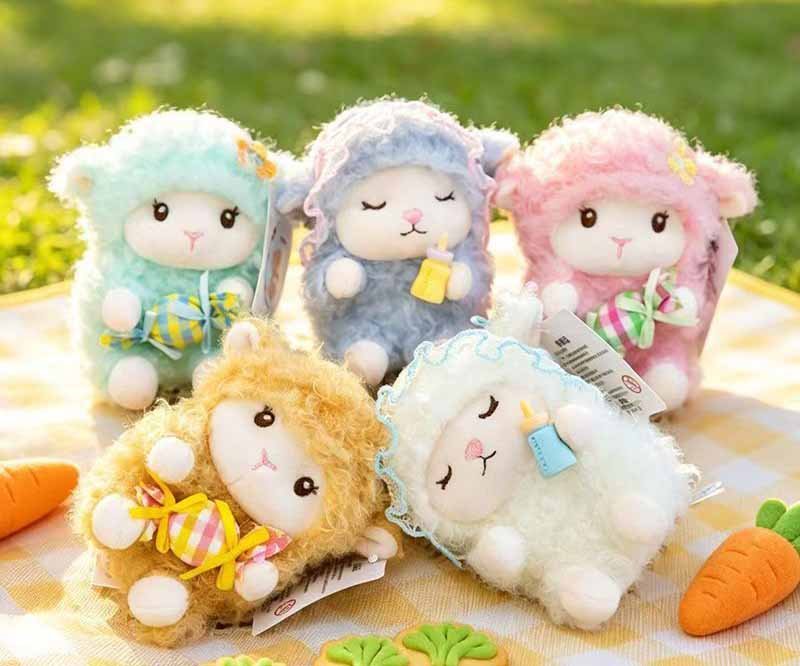
Four-SKU Collectible Series
Order Quantity: 3,200 pieces
Program: Four 18 cm character collectibles with individual window boxes
The initial brief included front artwork and one target retail price. Quotation review identified four unique faces, two shared body structures, twelve embroidery files and four packaging artworks. Shared body panels reduced duplicate pattern work, while individual faces and outfits remained separately costed. The commercial proposal separated prototype fees, unit pricing by SKU, box setup, testing preparation and ocean freight assumptions.
Blind Box Plush Program
Order Quantity: 6,000 pieces
Program: Five regular editions and one limited edition at 11–12 cm
Pricing required more than dividing 6,000 pieces by six designs. The regular editions shared base fabric and filling, while the limited edition used metallic embroidery and a separate accessory. Pufumi structured the quotation around edition quantities, sealed inner boxes, printed cards, assortment ratios, market labels and master-carton allocation. Packaging and product testing were listed as separate controlled scopes.
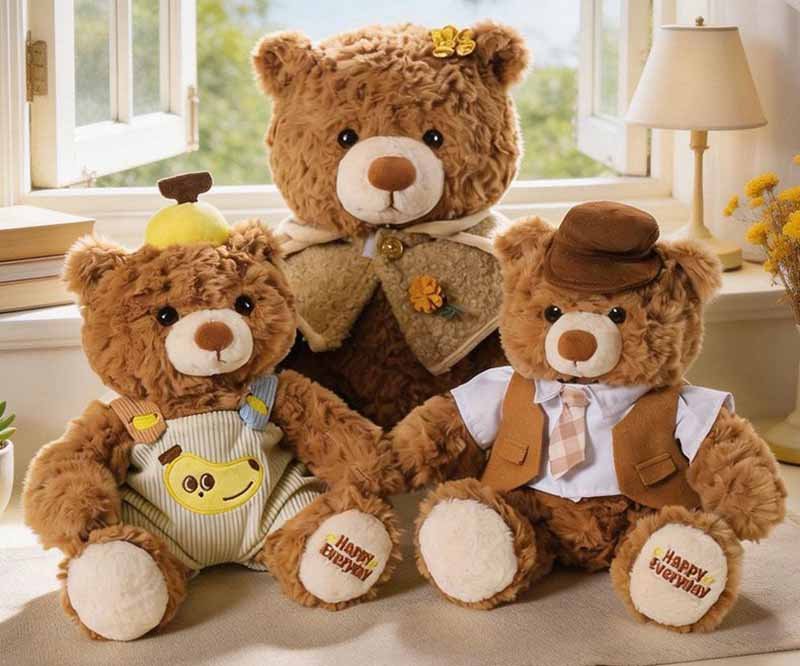
Brand Mascot Launch
Order Quantity: 1,500 pieces
Program: One 28 cm mascot with removable jacket and embroidered logo
The first artwork showed only a front view. Engineering review added side thickness, seated balance, jacket opening and internal reinforcement for the arms. Three sample versions refined the face and clothing fit. The production quotation followed the approved sample, final panel count, confirmed fabric, embroidered jacket, sewn labels, individual bags, 24-piece cartons and a defined inspection plan.
Why Pufumi Produces More Reliable Plush Quotations
Enterprise Project Management
Core Factory Support
Experienced Development Team
Supply Chain Verification
Sample-to-Production Control
Clear Commercial Boundaries
Trust, Compliance & Production Assurance
Confidence for global brands and complex plush programs
Pufumi evaluates each project according to its target market, age grade, materials, construction, labeling, and packaging requirements. Depending on the assigned production site and project scope, our team can support ISO 9001 quality-management documentation and coordinate testing to EN71, ASTM F963, CPSIA, REACH, and other applicable standards. Factory audits, certifications, and test reports are verified by issuing body, validity period, facility, and product scope, giving brands greater transparency from sample development through controlled production and delivery.













Frequently Asked Questions About Plush Quotations
Provide artwork, finished size, quantity per SKU, target market, target age, material direction, product features, packaging needs, delivery destination and required date. Front, side and rear artwork improves accuracy. Early estimates can begin with limited information, but engineering, materials and packaging must be confirmed before final production pricing.
Yes, one image may support an initial feasibility review or budget estimate. Pufumi will identify missing side, rear, thickness, accessory and construction details. Assumptions remain documented. Accurate sample and production pricing normally requires enough information to define the full three-dimensional structure.
Not always. An early quotation may rely on estimated panels, materials, embroidery and packaging. The production quotation is reviewed after the approved sample, final BOM, confirmed quantity, packaging, testing scope and delivery term are available. Any change from earlier assumptions is explained before commercial approval.
A sample fee may cover engineering review, pattern making, material sourcing, embroidery setup, cutting, sewing, filling, shaping and internal checks. Packaging prototypes, special hardware, electronics, laboratory samples and international courier charges may be quoted separately. The agreed Sample Scope defines included work and revision boundaries.
MOQ depends on design, SKU quantity, fabric, custom color, labels, hardware, packaging and production efficiency. A total program quantity does not automatically solve low quantities within individual SKUs. Pufumi reviews quantity allocation and shared components before confirming unit pricing.
Packaging can be included when the structure, artwork, quantity and assembly requirements are known. Early quotations may use a packaging allowance or exclude customized boxes until dimensions are confirmed. Hangtags, sewn labels, inserts, retail boxes, cartons and warehouse labels should appear as defined quotation items.
Testing is included only when the quotation states a defined market, age grading, product scope and laboratory route. Different products and markets may require different evaluations. Testing can be listed as confirmed, estimated, optional or pending laboratory review.
Yes. Quantity tiers help procurement teams compare projected launch volumes and replenishment levels. Each tier should retain the same product specification and packaging basis. Multi-SKU projects also require clear allocation within every tier so pricing does not rely on an unrealistic concentration in one design.
Timing depends on file completeness, SKU count, structural complexity, special materials, electronics, packaging and compliance requirements. A basic project can receive an initial commercial response after document review, while complex licensed or multi-SKU programs require engineering and sourcing input before reliable pricing is released.
Fabric, hardware, packaging, exchange rates, freight and supplier availability can change. Every quotation should carry a validity period and stated assumptions. Expired quotations are reviewed before order confirmation, especially when custom materials, seasonal capacity or international transportation form a significant part of the cost.
Request a Project-Based Plush Quotation
Send Pufumi enough information to evaluate the product as a complete commercial program rather than an isolated unit price. Our team reviews the artwork, intended size, SKU structure, materials, construction, packaging, target market, timing and delivery requirements before recommending the appropriate quotation stage.
For licensed, unreleased or confidential projects, an NDA route can be arranged before detailed assets are shared. Initial files are reviewed by the project team, followed by engineering and sourcing input where needed. Complex programs may move into a structured Project Review before sampling.
Please include:
- Company name and project contact
- Artwork, sketches, three-dimensional files or reference samples
- Finished size and required quantities by SKU
- Planned sales markets and target age
- Material, handfeel and product-feature requirements
- Packaging, barcode and warehouse requirements
- Desired sample review and delivery dates
- Delivery city, country and preferred trade term
- Target cost or approved project budget when available
- NDA or confidentiality requirements