Plush Sample Cost Guidelines
Understand what you are paying for before approving a custom plush prototype, revision plan, packaging sample, or multi-SKU development program.
- Standard plush sample development: 7-12 working days
- Complex character sample development: 12-20 working days
- Multi-SKU sample programs: commonly assessed within 15-30 working days
- Electronic-function samples: commonly assessed within 20-35 working days
- 58+ plush designers and pattern makers support Pufumi projects
- Around half of the development team has more than 15 years of related experience
How Much Does a Custom Plush Sample Cost?
Basic Appearance Prototype
Production-Ready Sample
Multi-Stage Development
Why Plush Sample Quotes Vary So Widely
Two quotes can show very different totals while covering completely different services. Compare development scope, deliverables, revision rules, materials, packaging, testing, and shipping before comparing price.
| Quote Type | General Market Reference | Commonly Included | Frequently Excluded |
|---|---|---|---|
| Basic visual prototype | USD 100-300 | Initial pattern, standard material, one handmade sample | Shipping, packaging, special components, major revisions |
| Detailed custom prototype | USD 300-600 | Pattern work, material matching, embroidery setup, internal review | Laboratory testing, molds, retail packaging, additional versions |
| Multi-stage engineering development | USD 600-1,500+ | Prototype, engineering validation, revisions, formal specifications | Bulk production, external test fees, extensive packaging programs |
| Full development package | USD 1,500-2,600+ | Design interpretation, several prototypes, production preparation, project coordination | Bulk units, freight, duties, market-specific testing unless stated |
| Pufumi project quotation | Project based | Clearly defined sample objective, scope, versions, materials, review process, and deliverables | Every exclusion listed before development begins |
Market references are planning indicators rather than Pufumi prices. Formal quotations are prepared after reviewing artwork, dimensions, SKU count, material direction, functions, packaging, target market, expected bulk quantity, and approval requirements.
What Your Plush Sample Fee Actually Covers
Engineering Review
- Identifies details unsuitable for direct sewing
- Flags structural, material, and compliance concerns
- Defines the first recognition view
- Separates essential character features from adjustable details
- Confirms which questions the first sample must answer
Pattern Development
- Head, body, limb, ear, tail, and clothing pieces
- Seam positions and turning openings
- Fabric stretch and pile direction
- Filling access and closing method
- Attachment structures for accessories
- Pattern-piece identification and version control
Material Preparation
Material fees can rise when a design needs:
- Custom-dyed colors
- Uncommon pile length or texture
- Several fabric types
- Recycled or traceable material options
- Special metal or plastic components
- Formal material swatches before approval
Craft Setup
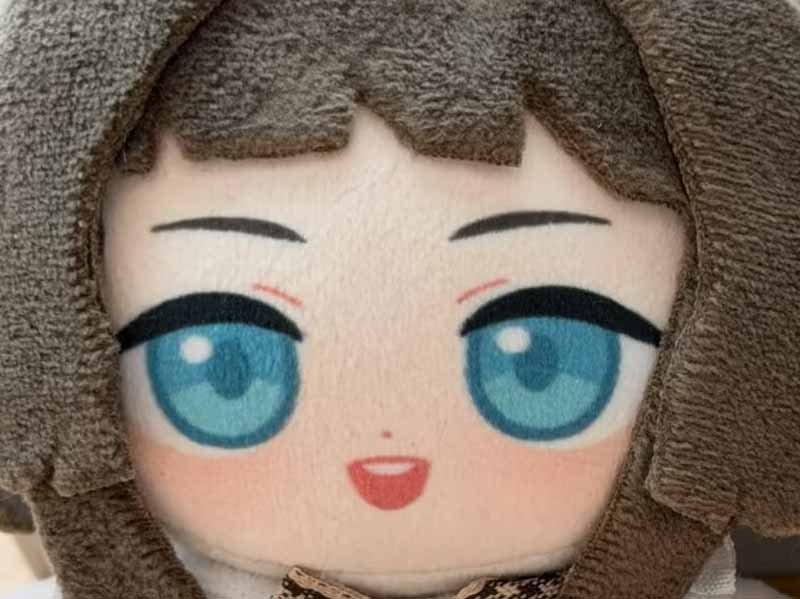
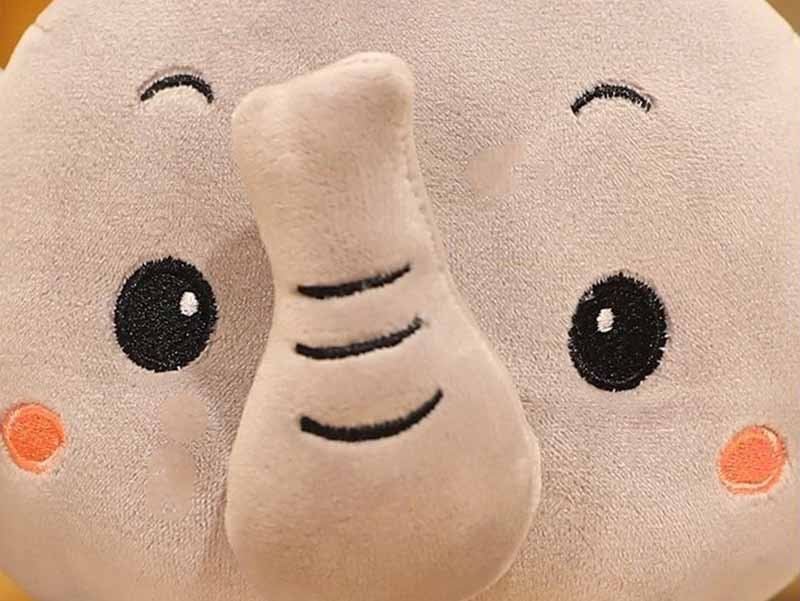
Embroidery density must suit the selected fabric. Printing requires color calibration and pattern alignment. Large appliqué areas need clean edge control. Small facial details must remain readable after filling changes the surface curvature. Setup work is especially important for licensed characters, where a small eye-position or mouth-shape deviation can change the expression.
Sample Labor
Labor rises with:
- More pattern pieces
- Tight curves and small components
- Long-pile trimming
- Layered garments
- Hand-shaped facial areas
- Internal supports
- Electronic or weighted structures
Internal Review
Pufumi reviews a sample before sending photographs, videos, or the physical item. Checks may cover silhouette, dimensions, face shape, proportions, material, handfeel, seams, filling, accessories, functions, labels, and visual presentation.
Sample records can include:
- Sample ID and version
- Development date
- Material and BOM status
- Front, side, back, and detail photographs
- Internal findings
- Revision notes
- Approval status
- Storage location
Different Plush Products Need Different Sample Plans
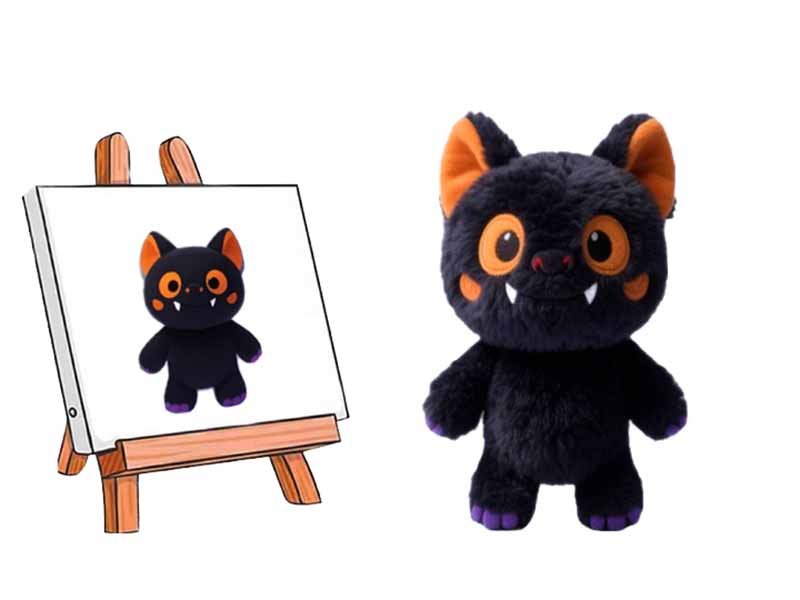
Licensed Character Plush
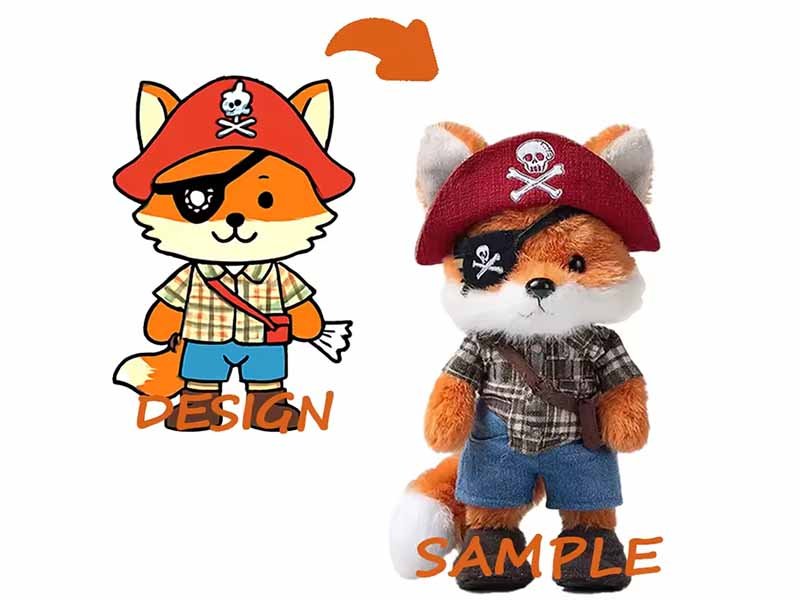
Collectible Plush Series
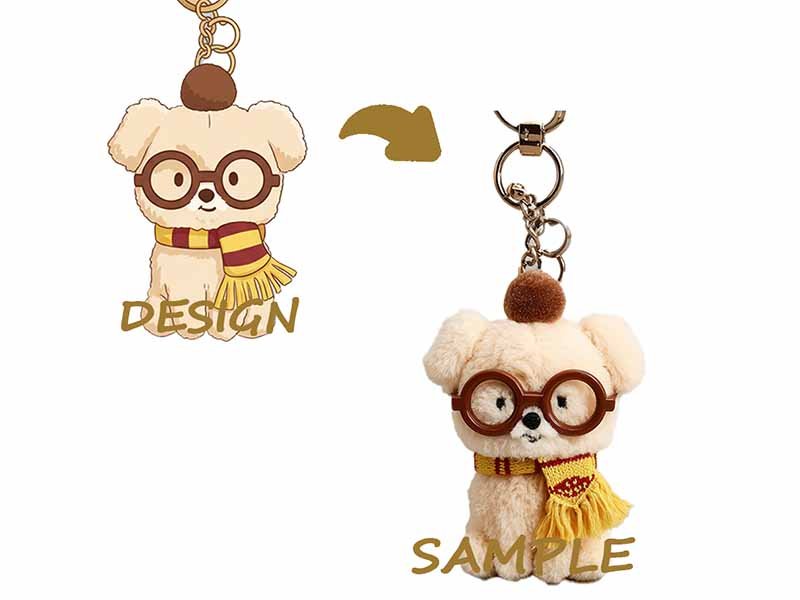
Plush Bag Charms
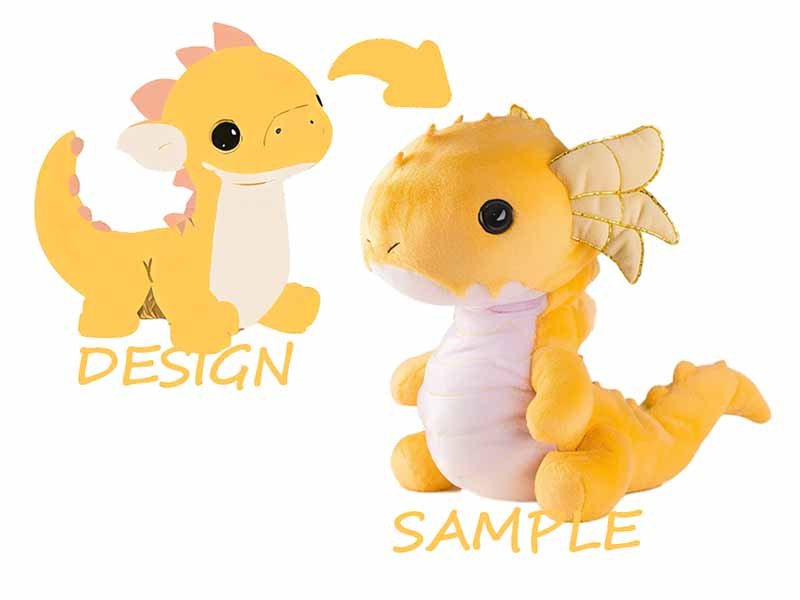
Baby Plush Products
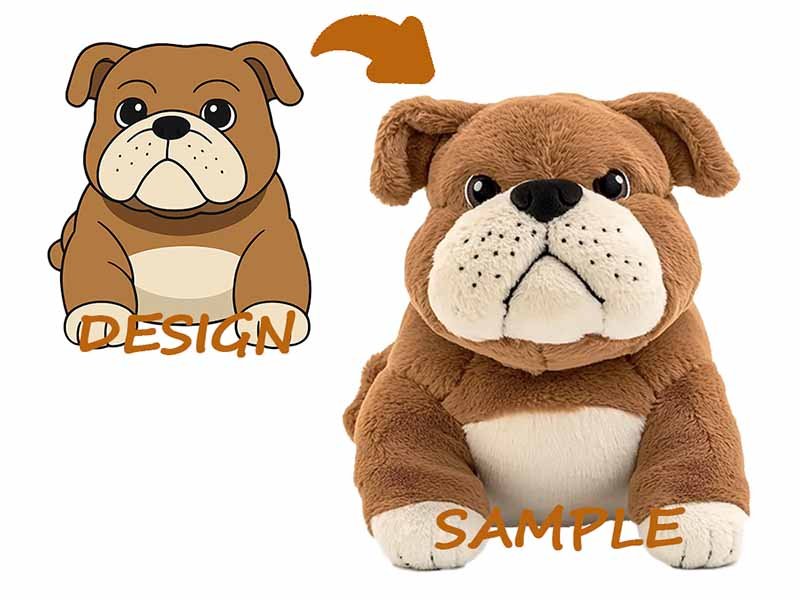
Weighted Plush Products
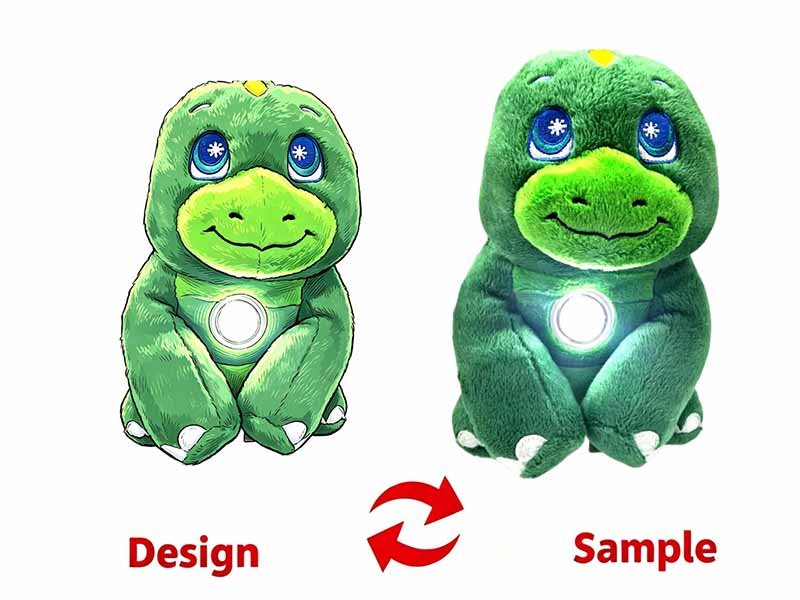
Interactive Plush Products
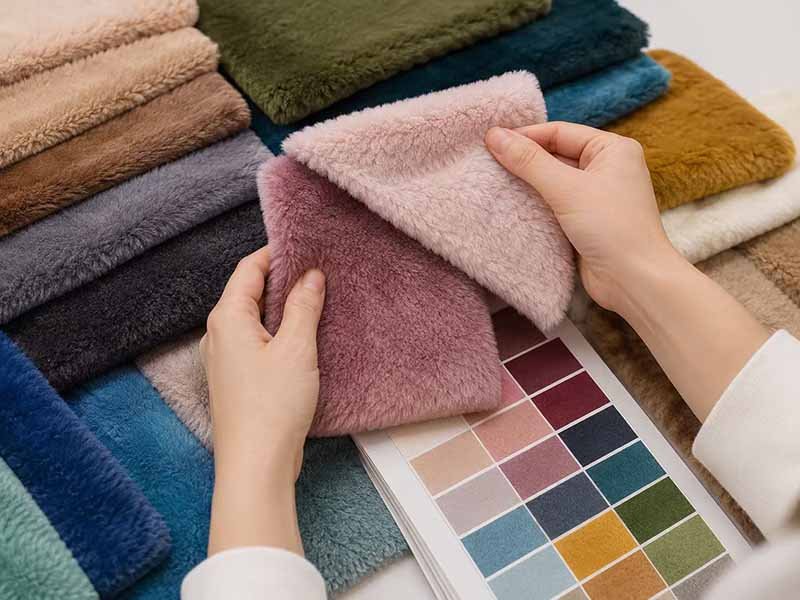
How Fabrics and Materials Change Sample Cost
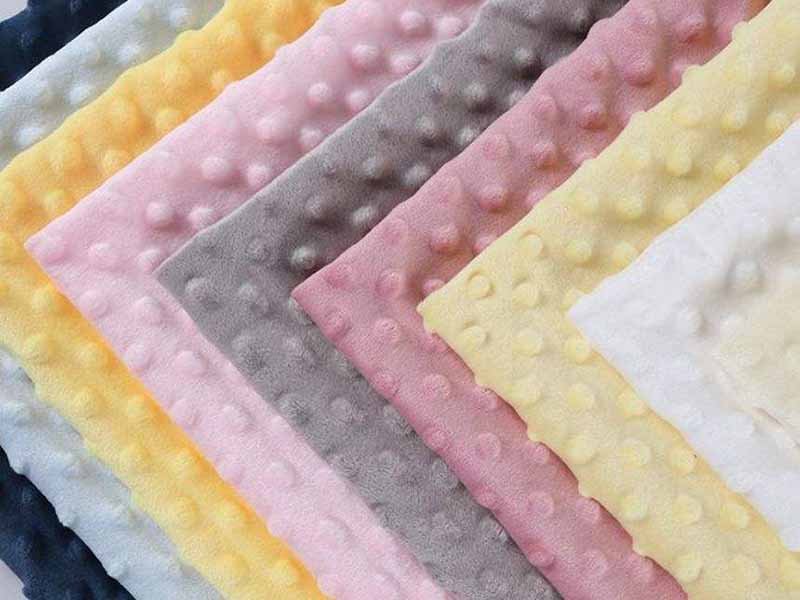
Short-Pile Materials
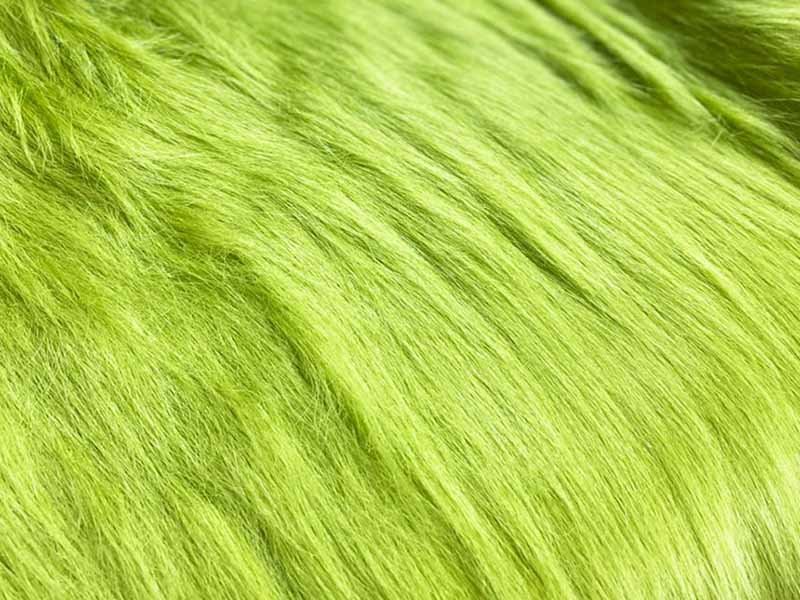
Long-Pile Faux Fur
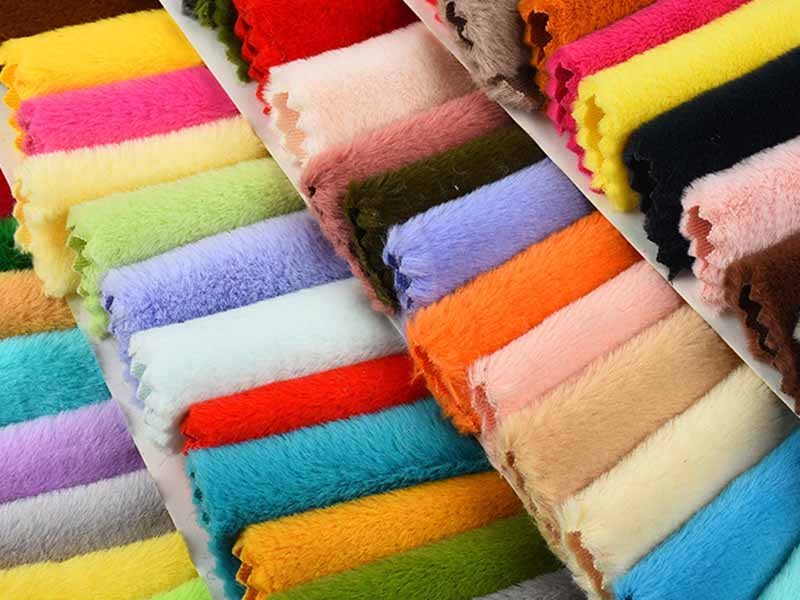
Custom Color Materials
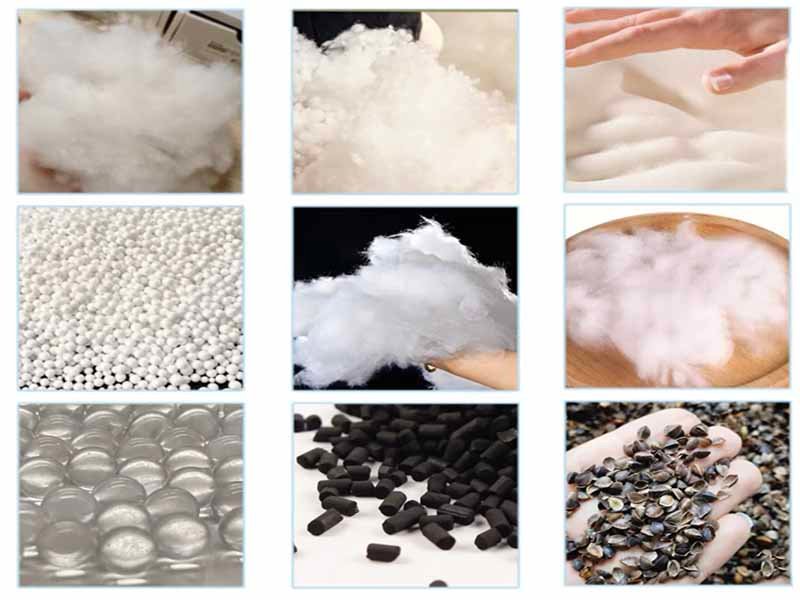
Fillings and Components
Structural Details That Drive Prototype Development Cost
Pattern Pieces, Curves, Proportions, and Three-Dimensional Volume
- Pattern-piece count: More pieces can create refined facial shapes, curved bodies, layered garments, shoes, hair, wings, tails, and three-dimensional expressions. More pieces also increase cutting, sewing, alignment, identification, and inspection work. Mini plush may require simplification because excessive pieces create thick seams and unstable proportions.
- Volume planning: The head, muzzle, cheeks, torso, hands, and feet do not react equally to filling. A face may widen after filling, while an underfilled muzzle can collapse. Pattern geometry and regional filling must work together.
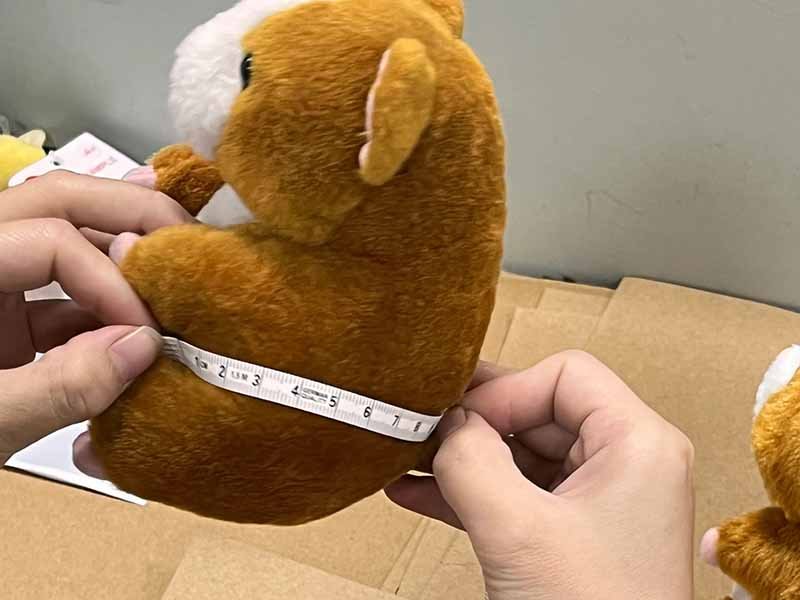
- Proportion control: A character may be shown only from the front. Pufumi interprets side and back views, then confirms any assumptions before cutting formal patterns. High-priority measurements can include total height, head width, eye spacing, body width, limb length, and seated height.
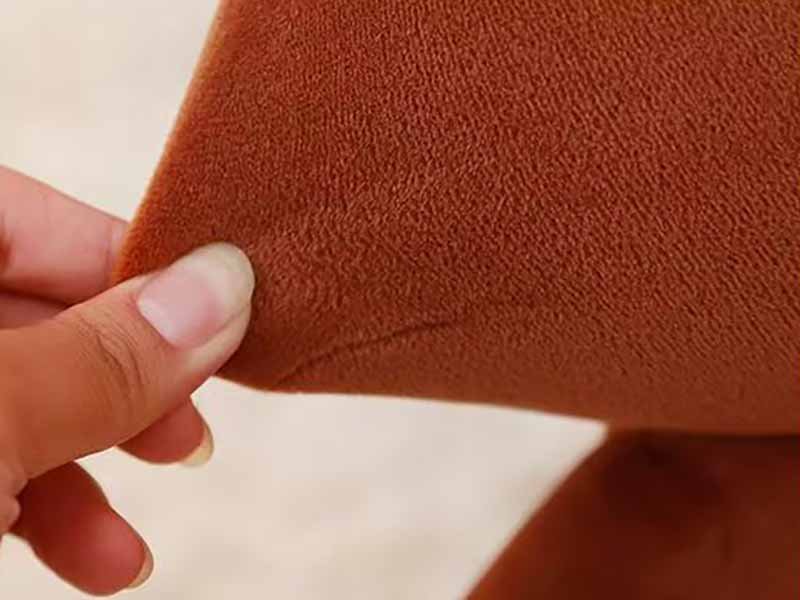
- Fabric behavior: Stretch direction and pile affect final dimensions. A pattern developed in stable Velboa may not produce the same shape in elastic Minky. Formal material changes can therefore require another pattern review rather than a simple fabric replacement.
Pose, Balance, Support, Accessories, and Internal Engineering
A plush sample may need to sit, stand, hang, hug, display, carry hardware, hold an electronic module, or maintain a specific pose. Appearance approval alone is insufficient when the physical structure fails during real use.
- Center of gravity: Large heads, tails, backpacks, batteries, weighted inserts, and oversized accessories can cause leaning or rotation. Sitting, standing, and hanging products need different balance strategies.
- Shape support: Ears, horns, shoes, muzzles, and protruding features may use controlled filling, interfacing, foam, or internal support. Added stiffness must not destroy the intended handfeel.
- Accessory attachment: Decorative hats, wings, tails, rings, chains, clasps, and props need attachment methods suited to actual load direction. Options may include seam insertion, internal webbing, reinforced stitching, partial fixing, or concealed structural anchors.
- Internal containment: Weighted inserts and electronic cavities should remain separated from loose filling. Access openings, zipper areas, and closing seams need backing and inspection rules.
- Transport recovery: A sample can appear correct on the worktable but deform after compression or shipping. Recovery checks help identify weak support, uneven filling, or packaging pressure before bulk production.
Engineering samples may be recommended when internal performance must be solved before appearance can receive final approval.
Sewing Details Behind a Reliable Plush Sample
Seam Placement, Stitching Method, and Small-Part Control
- Seams are engineering lines, not only assembly lines. Their position influences head shape, facial volume, body curves, limb direction, clothing fit, and the visibility of construction.
- Seam placement: Curved face seams can build cheeks or muzzles, while poorly positioned seams may pull the expression away from the artwork. Long-pile products require seams that contain fibers without creating visible channels.
- Stitch selection: Stitch length, seam allowance, reinforcement, and thread type depend on fabric construction, stress level, turning requirements, and product use. A delicate garment seam and a load-bearing bag-charm attachment should not use the same sewing specification.
- Small parts: Mini ears, fingers, horns, tails, shoes, and narrow limbs can be difficult to turn and fill. Oversized seam allowances may create hard edges or uneven forms. Sample makers may revise piece shape and assembly order to improve repeatability.
- Pile management: Fur must be brushed out of seams after sewing. Trapped fibers create flat lines and inconsistent appearance. Cutting and sewing controls should reduce loose fibers before final cleaning.
- Closing seams: The final filling opening affects appearance and containment. Closing method, stitch density, thread, location, and post-sewing inspection should be recorded rather than left to individual preference.
- Sample reviews should examine both external finish and internal manufacturability.
From Sample-Maker Skill to Repeatable Workmanship Standards
- An experienced sample maker can correct shape by hand, but bulk quality cannot depend on one person’s memory. Approved workmanship must be translated into production instructions.
- Operation sequence: Sewing order matters. Attaching embroidery, clothing, limbs, accessories, and internal supports in the wrong sequence can cause misalignment or rework.
- Reference points: Pattern notches, center lines, placement templates, and alignment marks help control eyes, mouths, limbs, tails, garment seams, and hardware positions.
- First-piece approval: Initial production pieces should be compared with the Golden Sample before the full line proceeds. Differences in seam shape, filling opening, accessory angle, or garment fit can then be corrected early.
- Critical workmanship points: High-recognition facial areas, reinforced attachments, weighted insert closures, electronic openings, and retail-visible stitching need clear inspection criteria.
- Reasonable tolerance: Soft products naturally show small variation. Professional control identifies which dimensions and visual features are critical, which variations are acceptable, and which deviations require correction.
- A production-ready sample therefore represents more than attractive sewing. It carries an assembly method that can be trained, checked, and repeated across the order.
Surface Crafts and Accessories Affect Sample Pricing
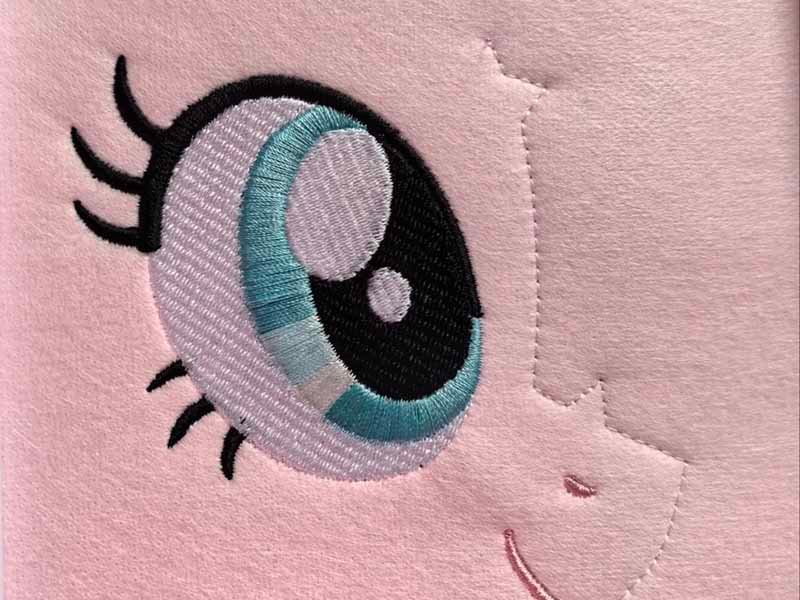
Embroidery Development
- Confirm thread references
- Test on selected fabric
- Record file version
- Approve position and scale
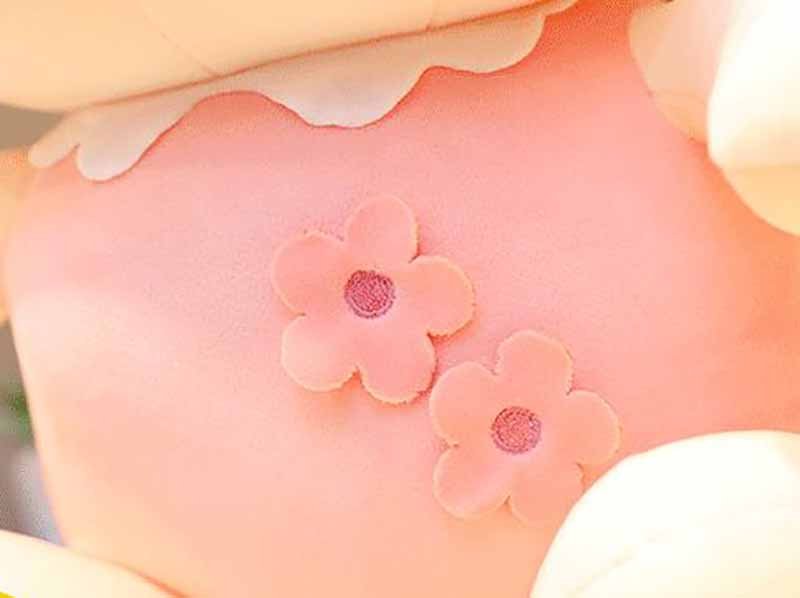
Printing Development
- Confirm print method
- Check color and migration
- Control pattern direction
- Review curved-surface distortion
Appliqué and Trimming
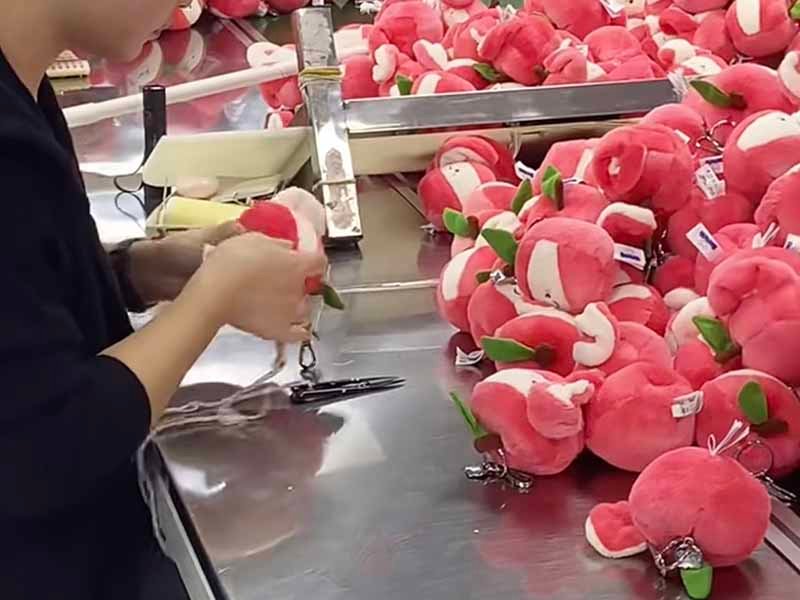
Appliqué can build large color blocks, badges, garment details, and dimensional facial elements without the stiffness of very dense embroidery. Sample development covers material selection, edge method, layer sequence, placement templates, and sewing access. Long-pile trimming may also be needed around faces, paws, hairlines, or animal markings. Both processes add manual operations and should be tested for clean edges, symmetry, and bulk feasibility.
- Define edge construction
- Approve layer thickness
- Set placement references
- Record trimming boundaries
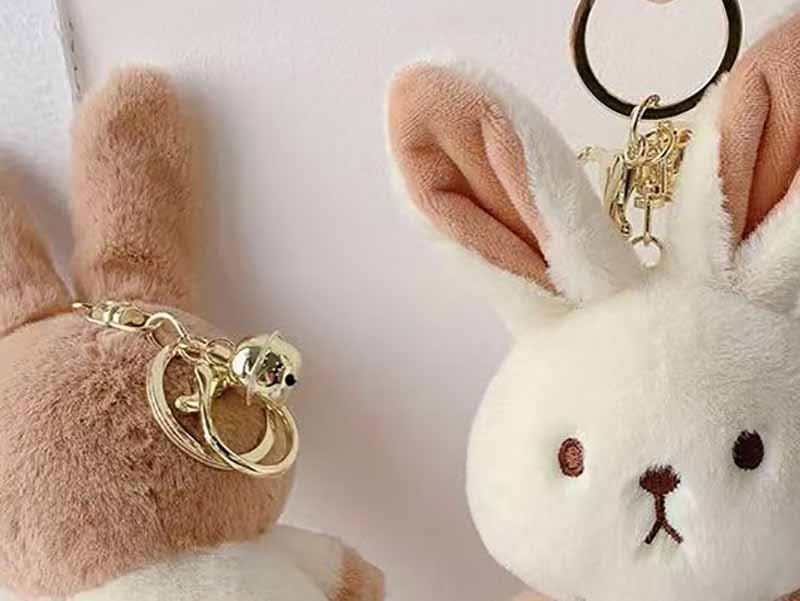
Hardware and Accessories
- Verify dimensions and finish
- Engineer internal reinforcement
- Test actual use direction
- Include parts in the BOM
Which Plush Sample Stages Do You Need?
V1 Prototype
Engineering Sample
Revision Sample
Pre-Production Sample
Golden Sample
Typical Plush Sample and Production Planning Windows
Timing begins after the required artwork, scope, sample fee, material direction, and project conditions are confirmed. Market deadlines should be planned backward from the required warehouse arrival date.
| Development or Delivery Stage | Pufumi Planning Reference | Main Variables |
|---|---|---|
| Standard plush sample | 7-12 working days | Clear structure, standard materials, medium size, no complex clothing or electronics |
| Complex plush sample | 12-20 working days | Detailed character, clothing, accessories, special pose, faux fur, weighted structure |
| Multi-SKU sample group | 15-30 working days | SKU count, shared body structure, material commonality, approval sequence |
| Electronic-function sample | 20-35 working days | Module confirmation, internal cavity, wiring, controls, function checks |
| Packaging sample | 7-15 working days | Hangtag, blind box, window box, gift box, insert, printing, tooling |
| One revision round | Commonly 5-10 working days | Feedback clarity, pattern changes, material changes, new components |
| Main material procurement | 7-35 days | Stock status, custom dyeing, printing, special pile, supplier MOQ |
| Typical bulk production | 25-45 days | Quantity, complexity, SKU count, packaging, material readiness, season |
| International delivery | 7-45 days | Air, express, sea, destination, customs, warehouse booking |
Planning references remain subject to current production schedules and project complexity. Rush review can identify parallel activities, but essential engineering, approval, testing, and production-release controls should not be skipped.
When Do Plush Sample Revisions Cost More?
Execution Correction
- Compare against approved inputs
- Record the deviation
- Correct affected files
- Confirm whether material or shipping cost is involved
- Issue a revised review date
Design Refinement
- Appearance tuning
- Proportion refinement
- Filling adjustment
- Garment-fit improvement
- Minor placement changes
New Requirements
- New SKU or colorway
- Added electronic function
- New retail packaging
- Material substitution
- Dimensional redesign
- Different target market
Licensor Feedback
- Identify approval authority
- Consolidate comments
- Prevent conflicting instructions
- Maintain version history
- Release only confirmed changes
Plan Multi-SKU Sampling Without Duplicating Every Cost
Separate Shared Engineering From SKU-Specific Development
- Common body platform: Characters with the same torso, limb construction, seated pose, or bag-charm structure can sometimes share selected pattern foundations. Faces, ears, hair, clothing, tails, and accessories may remain unique.
- Common materials: Using one approved Minky family, filling specification, lining, ring, or thread system can simplify sourcing and color management. Shared material does not remove the need for individual color and application approval.
- Common craft standards: Related characters may use the same embroidery density, seam rules, hardware reinforcement, and packaging construction. Individual artwork files remain separately controlled.
- Independent cost drivers: Each unique face, body shape, garment, prop, print pattern, electronic function, or package graphic creates new work. Hidden editions with different structures should not be treated as simple color changes.
Approve the Hero SKU Before Expanding the Full Collection
Developing every SKU simultaneously can create repeated corrections if the shared proportion, material, pose, or packaging direction is still unresolved. A staged sequence often controls cost more effectively.
- Step 1 – Hero SKU: Select the character that best represents the series. Invest in proportion, construction, handfeel, face quality, and main packaging direction.
- Step 2 – Shared baseline: Confirm common body geometry, material family, filling, attachment structure, label format, and quality checkpoints.
- Step 3 – Secondary SKUs: Develop additional characters using the approved baseline where suitable. Record every allowed shared element and every required difference.
- Step 4 – Collection review: Display all SKUs together to evaluate height, visual weight, color balance, character differentiation, and packaging consistency.
- Step 5 – Production release: Assign unique SKU codes, BOMs, packaging files, barcodes, approved samples, and carton rules.
A staged plan is especially useful for blind-box series, collectible characters, bag-charm collections, and multi-market retail programs.
Quality Checks Before a Sample Is Submitted
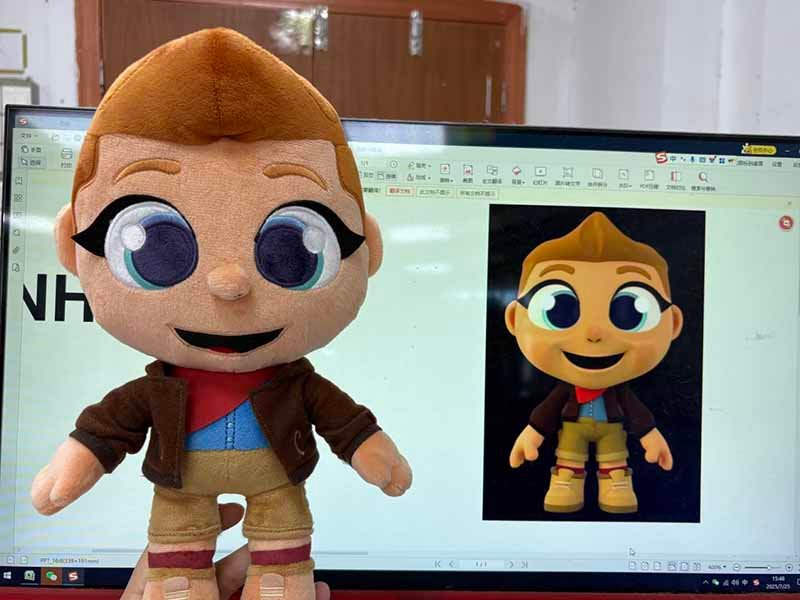
Visual Fidelity
Dimensional Review
Material Verification
Structural Review
Craft Inspection
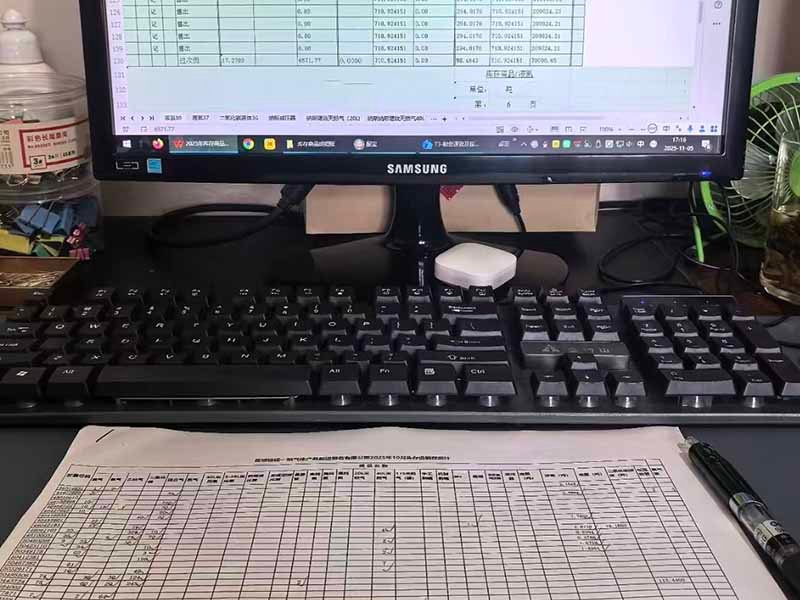
Documentation Check
Safety and Compliance Planning Starts Before Sampling
Age and Market Definition
Structural Risk Review
Material and Component Records
Third-Party Test Preparation
Turn an Approved Sample Into Production Control
Build the Production File Package Around the Golden Sample
- Pattern files: Current head, body, limbs, ears, tail, clothing, accessories, seam lines, pile direction, and turning openings.
- BOM: Main fabric, secondary fabric, filling, thread, embroidery, printing, hardware, plastic parts, electronics, labels, packaging, quantities, specifications, sources, and substitution status.
- Craft files: Approved embroidery program, thread colors, print artwork, appliqué templates, logo dimensions, placement references, and surface-process instructions.
- Measurement standards: Key dimensions, net weight, filling distribution, accessory position, and agreed tolerances.
- Packaging records: Polybag, hangtag, care label, blind box, retail box, gift box, carton quantity, carton marks, barcode, FNSKU, and market-specific information.
- Quality plan: Critical appearance points, dimensional checks, workmanship rules, accessory attachment, function tests, barcode scans, packaging checks, and final-inspection criteria.
Control Bulk Production Against the Approved Baseline
Mass production introduces material batches, multiple operators, repeated processes, packaging versions, and larger quantities. Control must begin before final inspection.
- Incoming material inspection: Compare fabric, filling, thread, hardware, labels, and packaging with approved specifications and retained references.
- First-piece review: Confirm early production pieces against the Golden Sample before the complete order moves forward.
- In-process checks: Monitor cutting direction, embroidered panels, printed pieces, sewing, filling, accessories, functions, SKU separation, and packaging flow.
- Critical-feature control: Give additional attention to face shape, eye position, mouth angle, garment fit, hardware attachment, weighted insert closure, electronic function, and copyright information.
- Final inspection: Check appearance, measurements, workmanship, quantities, functions, labels, barcodes, packaging, carton information, and shipment readiness under the agreed inspection plan.
- Repeat-order baseline: Retain current files, approved samples, material references, packaging records, and previous production data. Every reorder begins by confirming the current valid version.
Sample Credits and Additional Cost Conditions
Production Credit Terms
Pufumi does not treat every sample fee as automatically refundable. A credit may be considered when the order reaches the agreed quantity, uses the approved design, proceeds within the stated validity period, and meets the commercial terms written in the quotation or PI.
The agreement should specify:
- Exact credit amount
- Required quantity or order value
- Eligible SKU
- Validity period
- Whether credit applies once or across releases
- Conditions that cancel the credit
Separately Charged Costs
- International sample courier
- Third-party laboratory testing
- Custom molds or tooling
- Custom-dyed material development
- Electronic modules
- Packaging dies and printed mockups
- Added SKUs
- New market versions
- Rush procurement
- Major redesign after approval
Quote Validity and Changes
Material prices, supplier MOQs, production schedules, exchange rates, packaging requirements, and shipping rates can change. A sample quotation should state its currency, validity period, payment terms, scope, deliverables, exclusions, and timeline assumptions.
A new quotation may be needed when the project changes in ways that affect:
- Dimensions or structure
- Materials or colors
- Product functions
- SKU count
- Packaging
- Target age or market
- Testing requirements
- Expected bulk quantity
- Delivery deadline
Plush Sample Cost Planning Scenarios
Licensed Mascot Program
Planned order: 1,200 pcs
Product: 25 cm licensed mascot
Sample path: V1, one revision, PPS, Golden Sample
The brand supplied front and side artwork, Pantone references, an outfit guide, and copyright-line requirements. Main development work covered facial proportion, layered clothing, embroidery mapping, tail support, and a retail hangtag.
A low-cost appearance prototype alone would not have answered the production questions. The program required formal material confirmation, approved embroidery, garment-fit review, and a PPS using the intended label and packaging direction.
Cost drivers:
- 28 pattern pieces
- Four fabric types
- Three embroidery areas
- Layered removable-looking clothing fixed for production
- Licensor approval after V1 and PPS
- Retail hangtag and care label
Collectible Charm Series
Planned order: 6,000 pcs across six SKUs
Product: 10 cm plush bag-charm collection
Sample path: Hero SKU, shared-body approval, five secondary samples, full-series review
Six characters shared one sitting-body platform, one clasp specification, one filling direction, and a common package structure. Faces, ears, colors, accessories, and embroidery files remained unique.
Developing all six complete samples at once would have repeated any early error across the collection. The first Hero SKU established overall scale, body construction, hanging angle, seam allowance, hardware reinforcement, and package size.
Cost drivers:
- Six independent face designs
- Shared body and hardware
- Two fabric families
- Six barcodes and character cards
- Weight and hanging-balance control
- Multi-SKU packing separation
Interactive Retail Plush
Region: Europe and United States
Planned order: 3,000 pcs
Product: 30 cm sound-enabled character plush
Sample path: Engineering sample, visual revision, PPS, packaging sample, Golden Sample
The audio module affected internal cavity size, speaker location, button access, filling distribution, total weight, care labeling, and carton protection. Engineering began before final facial approval because a late module change would have altered the body pattern.
Cost drivers:
- Sound module and audio-file setup
- Internal cavity and wiring protection
- Button and speaker placement
- Function inspection before and after closing
- Multi-market labels
- Retail box with internal support
Planning result: Product engineering, visual approval, packaging, and compliance preparation were quoted as connected but separate workstreams, giving the procurement team a clearer cost and schedule structure.
Development Capacity Behind Every Pufumi Sample
Established Factory Foundation
Experienced Development Team
Dedicated Sample Workflow
Connected Quality Resources
Frequently Asked Questions
No single price applies to every design. Basic public market references may begin around USD 100-300, while detailed prototypes, multi-stage engineering, electronics, packaging, and full development programs cost more. Pufumi prepares a project-based quotation after reviewing artwork, dimensions, materials, SKU count, functions, packaging, target market, approval process, and expected bulk quantity.
A sample carries one-time development work that is spread across many units during mass production. Pattern creation, small-volume sourcing, embroidery setup, manual sewing, filling, shaping, internal review, documentation, and revisions may all be performed for one prototype. Bulk production uses approved files, prepared materials, repeated operations, and production-line efficiency.
Included work depends on the quotation. A defined Pufumi scope may cover engineering review, pattern development, selected materials, craft setup, one sample version, internal inspection, photographs, videos, and specified revision work. International courier, laboratory testing, custom molds, packaging samples, special materials, electronics, and added SKUs may be quoted separately.
The included revision count is confirmed in the quotation. Normal refinement within the approved scope can be separated from execution corrections, new requirements, licensor changes, new materials, new sizes, added functions, or redesigned packaging. Every revision should have a written brief identifying requested changes, affected files, responsibility, additional cost, and revised timing.
Pufumi’s internal reference is 7-12 working days for standard samples and 12-20 working days for complex samples. Multi-SKU sample groups are commonly assessed within 15-30 working days, while electronic-function samples may require 20-35 working days. Timing starts after required information, sample conditions, and key material direction are confirmed.
Physical shipping is included only when written into the quotation. Courier cost depends on destination, sample quantity, dimensions, weight, packaging, and service level. Large plush, multi-SKU sets, retail boxes, weighted products, and electronic samples can cost considerably more to ship than one compact prototype.
A credit may apply when written conditions are met, but it is not automatic. The quotation or PI should state the credit amount, required order quantity, eligible SKU, validity period, and exclusions. Courier, testing, molds, special materials, packaging tooling, and external supplier expenses may remain separate.
Some engineering can be shared when SKUs use a common body, material family, hardware, filling, label format, or packaging structure. Unique faces, patterns, garments, accessories, colors, embroidery files, functions, barcodes, and package artwork still require separate work. Pufumi maps shared and independent development before preparing the sample plan.
No. A prototype mainly checks design interpretation, volume, proportion, structure, and initial material direction. A pre-production sample should use formal or near-formal materials, crafts, labels, components, and packaging. A prototype should not release bulk production unless its scope and configuration already satisfy formal production requirements.
Provide front, side, and back artwork when available; target dimensions; SKU count; expected bulk quantity; material direction; colors; logo or embroidery files; accessories; functions; packaging; target age; sales markets; approval process; and required arrival date. Pufumi can begin with incomplete artwork, but assumptions and missing inputs may limit quotation accuracy.
Trust, Compliance & Production Assurance
Confidence for global brands and complex plush programs
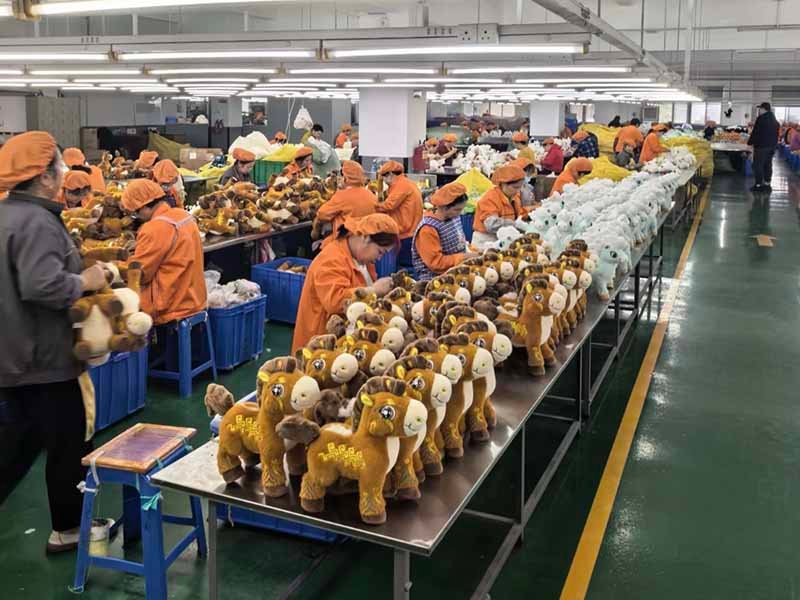
Pufumi evaluates each project according to its target market, age grade, materials, construction, labeling, and packaging requirements. Depending on the assigned production site and project scope, our team can support ISO 9001 quality-management documentation and coordinate testing to EN71, ASTM F963, CPSIA, REACH, and other applicable standards. Factory audits, certifications, and test reports are verified by issuing body, validity period, facility, and product scope, giving brands greater transparency from sample development through controlled production and delivery.












Get a Project-Based Plush Sample Quote
A useful sample quotation begins with enough information to define what must be developed, reviewed, revised, shipped, tested, and prepared for production. Send your artwork, target size, number of SKUs, material direction, accessories, functions, packaging expectations, target age, sales markets, expected bulk quantity, approval contacts, and required warehouse arrival date. Front, side, and back views provide the strongest starting point, although Pufumi can review a front-view concept and identify missing engineering information.
Submitted files are used for project evaluation, quotation, sample development, production preparation, testing coordination, packaging, delivery, and repeat-order management. Unreleased characters, licensing files, packaging concepts, and commercial briefs should be sent through the controlled upload route. Pufumi only develops original, owned, or properly authorized characters and brand assets.
Please include:
- Company name and website
- Contact name and business email
- Product category and intended use
- Artwork or 3D reference
- Target dimensions
- Number of designs and colorways
- Expected quantity per SKU
- Materials and handfeel direction
- Accessories or electronic functions
- Packaging format
- Target age and markets
- Required arrival date
- Sample objective and approval process
- NDA requirement