
Plush Design Development for Established Brands | Pufumi
Turn character artwork, 3D models, and product concepts into approved plush products engineered for repeatable, retail-ready manufacturing.
- 58+ designers, pattern engineers, and sample specialists support character interpretation, structure development, and prototype refinement.
- Standard plush samples are commonly planned within 7–12 working days after files, materials, and sample terms are confirmed.
- Complex character samples are commonly planned within 12–20 working days, depending on clothing, accessories, fabrics, and approval depth.
- Core plush programs are generally assessed from 500 pieces per SKU, with higher starting quantities for complex or small-format products.
What Plush Design Development Really Includes
Plush development converts visual ideas into defined materials, patterns, samples, production files, and approval standards that manufacturing teams can repeat consistently across production and replenishment.
From Creative Asset to Manufacturable Product
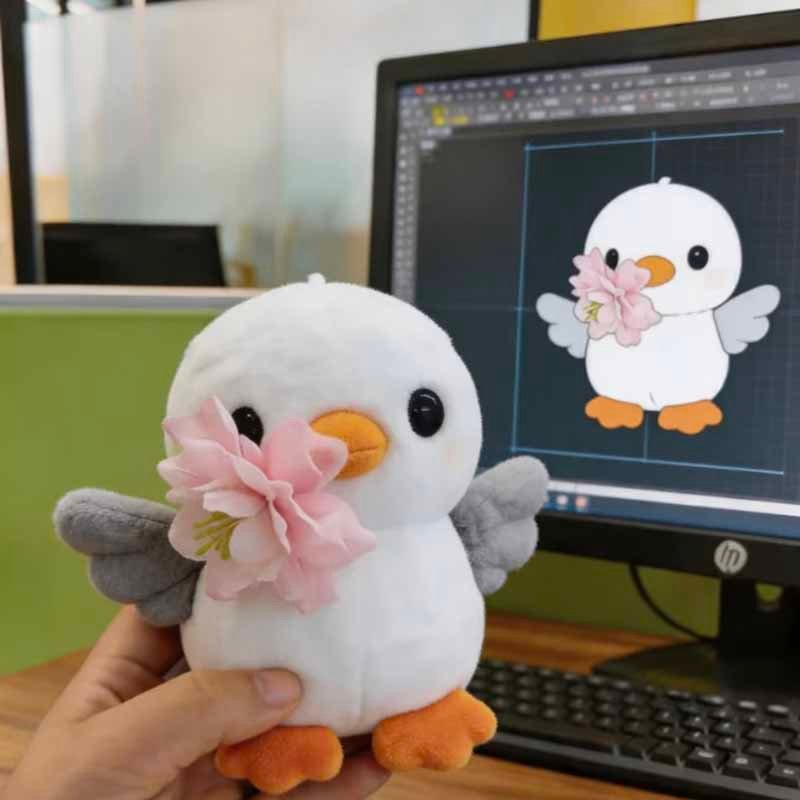
A finished illustration may show the front of a character beautifully while leaving the side depth, back construction, seam routes, filling distribution, fabric direction, accessory attachment, and manufacturing tolerance undefined. Plush design development closes those gaps. The work begins by identifying the features that carry recognition: silhouette, head-to-body ratio, facial landmarks, posture, costume, colors, and signature accessories. Engineers then interpret how each feature can be expressed with soft materials and repeatable production methods.
Graphic design defines appearance. Plush interpretation defines how the appearance becomes a soft three-dimensional object. Pattern engineering divides the form into cuttable panels, establishes seam allowances, assigns fabric direction, and plans turning and filling openings. Prototype development tests whether the interpretation works in physical form. Production engineering freezes the approved materials, dimensions, embroidery files, filling ranges, construction notes, and quality points needed for bulk manufacturing.
A strong development process does not promise mechanical duplication of every line in a drawing. Thin fingers, sharp corners, tiny text, floating ornaments, or layered hair may require controlled enlargement, embroidery, appliqué, printing, internal support, or selective simplification. The goal is to preserve character identity while creating a product that can be sewn, filled, inspected, packed, replenished, and reproduced across future orders. Every approval therefore produces a more complete manufacturing definition.
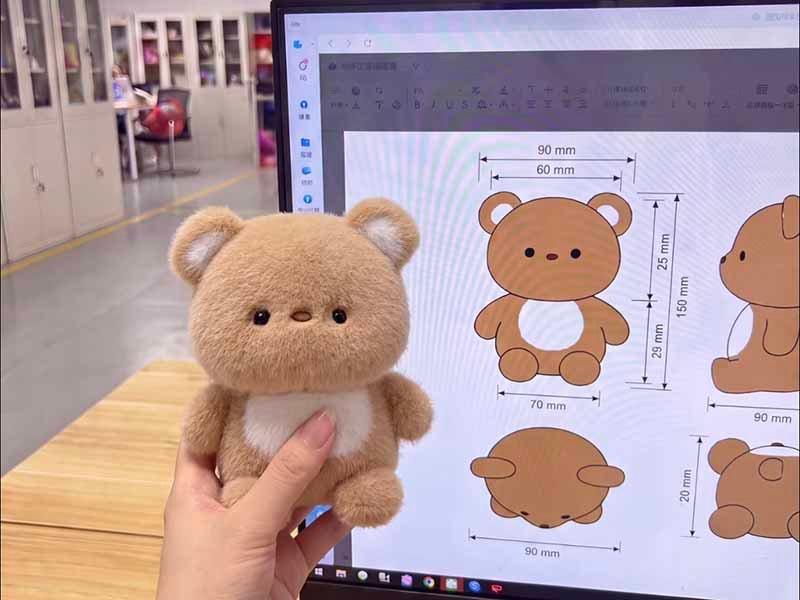
Built for Established Plush Product Teams
IP and Entertainment
Toy and Collectibles
Lifestyle and Retail
Design and Product Studios
Start With the Files You Already Have
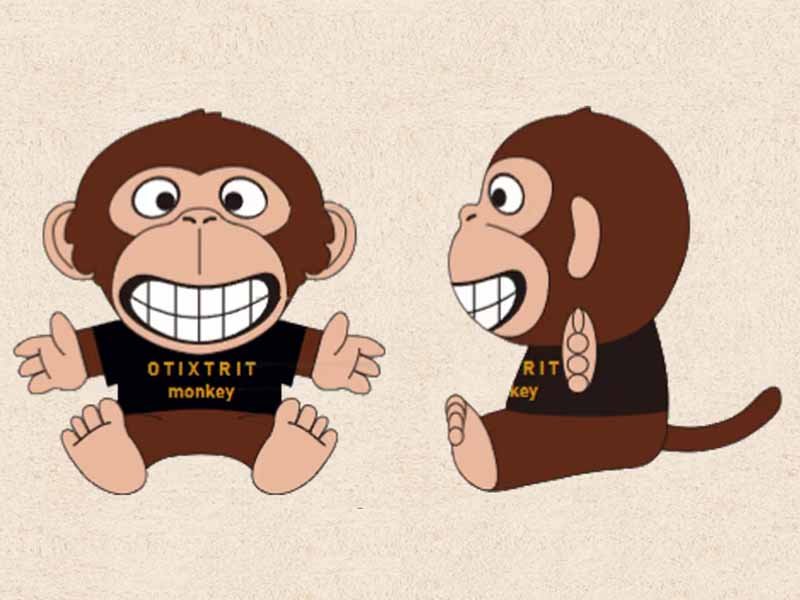
Character Artwork
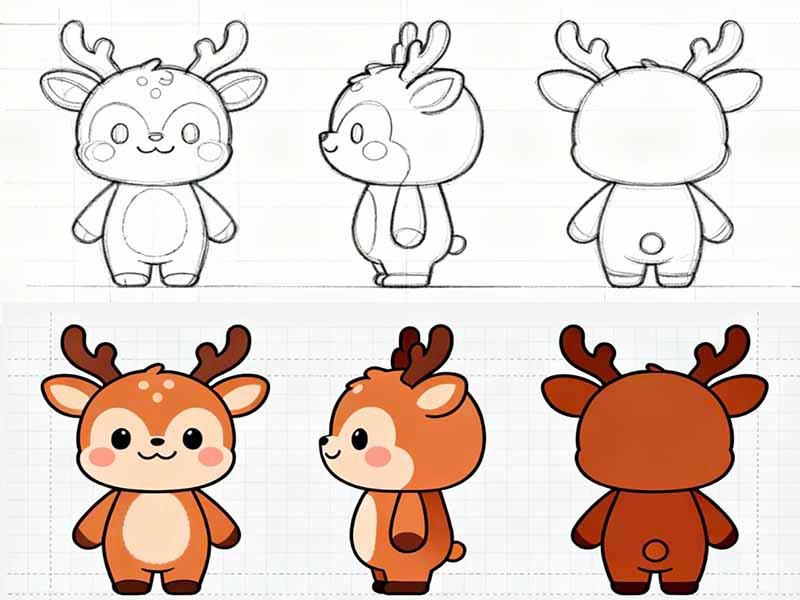
Turnaround Views
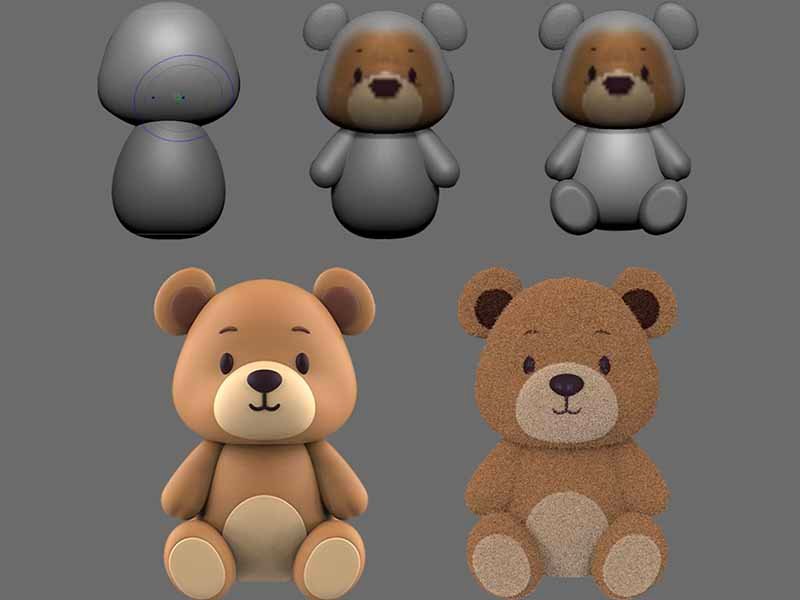
3D Models
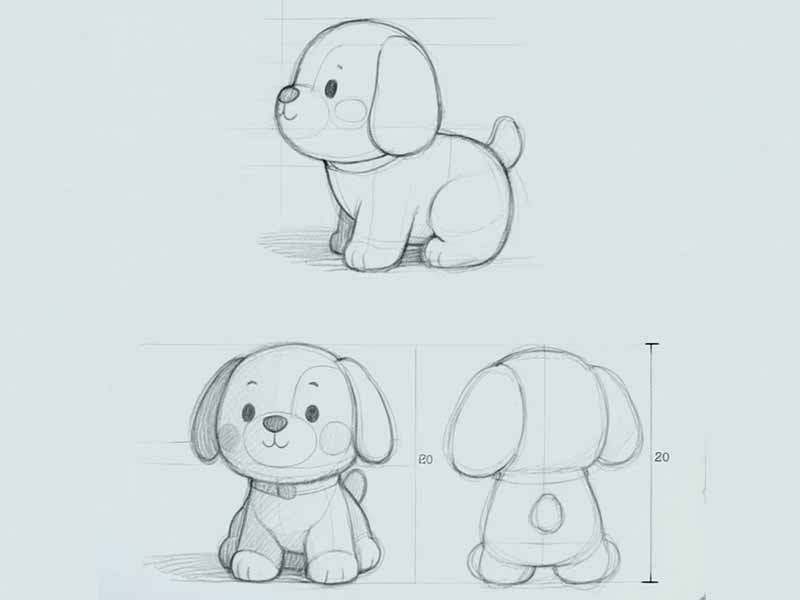
Concept Sketches
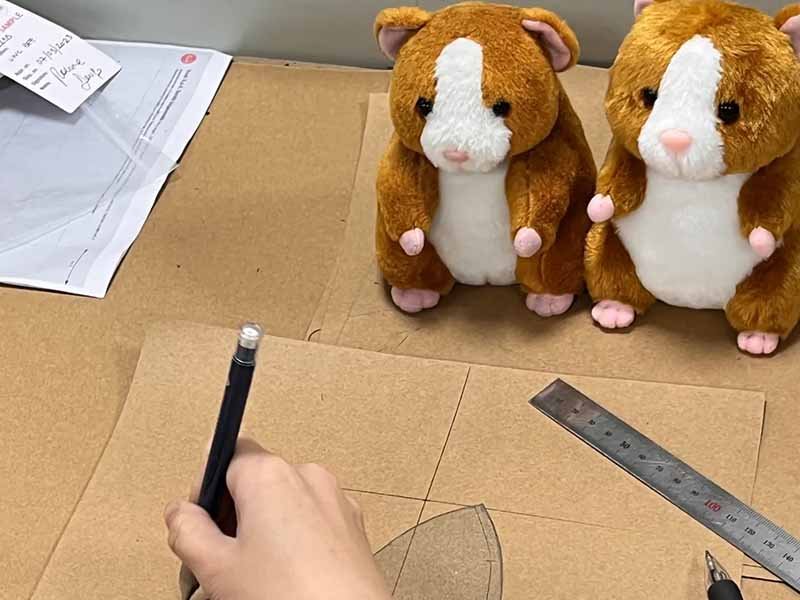
Existing Samples
Commercial Brief
Choose the Right Development Responsibility
OEM Execution
- Best for mature product specifications
- Brand retains design ownership
- Engineering changes require approval
- Deliverables focus on execution and repeatability
- Best when approval standards already exist
- Files should already define market and packaging
- Scope changes are quoted separately
Co-Development
- Best for most character programs
- Decisions are shared and documented
- Pufumi leads manufacturing engineering
- Brand controls identity and final release
- Revision decisions remain traceable
- Material and structure options are compared
- Approval ownership stays with the brand
ODM Development Support
- Best for broader product creation
- Scope requires a defined design brief
- Ownership terms are agreed in writing
- Final decisions remain with the commissioning brand
- Commercial and design ownership stay documented
Plush Formats Engineered Around Commercial Use
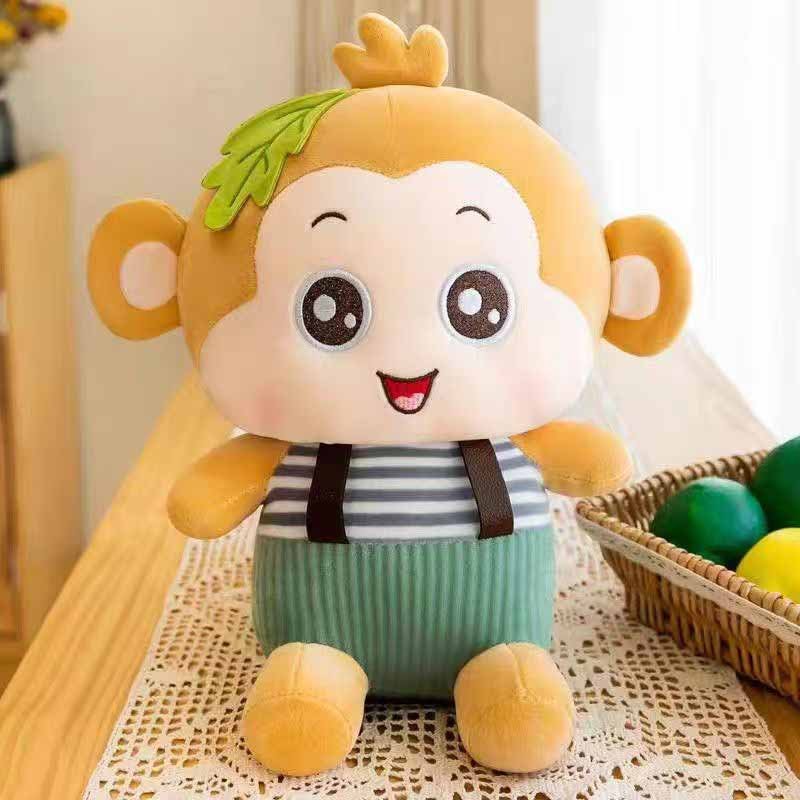
Core Character Plush
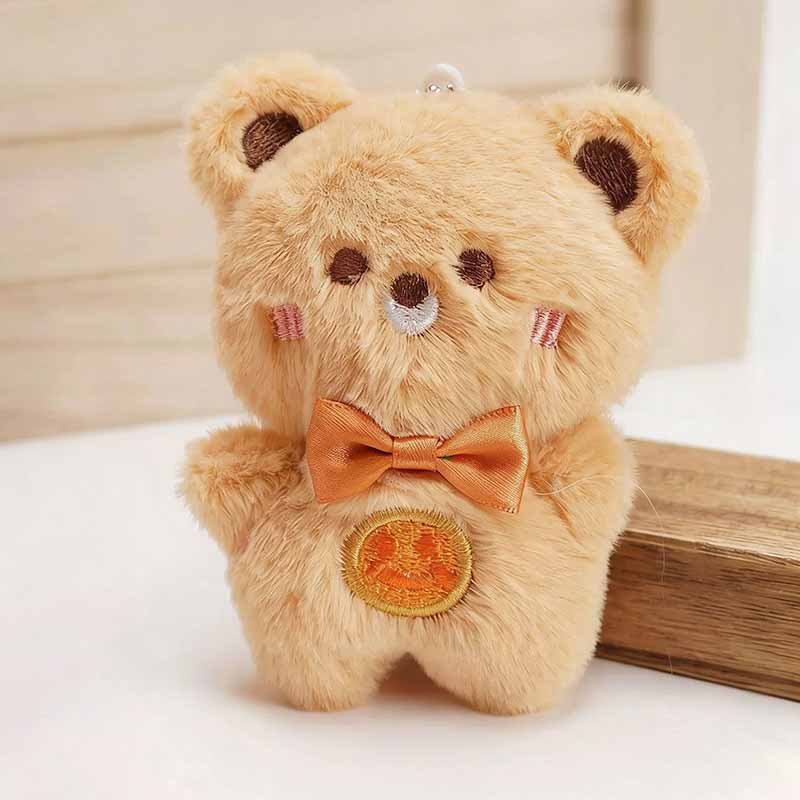
Mini Collectible Plush
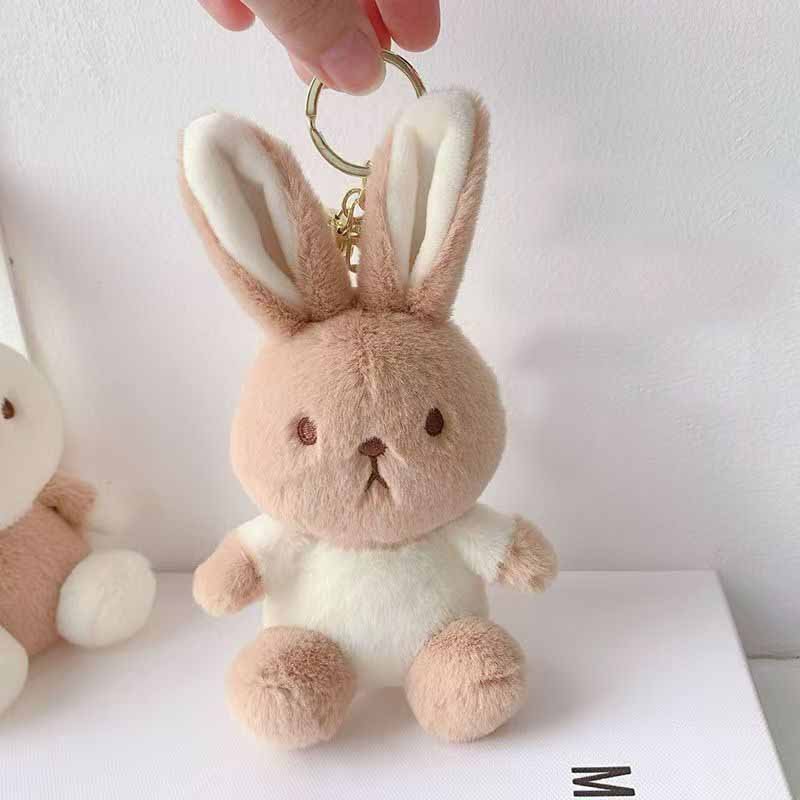
Plush Keychains
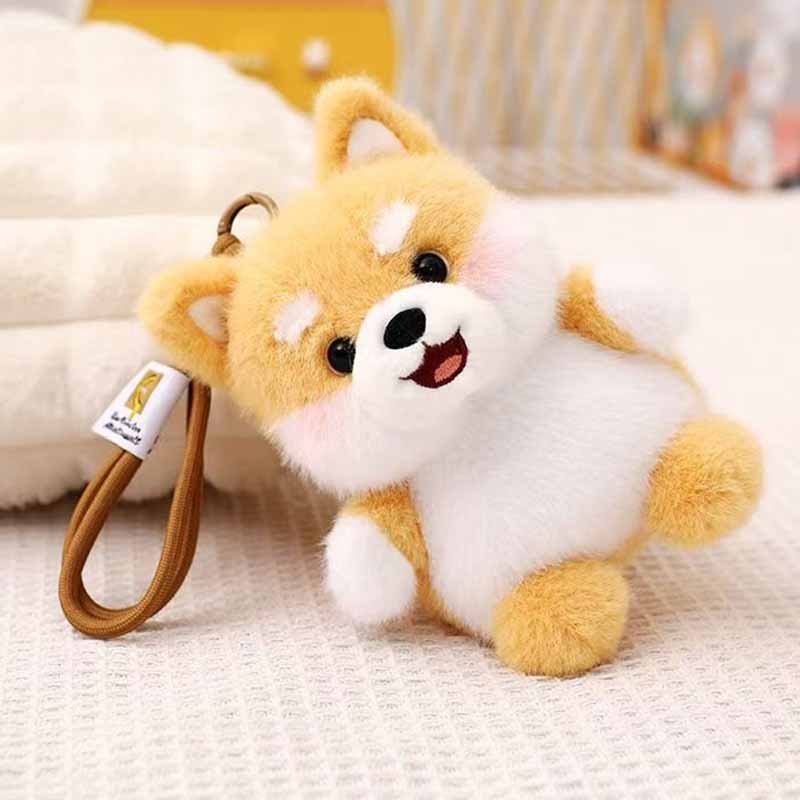
Plush Bag Charms
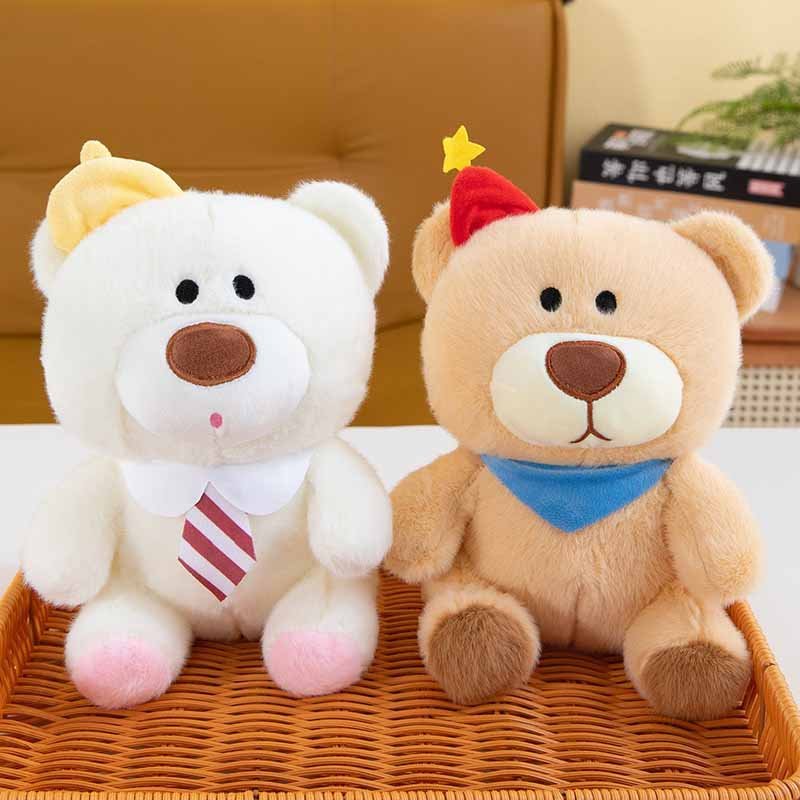
Mascot Plush
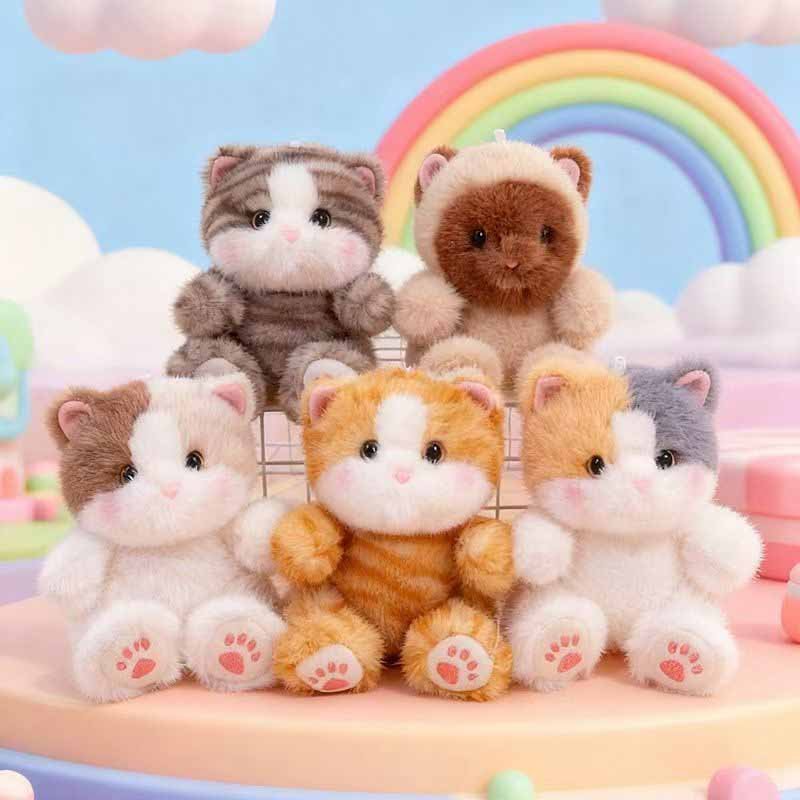
Multi-SKU Collections
Feasibility Review Before Pattern Cutting Begins
Design Feasibility
Structural Feasibility
Material Feasibility
Craft Feasibility
Cost Feasibility
Schedule Feasibility
Packaging Feasibility
Compliance Feasibility
Translating Two-Dimensional Art Into Plush Form
Engineering interpretation protects recognizable features while defining volume, seams, materials, filling, surface techniques, and construction choices that a production team can reproduce consistently at scale.
Build a Controlled Plush Interpretation
Pufumi begins by marking the character’s recognition hierarchy. Primary elements usually include the outer silhouette, head-to-body ratio, eye spacing, mouth angle, dominant color blocks, posture, and one or two signature details. Secondary textures, tiny symbols, individual fingers, sharp hair points, and narrow costume lines are evaluated against final size and manufacturing stability.
Depth is then assigned to the head, muzzle, torso, limbs, ears, wings, hair, tail, and clothing. The team considers how seam curvature and filling pressure will change the profile. A flat round face may become too spherical after stuffing; a narrow neck may not support a large head; a dramatic side accessory may rotate the body when the item hangs. These effects are addressed before the first sample whenever the asset provides enough information.
Construction language is selected feature by feature. Embroidery works well for facial lines and compact logos. Appliqué can preserve larger color blocks but adds seam thickness. Printing may capture gradients or fine graphics but must remain correctly positioned after sewing and filling. Separate fabric panels create strong dimensional color changes, yet excessive panel counts increase distortion and labor. Internal support may stabilize a pose, while soft filling may be preferred for an embraceable product.
For complex work, a Plush Interpretation Sheet records views, thickness assumptions, dimensions, fabric directions, technique decisions, filling zones, attachment methods, and protected features. The document gives both sides a common review basis before pattern cutting begins.
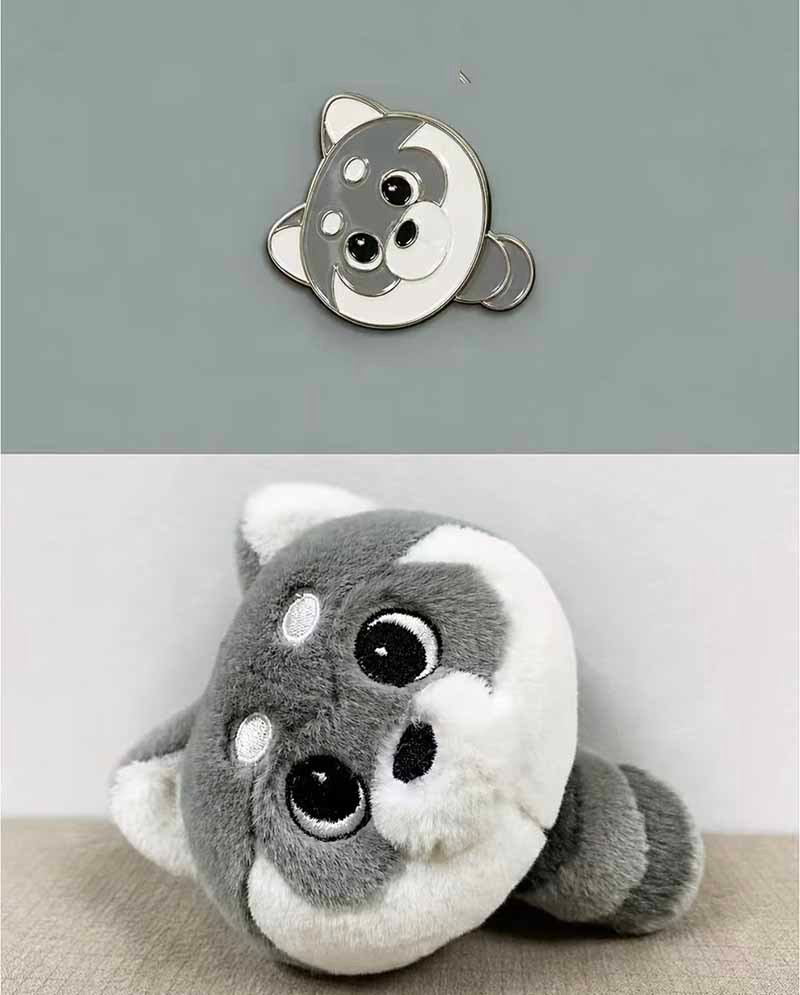
Character Fidelity Built on Measurable Features
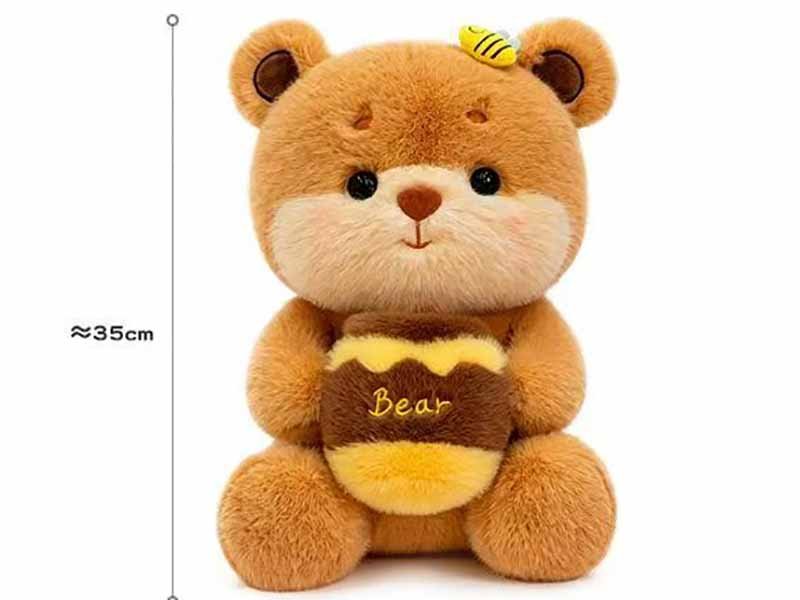
Silhouette and Proportion
- Head-to-body relationship
- Overall width and height
- Limb and accessory angles
- Sitting, standing, or hanging balance
- Front and side photo comparisons
- Approved dimensional checkpoints
- Compare posture after filling and grooming
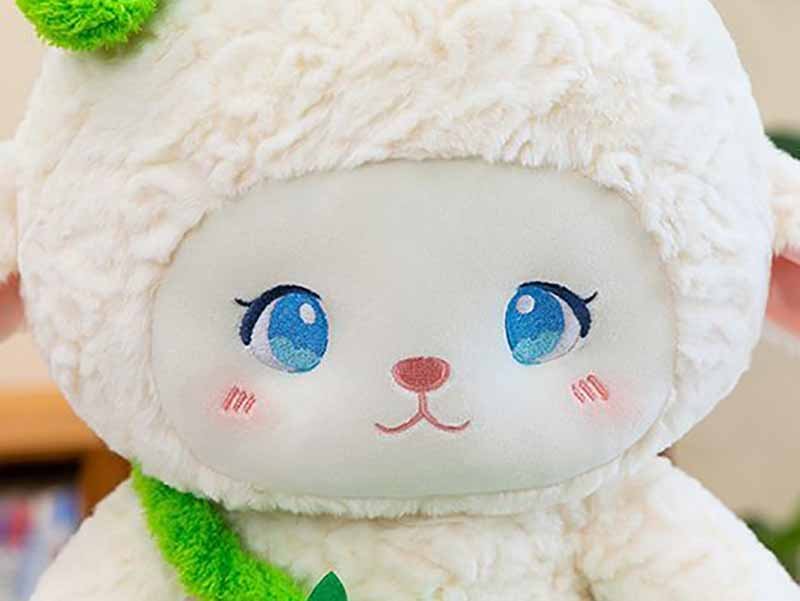
Facial Geometry
- Eye and pupil position
- Mouth size and expression
- Face symmetry
- Filling pressure around features
- Measured landmark references
- Review under consistent camera angles
- Compare approved front views
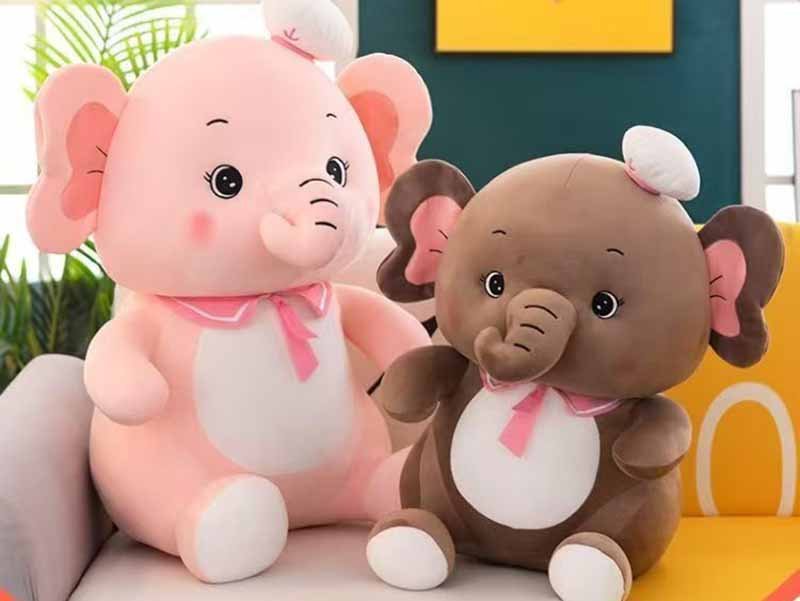
Color and Surface
- Fabric and thread coordination
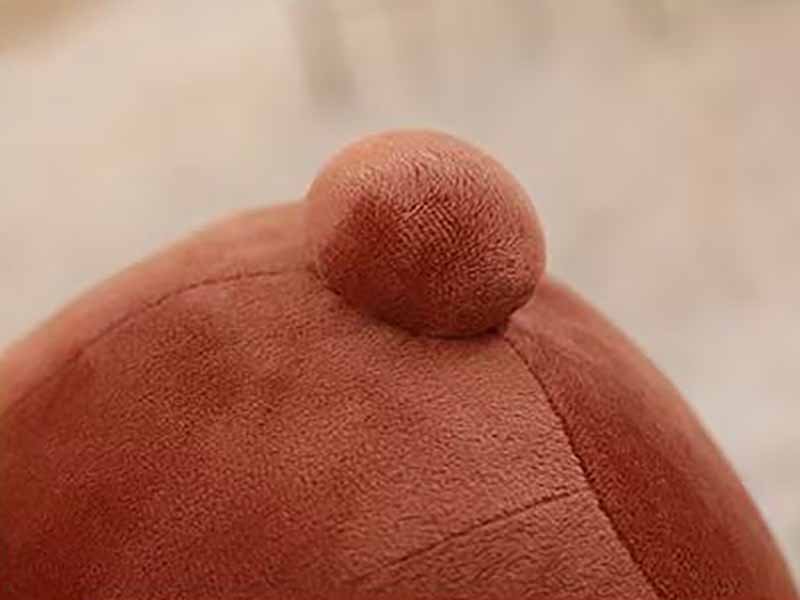
- Pile direction control
- Print or embroidery coverage
- Batch and SKU allocation
- Physical swatch approval
- Color review under agreed lighting
- Compare front and reverse pile direction
Signature Details
- Protected character features
- Attachment and reinforcement
- Size-based simplification
- Packaging protection
- Orientation and placement checks
- Approved accessory scale references
- Preserve a signed visual standard
Pattern and Structure Engineering for Repeatable Production
Pattern Architecture Defines the Soft Form
Pattern engineering begins by dividing a three-dimensional concept into panels that can be cut, identified, sewn, turned, filled, and inspected. Every panel needs a code, material, color, pile direction, quantity, left-or-right designation, seam allowance, and applicable SKU. Curved seams are designed to create volume after turning, while darts, gussets, and layered panels control depth and contour.
Panel count must balance visual accuracy with stability. Too few pieces can flatten complex anatomy or force embroidery across curved areas. Too many pieces increase seam thickness, alignment risk, labor, and variation. Small products are especially sensitive because several seam allowances can gather inside a narrow limb or face. Engineers therefore decide where form should come from pattern geometry, filling, embroidery, appliqué, or controlled shaping.
Turning and filling access are planned early. Openings must be large enough for safe turning and controlled filling but positioned where closing stitches will not damage the silhouette. Hair, wings, tails, clothing, and accessories may require subassemblies before the main body is closed. The final sequence is documented so production does not depend on one sample maker remembering an undocumented technique. Pattern grading is not treated as automatic scaling: each size is checked for changed seam thickness, filling pressure, detail visibility, and posture. Pattern revisions carry controlled version codes, and obsolete files are removed from active folders before the next sample or production run begins.
Structural Details Protect Use and Appearance
Structure is reviewed according to how the product will be handled. A shelf collectible may prioritize crisp form and stable sitting. A keychain or bag charm needs a reinforced hanging point and balanced orientation. A large plush needs filling recovery after compression. A weighted product requires contained inner bags, controlled distribution, and reinforced closures. Electronic plush requires protected module space and serviceable or securely closed access according to the design.
High-stress zones include arm, leg, ear, tail, wing, head-to-body, hanging, clothing, and accessory connections. Reinforcement can involve doubled fabric, internal tabs, additional stitching, backing, or redesigned load direction. Hard or decorative parts are evaluated for size, edge condition, attachment, and target age.
Posture depends on more than pattern shape. Center of gravity, foot area, tail support, internal filling, fabric stretch, and accessory weight work together. A design intended to stand may need broader feet or internal support; a seated character may need a revised hip gusset and lower-body filling. These changes are confirmed during engineering samples and frozen before production release. Structural reviews also consider packaging compression, carton orientation, and recovery after unpacking. For products with hardware, weighted inserts, or electronic modules, the internal layout is documented so added components do not create pressure points, imbalance, or unintended access during normal use.
Fabric Selection Based on Product Performance
Pile Length
- Review feature visibility
- Check seam concealment
- Confirm trimming requirements
- Evaluate production consistency
- Confirm grooming after packing
- Review stitch visibility on curves
- Confirm pile recovery after handling
Fabric Weight
- Match scale and structure
- Review seam thickness
- Check light transmission
- Balance cost and handfeel
- Confirm opacity over filling
- Check cutting and turning behavior
Stretch Direction
- Record stretch direction
- Adjust pattern dimensions
- Control filling pressure
- Compare incoming lots
- Preserve directional cutting rules
- Validate dimensional recovery after handling
- Compare sample and production stretch
Surface Sheen
- Review under multiple angles
- Compare thread and print
- Control pile orientation
- Approve a physical reference
- Check retail photography appearance
- Compare color under store lighting
Embroidery Compatibility
- Test on final substrate
- Check facial landmarks
- Review puckering and coverage
- Freeze file and thread codes
- Recheck after filling
- Confirm backing and thread tension
Supply Stability
A beautiful fabric is unsuitable for an ongoing program if color, width, backing, pile, or supplier availability cannot be repeated. Material records include supplier, code, lot, approved use, substitution status, and reorder notes. Custom-dyed or specialty materials require additional timing, purchase quantities, and lot planning.
- Confirm sampling availability
- Review production quantity
- Preserve approved swatches
- Plan future replenishment
- Record approved alternatives
- Link every material to its SKU
- Preserve source and lot records
Surface Crafts Designed for Scale and Inspection
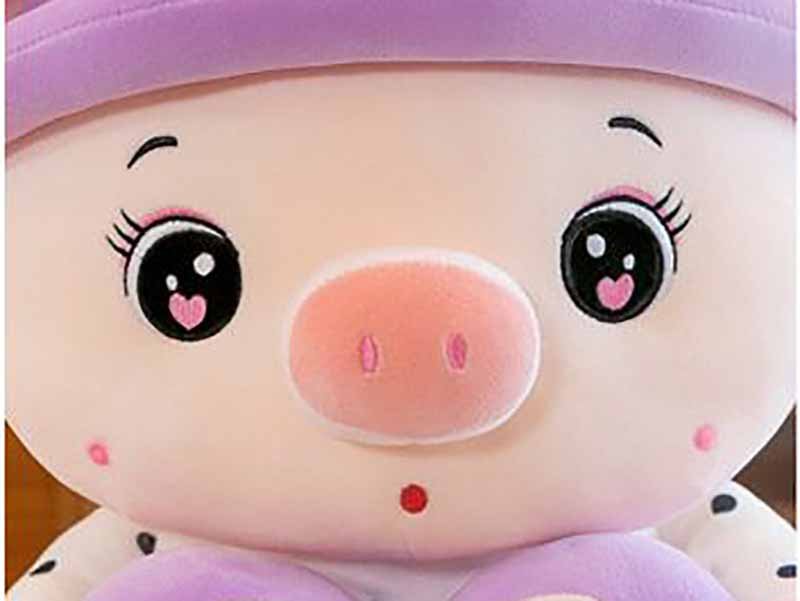
Facial Embroidery
- Approve on final fabric
- Link to facial landmarks
- Check filled-head position
- Assign unique version codes
- Retain approved stitch samples
- Check expression after final shaping
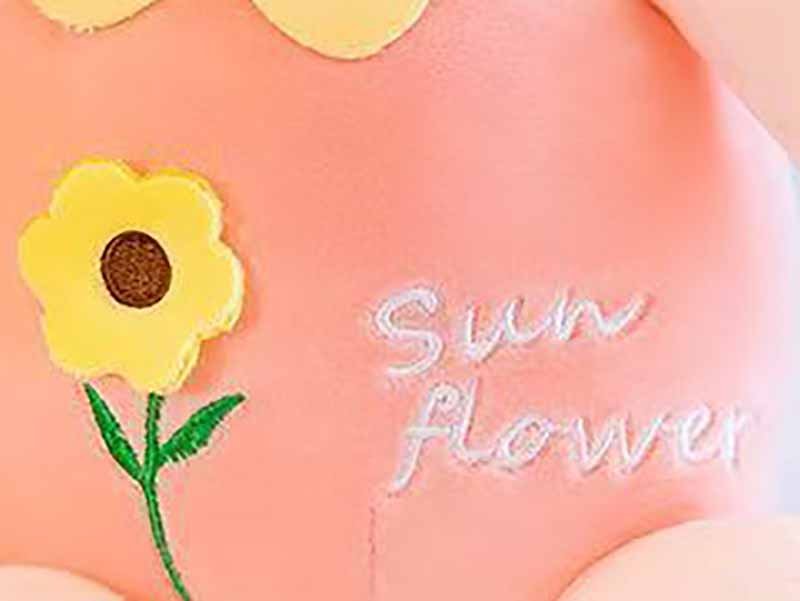
Logo Embroidery
- Protect brand proportions
- Test minimum line width
- Verify thread colors
- Inspect final placement
- Recheck on curved surfaces
- Confirm legibility at viewing distance
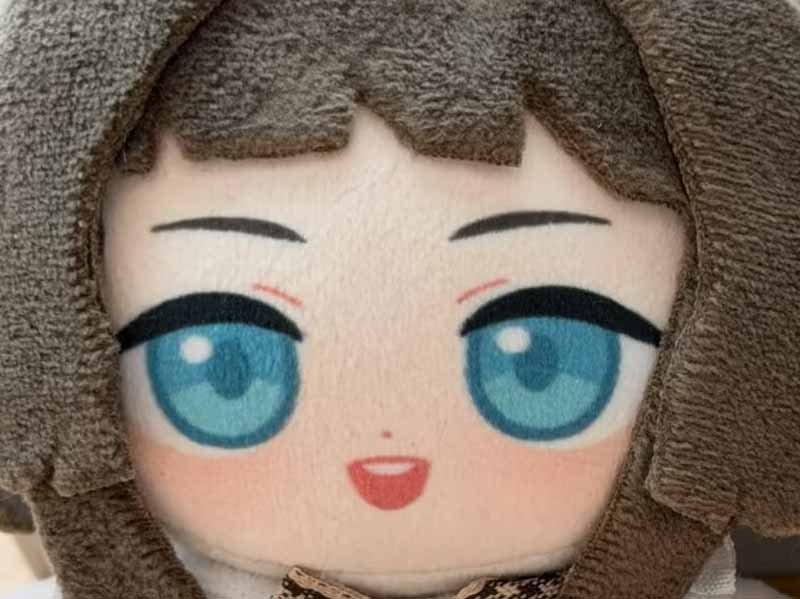
Printing Methods
- Match process to fabric
- Control registration and scale
- Review color after heat
- Preserve batch references
- Confirm rub and handling needs
- Inspect print alignment after sewing
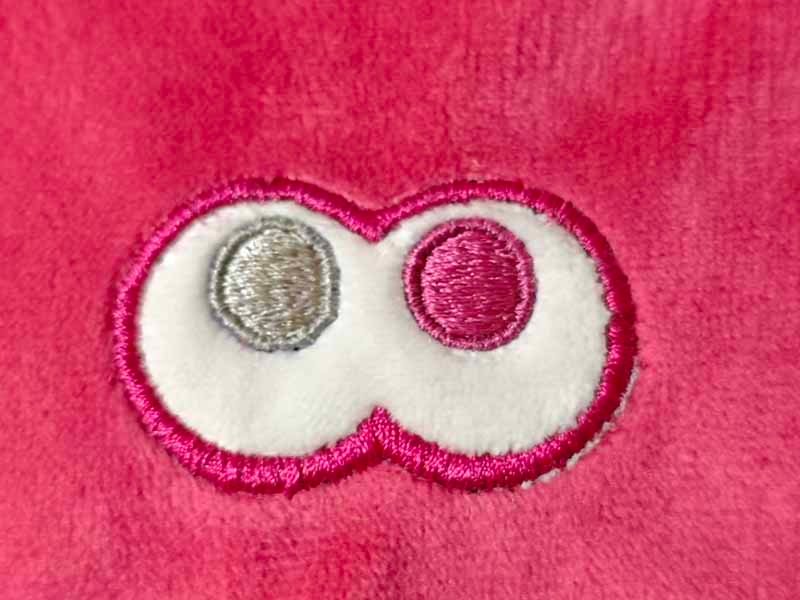
Applique and Layering
- Limit unnecessary layers
- Control edge finishing
- Review seam buildup
- Mark placement tolerances
- Inspect layer alignment
- Confirm flexibility around curved seams
- Check edge durability after handling
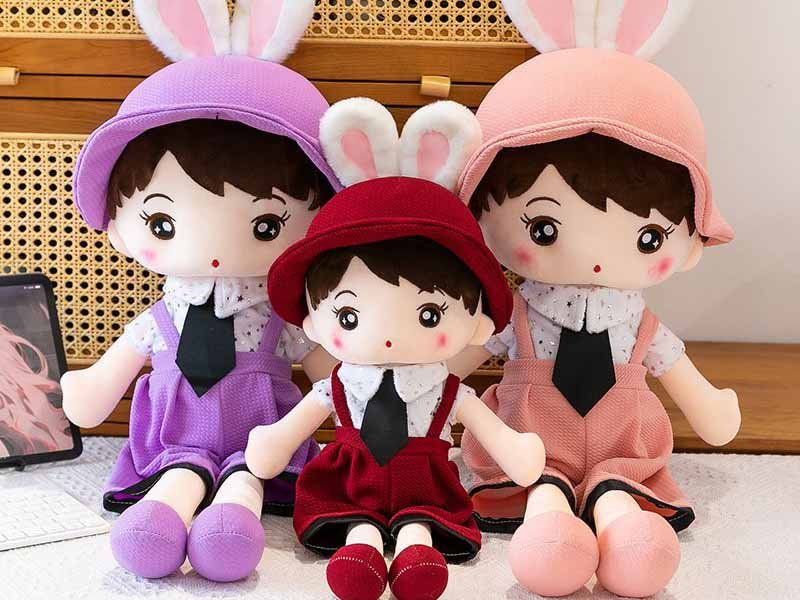
Clothing Construction
- Verify fit on Golden Sample
- Define fixed or removable parts
- Control logo position
- Check packaging recovery
- Define pressing or grooming steps
- Check garment symmetry after filling
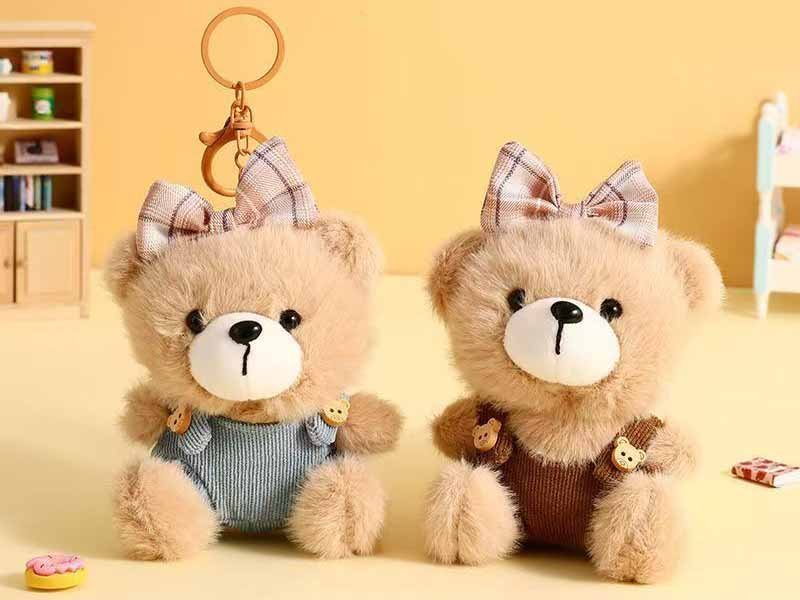
Hardware and Accessories
- Document attachment method
- Reinforce load zones
- Inspect surface finish
- Protect during packing
- Verify component lot identity
- Confirm attachment with the final substrate
- Inspect contact areas after packing
Sewing and Filling Controls Behind Every Shape
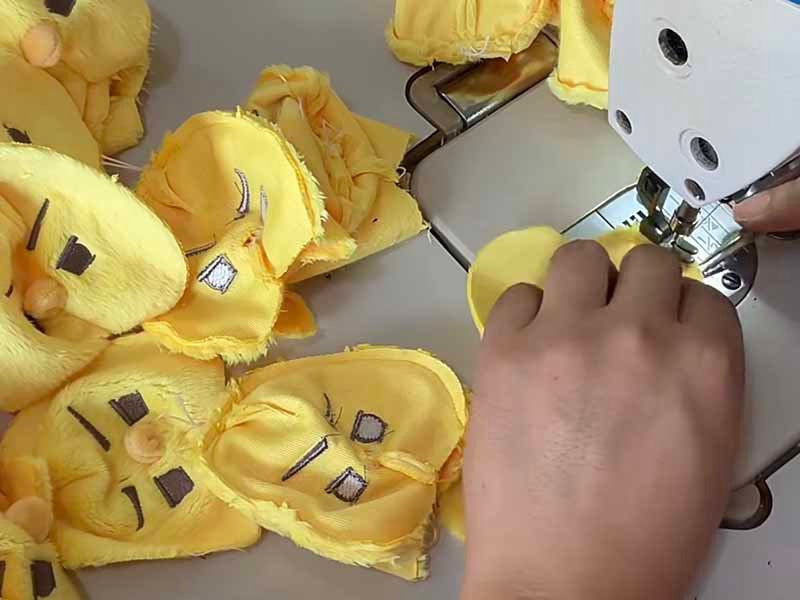
Sewing Sequence
- Confirm subassembly order
- Identify left and right parts
- Protect embroidered surfaces
- Define turning openings
- Record critical operator checks
- Photograph first-piece assembly references
- Maintain line-side visual instructions
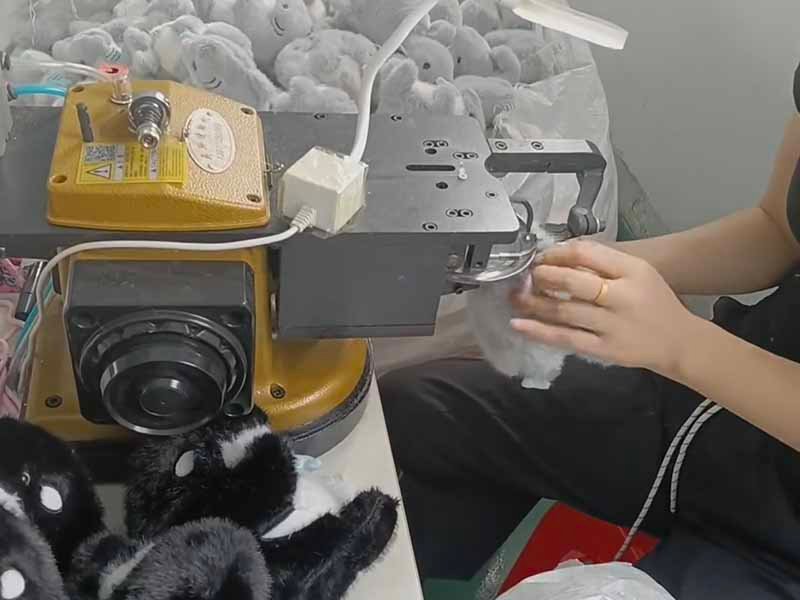
Seam and Reinforcement
- Inspect seam allowance
- Check skipped or broken stitches
- Reinforce high-load points
- Isolate cracked seams
- Verify closure reinforcement
- Compare high-stress points with approved samples
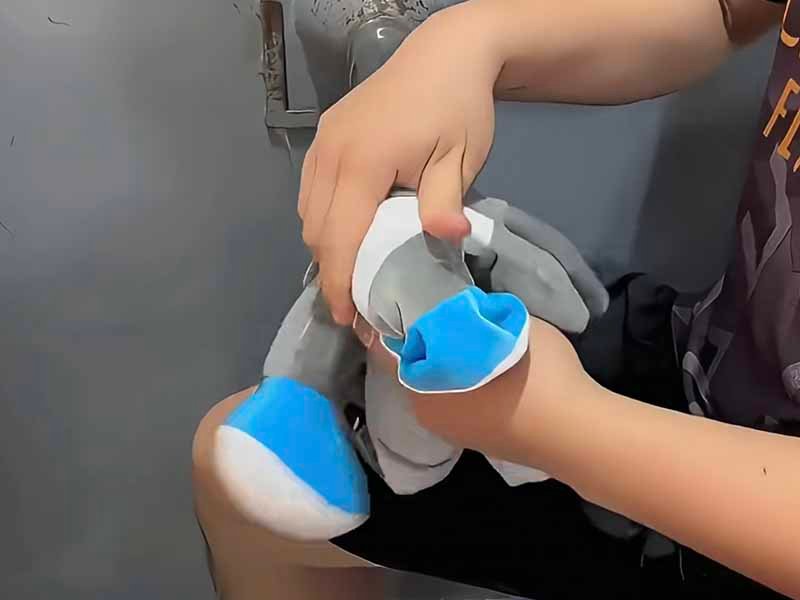
Filling Distribution
- Record filling ranges
- Define regional distribution
- Compare symmetry and posture
- Control reorder handfeel
- Retain weight references
- Check balance in the intended posture
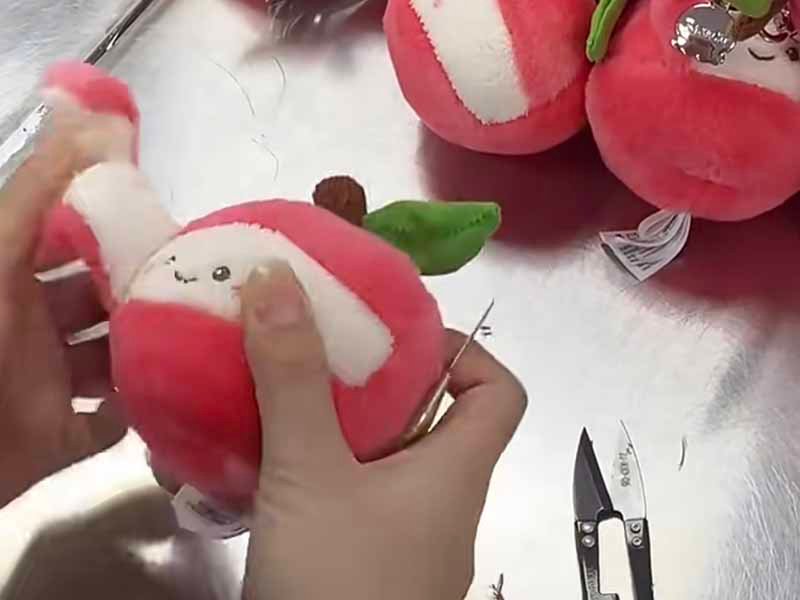
Shaping and Closure
- Restore approved expression
- Check closure appearance
- Groom pile direction
- Confirm final dimensions
- Inspect after compression recovery
- Confirm clothing and accessory orientation
- Compare final silhouette from multiple views
Sample Stages and Their Approval Purpose
Each sample version answers a different engineering question; only a properly approved production reference, linked to final files, materials, and quality criteria, should release packaging and bulk manufacturing.
| Sample Stage | Primary Purpose | Material Status | Main Approval Question | Production Relevance |
| V1 Prototype | Validate silhouette, volume, posture, and design direction | Final or comparable materials | Is the overall interpretation correct? | Not suitable for bulk release |
| Revision Sample | Correct expression, proportion, structure, fabric, and details | Increasingly close to final | Were agreed changes executed correctly? | Supports further engineering decisions |
| Engineering Sample | Validate difficult construction, attachments, filling, or function | Controlled engineering materials | Can the structure be produced and inspected? | Defines critical process methods |
| Pre-Production Sample | Verify final BOM, crafts, labels, and packaging direction | Intended bulk materials and methods | Is the program ready for production preparation? | Required for formal release on many programs |
| Golden Sample | Establish the final approved appearance and quality reference | Frozen approved specification | What exact standard must bulk follow? | Used for production, QC, claims, and reorders |
Revision Control Without Lost Feedback or Versions
Annotated Feedback
- Use numbered callouts
- Separate required and optional changes
- Identify protected features
- Confirm the intended visual result
- Record who approved the comment
Revision Brief
- One brief per version
- One owner per action
- Cost and timing impacts recorded
- Closure evidence attached
- Confirm dependencies before sampling
- Prevent one correction from creating another defect
Version Naming
- Current version clearly marked
- Old files access-controlled
- Sample tags match records
- Production uses released files only
- Keep sample tags synchronized
- Record the release date and approver
Change Responsibility
- Execution correction
- Design refinement
- New scope or feature
- Approval-driven change
- Update cost and timing consequences
- Reconfirm affected files and approvals
- Close only after visible verification
Typical Development Timing by Project Complexity
Timing begins after required files, sample terms, and material direction are confirmed; approval speed, design complexity, special sourcing, packaging, testing, factory loading, and holidays can extend the critical path.
| Development Scope | Typical Planning Range | Main Variables |
|---|---|---|
| Standard plush sample | 7–12 working days | Clear structure, standard material, moderate size, no complex clothing or electronics |
| Complex character sample | 12–20 working days | Detailed costume, multiple accessories, special posture, long pile, trimming, or high fidelity review |
| Multi-SKU sample group | 15–30 working days | Number of unique patterns, shared bodies, shared materials, and approval sequence |
| Electronic plush sample | 20–35 working days | Module confirmation, internal space, battery structure, function checks, and safety review |
| Packaging sample | 7–15 working days | Structural mockup, tooling, print proof, insert, retail text, and supplier schedule |
| Typical bulk production planning | 25–45 days after release | Quantity, materials, sewing complexity, packaging, production load, and inspection plan |
From Approved Sample to Controlled Bulk Production
Freeze the Product Definition Before Scaling
An approved sample is valuable only when its decisions are converted into controlled production information. Pufumi links the Golden Sample to pattern versions, panel lists, material codes, colors, pile directions, embroidery and print files, filling specifications, finished dimensions, tolerances, attachment methods, clothing details, labels, packaging, and quality checkpoints. A photograph alone cannot define handfeel, internal construction, seam allowance, filling distribution, or material lot.
Before release, project, engineering, sourcing, production, quality, and packaging roles review the same package. The meeting confirms which version is current, where difficult workmanship occurs, which features carry character identity, what incoming materials require comparison, which points need first-piece approval, and how exceptions are escalated. Known risks remain visible rather than being hidden inside informal messages.
The release file also identifies measurable landmarks, acceptable tolerances, inspection methods, and the person responsible for disposition when a result falls outside the approved range. A final release checklist confirms that every active file points to the same approved SKU and market version. Materials and packaging are not changed for convenience after approval. When a supplier discontinues a fabric, a color lot differs, or a component lead time threatens delivery, Pufumi prepares a controlled substitution review covering appearance, handfeel, dimensions, cost, timing, test implications, and reorder impact. Approval is recorded before the alternative enters production.
Release Gates Prevent Premature Manufacturing
A program moves through readiness states rather than entering production because a purchase order exists. Required gates commonly include order confirmation, deposit, approved PPS or Golden Sample, frozen BOM, released production files, approved packaging, material readiness, production schedule, and confirmed QC criteria. A prototype or an unapproved photograph does not release bulk manufacturing.
First-piece confirmation verifies that production equipment, operators, panels, embroidery, sewing, filling, and assembly reproduce the approved method. Process inspection then checks for systematic drift before a large quantity accumulates. Packaging checks confirm SKU, barcode, label, carton mark, and assortment accuracy. Retention samples and final records support complaint investigation and future replenishment. Comparable programs would still receive a project-specific feasibility review, quotation, and approval plan before any schedule or price is committed.
For repeat orders, archived files are compared against the prior Golden Sample, retained product, material records, packaging versions, and approved changes. The objective is not merely to reproduce an old purchase order, but to prevent gradual drift in expression, color, handfeel, dimensions, and labeling over multiple production cycles. Production records also capture first-piece approval, material lots, line dates, inspection status, packaging version, and retained samples. These records allow later investigation to distinguish a design-file issue, material issue, operator issue, packing issue, or unauthorized change instead of treating every complaint as an isolated cosmetic defect.
Quality Control Across Materials, Sewing, and Packing
Incoming Materials
Cutting Control
Embroidery Inspection
Sewing Inspection
Filling and Shaping
Finished Appearance
Packaging Accuracy
Shipment Release
Safety, Compliance, and Confidential Development Controls
Age and Market Definition
- Confirm age grading
- Separate market versions
- Confirm current regulatory references
- Link labels to the correct SKU and market
- Identify responsible entities
- Review warnings and labels
Mechanical Safety
- Review small-part exposure
- Check attachment strength
- Protect internal materials
- Define high-risk inspection points
- Review foreseeable use and abuse
- Record reinforcement and inspection methods
Materials and Testing
- Build a test-ready BOM
- Prepare representative samples
- Track report versions
- Keep claims evidence-based
- Separate factory support from legal responsibility
- Reconfirm when materials or features change
IP and Confidentiality
- Confirm rights basis
- Isolate sensitive files
- Limit partner access
- Control public case use
- Archive or delete files as agreed
- Keep marketing use separate from manufacturing access
Development Case Framework for a Six-SKU Collection
Illustrative Project Scope and Development Decisions
A collectible brand plans six 22 cm character plush SKUs for a United States launch, with 600 pieces per character and a total order quantity of 3,600 pieces. Each character shares a seated body concept and retail-box footprint but has different ears, facial embroidery, colors, clothing, and signature accessories. Artwork includes front and side views, while the back construction and material specifications remain open.
Feasibility review identifies three major risks. First, two characters have oversized ears that may pull the head sideways. Second, small embroidered costume text is not legible at the proposed size. Third, separate custom-dyed colors for all six characters would increase material quantities, timing, and lot-management complexity. Pufumi proposes internal ear support with revised attachment geometry, enlarges the important costume symbol while removing unreadable microtext, and builds a coordinated material palette using four shared base fabrics plus character-specific accent materials.
Pattern development creates one controlled core body with character-specific heads, ears, tails, clothing, and accessories. Shared elements reduce unnecessary variation without forcing visibly different characters into the same head or face. Every SKU receives unique pattern, embroidery, BOM, and packaging identifiers. A shared retail-box structure uses six visual artworks and separate barcodes. The body pattern remains shared only after all six characters pass a side-by-side proportion review.
Sampling, Approval, and Production Release
The first sample group is planned over 24 working days because six heads and several costume structures require separate development. Review identifies eye placement, cheek filling, ear angle, garment fit, and accessory scale corrections. Changes are issued in one consolidated revision brief. A second sample group confirms the visual updates, followed by a production-oriented sample using intended fabrics, thread colors, labels, and box structure.
Before bulk release, the collection package includes approved samples, pattern versions, embroidery files, material codes, filling ranges, dimensions, accessories, garment instructions, packaging files, barcode mapping, and quality points. Cutting bundles are separated by SKU; embroidery panels use unique file codes; accessory sets are prepared per character; changeover checks clear the line before the next SKU; packing records verify 600 pieces for each character and the correct barcode-to-box combination. The first production pieces are compared side by side with the six approved references before the full run continues. Final inspection records the assortment, packaging condition, and retained reference for every SKU. Reorder records preserve the approved material palette, embroidery codes, body pattern, character-specific files, and packaging map so future quantities can be reviewed against the original release rather than reconstructed from memory.
The project model demonstrates why collection development cannot be managed as one design multiplied six times. Shared components improve efficiency, while character-specific files and production controls protect recognition, assortment accuracy, and future replenishment.
Frequently Asked Questions
Development can begin with character artwork, sketches, turnaround views, a 3D model, an existing authorized sample, or a commercial brief. Early review also needs intended size, quantity, market, age grade, packaging direction, and target date. More complete files reduce assumptions, but incomplete assets can still enter feasibility review before formal pattern work is released.
Yes, one front image can support an initial feasibility review and early interpretation. Side depth, back construction, tail placement, clothing, and hidden details remain undefined, so Pufumi will mark assumptions and request additional references where the decision could materially affect recognition, structure, cost, or approval. A single image is not automatically sufficient for final production release.
AI-generated artwork can be used when the commissioning organization owns or has appropriate rights to use the asset. Inconsistent views, impossible geometry, unclear accessories, or changing details must be resolved before pattern development. Pufumi treats the image as a design input, not as a complete manufacturing specification or proof of intellectual-property ownership.
Multiple views are strongly recommended for licensed characters, complex clothing, unusual head shapes, tails, wings, hairstyles, and accessories. Simple mascots may begin from fewer views. When information is missing, Pufumi records the interpretation and obtains approval rather than allowing the sample maker to make invisible design decisions without review.
Standard plush samples are commonly planned within 7–12 working days after required files, sample terms, and material direction are confirmed. Complex character samples commonly require 12–20 working days. Multi-SKU groups, custom materials, electronics, packaging, or slow approval cycles can extend the critical path. A project-specific schedule is issued after feasibility review.
The number depends on design maturity and approval depth. A straightforward project may move from V1 to a revised sample and then to a production-oriented sample. Complex licensed or functional products may require an engineering sample, PPS, and Golden Sample. Every version should have a defined question; unnecessary versions add time without improving decisions.
A design becomes production-ready when the approved sample is connected to frozen patterns, BOM, material references, embroidery or print files, filling specifications, dimensions, tolerances, accessories, labels, packaging, and QC points. Commercial terms, deposit, material readiness, schedule, and required approvals must also meet the production release conditions.
Shared materials, body structures, packaging, or production setup can improve planning, but each character, size, color, expression, barcode, or packaging version remains a separate SKU. Core plush programs are generally assessed from 500 pieces per SKU, while mini, keychain, bag charm, complex, electronic, weighted, or retail-packaged products are commonly assessed from 1,000 pieces per SKU.
Confidential projects can use an NDA, controlled file access, version records, restricted supplier sharing, and non-public sample handling. Only the information needed for an approved specialist process is shared. Artwork, packaging, quantities, pricing, and case materials are not published without permission. Pufumi does not accept unauthorized third-party character copying.
Yes. A character can expand into mini plush, keychains, bag charms, core plush, large plush, or packaged collectibles. Each format requires independent decisions for pattern scale, detail simplification, filling, attachment, materials, packaging, and MOQ. A shared design language keeps the collection recognizable while format-specific engineering protects manufacturability and use.
Trust, Compliance & Production Assurance
Confidence for global brands and complex plush programs
Pufumi evaluates each project according to its target market, age grade, materials, construction, labeling, and packaging requirements. Depending on the assigned production site and project scope, our team can support ISO 9001 quality-management documentation and coordinate testing to EN71, ASTM F963, CPSIA, REACH, and other applicable standards. Factory audits, certifications, and test reports are verified by issuing body, validity period, facility, and product scope, giving brands greater transparency from sample development through controlled production and delivery.












Start Your Plush Development Program
Send the available artwork, product brief, or reference sample information to Pufumi for an initial development review. A useful submission explains the intended product, not only the visual design. Include the target size, planned quantity per SKU, sales market, age grade, packaging direction, launch or required arrival date, and any features that cannot be changed. For licensed or unreleased assets, request an NDA before sharing sensitive files.
Pufumi will review the information against design feasibility, pattern complexity, material availability, craft requirements, sample path, compliance considerations, production quantity, packaging, and critical timing. The response can identify missing decisions, recommended sample stages, likely engineering risks, and the information needed for a formal quotation.
Please prepare:
- Company name, website, and project contact
- Character artwork, sketches, 3D files, or authorized reference
- Product format, target dimensions, and posture
- Quantity for every character, size, color, and packaging version
- Target market, intended age, and required compliance path
- Material, accessory, clothing, and handfeel preferences
- Packaging, barcode, labeling, and warehouse requirements
- Target sample date, arrival date, and launch date
- NDA request and intellectual-property authorization status