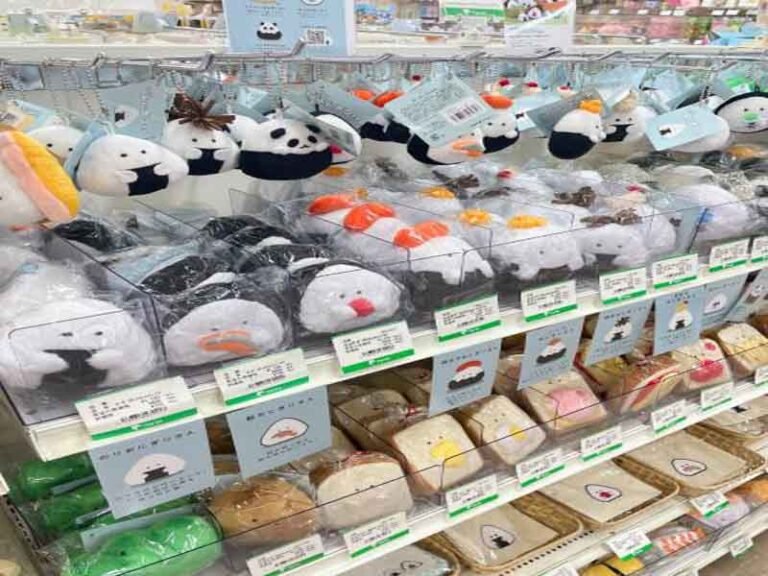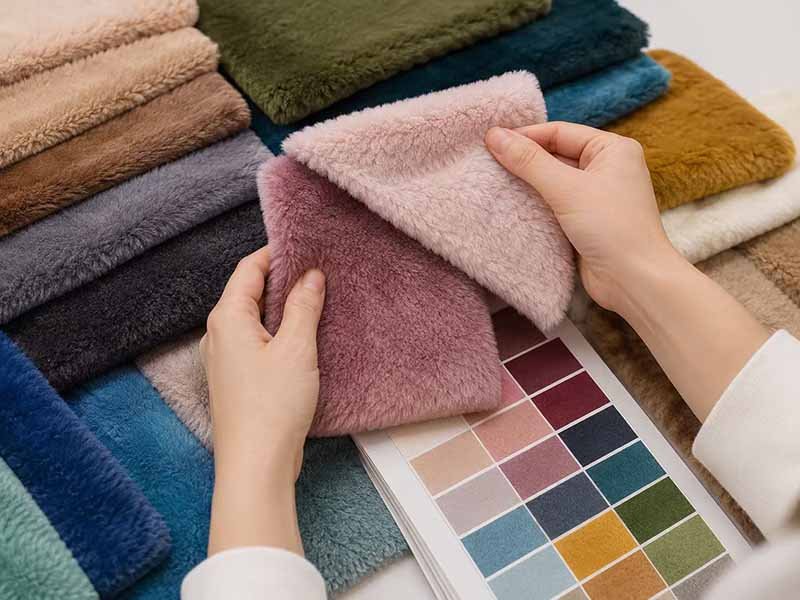
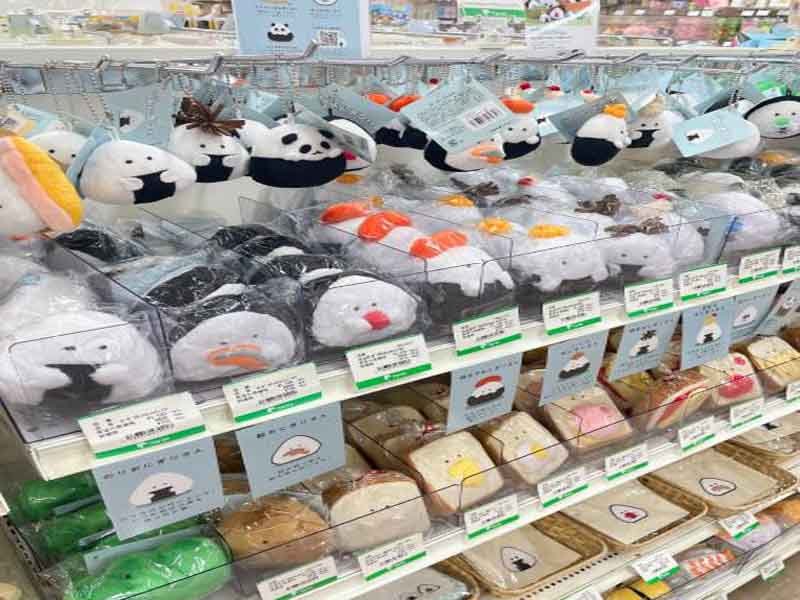
A plush toy can have a strong character design and still fail commercially because the fabric was chosen from a small swatch under office lighting. Once that material is cut, embroidered, sewn, turned, stuffed, groomed, packed, washed, and handled by customers, weaknesses that were invisible on the sample card begin to appear. The surface may shed, the backing may show through, the face may lose definition, or the color may shift between production lots.
To source high-quality fabrics for plush toys, define measurable specifications before requesting prices, match the material to the toy’s size and use, inspect physical swatches and sewn prototypes, verify supplier capacity and documentation, confirm market-specific safety requirements, and lock the approved fabric as a controlled bulk-production standard. Quality must be repeatable, not merely attractive in one sample.
A sourcing team once approved an exceptionally soft long-pile fabric for a small character plush. The swatch felt luxurious, but the finished prototype looked like a different character: the eyes disappeared into the pile, the mouth looked crooked, and every seam trapped loose fibers. The fabric was not objectively poor. It was simply wrong for that design. That difference between a good textile and the right production textile is where professional plush sourcing begins.
What Makes Plush Fabric High Quality?
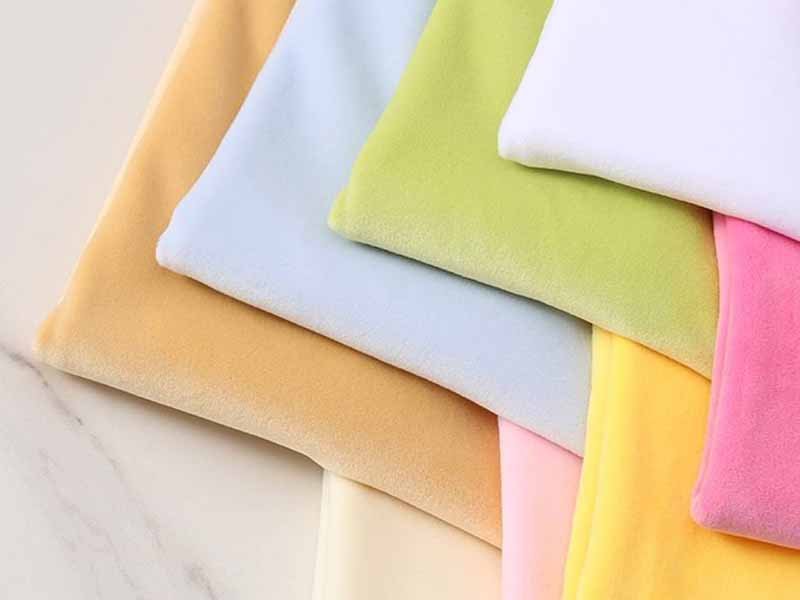
High-quality plush fabric has consistent composition, weight, pile, color, backing strength, and sewing performance. It should create the intended hand feel, recover after compression, resist shedding and pilling, and remain stable after stuffing and cleaning. The best material is not simply the softest one; it is the fabric that can reproduce the approved appearance and performance across every production batch.
Specifications That Matter
Commercial names such as minky, velboa, crystal super soft, sherpa, and faux fur help narrow a search, but they do not define quality. Two suppliers can use the same name for materials with noticeably different pile density, backing construction, stretch, weight, luster, and surface finishing. A reliable specification must describe the material in measurable terms rather than relying on adjectives such as premium, luxury, or extra soft.
Start with fiber composition, GSM, usable width, pile height, pile density, backing type, stretch direction, color reference, and permitted tolerances. These details affect material consumption, paper-pattern behavior, embroidery stability, seam strength, stuffing visibility, and repeat-order consistency. They also allow incoming rolls to be compared against a common standard instead of being approved by memory.