
Custom Plush Solutions for Brands, IP and Retail Programs
Integrated Support for Design, Engineering, Production and Export
Pufumi provides complete, factory-backed solutions for custom plush development from early concept review to shipment preparation.
Our solutions support:
- Character plush for licensing and retail
- Mascots for brand and corporate projects
- Collectible plush with detailed development needs
- Multi-SKU seasonal plush collections
- Retail-ready plush packaging programs
- Private label plush product expansion
- OEM production for established brands
- Custom plush lines requiring compliance preparation
Each solution is supported by artwork review, pattern engineering, sample development, material selection, production coordination, quality inspection, packaging control, and export preparation.
Choose a Solution Based on Your Commercial Goal
Launch a Character Product
- Licensed characters
- Game and animation merchandise
- Film and content releases
- Corporate mascots
- Creator-owned IP
- Destination characters
Build a Product Collection
- Mini collectible plush
- Blind-box collections
- Character series
- Bag-charm assortments
- Seasonal editions
- Gift-set collections
Prepare Products for Retail
- UPC or EAN mapping
- FNSKU preparation
- Hangtags and care labels
- Retail boxes
- Case-pack planning
- Distribution-center delivery
Recover a Difficult Program
- Repeated sample failure
- Bulk products drifting from approval
- Missing patterns or specifications
- Packaging and barcode errors
- Discontinued materials
- Supplier replacement
One Solution Connects Commercial and Manufacturing Decisions
| Solution Stage | Main Question | Pufumi Work | Controlled Output |
|---|---|---|---|
| Business Goal Review | What commercial result must the product achieve? | Review channel, product role, quantity, target cost and required date | Commercial Brief |
| Asset and Project Audit | Which assets, approvals and requirements already exist? | Organize artwork, references, rights, files and missing information | Asset Register |
| Product Architecture | Which sizes, SKUs and price levels should be developed? | Plan product forms, variants, shared structures and launch priorities | Product Framework |
| Engineering and Materials | How can the design become a stable physical product? | Review patterns, seams, fabrics, filling, decoration and components | Engineering Plan |
| Prototype Validation | Which decisions require physical confirmation? | Build samples, manage revisions and confirm approval references | Approved Sample Set |
| Production and Quality | How will bulk goods follow approved results? | Release files, control materials, approve first pieces and inspect production | Production Package |
| Packaging and Market Preparation | How will the product enter its sales channel? | Coordinate packaging, labels, barcodes, testing and cartons | Market-Ready File |
| Delivery and Replenishment | How will the goods reach the destination and remain repeatable? | Prepare shipment records, archive files and review future orders | Delivery and Reorder Record |
Not every program requires the same depth at every stage. A single retail mascot may use one core SKU and one packaging version. An eight-character collectible series can require separate embroidery programs, assortment ratios and carton mapping. Scope is confirmed after available assets and commercial requirements are reviewed.
Protect Character Identity Across Licensed Plush Programs
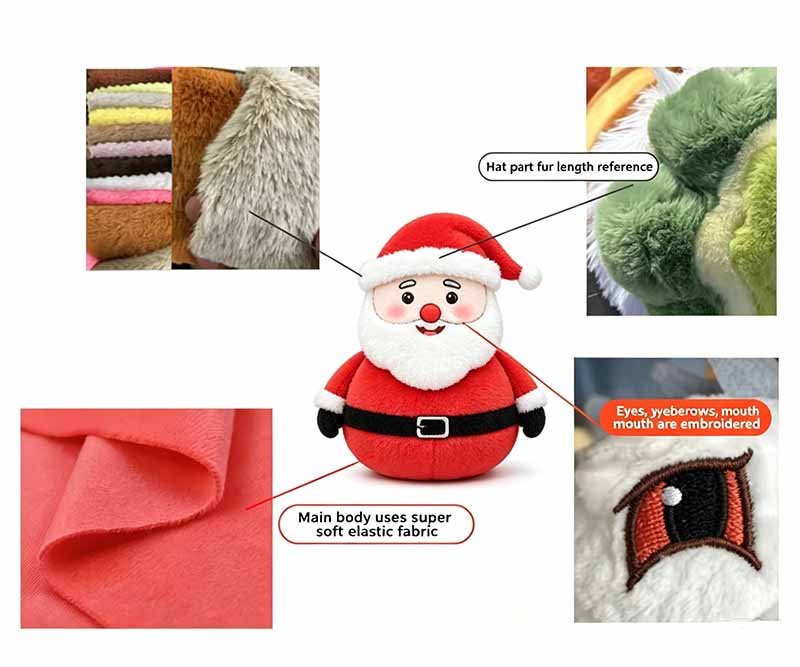
Asset Governance
Asset governance can include:
- Artwork version register
- Authorized character list
- Logo and trademark files
- Approved color references
- Market and territory scope
- Copyright wording
- Approval-contact list
- Confidentiality classification
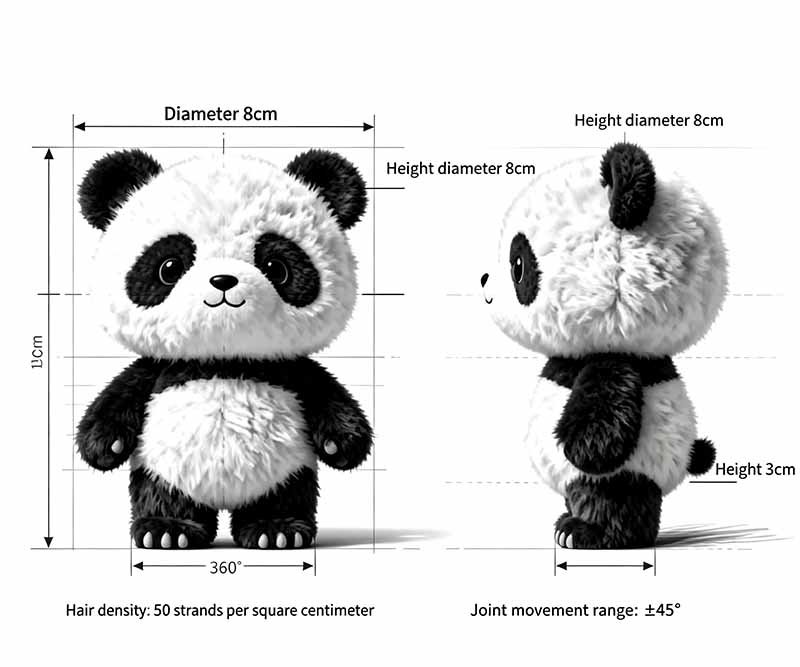
Character Landmark Mapping
Character landmarks may include:
- Outer silhouette
- Head-to-body ratio
- Eye spacing
- Mouth angle
- Muzzle depth
- Hairstyle
- Clothing shape
- Signature colors
- Unique accessories
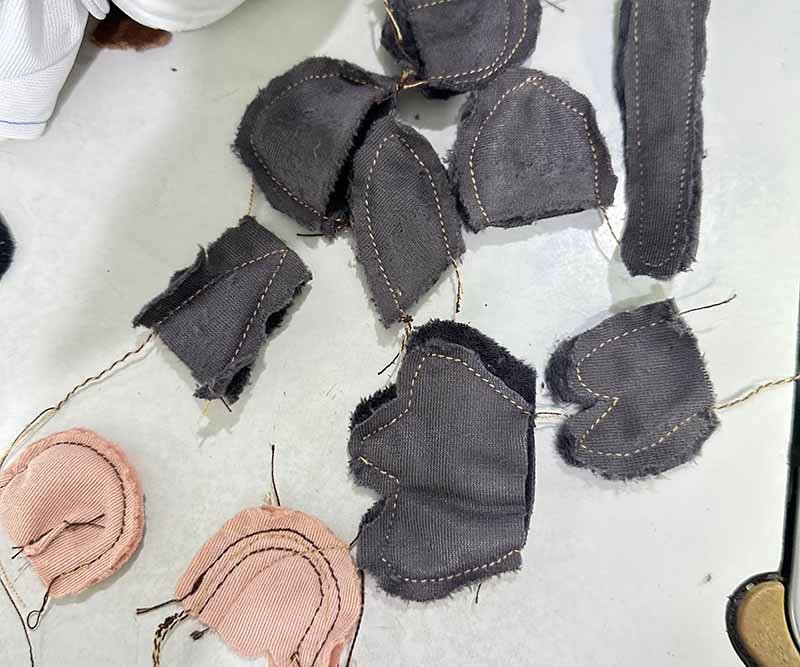
Approval-Led Sampling
The approval process can record:
- Sample ID
- Review date
- Marked comments
- Dimensional changes
- Color and material status
- Approved exceptions
- Responsible approver
- Release decision
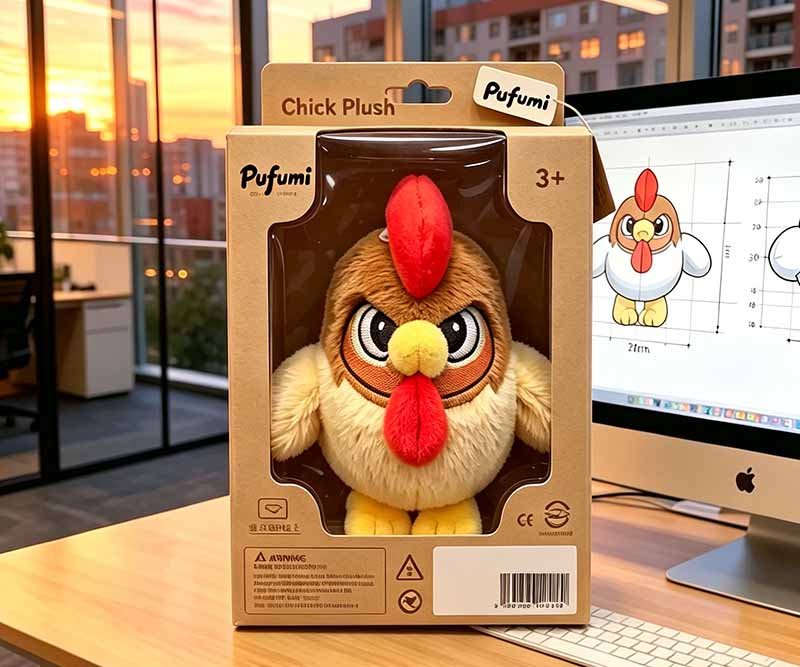
Licensed Packaging Control
Control can include:
- Dieline version
- Artwork approval
- Copyright wording
- Language variants
- Barcode-to-SKU mapping
- Market designation
- Case-pack information
- Obsolete-file removal
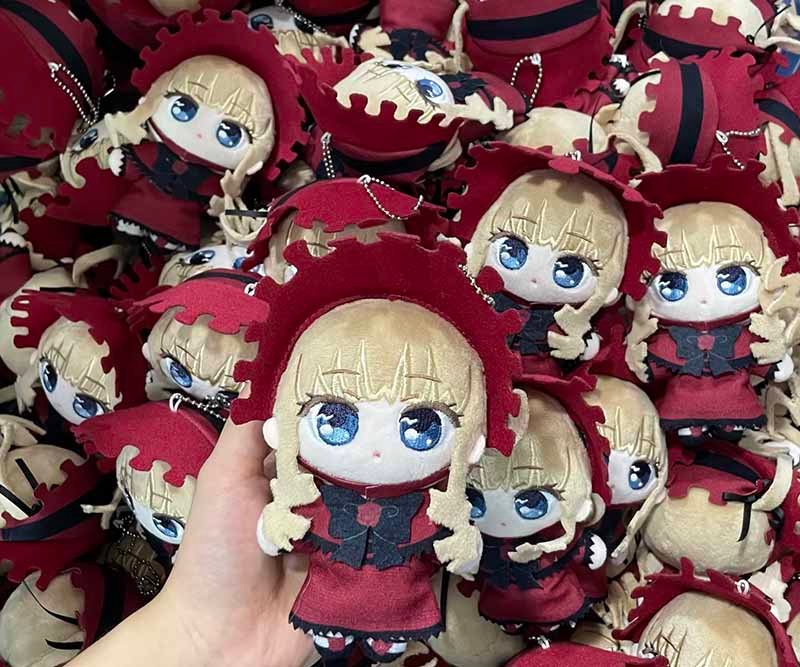
Production Consistency
Consistency controls can include:
- Released pattern version
- Approved embroidery file
- Material and color code
- First-piece review
- Golden Sample comparison
- In-process inspection
- Finished-product checks
- Repeat-order archive
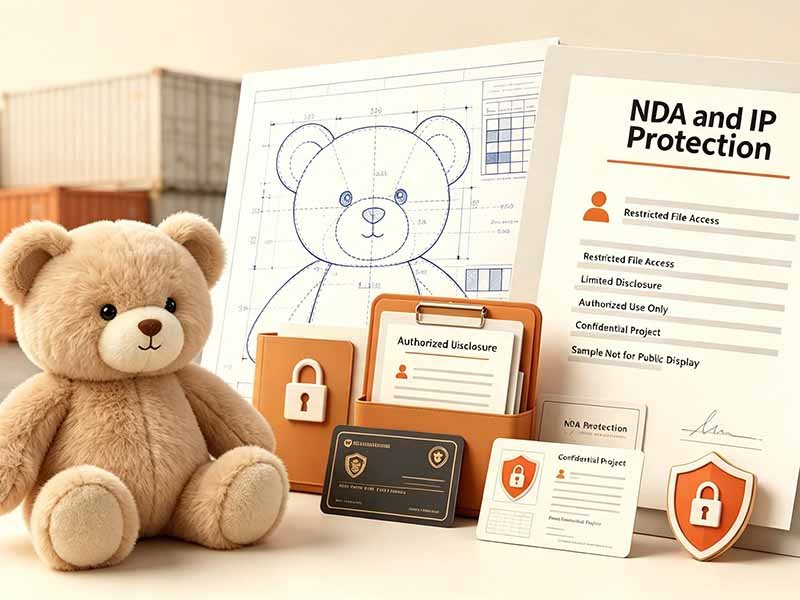
Confidentiality Management
Controls can include:
- Restricted asset folders
- Approved communication channels
- Sample-room access rules
- Photography restrictions
- Controlled case disclosure
- Visitor-route protection
- File archive permissions
- Access removal after completion
Coordinate Plush Merchandise Around Content Release Dates
Release-Date Planning
- Asset release
- Feasibility review
- First prototype
- Revision deadline
- Packaging approval
- Production release
- Inspection date
- Shipping handover
- Warehouse arrival
Character Prioritization
- Hero launch character
- Supporting characters
- Entry-size products
- Bag charms
- Premium editions
- Event exclusives
- Seasonal versions
- Later collection waves
Parallel Development
- Character sampling
- Material sourcing
- Packaging structure
- Barcode preparation
- Test-scope review
- Carton planning
- Freight comparison
- Launch documentation
Approval Milestones
- Character interpretation
- V1 sample
- Revised sample
- Golden Sample
- Packaging structure
- Packaging artwork
- Quality plan
- Shipment release
Split Delivery
- Quantity by route
- SKU allocation
- Packaging separation
- Carton numbering
- Document separation
- Required dates
- Freight comparison
- Destination handover
Launch Archive
- New character waves
- Replenishment
- Bag-charm versions
- Premium sizes
- Holiday clothing
- Regional packaging
- Collaboration editions
- Future campaign planning
Build Collectible Plush as a Controlled Product System
Collection Architecture
- Collection theme
- Hero character
- Regular characters
- Limited edition
- Hidden variant
- Premium SKU
- Bag-charm extension
- Future wave
Shared Engineering
- Pattern duplication
- Material fragmentation
- Setup changes
- Unnecessary sampling
- Visual inconsistency
- Reorder complexity
Miniature Detail Control
- Eye and mouth scale
- Embroidery line width
- Ear and limb stability
- Clothing thickness
- Hardware proportion
- Filling access
- Box dimensions
- Product recovery
Assortment Planning
- Quantity per SKU
- Limited-edition ratio
- Inner-box ratio
- Display-carton ratio
- Master-carton composition
- Carton numbering
- Destination allocation
- Packing verification
Sealed Packaging
- Individual box structure
- Collection artwork
- Card versions
- Barcode mapping
- Sealing method
- Display carton
- Assortment labels
- Carton map
Wave and Reorder Planning
- Current material availability
- Existing pattern versions
- New SKU additions
- Packaging updates
- Quantity allocation
- Assortment changes
- Market versions
- Delivery schedule
Turn Brand Assets Into Recognizable Plush Merchandise
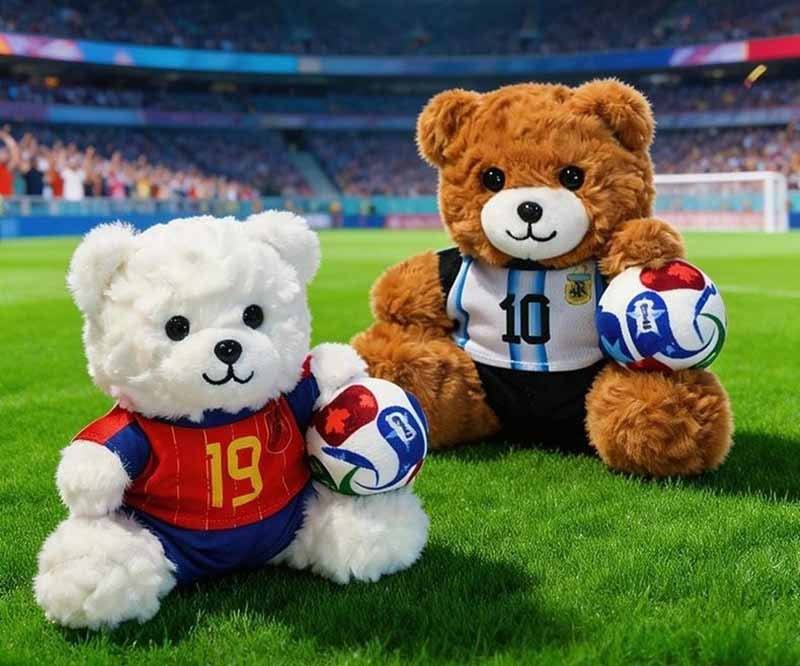
Mascot Interpretation
- Silhouette
- Brand colors
- Facial expression
- Logo position
- Costume elements
- Product references
- Signature accessories
- Required pose
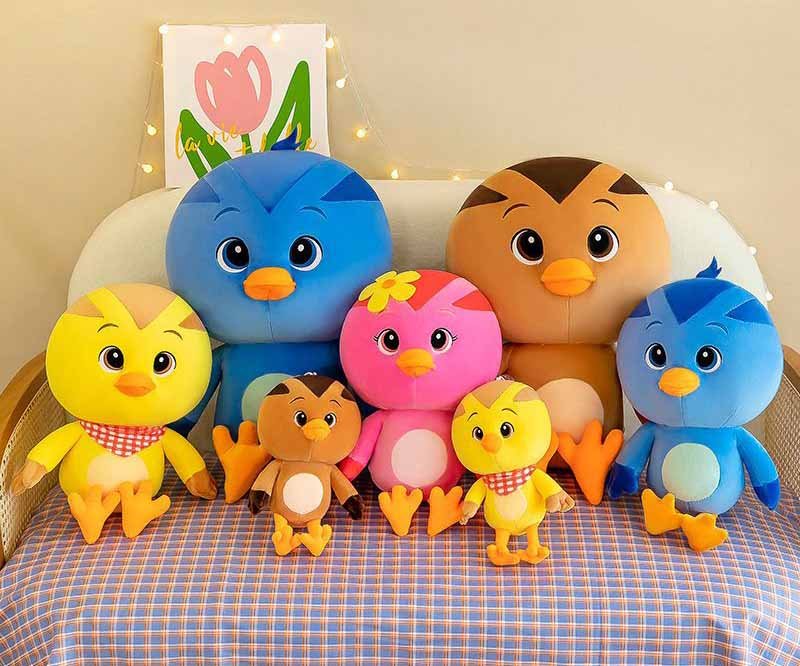
Product Format Selection
- Core plush toy
- Mini collectible
- Bag charm
- Keychain
- Corporate gift
- Retail edition
- Event version
- Gift-box set
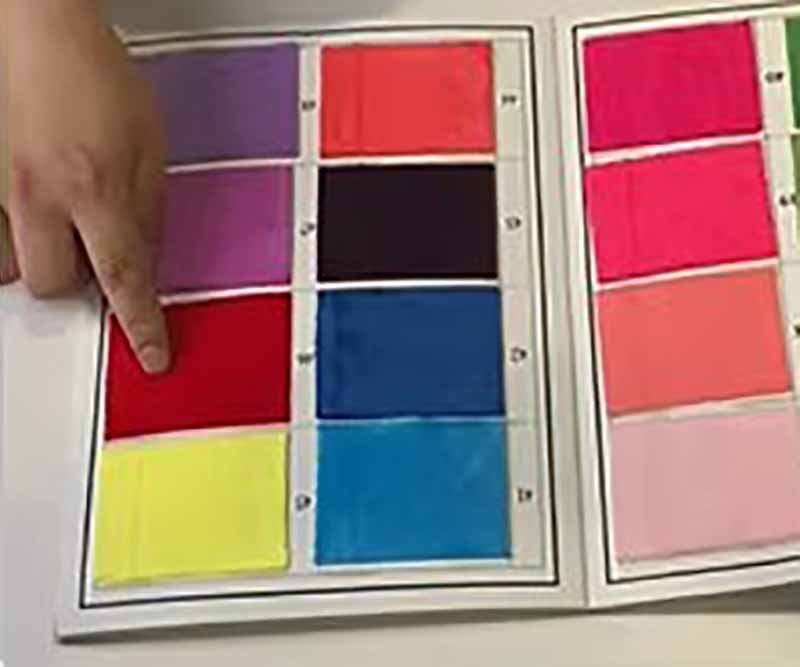
Brand Color Matching
- Stock shade review
- Physical swatches
- Thread matching
- Fabric comparison
- Packaging coordination
- Custom dyeing evaluation
- Batch confirmation
- Approved sample photography
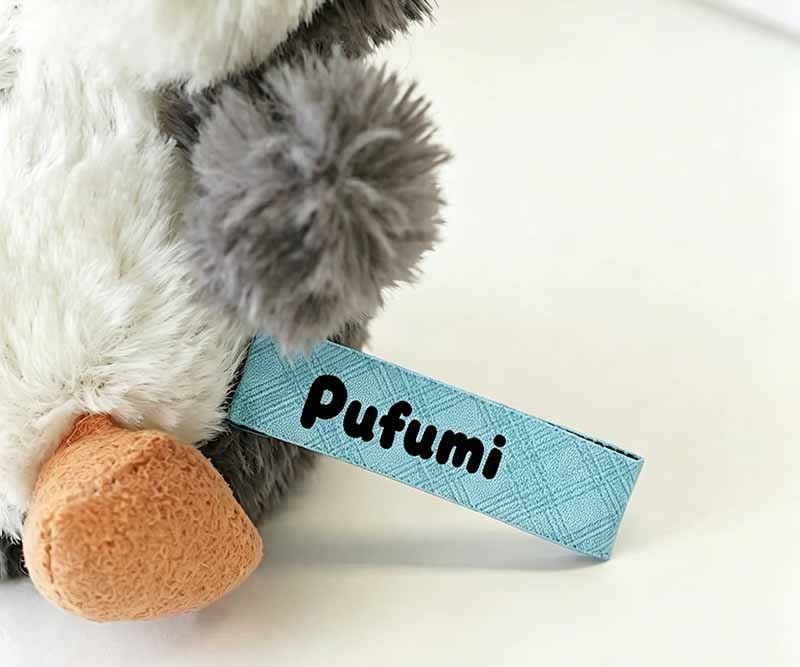
Logo Application
- Minimum readable size
- Fabric pile
- Stitch density
- Color accuracy
- Product curvature
- Touch
- Attachment security
- Brand guidelines
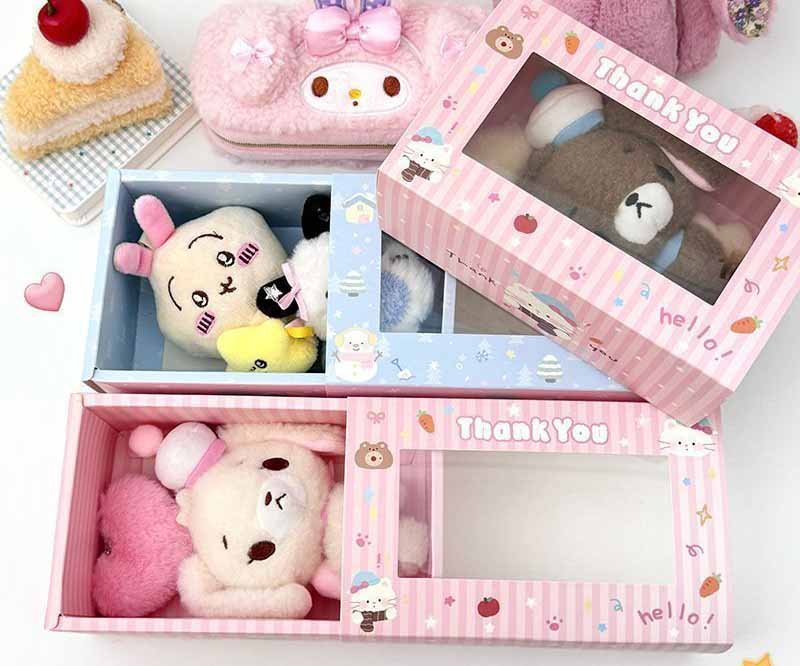
Campaign Packaging
- Hangtag and polybag
- Paper band
- Retail box
- PR gift box
- Event kit
- Membership pack
- Corporate gift set
- Destination-store packaging
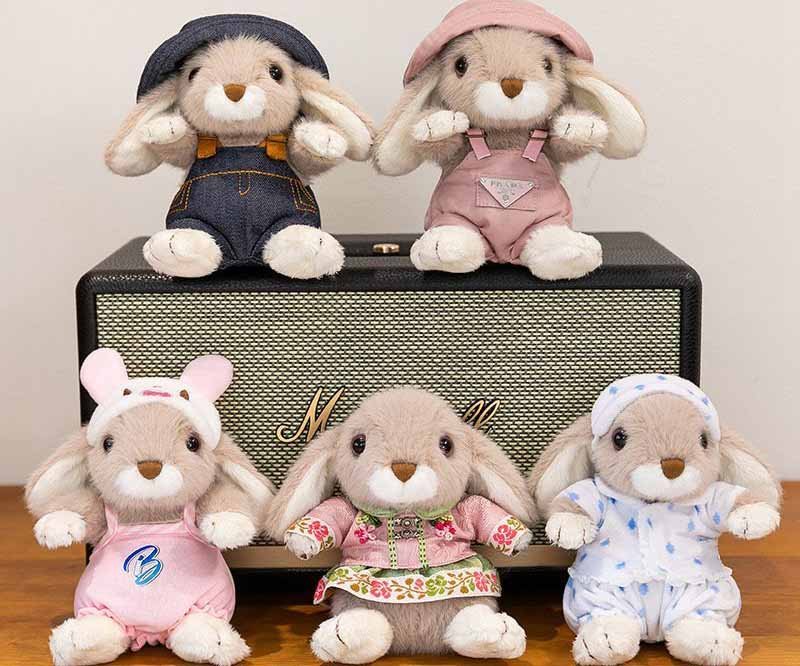
Program Expansion
- Mini version
- Premium size
- Holiday outfit
- Market-specific clothing
- Bag charm
- Pillow format
- Gift set
- Annual campaign edition
Prepare Plush Products for Real Retail Operations
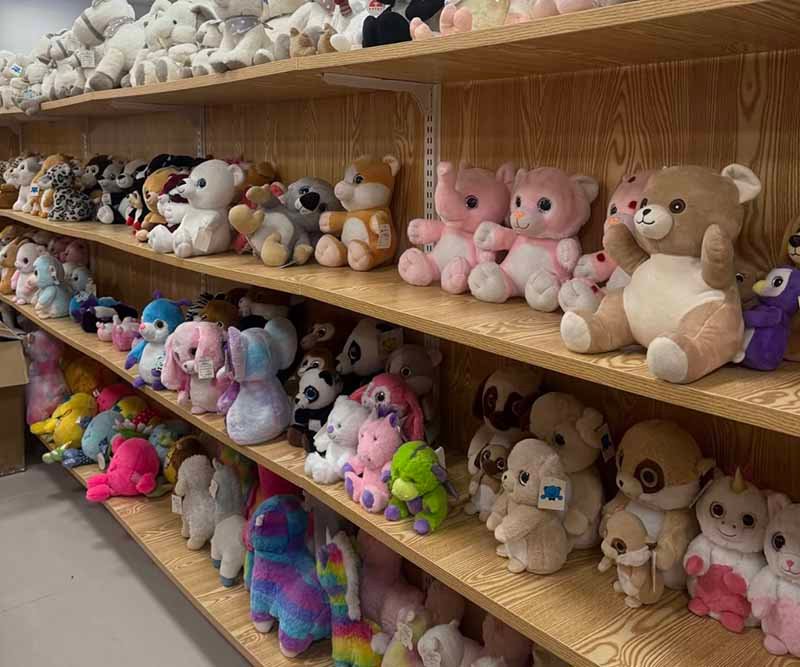
Product-Line Planning
- Entry product
- Core character
- Premium edition
- Seasonal item
- Impulse bag charm
- Gift-set product
- Exclusive color
- Market-specific SKU
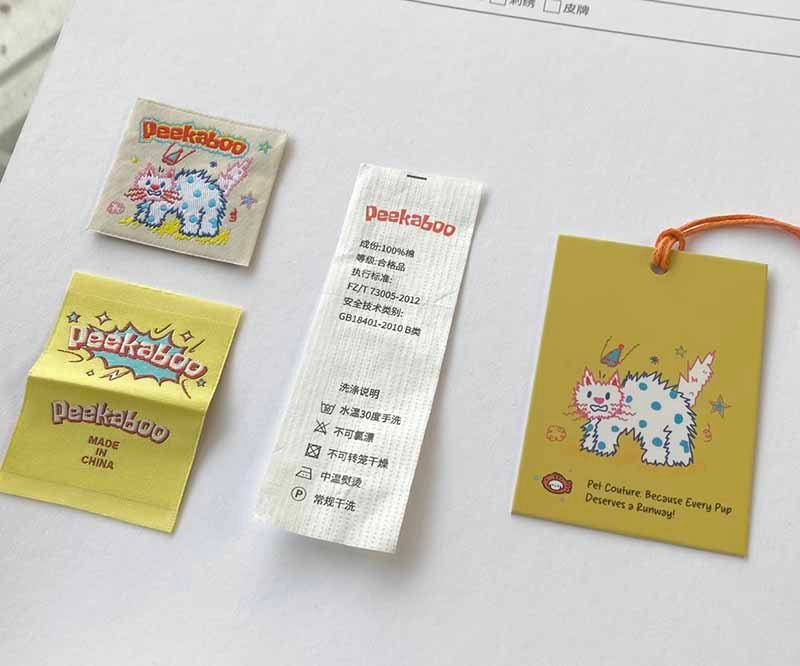
Brand Integration
- Brand logo
- Product name
- Color direction
- Woven label
- Care label
- Hangtag
- Packaging artwork
- Copyright or trademark text
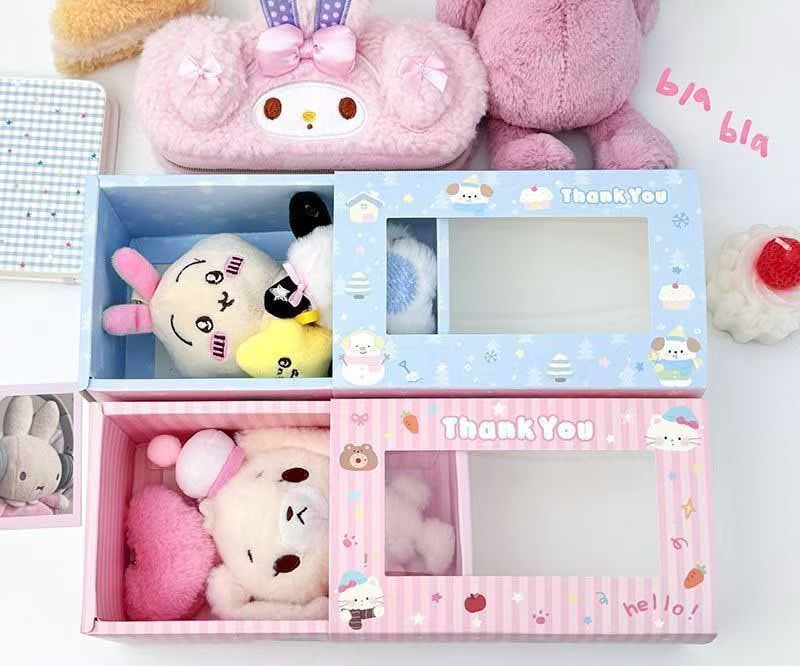
Retail Packaging
- Shelf appearance
- Product protection
- Window position
- Warning text
- Barcode area
- Hanging method
- Packaging dimensions
- Carton efficiency
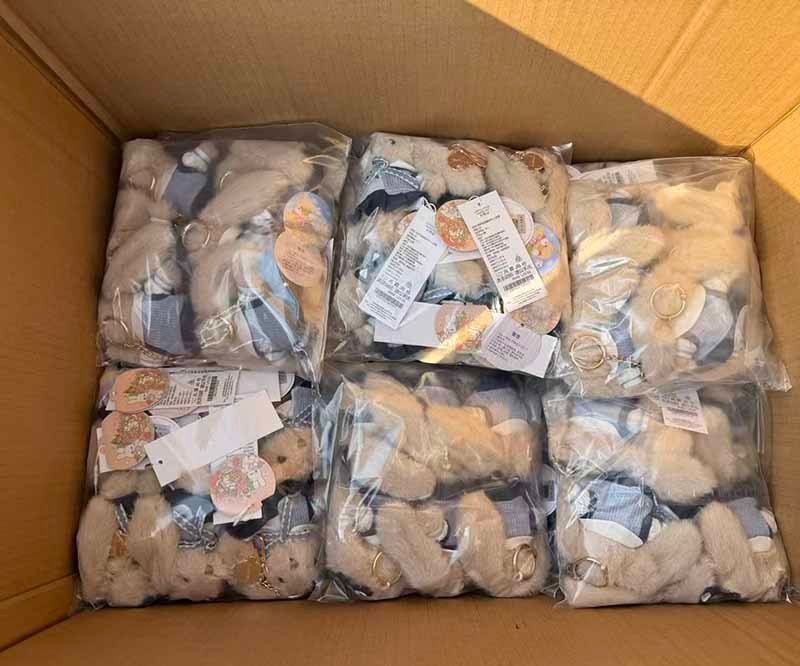
Case-Pack Planning
Retail operations often require fixed units per carton and clear receiving data. Pufumi can plan case packs around store replenishment, warehouse handling and freight. Controls include:
- Units per inner
- Units per carton
- Mixed-SKU restrictions
- Display quantity
- Carton number
- Gross weight
- Shipping marks
- Destination allocation
Final case-pack instructions should reflect active retailer or warehouse requirements.
Barcode Governance
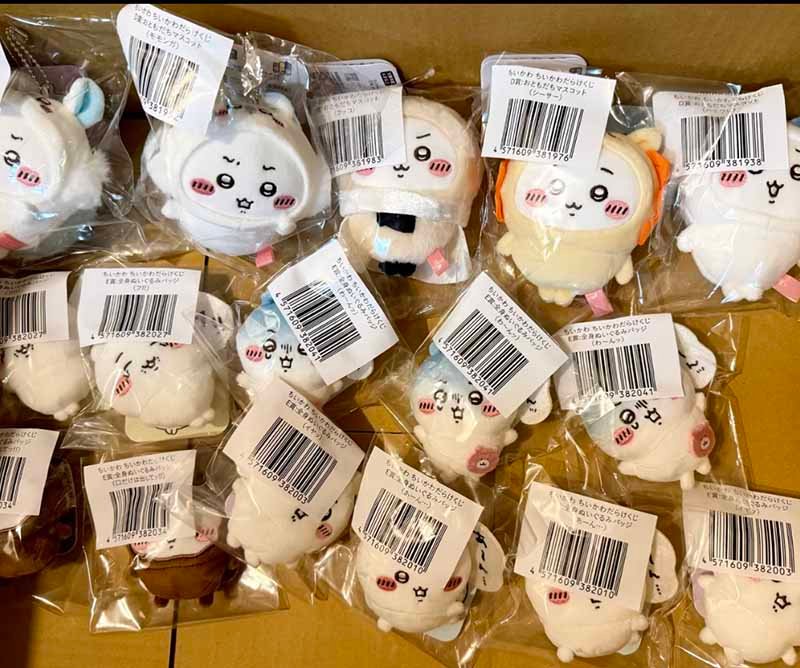
- UPC or EAN mapping
- FNSKU labels
- SKU codes
- Barcode placement
- Scan verification
- Market versions
- Obsolete-code removal
- Carton-label matching
Replenishment Control
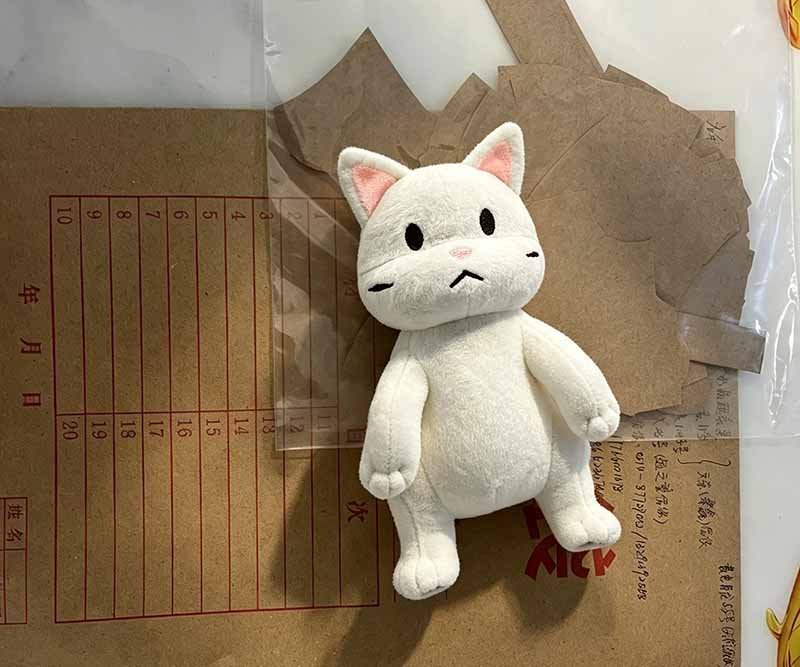
Retail products often continue beyond the first production batch. Pufumi preserves production and packaging references while reviewing current quantities, materials and delivery conditions. Replenishment review includes:
- Golden Sample
- BOM
- Material status
- Packaging artwork
- Barcode activity
- Case packs
- Carton data
- Required date
Balance Brand Impact, Quantity and Campaign Deadlines
Campaign Brief
- Campaign purpose
- Product format
- Quantity
- Distribution method
- Event locations
- Required date
- Packaging
- Brand requirements
Product Simplification
- Shared fabrics
- Reduced hidden panels
- Simplified clothing
- Embroidery optimization
- Standardized accessories
- Efficient filling
- Compact packaging
- Shared carton sizes
Format Selection
- Mini plush
- Keychain
- Bag charm
- Core mascot
- Pillow
- Gift set
- Event exclusive
- Employee gift
Production Scheduling
- Asset deadline
- Sample approval date
- Packaging release
- Material release
- Production start
- Final inspection
- Freight booking
- Event delivery
Distribution Packaging
- Individual polybag
- Campaign insert
- Gift carton
- Multi-item kit
- Location labels
- Store allocation
- Regional cartons
- Event-ready packs
Split and Multi-Location Delivery
Campaigns may involve several cities, countries or event dates. Pufumi can organize cartons and shipment data according to confirmed allocation. Planning can include:
- Quantity per destination
- SKU per location
- Air and sea split
- Carton numbering
- Destination labels
- Separate documents
- Delivery contacts
- Handover records
Control Multiple Characters, Markets and Delivery Destinations
Master SKU Matrix
- SKU code
- Character
- Size
- Color
- Material
- Accessory
- Packaging version
- Market
- Quantity
- Destination

Shared Component Strategy
- Body patterns
- Filling
- Base fabrics
- Care labels
- Hardware
- Inner packaging
- Master cartons
- Quality criteria
Version Governance
- File naming
- Revision register
- SKU applicability
- Market applicability
- Approval owner
- Release status
- Change description
- Obsolete-file separation
Market Variant Control
- United States packaging
- European Union packaging
- United Kingdom packaging
- Regional languages
- Copyright lines
- Importer information
- Barcode systems
- Warehouse labels
Destination Allocation
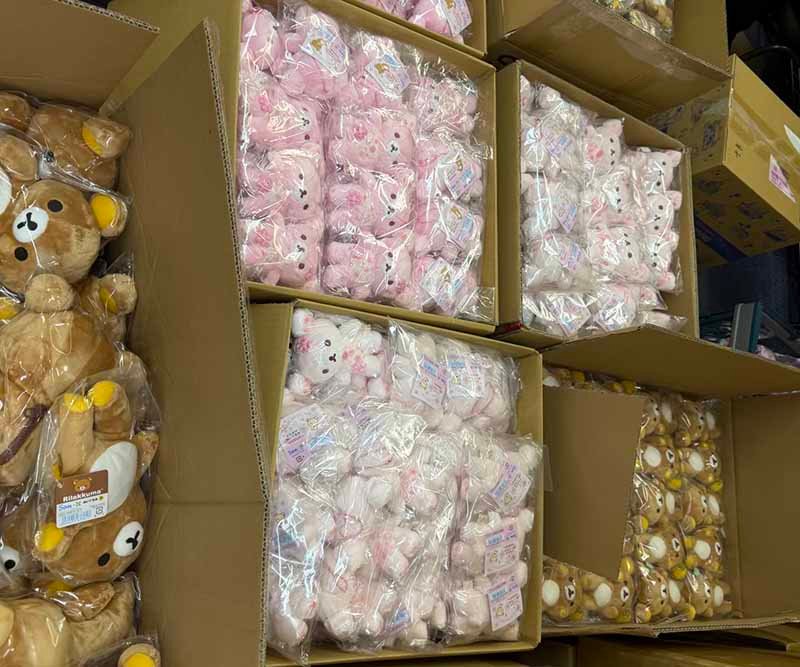
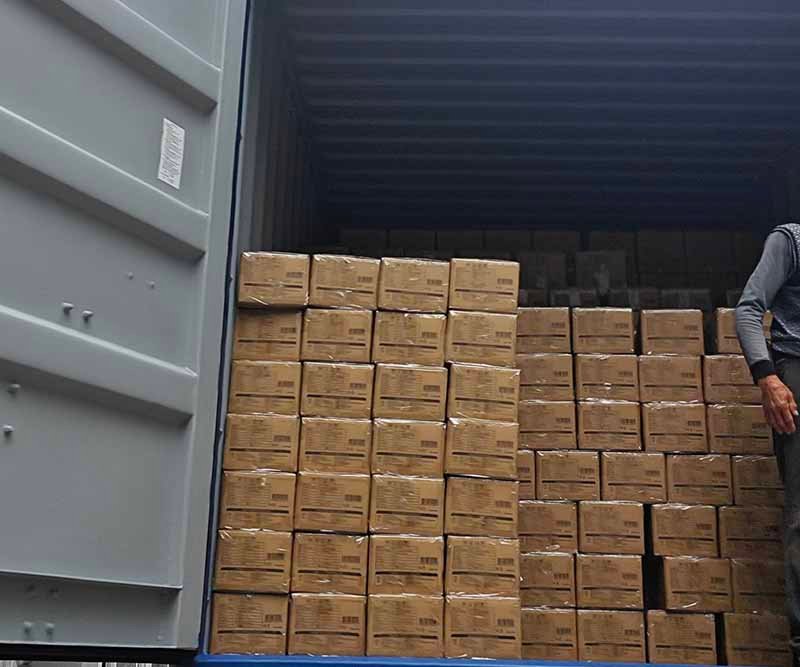
Production quantities can be divided among warehouses, countries or retail systems. Allocation should be established before final packing. Planning includes:
- Quantity per warehouse
- SKU mix
- Case pack
- Carton numbering
- Shipping marks
- Freight route
- Required date
- Document set
Incorrect allocation can create inventory shortages even when total production quantity is correct.
Global Reorder Continuity
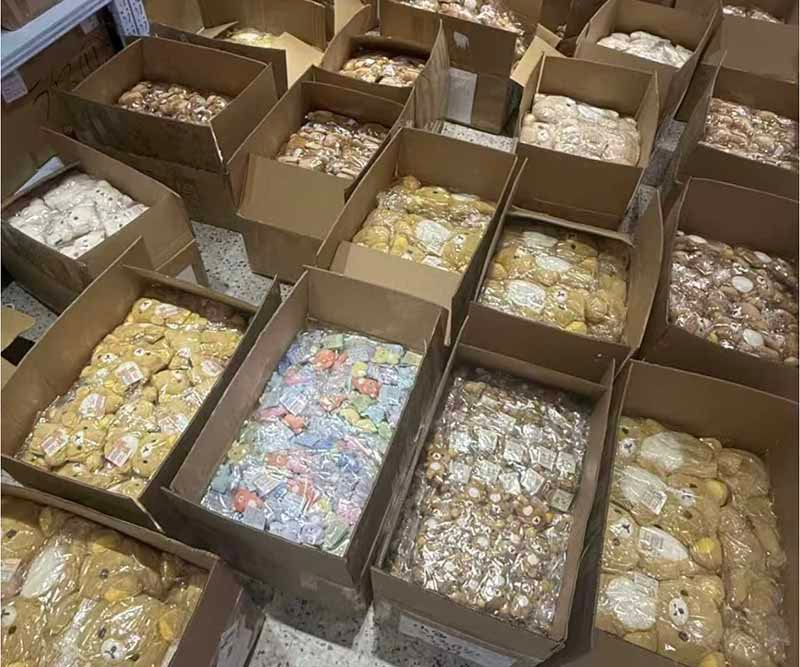
Regional teams may reorder different products at different times. Pufumi maintains central production references while reviewing the current market and packaging requirements for each replenishment. Review can cover:
- Approved physical product
- Regional packaging
- Active barcode
- Current material
- Quantity
- Carton plan
- Delivery route
- Required warehouse date
Solve Character Accuracy Problems Before Bulk Production
Audit the Visible Difference
- Overall silhouette
- Head width and depth
- Eye position
- Mouth angle
- Muzzle projection
- Ear direction
- Limb proportion
- Clothing fit
- Filling distribution
- Character landmark map
- Difference report
- Measurement comparison
- Pattern-risk notes
- Material observations
- Revision priorities
Correct Engineering and Material Causes
- Revising facial panels
- Adjusting seam lines
- Changing head depth
- Repositioning embroidery
- Reducing fabric stretch
- Changing pile length
- Adding internal support
- Revising filling zones
- Adjusting clothing tension
Freeze the Corrected Production Reference
After the revised sample is approved, the correction must enter every related production file. A good sample alone cannot prevent teams from using old patterns or embroidery programs. The release can include:
- Revised Golden Sample
- New pattern version
- Updated measurements
- Approved embroidery file
- Material code
- Filling reference
- Workmanship photographs
- Quality checkpoints
- Obsolete-file list
First production pieces are compared with the corrected reference before the full order proceeds. Quality teams monitor the character-critical areas during sewing, filling and final inspection. For repeat orders, archived files and retained samples help prevent the same facial or structural drift from returning.
Control Cost Without Removing Commercial Product Value
Size Optimization
Review can cover:
- Detail visibility
- Clothing feasibility
- Hardware proportion
- Filling use
- Unit packaging
- Carton volume
- Retail positioning
- Freight sensitivity
Shared Structures
Suitable shared elements may include:
- Body panels
- Limbs
- Filling
- Base fabrics
- Keychain hardware
- Inner packaging
- Cartons
- Quality criteria
Decoration Review
Optimization may include:
- Simplifying hidden embroidery
- Enlarging essential lines
- Replacing unsuitable print
- Combining embroidery and appliqué
- Reducing unnecessary color changes
- Sharing thread colors
- Moving details to packaging
- Adjusting decoration size
Material Tiering
Tiering can consider:
- Entry version
- Core retail version
- Premium edition
- Limited edition
- Gift-set product
- Regional version
- Seasonal version
- Replenishment product
Packaging Efficiency
Possible actions include:
- Reduce empty box space
- Simplify inner supports
- Use paper bands
- Improve case packs
- Standardize carton sizes
- Separate premium packaging
- Test controlled compression
- Remove unnecessary layers
Quantity Allocation
Planning can identify:
- Hero SKUs
- Regular products
- Limited variants
- Test-market versions
- Packaging minimums
- Material minimums
- Assortment ratios
- Reorder priorities
Optimize Your Program
Prepare Quality and Compliance Around the Target Market
Market Definition
- United States
- European Union
- United Kingdom
- Other destination markets
- Retail stores
- Ecommerce
- Amazon
- Destination venues
Intended Age
- Small components
- Cords and loops
- Hard accessories
- Filling access
- Battery features
- Weighted inserts
- Marketing language
- Product labeling
Product Risk Review
- Detachable accessories
- Keychain hardware
- Magnets
- Electronic modules
- Battery compartments
- Rigid internal supports
- Long pile
- Weighted filling
- Seams
- Packaging warnings
Quality Planning
- IQC for incoming materials
- First-piece review
- In-process inspections
- Finished-product checks
- Functional inspection
- Packaging verification
- Barcode scans
- Outgoing carton checks
Laboratory Coordination
- Test-scope communication
- BOM preparation
- Sample quantities
- Label files
- Sample dispatch
- Laboratory questions
- Result tracking
- Report collection
Corrective Workflow
When inspection or testing identifies a problem, Pufumi connects the finding with engineering, sourcing and production teams. The workflow can include:
- Finding review
- Affected-component identification
- Root-cause analysis
- Material change
- Structural correction
- Label revision
- New sample
- Reinspection or retest
- File update
- Production release
Match Packaging With Product, Channel and Warehouse Needs
Ecommerce Packaging
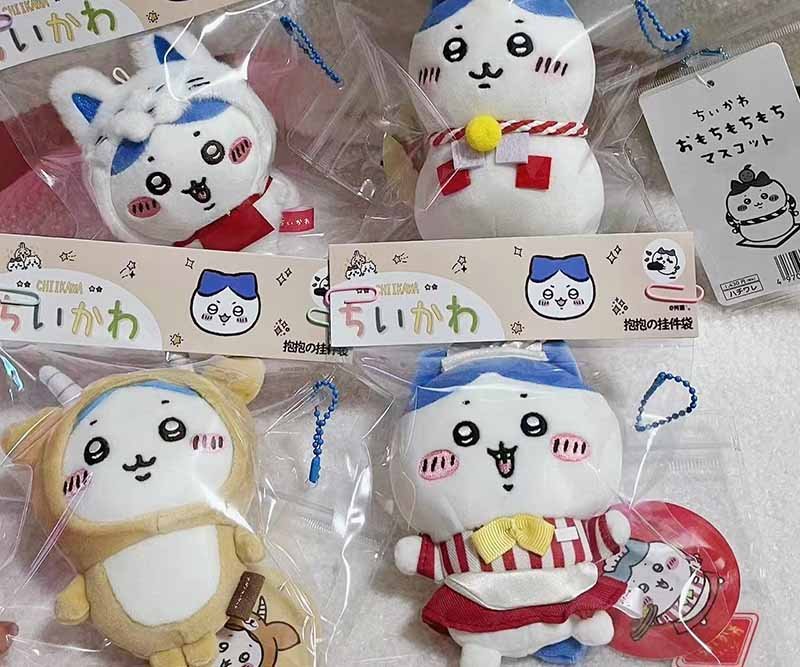
- Individual polybag
- Protective sleeve
- Inner carton
- FNSKU label
- Warning label
- Product orientation
- Parcel durability
- Recovery after packing
Retail Store Packaging
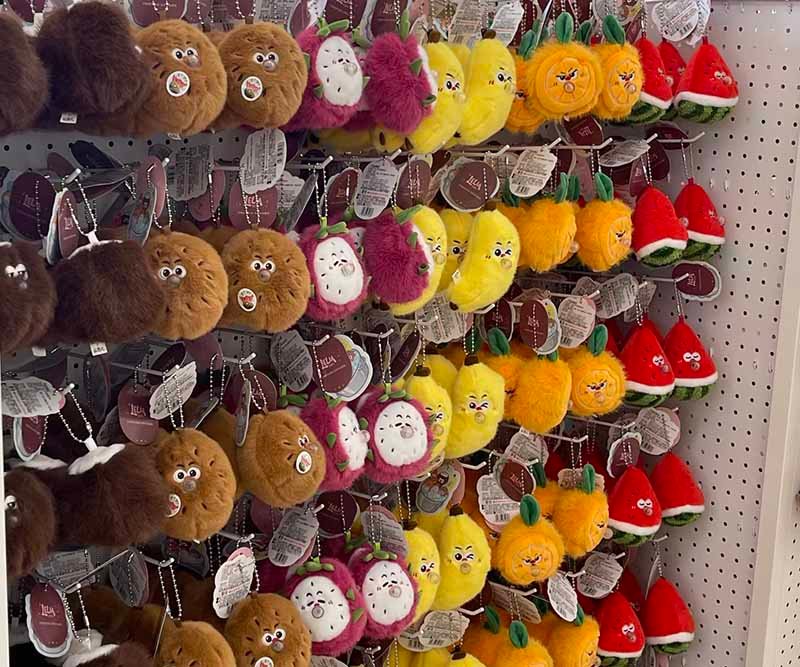
- Hangtag
- Care label
- UPC or EAN
- Paper band
- Retail box
- Hanging feature
- Case pack
- Shipping marks
- Retail DC label
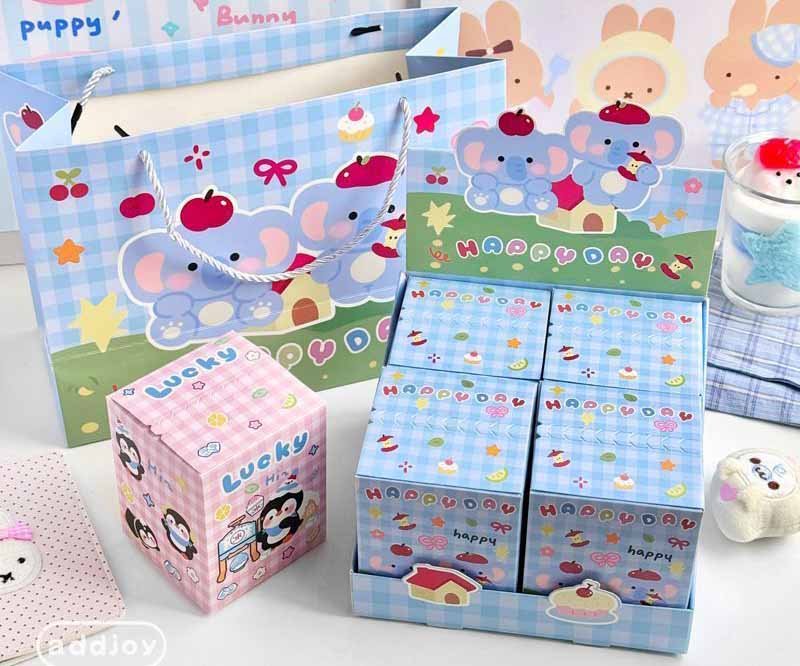
Blind Box Packaging
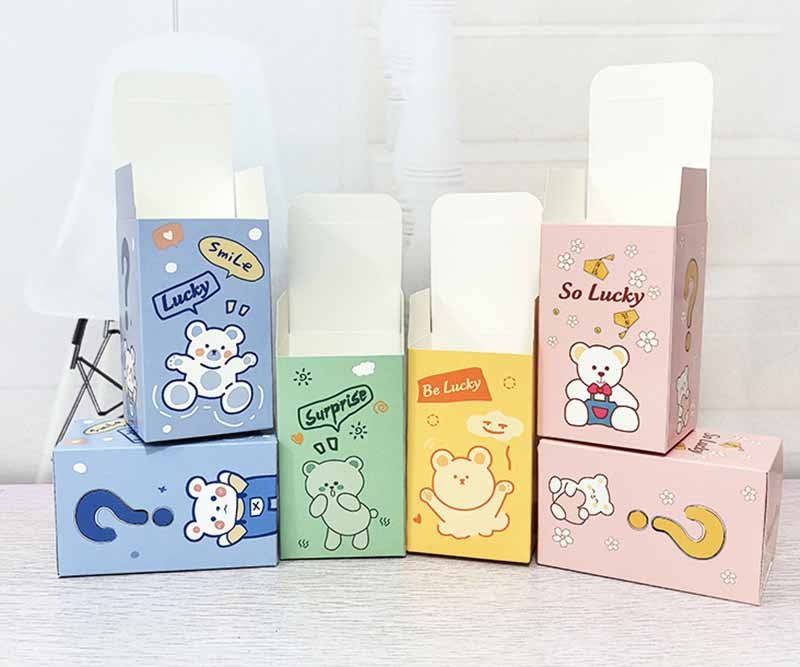
- Individual sealed box
- Collection card
- Limited-edition coding
- Display carton
- Inner assortment
- Barcode map
- Master-carton ratio
- Packing verification
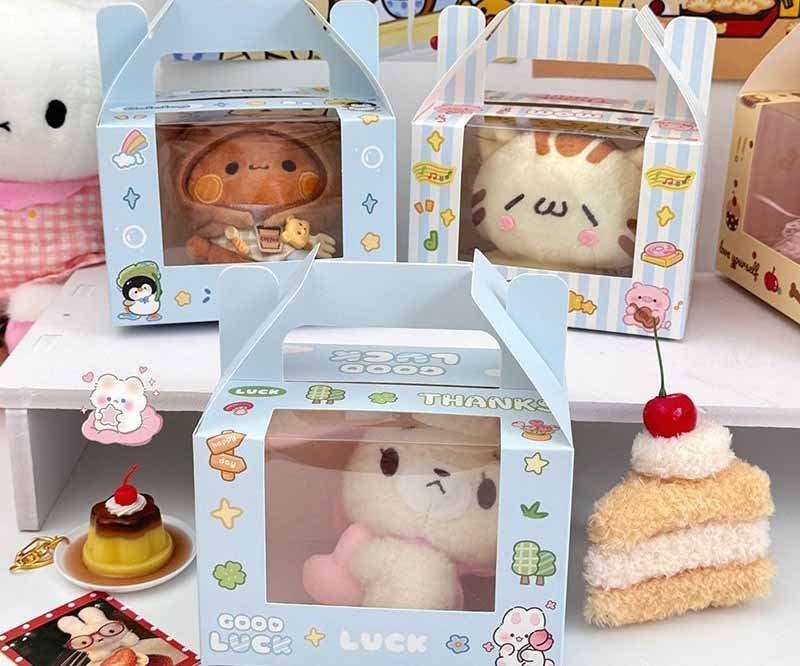
Gift Program Packaging
- Gift box
- Window carton
- Insert
- Product card
- Ribbon or sleeve
- Multi-item set
- Campaign message
- Protective master carton
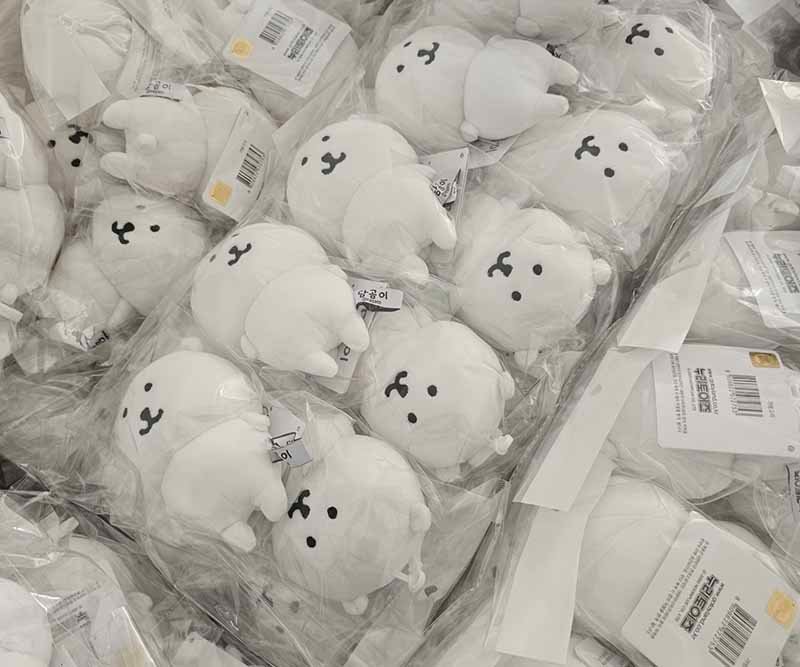
Destination and Venue Packaging
- Price tags
- Venue branding
- High-frequency case packs
- Store allocation
- Regional labels
- Retail display
- Warehouse codes
- Seasonal replenishment
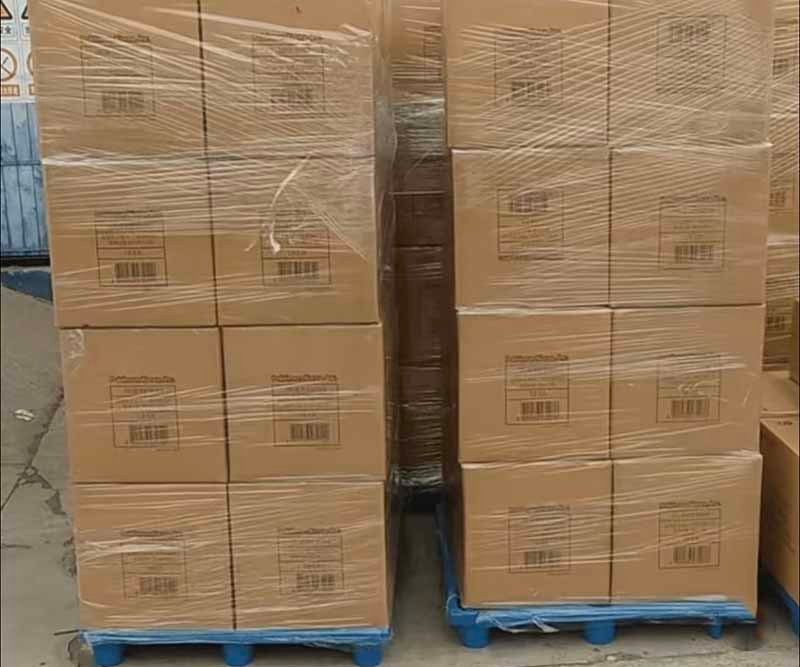
3PL and Warehouse Preparation
- SKU labels
- Carton labels
- Case packs
- Gross weight
- Dimensions
- ASN information
- Appointment references
- Pallet requirements
- Destination allocation
Connect Production Completion With Warehouse Availability
Required-Date Planning
- Destination receiving date
- Local delivery
- Customs clearance
- Ocean or air transport
- Export handover
- Final inspection
- Packing completion
- Bulk production
- Material readiness
- Sample approval
Carton Engineering
- Units per carton
- Product orientation
- Compression
- Shape recovery
- Carton dimensions
- Gross weight
- Carton strength
- Shipping marks
- Pallet fit
- Total CBM
Route Selection
- Courier
- Air freight
- LCL sea freight
- FCL sea freight
- Air and sea split
- Regional consolidation
- Port delivery
- Door delivery
Trade-Term Review
- Export responsibilities
- Main freight
- Insurance
- Import clearance
- Duties and taxes
- Importer arrangement
- Destination charges
- Final delivery
Destination Preparation
- Destination labels
- Carton allocation
- Case packs
- Pallet requirements
- Shipment references
- Appointment data
- Warehouse contacts
- Packing-list separation
Replenishment Solution
Future orders use archived product and packaging records while reconfirming current conditions. Reorder review covers:
- Golden Sample
- Patterns
- BOM
- Material availability
- Packaging artwork
- Active barcodes
- Carton plan
- Destination
- Quantity
- Required date
Recover a Plush Program Without Losing Approved Work
Existing Asset Audit
- Original artwork
- Character guide
- Approved physical sample
- Existing bulk product
- Measurements
- BOM
- Test reports
- Packaging files
- Barcodes
- Quality records
- Previous quotations
- Defect photographs
Physical Sample Review
- Silhouette
- Dimensions
- Fabric
- Embroidery
- Seams
- Filling
- Accessories
- Clothing
- Labels
- Packaging
- Wear or age
- Production variation
Controlled Reverse Engineering
- Measurement capture
- Pattern redevelopment
- Panel analysis
- Fabric matching
- Embroidery recreation
- Filling review
- Accessory engineering
- Packaging reconstruction
Gap Analysis
- No released pattern
- No BOM
- Unknown fabric code
- Missing embroidery file
- Unrecorded filling weight
- No quality criteria
- Old barcode
- Missing packaging dieline
- Unclear test scope
- No approval record
Controlled Resampling
- Core character
- Face shape
- Fabric replacement
- Filling standard
- Critical accessory
- Packaging fit
- Barcode
- Quality reference
Transition and Release
A transition plan defines when the new sample, files, packaging and quality system replace the previous supplier’s references. The release can include:
- New Golden Sample
- Pattern package
- BOM
- Decoration files
- Packaging versions
- Quality plan
- First-piece approval
- Reorder archive
- Inventory transition
- Shipment schedule
Who we serve
Pufumi supports organizations that need more than basic plush production. Each solution is shaped around character assets, product goals, approval requirements, retail channels, packaging needs, launch schedules, and long-term replenishment plans.
IP Owners and Licensing Agencies
Pufumi helps IP owners, licensors, and licensing agencies convert protected character assets into approved plush products and coordinated merchandise programs. Support covers character-guide review, visual-feature control, sample revisions, approval records, copyright markings, packaging versions, confidentiality, and consistency across multiple characters, sizes, markets, and release waves.
Animation, Game and Entertainment Companies
Animation studios, game publishers, film companies, streaming platforms, and content teams can develop plush products around launches, anniversaries, fan events, new character releases, and ongoing merchandise programs. Pufumi supports complex character interpretation, costumes, props, variant designs, multi-SKU collections, approval schedules, and delivery plans aligned with fixed release dates.
Toy and Collectible Brands
Toy companies, blind-box brands, designer-toy studios, and collectible labels can build structured plush collections rather than isolated products. Pufumi supports hero characters, standard editions, hidden editions, limited releases, miniature plush, bag charms, gift sets, SKU coding, coordinated packaging, assortment control, production separation, and repeat-order management.
Fashion and Lifestyle Brands
Fashion labels, accessory brands, designer companies, and lifestyle businesses can develop plush bag charms, keychains, mini characters, seasonal accessories, collaboration products, and limited-edition collections. Development focuses on proportion, tactile materials, fashion-led color direction, hardware, weight, packaging presentation, brand identity, and compatibility with bags, garments, displays, or gift programs.
Beauty, Food and Consumer Brands
Beauty, fragrance, beverage, café, snack, restaurant, technology, and established consumer brands can use plush products for mascots, retail merchandise, loyalty gifts, launch kits, public-relations packages, social campaigns, and branded experiences. Pufumi coordinates character development, brand colors, logo execution, packaging integration, campaign quantities, and repeat production across multiple distribution channels.
Global Retailers and Private Label Programs
Retail groups, private label teams, Amazon brands, and established online or offline channels require products that arrive ready for scanning, storage, display, and replenishment. Pufumi supports product specifications, retail labels, barcodes, FNSKU, packaging formats, carton marks, assortment plans, warehouse requirements, inspection records, shipping preparation, and controlled repeat-order production.
Theme Parks and Destination Retail
Theme parks, museums, zoos, aquariums, hotels, resorts, cultural venues, and tourism destinations can develop location-specific plush merchandise with strong storytelling and long-term retail value. Solutions may include signature mascots, animal collections, educational products, destination-exclusive editions, seasonal releases, gift-shop packaging, story cards, retail displays, and continuing stock replenishment.
Sports Clubs, Universities and Institutions
Professional teams, sporting events, universities, campus stores, alumni organizations, schools, and public institutions can transform mascots and identity assets into retail products, event merchandise, graduation gifts, commemorative editions, and fan collections. Pufumi supports uniform details, official colors, logos, accessories, labeling, approval workflows, packaging, and scheduled delivery for major institutional events.
Creative Agencies and Corporate Programs
Creative agencies, design studios, advertising companies, event teams, and established corporations can rely on Pufumi to translate campaign concepts into production-ready plush products. Support covers feasibility review, structure development, sample presentation, branded details, campaign packaging, delivery coordination, confidentiality, and communication between the agency, end brand, procurement team, and production departments.
Case Studies
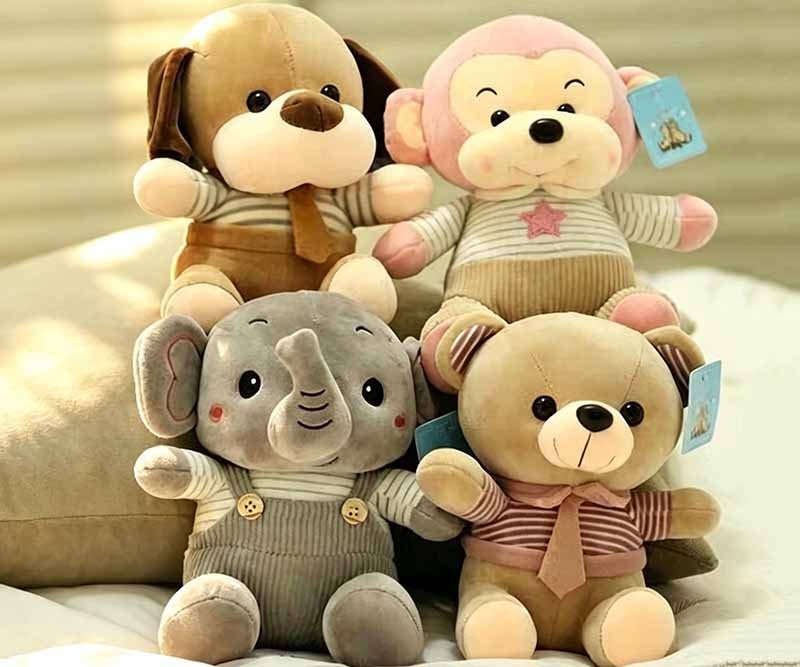
Licensed Entertainment Launch
A four-character entertainment program included 4,800 plush products at 22 cm. Each character used embroidered facial details, fabric clothing and an individual hangtag. The available artwork provided detailed front views but limited side and back construction information. The required delivery date was connected to a content launch.
Initial challenge:
- Missing character angles
- Four approval paths
- Shared visual style
- Separate clothing files
- Licensed packaging
- Fixed launch period
Pufumi solution:
- Asset and authorization review
- Character landmark mapping
- Shared body engineering
- Individual head and clothing patterns
- Version-controlled sampling
- Copyright and packaging coordination
- Air and sea delivery review
The first sample stage was planned within approximately 12 to 18 days after artwork, dimensions, materials and development conditions were confirmed. Revisions focused on eye spacing, cheek width, clothing fit and filling distribution. Bulk planning required approximately 30 to 45 days after complete product, material and packaging release.
Controlled outputs:
- Four approved samples
- Pattern and embroidery files
- SKU BOMs
- Packaging map
- Quality plan
- Delivery allocation
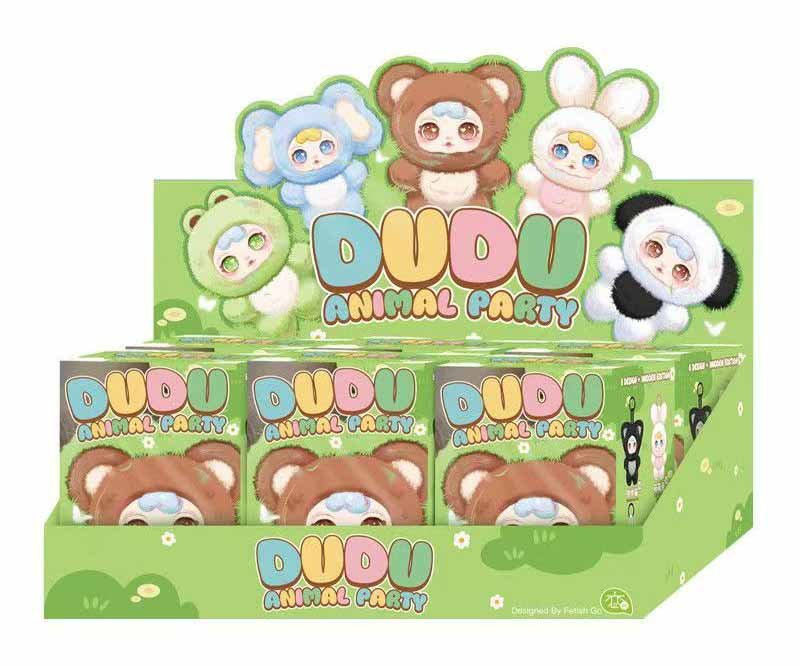
Blind Box Collection
An eight-SKU collectible program included 12,000 mini plush products between 10 and 12 cm. Seven regular characters and one limited variant shared a base body concept while using different faces, ears, colors and accessories. Every product required an individual sealed collection box.
Initial challenge:
- Small-scale character detail
- Eight embroidery programs
- Limited-edition control
- Shared and unique components
- Collection cards
- Assortment ratios
Pufumi solution:
- Collection architecture
- Shared structure planning
- Miniature detail engineering
- SKU sample control
- Packaging-code governance
- Assortment planning
- Carton mapping
Sample development was planned within approximately 18 to 25 days because all designs and packaging versions needed coordinated approval. Bulk planning required approximately 40 to 55 days after sample, assortment, materials and boxes were fully released.
Controlled outputs:
- Master SKU matrix
- Eight approved samples
- Assortment sheet
- Barcode map
- Individual box files
- Carton ratio plan
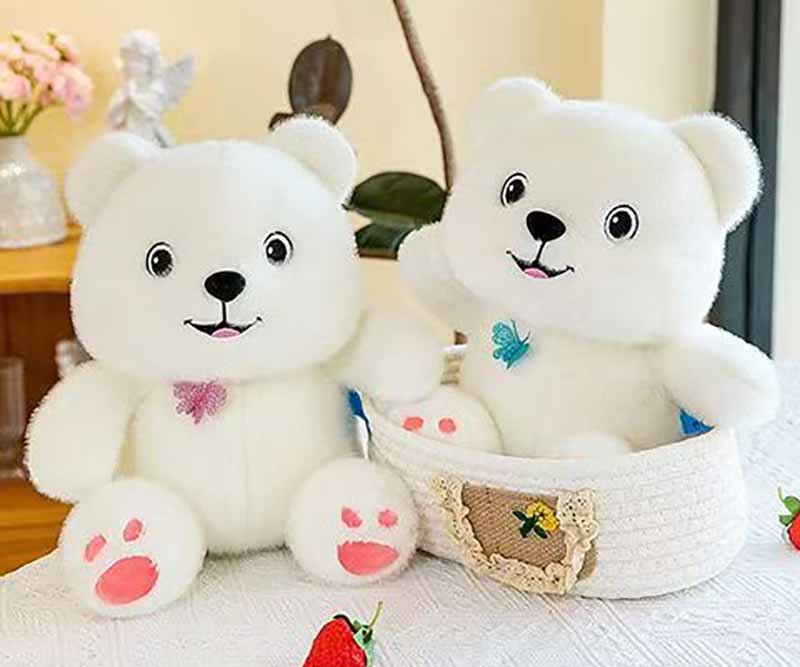
Retail Mascot Recovery
A destination-retail mascot program included 3,600 pieces at 30 cm, using short-pile fabric, embroidered branding, a removable costume and a printed retail tag. The previous production batch showed a flatter face than the approved sample, while the available project archive lacked a complete BOM and filling reference.
Initial challenge:
- Bulk shape drift
- Missing production files
- Inconsistent filling
- Costume tension
- Retail barcode control
- Reorder deadline
Pufumi solution:
- Existing sample audit
- Character and pattern review
- Material matching
- Zoned filling standard
- Revised Golden Sample
- Packaging trial
- Product-specific quality plan
- Reorder archive
The revised sample stage was planned within approximately 15 to 22 days after reference products, artwork and material direction were confirmed. Bulk planning required approximately 35 to 50 days after the new sample and files were fully released.
Controlled outputs:
- Corrected Golden Sample
- New pattern package
- BOM
- Filling reference
- Inspection criteria
- Barcode and carton file
- Reorder record
Frequently Asked Questions
A custom plush solution combines development, engineering, manufacturing, quality, packaging and delivery capabilities around a defined commercial goal. Scope depends on the available assets, product type, quantity, SKUs, market, channel and required date.
Services describe individual capabilities such as sampling, manufacturing or packaging. A solution combines several capabilities to address a complete situation, such as a licensed character launch, blind-box collection, retail program or supplier transition.
Licensed IP and character merchandising solutions support asset governance, character landmark mapping, approval-led sampling, licensed packaging, production consistency and confidentiality. The responsible organization must hold or provide legitimate authorization.
Yes. Support can include collection architecture, shared engineering, individual character files, limited variants, assortment planning, sealed packaging, collection cards, display cartons, barcode mapping and carton ratios.
Pufumi can compare artwork, patterns, fabrics, embroidery and filling to identify likely causes. Revised engineering and a new physical sample are required before any corrected direction becomes a production reference.
A supplier-transition review is possible when the commissioning organization owns or controls the necessary product rights. Existing samples and files are audited, missing information is rebuilt, and the new production system is independently validated.
Each packaging version receives an identifiable market, SKU, language, barcode and approval status. Obsolete files are separated, and production quantities are allocated to the correct destinations before printing and packing.
Pufumi can coordinate preparation for Amazon, 3PL and retail warehouse destinations when active labels, case packs, shipment references and receiving instructions are supplied. Route and destination feasibility remain project-specific.
No. Independent testing is included only when required and agreed. Pufumi can coordinate BOM information, representative samples and corrective work, while the appointed laboratory performs testing and issues reports.
Submit available artwork, target size, quantities, SKUs, market, channel, packaging, required warehouse date and current project challenges. Pufumi reviews the information and identifies the recommended scope, missing inputs and next development stage.
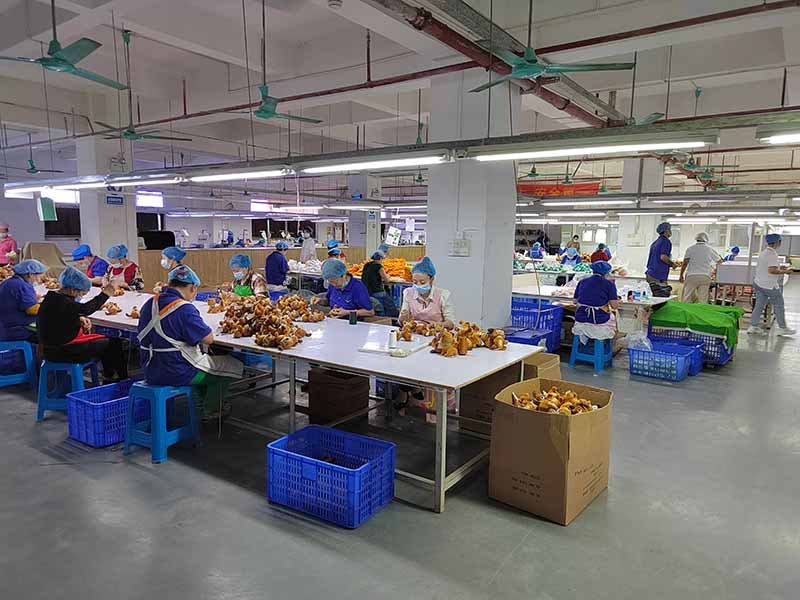
Trust, Compliance & Production Assurance
Confidence for global brands and complex plush programs
Pufumi evaluates each project according to its target market, age grade, materials, construction, labeling, and packaging requirements. Depending on the assigned production site and project scope, our team can support ISO 9001 quality-management documentation and coordinate testing to EN71, ASTM F963, CPSIA, REACH, and other applicable standards. Factory audits, certifications, and test reports are verified by issuing body, validity period, facility, and product scope, giving brands greater transparency from sample development through controlled production and delivery.














Build a Plush Solution Around Your Commercial Goal
Share the available assets, program objective and current challenge so Pufumi can review the combination of planning, engineering, sampling, manufacturing, quality, packaging and delivery work required. A solution proposal should define the project inputs, approval responsibilities, controlled outputs and release points rather than hide unresolved decisions inside a general quotation.
Confidential character assets, packaging and launch information can be reviewed under an NDA. Formal timing, costs, sample scope and production responsibilities are confirmed after the supplied information and required deliverables are evaluated.
Please provide:
- Company name and business email
- Artwork or character assets
- Commercial goal
- Product type
- Target dimensions
- Estimated quantity
- Number of SKUs
- Target market
- Intended age
- Sales channel
- Packaging requirements
- Required warehouse date
- Current project challenge
- Existing samples or files
- Target cost when available
- Testing requirements
- Warehouse requirements
- NDA requirement