
Pufumi Factory Tour | Inside a Controlled Plush Manufacturing System
See How Character Assets, Materials and Production Work Together at Pufumi
Pufumi welcomes qualified partners who want to understand how custom plush products are developed and manufactured. The production system connects artwork review, pattern engineering, material preparation, sample development, cutting, embroidery, sewing, filling, shaping, quality inspection, packaging, and shipment preparation.
The tour shows how a character moves from approved artwork to a production-ready plush product, with attention to proportion, facial expression, fabric behavior, construction stability, packaging accuracy, and repeat-order consistency.
- Oneier-invested production resources in Dongguan and Foshan
- 58+ plush designers and pattern makers
- Around half with over 15 years of development experience
- Dedicated sample, sewing, filling, QC, and packaging areas
- Specialist support for embroidery, printing, accessories, testing, and logistics
One Managed Plush Manufacturing System
Dongguan Core Factory
Foshan Production Support
Specialist Supply Partners
Factory Capabilities At A Glance
Product Engineering
Sample Development
Material Management
Controlled Production
Quality Inspection
Retail Preparation
Dongguan Development And Foshan Production Support
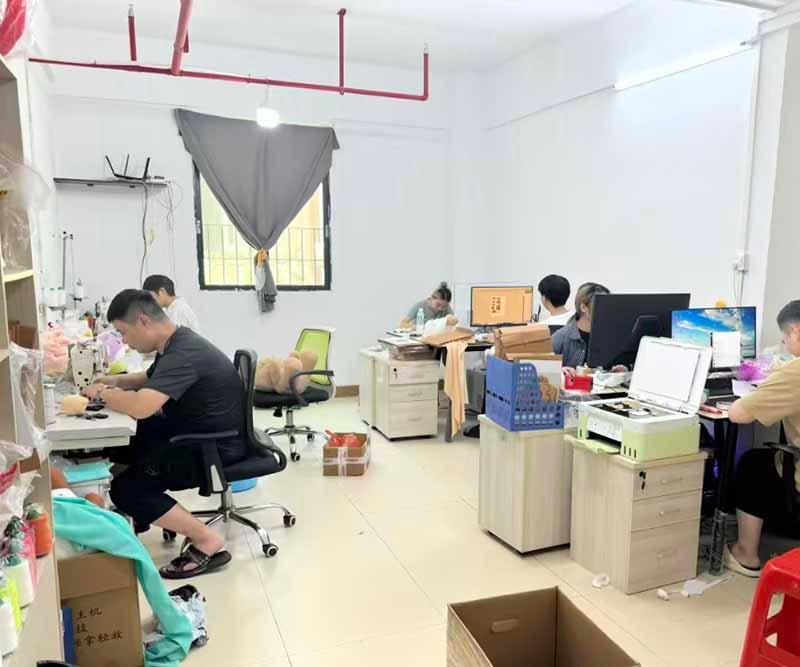
Core Development In Dongguan
- Licensed or confidential character development.
- Complex faces, hairstyles, outfits, props, or layered structures.
- Multi-SKU collections requiring shared proportion rules.
- Samples requiring several controlled revision stages.
- Long-term programs where retained samples and repeat-order records matter.
- Designs needing close communication between engineering, sample, production, and QC teams.
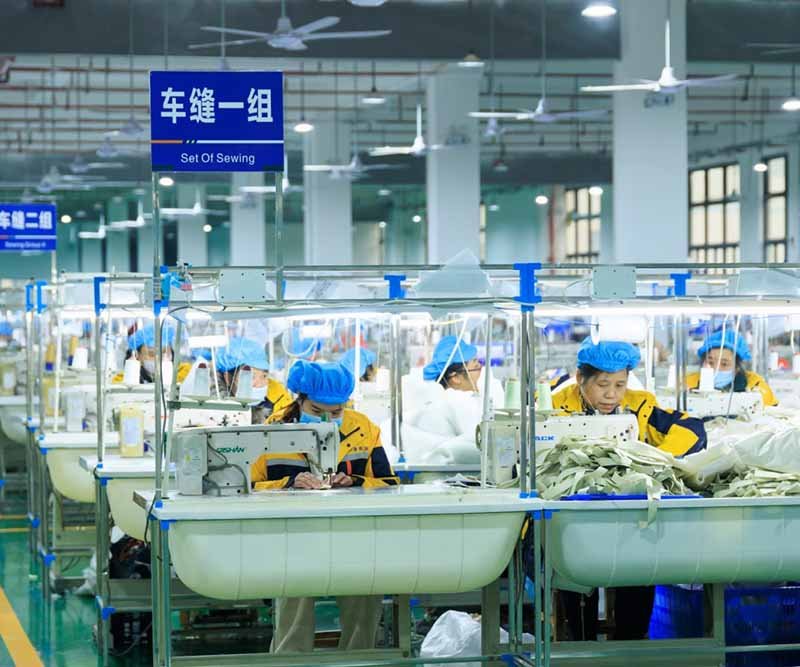
Capacity Coordination In Foshan
Foshan production resources support selected bulk orders, packing activities, supplementary operations, production balancing, and project allocation. Placement is reviewed rather than assigned automatically. A simple repeat order with stable materials may require a different production arrangement from a new licensed character with delicate facial embroidery and multiple clothing layers. Before production is allocated, Pufumi reviews:
- Product complexity and sewing difficulty.
- Quantity per SKU and total quantity.
- Required materials and supplier locations.
- Special embroidery, printing, hardware, or electronics.
- Packaging format and assembly workload.
- Inspection intensity and approval requirements.
- Required factory-ready and shipment dates.
Pufumi maintains the project specification, approved sample, BOM, packaging files, quality criteria, and release records across the production system. The value of multiple facilities comes from coordinated capacity and controlled information, not from moving orders without a documented technical reason.
Meet The Teams Behind Each Plush Program
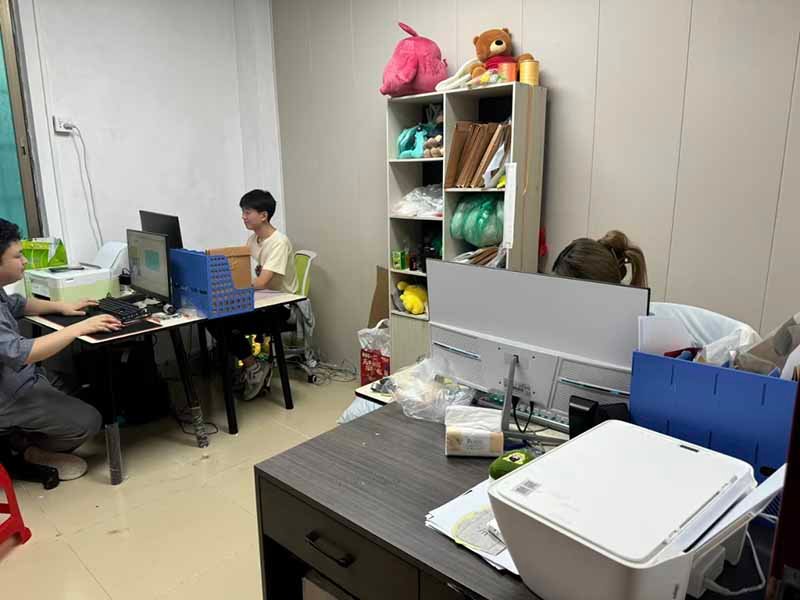
Project Management
- Confirming the project brief and missing information.
- Coordinating artwork, sample, commercial, and delivery decisions.
- Recording approvals and controlled changes.
- Escalating material, quality, or timing risks.
- Keeping the active project version aligned across teams.
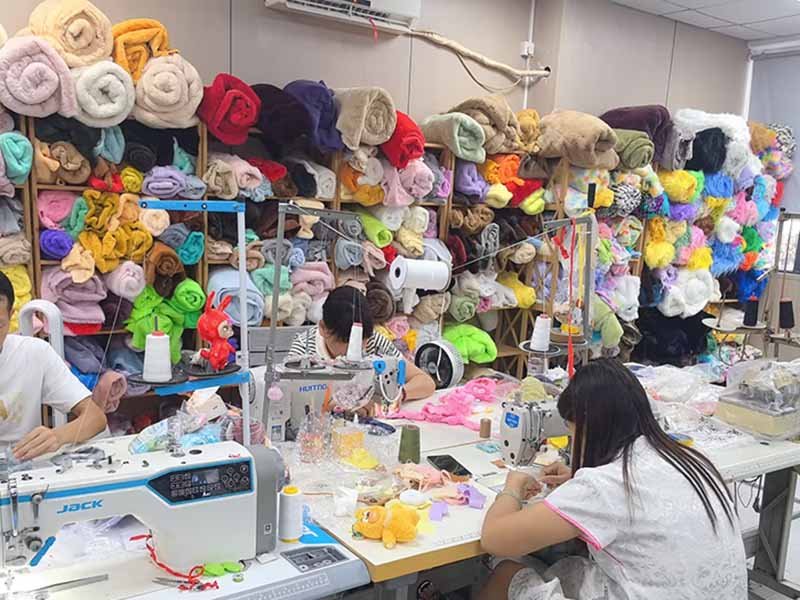
Engineering Team
- Character-feature priority review.
- Pattern-piece planning and numbering.
- Embroidery-position mapping.
- Fabric and filling recommendations.
- Small-detail simplification without losing recognition.
- Construction changes for sitting, standing, hanging, or electronic functions.
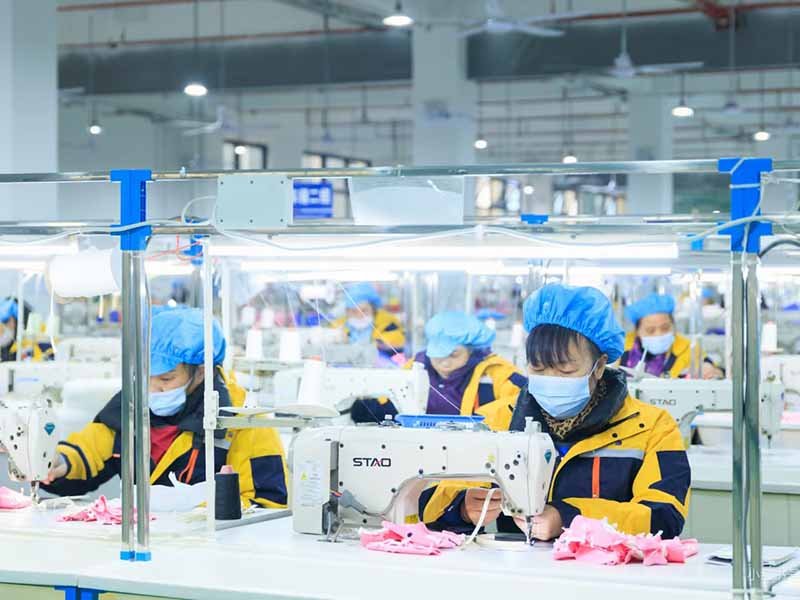
Production Team
- Correct material and color use.
- Correct SKU and pattern version.
- Stable seam allowance and workmanship.
- Consistent filling and finished dimensions.
- Separation of product and packaging versions.
- Accurate quantities through each work stage.
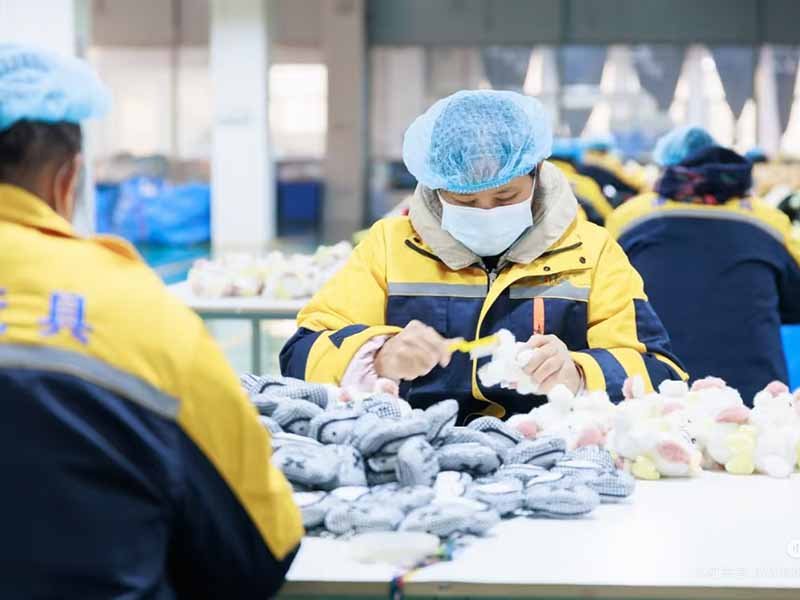
Quality And Delivery
QC personnel compare incoming materials, components, work-in-process items, finished plush, and packaging against approved project requirements. Packaging and logistics teams then convert accepted products into countable, scannable, protected, and shipment-ready units.
Their work includes:
- Incoming and in-process inspection.
- Final-product and packaging checks.
- Isolation of nonconforming items.
- Barcode and carton-mark verification.
- Carton count, weight, and CBM preparation.
- Coordination with forwarders, warehouses, and delivery plans.
Inside The Plush Sample Development Room
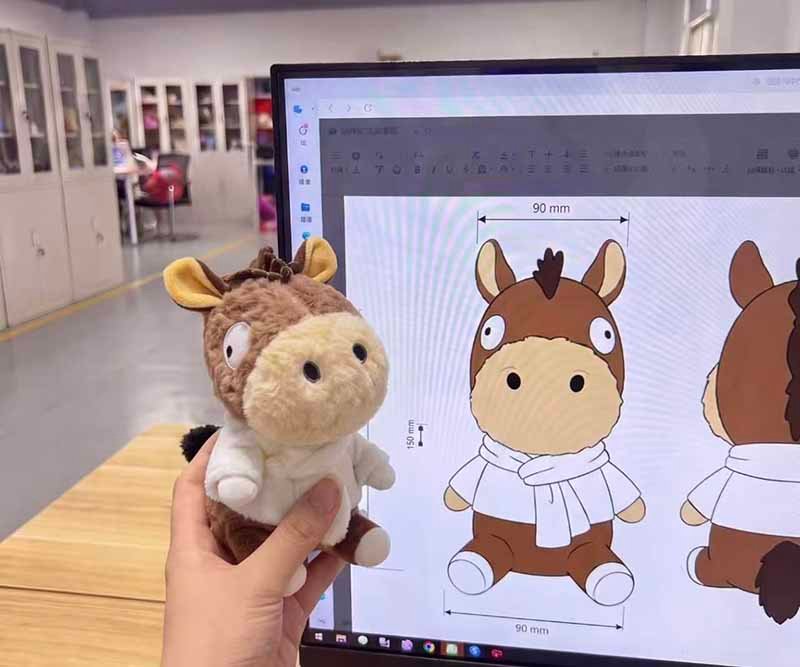
From Character Assets To First Prototype
Pattern pieces are then developed for the head, face, ears, body, limbs, tail, clothing, props, or internal supports. The number and shape of pieces depend on the design rather than product height alone. A 15 cm character with layered hair and fitted clothing may require more engineering than a clean 30 cm mascot.
The first prototype evaluates:
- Overall silhouette and head-to-body proportion.
- Face shape, eye spacing, mouth position, and expression.
- Fabric behavior around curves and tight seams.
- Filling distribution and finished posture.
- Clothing fit, thickness, and movement.
- Accessory scale, attachment, and visual balance.
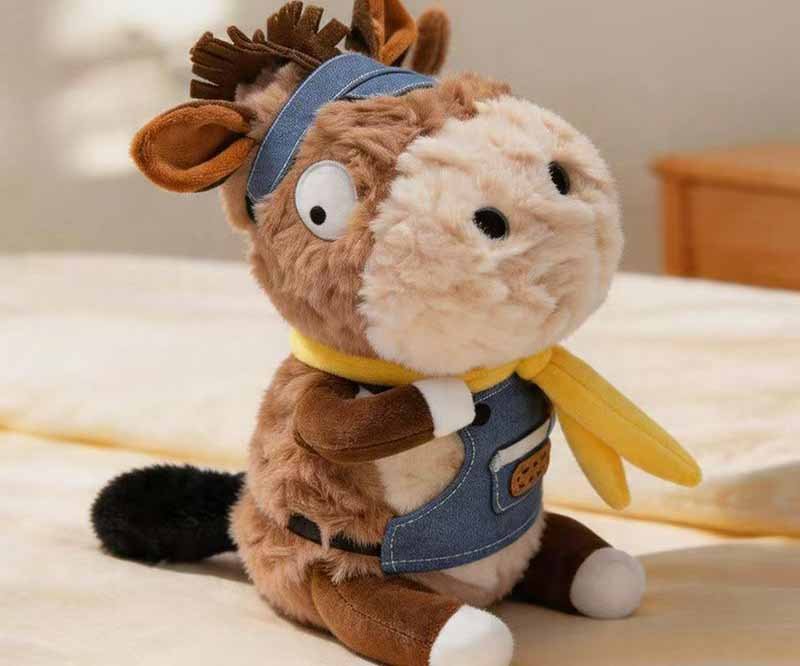
Revision Control And Approved Standards
Revision work begins with clear, consolidated feedback. Comments are linked to photographs, measurements, marked artwork, or reference views whenever possible. The sample team records the reason for each change, the affected component, the execution method, and the resulting version.
A controlled sample path may include:
- V1 Sample for overall interpretation and structure.
- Revision Sample for expression, proportion, fabric, outfit, or construction changes.
- Engineering Sample for difficult mechanisms, electronics, balance, or internal support.
- Pre-Production Sample using materials and processes close to bulk production.
- Golden Sample serving as the approved visual and workmanship reference.
- Retention Sample stored for inspection, repeat orders, and later comparison.
Normal prototype development may take approximately 7–15 working days after complete files, sample payment, and critical material confirmation. Complex clothing, custom-dyed fabric, electronics, molded accessories, or several SKUs may require a longer project-based schedule.
Material Library And Incoming Material Control
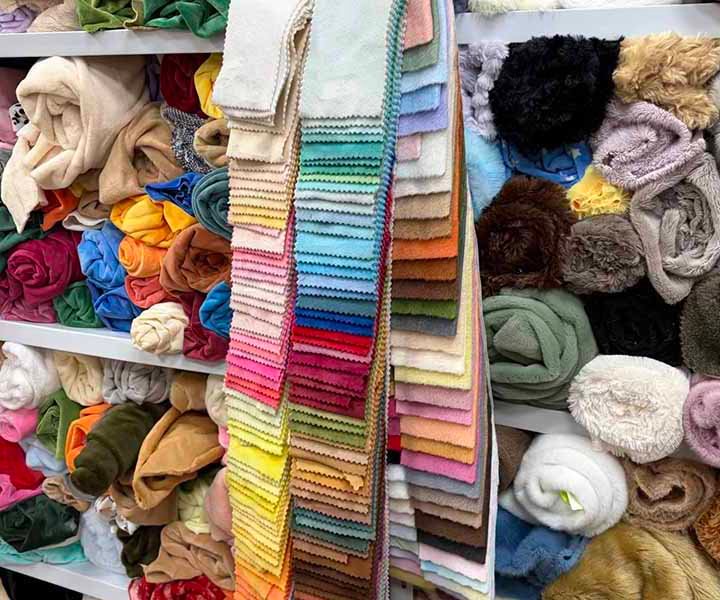
Fabric Library
- Pile length and direction.
- Surface density and backing.
- Stretch and recovery.
- Sheen, softness, and visual depth.
- Embroidery and printing compatibility.
- Color availability and lot consistency.
- Suitability for the intended product structure.
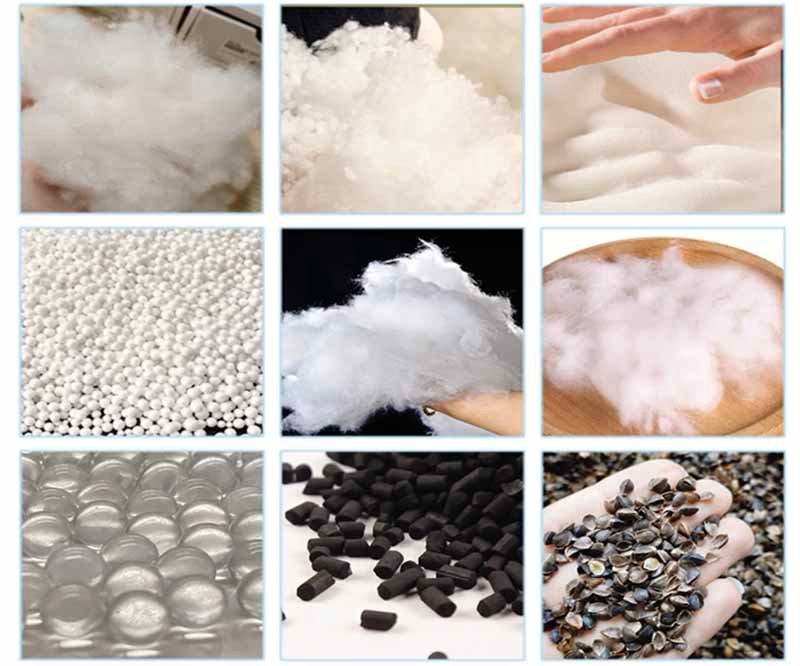
Filling Materials
- Approved filling material code.
- Total finished weight range.
- Regional filling instructions.
- Face and body handfeel reference.
- Weighted or functional insert location.
- Golden Sample comparison method.
- Compression and recovery considerations.
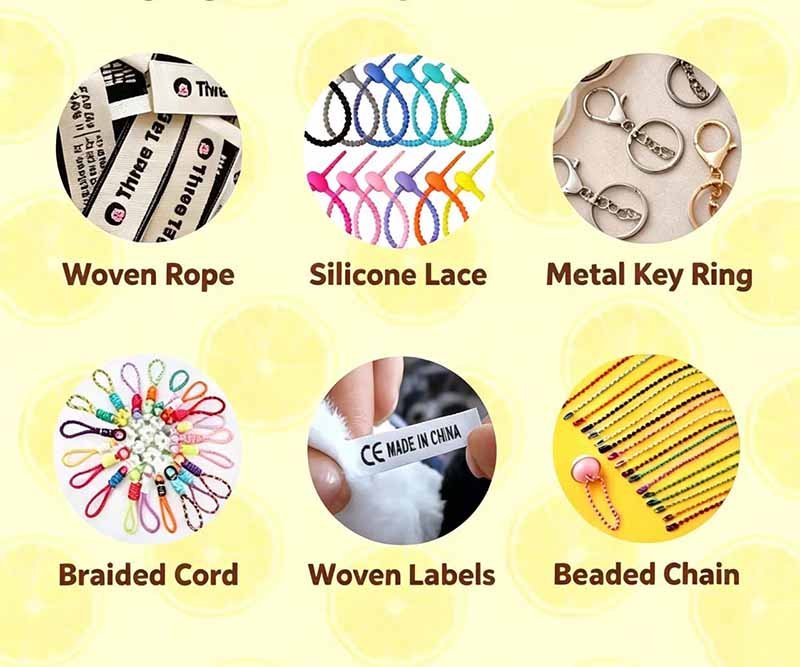
Accessories And Trims
Clothing fabrics, embroidery thread, woven labels, care labels, hangtags, zippers, hooks, key rings, chains, plastic parts, metal parts, sound modules, batteries, and packaging components require separate specifications.
Accessory review covers:
- Dimensions and finish.
- Attachment method.
- Color and branding.
- Pull or functional requirements.
- Intended age and market considerations.
- Supplier batch and applicable SKU.
- Replacement or repeat-order availability.
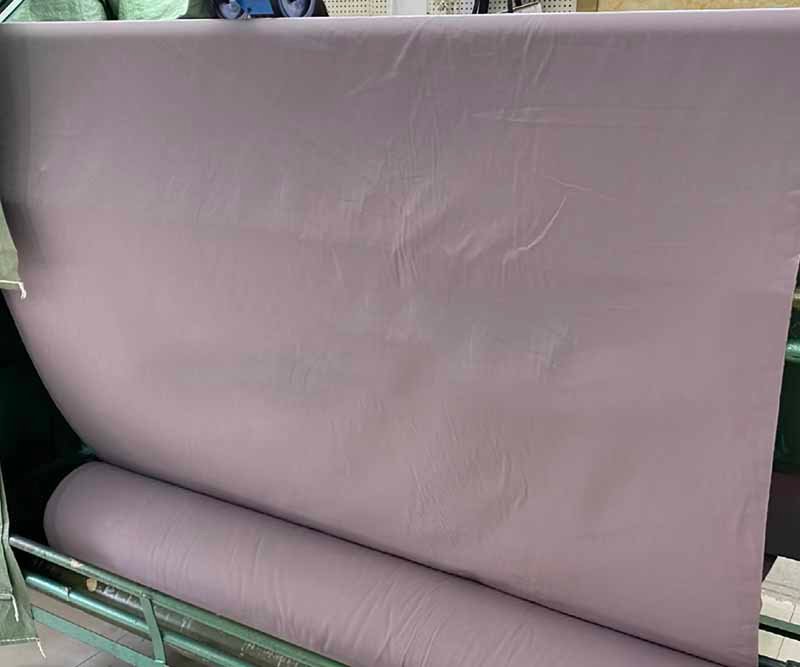
Incoming Inspection
Received materials are checked before entering production. Inspection scope depends on the material and project risk rather than a single universal checklist.
Incoming checks can include:
- Material identity and supplier lot.
- Color against approved swatch.
- Width, appearance, surface defects, and pile direction.
- Embroidery thread and print-material verification.
- Hardware, electronic, and packaging-component checks.
- Quantity and document review.
- Segregation of rejected or questionable material.
Cutting Embroidery And Printing Preparation
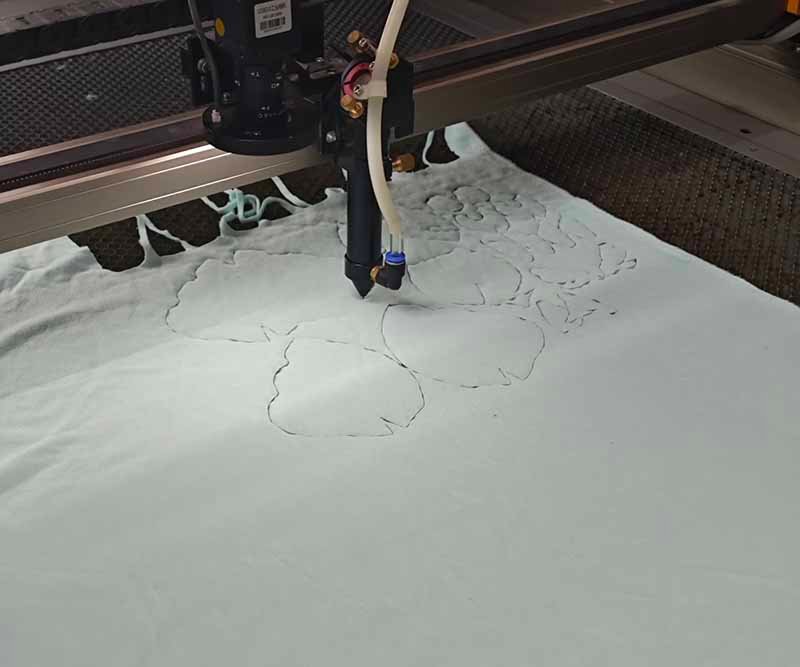
Pattern And Cutting Control
Released pattern files must match the approved sample and active version. Pattern pieces are numbered and linked to the correct SKU, size, fabric, pile direction, and quantity. Cutting layouts consider grain, stretch, surface direction, mirrored components, visible pattern placement, and material utilization.
Cutting-stage checks include:
- Pattern version and product code.
- Fabric face and pile direction.
- Left-right and mirrored-piece accuracy.
- Notches, markings, and embroidery positions.
- Quantity by component and SKU.
- Separation of colors, sizes, and product versions.
- Identification of damaged or miscut pieces.
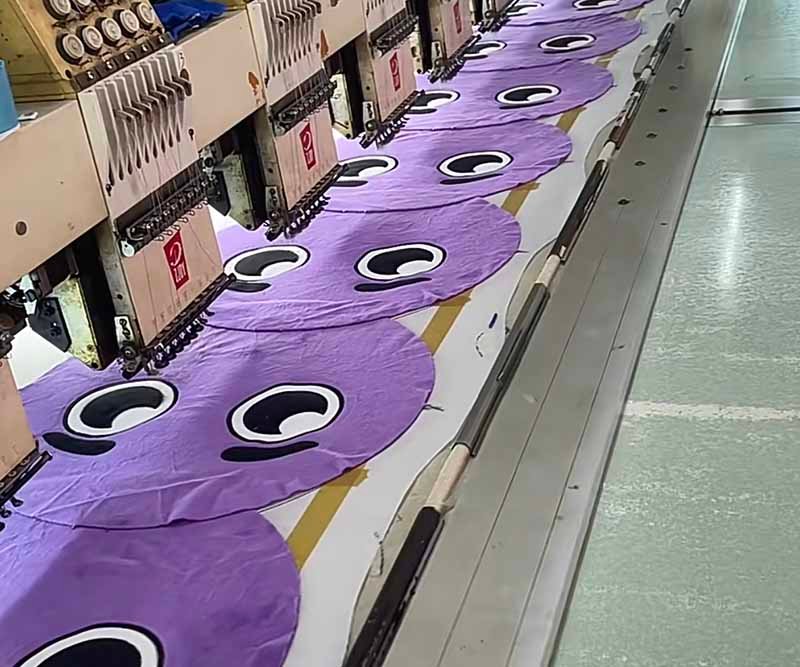
Embroidery Preparation
Preparation covers:
- Thread colors and approved references.
- Stitch density and direction.
- Eye, mouth, logo, and badge dimensions.
- Positioning marks on cut components.
- Stabilizer or backing requirements.
- Distortion after stuffing.
- Trial embroidery before bulk release.
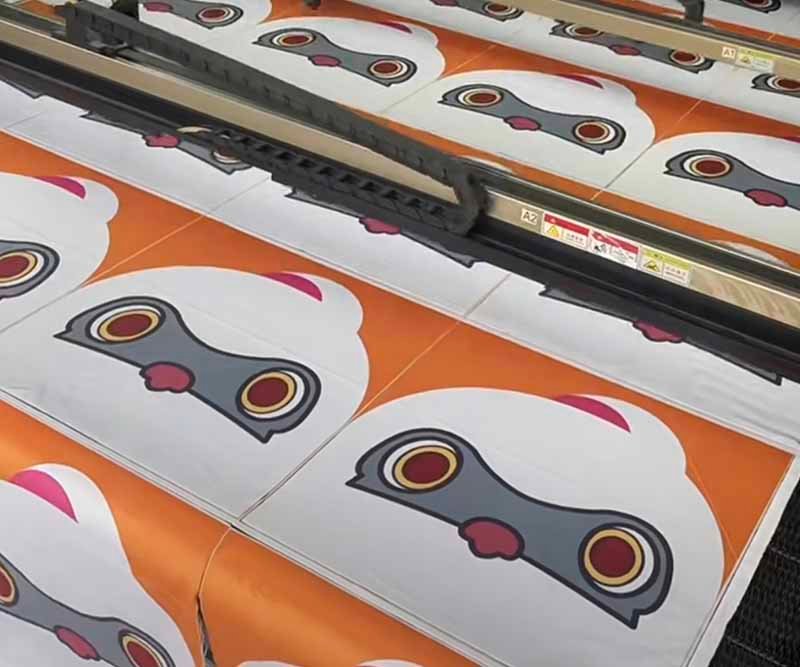
Printing Coordination
Printing control considers:
- Artwork version and output scale.
- Color reference and proof approval.
- Placement tolerance.
- Surface texture and ink penetration.
- Cutting alignment after printing.
- Applicable SKU and side orientation.
- Reinspection after outside processing returns.
Sewing Lines Built Around Approved Specifications
First-Piece Review
- Correct pattern and material version.
- Seam sequence and allowance.
- Embroidery relationship to surrounding seams.
- Symmetry and left-right orientation.
- Turning and filling access.
- Attachment preparation.
- Workmanship feasibility at production speed.
Body Construction
- Curved seam control.
- Pile release from stitched edges.
- Small-radius sewing.
- Layer alignment.
- Internal reinforcement.
- Opening size and placement.
- Component identification throughout assembly.
Clothing And Props
- Fixed or removable construction.
- Layer order and attachment points.
- Logo or print orientation.
- Closure type.
- Edge finishing.
- Alignment with body landmarks.
- Safety and intended-use considerations.
In-Process Checks
Production inspection takes place before problems multiply through an entire batch. Supervisors and QC personnel review workmanship, component identity, dimensions, symmetry, seam condition, embroidery placement, attachment preparation, and SKU separation at defined stages. An issue discovered during sewing can often be corrected before filling and closing. The same issue found after complete packing may require unpacking, reopening, repair, reshaping, relabeling, and reinspection, creating significantly greater delay and cost.
Filling Closing And Final Shaping
Controlled Filling
- Total filling-weight range.
- Firmer or softer areas.
- Face and muzzle shaping.
- Limb and body distribution.
- Weighted insert position.
- Electronic-module clearance.
- Approved handfeel and rebound reference.
Secure Closing
- The opening sits near the face or back.
- Long-pile fabric must hide the closure.
- Internal modules require later access during production.
- Weighted inserts or structural parts are present.
- The design has limited space for hand closing.
- Packaging compresses the finished item.
Shaping And Grooming
After closing, each product may require manual shaping, brushing, pile release, clothing adjustment, accessory alignment, loose-thread removal, and appearance review. Grooming is especially important for faux fur, layered hair, complex ears, shaped faces, fitted outfits, and products packed under compression. The goal is not to force every soft product into a rigid measurement. The goal is to maintain the approved visual range, balance, softness, and character recognition across the batch while respecting natural material variation.
Multi-SKU Production And Version Control
Production File Release & SKU Identification
Every design, size, color, clothing version, and package version needs a clear code. Identification follows components from cutting and embroidery through sewing, filling, packing, carton marking, and shipment records. SKU control helps prevent:
- Correct product in the wrong package.
- Wrong hangtag or copyright line.
- Mixed colors or character variants.
- Incorrect hidden or limited editions.
- Wrong barcode or FNSKU.
- Cartons containing unintended assortments.
Quantity Reconciliation & Approved Change Control
A specification change after sample approval can affect patterns, materials, embroidery, labor, testing, packaging, cost, and schedule. Pufumi records the requested change, affected SKU, approval source, implementation stage, commercial effect, and revised file version. Changes are not released through informal instructions alone. Production proceeds after the affected information and responsibilities are clear enough to prevent mixed old and new versions.
Quantity Reconciliation
Quantities are monitored through component preparation, sewing output, filling, final inspection, packing, and carton closure. Damaged parts, repairs, replacements, rejects, and approved overage require recording.
For multi-SKU projects, a total order count alone is insufficient. Reconciliation must confirm each design, packaging version, and carton assortment so shortages in one SKU are not hidden by excess units in another.
Approved Change Control
A specification change after sample approval can affect patterns, materials, embroidery, labor, testing, packaging, cost, and schedule. Pufumi records the requested change, affected SKU, approval source, implementation stage, commercial effect, and revised file version.
Changes are not released through informal instructions alone. Production proceeds after the affected information and responsibilities are clear enough to prevent mixed old and new versions.
Quality Checks Across The Production Floor
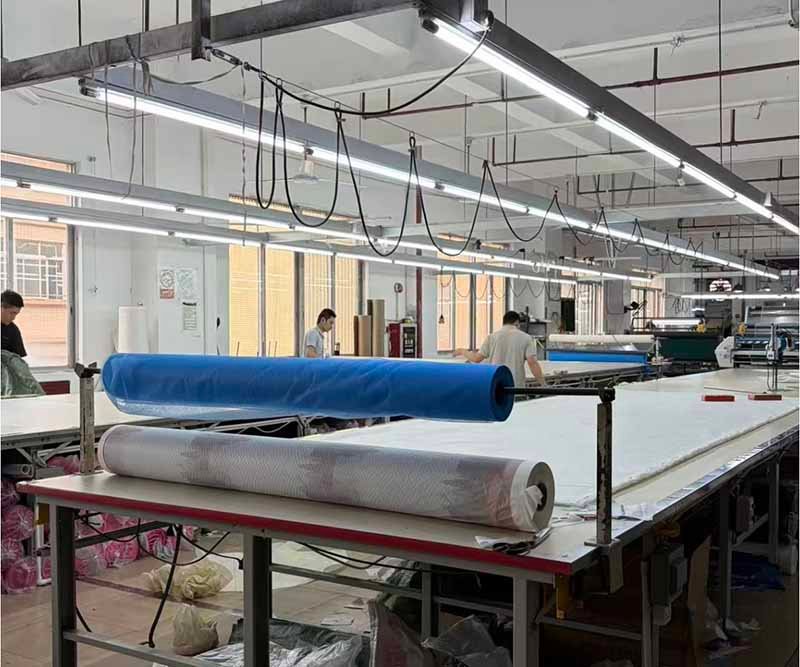
Incoming Materials
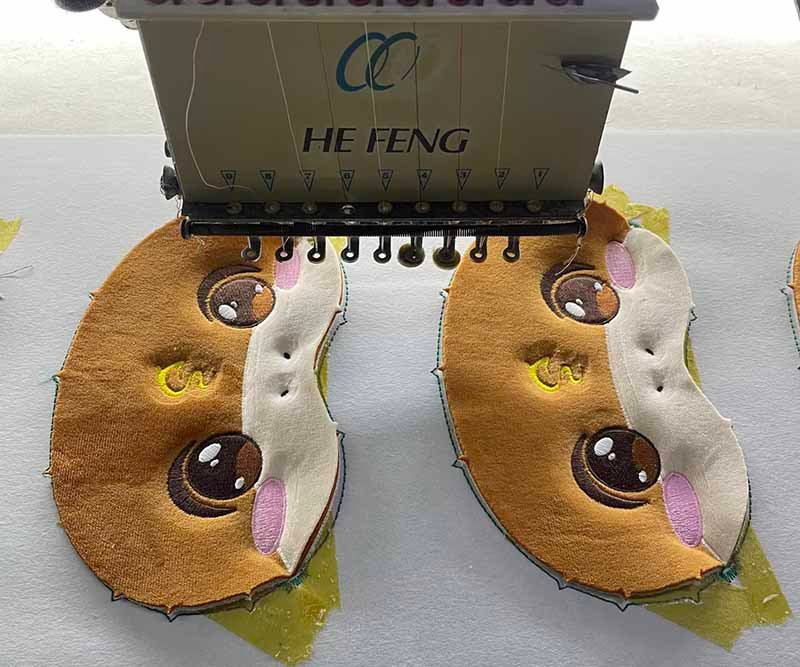
Embroidery And Printing
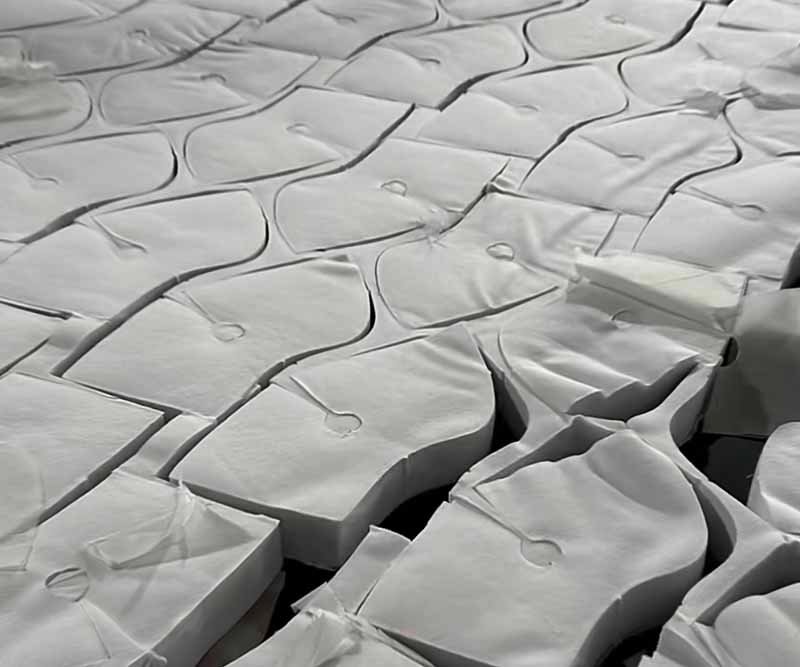
Cutting Components
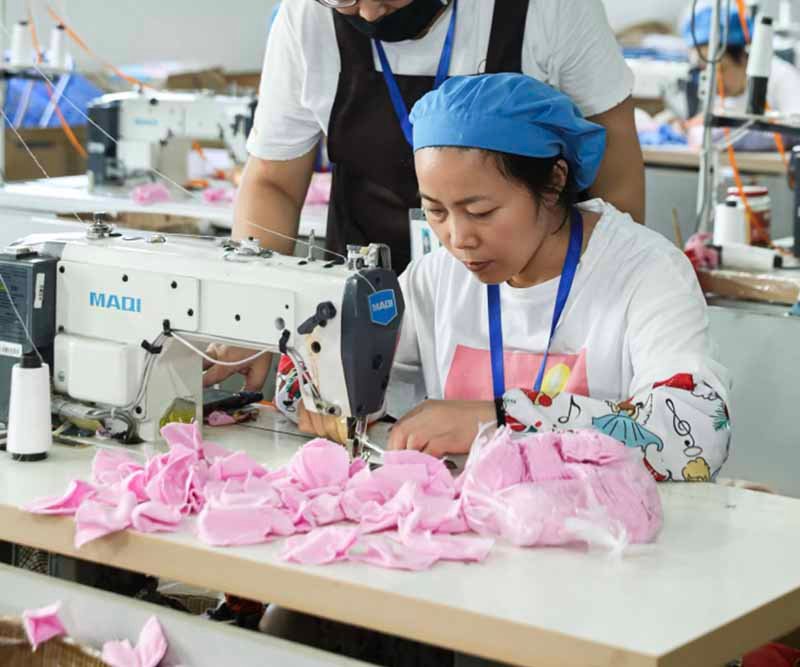
Sewing And Filling
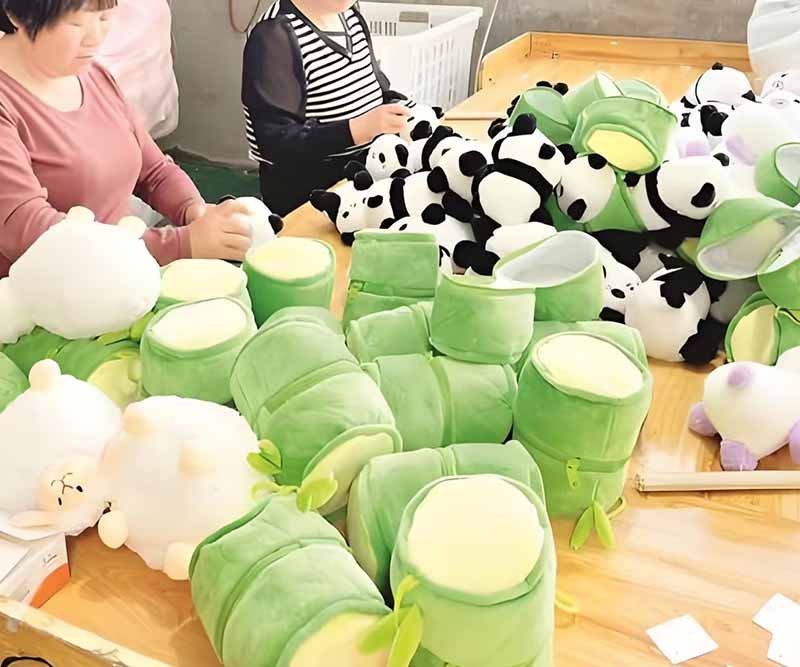
Finished Products
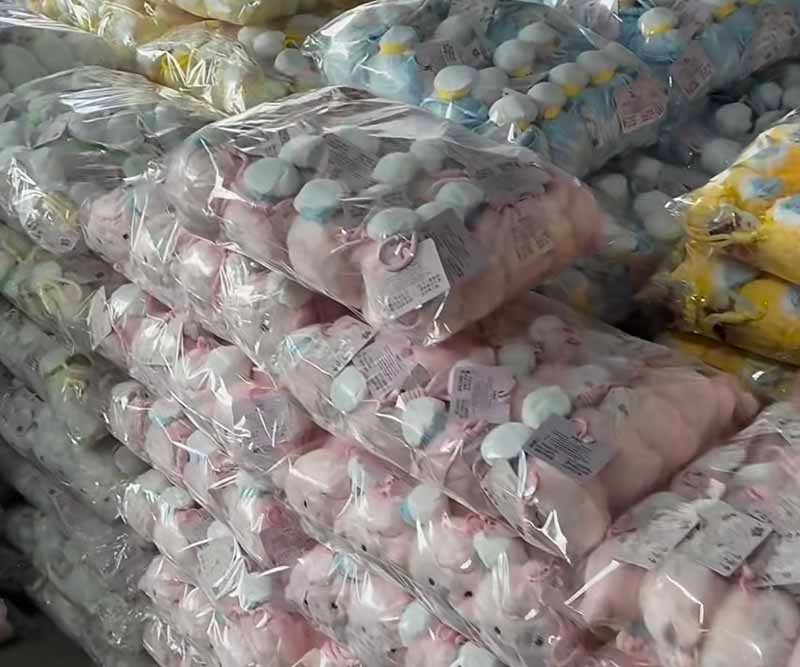
Packaging Release
Packaging Areas Built For Retail Requirements
Individual Packaging
Individual presentation may include a polybag, paper sleeve, belly band, hangtag, woven label, care label, collector card, story card, blind box, retail box, or gift box. Packaging is selected around channel, protection, display, labeling, sustainability goals, and shipping volume.
Packing teams verify:
- Correct product and package version.
- Product orientation and presentation.
- Required labels and inserts.
- Barcode visibility and scan position.
- Protection of embroidery, accessories, and shape.
- Closure and tamper requirements.
Multi-SKU Packing
Collection orders require controlled separation and count reconciliation. Ordinary, limited, hidden, color, size, and regional packaging versions may share similar products while requiring different labels or carton arrangements.
Controls can include:
- SKU-specific work areas.
- Package and barcode matching.
- Assortment sheets.
- Box-level counts.
- Carton numbering.
- Scan or manual verification.
- Final packing-list reconciliation.
Master Cartons
Master-carton design considers product size, compression limits, package protection, carton strength, unit count, warehouse weight limits, pallet requirements, and freight volume. A higher carton quantity is not always more efficient when compression damages product shape or retail boxes.
Final packing data normally records:
- Pieces per carton.
- Carton dimensions.
- Gross and net weight.
- Total carton count.
- Total CBM.
- Carton marks and destination labels.
- Pallet or non-pallet arrangement.
Warehouse Separation
Warehouse areas are separated according to production status and material function. Relevant zones may include material storage, work-in-process holding, finished goods, pending inspection, packaging materials, nonconforming isolation, and retained samples.
Separation helps prevent:
- Unchecked products entering released stock.
- Rejected materials returning to production.
- Approved and unapproved packaging mixing.
- Confidential samples appearing in open display areas.
- Finished orders being combined before documentation is complete.
Compliance Preparation And Testing Coordination
Product Information Review
- Material and component list.
- Age grading and intended use.
- Small detachable parts.
- Seam and attachment construction.
- Chemical or flammability considerations.
- Batteries, wiring, sound, light, or sensors.
- Permanent and packaging labels.
- Traceability and responsible-party information.
Testing Preparation
Findings And Corrective Action
- Risk assessment.
- Inspection photographs.
- Nonconformance record.
- Corrective action record.
- Updated BOM or technical file.
- Revised sample approval.
- Laboratory report.
- Final inspection record.
Confidentiality Controls During Factory Visits
Controlled Visitor Access
Photography Restrictions
Project Classification
NDA And Sample Protection
An NDA can be arranged before artwork review, sample-room discussion, or a visit involving sensitive information. Confidential samples are numbered, stored, photographed, lent, shipped, returned, retained, or destroyed according to project requirements. A visiting brand should expect the same restrictions around another organization’s assets that Pufumi would apply to its own unreleased character, product, packaging, quantity, pricing, and launch information.
Six-SKU Character Plush Program With 12,000 Pieces
A representative anonymized production plan involved six character plush designs at approximately 18 cm finished height. Each SKU contained 2,000 pieces, creating a total commercial quantity of 12,000 pieces. The products used short-pile plush, embroidered facial features, character-specific clothing, woven labels, printed hangtags, individual polybags, and SKU-specific carton marks.
The sample stage covered six first prototypes, consolidated brand review, one controlled revision round, and final Golden Sample approval. The development schedule was planned around approximately 12 working days for the first group, followed by 8 working days for the revision group after consolidated comments and material confirmation.
Before production, the team released:
- Six approved pattern sets.
- Six embroidery-file groups.
- A controlled BOM for every SKU.
- Shared and SKU-specific material lists.
- Clothing construction instructions.
- Approved hangtag and woven-label files.
- Packing quantities and carton-mark references.
- Product and packaging inspection points.
Bulk material preparation covered body fabrics, embroidery threads, clothing textiles, filling, woven labels, hangtags, polybags, and master cartons. Shared materials were purchased under common codes where technically appropriate, while character colors, clothing parts, labels, and packaging versions remained separated by SKU.
Production was organized around a 38-working-day benchmark after the deposit, material readiness, and technical-file release. The schedule included cutting, embroidery, sewing, filling, shaping, labeling, final inspection, packing, and carton reconciliation.
With 40 pieces packed per master carton, the planned shipment contained approximately 300 cartons before final packing optimization.
Final inspection reviewed character appearance, embroidery position, clothing, seams, filling, woven labels, hangtags, polybags, SKU identity, carton quantity, and carton marks. Shipment data was released only after completed packing confirmed the final carton dimensions, gross weight, net weight, and CBM.
The example demonstrates the role of factory control across multiple designs. Quantity alone does not determine complexity. Six approved designs require six synchronized product, material, labeling, packing, and inspection paths.

Plan Your On-Site Factory Tour
| Tour Stage | Suggested Duration | Areas And Discussion Points |
|---|---|---|
| Company And Project Briefing | 15–25 minutes | Pufumi structure, Oneier relationship, Dongguan and Foshan roles, project requirements, confidentiality rules, and visit objectives |
| Sample Development Room | 20–35 minutes | Artwork interpretation, pattern engineering, sample stages, revision control, Golden Samples, retained samples, and development records |
| Material Library | 15–25 minutes | Fabric types, pile direction, stretch, color matching, filling, trims, approved swatches, material codes, and incoming checks |
| Production Floor | 25–45 minutes | Cutting, embroidery preparation, sewing, filling, closing, shaping, production files, first-piece approval, and SKU separation |
| Quality And Packaging | 20–35 minutes | In-process inspection, final checks, nonconforming isolation, labels, barcodes, retail packing, master cartons, and shipment records |
| Project Review Meeting | 20–30 minutes | Product feasibility, sample route, quotation inputs, schedule risks, packaging, compliance preparation, next steps, and responsible contacts |
Projects Well Suited To A Factory Review
Licensed Character Programs
- Character-fidelity development.
- Sample revision records.
- Non-negotiable visual features.
- Confidential asset access.
- Copyright and labeling files.
- Multi-character consistency.
- Golden Sample control.
Retail Collections
- SKU coding.
- Product and package matching.
- Retail-box assembly.
- Barcode positioning.
- Carton assortment.
- Warehouse labels.
- Repeat-order archives.
Complex Product Development
Projects involving unusual body structures, fitted clothing, long-pile materials, weighted sections, electronics, removable accessories, or strict posture requirements benefit from direct technical discussion. Engineering teams can review:
- Pattern feasibility.
- Material behavior.
- Filling distribution.
- Internal support.
- Accessory attachment.
- Functional inspection.
- Expected sample stages.
Trust, Compliance & Production Assurance
Confidence for global brands and complex plush programs
Pufumi evaluates each project according to its target market, age grade, materials, construction, labeling, and packaging requirements. Depending on the assigned production site and project scope, our team can support ISO 9001 quality-management documentation and coordinate testing to EN71, ASTM F963, CPSIA, REACH, and other applicable standards. Factory audits, certifications, and test reports are verified by issuing body, validity period, facility, and product scope, giving brands greater transparency from sample development through controlled production and delivery.














Frequently Asked Questions
Pufumi is operated by Shenzhen Oneier Technology Co., Ltd. Manufacturing resources are primarily located in Dongguan and Foshan, Guangdong. The Dongguan core self-owned factory is the central development and manufacturing base and was established in 2007. Oneier-invested and managed Foshan resources provide supplementary production, packing, capacity balancing, and project support according to product type, order size, timing, and workmanship requirements.
Access depends on active work, safety, confidentiality, production flow, and the purpose of the visit. Pufumi can normally arrange approved views of sample development, materials, production, quality, packaging, and warehousing. Certain zones may be restricted when unreleased IP, confidential packaging, technical files, client names, quantities, or sensitive commercial programs are present. Restricted access protects all participating brands and does not indicate an unavailable manufacturing process.
Yes. Advance confirmation allows Pufumi to prepare visitor access, responsible team members, meeting space, production-route availability, confidentiality controls, and relevant samples or records. Please provide the preferred date, visitor names, company information, job functions, project scope, and main discussion points. Unscheduled visits may not receive full production access or the engineering, quality, and project personnel required for a meaningful review.
Photography is allowed only in approved areas. Visitors may not photograph unreleased characters, restricted samples, client packaging, production boards, technical files, computer screens, client names, order quantities, carton marks, or confidential project information without permission. Pufumi can identify approved photography points or prepare anonymized visual material. Images taken outside the agreed scope may need to be deleted before the visit continues.
Yes. An NDA can be reviewed before artwork submission, technical discussion, sample-room access, or a visit involving unreleased products and commercial plans. Pufumi also applies internal confidentiality levels, need-to-know access, controlled file naming, sample numbering, photography restrictions, and restricted display rules. NDA coverage does not permit visitors to access confidential projects belonging to other organizations.
A live-video review may be arranged when international travel, timing, internal policy, or project stage makes an on-site visit difficult. The route can cover approved sample-room, material, production, quality, packaging, and warehouse areas. Camera movement remains subject to confidentiality and production restrictions. A virtual review works best when questions, products, and required evidence are submitted beforehand so relevant teams and records can be prepared.
Pufumi can discuss supplier qualification, quality procedures, inspection stages, production controls, corrective-action records, packaging controls, traceability, and relevant facility documents. The required audit standard, scope, assessor, checklist, documents, production access, and timing should be provided before confirmation. A product test, management-system review, social audit, and retail supplier assessment serve different purposes and should not be treated as interchangeable evaluations.
Production visibility depends on the confirmed order schedule, material readiness, approvals, and visit date. Pufumi cannot guarantee that a specific product will be at a preferred operation solely for tour purposes. When timing aligns, the route may include relevant sample, production, inspection, or packing stages. Otherwise, process explanations can use approved demonstration products, anonymized records, or comparable non-confidential examples.
Yes. Artwork, reference products, specification files, packaging examples, material swatches, and quality requirements can make the meeting more productive. Sensitive files should be sent through a controlled channel or presented during the meeting rather than left in an open visitor area. Third-party characters, logos, or brand assets should be supported by original ownership, authorization, or another legitimate right to develop the proposed merchandise.
Pufumi can summarize the project scope, open technical questions, missing files, recommended sample path, material considerations, packaging requirements, compliance inputs, quotation conditions, and expected next steps. Formal commitments begin only after the relevant specifications, commercial terms, payments, and approvals are confirmed. Factory observations help inform supplier selection, but the approved sample, technical files, quality plan, PI, and contract remain the operating basis for an actual order.
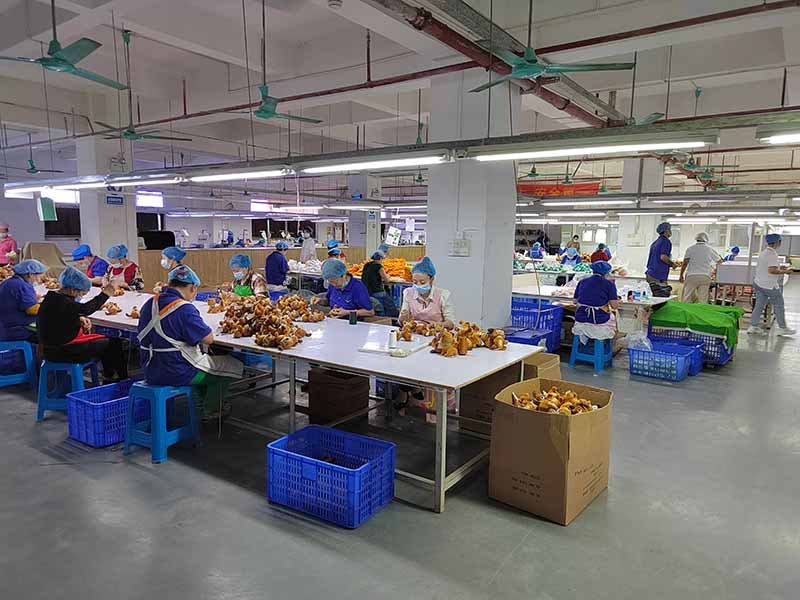
Arrange A Factory Tour With Pufumi
A useful factory review begins with clear project context. Share the products, quantities, markets, concerns, and people attending so Pufumi can prepare the right route, team, materials, samples, production areas, and discussion records. Sensitive designs can be handled under an NDA before detailed files are reviewed.
Please include:
- Company and brand name
- Company website
- Visitor names and job functions
- Preferred visit date
- Product type and available artwork
- Target product size
- Estimated quantity per SKU
- Total number of designs
- Target markets and intended age group
- Packaging and retail-channel requirements
- Main engineering or quality concerns
- Audit, NDA, photography, or document needs
- On-site or live-video preference
- Required shipment or launch date
Factory address, meeting contact, access instructions, and recommended travel arrangements will be provided after the visit is confirmed. Do not submit banking passwords, confidential payment credentials, or unauthorized third-party IP through the general inquiry form.